
Reviewed · EVENING EXPERIENCES
Hidden Gem Food & Drink Night Tour near Roppongi
Azabujuban gives this food tour its appeal. Tucked between Roppongi and Tokyo Tower, the neighborhood has the sort of small izakayas and bars you can easily miss without help. You’ll eat at three local spots, try yakitori, wagyu, or sashimi, and taste five Japanese whiskies in a four-hour evening.
I like the small group of 10 or fewer, which makes a bar visit much easier than joining a large party. I also like the personal touch: guides Ellen and Taku have taken guests to extra local stops when time and interest allowed. The main consideration is price: at $168 per person, this works best if you value guidance, several included tastings, and a ready-made night out rather than simply buying dinner.
In This Review
- Key points to know before you book
- Why Azabujuban makes a better setting than a standard nightlife district
- Stop one: an izakaya meal with a choice of Japanese specialties
- Stop two: five Japanese whiskies, measured for comparison
- Stop three: homemade dishes and a neighborhood welcome
- How the four-hour schedule feels
- The guides and the value of a small group
- Is $168 a fair price?
- Food restrictions, age limits, and useful planning notes
- Who will enjoy this Azabujuban night tour?
- Should you book it?
- FAQ
- Where does the tour start and finish?
- How long does the experience last?
- How many people are in the group?
- What food and drinks are included?
- Can I request yakitori, wagyu, or sashimi?
- Is the tour suitable for people with food allergies or dietary restrictions?
Key points to know before you book
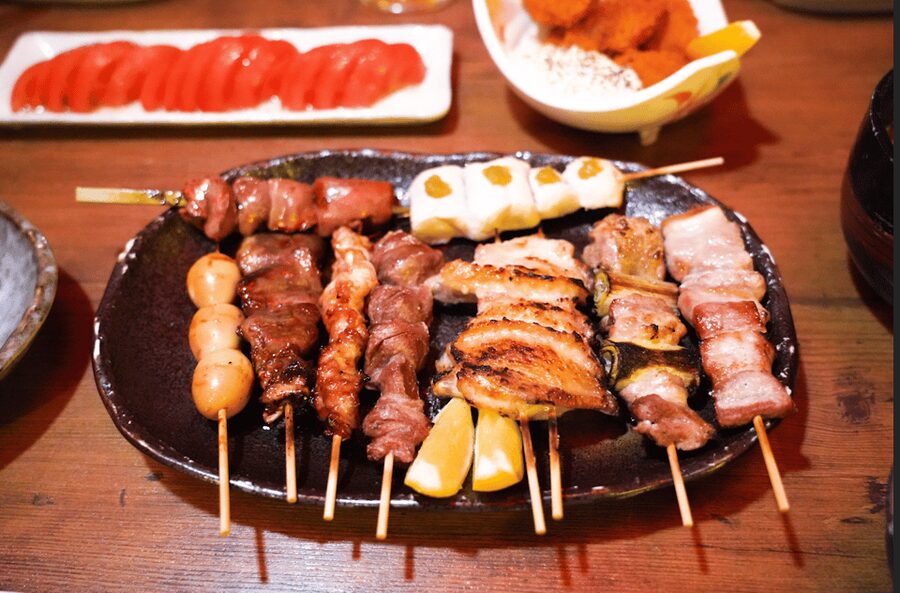
- Three different food and drink stops: You’ll visit an izakaya, a whiskey bar, and another local restaurant instead of spending the evening in one place.
- Five Japanese whiskey samples: Each pour is 15ml, giving you a broad taste without committing to five full glasses.
- A choice of main food style: The first restaurant may offer yakitori, wagyu, or sashimi, depending on availability and your preference.
- Homemade neighborhood cooking: One stop includes traditional dishes prepared by an Azabujuban neighborhood auntie.
- English-speaking guides in a small group: The group is limited to 10 people, with Ellen and Taku named as guides.
- Bring cash and comfortable shoes: Extra food and drinks are not included, and the tour moves between several venues.
Why Azabujuban makes a better setting than a standard nightlife district
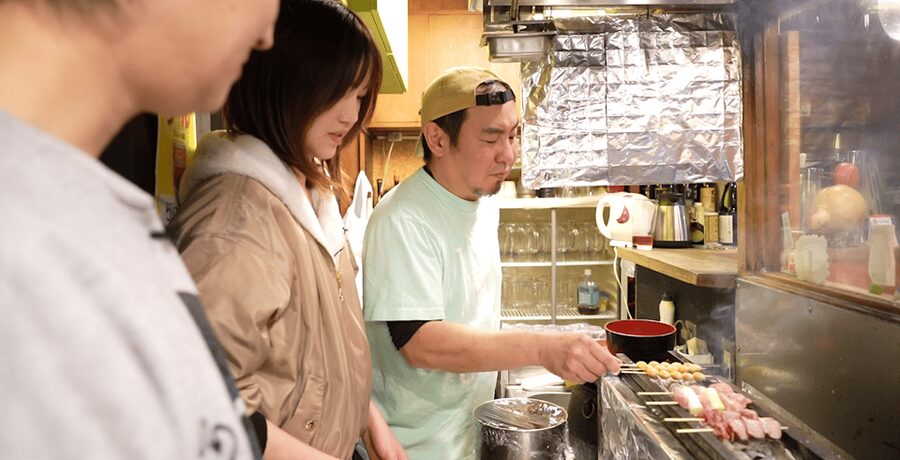
Roppongi is famous for nightlife, but this tour points you toward Azabujuban, the older-feeling neighborhood between Roppongi and Tokyo Tower. The setting matters. Instead of treating Tokyo nightlife as a parade of large venues, the evening focuses on small local places where food, drink, and conversation share the same table.
You begin in front of Oslo Coffee Azabujuban, beside Exit 4 of Azabujuban Station. Look for the red Japan Hopping sign. From there, the guide leads you through the neighborhood before the first meal, giving you a chance to get your bearings and see why this part of Tokyo appeals to people looking beyond the main tourist streets.
The tour is conducted in English, and the group limit of 10 is useful here. Small bars and izakayas are not designed for a coachload of people. A smaller group also gives you a better chance to ask about Japanese drinking customs, food choices, and the neighborhood without shouting across a table.
Still, this is not a private tour. The pace and food choices need to work for the whole group. The first restaurant also depends on availability, so you should treat the yakitori, wagyu, or sashimi choice as a preference rather than a guarantee.
A few more Tokyo bookings worth comparing
- Tokyo Night Foodie Tour in Shinjuku – Seasonal Sushi, Wagyu Beef
★ 5.0 · 1,161 reviews - Tokyo: Daikoku JDM Car Meet & Night Car Culture Tour
★ 4.8 · 626 reviews - Tokyo After 5: Authentic Japanese Food & Drink Night Tour
★ 4.5 · 560 reviews
Stop one: an izakaya meal with a choice of Japanese specialties
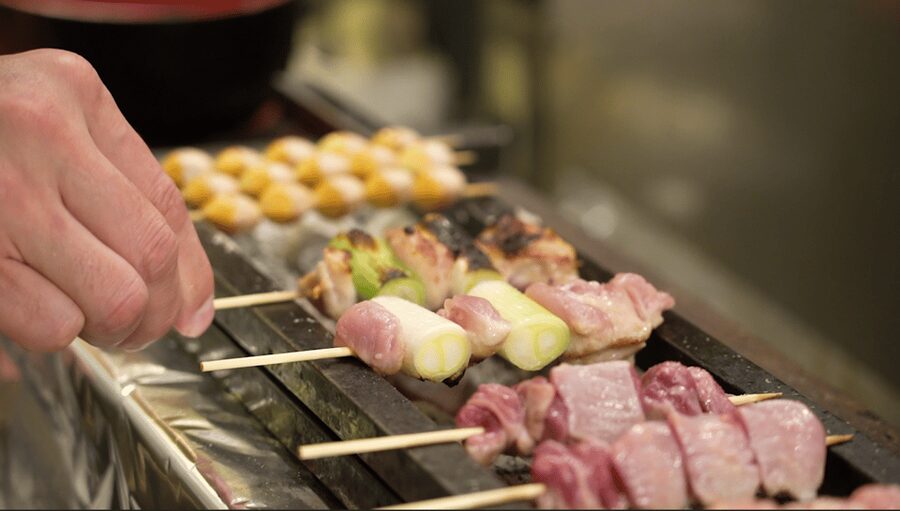
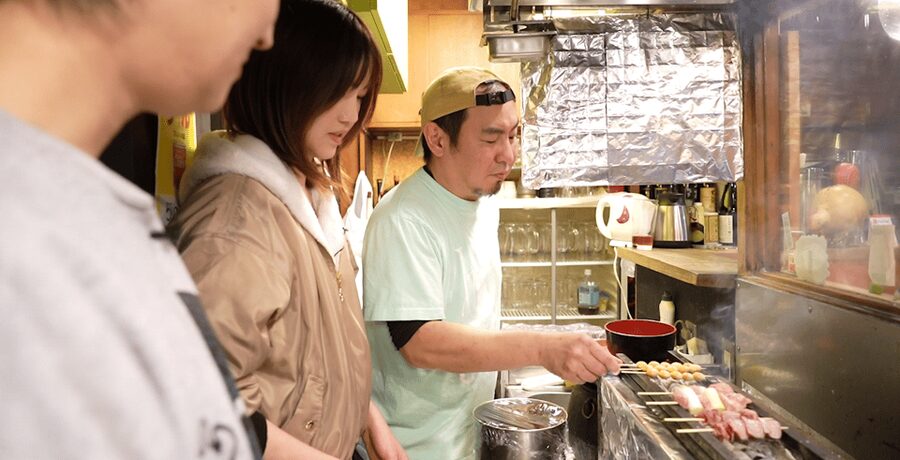
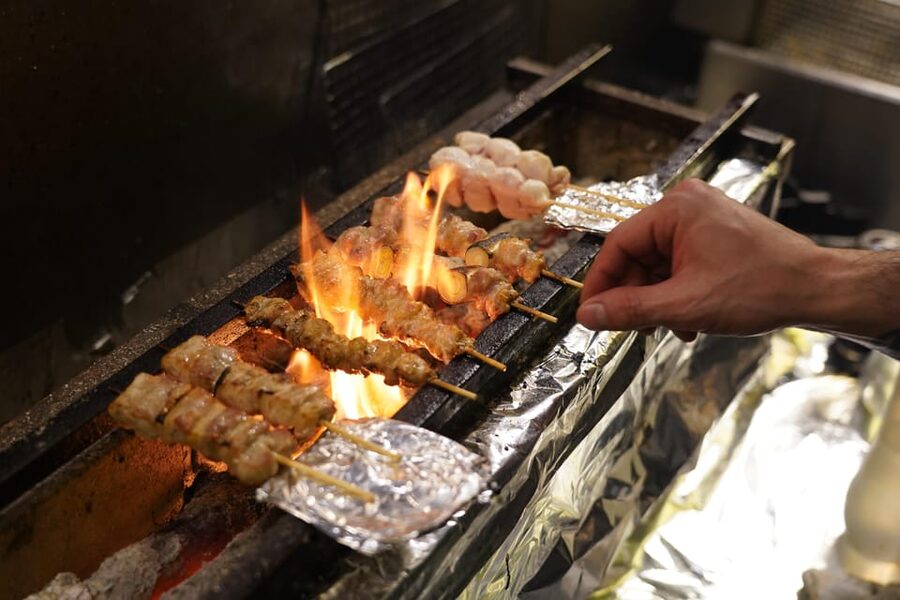
The first substantial stop is a local restaurant or izakaya, with beer and dinner included. The food may center on yakitori, wagyu, or sashimi, depending on the restaurant’s availability and what you request.
That flexibility is helpful. If grilled chicken skewers are your introduction to izakaya food, yakitori gives you a familiar and approachable starting point. Wagyu offers a more luxurious meal, while sashimi suits diners who want fresh raw fish and a classic Japanese preparation.
You should contact the operator ahead of time if you have a preference. This is one of the few parts of the evening where your request may shape the meal, although the final choice depends on what is available. Food portions are described as sufficient to fill you up, so you are not paying for a few decorative bites followed by a second dinner.
One drink is included with the izakaya meal. Beer is listed for this stop, but the included drink structure is more important than the exact pour: you receive food and something to drink without having to calculate every first order.
An izakaya is not simply a Japanese bar with snacks. It is a place where people gather around shared plates, order several small dishes, and let the meal unfold gradually. That makes this a useful first stop for anyone still learning how Japanese dining works. You can watch how food and drink are paired, how dishes arrive, and how the group shares the table.
The possible drawback is that you may not control every dish. If you want a fixed menu built around one exact specialty, this evening’s flexible format may feel less predictable. For most people, though, the local setting is more valuable than a tightly scripted tasting menu.
Stop two: five Japanese whiskies, measured for comparison
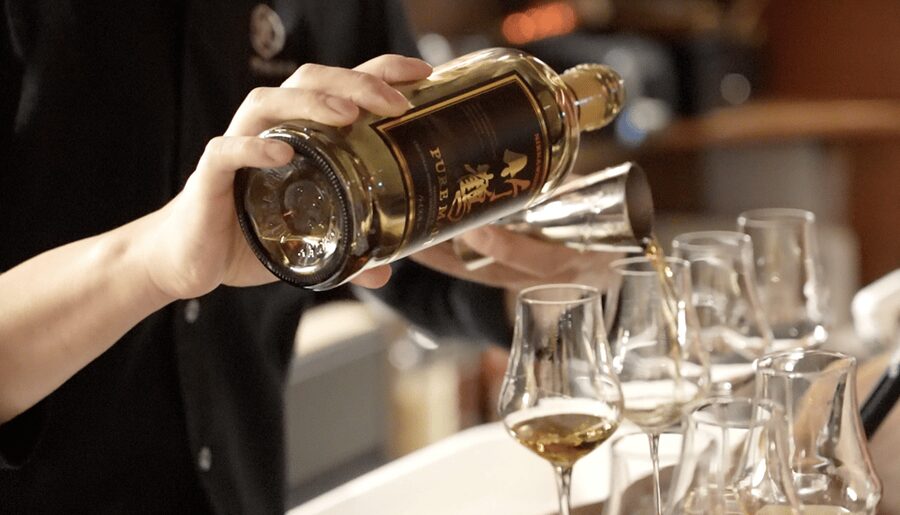
The whiskey tasting is the tour’s clearest specialty. You’ll try five types of rare Japanese whiskey, with each sample measuring 15ml.
That is a sensible tasting size. Five full drinks would be too much for many people, especially when the evening also includes beer and another drink. Small pours let you compare styles while keeping the focus on flavor rather than quantity.
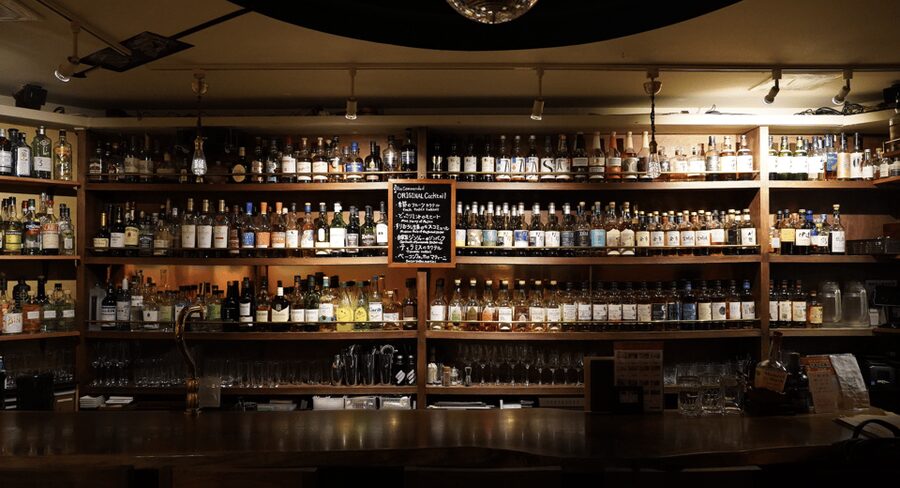
The experience takes place at a local bar and lasts about an hour. You can expect this part of the evening to slow the pace after dinner. It also gives your guide time to explain the drinks and place them within Japanese drinking culture.
The phrase rare Japanese whiskey should not be read as a promise that you will receive a specific named bottle. The supplied details do not list the five labels, and availability can change. If you have one particular whiskey in mind, ask before booking rather than assuming it will appear.
The tasting is best for curious drinkers who want variety. You do not need to be a whiskey expert to get value from five small pours. You can simply notice which samples seem lighter, stronger, sweeter, or more suited to your taste.
This portion also explains why the tour costs more than a basic bar crawl. You are not just buying drinks one at a time. You are paying for access to a guided tasting, five separate pours, and the structure that keeps the evening moving.
Keep in mind that this is an alcohol-focused experience. It is not suitable for pregnant women or anyone under 20. If you do not drink whiskey, the food stops may still appeal, but the tasting makes up a meaningful part of the four-hour plan.
Stop three: homemade dishes and a neighborhood welcome
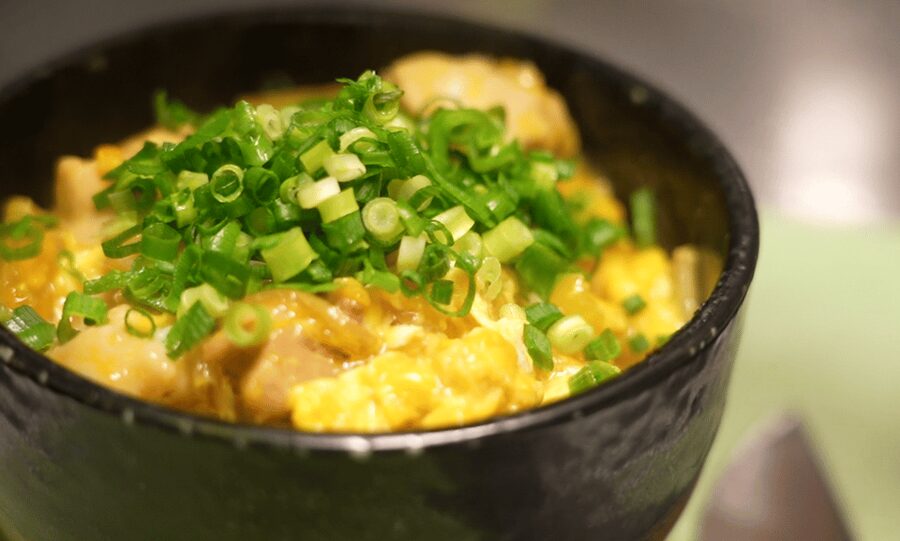
The final food stop is another local restaurant, where you receive homemade traditional dishes and one drink. This is the part that adds a more personal feel to the evening. The cooking comes from an Azabujuban neighborhood auntie, rather than being presented only as a formal restaurant tasting.
That distinction matters. A polished meal can show you what a restaurant wants to present. Homemade food can show you what someone in the neighborhood wants to share. The details of the dishes are not specified, so you should not expect a fixed list, but the format points toward familiar Japanese cooking rather than a formal fine-dining course.
Beer and dinner are included at this stop, along with the homemade dishes and one drink. With the first meal, the whiskey tasting, and this final round of food, the evening should leave you comfortably fed. The tour specifically advises that the amount of food is enough to fill you up.
I like the way this stop rounds out the evening. The first meal introduces an izakaya, the middle stop focuses on whiskey, and the last visit brings in home-style food. You get three different views of Japanese food and drinking culture instead of one repeated restaurant experience.
Extra purchases are not included. Bring cash if you think you may want more food, another drink, or a personal purchase. One person who took the tour also found the cash useful for optional extras, and that is practical advice for any evening built around small local businesses.
Same corner of Tokyo, a completely different plan:
- Mt Fuji and Hakone 1-Day Bus Tour Return by Bullet Train
★ 5.0 · 26,383 reviews - 1-Day Tokyo Bus Tour
★ 5.0 · 14,250 reviews - Tokyo: TOKYO SKYTREE® Admission ticket
★ 4.5 · 11,192 reviews - Tokyo: teamLab Planets TOKYO Digital Art Museum Entry Ticket
★ 4.6 · 9,779 reviews
How the four-hour schedule feels
The tour lasts four hours and returns to the same meeting point at Oslo Coffee Azabujuban. The listed schedule gives about one hour to the first local restaurant, one hour to the whiskey bar, and one hour to the second local restaurant, with the remaining time used for the guided walk and moving between stops.
That pacing is comfortable rather than rushed. You have time to eat, talk, and ask questions at each venue. You also get a natural break between the heavier food portions and the whiskey tasting.
Starting times vary, so check availability before booking. An evening start makes sense for this experience, since the appeal is Japanese nightlife, but you should confirm the exact departure time against your dinner plans and any other evening booking.
The walk between stops is part of the experience, but it also explains the advice to wear comfortable shoes. This is not a seated tasting from start to finish. You’ll move through Azabujuban and change venues several times.
At the end, you return to the original meeting location. That is convenient if you plan to use the station afterward, but the tour does not include transportation beyond the guided movement around the neighborhood.
The guides and the value of a small group
The named guides are Ellen and Taku. Ellen has led the evening herself, and Taku may join partway through the tour. Their role goes beyond pointing out the next restaurant. They help explain the area, the food, and the local drinking customs, while also adjusting the evening when an interesting extra stop is possible.
That flexibility is worth noting. One account of the experience describes Ellen taking the guest to several places that were not formal stops, followed by Taku joining around the middle of the evening. You should not assume extra venues are guaranteed, but it shows how the guides may respond to the group’s interests and the night’s conditions.
The group is limited to 10 participants. That is large enough to create a social evening, but small enough to fit into local venues more easily than a standard sightseeing group. If you enjoy meeting other people over food, the format should work well. If you want a private meal with your own schedule, this is not that kind of tour.
A small group also improves the practical side of ordering. In an unfamiliar izakaya, you may not know how much to order or which dish to choose. The guide can help prevent the common mistake of ordering too much too early, or choosing food without understanding what will follow.
Is $168 a fair price?
The price is $168 per person. That is not a cheap dinner, and you should compare it with what you would spend on a normal evening in Tokyo. The value comes from the combination of three venues, an English-speaking guide, a full amount of food, five whiskey samples, and the time saved searching for suitable places.
Included are a Japanese izakaya meal with one drink, five 15ml Japanese whiskey samples, homemade traditional dishes, and one drink. The second restaurant also includes dinner and a drink according to the schedule, so the evening offers more than a single meal.
Additional food and drinks cost extra. Personal purchases are also your responsibility. Bring cash, especially if you want to order beyond the included portions or buy something along the way.
I would call the price reasonable for a visitor who wants a planned introduction to Tokyo’s food and drink culture, especially at the start of a Japan trip. It is less convincing for someone who already knows Tokyo’s izakayas, speaks Japanese, and enjoys choosing bars independently.
The value also depends on how much you care about the whiskey tasting. If five Japanese whiskies sound appealing, the price is easier to justify. If you mainly want dinner, you can likely find a less expensive meal without the tour structure.
Food restrictions, age limits, and useful planning notes
Contact Japan Hopping before the tour if you have food allergies or dietary restrictions. The operator says it will do its best to accommodate them, but the activity is marked as not suitable for people with food allergies. That warning should be taken seriously, especially because the evening includes multiple restaurants and shared food traditions.
You should also mention your preference for yakitori, wagyu, or sashimi in advance. The first restaurant depends on availability, so a request helps the guide understand what you want, but it does not guarantee the final selection.
Wear comfortable shoes. You’ll walk through the neighborhood and change venues, so formal footwear that becomes uncomfortable after an hour is a poor choice.
The activity is for people aged 20 to 95. It is not suitable for pregnant women or people over 95. English is the only listed tour language, so you should be comfortable following an English-speaking guide.
Cancellation is free up to 24 hours before the tour for a full refund. You can also reserve now and pay later, which helps if your Tokyo schedule is still changing.
Who will enjoy this Azabujuban night tour?
I would recommend it to first-time visitors who want a friendly introduction to Japanese nightlife without spending hours researching restaurants. It is also a good fit if you like trying several kinds of food in one evening and want an English-speaking guide to explain what is in front of you.
Whiskey fans will have an obvious reason to book. Five 15ml samples make this a useful comparison tasting, and the bar setting adds a change of mood from the two food stops.
The tour also suits solo visitors. A group capped at 10 gives you company at dinner without the scale of a large organized outing. Ellen and Taku’s relaxed approach may also help if you want to ask basic questions about ordering, drinking etiquette, or neighborhood customs.
I would be more cautious if you are a strict vegetarian, have serious allergies, avoid alcohol, or need a guaranteed menu. The available information does not promise vegetarian dishes, named whiskey bottles, or a fixed first restaurant.
Should you book it?
Book this tour if you want a well-organized night of local food, small bars, and Japanese whiskey, and if $168 fits your budget. The strongest reasons are the three-stop format, the small group, the homemade dishes, and the chance to taste five whiskies without ordering five full glasses.
Skip it if you prefer to wander independently, already know Azabujuban’s food scene, or mainly want the least expensive dinner possible. Before booking, contact the operator with your food needs and preferred first-course style, then bring comfortable shoes and cash. For the right diner, this is a practical way to get oriented to Tokyo’s food culture in one evening.
FAQ
Where does the tour start and finish?
The tour starts in front of Azabujuban Station Exit 4, next to Oslo Coffee Azabujuban. It ends back at the same meeting point.
How long does the experience last?
The tour lasts four hours. Starting times vary, so check availability when choosing your date.
How many people are in the group?
The group is limited to 10 participants.
What food and drinks are included?
You receive a Japanese izakaya meal with one drink, five Japanese whiskey samples of 15ml each, homemade traditional dishes, and one drink. The second local restaurant also includes dinner and a drink as part of the scheduled stop.
Can I request yakitori, wagyu, or sashimi?
You can contact the operator with a preference for yakitori, wagyu, or sashimi. The first restaurant depends on availability, so a request cannot guarantee the final choice.
Is the tour suitable for people with food allergies or dietary restrictions?
You should contact the operator about allergies or restrictions, and it will try to accommodate them. However, the activity is listed as not suitable for people with food allergies.
New on our Tokyo list
- Sumi-e Experience in a relaxing green tea shop in Tokyo★ 5.0 · 3 reviews
- Tokyo : Kamikaze Street Drift Ride★ 5.0 · 3 reviews
- Private Zen Meditation in English in Shinjuku, Tokyo★ 5.0 · 3 reviews
- Onsen Spa in Tokyo and Asakusa Bar Hopping with Local Guide★ 5.0 · 3 reviews
- Easy for everyone! Now you can play handmade mini shamisen and show off to everyone! Musical instruments, sweets and live music★ 5.0 · 3 reviews
- Tokyo: Private Tsukiji Street Food & Sake with Local Guide★ 5.0 · 3 reviews
- Mt Fuji Exploration Tour with Free Japanese Kusa Mochi from Tokyo★ 4.5 · 3 reviews
- Tokyo Tsukiji Fish Market Walking and Exploring Hidden Gems Tour★ 5.0 · 3 reviews
Evening Experiences, compared.
Tokyo Night Foodie Tour in Shinjuku – Seasonal Sushi, Wagyu Beef
Read our review →
Tokyo After 5: Authentic Japanese Food & Drink Night Tour
Read our review →
EVO, WRX, Skyline – JDM Night Run to Daikoku Car Meet
Read our review →
Samurai Entertainment Night Show in Kanda Shrine
Read our review →
The Dark Side of Tokyo – Night Walking Tour Shinjuku Kabukicho
Read our review →
Browse the lists this tour appears in