
Reviewed · WALKING TOURS
The Dark Side of Tokyo – Night Walking Tour Shinjuku Kabukicho
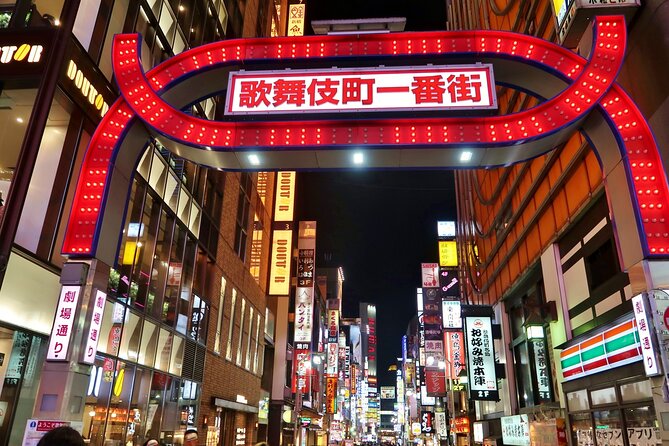
Kabukicho after dark is not just neon, bars, and giant signs. It is a tightly packed district with its own rules, history, adult-entertainment businesses, tiny drinking alleys, and tourist traps. This small-group walk gives you a safe way to understand what you are seeing without wandering into places you do not want.
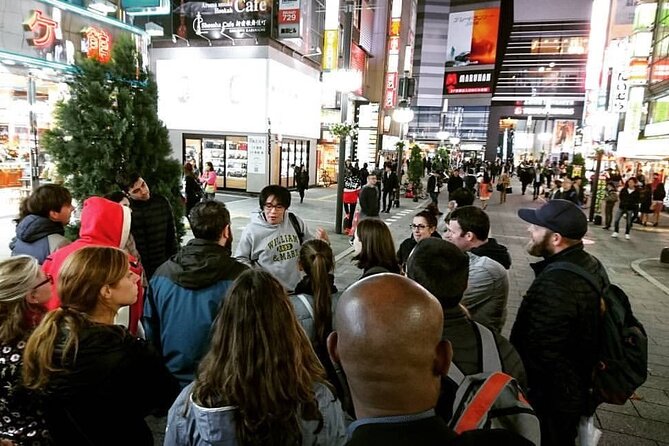
I like the small group limit of 12, which makes it easier to ask direct questions. I also like the practical route: Omoide Yokocho, Kabukicho, Godzilla Head, a narrow bar district, a shrine, and the LGBTQI quarter all fit into one evening. The main drawback is that food and drinks are not included, and the tour ends around Shinjuku 3 Chome rather than returning to the starting point.
In This Review
- Key points to know before booking
- Why this Shinjuku night walk is different
- Meeting at Shinjuku Station East Exit
- Omoide Yokocho: Tokyo’s famous drinking alley
- Kabukicho and the adult nightlife scene
- Godzilla Head and Kabukicho’s neon spectacle
- The narrow bar district
- A Shinto shrine amid the nightlife
- The LGBTQI district, often called Gay Town
- What two hours feels like on this route
- Is $25 a fair price?
- Who should book this walk?
- Booking, cancellation, and final practical advice
- Should you book The Dark Side of Tokyo?
- FAQ
- How long does The Dark Side of Tokyo tour last?
- Where does the tour start?
- Where does the tour finish?
- What places are included on the route?
- Are food and drinks included?
- How many people can join the tour?
- Can I cancel for a full refund?
Key points to know before booking
- Kabukicho without guesswork: Learn how to read the area and avoid places that may not suit you.
- Omoide Yokocho after dark: Walk through one of Tokyo’s best-known narrow drinking alleys.
- A small group of up to 12: Expect more personal attention than on a large coach-style outing.
- Adult nightlife explained plainly: Guides discuss local laws, businesses, and how workers operate within them.
- Several sides of Shinjuku: The route also includes a shrine and the city’s major LGBTQI district.
- A useful first-night activity: The walk helps you get your bearings before heading out on your own.
Why this Shinjuku night walk is different
Many Tokyo evening activities focus on food, skyline views, or polished entertainment. This one takes you into the less tidy, less obvious side of Shinjuku. You see the district where office workers, nightlife staff, tourists, bar owners, and people seeking adult entertainment share the same crowded streets.
The word dark refers less to danger than to the parts of Tokyo that rarely appear in a standard sightseeing plan. The guide explains the adult industry, local customs, neighborhood history, and the legal boundaries that shape the district. You are not simply pointed toward bright signs. You are given a way to understand them.
That context matters. Japanese nightlife districts can be confusing because much of the information is written only in Japanese, and the businesses may look similar from the street. A guide can explain what different streets are used for and help you avoid straying into an area that makes you uncomfortable.
The experience is also more than an adult-industry tour. You pass a Shinto shrine, see the famous Godzilla Head, walk through old-style drinking lanes, and finish near Shinjuku 3 Chome. The route gives you a broad look at the neighborhood rather than stopping at one theme.
More Shinjuku nights and walks:
- Tokyo: Shinjuku Food Tour (13 Dishes at 4 Local Eateries)
★ 5.0 · 6,603 reviews - Tokyo Bar Hopping Tour in Shinjuku (All-You-Can-Drink + Dinner)
★ 5.0 · 3,587 reviews - Tokyo: Shinjuku Food Tour (15 Dishes and 4 Eateries)
★ 4.9 · 2,033 reviews
Meeting at Shinjuku Station East Exit
The meeting point is the police box at Shinjuku Station East Exit, at 3-chome-38-1 Shinjuku. This is an important detail. A police box is a small neighborhood police station, not a telephone box, and that distinction has caused confusion for some people arriving for the walk.
Give yourself time to locate the correct East Exit and the police box. Shinjuku Station is famously large, and finding the right exit can take longer than expected, especially if you are new to Tokyo. Once you are outside, ask for the koban if needed.
The tour uses a mobile ticket, and confirmation is provided when you book. Since the group may contain no more than 12 people, the guide should be easier to spot than a guide leading a large crowd. Still, crowded streets and rain can make it easy to lose sight of the group.
Wear shoes you can walk in for two hours. The route is on foot, and you will spend much of the time outdoors, moving through busy streets and narrow lanes. The tour requires good weather, so a poor-weather cancellation may result in a new date or a full refund.
Omoide Yokocho: Tokyo’s famous drinking alley
One of the first major stops is Omoide Yokocho, a narrow drinking alley known for small eateries and compact bars. This is a sharp change from the wide avenues and towering signs around the station.
The appeal is the scale. You are close to the cooking, the signs, and the people seated at tiny counters. It gives you a look at a more intimate style of Tokyo nightlife, where a few seats and a short menu can be enough to support a business.
Do not expect dinner to be included. Food and drinks cost extra, and the stated tour price covers the guide only. The walk is therefore best understood as an introduction rather than a bar-hopping package.
I like seeing Omoide Yokocho as part of a guided route because the alley is easy to pass through without understanding its place in the neighborhood. Your guide can explain how it fits into Shinjuku’s nightlife and point out the difference between observing the area and deciding to sit down for a meal.
Kabukicho and the adult nightlife scene
Kabukicho is the main subject of the evening. It is Tokyo’s largest nightlife area, filled with entertainment businesses, bars, restaurants, hotels, bright signs, and people heading to work or play.
The guide discusses the area’s culture and subculture, including the adult industry and the way businesses work around Japanese laws. This is one of the strongest reasons to book the walk. You can see the streets on your own, but you will miss the background that makes the district understandable.
The information is presented as neighborhood context, not as a promise of access to adult venues. You should expect to walk past businesses and hear explanations about them. The tour does not include dinner, drinks, or entry to a club.
This is also where a guide can help you feel more at ease. Kabukicho is not presented as a place you need to fear, but it can be overwhelming. Hundreds of neon signs, narrow entrances, touts, restaurants, and hotel signs compete for your attention. Going with someone who knows the area lets you focus on the details without constantly worrying about getting lost.
Guides vary by departure. Past tours have been led by Polina or Paulina, Gray, Danny or Danni, Kumi, Loc, and Daniel. The strongest praise has focused on guides who combine clear English with humor and local background. Gray is noted for an inclusive, entertaining approach, while Danny is praised for keeping the group engaged and on schedule. Polina or Paulina is frequently described as calm, clear, and good at explaining the less familiar side of Japanese culture.
Because the guide changes, the tone may vary. The core route and subject remain the same, but your experience may feel more historical, humorous, or conversational depending on who leads it.
More walking routes in Tokyo:
- Tokyo Tsukiji Fish Market Food and Culture Walking Tour
★ 5.0 · 3,184 reviews - Tokyo: Imperial Palace and Shogun Historical Walking Tour
★ 5.0 · 2,251 reviews - Tokyo: Shinjuku Local Bar and Izakaya Guided Walking Tour
★ 4.9 · 1,794 reviews - Tokyo: Tsukiji Fish Market Food and Walking tour
★ 5.0 · 1,724 reviews
Godzilla Head and Kabukicho’s neon spectacle
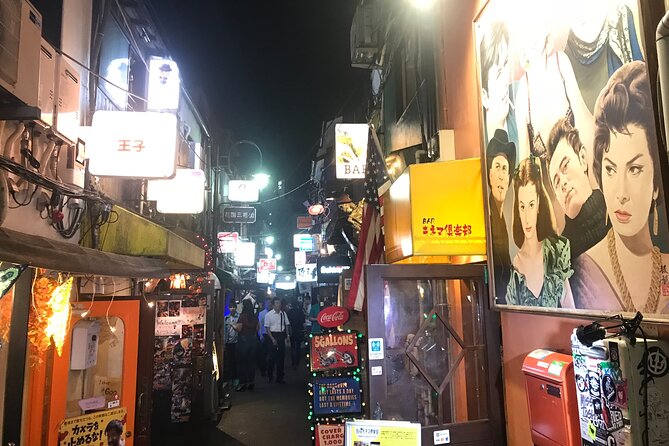
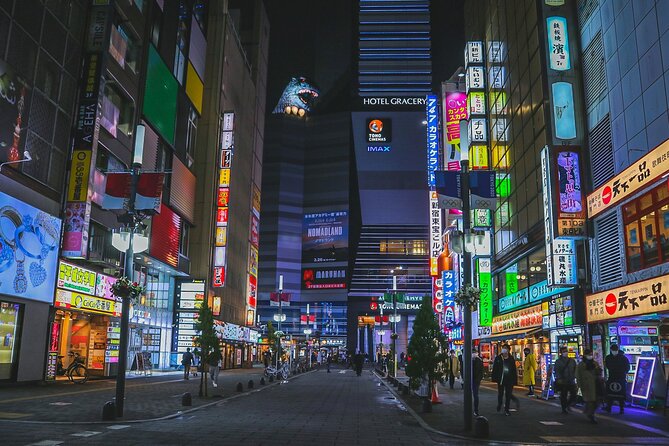
The route includes the famous Godzilla Head, one of Kabukicho’s most recognizable sights. It is an easy landmark to enjoy even if you have little interest in the surrounding nightlife.
The head is also scheduled to put on a show, giving the stop a playful break from the more serious material about laws and adult businesses. The contrast works well. Shinjuku can move from cultural explanation to pop-culture spectacle within a few steps.
This is a good photo stop, but the value is not only the picture. Godzilla Head helps you see how entertainment is built into the district’s identity. The area is not one-note. It mixes restaurants, cinemas, bars, hotels, colorful advertising, and major pop-culture imagery.
At night, the signs are the scenery. You will see why Shinjuku is one of Tokyo’s most visually striking areas after sunset, though the crowds can make it hard to stay beside the guide. In wet weather, umbrellas can block your view and make it harder to keep the group together.
The narrow bar district
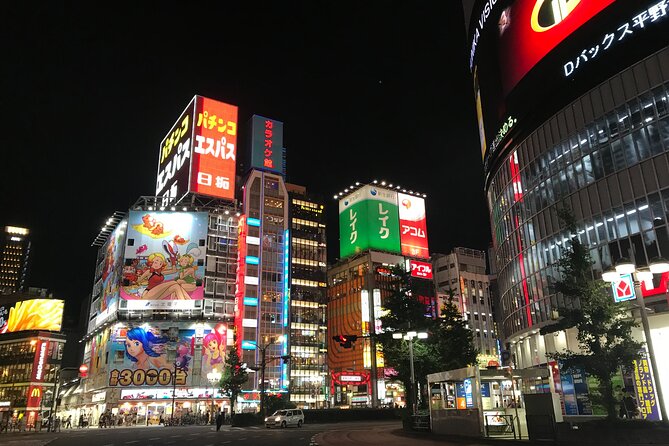
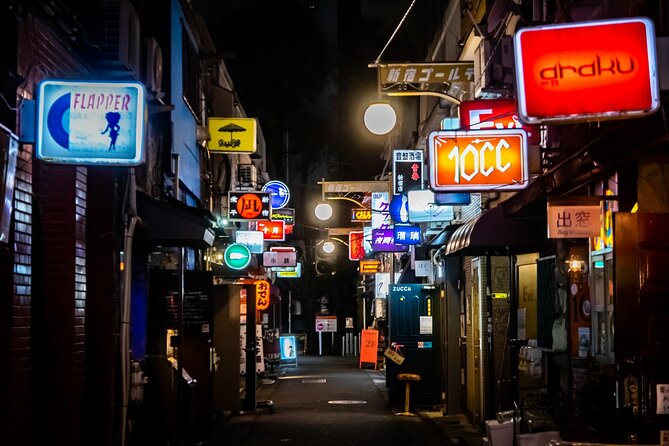
Another stop takes you into a district of narrow bars. These lanes are a reminder that Tokyo nightlife is not only made up of large venues and high-rise entertainment complexes.
Small bars can have limited seating and a very specific social atmosphere. The walk does not promise entry or a drink, but it gives you a chance to see how different this setting feels from Kabukicho’s larger streets.
This part of the route may appeal to you if you like urban details and local routines more than formal attractions. It is also a place where etiquette matters. A guide can explain what you are looking at and help you avoid treating a working neighborhood like a stage set.
Since there is no included meal or bar stop, you may want to plan your own food afterward. The tour finishes around Shinjuku 3 Chome, an area with options for continuing your evening, but the experience itself remains a walking tour.
A Shinto shrine amid the nightlife
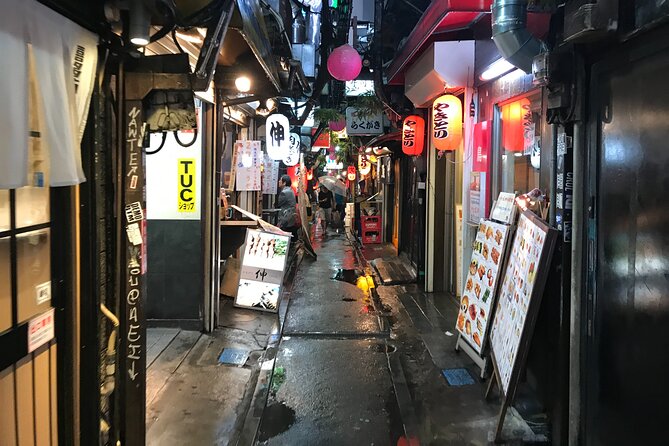
The inclusion of a Shinto shrine adds welcome contrast. After neon signs, adult businesses, and narrow drinking streets, a shrine offers a quieter reminder of the city’s religious and cultural layers.
This stop helps prevent the tour from becoming a simple tour of Tokyo’s seedy side. Shinjuku is not defined only by entertainment. Traditional spaces can exist close to modern nightlife, and the route shows that change in mood within the same district.
You should expect explanation and observation rather than a long formal shrine visit. The stop is one part of a fast-moving two-hour walk, so it will not replace a dedicated temple and shrine tour. It does, however, give the evening a more balanced shape.
The LGBTQI district, often called Gay Town
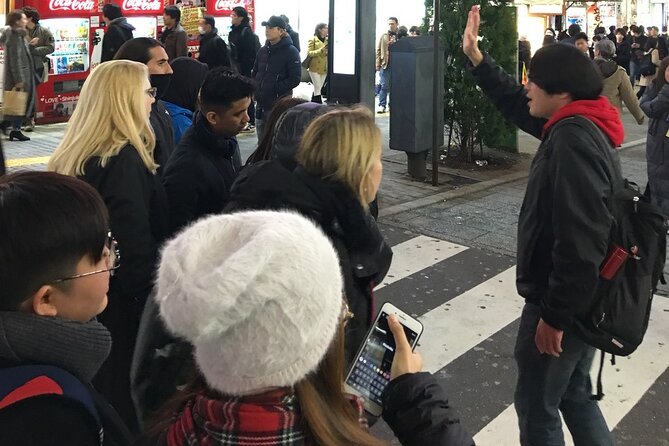
The route also visits Tokyo’s largest LGBTQI district, often referred to as Gay Town. This area has its own bars, businesses, and community history, and it adds another important layer to the evening.
The guide explains the district as part of Shinjuku’s social life rather than treating it as a novelty. That distinction matters. You are shown an area with its own character and customs, not just a place to photograph.
If you are interested in how different communities shape a city, this may be one of the most useful parts of the walk. It also makes the route broader than a tour focused only on adult entertainment. You see several kinds of nightlife and learn how they occupy the same larger neighborhood.
As always, be respectful when walking through working districts. Follow the guide’s instructions, avoid intrusive photography, and remember that these are real businesses and communities, not a theme park.
What two hours feels like on this route
The advertised length is about two hours, though one account describes a substantially longer, fast-paced experience. That suggests timing can vary, so do not schedule a train connection or dinner reservation too tightly after the walk.
The route is active but manageable for most people, since the provider says most participants can take part. You are walking rather than riding between stops, and the atmosphere changes often enough to keep the evening moving.
The group limit of 12 is a real advantage. You can ask about Japanese law, food, hotels, local customs, or the history of the district without waiting behind a large crowd. Several guides also offer suggestions for food and drinks, which can help you choose what to do after the official tour ends.
Rain is the main practical concern. One wet-evening experience remained enjoyable because the guide kept the group engaged, but rain also made it harder to see the guide among other walking groups. A bright raincoat or a small light held by the guide would help, but you should still pay attention at crossings and crowded corners.
The walk does not return to the East Exit. It finishes around Shinjuku 3 Chome. That is useful if you want to continue your night there, but less convenient if you expect a loop back to the station entrance. Keep your phone charged and check your route before the tour ends.
Is $25 a fair price?
At $25 per person, this is a reasonable price for a two-hour small-group orientation, especially if you are new to Shinjuku. You are paying for access to a guide’s explanations and local navigation, not for meals, drinks, attraction tickets, or transportation.
The value is highest if you would otherwise walk through Kabukicho without understanding what you are seeing. A guide can explain the legal and social background, identify the main districts, and help you avoid unwanted detours. That information can make the rest of your Tokyo evening more comfortable.
The value is lower if you want a food tour or an included nightlife experience. You will need to pay separately for anything you eat or drink, and the walk does not advertise admission to bars or clubs.
For a first night in Tokyo, I think the price works well. You get an orientation, several distinct neighborhoods, and ideas for where to continue. For a repeat visitor who already knows Kabukicho, the route may feel less essential unless the cultural and legal background interests you.
Who should book this walk?
I would choose this tour if you want:
- A first look at Shinjuku after dark
- Clear explanations of nightlife and adult-industry districts
- A small group rather than a large organized crowd
- A guide who can answer questions in English
- A mixture of pop culture, traditional sites, bars, and LGBTQI history
- A starting point for your own evening in Kabukicho
I would skip it if your priority is a seated dinner, cocktail tasting, or an included entertainment show. I would also think twice if you dislike crowded streets, outdoor walking, or mature subject matter.
The experience suits curious adults who want context without turning the night into a formal lecture. The guides are repeatedly praised for humor, warmth, and clear explanations, so the mood should be social rather than stiff. Still, the subject matter includes sex work and adult nightlife, and you should be comfortable discussing those topics in a public group.
Booking, cancellation, and final practical advice
The tour offers free cancellation with a full refund if you cancel at least 24 hours before the start time. Changes or cancellations made less than 24 hours ahead are not accepted for a refund. Cutoff times use Tokyo local time.
Service animals are allowed, the meeting point is near public transportation, and the maximum group size is 12. Confirmation arrives at booking, and the mobile ticket is convenient once you are at the station.
Before setting out, identify Shinjuku Station’s East Exit, save the police box location, wear comfortable shoes, and bring rain protection if the forecast is uncertain. After the walk, remember that you finish around Shinjuku 3 Chome, not at the starting point.
Should you book The Dark Side of Tokyo?
Book it if you want to understand Shinjuku rather than simply look at it. The best parts are the guide’s explanation of local nightlife, the compact group size, and the route’s mix of Kabukicho, Omoide Yokocho, Godzilla Head, a shrine, narrow bars, and the LGBTQI district.
The $25 cost is fair for a guided orientation, but budget extra for your own meal and drinks. Pick an early evening at the start of your Tokyo stay if you want ideas for later nights, and choose another activity if you prefer food, shopping, or classic temples. For an adult-focused look at a complicated part of Tokyo, this is an engaging and practical choice.
FAQ
How long does The Dark Side of Tokyo tour last?
The tour lasts approximately two hours.
Where does the tour start?
It starts at the police box by Shinjuku Station East Exit, at 3-chome-38-1 Shinjuku, Shinjuku City, Tokyo.
Where does the tour finish?
The tour finishes around Shinjuku 3 Chome and does not return to the original meeting point.
What places are included on the route?
The route includes Omoide Yokocho, Kabukicho, Godzilla Head, a narrow bar district, a Shinto shrine in Shinjuku, and Tokyo’s largest LGBTQI district.
Are food and drinks included?
No. Dinner, food, and drinks cost extra.
How many people can join the tour?
The tour has a maximum of 12 participants.
Can I cancel for a full refund?
Yes. You can cancel at least 24 hours before the start time for a full refund. If poor weather causes the provider to cancel, you will be offered another date or a full refund.
More Evening Experiences in Tokyo
- Tokyo Night Foodie Tour in Shinjuku – Seasonal Sushi, Wagyu Beef
★ 5.0 · 1,161 reviews - Tokyo: Daikoku JDM Car Meet & Night Car Culture Tour
★ 4.8 · 626 reviews - Tokyo After 5: Authentic Japanese Food & Drink Night Tour
★ 4.5 · 560 reviews - EVO, WRX, Skyline – JDM Night Run to Daikoku Car Meet
★ 4.9 · 478 reviews
New on our Tokyo list
- From Tokyo: Mount Fuji & Hakone Full Day Private Tour★ 4.9 · 25 reviews
- Tokyo Spectacular View Day-Cruise in 90 Minutes★ 5.0 · 25 reviews
- Real Tokyo Runner Club : Daikoku Car Meet Night Tour with JDM Car★ 5.0 · 25 reviews
- 2.5 Hour-Guided Cycle Tour in the Central Tokyo★ 5.0 · 25 reviews
- Ramen Making from Scratch +Akihabara Tour –Cooking Class★ 5.0 · 25 reviews
- [Self-Drive] Tokyo & Daikoku Custom Car Driving Tour★ 4.9 · 25 reviews
- Tokyo: 2-Hour Night Bike Tour of the City’s Hidden Gems★ 4.9 · 25 reviews
- Samurai themed Entertainment show in Shinjuku★ 4.5 · 25 reviews
Walking Tours, compared.
Tokyo Tsukiji Fish Market Food and Culture Walking Tour
Read our review →
Imperial Palace and Shogun Historical Walking Tour
Read our review →
Shinjuku Local Bar and Izakaya Guided Walking Tour
Read our review →
Asakusa Walking Tour with Sensoji Temple Visit
Read our review →
Tokyo Castle & Imperial PalaceーShogun Walking Tour
Read our review →
Browse the lists this tour appears in