
Reviewed · JAPANESE COOKING CLASSES
Let’s make Wagashi at private home in Yokohama, suburban Tokyo
The best part of this Yokohama experience is its setting: you make traditional wagashi in Ikuyo’s private Japanese home, not in a busy cooking studio. She has studied tea ceremony for more than 40 years and taught wagashi making for 15, so you get patient instruction along with a glimpse of everyday Japanese hospitality.
I like the seasonal designs, which give the sweets a connection to Japan’s changing year, and the practical finish: you eat one with matcha and take the other four home. The main thing to consider is the location. Azamino is in suburban Yokohama, not central Tokyo, so you need to allow time for the trip.
In This Review
- Key points to know before booking
- Making wagashi in a real Yokohama home
- The 90-minute hands-on lesson
- One wagashi with matcha, four to take home
- Why the seasonal element matters
- Meeting Ikuyo and her husband
- Getting to Azamino from central Tokyo or Yokohama
- Who will get the most from this class
- Is $52.03 a fair price?
- Six practical questions before you go
- Should you book the Azamino wagashi workshop?
- FAQ
- Where does the wagashi workshop take place?
- How long does the activity last?
- How many wagashi will I make?
- Is matcha included?
- How many people can join the class?
- Can I cancel for a full refund?
Key points to know before booking
- Five wagashi per person: Make five sweets, eat one with matcha, and take four home.
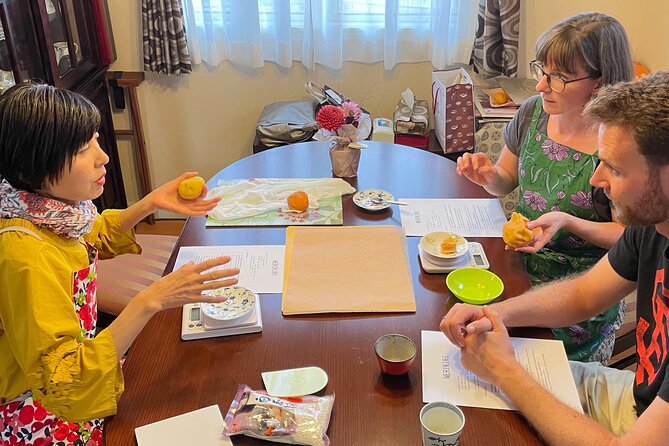
- A private-home setting: The workshop takes place at Ikuyo’s Japanese home near Azamino Station.
- Seasonal Japanese craft: The shape and style of the wagashi follow the season.
- Small groups: A maximum of four people keeps the lesson personal.
- Two traditional arts together: Wagashi making is followed by a serving of matcha.
- About $52 per person: The price includes a hands-on class, sweets, tea, and a rare home visit.
Making wagashi in a real Yokohama home
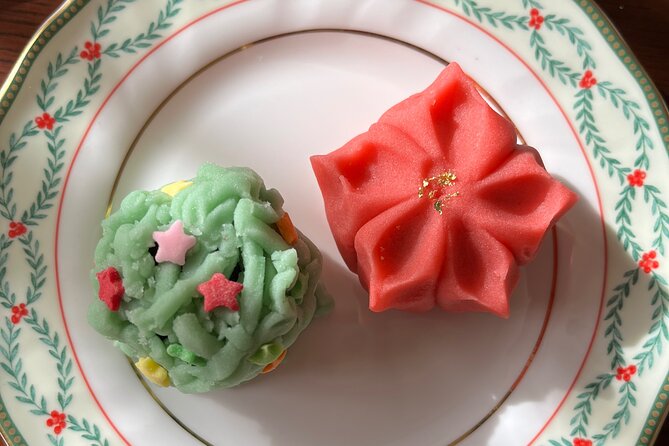
Wagashi are Japanese sweets made for pleasure, hospitality, and often for tea. They are designed to look as good as they taste, with flowers, leaves, seasonal colors, and other simple forms suggested through the dough.
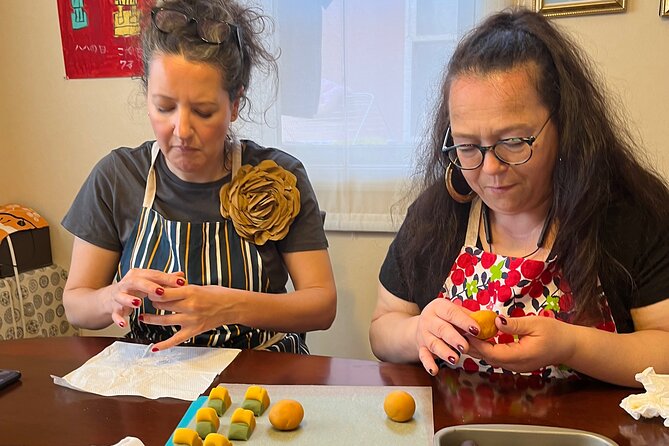
This workshop gives you a chance to handle that dough yourself. The experience takes place in Ikuyo’s private home near Azamino Station, in Aoba Ward, Yokohama. That setting changes the tone from a standard tourist class. You are not simply watching a demonstration, then leaving with a recipe. You are sitting in a Japanese home and making sweets with a host who has spent decades studying the customs tied to tea.
I like that the workshop keeps the group small. With no more than four people, Ikuyo can watch how you shape the dough and explain the next step without rushing. That matters with wagashi, since the finished sweets look simple but require a gentle touch and careful shaping.
The home setting may also appeal to you if you have already seen major temples, shopping streets, and city museums. This is a quieter kind of cultural activity. It offers a look at Japanese hospitality through food rather than through a formal sightseeing stop.
More Cooking Classes in Yokohama
- Yokohama: Manga/Anime Art & Cooking Experience in a Tatami Room
★ 5.0 · 7 reviews - Fishing with Mt. Fuji Views and Japanese Home Cooking Experience
★ 5.0 · 5 reviews - Yokohama Manga Art & Japanese Cooking Experience
★ 5.0 · 5 reviews
The 90-minute hands-on lesson
The making portion takes about an hour and a half. Ikuyo introduces the wagashi you will prepare, then guides you through the process from dough to finished sweet.
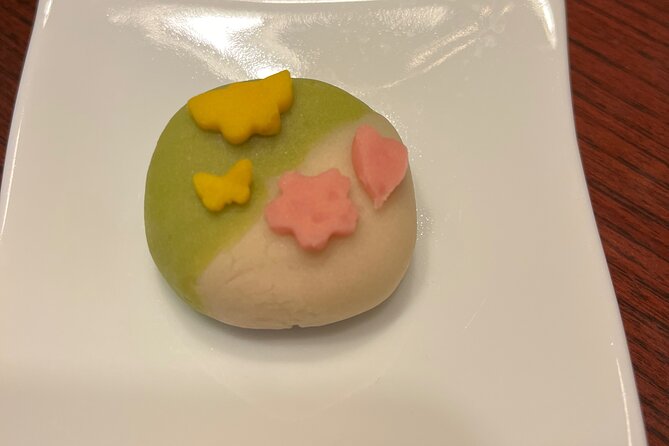
One example is nerikiri, a well-known style made from a mixture that includes white bean paste and mochi. The center may contain red bean paste or white bean paste. You shape the outer dough around the filling, then form the sweet into a seasonal design.
The precise designs change with the time of year. That is one of the most appealing details here. You are not making the same product in every season. Instead, the shapes reflect Japan’s four seasons, giving the lesson a small but meaningful connection to the calendar.
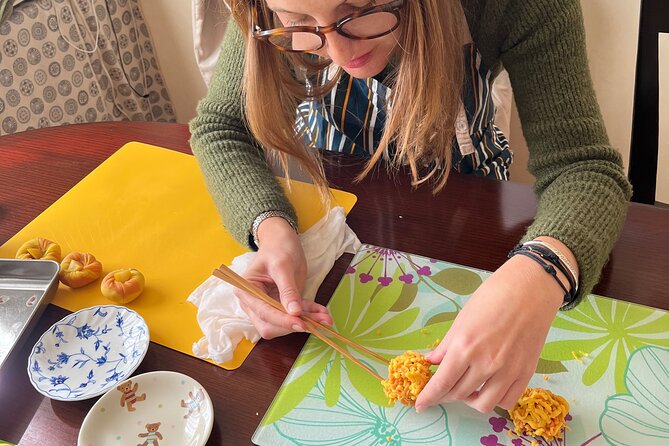
Ikuyo’s teaching style is patient and step by step. You should not expect your first pieces to look exactly like hers. The point is to learn how the dough responds, how to place the filling, and how small movements create a recognizable flower or other seasonal form.
This is a good activity for people who like making things with their hands. It is also forgiving in the sense that the sweets are still edible even if your shapes are less polished. The finished wagashi may not have the neat appearance of the instructor’s examples, but that is part of the fun.
You make five pieces in all. That gives you enough practice to improve as you go. The first one may feel awkward, while the later pieces often become easier as you understand the pressure and motion needed.
One wagashi with matcha, four to take home
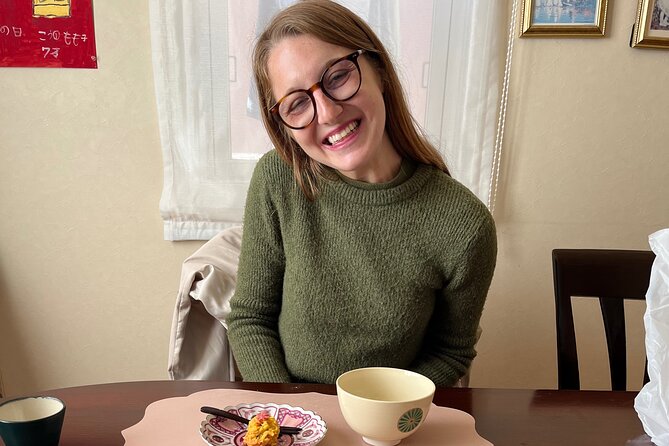
After the making session, Ikuyo prepares matcha for you. You eat one wagashi with the tea, following the simple rhythm of Japanese tea culture without needing to attend a full tea ceremony.
This pairing is important. Wagashi are not just sweet snacks. Their flavors and appearance are closely linked to matcha, whose strong, grassy taste benefits from a small sweet served alongside it. Having one of your own creations with tea lets you understand the purpose of the craft in a direct way.
You take the remaining four pieces home. That makes the $52.03 price easier to assess. You are paying for a two-hour private activity, personal instruction, matcha, five handmade sweets, and a home visit. It is not the cheapest food class you could find, but the small group and personal setting add value that a larger workshop may not provide.
The take-home portion also gives you something to enjoy later, although the supplied information does not specify how long the sweets keep or the best way to store them. Ask Ikuyo about that before leaving if you will not eat them soon.
Why the seasonal element matters
Japan’s seasons appear in many parts of its culture, from festivals and gardens to food and tea. Wagashi makes that idea especially easy to see because the sweets are shaped and colored to suggest the current season.
The lesson may therefore feel different depending on when you visit. You could make a flower-inspired sweet in one season and a different natural form at another time. The exact design is not specified in advance, so you should book for the hands-on craft rather than for one particular shape.
I like this approach because it gives the activity a sense of place without requiring a long lecture. The season is right there in the object you are making. You learn through your hands, then eat the result.
Many wagashi are vegan and gluten-free, according to the experience details. That can make the class suitable for some people with dietary preferences, but you should still confirm the specific ingredients for the day before booking if you have an allergy or strict dietary requirement. The description does not promise that every possible wagashi variation will suit every diet.
More Private Tours in Yokohama
- Daikoku & Tokyo Private JDM Tour by 700HP R34 GT-R
★ 4.9 · 101 reviews - Tokyo 8hr Private Tour with Licensed Guide from Yokohama
★ 5.0 · 94 reviews - R34Skyline Daikoku PA Fast & Furious Private Experience
★ 5.0 · 63 reviews - Private Car Tour to see Highlights of Kamakura, Enoshima, Yokohama from Tokyo
★ 5.0 · 48 reviews
Meeting Ikuyo and her husband
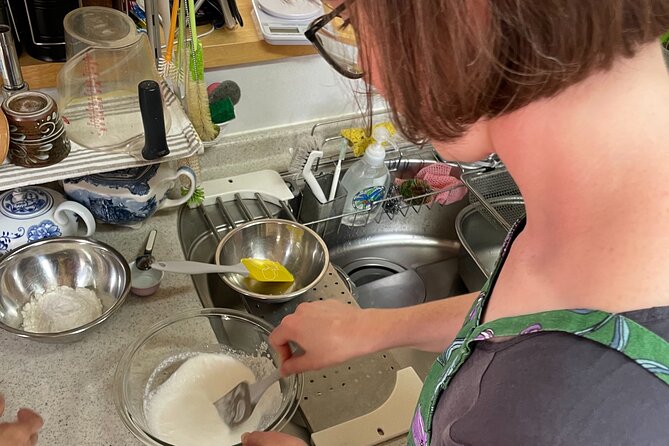
The workshop is led by Ikuyo, whose long connection with tea ceremony gives the class a strong cultural base. She has studied tea ceremony for more than 40 years and taught wagashi making for 15 years.
Her husband may also be part of the welcome at home. The personal warmth of meeting them is a major reason to choose this over a more commercial cooking class. One especially thoughtful touch described after a visit was the gift of a Japanese-design handkerchief.
That kind of small gesture fits the character of the activity. You are not only learning how to produce a sweet. You are being welcomed into a home, introduced to a craft, and given a chance to share tea with the person teaching you.
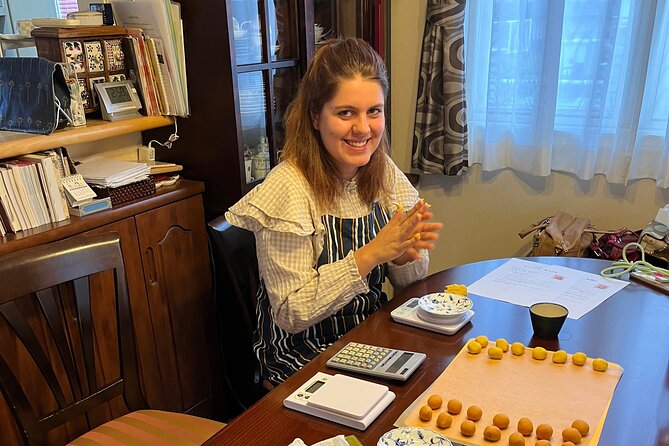
The instruction is conducted in a way that suits beginners. You do not need special equipment or supplies, and the class is designed around making the sweets together. If you are nervous about artistic ability, do not let the delicate appearance put you off. The process is meant to be enjoyable, and Ikuyo explains each stage carefully.
Getting to Azamino from central Tokyo or Yokohama
The meeting point is Azamino Station, at 2 Chome Azamino in Yokohama’s Aoba Ward. The activity ends back at the meeting point, and pickup is offered.
Azamino is not a central Tokyo address. It is in suburban Yokohama, so check your route and allow enough time before the start. The station is near public transportation, which makes the meeting point more practical than a private residential address, but you still need to plan the journey carefully.
The exact home address is not provided in advance here, so follow the meeting instructions supplied after booking. Confirmation is sent within 48 hours, subject to availability. Since the class is usually booked around 16 days ahead, early planning is sensible, especially if your Japan schedule is tight.
You could combine this outing with a visit to the Shin-Yokohama Ramen Museum, which is described as about 15 minutes from Azamino Station. The two activities have very different moods: one is a playful food attraction, while the other is a calm home workshop. Check the timing before adding both to the same day, since the wagashi class itself takes about two hours and pickup or transit time may add more.
Who will get the most from this class
This experience suits you if you want a cultural activity that is personal, quiet, and hands-on. It is a particularly good choice for:
- Couples looking for something beyond major sights
- Families or small groups who enjoy food crafts
- Visitors curious about tea culture but not ready for a formal ceremony
- Anyone who wants a meaningful activity in Yokohama rather than central Tokyo
- People who enjoy seasonal Japanese design
- Those who prefer small classes to large demonstrations
It also works well for a repeat visitor who has already seen the familiar Tokyo highlights. A private home visit can feel more personal than another scheduled attraction, and the finished sweets give you a physical reminder of the afternoon.
The class may be less suitable if you want a full tea ceremony. You will drink matcha and see the connection between tea and wagashi, but this experience is focused on making sweets. Ikuyo offers two other classes for people who want to mix matcha or watch the procedures of a tea ceremony more closely.
You should also think about the suburban location. If you have only one day in the Tokyo area and want to stay near Asakusa, Shibuya, or the Imperial Palace, Azamino may take too much of your time. If you are already exploring Yokohama or want a slower local experience, the trip makes more sense.
Is $52.03 a fair price?
At $52.03 per person, this is a mid-priced cultural workshop rather than a quick snack stop. The value comes from several parts working together: a small group, roughly two hours of instruction, five handmade wagashi, one serving of matcha, and access to a private Japanese home.
The four sweets you take away are useful, but they should not be the main reason to book. You can buy Japanese sweets for less. The real value is learning the process and spending time with Ikuyo, whose experience gives the lesson substance.
The maximum group size of four is another point in the price calculation. A large class may cost less, but you may receive less individual help. Here, the small size gives you more room to ask questions and correct your technique as you work.
Free cancellation up to 24 hours before the start also gives you some flexibility. Changes or cancellations made less than 24 hours before the experience are not accepted for a refund, and the cut-off follows local time.
Six practical questions before you go
You do not need to bring anything special. Wear something comfortable for a hands-on food activity, and make sure you have a way to carry the four sweets home safely.
If you have dietary concerns, ask about the day’s ingredients before booking or at the start. The description says many wagashi are vegan and gluten-free, but it does not guarantee that every recipe is.
The class lasts about two hours in total. Plan for around 90 minutes of making wagashi, followed by eating one piece with matcha.
The activity ends at the Azamino meeting point. Pickup is offered, but the available details do not explain the exact pickup area or schedule, so confirm those arrangements when your booking is accepted.
Should you book the Azamino wagashi workshop?
Book this if you want a small, personal cultural experience and like the idea of making seasonal Japanese sweets in a real home. Ikuyo’s long tea ceremony background, patient teaching, and the chance to take four wagashi with you make this a more lasting experience than a quick tasting.
Skip it if you need to stay in central Tokyo, dislike food preparation, or are specifically seeking a complete tea ceremony. For everyone else, especially visitors with an open half-day in Yokohama, this offers a gentle and memorable connection to Japanese food, seasons, and hospitality.
FAQ
Where does the wagashi workshop take place?
It takes place at Ikuyo’s private Japanese home near Azamino Station in Aoba Ward, Yokohama. The meeting point is Azamino Station, at 2 Chome Azamino.
How long does the activity last?
The total experience lasts about two hours. Making the wagashi takes around one and a half hours, followed by eating one piece with matcha.
How many wagashi will I make?
Each person makes five pieces. You eat one together with matcha and take the remaining four home.
Is matcha included?
Yes. After the wagashi-making session, Ikuyo prepares matcha for you to drink with one of the sweets.
How many people can join the class?
The maximum group size is four people.
Can I cancel for a full refund?
Yes, if you cancel at least 24 hours before the experience start time. Cancellations or changes made less than 24 hours before the start are not accepted for a refund.
New on our Yokohama list
- Yokohama and Kamakura 6hr Private Trip Government-Licensed Guide★ 5.0 · 25 reviews
- Tokyo Full Day Tour with Licensed Guide and Vehicle from Yokohama★ 5.0 · 26 reviews
- Daikoku & Tokyo JDM Night Tour in R34 or TopSecret R35 GT-R★ 4.8 · 27 reviews
- Yokohama: Guided Cup Noodles Museum Tour & Make Your Own Cup★ 4.9 · 27 reviews
- Tokyo: Kamakura and Yokohama Private Day Trip with Guide★ 4.6 · 27 reviews
- Private Kamakura plus Yokohama Tour – English Speaking Driver★ 4.5 · 28 reviews
- Japanese Tea Ceremony at Private Home in Yokohama, suburban Tokyo★ 5.0 · 32 reviews
- Yokohama 4hr Private Tour with Government-Licensed Guide★ 5.0 · 34 reviews
Japanese Cooking Classes, compared.
Ramen & Gyoza Cooking Class in Tokyo with Local Supermarket Visit
Read our review →
Easy Ramen Cooking Experience in Kabukicho, Shinjuku
Read our review →
Ramen and Sushi Cooking Class with Sake Pairing Set in Tokyo
Read our review →
Tokyo Washoku 4-hour Cooking Class: From Market to Table
Read our review →
TokyoSumoShow, ChickenHotPot, and Mochi-Pounding by Pro Wrestlers
Read our review →
Professional Ramen & Gyoza with Ramen Chef in a restaurant!
Read our review →
Small-Group Wagyu Beef and 7 Japanese Dishes Tokyo Cooking Class
Read our review →Browse the lists this tour appears in