
Reviewed · TOKYO GO-KART EXPERIENCES
Official Japan Go-Kart Through Shibuya / Shinjuku (IDP Required)
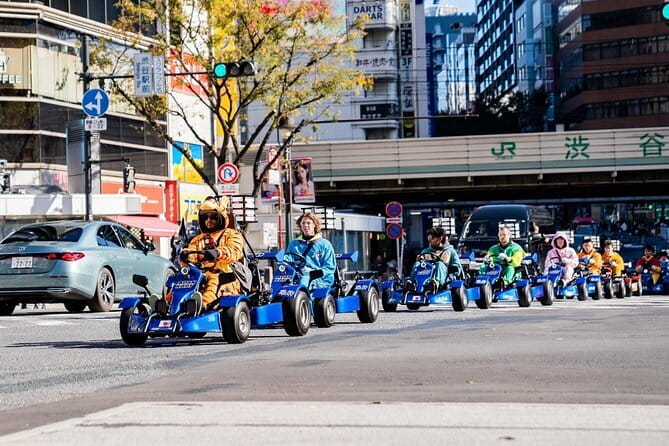
Tokyo traffic becomes part of the show on this two-hour go-kart ride through Shinjuku and Shibuya. You drive past Shinjuku Gyoen, Omotesando, Harajuku, Yoyogi Park, Shibuya Scramble and Kabukicho, with a guide handling the route. I like the small group of no more than 10 and the careful support vehicles. I also like that you see several districts in one outing instead of spending the day underground.
The catch is serious: you must have the correct Japanese driving paperwork. You also need to feel comfortable driving in city traffic, and the low kart position means you will notice exhaust fumes more than you would on a sightseeing bus.
In This Review
- Key points to know before you book
- Driving through Tokyo instead of riding beneath it
- What the two-hour route actually shows you
- Shinjuku Gyoen: a calm opening landmark
- Omotesando: polished streets and expensive cars
- Harajuku: youth culture at road level
- Shibuya Scramble: the signature moment
- Yoyogi Park and Meiji Jingu
- Tokyo Metropolitan Government Building
- Kabukicho after dark
- Why the guide and support vehicles matter
- The real comfort issues: traffic, fumes and clothing
- The paperwork is the most important booking detail
- Is $125.53 a fair price?
- Who will enjoy this ride most?
- Booking, weather and cancellation advice
- Should you book the Shibuya go-kart tour?
- FAQ
- How long does the go-kart experience last?
- Where does the tour start?
- What documents do I need?
- Are 1968 Vienna Convention IDPs accepted?
- Are there exceptions to the standard IDP requirement?
- What should I wear?
- What happens if bad weather cancels the tour?
Key points to know before you book
- You cross Shibuya Scramble while driving: The famous intersection becomes part of your route, not just a photo stop.
- The route links two major districts: You pass Shinjuku, Harajuku, Omotesando, Yoyogi and Shibuya in one ride.
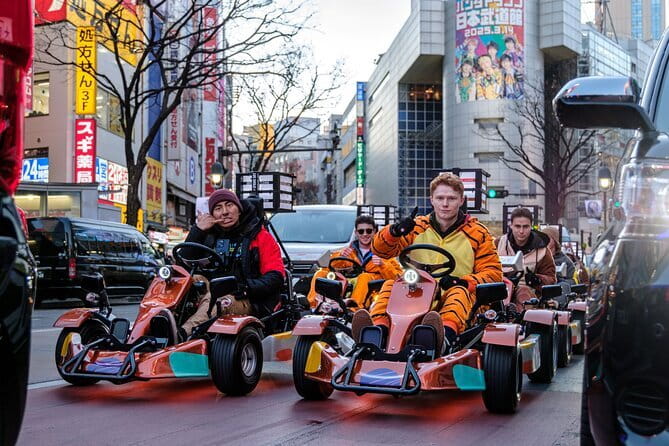
- A support team leads the way: A front vehicle, rear vehicle and motorcycle may help the group change lanes and stay together.
- The group is limited to 10 people: That keeps the outing easier to manage on busy Tokyo roads.
- Your documents decide everything: Bring your passport, home-country license and a valid 1949 Geneva Convention IDP, unless a listed national exception applies.
- The price buys a moving city tour: At $125.53 per person, you are paying for the kart, route support, guide, and a very unusual way to see central Tokyo.
Driving through Tokyo instead of riding beneath it
Most Tokyo sightseeing moves by train. That is efficient, but it keeps you below street level and often sends you from station to station without much sense of how neighborhoods connect. This outing gives you two hours on the road, with traffic lights, storefronts, office towers and crowds forming the backdrop.
I like the route because it covers a useful slice of western central Tokyo. You do not spend the whole time circling one attraction. Instead, the ride connects Shinjuku’s towers and nightlife with Harajuku fashion, Yoyogi greenery and Shibuya’s famous crossing.
You should not think of this as a go-kart track session. The kart is driven on public roads, and that is both the thrill and the main point to consider. You need to follow traffic signals, stay with the group and listen closely to the guide.
The experience is limited to 10 people. That is a sensible cap for a road-based activity. A smaller group is easier to keep together, especially when changing lanes or waiting at long traffic lights.
More street-kart slots:
- Flagship 2-Hours Official Street Go-Kart Tour – Tokyo Bay Shop
★ 5.0 · 4,974 reviews - Official Street Go-Kart in Shibuya
★ 5.0 · 3,435 reviews - Official Street Go-Kart Tour – Akihabara
★ 5.0 · 1,578 reviews
What the two-hour route actually shows you
The tour begins at the JAPANKART Shinjuku branch at 5-chome 11-23, third floor, in Shinjuku City. You should arrive 15 minutes early. The shop is near public transportation, but the address can be difficult for a taxi or ride-hailing driver to locate, so give yourself extra time and use the exact branch information.
After the paperwork and safety briefing, you get on the road with the guide. The first several minutes may feel tense because you are adapting to a small kart, regular traffic and Tokyo’s busy streets at the same time. That initial caution is normal and useful. Once you understand the pace and spacing, the ride becomes much easier to enjoy.
Shinjuku Gyoen: a calm opening landmark
The route passes Shinjuku Gyoen National Garden, one of Tokyo’s best-known parks. It is especially popular during cherry blossom season, though this tour only passes by rather than taking you inside.
The contrast is part of the appeal. Shinjuku is known for towers, signs and crowds, while the park gives the neighborhood a broad green center. You will not have time for a garden visit on this outing, but you can mark it for a later stop on foot.
Omotesando: polished streets and expensive cars
Next comes Omotesando, a high-end shopping avenue known for major fashion names and stylish architecture. From a kart, you get a street-level view of the storefronts and traffic.
This section is less about ticking off a monument and more about seeing Tokyo’s public style. Expensive cars, polished buildings and well-dressed shoppers fit the mood. The road experience also lets you notice how quickly Tokyo shifts from business district to fashion quarter.
More Shibuya plans:
- Tokyo: Street Kart Experience in Shibuya
★ 4.9 · 1,484 reviews - Shibuya Meltdown Nightlife Tour: All-You-Can-Drink Bar Hopping
★ 5.0 · 1,058 reviews - Shibuya Official Street Go-Kart in Shibuya Annex
★ 5.0 · 972 reviews - Tokyo: Shibuya Food Tour (13 dishes and 4 Eateries)
★ 5.0 · 770 reviews
Harajuku: youth culture at road level
Harajuku is associated with unusual fashion, youth culture and narrow shopping streets. The kart route gives you a quick pass through the area rather than time to browse Takeshita Street or visit its shops.
That limitation matters. If Harajuku is high on your list, schedule a separate walking visit. On the kart ride, you get the atmosphere and visual contrast, but not a close look at the small stores and side streets that make the area worth exploring.
Shibuya Scramble: the signature moment
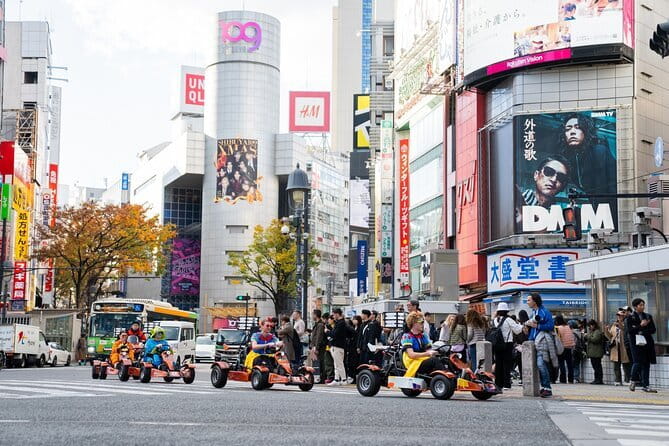
The best-known part of the route is Shibuya Crossing, also called Shibuya Scramble. You wait at the traffic lights with thousands of pedestrians, then cross with the flow of vehicles.
This is where the outing feels most unlike ordinary sightseeing. You are not looking down from a station walkway or watching from a café window. You are part of the street scene, low to the ground and visible to people on the sidewalks.
Some departures cross the scramble twice. The first crossing may pass quickly, while a second run gives you another chance to take in the signs, crowds and surrounding towers. Do not expect to stop in the intersection for photos. The attraction is the moving experience, not a posed visit.
Yoyogi Park and Meiji Jingu
The route then passes Yoyogi Park, a large city park with lawns, ponds and wooded areas. It sits beside Meiji Jingu, one of Tokyo’s major Shinto shrines.
Again, this is a pass-by view. You will not have time to walk the shrine approach or explore the park’s paths during the drive. Still, the change in scenery helps break up the commercial streets and shows how much open space sits between Tokyo’s major districts.
Tokyo Metropolitan Government Building
Back in Shinjuku, you pass the Tokyo Metropolitan Government Building. Its free observation decks are popular because they offer broad views over Tokyo and beyond.
The building is a useful landmark even from street level, though the ride does not include an observation-deck visit. If you want city views, return separately and check the opening arrangements for the day. The go-kart outing is about movement through the city, not time spent inside attractions.
Kabukicho after dark
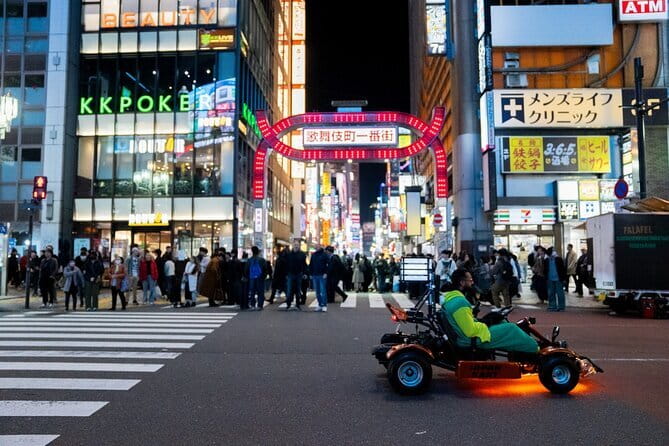
Kabukicho is Shinjuku’s entertainment district, known for restaurants, nightclubs, host and hostess clubs, love hotels and neon-lit streets. It gives the final part of the route a different tone from the parks and shopping avenues.
You will pass through the district rather than take part in its nightlife. That makes this a good visual introduction, especially at night, but it is not a guided evening in the entertainment venues. Keep your attention on the road and the group.
Why the guide and support vehicles matter
Driving in Tokyo can feel intimidating even when the kart itself is easy to operate. The support system is one of the most valuable parts of the experience.
The guide leads the route so you do not have to navigate with a phone. A front vehicle sets the pace, while a rear vehicle can help protect the group when traffic builds or the karts need to change lanes. A motorcycle may also accompany the outing.
This arrangement does not remove every risk. You are still driving on public streets, and you remain responsible for following the rules. But it gives you a clear route and reduces the chance of getting separated or making a sudden turn in unfamiliar traffic.
The safety briefing is detailed, and the staff explain how to operate the kart before departure. English-speaking staff have been part of the operation, with Marge, Leo, Kenny and Alice among the team members named for one well-organized departure. Staff have also taken photos and videos at safe points, then shared them through Google Drive, sometimes within 12 hours.
That photo service adds real value. You cannot safely take out your phone while driving, and a moving kart is hard to photograph from inside. The staff can capture individual shots, group pictures and video while you concentrate on the road.
The real comfort issues: traffic, fumes and clothing
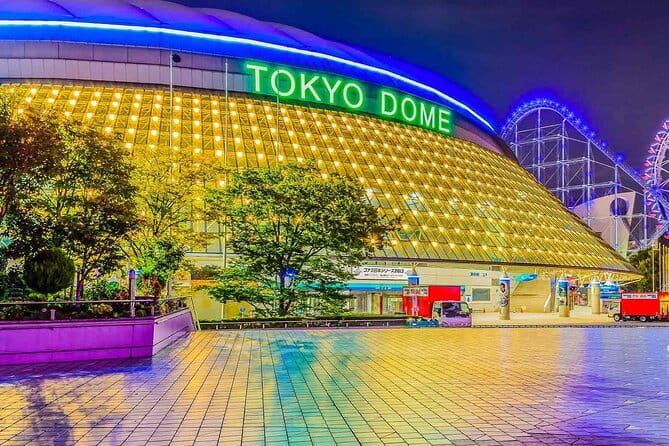
The kart sits low, so surrounding cars and street-level activity feel close. That creates the fun, but it can also make traffic seem more intense than it does from a bus or taxi.
The first 5 to 10 minutes may be the hardest as you get used to the controls and spacing. Listen to the guide, avoid sudden movements and give yourself time to settle in. You do not need racing skill, but you do need basic confidence behind the wheel.
Air quality is another practical concern. One rider specifically advised wearing a mask because the low position can expose you to vehicle fumes. That is sensible, particularly on a route with heavy traffic or when you are stopped at lights.
Dress for control, not costume. Long skirts, high heels and sandals are not allowed. Wear flat, secure footwear and clothing that will not catch on the kart. Costumes may be available, and some people treat the outfit as part of the fun, but you can also simply wear the provided Japan Kart top.
Alcohol before the tour is prohibited. Do not arrive after drinking, even if you feel fine. The operator can refuse participation, and there is no refund for incorrect documents or failure to meet the stated requirements.
The paperwork is the most important booking detail
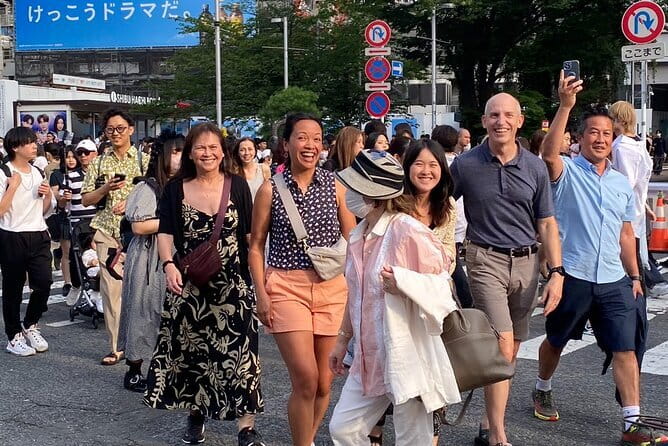
Japan’s IDP rules are strict, and this is the point most likely to spoil your plans if you leave it until arrival.
You must bring:
- Your passport
- Your valid driving license from your country of origin
- An International Driving Permit issued under the 1949 Geneva Convention
The IDP must be an official booklet. A paper printout or A4 document is not accepted. An IDP issued under the 1968 Vienna Convention is also not accepted in Japan.
The permit must come from an approved issuer in your home country. Common examples include AAA or AATA in the United States, AAA in Australia, AA or RAC in the United Kingdom, and CAA in Canada.
There are special rules for licenses from Switzerland, Germany, France, Taiwan, Belgium and Monaco. If your license comes from one of those places, you need your own driving license plus a Japanese translation from the Japan Automobile Federation, known as JAF. You do not use the standard IDP route for those listed exceptions.
Check this before you leave home. If your documents are wrong, expired, issued by an unapproved organization or in the wrong format, you can be denied participation without a refund. This is not a minor check-in formality. It is the condition that allows you to drive.
Is $125.53 a fair price?
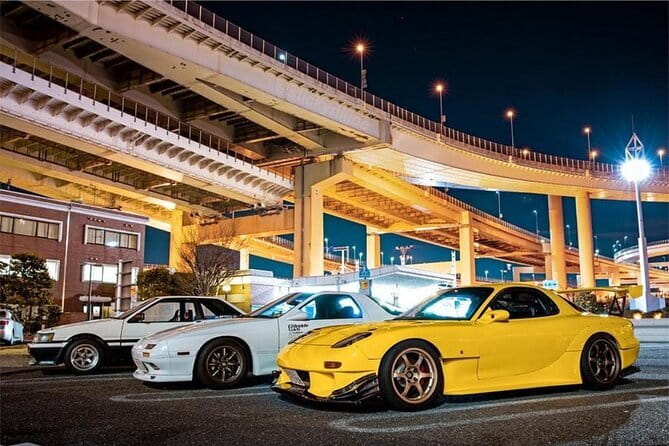
At $125.53 per person, this is not a cheap way to get from Shinjuku to Shibuya. Tokyo’s trains cost far less, and a regular walking tour may cover some of the same districts for a lower price.
The value comes from the activity itself. You get roughly two hours on the road, a guided route, support vehicles, safety instruction and a small group capped at 10 people. The photo and video service can also make the price feel more worthwhile if you want a record of the experience.
I would compare it with other special activities, not with public transport. If you are looking for the most efficient sightseeing, take the train. If you want a memorable story and a street-level view of Tokyo that a normal tour cannot provide, the price is easier to justify.
The ride also covers ground efficiently. You see several districts without arranging separate train trips, though you only pass the major sights. Think of it as a moving introduction, followed by your own walking visits later.
Who will enjoy this ride most?
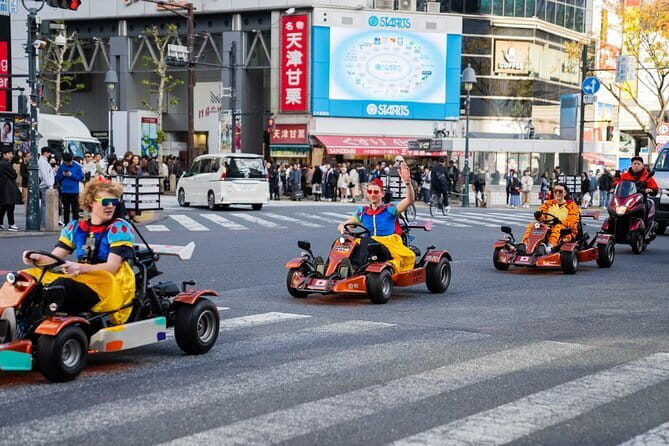
I would recommend it to adults who already have the required documents, enjoy unusual city activities and feel comfortable operating a vehicle in traffic. It is especially suitable if you have already seen Tokyo’s classic sights and want something more active.
It can also work well for a first visit because the route gives you a quick orientation to Shinjuku, Shibuya, Harajuku and Omotesando. You will understand the relationship between these areas better than you might after visiting them as isolated train stops.
This is not ideal for anyone who dislikes traffic, fumes, attention from passersby or strict driving requirements. You may be photographed and waved at, and the experience has a public, attention-getting quality. That is part of the fun for some people, but not everyone wants to be noticed.
The ride may suit solo visitors and groups alike. The small-group format gives solo participants a shared activity, while friends and families can enjoy the route together. Every participant who drives must meet the document rules.
Booking, weather and cancellation advice
The activity ends back at the Shinjuku meeting point. Confirmation is provided at booking, and you should watch the instructional video in the confirmation email before arrival.
The tour depends on good weather. If poor weather causes cancellation, you can receive a full refund or reschedule if another date is available. Mechanical capacity can also require the operator to adjust bookings when demand reaches the maximum.
For your own cancellation, you must cancel at least 24 hours before the local start time for a full refund. Cancellations or changes inside that 24-hour window are not refunded or accepted.
Should you book the Shibuya go-kart tour?
Book it if you want an active, highly unusual way to see Tokyo and you have already confirmed your driving documents. The route is broad, the support team is carefully organized, and Shibuya Scramble gives the ride a clear highlight.
Skip it if you want quiet sightseeing, close visits inside parks and shrines, or a low-cost way to move around town. I would also skip it if you are uneasy in city traffic or cannot obtain the correct 1949 Geneva Convention IDP.
For the right person, $125.53 buys more than transport. It buys two hours of being part of Tokyo’s street scene, with Shinjuku neon, Harajuku style, Yoyogi greenery and Shibuya crowds passing at kart level. Just handle the paperwork before you fly.
FAQ
How long does the go-kart experience last?
The experience lasts approximately two hours and ends back at the JAPANKART Shinjuku branch.
Where does the tour start?
It starts at JAPANKART Shinjuku Branch, Japan, 160-0022 Tokyo, Shinjuku City, Shinjuku, 5-chome 11-23, third floor.
What documents do I need?
You need your passport, your driving license from your country of origin and an International Driving Permit issued under the 1949 Geneva Convention. The IDP must be in booklet form.
Are 1968 Vienna Convention IDPs accepted?
No. International Driving Permits issued under the 1968 Vienna Convention are not accepted in Japan for this activity.
Are there exceptions to the standard IDP requirement?
Yes. Participants with licenses from Switzerland, Germany, France, Taiwan, Belgium or Monaco need their own license and a Japanese translation issued by the Japan Automobile Federation.
What should I wear?
Do not wear long skirts, high heels or sandals. Choose secure, comfortable clothing and flat shoes suitable for driving.
What happens if bad weather cancels the tour?
You can receive a full refund, or you may reschedule depending on availability. You can also cancel for a full refund if you do so at least 24 hours before the start time.
More Shinjuku Nights and Walks
- Tokyo: Shinjuku Food Tour (13 Dishes at 4 Local Eateries)
★ 5.0 · 6,603 reviews - Tokyo Bar Hopping Tour in Shinjuku (All-You-Can-Drink + Dinner)
★ 5.0 · 3,587 reviews - Tokyo: Shinjuku Food Tour (15 Dishes and 4 Eateries)
★ 4.9 · 2,033 reviews - Best of Shinjuku: Izakaya Food Tour (4 Stops, 14+ Tastings)
★ 5.0 · 1,863 reviews
New on our Tokyo list
- From Tokyo: Mount Fuji & Hakone Full Day Private Tour★ 4.9 · 25 reviews
- Tokyo Spectacular View Day-Cruise in 90 Minutes★ 5.0 · 25 reviews
- Real Tokyo Runner Club : Daikoku Car Meet Night Tour with JDM Car★ 5.0 · 25 reviews
- 2.5 Hour-Guided Cycle Tour in the Central Tokyo★ 5.0 · 25 reviews
- Ramen Making from Scratch +Akihabara Tour –Cooking Class★ 5.0 · 25 reviews
- [Self-Drive] Tokyo & Daikoku Custom Car Driving Tour★ 4.9 · 25 reviews
- Tokyo: 2-Hour Night Bike Tour of the City’s Hidden Gems★ 4.9 · 25 reviews
- Tokyo: Mt. Fuji, Owakudani, Hakone Shrine, & Open-Air Museum★ 4.7 · 25 reviews
Tokyo Go-Kart Experiences, compared.
Flagship 2-Hours Official Street Go-Kart Tour – Tokyo Bay Shop
Read our review →
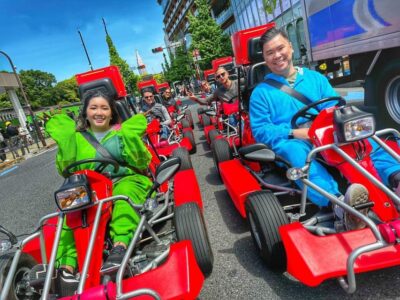
Tokyo Go Kart: Asakusa, Skytree, and Akihabara **IDP MUST**
Read our review →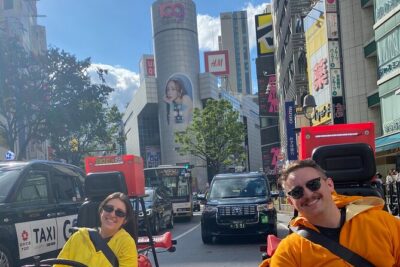
Shibuya Official Street Go-Kart in Shibuya Annex
Read our review →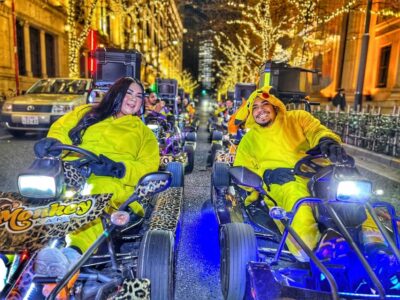
Asakusa, Skytree & Akhihabara Go-Kart City Experience
Read our review →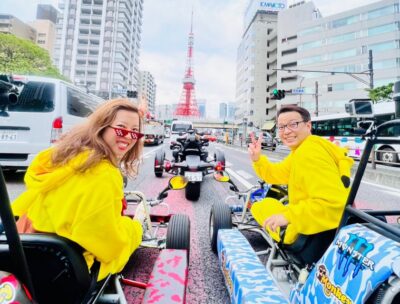
Premium Go-Kart Tour with Tower & Shibuya Crossing
Read our review →Browse the lists this tour appears in