
Reviewed · HARAJUKU TOURS
Private Harajuku Omotesando Architecture Tour
Harajuku and Omotesando are far more than shopping streets. In three and a half hours, this private walking tour shows you how Japanese architects and international fashion houses turned the area into an open-air architecture lesson. You will see bold buildings by Prada, Dior, Louis Vuitton, SunnyHills, and The Iceberg, then slip into quieter lanes where ordinary Tokyo life carries on.
I especially like the private format, since your guide can shape the walk around your interests instead of giving the same speech to a large crowd. I also like the contrast between the polished main avenue and the back streets near Cat Street. The main thing to consider is the price: at $129 per person, this is best value for architecture fans or small groups who want a serious, personal walk rather than a general sightseeing stroll.
- Start beside Meiji Shrine: Meet at Café Mori no Terrace near the large wooden entrance gate, then begin with the forested shrine setting.
- See Tokyo’s famous design corridor: Study The Iceberg, Dior, Louis Vuitton, SunnyHills, Prada, and other notable buildings.
- Learn the story behind the shops: Find out why top designers and architects choose Omotesando over areas such as Ginza.
- Step off the main avenue: Visit side streets and neighborhoods that reveal a less polished, more local side of Harajuku.
- Choose a night perspective: Evening light can change the way the buildings look, especially along the sleek Omotesando streets.
- Walk with a flexible private guide: Guides including Mari Sakai, Taka, Fuki, Yoshi, and Hal have led architecture-focused tours here.
In This Review
- Why Harajuku and Omotesando Make Such a Good Architecture Walk
- Meeting at Meiji Shrine and the Jingubashi Bridge
- Yoyogi Gymnasium From a Distance
- The Iceberg, Dior, and Louis Vuitton Along Omotesando
- Why Omotesando Is Not Just Another Luxury Shopping Street
- A Side Trip Into Harajuku’s Back Streets
- What the Private Guide Adds
- Taking the Tour at Night
- Is $129 Per Person Good Value?
- Who Should Book This Harajuku Architecture Tour?
- Practical Details Before You Go
- Should You Book It?
- FAQ
- Where does the tour meet?
- How do I reach the meeting point from Harajuku Station?
- How long does the tour last?
- Is the tour private?
- What language is the tour offered in?
- Which buildings are included?
- Does the tour include a break?
- Are meals and transportation included?
- Can I cancel the booking?
Why Harajuku and Omotesando Make Such a Good Architecture Walk
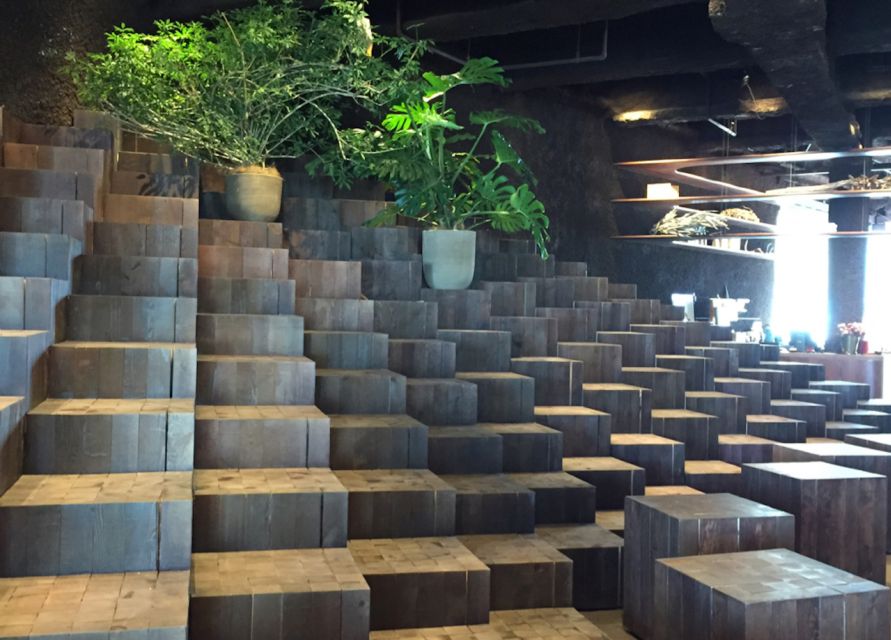
The appeal of this tour is the mix. Harajuku has a reputation for youth fashion, colorful shops, and pop culture. Omotesando is often reduced to a Japanese version of Rodeo Drive, lined with luxury labels. Both descriptions are partly true, but neither explains why the area is so interesting to walk through.
The main avenue brings together fashion, trees, glass, concrete, steel, and carefully designed storefronts. A few steps away, the mood changes. You may find residential lanes, smaller businesses, and everyday Japanese streets that feel worlds apart from the luxury brands.
I like this contrast because it gives the buildings a setting. You are not simply looking at a row of expensive stores. You are seeing how international retail fits into Tokyo, how architects work with narrow urban spaces, and how a fashionable district can still connect with ordinary neighborhoods.
The guide explains why Omotesando attracts famous architects and designer brands. That context matters. Without it, the buildings can look like striking shopping façades. With it, you begin to notice how each project handles light, structure, branding, and the relationship between the street and the store inside.
Meeting at Meiji Shrine and the Jingubashi Bridge
The walk begins near the entrance to Meiji Shrine, at Café Mori no Terrace, 1 Yoyogikamizonocho, Shibuya City. The meeting point is in the large open space beside the shrine’s big wooden entrance gate.
This location is convenient from JR Harajuku Station. Leave through the Omotesando exit and walk toward the forest. Take care with the meeting instructions: you do not pass through a Shinto gate from the station, and the café is not the similarly named café inside Meiji Shrine.
Beginning here gives the tour a useful visual introduction. Meiji Shrine is associated with traditional Japanese religious architecture and a wooded setting. The tour then moves toward modern commercial buildings, so you can compare two very different ideas of space before the walk properly gets going.
You will also begin near Jingubashi bridge, one of the familiar approaches to the shrine. This is a good place to get oriented, especially if you have arrived in Harajuku with only a vague idea of how the shrine, station, Omotesando avenue, and side streets fit together.
Wear comfortable shoes. The walk lasts 210 minutes, and the value comes from covering a lot of ground on foot rather than stopping at one or two buildings.
More Harajuku wanders:
- Tokyo Go-Kart Tour Shibuya-Harajuku-Shinjuku (*IDP Required)
★ 5.0 · 217 reviews - Tokyo: Guided Go Kart Tour from Harajuku to Shibuya Crossing
★ 4.5 · 166 reviews - Shibuya & Harajuku: Hidden Gems & Highlights Private Tour
★ 4.7 · 139 reviews
Yoyogi Gymnasium From a Distance
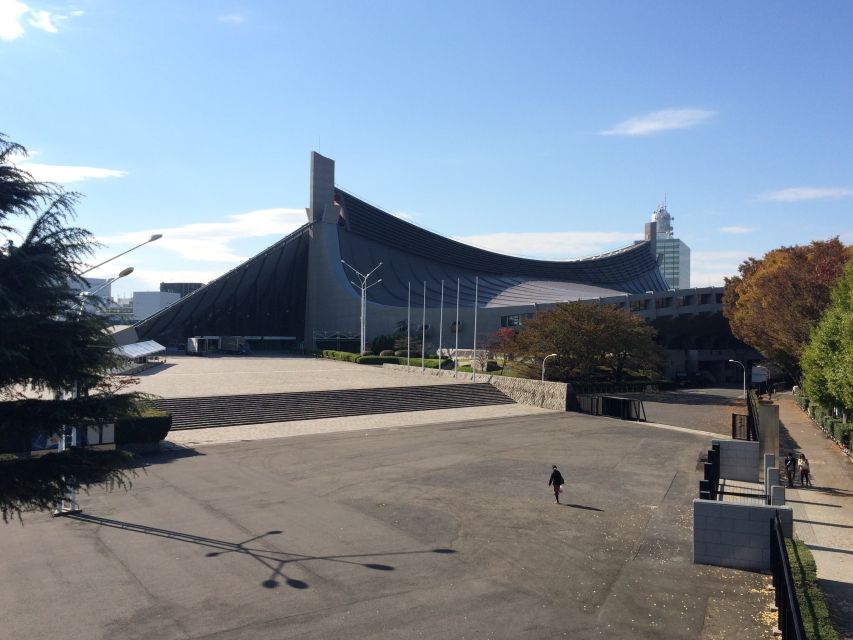
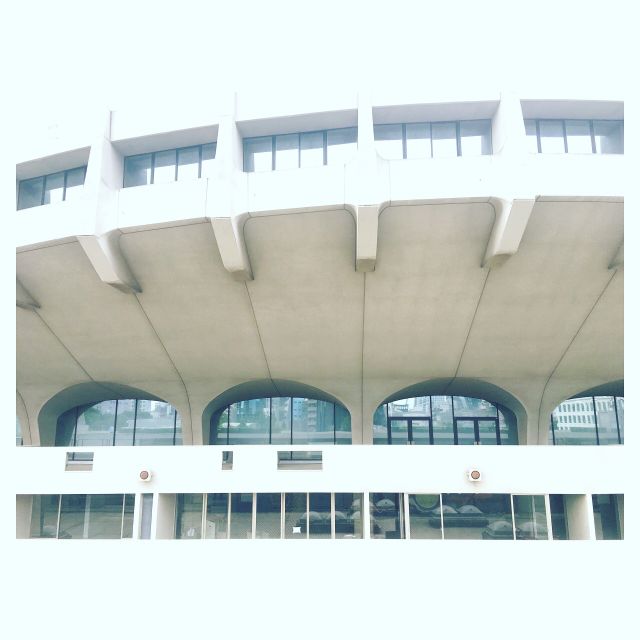
One of the early views is Yoyogi Gymnasium, seen from a distance. It is an important Tokyo landmark, and even a distant look helps place the area within the city’s larger architectural story.
The tour does not present the gymnasium as an isolated photo stop. Instead, it forms part of the transition from the traditional Meiji Shrine setting to the modern architecture that follows. Your guide can use the building to explain how Tokyo’s major public structures differ from the retail projects along Omotesando.
This is also a useful reminder that the tour is not limited to famous storefronts. You will see major commercial works, but the wider aim is to understand the design character of the district. If you care about architecture, this broader frame makes the later stops more meaningful.
The Iceberg, Dior, and Louis Vuitton Along Omotesando
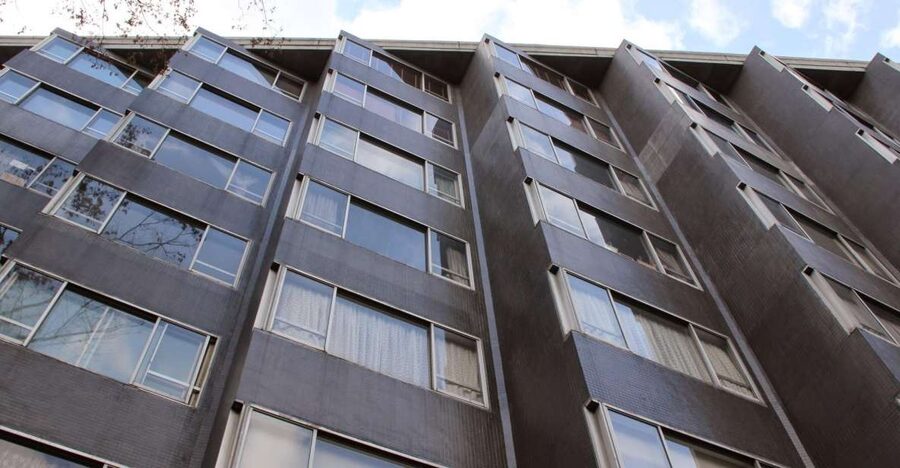
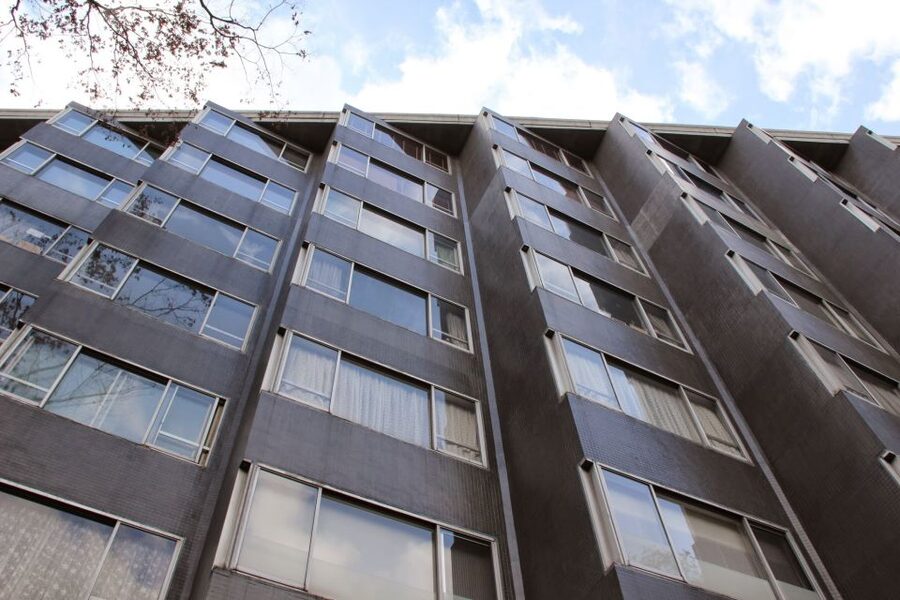
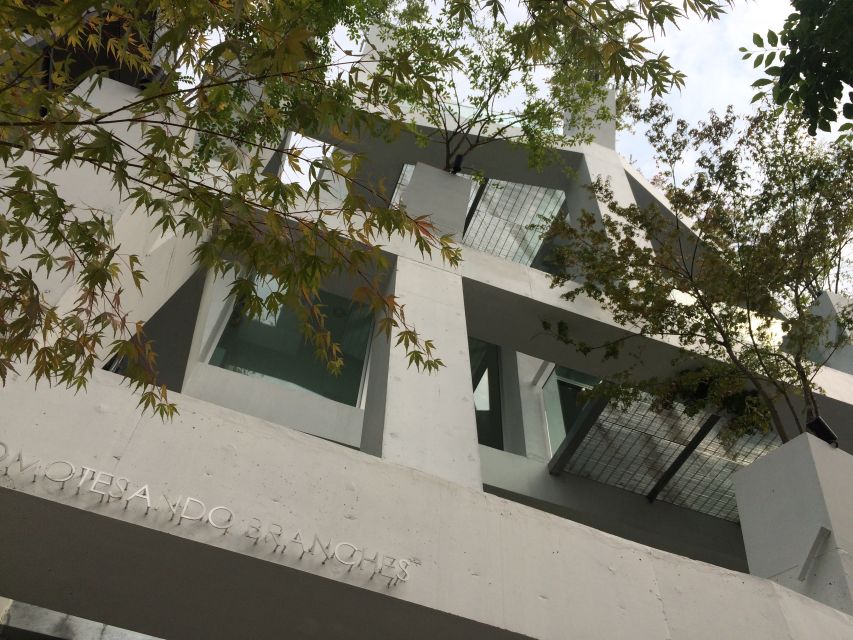
The central section focuses on the buildings that make Omotesando famous. The Iceberg, Dior, Louis Vuitton, SunnyHills, and Prada each offer a different answer to the same urban question: how do you make a shop memorable without losing its connection to the street?
You will have time to study the buildings from outside and photograph details that are easy to miss when you are simply walking to a store. Look for changes in texture, unusual structural forms, large glass surfaces, and the way each brand uses the building itself as part of its identity.
The Dior building is a good example of why this walk is more useful than a shopping trip. You can see how a fashion label presents itself through architecture, not only through clothes or window displays. Louis Vuitton offers another strong point of comparison, with its own visual language and street presence.
The Iceberg adds a different shape to the route. Buildings such as this reward close observation because their impact often comes from the full form, not from one decorative detail. Your guide can help you understand what you are looking at instead of leaving you to guess which parts are structural and which are branding.
Prada is another major stop, especially for anyone interested in how a luxury store becomes a city landmark. SunnyHills brings another design approach into the mix. Seeing several buildings close together lets you compare them immediately, which is one of the strongest reasons to take the tour with a guide.
You do not need to be an architect to enjoy this section. I would describe it as visual education for curious shoppers. You will learn a few ideas, then start spotting them yourself on the next block.
Why Omotesando Is Not Just Another Luxury Shopping Street
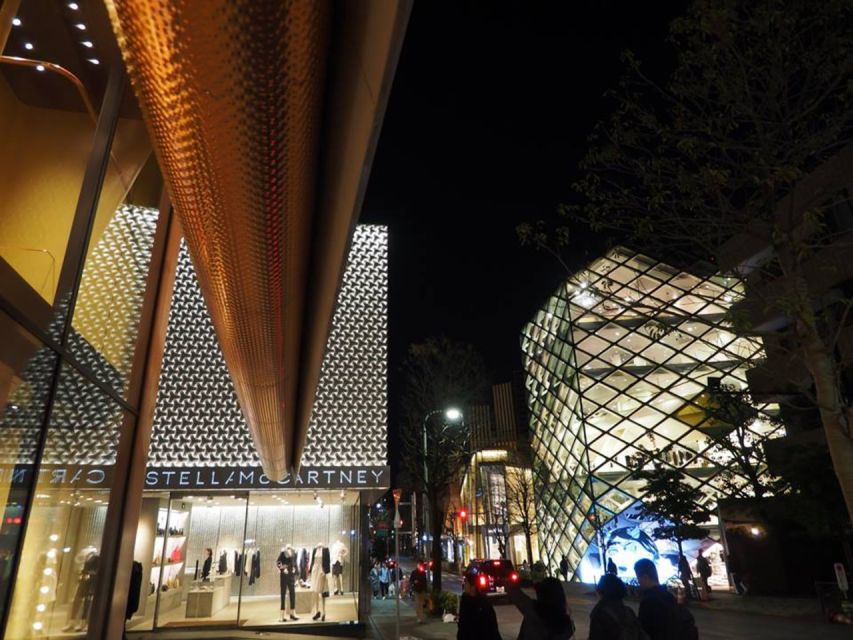
A major theme of the walk is the difference between Omotesando and Ginza. Both areas have prestigious shops, but they do not feel identical.
Ginza is known for its established luxury-shopping identity and broad commercial avenues. Omotesando combines that kind of retail with younger design energy, a strong connection to architecture, and side streets that quickly change the mood.
The tree-lined avenue also matters. Its scale, paving, storefronts, and long views give the buildings room to make an impression. The area feels planned for walking and looking, not only for entering shops.
Your guide can point out why major architects are drawn here. The chance to design a complete exterior in a prominent urban setting gives brands more freedom than a standard mall unit. That is why several stores function as architecture destinations even if you have no intention of buying anything.
I like this part because it helps explain the district instead of simply naming buildings. You leave with a better sense of why Omotesando became a meeting point for fashion, design, and city life.
A few more Tokyo bookings worth comparing
- Mt Fuji and Hakone 1-Day Bus Tour Return by Bullet Train
★ 5.0 · 26,383 reviews - 1-Day Tokyo Bus Tour
★ 5.0 · 14,250 reviews - Tokyo: TOKYO SKYTREE® Admission ticket
★ 4.5 · 11,192 reviews - Tokyo: teamLab Planets TOKYO Digital Art Museum Entry Ticket
★ 4.6 · 9,779 reviews
A Side Trip Into Harajuku’s Back Streets
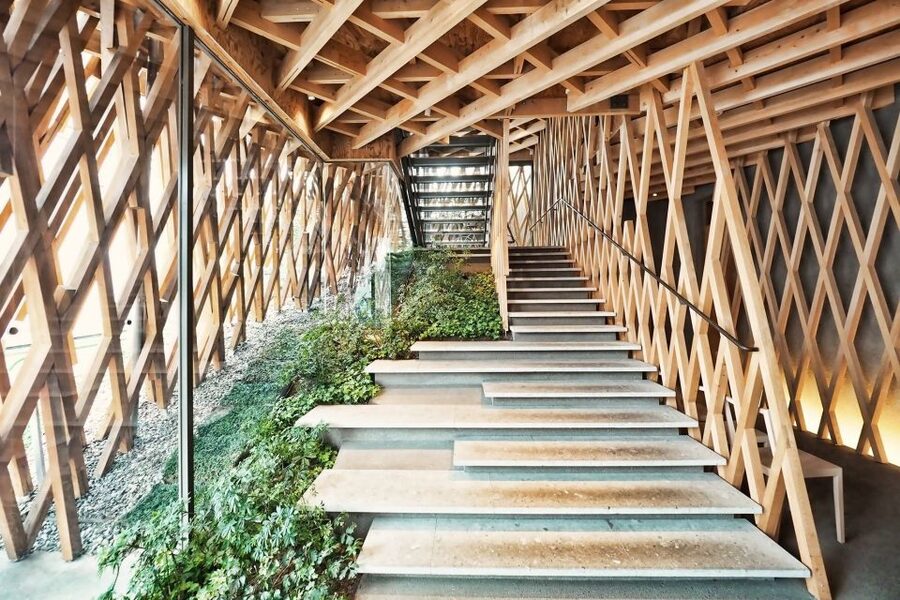
The tour leaves the polished avenue for a side trip through the back streets. This is an important part of the experience, not an optional extra.
Harajuku’s side lanes show a wider range of Japanese lifestyles. The streets may feel smaller, less formal, and more lived-in than Omotesando. That change helps you understand the district as a neighborhood, not only as a display case for international brands.
Cat Street is also included in the route. It adds a lively, youthful feel and gives you another way to read the area. If you enjoy finding places to revisit later, pay attention here. The route is not only about architecture; it can also help you locate cafés, shops, and streets that you may want to explore on your own.
The back-street section is one reason I would not recommend treating this as a simple luxury shopping tour. The best moments come from the contrast between the grand avenue and the smaller streets nearby.
At the same time, the experience is still a walking tour, not a dedicated neighborhood food or shopping tour. You will pass through these areas to understand their character, but meals and personal shopping are not included.
What the Private Guide Adds
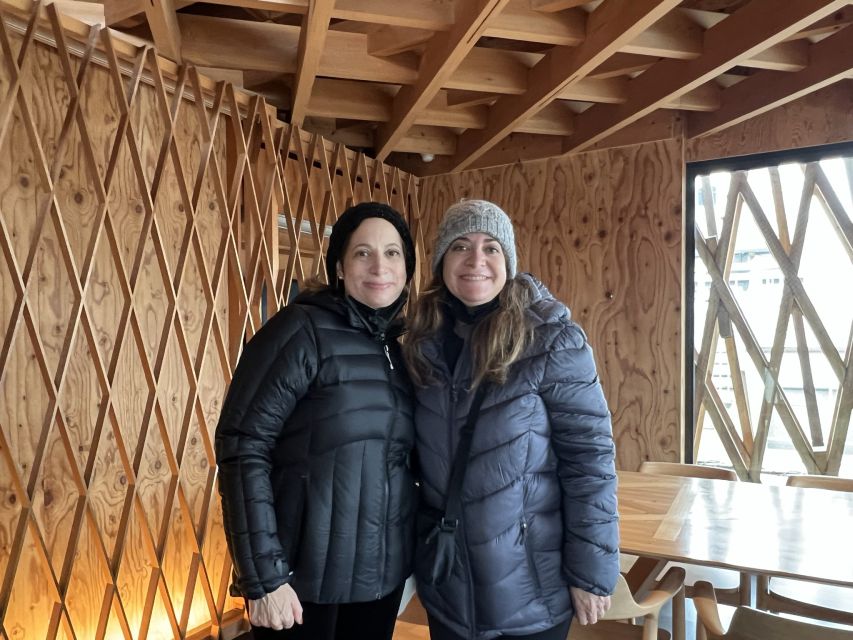
The private setup is the tour’s biggest practical advantage. You can ask questions, request certain buildings, and spend more time on the subjects that interest you.
Several guides have led this experience. Mari Sakai is described as fluent in English and uses visual material and other accessories while explaining the area. Taka brings a background as a retired urban planner and an MIT education, making him a particularly strong fit for visitors who want city planning and architectural context.
Fuki is known for a personal, flexible approach and can include buildings that match your interests. Yoshi, Hal, and other guides have also led the walk. Since the exact guide depends on availability, you should not book on the assumption that one particular person is guaranteed unless the provider confirms it.
This range of guide backgrounds is useful. An architecture graduate, urban planner, or design enthusiast may want different details from a first-time Tokyo visitor. The private format gives you room to say what you want.
You can ask about Japanese architects, international brands, city planning, photography, or the difference between the major shopping districts. The more specific your interests, the more useful the walk is likely to be.
Taking the Tour at Night
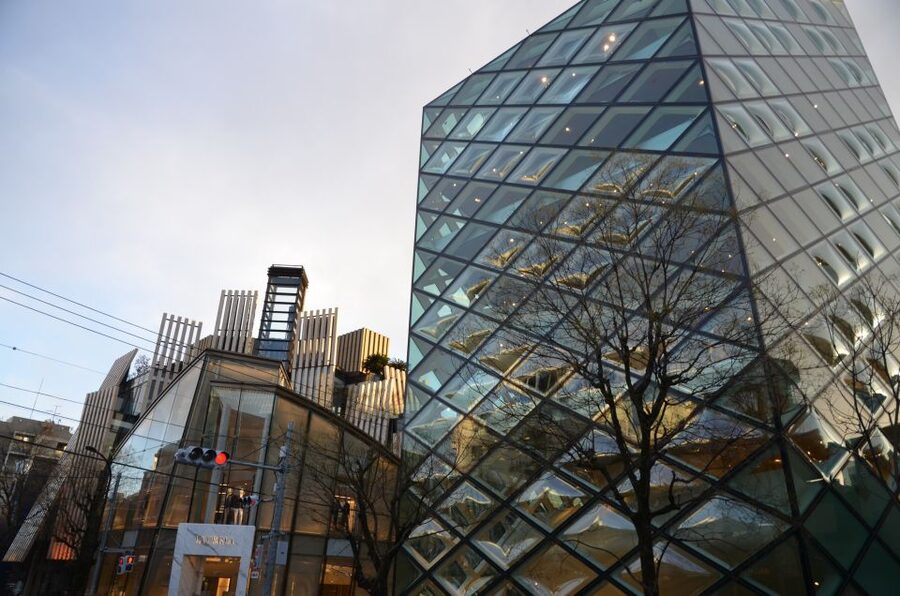
The tour can be taken at night, and that changes the experience rather than simply making it darker. Storefronts glow, glass reflects city light, and the buildings take on a different mood after sunset.
Night is especially appealing if you have already walked Omotesando during the day. You can compare the same structures under different light and see how the designers intended the façades to work after business hours.
There are tradeoffs. Daylight is better for examining materials, structure, and small architectural details. Night may be better for photographs with illuminated façades and for a more atmospheric walk. If photography is your main goal, ask about the available starting times and choose the light that suits you.
The tour includes a break with drinks at a café. This gives you a chance to rest during the long walk and watch people move along the Omotesando streets. Meals are not included, so plan to eat before or after the tour.
Is $129 Per Person Good Value?
At $129 per person, this is not a budget sightseeing walk. The price makes the most sense for a private group, a solo visitor with a strong interest in design, or anyone who wants to use limited Tokyo time well.
You are paying for a 210-minute private experience with a licensed English-speaking guide, not for entry to attractions or a meal. The buildings are viewed from the outside, and there is no promise of access inside the stores. If you only want a quick look at the façades, the price may feel high.
I see better value if you would otherwise wander the area without understanding what you are seeing. The guide connects the buildings, explains the reasons behind the district’s appeal, and adjusts the route to your interests. That personal attention is harder to get on a standard group tour.
The price also works better when shared by a small private group. Solo visitors should decide how much they value expert explanation and flexible pacing. For an architecture student, designer, photographer, or curious first-time visitor, the cost can be justified. For a shopper who mainly wants time inside stores, it probably is not the best use of money.
Free cancellation up to 24 hours before the activity and reserve-now, pay-later booking make planning easier. Wheelchair access is available, though you should still discuss your route needs with the provider before booking because the tour covers city streets and several different neighborhoods.
Who Should Book This Harajuku Architecture Tour?
I would choose this tour if you like buildings, urban design, fashion, photography, or the way modern cities evolve. You do not need technical training. A basic curiosity about why a building looks the way it does is enough.
It is also a good choice if you have visited Harajuku before and found the area confusing or overly focused on shopping. The guide helps sort the district into clear parts: shrine, bridge, gymnasium, luxury avenue, contemporary buildings, back streets, and Cat Street.
Families and mixed-interest groups may appreciate the private format because the pace can be adjusted. A guide can spend less time on technical details and more time on the visual features that children or casual sightseers notice.
I would think twice if you dislike walking, want a food-centered experience, or expect to tour the interiors of the designer stores. The tour is also not ideal for someone who only has a short stop in Harajuku, since the full experience takes three and a half hours.
Practical Details Before You Go
The tour is conducted in English and operates as a private group experience. Transportation to and from the Harajuku Omotesando area is not included, so you need to reach the meeting point yourself.
The starting café is Café Mori no Terrace by the large wooden Meiji Shrine entrance. Follow the route from JR Harajuku Station toward the forest, but do not enter through a shrine gate. Checking the café name and address before you leave your hotel will prevent an easy meeting-point mix-up.
Comfortable shoes are essential. The tour lasts 210 minutes, includes several neighborhoods, and is designed around walking and outdoor viewing.
A short café break with drinks is included. Bring what you need for the weather, since the main activity takes place outdoors. If you want to focus on photography, tell the guide at the start. If you are more interested in Japanese architects, city planning, or retail design, say that too.
Should You Book It?
Book this private Harajuku Omotesando walk if you want to understand the area rather than simply pass through it. The strongest features are the expert English guidance, the private route, and the sharp contrast between Meiji Shrine, major contemporary buildings, and quieter Harajuku streets.
The tour is particularly worthwhile for architecture-minded visitors. Guides such as Taka, with urban-planning experience, or Fuki, with a flexible approach to personal interests, can add much more than a list of building names. A night departure is a smart choice if you want striking exterior photographs and a different mood.
Skip it if your priority is shopping, dining, or entering the stores. At $129 per person, this is a focused experience, not a general introduction to every side of Harajuku. For the right audience, though, it turns a familiar shopping district into a thoughtful, visually rewarding city walk.
FAQ
Where does the tour meet?
The meeting point is in front of Café Mori no Terrace at 1 Yoyogikamizonocho, Shibuya City, Tokyo 151-0052. It is beside the large wooden entrance gate to Meiji Shrine.
How do I reach the meeting point from Harajuku Station?
From JR Harajuku Station, leave through the Omotesando exit and walk toward the forest. You do not go through a Shinto gate from the station to reach the café.
How long does the tour last?
The tour lasts 210 minutes, or three and a half hours.
Is the tour private?
Yes. It is offered for a private group rather than as a standard shared walking tour.
What language is the tour offered in?
The tour is conducted in English by a licensed English-speaking guide.
Which buildings are included?
The route includes views of The Iceberg, Dior, Louis Vuitton, SunnyHills, Prada, and other contemporary architectural works. You also see Yoyogi Gymnasium from a distance.
Does the tour include a break?
Yes. Break time with drinks is included at a café during the walk.
Are meals and transportation included?
No. Meals and transportation to and from the Harajuku Omotesando area are not included.
Can I cancel the booking?
You can cancel up to 24 hours in advance for a full refund. Reserve-now, pay-later booking is also available.
New on our Tokyo list
- Sumi-e Experience in a relaxing green tea shop in Tokyo★ 5.0 · 3 reviews
- Tokyo : Kamikaze Street Drift Ride★ 5.0 · 3 reviews
- Private Zen Meditation in English in Shinjuku, Tokyo★ 5.0 · 3 reviews
- Onsen Spa in Tokyo and Asakusa Bar Hopping with Local Guide★ 5.0 · 3 reviews
- Easy for everyone! Now you can play handmade mini shamisen and show off to everyone! Musical instruments, sweets and live music★ 5.0 · 3 reviews
- Tokyo: Private Tsukiji Street Food & Sake with Local Guide★ 5.0 · 3 reviews
- Mt Fuji Exploration Tour with Free Japanese Kusa Mochi from Tokyo★ 4.5 · 3 reviews
- Tokyo Tsukiji Fish Market Walking and Exploring Hidden Gems Tour★ 5.0 · 3 reviews
Harajuku Tours, compared.

Tokyo Go-Kart Tour Shibuya-Harajuku-Shinjuku (*IDP Required)
Read our review →
Guided Go Kart Tour from Harajuku to Shibuya Crossing
Read our review →
Shibuya & Harajuku: Hidden Gems & Highlights Private Tour
Read our review →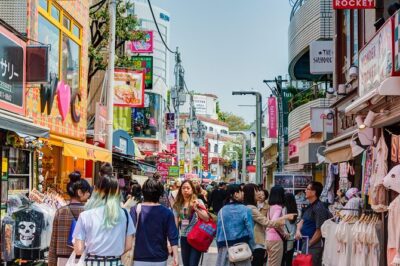

Harajuku Private Tour: Kawaii Fashion & Animal Cafe Included
Read our review →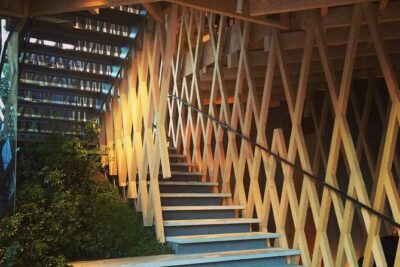
Private Harajuku Omotesando Architecture Walking Tour
Read our review →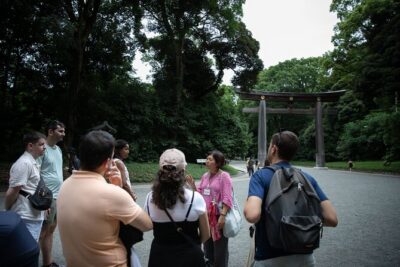
Browse the lists this tour appears in