Reviewed · HALF-DAY
Private Tokyo Custom Half-Day Tour by Chartered Vehicle
Tokyo is a sprawling city, and this private half-day tour lets you shape a small, manageable slice of it. You can pair Asakusa and Sensoji with Tsukiji, the Imperial Palace, Meiji Jingu Shrine, or Tokyo Skytree instead of following a fixed route. A private vehicle and central Tokyo pickup make the plan easy for families and groups.
I like the freedom to choose your priorities, and I like the option of adding a guide such as Seiko, Sho, Naomi, Syun, Emiko, or Fumiko. The main drawback is the price: at $849.17 for up to five people, it makes sense for a group, but less so for one or two people who are happy using Tokyo’s excellent public transport.
In This Review
- Key points to know before booking
- A private way to sort Tokyo into four useful hours
- Asakusa and Sensoji: the best first stop for old Tokyo
- Tokyo Skytree: a modern contrast to Sensoji
- Tsukiji: a food-focused stop without a long market visit
- Meiji Jingu and the Imperial Palace: choose them with care
- What the optional guide changes
- The private vehicle and the value of $849.17
- A good fit for families, older parents, and first-time visitors
- Timing, communication, and small practical cautions
- Should you book this Tokyo half-day tour?
- FAQ
- How long is the private Tokyo custom tour?
- How many people can join the private tour?
- Is hotel pickup included?
- Which sights can I request?
- Is a guide included?
- Are admission tickets included?
- Are food and drinks included?
- Can wheelchair users join?
- What is the cancellation policy?
Key points to know before booking
- You choose the sights: Build the four-hour route around temples, markets, gardens, shopping, architecture, or city views.
- Private transport keeps the group together: Your driver, vehicle, and pickup from a designated central Tokyo meeting point are included.
- A guide is optional: You can book with a guide for added background or choose a driver-led outing.
- Asakusa gives you the strongest cultural anchor: Sensoji and the Nakamise shopping street offer an immediate introduction to old Tokyo.
- The time is tight: Three one-hour stops can fill the tour, especially if traffic or walking between sights slows you down.
- The vehicle can help families and wheelchair users: A wheelchair-accessible van was provided for one booking, and the tour also suited a group with a two-year-old and older parents.
A private way to sort Tokyo into four useful hours
The real appeal here is control. Tokyo can easily swallow a full day of transfers, queues, and wrong turns. With a private vehicle, you can tell the operator what matters most and build a route that fits your group rather than trying to cover every famous place.
The standard outline can include Asakusa, Tokyo Skytree, and the Tsukiji area, but the tour is presented as customizable. You may instead request places such as Meiji Jingu Shrine, the Imperial Palace, or other Tokyo sights that match your interests. The exact plan depends on what you choose, how much time you spend at each stop, and the traffic on the day.
That flexibility is most valuable when your group has mixed needs. Parents with a small child may prefer fewer train changes. Older family members may appreciate a vehicle between walking sections. A wheelchair user may benefit from arranging a suitable van in advance. A private booking also means you do not have to match the pace or interests of strangers.
The tradeoff is simple: four hours is not long. Tokyo’s size and traffic mean you should pick a compact route. Trying to combine Asakusa, Skytree, Tsukiji, Meiji Jingu, and the Imperial Palace in one morning could leave you seeing each place only briefly. I would choose two main areas, or three nearby stops, rather than create a checklist of five famous names.
A few more Tokyo bookings worth comparing
- Half-day Tokyo Afternoon Tour by Hato Bus
★ 4.0 · 269 reviews - Tokyo: A Half-Day Trip Bus Tour in the Morning
★ 4.6 · 236 reviews - Half-day Tokyo Morning Tour by Hato Bus
★ 4.0 · 220 reviews
Asakusa and Sensoji: the best first stop for old Tokyo
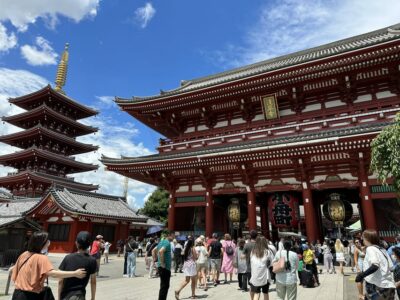
Asakusa is a strong choice if you want a taste of traditional Tokyo without spending the whole morning in museums. Sensoji, also called Asakusa Kannon Temple, is a major Buddhist temple and one of the city’s most popular sights.
The approach matters as much as the temple itself. Nakamise is a shopping street stretching more than 200 meters toward Sensoji. You can use this hour to look at traditional goods, browse small souvenirs, and reach the temple at a relaxed pace. The route gives you something to do between the vehicle drop-off and the main temple grounds.
Admission to the stop is listed as free, which keeps this part of the outing straightforward. You will still want to allow time for walking, photographs, and the shopping street. If you stop at every shop, the hour can disappear quickly.
I would put Asakusa near the top of the list for a first visit, especially if your group wants temples and a clear sense of Tokyo’s older side. It is also a good place for a guide to add context. A guide can explain what you are seeing and help turn a quick temple visit into something more meaningful.
The limitation is popularity. Sensoji is a major Tokyo attraction, so this is not a quiet private shrine visit. The vehicle gives you privacy, but once you reach the temple, you are visiting a public sight shared with many other people.
Tokyo Skytree: a modern contrast to Sensoji
Tokyo Skytree supplies a very different experience from Asakusa. At 634 meters, it is Japan’s tallest structure, with two observation decks and wide views over the city.
The pairing with Asakusa makes sense. You get a historic temple district at ground level, then a modern engineering landmark reaching high above Tokyo. The contrast helps you understand the city as a place where old religious sites and huge modern structures sit close together.
The supplied plan allows about an hour here, and admission is listed as free in the tour details. That does not necessarily mean every observation feature or paid area is included, so you should confirm any admission costs for the areas you want before booking. The tour price specifically excludes admission fees.
Skytree is best for you if city views and architecture matter more than another temple or market. It is also a useful stop for families because the tower gives everyone a clear, memorable focal point. If someone in your group has already seen several shrines, this adds a different kind of interest.
The practical issue is time. A one-hour visit may be enough for an outside look or a limited stop, but it may feel rushed if you want to go up, spend time at an observation deck, and return to the vehicle. Ask the operator how much time the chosen Skytree visit allows and whether tickets need to be arranged separately.
Tsukiji: a food-focused stop without a long market visit
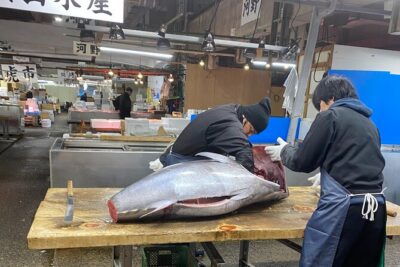
The Tsukiji area adds food and everyday Tokyo life to the route. The information supplied for this stop identifies the Tsukiji area and gives it about one hour, but it does not promise a food tasting, meal, or included dishes.
That distinction matters. Food and drinks are not included, so budget separately if you want to eat. The tour gives you transport and the chance to explore, not a prepaid culinary program.
I like Tsukiji as a counterweight to temples and observation decks. It gives your group a chance to browse food stalls and market shops, but you should keep your expectations practical. With only an hour, you may have time for a look around and a snack rather than an extended food crawl.
This is also a stop where a guide can make the visit easier. A guide can help explain what you are seeing and keep the group moving when the clock is short. Without a guide, you have more independence, but you will need to decide how to use the hour yourself.
If food is your main reason for booking, clarify the plan before you pay. The experience does not include food, and the published details do not promise tastings or a structured market tour.
Same corner of Tokyo, a completely different plan:
- Mt Fuji and Hakone 1-Day Bus Tour Return by Bullet Train
★ 5.0 · 26,383 reviews - 1-Day Tokyo Bus Tour
★ 5.0 · 14,250 reviews - Tokyo: TOKYO SKYTREE® Admission ticket
★ 4.5 · 11,192 reviews - Tokyo: teamLab Planets TOKYO Digital Art Museum Entry Ticket
★ 4.6 · 9,779 reviews
Meiji Jingu and the Imperial Palace: choose them with care
Meiji Jingu Shrine and the Imperial Palace are named as possible sights, rather than fixed stops in the listed three-stop outline. That means you can ask for them, but you should not assume they will be added without changing the route.
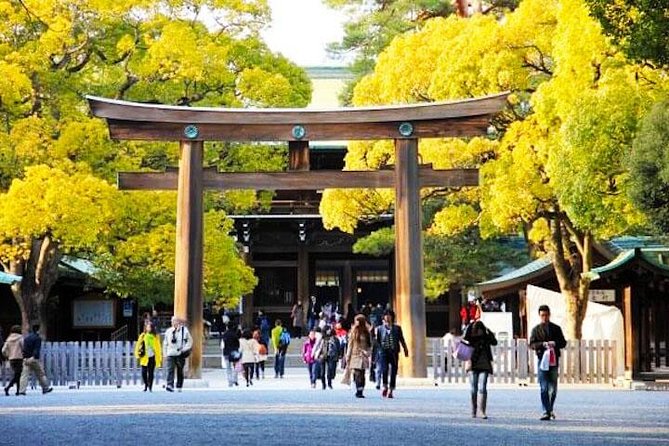
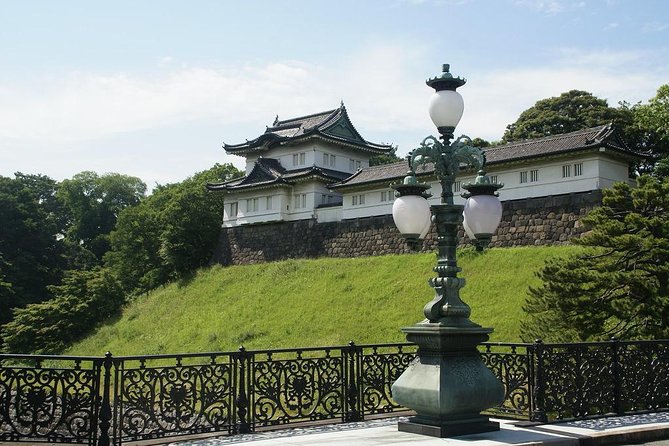
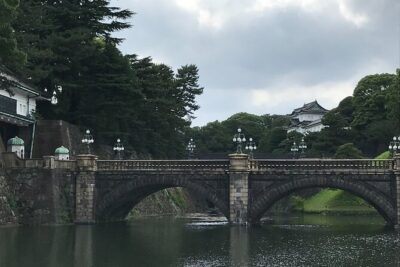
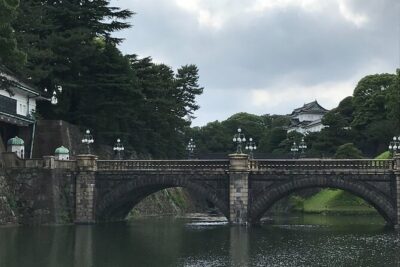
Meiji Jingu is a natural pick if you want a major Shinto shrine and a break from Tokyo’s dense streets. The Imperial Palace suits visitors interested in Japan’s government, imperial setting, and central Tokyo landmarks. Both can be worthwhile, but they may not fit comfortably alongside Asakusa, Skytree, and Tsukiji in only four hours.
I would make your priority list before the tour. Tell the operator your first choice, second choice, and the sight you can skip. That gives the driver and guide a useful framework. If you want Meiji Jingu, for example, you might leave out Skytree rather than race from one end of the city to another.
Because the tour is private, you have a better chance of making those decisions as you go. Still, customization is not magic. Traffic, walking time, opening conditions, and the distance between districts all affect what fits.
What the optional guide changes
You can choose the experience with a guide or without one. The driver and private vehicle are included, while the guide is an option and any guide fee is excluded unless you select that option.
The difference is important. A driver can move you efficiently between sights, but a guide can explain temple customs, local history, architecture, and the character of each neighborhood. Several guides receive especially warm praise in the supplied feedback. Seiko is described as warm and well informed, Sho helped create a strong first day in Tokyo, Naomi tailored the outing closely to the group’s wishes, and Syun provided useful information across food, gardens, temples, history, and architecture.
Emiko guided a family on Christmas Eve, including someone who lived in Japan but had not yet explored Tokyo. Fumiko was also praised for her conversational English and for helping a wheelchair user with an accessible vehicle. These details suggest that guide quality can shape the experience more than the vehicle itself.
At the same time, one booking found the guide pleasant but felt the sightseeing explanation was too limited. Another booking ended badly when the guide became ill, followed by a fast refund. You should treat the guide option as valuable, not infallible. If learning about Tokyo is central to your plans, confirm the guide option and communicate your interests clearly before the day.
The private vehicle and the value of $849.17
The listed price is $849.17 per group of up to five people. That sounds steep beside a train pass or a taxi, but a direct comparison misses the point. You are paying for a private vehicle, driver, central pickup and drop-off from a designated meeting point, and the ability to shape the route around your group.
For five people, the cost works out to about $170 per person before any guide fee, admissions, food, or drinks. For two people, it is about $425 each, which is a much harder value calculation. The tour makes the most financial sense for a family or group of friends who would otherwise need several taxis and want a private schedule.
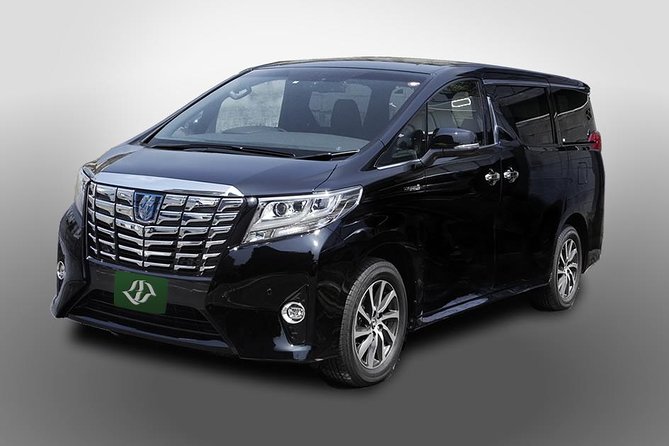
The vehicle may be a limo, bus, or van suited to group size. That flexibility matters, but the exact vehicle should be confirmed for your party. If you need wheelchair access, say so before the tour. An accessible van was arranged for one wheelchair user, but you should not assume every vehicle has the same setup.
Pickup and drop-off are offered from a designated central Tokyo meeting point. The details do not promise pickup from every hotel or district, so check the meeting arrangement carefully. The tour is near public transportation, which gives you another option if you need to reach the starting point.
A good fit for families, older parents, and first-time visitors
This is a practical choice for a group with different ages or energy levels. A private vehicle reduces the need to navigate Tokyo’s rail system together, and the half-day length can work well on a busy arrival day or before another appointment.
The experience has also suited a family with a two-year-old and parents over 60. That does not remove the walking involved at temples, markets, or viewing areas, but it gives you more control over transfers and pauses.
First-time visitors can use the tour as a city introduction. A good guide can connect food, gardens, temples, architecture, and history into a readable picture of Tokyo. You can then return later to the neighborhood that caught your attention.
It is less suitable if you enjoy planning your own train routes, want a slow visit at one museum, or dislike paying for convenience. Tokyo’s public transport is extensive, and independent visitors can cover many of these places for far less. The private tour earns its price through comfort, time control, and personal attention.
Timing, communication, and small practical cautions
Confirmation is sent within 48 hours of booking, subject to availability. Since the tour is often booked about eight days ahead, I would not leave it until the last minute if you need a particular guide, vehicle type, or accessibility arrangement.
The experience lasts about four hours. Arrive on time. One booking involved a delay of almost an hour, which caused a serious disagreement about the day’s service and timing. You should treat the start time as firm because a late departure cuts directly into your sightseeing.
Tell the operator what you want before the day begins. Give them your must-see stop, preferred food or culture focus, mobility needs, and the pace your group can handle. A private tour works best when you bring a clear wish list rather than expecting the operator to guess.
The tour is private, so only your group participates. Most people can take part, and it is near public transportation. Admission fees, food, drinks, and the guide fee when that option is selected are not included.
The cancellation rules are worth noting. You can receive a full refund by canceling at least six full days before the start time. Cancel two to six full days ahead and the refund is 50 percent. Cancellations less than two full days ahead are nonrefundable, and late changes are not accepted.
Should you book this Tokyo half-day tour?
Book it if you are a group of up to five and value a private vehicle, a flexible route, and help managing Tokyo’s scale. It is especially useful for families, older relatives, wheelchair users who arrange an accessible van ahead of time, and first-time visitors who want a guided introduction without committing to a full day.
Choose the guide option if you want context at the temples, market, gardens, and city sights. Guides such as Seiko, Sho, Naomi, Syun, Emiko, and Fumiko have helped make the outing personal and informative, but you should confirm availability because no particular guide is guaranteed in the supplied details.
Skip it if you are traveling alone or as a couple on a tight budget. You can visit Asakusa, Tsukiji, and other central areas independently for much less. For the right group, though, the price buys more than a ride: it buys a private plan, a driver, and four hours shaped around your own Tokyo priorities.
FAQ
How long is the private Tokyo custom tour?
The tour lasts approximately four hours.
How many people can join the private tour?
The listed price covers one private group of up to five people.
Is hotel pickup included?
Pickup and drop-off are included from a designated meeting point in central Tokyo. The supplied details do not state that every Tokyo hotel is covered, so confirm your exact pickup point.
Which sights can I request?
Possible sights include Asakusa, Meiji Jingu Shrine, the Imperial Palace, Tokyo Skytree, and the Tsukiji area. The route is customizable, so confirm your preferred combination before the tour.
Is a guide included?
A guide is optional. The included services are the driver, private vehicle, and pickup and drop-off. If you select a guide, the guide fee is not included in the base price.
Are admission tickets included?
No. Admission fees are excluded. The listed stops show free admission, but you should confirm any paid areas or attractions you want to enter.
Are food and drinks included?
No. Food and drinks are not included, including anything you choose to buy in the Tsukiji area or elsewhere.
Can wheelchair users join?
Most people can participate, and an accessible wheelchair van was provided for one booking. If you use a wheelchair, state this when booking so the suitable vehicle can be arranged.
What is the cancellation policy?
Cancel at least six full days before the start time for a full refund. Cancel two to six full days ahead for a 50 percent refund. Cancellations less than two full days before the tour are nonrefundable.
New on our Tokyo list
- Sumi-e Experience in a relaxing green tea shop in Tokyo★ 5.0 · 3 reviews
- Tokyo : Kamikaze Street Drift Ride★ 5.0 · 3 reviews
- Private Zen Meditation in English in Shinjuku, Tokyo★ 5.0 · 3 reviews
- Onsen Spa in Tokyo and Asakusa Bar Hopping with Local Guide★ 5.0 · 3 reviews
- Easy for everyone! Now you can play handmade mini shamisen and show off to everyone! Musical instruments, sweets and live music★ 5.0 · 3 reviews
- Tokyo: Private Tsukiji Street Food & Sake with Local Guide★ 5.0 · 3 reviews
- Mt Fuji Exploration Tour with Free Japanese Kusa Mochi from Tokyo★ 4.5 · 3 reviews
- Tokyo Tsukiji Fish Market Walking and Exploring Hidden Gems Tour★ 5.0 · 3 reviews
Half-Day, compared.
Tokyo Private Half-Day Tour with a Local – Secrets & Highlights
Read our review →
Private Hakone Half-day Car Tour with Hotel Pickup – Local Guide
Read our review →
Old and Nostalgic Tokyo: Half-Day Yanaka Walking Tour
Read our review →
Private Fuji Half-day Car Tour with Hotel Pickup and Local Guide
Read our review →