
Reviewed · TOKYO PHOTOSHOOTS
Private Tour Kamakura and Enoshima With Guide and photographer
Kamakura packs a remarkable amount into one day: a giant bronze Buddha, old temples, a bamboo grove, ocean views, and a lively island coast. This private tour gives you hotel pickup and a vehicle for your group, so you can cover the main sights without piecing together trains and local transport.
I like the customizable schedule and the chance to see both Kamakura and Enoshima in about 10 hours. I also like that strong guides such as Shoaib and Seb have adjusted timing, explained the sights, and got groups back to their hotels on time. The key concern is important: some bookings appear to have provided a driver rather than a true guide and photographer.
In This Review
- Key points to know before booking
- A full day from Tokyo to Kamakura and Enoshima
- The Great Buddha at Kōtoku-in
- Hokoku-ji and its compact bamboo grove
- Hasedera’s gardens, cave, and ocean outlook
- Enoshima for the final coastal stop
- Why private transportation matters here
- Guide quality can shape the whole day
- What the $503 price really buys you
- Timing, meals, weather, and practical planning
- Who should book this Kamakura day trip?
- Should you book it?
- FAQ
- How long does the tour last?
- How many people can join the private tour?
- Is hotel pickup available?
- What places are included in the route?
- Is transportation included?
- Are admission tickets included?
- Is lunch included?
- Can the itinerary be customized?
- What happens if bad weather cancels the tour?
Key points to know before booking
- The Great Buddha, three temples, and Enoshima fit into one day, giving you a broad first look at the coast west of Tokyo.
- Hotel pickup and private transportation save time and make the day easier for groups of up to five.
- Hokoku-ji’s bamboo grove gives the temple route a quieter, more unusual stop.
- Hasedera combines gardens, statues, a cave shrine, and Pacific views in one compact visit.
- The guide experience may vary, so confirm in writing that your booking includes guiding and photography.
- The $503 group price works best for four or five people, but lunch, admissions, and every place entry cost extra.
A full day from Tokyo to Kamakura and Enoshima
Kamakura is a smart day trip when you want more than Tokyo’s neon streets and tall buildings. It was one of Japan’s important medieval capitals, and its temples, shrines, narrow streets, and seaside setting give the day a different pace.
This tour starts at 8:30 a.m. and lasts about 10 hours. With private transportation, you avoid building your day around train connections and figuring out how to move between the main sights. That matters because the stops are spread across Kamakura, and Enoshima lies farther west along the coast.
The group limit is five people. For a family or small group, that is the main value of the arrangement. You can discuss the order of stops, spend longer at a favorite temple, or move along when children or tired feet call for a break.
The price is $503 per group, not per person. Split five ways, it is about $101 per person before admission and lunch. For two people, it is a much bigger spend, so the private vehicle and personal attention need to matter to you. Independent train travel will cost less, but it requires more planning and gives you less control over the day.
More Private Tours in Kamakura
- Kamakura Private Tour: Temples, Nature, and the Great Buddha
★ 5.0 · 121 reviews - Kamakura 8 hr Private Walking Tour with Licensed Guide from Tokyo
★ 5.0 · 80 reviews - Kamakura: Private Guided Walking Tour with Local Guide
★ 4.8 · 60 reviews
The Great Buddha at Kōtoku-in
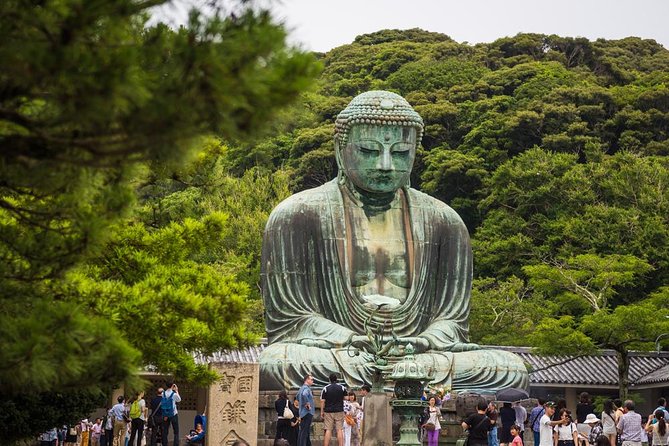
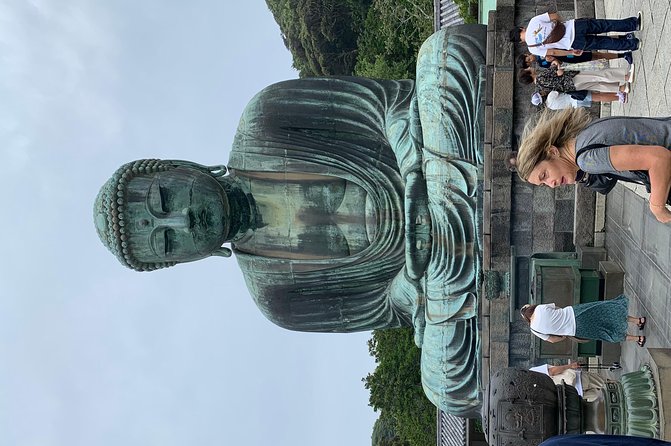
The first major stop is Kōtoku-in, home of Kamakura’s Great Buddha. The monumental bronze figure is outdoors, which gives the visit a strong visual impact from the moment you enter the temple grounds.
You have about one hour here. That is enough time to see the statue, take photographs, and look around the temple area without letting the first stop swallow the day. Admission is not included, so you should budget separately for entry.
The Great Buddha is one of Kamakura’s signature sights, and it earns its place on a first visit. The scale is the point, but the open-air setting also makes the statue feel different from a Buddha housed inside a dark temple hall.
Your guide can add value here by explaining the temple and the statue rather than simply dropping you at the gate. That distinction matters on this tour. Some departures have apparently included a guide who explained the attractions, while others provided a quiet driver with little background.
If you are assigned a driver only, Kōtoku-in is still easy to appreciate visually, but you lose the context that makes the stop more than a photograph. Confirm the guiding arrangement before you pay.
Hokoku-ji and its compact bamboo grove
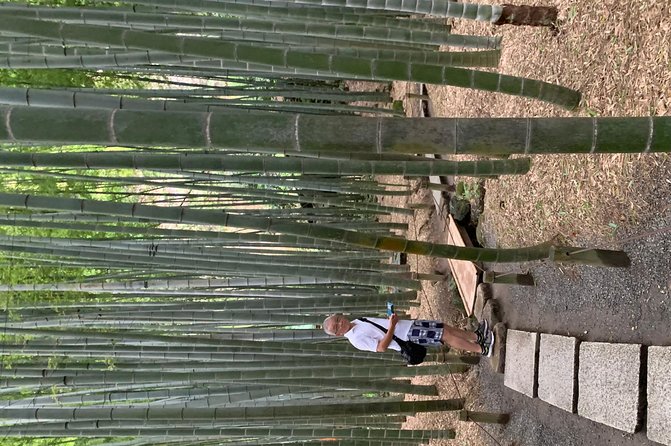
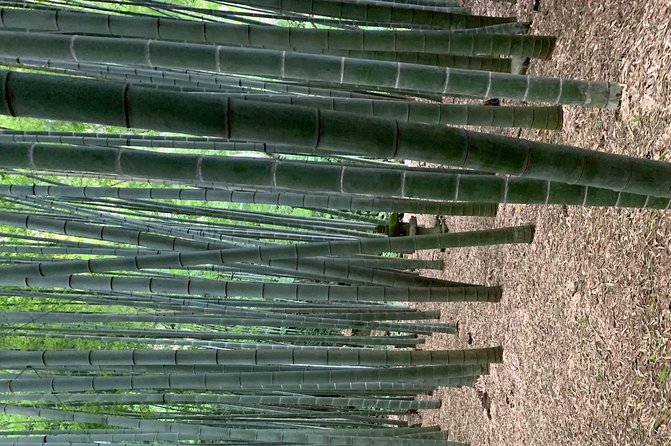
Hokoku-ji is one of the more distinctive stops because of its bamboo forest. The temple dates to the 14th century, and the grove gives the visit a cool, green setting that feels unlike the Great Buddha or the more open grounds at Kōtoku-in.
You have one hour here. That is a sensible amount of time for the temple and bamboo area, though this is not a vast forest walk. Think of it as a focused stop with one memorable feature rather than a half-day nature outing.
I like the contrast in the schedule. After the bold scale of the Great Buddha, Hokoku-ji offers a quieter visual pause. It also gives your guide a chance to explain how temple spaces differ instead of repeating the same sightseeing pattern at every stop.
Admission is extra. Since the tour excludes entry to all places, you should carry enough yen or a suitable payment method for each temple. The supplied details do not state the total admission cost, so do not assume the $503 covers anything beyond private transportation.
This is also a place where your own pace matters. A good guide can keep the stop moving while allowing time for photographs and a calm walk through the bamboo. If your vehicle operator is not providing commentary, you may need to enjoy the setting independently.
Hasedera’s gardens, cave, and ocean outlook
Hasedera is the most varied temple stop on the route. The temple dates to the eighth century and includes a Japanese garden, Buddha statues, a cave shrine, and views toward the Pacific Ocean.
You have roughly one hour here. That gives you a useful sampler, but not unlimited time for every corner. Hasedera contains enough visual detail that you may wish for more time, especially when flowers are at their best.
June and July are noted for hydrangeas, making those months especially appealing for this stop. If flowers are your main reason for visiting, ask how much flexibility you have in the schedule. A customizable tour should allow some adjustment, but the exact amount is not guaranteed.
The cave shrine adds something different to the temple visit. Instead of only looking across gardens and statues, you get a more enclosed, unusual space. The ocean view then opens the scene again, giving Hasedera a satisfying mix of architecture, gardens, religious art, and coast.
This is where a capable guide can make the day feel personal. Shoaib is described as giving background while still allowing time to explore independently. That is the right balance for Hasedera. You want enough explanation to understand what you are seeing, but you should not be rushed from one photo stop to the next.
More Tokyo photo sessions:
- Tokyo Ryogoku Sumo Morning Practice + Photo Shoot with Wrestlers
★ 4.5 · 277 reviews - Tokyo by Night Photography Tour (Private Option Available)
★ 5.0 · 151 reviews - Tokyo Sumo Morning Practice Tour w/ Ring-Side Seat + Photo Shoot
★ 5.0 · 93 reviews - Tour with Pro Tokyo Photographer and take Edgy Unique Portraits
★ 5.0 · 80 reviews
Enoshima for the final coastal stop
The final listed stop is Enoshima, an island connected to the mainland by bridge. It is only a short train ride west of Kamakura, though this tour uses private transportation for the day.
You have about 50 minutes here, which is brief. Enoshima offers a shrine and other attractions, but the schedule does not promise admission to particular island sights. The practical expectation is a short look at the island and coast, not a full exploration of every attraction.
The day is meant to finish in a relaxed way at Enoshima Beach. That is a pleasant change after several temple visits, and it gives you time to enjoy the seaside atmosphere before returning to Tokyo.
Still, 50 minutes can pass quickly. If Enoshima is your priority, ask to place it earlier or allocate more time there. The private format makes that conversation possible, though traffic and the distance back to Tokyo limit how much you can change.
Enoshima is also the least predictable stop in terms of energy. The island is pleasantly touristy, with food, shrines, and coastal sights, but the supplied details do not specify exactly which areas your group will visit. Ask your guide to explain the plan at the start of the day.
Why private transportation matters here
Kamakura is accessible by public transportation, but the main sights do not sit in one neat cluster. Private transportation cuts down on transfers and gives you a place to rest between stops.
For a group of up to five, the vehicle is more than a comfort perk. It lets you leave Tokyo together, avoid splitting up, and keep bags with you. It is especially useful if your group includes older family members or anyone who does not want a full day of train changes and walking.
The tradeoff is that a vehicle alone does not create a guided tour. Two direct accounts describe an experience that felt like a driver-only day, with little knowledge of the sites and no photographer. That is the central risk here.
The tour name and description promise a guide and photographer, but the actual service appears to depend on the person assigned. Contact Live Nippon before the day and ask two clear questions:
- Will a licensed or informed guide accompany the group all day?
- Will a photographer take and provide photographs, and how does that process work?
Do not treat a friendly driver as a substitute for the advertised guiding service. A driver can still be helpful with timing and transport, but the cultural value of this tour depends heavily on explanation.
Guide quality can shape the whole day
The strongest feedback describes Shoaib as giving useful background while letting the group explore on its own terms. Seb, also written as Sub in one account, is described as friendly, flexible with timing, and able to return to the hotel on schedule despite Tokyo traffic.
Those details show what a successful day can look like. You get clear explanations, room to set your own pace, and practical control over the clock. That combination is particularly useful at Hasedera and Enoshima, where you could easily spend either too little or too much time.
The less successful experiences had the opposite problem. The driver was pleasant but quiet, unfamiliar with the historical background, and not functioning as a guide or photographer. That difference is too large to ignore, especially at $503.
I would ask for the guide’s name as soon as the booking is confirmed. If Live Nippon cannot clearly explain who will meet you and what the photography service includes, consider that a warning sign. The tour can still work as private transportation, but you should not pay a premium expecting a service that may not appear.
What the $503 price really buys you
At $503 per group, this is not the budget way to see Kamakura. Its value comes from convenience, privacy, and the ability to cover several locations without managing the route yourself.
For five people, the price is easier to justify. You are paying roughly $101 per person before meals and entry fees for a full day of private transportation. For a couple, the same price is harder to defend unless hotel pickup, privacy, and schedule control are especially important.
Lunch is not included. Admission to the Great Buddha, Hokoku-ji, Hasedera, and any Enoshima attraction is also not included. You should treat the advertised rate as the transport and tour arrangement, not an all-inclusive day.
The price makes the most sense for:
- Families that value a simple door-to-door day
- Small groups who want to stay together
- First-time visitors who want the main Kamakura sights in one outing
- People who prefer a private vehicle over several train and local transport connections
- Groups willing to confirm the guide and photographer details in advance
It makes less sense for solo visitors, couples on a tight budget, or independent sightseers who enjoy planning train routes and reading about temples on their own.
Timing, meals, weather, and practical planning
The 8:30 a.m. start is early, but it gives you the best chance of fitting the route into one day. Tokyo traffic can affect the return, so an on-time arrival is not something you should build into a tight evening reservation.
You need to plan lunch yourself. The tour does not include a meal, and the supplied schedule does not assign a fixed lunch stop. Ask the guide when you will eat, especially if you are traveling with children or have dietary needs.
Wear shoes suited to temple grounds and walking. The itinerary includes several temples, gardens, a cave shrine, bamboo, and a seaside stop. The exact amount of walking is not stated, so you should be prepared for a day on your feet.
The experience requires good weather. If poor weather cancels the tour, you are offered another date or a full refund. You can cancel for a full refund up to 24 hours before the start time, but changes or cancellations inside that window are not accepted.
Most people can participate, and the tour is near public transportation, though private transportation is included. Confirmation arrives at booking, and pickup is offered from your hotel.
Who should book this Kamakura day trip?
I would choose this for a group of four or five that wants a broad first look at Kamakura without handling the transport. The route gives you the area’s biggest visual draws, then adds a bamboo grove, a varied temple, and a short coastal finish.
It also suits families and older relatives who benefit from a private vehicle and a flexible pace. You can spend more time at the Great Buddha, shorten a temple visit, or ask for a different order if the guide agrees.
I would be more cautious if photography is the main reason you are booking. The experience is advertised with a photographer, but the actual service may not consistently include one. Confirm the details before committing.
I would also skip it if you want a slow, scholarly temple tour. The schedule covers four stops in one day, with only about an hour at each major temple and 50 minutes at Enoshima. It is a highlights day, not a deep study of Kamakura’s religious sites.
Should you book it?
Book this tour if private transport and a flexible route are worth paying for, especially with a full group of up to five. The Great Buddha, Hokoku-ji, Hasedera, and Enoshima make a strong one-day introduction, and guides such as Shoaib or Seb can turn the schedule into an informative, enjoyable outing.
Before booking, confirm the guide’s name, the promised photography, the pickup details, and how much freedom you have to adjust the timing. If Live Nippon confirms a real guide and photographer, the package can be good value for a small group. If the answer points to a driver only, compare the cost with arranging transport independently or choosing a tour whose guiding service is clearer.
FAQ
How long does the tour last?
The tour lasts approximately 10 hours, starting at 8:30 a.m.
How many people can join the private tour?
The private tour accommodates up to five people in your group.
Is hotel pickup available?
Yes. Hotel pickup is offered.
What places are included in the route?
The route includes Kōtoku-in and the Great Buddha of Kamakura, Hokoku-ji Temple, Hasedera Temple, and Enoshima.
Is transportation included?
Yes. Private transportation is included.
Are admission tickets included?
No. Admission to the attractions is not included.
Is lunch included?
No. Lunch is not included.
Can the itinerary be customized?
The tour is described as fully customizable, so you can discuss schedule preferences with the provider.
What happens if bad weather cancels the tour?
You can choose a different date or receive a full refund if poor weather causes the tour to be canceled.
New on our Tokyo list
- Tokyo : Kamikaze Street Drift Ride★ 5.0 · 3 reviews
- Private Zen Meditation in English in Shinjuku, Tokyo★ 5.0 · 3 reviews
- Sumi-e Experience in a relaxing green tea shop in Tokyo★ 5.0 · 3 reviews
- Onsen Spa in Tokyo and Asakusa Bar Hopping with Local Guide★ 5.0 · 3 reviews
- Easy for everyone! Now you can play handmade mini shamisen and show off to everyone! Musical instruments, sweets and live music★ 5.0 · 3 reviews
- Tokyo: Private Tsukiji Street Food & Sake with Local Guide★ 5.0 · 3 reviews
- Mt Fuji Exploration Tour with Free Japanese Kusa Mochi from Tokyo★ 4.5 · 3 reviews
- Tokyo Tsukiji Fish Market Walking and Exploring Hidden Gems Tour★ 5.0 · 3 reviews
Tokyo Photoshoots, compared.
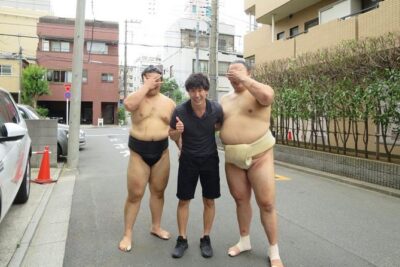
Tokyo Ryogoku Sumo Morning Practice + Photo Shoot with Wrestlers
Read our review →
Tokyo by Night Photography Tour (Private Option Available)
Read our review →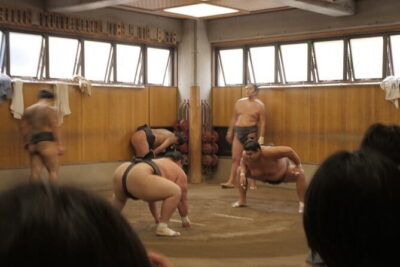
Tokyo Sumo Morning Practice Tour w/ Ring-Side Seat + Photo Shoot
Read our review →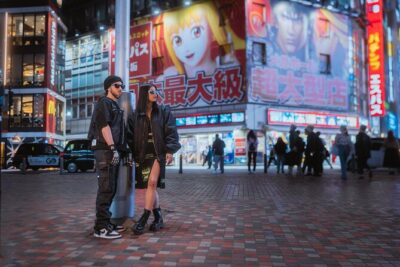
Tour with Pro Tokyo Photographer and take Edgy Unique Portraits
Read our review →
Tokyo Portrait Tour with a Professional Photographer
Read our review →
Tokyo Asakusa: Miu Kimono Rental and Optional Photoshoot
Read our review →
Tokyo Authentic Kimono Rental in Asakusa with Photography Option
Read our review →Browse the lists this tour appears in