
Reviewed · WALKING TOURS
Kamakura 8 hr Private Walking Tour with Licensed Guide from Tokyo
Kamakura’s Great Buddha is the star here, but the real strength of this private day is the freedom to build your own route through Japan’s old temple town. Your guide meets you on foot in Tokyo, leads you by train and local transport, and helps you fit four to six places into an eight-hour day.
I like the flexible menu of sites and the help with everyday details, from train changes to ordering lunch. Guides such as Taka, Shinji, Makoto, Andy, and Yasuko have adjusted plans around food needs, shopping preferences, walking speed, and favorite temples. The catch is simple: eight hours includes transportation, and entrance fees, lunch, and fares come out of your pocket.
In This Review
- Key points to know before booking
- Why Kamakura makes a strong day trip from Tokyo
- Start at Tsurugaoka Hachimangu Shrine
- Meet the Great Buddha at Kotoku-in
- Take in Hasedera’s ocean view
- Walk Komachi Street and try hatosabure
- Choose the bamboo grove at Hokoku-ji
- Add a Kamakura hiking trail if you want woods
- Decide if Enoshima is worth the extra train ride
- Explore Kamakura’s five great Zen temples
- Consider the quieter eastern temples
- How the private guiding works in practice
- What the $201.51 price really covers
- A practical plan for your eight hours
- Should you book this Kamakura tour?
- FAQ
- How long is the Kamakura private walking tour?
- How many sites can I choose?
- Is transportation included?
- Where does the guide meet me?
- Are entrance fees included?
- Is lunch included?
- Can I visit Enoshima during the tour?
- Is this a private group tour?
- What is the cancellation policy?
Key points to know before booking
- The route is private and adjustable: Choose four to six places from a long list of shrines, temples, gardens, trails, and coastal stops.
- Public transportation is part of the day: You travel by train and bus, with no private vehicle included.
- The classic trio is easy to understand: Tsurugaoka Hachimangu, the Great Buddha, and Hasedera make a strong first-time route.
- You can trade shopping for more sightseeing: Guides have adjusted plans for people who preferred temples and views to Komachi Street.
- The day can include Enoshima: This adds a coastal island, but it also means less time in central Kamakura.
- Budget beyond the tour price: The $201.51 per-person cost does not include transport, admissions, lunch, or personal spending.
Why Kamakura makes a strong day trip from Tokyo
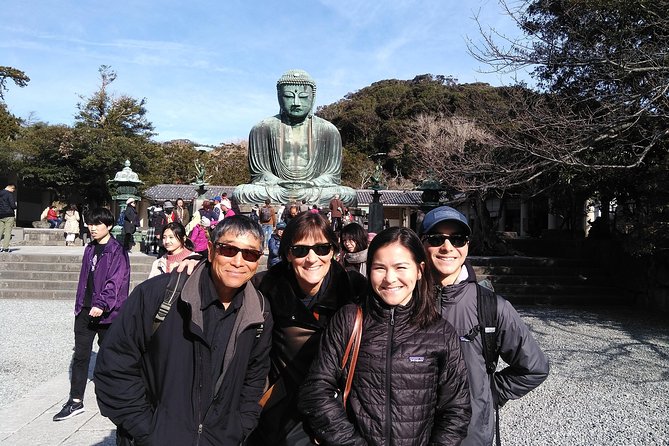
Kamakura gives you a sharp change of pace from Tokyo. Instead of tall buildings and crowded rail platforms, you get shrine paths, wooded hills, old Buddhist temples, small shopping streets, and the Pacific coast. It was a major political center in medieval Japan, and its religious sites still shape the town’s feel.
The trip is close enough for a day out, but not so simple that everyone finds the route obvious. Stations, local trains, buses, temple lanes, and different sightseeing clusters can eat up time. A private guide is most useful here as a route planner and interpreter, not just as someone who points at monuments.
You meet the guide at your Tokyo hotel or another agreed point within the designated area, but the pickup is on foot. From there, you use public transportation. The tour does not provide a private car, and every transfer uses part of the eight-hour clock.
That detail matters. A direct, focused plan can cover the Great Buddha, Hasedera, Tsurugaoka Hachimangu, and Komachi Street comfortably enough. Add Enoshima, a hiking trail, or several northern Zen temples, and the day becomes more hurried. I would decide your top two or three priorities before you meet the guide.
More Private Tours in Kamakura
- Kamakura Private Tour: Temples, Nature, and the Great Buddha
★ 5.0 · 121 reviews - Kamakura: Private Guided Walking Tour with Local Guide
★ 4.8 · 60 reviews - Kamakura 4hr Private Trip with Government-Licensed Guide
★ 5.0 · 58 reviews
Start at Tsurugaoka Hachimangu Shrine
Tsurugaoka Hachimangu is Kamakura’s main Shinto shrine and one of the best places to begin. It is dedicated to Hachiman, a deity linked with the Minamoto family and the samurai tradition. The broad approach gives you a sense of ceremony and scale before the smaller lanes and temple grounds later in the day.
The listed visit is only 15 minutes, so treat this as an orientation stop rather than a full study of the shrine. You can take in the main approach, learn why the shrine matters, and move on. If this site is especially important to you, tell the guide early so the schedule can give it more breathing room.
Tsurugaoka Hachimangu pairs well with Komachi Street because both are in central Kamakura. The shrine supplies the historical setting, while the shopping street gives you a taste of present-day town life.
Meet the Great Buddha at Kotoku-in
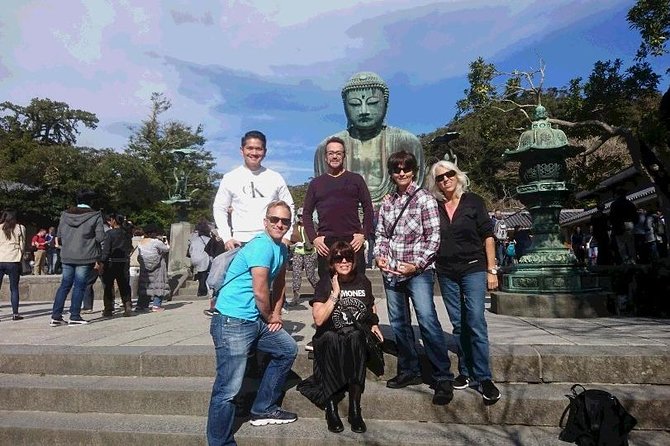
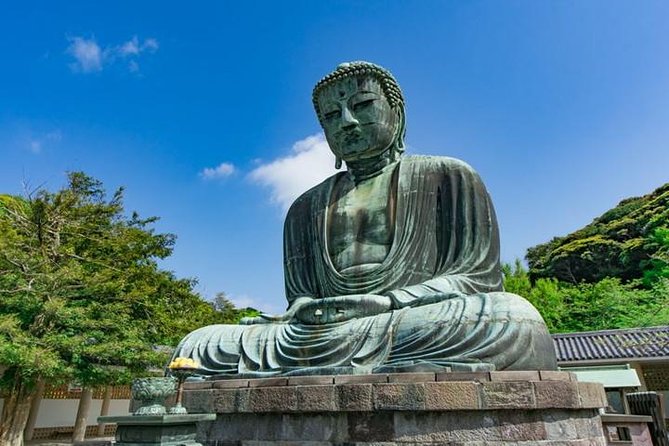
At Kotoku-in, the bronze Amida Buddha measures 11.4 meters high. The statue’s size is impressive, but the open-air setting makes it especially memorable. You are not looking at a small figure tucked into a dark hall. You can see the whole form against the temple grounds and move around it at your own pace.
The planned stop is 15 minutes, with admission not included. That is enough for a direct visit and photographs, but short if you want to linger or enter the statue, if that option is available during your visit. Ask your guide about the current admission arrangements rather than assuming the tour price covers them.
The Great Buddha is the easiest must-see on this route. If you only want a handful of Kamakura highlights, I would put it first, then Hasedera and Tsurugaoka Hachimangu. These three places give you a statue, a major Buddhist temple, and a leading Shinto shrine without scattering the day too far across town.
Take in Hasedera’s ocean view
Hasedera is famous for its eleven-headed Kannon statue, a 9.18-meter gilded wooden image associated with mercy. The temple also rises toward a hillside viewpoint, where you can look out toward the ocean. That change in height gives the visit more variety than a simple temple courtyard.
The scheduled 15 minutes is again quite brief, and admission is extra. The site deserves more time if you want to see the grounds carefully, enjoy the view, and pause at the temple’s religious displays. Tell the guide if the ocean outlook matters to you, since it is one of the most distinctive parts of the visit.
Hasedera and Kotoku-in are near each other, so they make an efficient pair. You get two of Kamakura’s most recognizable Buddhist sites without spending the whole day on trains. The tradeoff is that both can be busy, and a short schedule leaves little room for slow wandering.
More Walking Tours in Kamakura
- Kamakura Historical Walking Tour with the Great Buddha
★ 5.0 · 129 reviews - Kamakura Walking Tour – The City of Shogun
★ 5.0 · 100 reviews - Kamakura 6hr Private Walking Tour with Government-Licensed Guide
★ 5.0 · 42 reviews - Buddha, Bamboo & Zen – Bespoke Kamakura Private Walking Tours
★ 5.0 · 25 reviews
Walk Komachi Street and try hatosabure
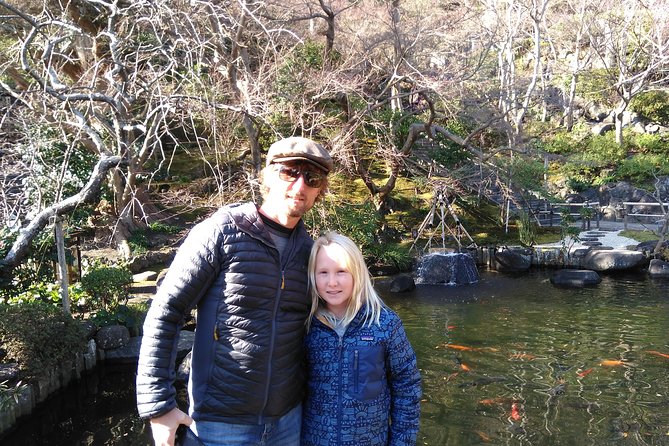
Komachi Street is Kamakura’s main shopping lane, close to Tsurugaoka Hachimangu. You can browse food stalls, sweets, souvenirs, and small shops, then try hatosabure, a dove-shaped biscuit associated with Kamakura.
I like this stop because it breaks up the temple visits. It also gives your guide a chance to help with lunch, explain unfamiliar foods, or point you toward a suitable place to eat. One guide helped arrange a gluten-free dish for a traveler with celiac concerns, and another helped with ordering tempura. Those examples show where a private guide can save effort.
The shopping is not the main reason to choose this tour. Much of what you find is aimed at visitors, so people looking for craft goods or a quiet local lane may prefer more temple time. The good news is that guides have adjusted plans when shopping was not a priority.
Choose the bamboo grove at Hokoku-ji
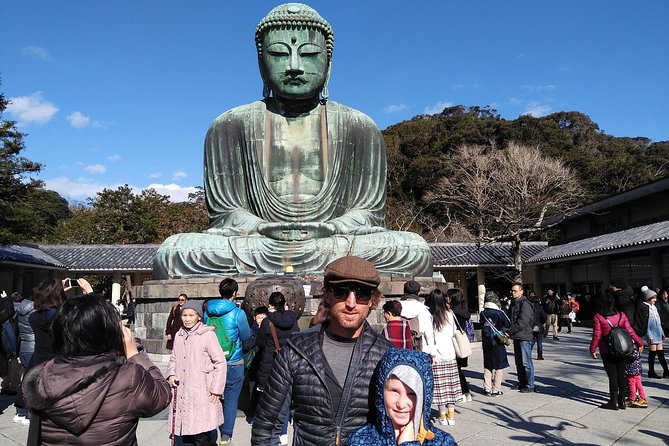
Hokoku-ji is a small temple best known for its bamboo grove, with more than 2,000 dark green stalks along narrow paths behind the main hall. The listed visit lasts 30 minutes, and admission is extra.
This is a good choice if you want a calmer, more visual stop after the larger sights. The grove is not enormous, so you do not need half a day, but the tight paths reward a slower pace. It also adds a different setting to a route otherwise filled with shrines, statues, and temple buildings.
The practical issue is distance. Hokoku-ji lies in eastern Kamakura, away from the Great Buddha and Hasedera cluster. Adding it means making a deliberate choice about what to skip. I would pair it with Jomyo-ji, Zuisen-ji, or another eastern temple rather than trying to squeeze it into a route that already includes Enoshima.
Add a Kamakura hiking trail if you want woods
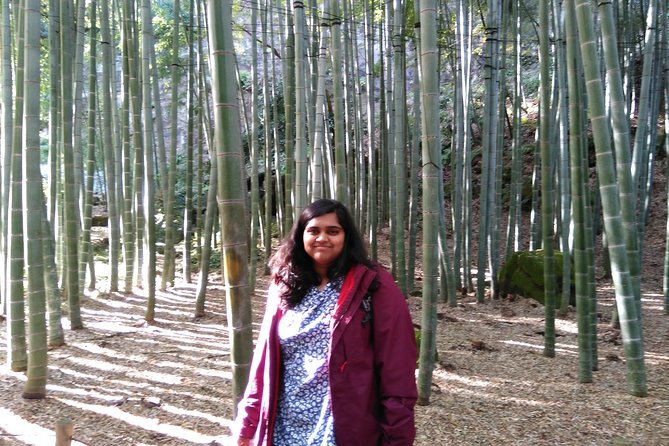
Kamakura is bordered by the sea on one side and wooded hills on the others. Hiking trails connect some of the temples and offer a more natural side of the town. The suggested trail time is one hour, with no admission charge.
This option suits you if you enjoy walking more than collecting famous sights. It can make the day feel less like a checklist and more like a route through the hills. Still, the tour is already a walking day, and trail conditions, weather, and your group’s pace matter.
Be clear about your walking ability. Some people have covered a long route through Kamakura and Enoshima, while others may prefer short paths and temple grounds. The private format lets you make that choice, but the guide needs to know before the schedule gets crowded.
Decide if Enoshima is worth the extra train ride
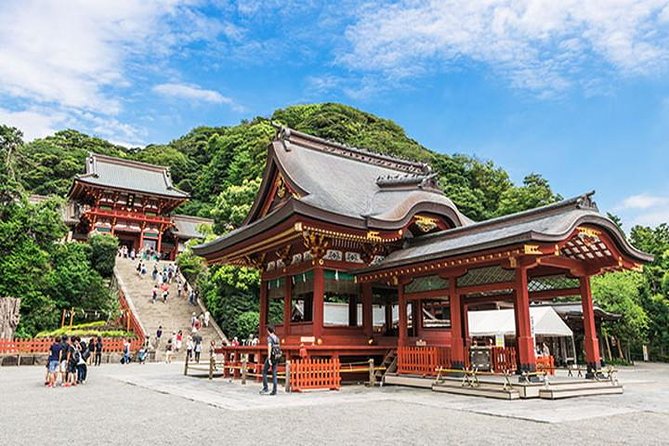
Enoshima is a small island connected to the mainland by a bridge, a short train ride west of Kamakura. It offers a shrine, coastal scenery, and a more tourist-oriented island atmosphere. The suggested stop is 30 minutes, with no admission fee listed.
Enoshima is appealing if you want the sea to play a major role in your day. On clear days, the coast can also provide views toward Mount Fuji. One guide added an ocean viewpoint at Inamuragasaki, and another group saw Mount Fuji from the coast when conditions were right.
But Enoshima changes the shape of the day. It is not just another temple near the central route. Add it and you may need to drop Hokoku-ji, several Zen temples, or the hiking trail. I would choose Enoshima for coastal scenery, not simply because you want to visit every possible stop.
Explore Kamakura’s five great Zen temples
The long menu includes several Zen temples, each with a different mood and position in Kamakura’s religious history.
Engaku-ji is number two among Kamakura’s five great Zen temples. It was founded in 1282 by the regent Hojo Tokimune and is near Kita-Kamakura Station. Its 30-minute slot makes it a practical northern stop.
Kencho-ji is number one among the five and is described as Kamakura’s oldest Zen temple, founded in 1253. It also receives a 30-minute slot, but admission is extra. If Zen architecture and temple grounds are high on your list, this is one of the strongest choices.
Jomyo-ji, ranked fifth, sits in the eastern hills and was founded by the Ashikaga family. Jochiji, ranked fourth, belongs to the Engaku-ji school and is close to the Kita-Kamakura group. Jufukuji, ranked third, was established at the order of Minamoto Yoritomo’s wife and has a shorter 15-minute listing.
Tokeiji is another small Rinzai temple near Engaku-ji, with a 15-minute visit. It was historically a nunnery, which gives it a different story from the larger male monastic centers. Eisho-ji is described as Kamakura’s only surviving nunnery and also receives 15 minutes.
You should not try to see all of these in one day. The private tour is at its best when your guide groups nearby sites and cuts the rest. Pick two or three temple interests, then leave room for lunch and the rail journey back to Tokyo.
Consider the quieter eastern temples
If you already know the Great Buddha and Hasedera are your priorities, the eastern temples can give you a less obvious route. Zuisen-ji lies at the end of a narrow valley surrounded by wooded hills. It is a branch temple of Engaku-ji and has a more secluded setting than the central highlights.
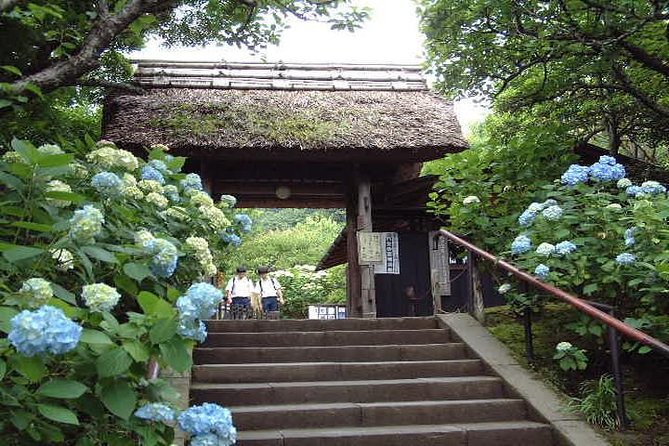
Ankokuron-ji and Myohonji are Nichiren temples among the southeastern hills. Both offer a different religious tradition from the Rinzai Zen temples. Meigetsu-in, known as the Hydrangea Temple, is especially associated with its hydrangea blooms and belongs to the Rinzai Zen sect.
Zeniarai Benten offers a memorable custom: visitors wash money in the shrine’s spring, since the name refers to coin washing. Admission is free, but the visit still takes about 30 minutes. It is a good choice if you want a local ritual rather than another large temple complex.
These places are not interchangeable. A guide can explain the difference between Shinto shrines, Buddhist temples, Zen schools, and Nichiren sites, which is useful if the names start to blur together. Keep in mind that several of the smaller temples have extra admission fees and short scheduled visits.
How the private guiding works in practice
The strongest part of this experience is the personal planning. Guides have contacted people before the day to ask which sites mattered most, then changed the route to fit those wishes. Taka adjusted a plan away from shopping, Shinji built a route around five requested locations, and Tachi included Kamakurakokomae Station on the Enoden Line for someone interested in a specific railway and coastal stop.
That flexibility is valuable for families and mixed-age groups. One guide slowed down and helped a 70-year-old parent, while another handled train and bus connections for a solo participant who wanted extra confidence. Guides have also helped with restaurant choices and food restrictions.
The quality can depend on the individual guide. Names assigned to this experience include Taka, Shinji, Kenji, Andy, Makoto, Fumio, Michio, Eiko, Kozo Ezaki, Minoru Asai, Nubu, Tachi, Yasuho Suzuki, and Hiroyuki. Most of the available feedback praises their patience, English communication, route planning, and cultural explanations.
There is one caution. One person found the guide’s site knowledge and manner disappointing, despite enjoying Kamakura itself. That is a reminder to send a clear wish list before the day and ask the provider to match the route to your interests as closely as possible.
What the $201.51 price really covers
The price is $201.51 per person. You receive a private, licensed English-speaking guide and a customizable eight-hour itinerary, but not a vehicle, train or bus fares, admission tickets, lunch, or personal purchases.
For a solo participant, the price is a serious outlay. For a couple, family, or small private group, the value is easier to see because you are paying for route design and one-to-one help rather than joining a fixed bus schedule. Group discounts may improve the calculation, but you should check the current price for your party.
The tour includes guide entry fees only for sights listed under the stated sightseeing program. Since several temples charge admission, carry extra money and expect the final cost to rise if you choose many paid stops.
I would compare the price with your comfort level on Japanese public transportation. If you are happy planning stations, transfers, temple clusters, and lunch alone, you may save money by going independently. If you want to cover a lot in one day without losing time to wrong turns, the private format earns its keep.
A practical plan for your eight hours
For a first visit, I would begin with Tsurugaoka Hachimangu, then walk through or near Komachi Street, continue to Kotoku-in, and visit Hasedera. That gives you the major shrine, shopping and snacks, the Great Buddha, and the ocean view.
A second plan could focus on Kita-Kamakura: Engaku-ji, Kencho-ji, Jochiji, or Tokeiji, followed by central Kamakura. A third could run east toward Hokoku-ji, Jomyo-ji, Zuisen-ji, and Zeniarai Benten. Enoshima belongs in its own coastal version of the day.
Allow for crowds and weather. The tour is often booked well in advance, with an average booking lead time of 56 days, so reserve early if your Japan schedule is fixed. Cancellation is free up to 24 hours before the start time, but changes or cancellations inside that window are not accepted for a refund.
Most people can take part, service animals are allowed, and the experience is near public transportation. It remains a walking tour, so wear practical shoes and be honest with the guide about pace, hills, and stairs.
Should you book this Kamakura tour?
Book it if you want Kamakura’s famous sights but also need help shaping a realistic route. It is especially useful for first-time visitors, families, solo travelers who want support with trains, and anyone with a specific temple, food, or coastal request.
Skip it if you prefer slow, unplanned wandering or if the added cost of a private guide does not fit your budget. An eight-hour clock that includes rail travel cannot deliver every site on the list.
My choice would be the focused classic route: Tsurugaoka Hachimangu, Komachi Street, the Great Buddha, and Hasedera, with Hokoku-ji or Enoshima only if one of those matters more to you. Tell the guide your priorities in advance, keep the paid admissions and transport fares in mind, and this can be one of the most efficient ways to turn a complicated Tokyo day trip into a well-paced visit to Kamakura.
FAQ
How long is the Kamakura private walking tour?
The tour lasts approximately eight hours. Travel time by public transportation from Tokyo to Kamakura and between stops is included in those eight hours.
How many sites can I choose?
The included description allows you to customize a tour of four to six sites from the listed attractions. The overview also describes a choice of three to four sites, so confirm the final number with the provider when planning your route.
Is transportation included?
No. The guide leads you by public transportation, but train and bus fares are not included. There is no private vehicle.
Where does the guide meet me?
The licensed guide meets you on foot within a designated area of Tokyo. Pickup is offered on foot, rather than by car.
Are entrance fees included?
No. Admission fees are generally not included. Guide entry fees are covered only for sights listed under the stated sightseeing program.
Is lunch included?
No. Lunch and other personal expenses are separate. Your guide can help you choose a restaurant, and previous routes have included assistance with gluten-free food and ordering Japanese meals.
Can I visit Enoshima during the tour?
Yes. Enoshima is one of the possible stops. It is connected to the mainland by a bridge and is reached by a short train ride west of Kamakura, but adding it may reduce the time available for other sites.
Is this a private group tour?
Yes. Only your group participates in the activity, and multiple separate tour groups cannot be combined.
What is the cancellation policy?
You can cancel at least 24 hours before the experience start time for a full refund. Cancellations or changes made less than 24 hours before the start time are not accepted for a refund.
More Walking Tours in Tokyo
- Tokyo Tsukiji Fish Market Food and Culture Walking Tour
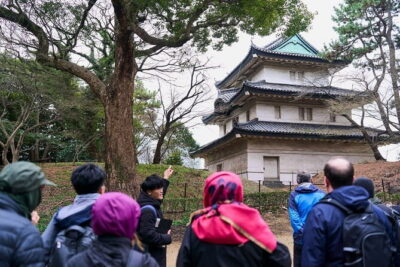
★ 5.0 · 3,184 reviews - Tokyo: Imperial Palace and Shogun Historical Walking Tour
★ 5.0 · 2,251 reviews - Tokyo: Shinjuku Local Bar and Izakaya Guided Walking Tour
★ 4.9 · 1,794 reviews - Tokyo: Tsukiji Fish Market Food and Walking tour
★ 5.0 · 1,724 reviews
New on our Tokyo list
- From Tokyo: Mount Fuji & Hakone Full Day Private Tour★ 4.9 · 25 reviews
- Tokyo Spectacular View Day-Cruise in 90 Minutes★ 5.0 · 25 reviews
- Real Tokyo Runner Club : Daikoku Car Meet Night Tour with JDM Car★ 5.0 · 25 reviews
- 2.5 Hour-Guided Cycle Tour in the Central Tokyo★ 5.0 · 25 reviews
- Ramen Making from Scratch +Akihabara Tour –Cooking Class★ 5.0 · 25 reviews
- [Self-Drive] Tokyo & Daikoku Custom Car Driving Tour★ 4.9 · 25 reviews
- Tokyo: 2-Hour Night Bike Tour of the City’s Hidden Gems★ 4.9 · 25 reviews
- Samurai themed Entertainment show in Shinjuku★ 4.5 · 25 reviews
Walking Tours, compared.
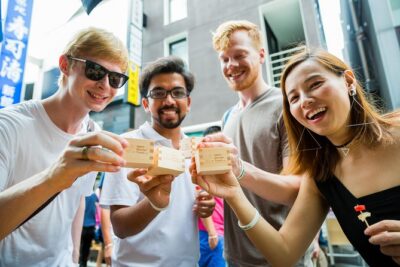
Tokyo Tsukiji Fish Market Food and Culture Walking Tour
Read our review →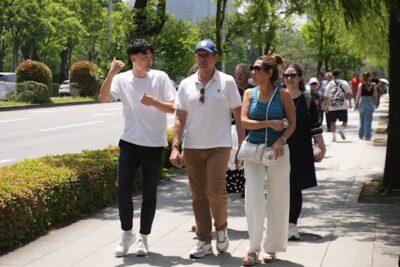
Imperial Palace and Shogun Historical Walking Tour
Read our review →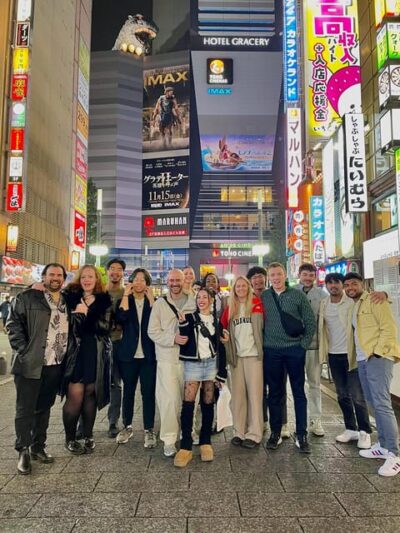
Shinjuku Local Bar and Izakaya Guided Walking Tour
Read our review →
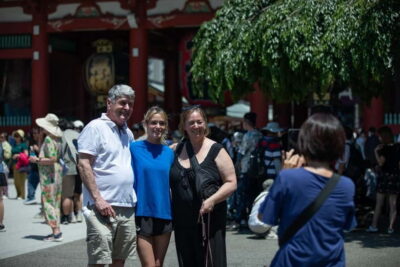
Asakusa Walking Tour with Sensoji Temple Visit
Read our review →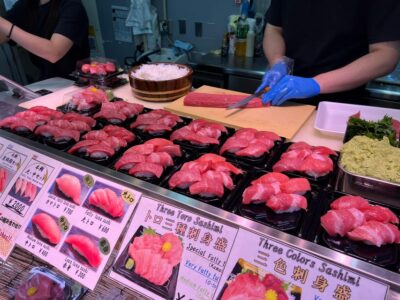
Tokyo Castle & Imperial PalaceーShogun Walking Tour
Read our review →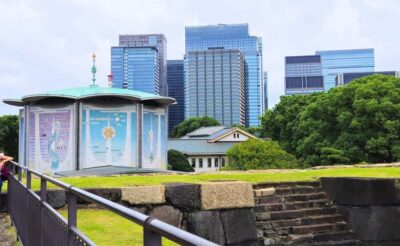
Browse the lists this tour appears in