
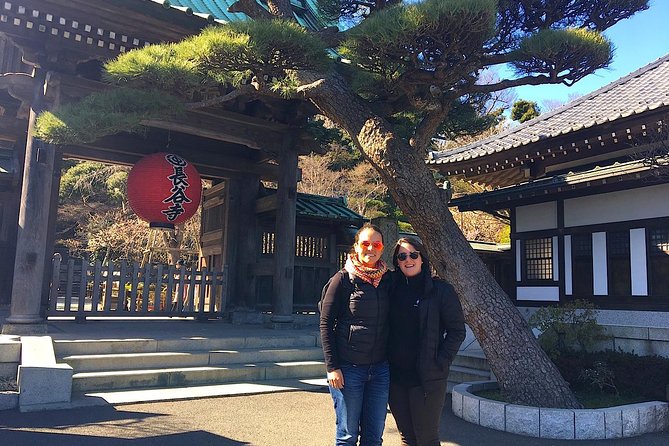
Reviewed · TEMPLE & SHRINE TOURS
Kamakura Private Tour: Temples, Nature, and the Great Buddha
Kamakura’s best surprise is how quickly its city streets give way to forest. This private half-day tour links quiet Zen temples and mountain paths with the Great Buddha, Hasedera, and a final look at the sea. I especially like the route’s mix of famous sights and less-visited shrines, plus the freedom to ask questions and adjust the pace.
I also like that admission to Jochiji, Hasedera, and Kotoku-in is included, and that guides such as Yumi, Yu, Teiko, Noriko, Yoko, and Naho have been praised for clear cultural explanations and thoughtful help. The catch is simple: this is a hike, not an easy stroll. You will walk at least 5 km, including a mountain pass, and heat or rain can change the route.
In This Review
- Key points at a glance
- Why Kamakura works so well as a day trip
- Jochiji Temple begins the morning quietly
- The Kamakura hills turn the tour into a hike
- Zeniarai Benten adds mystery to the route
- Sasuke Inari Shrine brings in Kamakura legend
- The Great Buddha is the big visual moment
- Hasedera combines gardens, views, and seasonal color
- Yuigahama Beach gives the day a soft finish
- What the guide adds to the experience
- Price, pace, and practical value
- Weather and fitness matter here
- Families and mixed-age groups
- Who should book this Kamakura tour?
- FAQ
- Where does the tour begin?
- Where does the tour end?
- How much walking is involved?
- Are temple admission fees included?
- Is hotel pickup available?
- What happens if the weather is poor?
Key points at a glance
- Forest-to-sea route: Begin at Kita-Kamakura Station and finish near Yuigahama Beach and Hase Station.
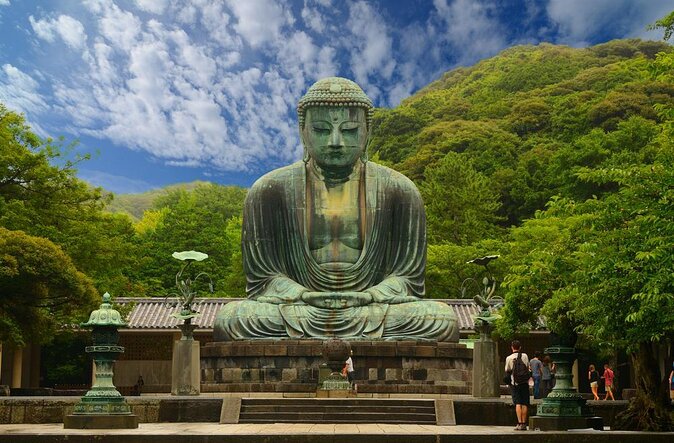
- Three included admissions: Jochiji Temple, Kotoku-in’s Great Buddha, and Hasedera Temple are covered in the price.
- Private and flexible: Only your group participates, so the guide can adjust pace, explanations, and stops.
- A real uphill walk: The Daibutsu Hiking Course includes uneven and hilly sections. Wear proper walking shoes.
- Strong guide element: Guides including Yumi, Yu, Teiko, Noriko, Yoko, and Naho are praised for history, religious customs, transport help, and personal attention.
- Good Tokyo side trip value: At $98.44 per person, the cost is reasonable for a private English-speaking guide and three temple admissions, especially for two or more people.
Why Kamakura works so well as a day trip
Kamakura sits close enough to Tokyo for an easy outing, yet it feels markedly different. This former political center is known for Buddhist temples, Shinto shrines, wooded hills, and a south-facing beach. The appeal is not one single monument. It is the way sacred places, narrow streets, forest, and ocean fit together.
The tour begins at Kita-Kamakura Station, in the northern part of town. That is a smart starting point. Kita-Kamakura gives you access to temple grounds and wooded paths before you reach the heavier crowds around the Great Buddha and Hasedera.
You finish at Hase Station, with Yuigahama Beach nearby. The route moves in a useful direction, from quiet and contemplative to grand and popular, then down toward the coast. Your guide usually accompanies you toward Kamakura Station afterward, which is helpful if you are unsure about the return train.
This is a private walking tour for a minimum of two people. That matters more than it may sound. You can ask why a shrine uses a certain symbol, stop for a break, or spend longer at a favorite temple without waiting for a large group.
More Private Tours in Kamakura
- Kamakura 8 hr Private Walking Tour with Licensed Guide from Tokyo
★ 5.0 · 80 reviews - Kamakura: Private Guided Walking Tour with Local Guide
★ 4.8 · 60 reviews - Kamakura 4hr Private Trip with Government-Licensed Guide
★ 5.0 · 58 reviews
Jochiji Temple begins the morning quietly
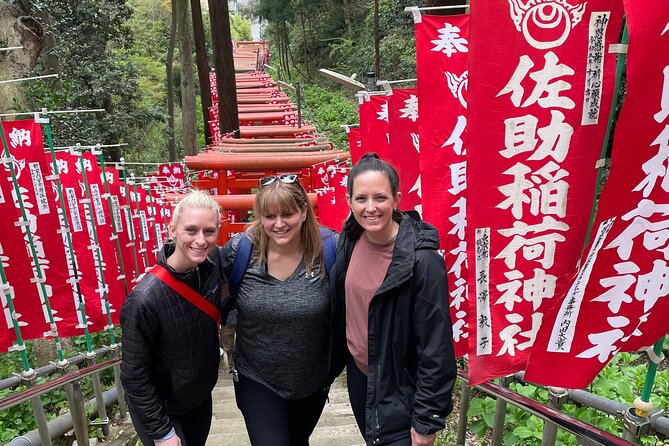
Jochiji is a small Zen temple surrounded by trees. It dates to 1281 and was built by Hojo Tokiyori to honor his son, who died young. That personal origin gives the site a different feeling from a grand monument built to impress a crowd.
You have about 25 minutes here, with admission included. Expect a calm introduction to Kamakura’s religious setting, temple etiquette, and the difference between Buddhist temples and Shinto shrines. A guide can explain details that are easy to miss when you are walking alone, including how the site’s layout and atmosphere reflect Zen practice.
Jochiji is not the place to rush through with a camera raised. Take a slow look at the gates, paths, greenery, and wooden buildings. The grounds are compact, but the quiet is the point.
The Kamakura hills turn the tour into a hike
From Jochiji, the route enters the Kamakura Hiking Trails for roughly 40 minutes. This is the section that separates the tour from a standard temple circuit. You leave the paved sightseeing route and walk through the wooded pass toward the Daibutsu Hiking Course.
The trail gives you a welcome change of pace. You hear less traffic, see more trees, and get a sense of why Kamakura’s hills have always shaped the town. It is not a long wilderness trek, but it does require steady footing and some uphill effort.
The physical demands deserve plain warning. One reviewer described the pass as strenuous, and another called the outing more of a mountainous hike than a city walk. The tour covers at least 5 km overall, and the ground can become slippery in wet weather. Comfortable walking shoes are essential. If you have a knee problem, reduced mobility, or limited stamina, tell the operator in advance and ask about a route that uses buses or taxis instead.
Summer heat can also change the day. At around 35 degrees Celsius, groups have needed extra breaks and sometimes covered fewer sites. The private format helps, since the guide can slow the pace, but it cannot remove the hills.
Zeniarai Benten adds mystery to the route
The trail leads to Zeniarai Benten Ugafuku Shrine, reached through a striking opening in the hillside framed by a torii gate. You walk through the opening into a shrine area with an unusual, enclosed atmosphere.
The stop lasts about 25 minutes and has no separate admission charge. It is a good place to ask about the customs connected with the shrine and how Shinto practice differs from what you have just seen at a Buddhist temple. The tour is at its best when your guide explains not only what you are looking at, but also how Japanese religious traditions overlap in everyday life.
The setting is more rugged than the major temple grounds. That makes it memorable, but it also means the path and access may feel less comfortable in rain. The operator has changed mountain sections in poor weather, sometimes replacing them with train or bus travel.
More Temple & Shrine Tours in Kamakura
- Tokyo: Kamakura & Enoshima Day Trip including Temple Tickets
★ 4.5 · 1,375 reviews - Kamakura Historical Walking Tour with the Great Buddha
★ 5.0 · 129 reviews - From Tokyo Kamakura, Hachimangu Shrine and Enoshima Full Day Tour
★ 4.5 · 36 reviews - Day Trip to Kamakura & Enoshima: Shrines, Seaside, Temples & Tea
★ 5.0 · 32 reviews
Sasuke Inari Shrine brings in Kamakura legend

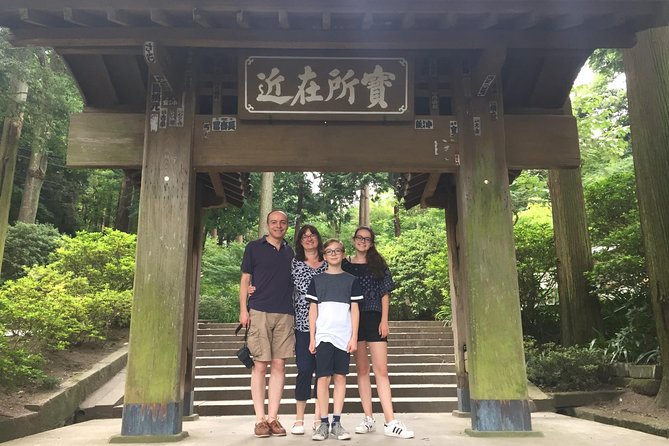
Next comes Sasuke Inari Shrine, associated with the story of Minamoto Yoritomo, Kamakura’s first shogun. According to legend, a white fox appeared to him in a dream and offered advice that helped him defeat his enemies.
You have about 20 minutes here. The stop works well after the forest walk because it keeps the focus on local tradition rather than only major architecture. You may see the shrine’s fox imagery and learn why Inari is linked with foxes and messages from the spirit world.
This is one of the tour’s less obvious stops. It does not carry the same name recognition as the Great Buddha, but it gives the day a stronger sense of place. A guide also helps with the practical side of shrine visits, including appropriate behavior and how Shinto spaces differ from temple grounds.
The Great Buddha is the big visual moment
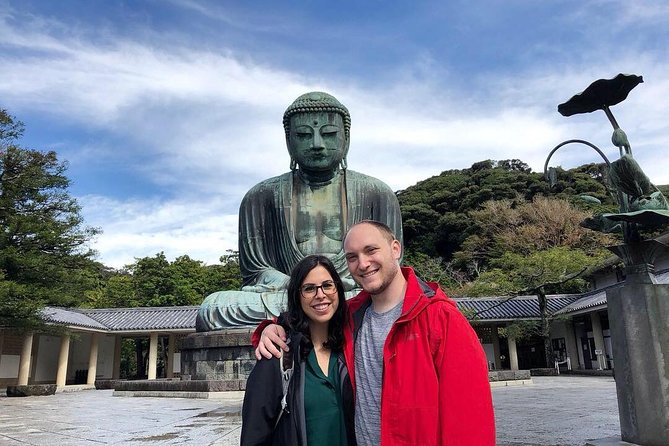
At Kotoku-in, the Great Buddha of Kamakura finally delivers the tour’s headline sight. The bronze statue is 13.35 meters tall and weighs about 121 tonnes. The statue in its present bronze form dates from 1252.
You have about 20 minutes, with admission included. The contrast is powerful: after a wooded path and smaller shrines, you arrive at a monumental figure that has become one of Japan’s most recognizable sights.
The statue is impressive from the first approach, but do not leave immediately after taking the standard photograph. Look at the scale of the surrounding grounds and the statue’s calm expression. Admission to the interior is also available according to one account, though the standard tour details specifically include entrance to Kotoku-in rather than promising an inside visit. Ask your guide what is open on the day.
This area is usually busier than the mountain shrines. That is part of the trade-off. You get the famous sight, but not the solitude of Jochiji or Sasuke Inari.
Hasedera combines gardens, views, and seasonal color
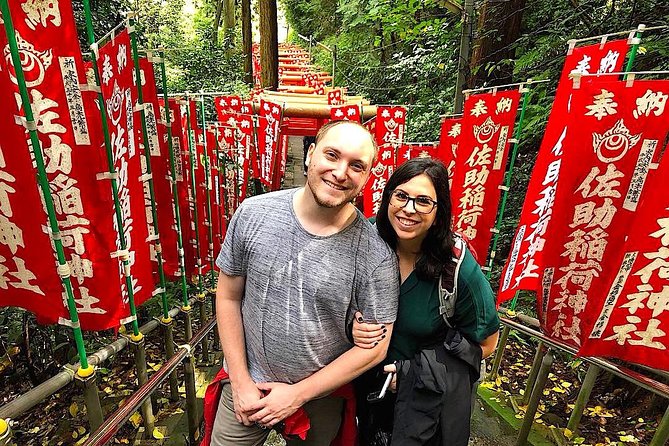
Hasedera is located partway up Mount Kamakura, and its hillside position gives you views south toward the ocean and Yuigahama Beach. The temple is included, and you spend about 30 minutes here.
Hasedera is one of the tour’s most varied stops. You can look across the coast, walk through garden areas, and see how the temple uses its sloping site. In June and July, hydrangeas add seasonal color to the grounds, though the flowers depend on the timing of your visit.
The uphill setting means there are more steps and slopes. That is worth keeping in mind if you are traveling with small children, older family members, or anyone recovering from an injury. The private setup allows the guide to make the visit more manageable, but Hasedera is not flat.
This is also a place where a good guide earns the fee. The buildings, statues, gardens, and rituals can blur together during a fast first visit. Guides named in the tour’s feedback, including Teiko, Yumi, and Naho, are singled out for explaining Buddhist customs, Japanese history, and temple etiquette in clear English.
Yuigahama Beach gives the day a soft finish
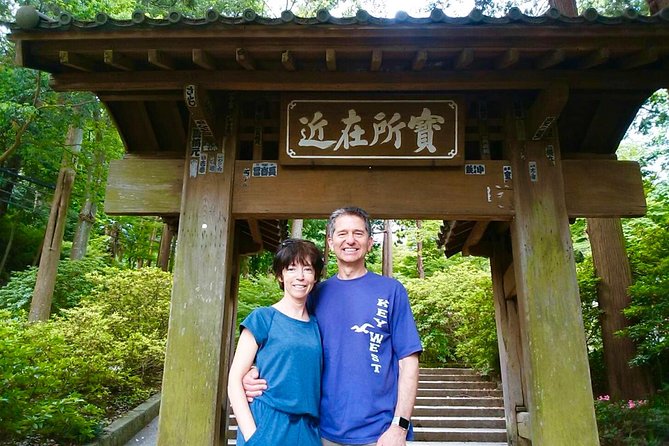
The final scheduled stop is Yuigahama Beach, about 15 minutes away. The beach faces south, so you look out across the water toward the sun. It is a short stop, but it changes the mood again.
After temples and hills, you get open space and a coastal view. During summer, an open-air market called Umi-no-ie may be operating. The schedule is seasonal, so do not treat it as guaranteed.
The tour ends at Hase Station. If you want more time at the beach, shops, or nearby sights, ask your guide about ending the formal tour there and continuing independently. The guide usually helps you toward Kamakura Station, which can make the return journey easier.
What the guide adds to the experience
Kamakura is possible without a guide. The trains are usable, the major sites are easy to identify, and you can see the Great Buddha on your own. The guide becomes most useful in three places: the mountain trails, religious interpretation, and personal planning.
The trails can be hard to follow if you do not know the area. The route links sites that are not all on the main tourist path, and the private guide removes much of the guesswork. You are also less likely to waste time searching for the correct entrance or deciding how to connect one stop to the next.
The cultural explanation is just as important. At each shrine and temple, you can ask about Buddhism, Shinto, offerings, prayers, and local customs. Guides such as Noriko have also tailored the day to personal interests and adjusted plans when weather interfered. Yoko, Yu, Teiko, and Naho are praised for helping families, answering questions, arranging meals, and guiding groups back to the correct station.
The tour includes photos of participants, another useful touch if you want some pictures without asking strangers. Lunch and drinks are not included, but several guides have helped arrange a local restaurant when the group wanted a meal.
Price, pace, and practical value
The listed price is $98.44 per person. For two people, that is about $197 total before optional extras. You receive a private English-speaking guide, three included admissions, photos, and roughly five hours of personal attention.
I consider that fair value for a couple or small family that wants context and does not want to manage the route alone. It is less attractive if you are a solo visitor seeking the cheapest possible sightseeing option, since the booking requires at least two people.
Private does not mean private transportation. Hotel pickup and drop-off are not included, and taxis, buses, trains, and private cars are also excluded. Hotel pickup can be added for 8,000 yen per person. You should also budget for your own food and drink, plus local transport if the weather or your physical condition requires a change from the walking route.
The tour can be extended for 1,000 yen per person per half hour, payable in cash. That may help if your group wants a slower pace, a longer temple visit, or more time for lunch, but confirm the plan with the operator before assuming extra time is available.
Weather and fitness matter here
The tour requires good weather. If poor conditions cancel it, you are offered another date or a full refund. That policy is useful, but the weather can still affect the route even when the tour operates.
Rain has led guides to replace parts of the mountain walk with trains and buses. That is sensible, since wet trails can be slippery. The result may feel more like a temple-and-town tour than the promised hill walk, so check the forecast if the forest route is your main reason for booking.
You should be comfortable walking uphill for several hours, though the exact pace can be adjusted. Bring water, wear shoes with good grip, and avoid treating this as a casual flat-city outing. If someone in your group has a sore knee or an injury, the route may need a taxi or shortened schedule.
Families and mixed-age groups
Families can do this tour, especially because the guide can explain the sites in ways that hold children’s attention. One family with 11-year-old twins found the combination of nature, shrines, and stories worked well. Guides have also helped groups with older adults by changing the route and assigning extra support when needed.
Still, you know your group best. Five kilometers with a mountain pass may be too much for very young children or anyone unused to hills. The advantage of booking privately is that you can discuss those limits before the start rather than discovering them halfway up the trail.
The tour also suits couples, friends, and small groups who want a local-style day rather than a checklist of monuments. You can ask for more religious background, more nature, a slower pace, or help finding lunch.
Who should book this Kamakura tour?
Book it if you want Kamakura’s major sights tied together with forest walking and local explanation. It is especially useful for a first visit, a small family group, or anyone uneasy about navigating the hill trails alone.
Skip it if you want a flat route, independent wandering, or a tour built mainly around long temple visits. The schedule is active, and the 20 to 30 minute stops can feel brief if you prefer to linger.
At $98.44 per person, the strongest value comes when two or more people share the private guide. You get the Great Buddha and Hasedera, but the real benefit is the path between them: quiet Jochiji, wooded hills, unusual shrines, and a guide who can turn unfamiliar customs into something understandable. For a half-day escape from Tokyo, that is a very good combination.
FAQ
Where does the tour begin?
The tour begins at Kita-Kamakura Station in Yamanouchi, Kamakura.
Where does the tour end?
The scheduled end is Hase Station, near Hasedera and the Great Buddha. The guide usually accompanies the group toward Kamakura Station afterward.
How much walking is involved?
You will walk at least 5 km, including a mountain pass and uphill sections. Shoes that are easy to walk in are required.
Are temple admission fees included?
Yes. Admission to Jochiji Temple, Kotoku-in, and Hasedera Temple is included.
Is hotel pickup available?
Hotel pickup is available for an additional 8,000 yen per person. Standard hotel pickup and drop-off are not included.
What happens if the weather is poor?
The tour requires good weather. If it is canceled because of poor conditions, you can choose another date or receive a full refund. Changes to the route may also be made during the tour, including using trains or buses instead of a mountain trail.
More Temple and Shrine Visits
- Tokyo: Meiji Shrine, Asakusa, Skytree Bus Tour and Cruise
★ 4.7 · 1,986 reviews - Tokyo: Asakusa Walking Tour with Sensoji Temple Visit
★ 4.8 · 1,583 reviews - Nikko: Kegon Falls, Lake Chuzenji & Toshogu Temple
★ 4.6 · 1,577 reviews - Tokyo: Nikko Toshogu Shrine and Kegon Waterfall Tour
★ 4.5 · 1,266 reviews
New on our Kamakura list
- Buddha, Bamboo & Zen – Bespoke Kamakura Private Walking Tours★ 5.0 · 25 reviews
- Yokohama and Kamakura 6hr Private Trip Government-Licensed Guide★ 5.0 · 25 reviews
- Tokyo: Kamakura and Yokohama Private Day Trip with Guide★ 4.6 · 27 reviews
- Private Kamakura plus Yokohama Tour – English Speaking Driver★ 4.5 · 28 reviews
- Day Trip to Kamakura & Enoshima: Shrines, Seaside, Temples & Tea★ 5.0 · 32 reviews
- Kamakura: A Journey Through Medieval Japan★ 4.9 · 32 reviews
- From Tokyo: Kamakura Private Customize Tour by Luxury Van★ 4.6 · 38 reviews
- Exciting Kamakura – One Day Tour from Tokyo★ 5.0 · 40 reviews
Temple & Shrine Tours, compared.
Meiji Shrine, Asakusa, Skytree Bus Tour and Cruise
Read our review →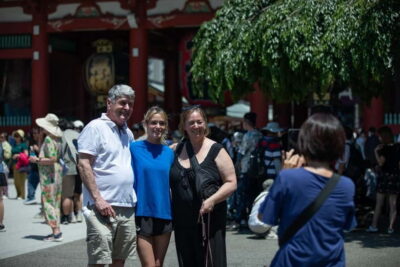
Asakusa Walking Tour with Sensoji Temple Visit
Read our review →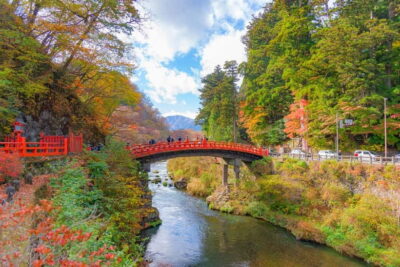
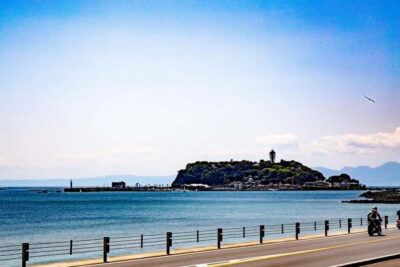
Kamakura & Enoshima Day Trip including Temple Tickets
Read our review →
Nikko Toshogu Shrine and Kegon Waterfall Tour
Read our review →
Tokyo Panoramic 1 Day: Meiji Shrine, Asakusa, Odaiba and SKYTREE®
Read our review →
Mt. Fuji Heritage Tour: Traditional Villages, Lakes & Shrine
Read our review →Browse the lists this tour appears in