
Reviewed · SHIBUYA TOURS
Shibuya by night in Small Groups: Neon Lights and Local Flavors
Shibuya after dark is more than a famous crossing and a wall of neon. This three-hour walk turns the district into a tasting route, with stops for onigiri, konbini snacks, takoyaki, or a Korean corndog along the way. You also get the story of Hachikō, a look at Miyashita Park, and time in the shops that make modern Tokyo so much fun.
I like the small group limit of 10, which makes it easier to hear your guide and ask questions in crowded streets. I also like the mix of major sights and ordinary Tokyo pleasures, from egg sandwiches at a convenience store to stationery and clever household goods at Hands. The main caution is pace: one three-hour walk covers seven stops, and the food tastings and shop visits may not always receive equal time.
In This Review
- Key things to know before booking
- Why this Shibuya night walk works
- Meeting Hachikō at 6:00 pm
- Miyashita Park and the Yokocho below
- Convenience-store food beside Shibuya Crossing
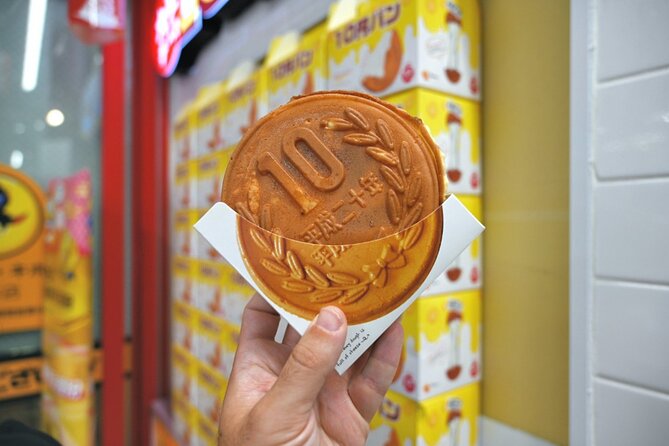
- Center-gai, street food, and the 10-yen coin
- MEGA Don Quijote in ten minutes
- A quick onigiri stop near Antenna 21
- Finishing at Hands Shibuya
- What $79 really buys you
- The guides and the feel of the group
- Who should book this evening walk?
- Practical details for a smoother evening
- Should you book Shibuya by night?
- FAQ
- Where does the Shibuya night tour begin?
- What time does the tour start?
- Where does the tour finish?
- How many people can join the group?
- Is food included in the tour price?
- Can I cancel for a refund?
Key things to know before booking
- Hachikō starts the evening: Meet beside the famous dog statue at 6:00 pm, then hear the story that gives Shibuya one of its most touching landmarks.
- Seven stops in three hours: The route is packed, moving from Miyashita Park and Shibuya Crossing to Center-gai, Don Quijote, an onigiri stand, and Hands.
- Small groups matter: No more than 10 people join, with a bilingual English and Spanish-speaking guide.
- Food is part of the price: Tastings include foods named in the route, such as onigiri, convenience-store snacks, takoyaki, or a Korean corndog.
- The evening is about modern Tokyo: You’ll see shopping streets, a konbini, a discount store, and a Japanese department store rather than formal historic attractions.
- Allow for a brisk pace: The walk covers busy Shibuya streets, and the advertised tasting or shopping stops may be shortened if the group runs behind.
Why this Shibuya night walk works
Shibuya can feel like a sensory pileup when you first arrive. Screens flash, pedestrians cross from every direction, and the streets change character from block to block. A guide gives the evening some shape, helping you understand what you are seeing instead of simply taking photographs and moving on.
The strongest part of this tour is its range. You begin with a familiar Tokyo symbol, then move into newer public spaces, convenience-store food, a crowded entertainment street, a discount shop, a small food stand, and a Japanese department store. That combination gives you a more useful picture of Shibuya than a walk focused only on the crossing.
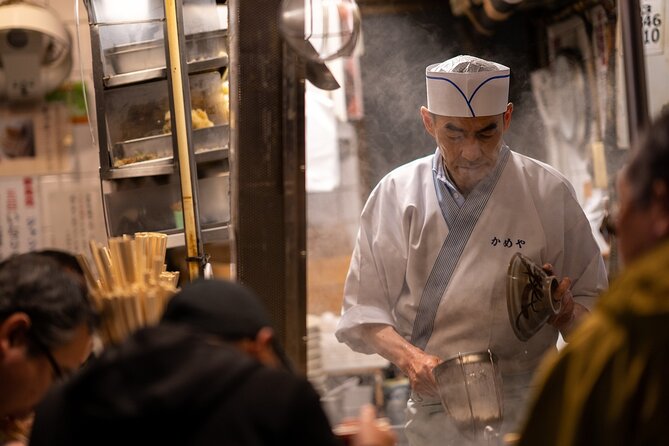
The food helps, too. You are not sitting down to a long restaurant meal. Instead, you sample small, everyday foods that people in Japan actually buy on the go. That makes this a good introduction if you are unsure what to order on your own, or if you want a guide to explain the difference between a few ordinary Japanese favorites.
The group size is another real advantage. Ten people is small enough for the guide to keep the group together and respond to questions, though the streets around Center-gai and the crossing can still make walking together a bit slow. Guides named in the feedback include Lily, Giorgio, Camila, and Jorge. Lily receives especially warm praise for her friendly manner, energy, and attention to family interests. Jorge is also singled out for being helpful and for speaking Portuguese, while the team is described as working across several languages.
Still, you should book this for a guided orientation, not for a relaxed evening of shopping. The schedule gives only 10 minutes at Hachikō Square, 15 minutes for the convenience-store tasting, and 10 minutes at MEGA Don Quijote. Those short windows are enough for an introduction, but not enough for a leisurely browse.
More Shibuya plans:
- Official Street Go-Kart in Shibuya
★ 5.0 · 3,435 reviews - Tokyo: Street Kart Experience in Shibuya
★ 4.9 · 1,484 reviews - Shibuya Meltdown Nightlife Tour: All-You-Can-Drink Bar Hopping
★ 5.0 · 1,058 reviews
Meeting Hachikō at 6:00 pm
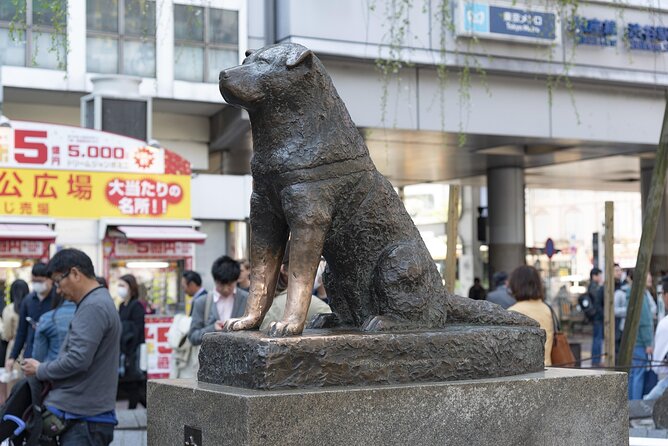
The tour begins at Hachikō Statue, at 2 Chome-1 Dogenzaka, near Hachikō Square. This is one of the easiest meeting points in Shibuya, but it is also one of the busiest. Give yourself extra time to find the exact statue and guide, especially if this is your first evening in Tokyo.
Hachikō’s story is a gentle way to begin. The Akita dog waited for his owner every day for nearly a decade, even after the owner had died. The statue became a symbol of loyalty and a popular meeting place, so the stop connects a personal Japanese story with the practical geography of modern Shibuya.
You get about 10 minutes here. That is enough for the story and a quick look around, but not enough for a long photo session if the group is due to move. I like this opening because it starts quietly before the tour heads into louder streets.
Miyashita Park and the Yokocho below
Next comes Miyashita Park, where a modern public space combines greenery, shopping, and entertainment. The guide explains the park’s renovation and its place in present-day Tokyo before taking you down to Miyashita Yokocho.
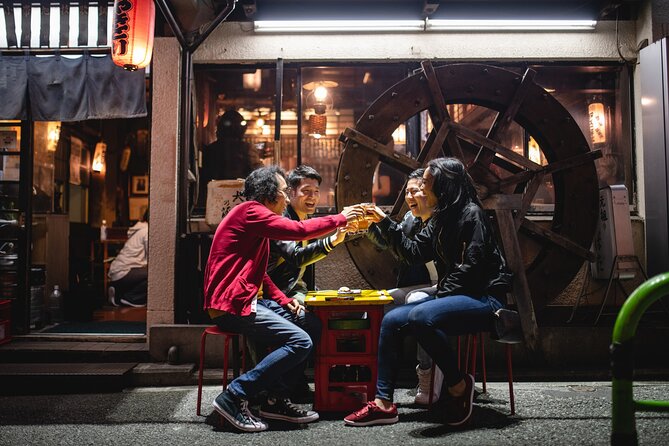
This is one of the more useful stops for understanding how Shibuya keeps changing. The park is not an old shrine or preserved neighborhood. It shows how Tokyo reworks limited urban space into places for recreation, retail, and food. You get a quick look at the polished public area and then a different feel in the narrow dining lanes below.
The stop lasts about 40 minutes, making it one of the longer sections of the evening. That gives you more room to listen, look around, and get a feel for the contrast between the sleek park above and the smaller food-focused streets underneath.
The tour does not include entrance fees to attractions, but this stop is listed as free admission. Your personal purchases and extra food or drinks are still your responsibility. Keep that in mind if Yokocho tempts you to stop for more than the planned tasting.
Convenience-store food beside Shibuya Crossing
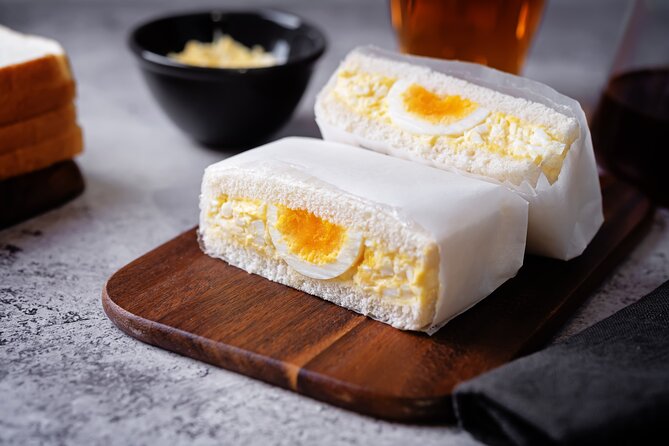
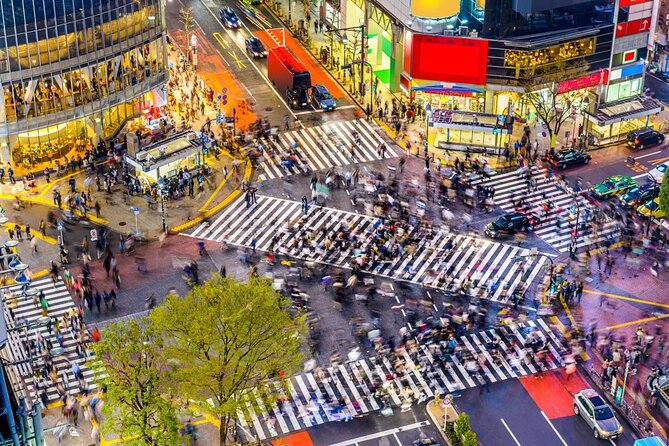
The route returns to Shibuya Crossing and adds a small culinary lesson at a konbini, the Japanese convenience store. You may sample items such as an egg sandwich, fried chicken with bread, and classic onigiri.
For many first-time visitors, this is more useful than it sounds. Japanese convenience stores are not simply places to buy bottled drinks. They are quick food shops with a wide range of sandwiches, rice balls, snacks, and hot items. A guide can help you recognize what you are looking at and explain why these foods are so common.
You have about 15 minutes here. That is enough for tasting and a short explanation, but not for a full meal. The food is meant to be part of the walk, so you should eat something before meeting if you need a substantial dinner.
The famous crossing is nearby, but the point is not only to photograph the crowd. You get to connect the huge public image of Shibuya with a very ordinary local habit: grabbing a quick bite from a convenience store. I find that contrast one of the tour’s best ideas.
A few more Tokyo bookings worth comparing
- Tokyo Night Foodie Tour in Shinjuku – Seasonal Sushi, Wagyu Beef
★ 5.0 · 1,161 reviews - Tokyo: Daikoku JDM Car Meet & Night Car Culture Tour
★ 4.8 · 626 reviews - Tokyo After 5: Authentic Japanese Food & Drink Night Tour
★ 4.5 · 560 reviews - EVO, WRX, Skyline – JDM Night Run to Daikoku Car Meet
★ 4.9 · 478 reviews
Center-gai, street food, and the 10-yen coin
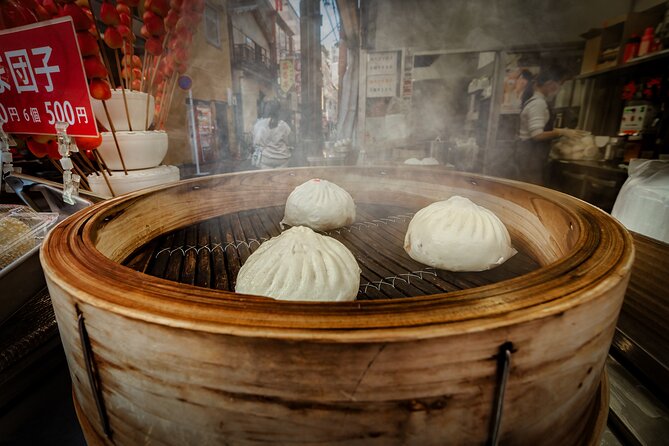
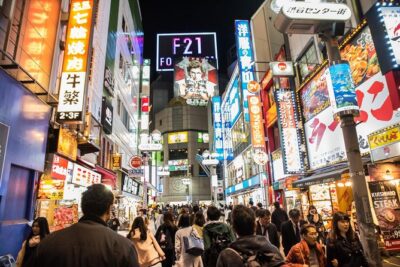
Center-gai is the loudest and most energetic part of the route. The street is lined with shops, signs, restaurants, and nightlife, making it a natural place to see Shibuya in motion. You have about 55 minutes here, the longest scheduled stop.
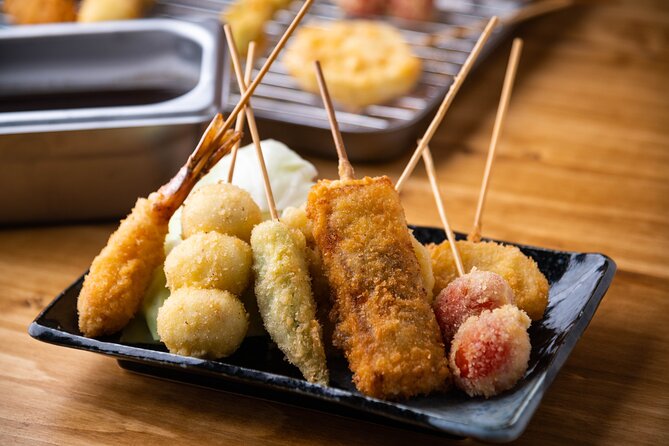
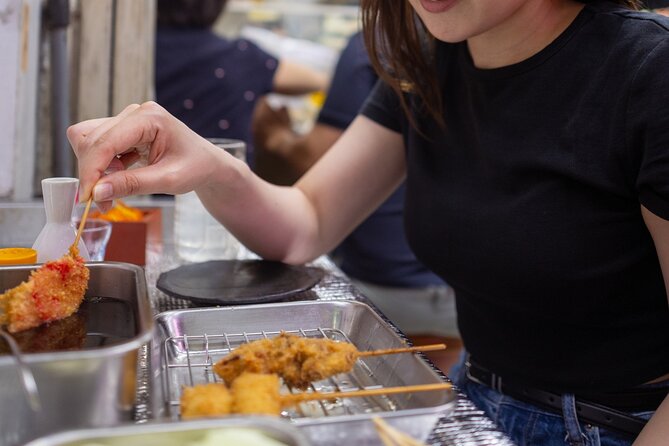
Food comes first. The listed tasting is either a Korean corndog or takoyaki, giving you another small bite while you explore. Takoyaki are hot batter balls usually filled with octopus, while a Korean corndog is a fried snack served on a stick. The exact food available may depend on the stop and timing, so do not treat this as a full restaurant meal.
The guide also makes a quick stop to purchase a 10-yen coin from a nearby vending machine. This is a small, unusual detail that gives the walk some personality. It is not a major sight, but little moments like this can help you notice the odd and playful side of Japanese shopping culture.
Center-gai is also where the pace may feel most demanding. The streets can be crowded, and a group of 10 needs to stay close together. Wear shoes you can walk in comfortably and keep your belongings secure. If you want extensive shopping or long photo stops, you may feel hurried.
MEGA Don Quijote in ten minutes
MEGA Don Quijote Shibuya is a famous discount store packed with Japanese snacks, souvenirs, household products, and quirky goods. The guide gives you a short explanation of how to approach the store and what types of items you may find.
Ten minutes is enough to understand the place, but it is not enough to explore every floor. Don Quijote stores are known for dense displays, unusual products, and a wide mix of practical and playful items. If you enjoy browsing, this stop may leave you wanting to return later on your own.
That is actually a useful way to view this part of the tour. The guide gives you a first look and helps you decide if the store deserves a longer visit. Make a note of the location, then come back independently if you want snacks, cosmetics, souvenirs, or novelty goods.
Personal expenses are not included, so anything you buy here costs extra. The tour fee covers the planned tastings, not a shopping allowance.
A quick onigiri stop near Antenna 21
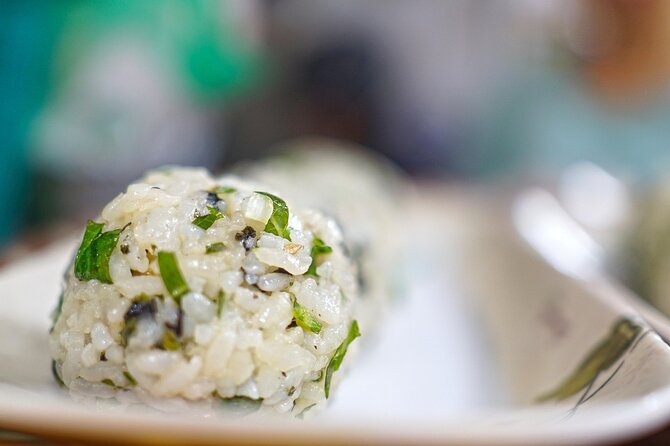
The next stop is a special onigiri stand in the Antenna 21 Building area. Onigiri are rice balls, often shaped by hand and filled or wrapped with ingredients such as fish, pickled vegetables, or seaweed. They are among Japan’s most common portable foods.
This tasting gives the food theme a traditional anchor after the more modern convenience-store snacks and Center-gai street food. You get to try one of Japan’s best-known everyday foods without committing to a full dinner.
The scheduled time is 15 minutes, so expect a sample and a short explanation rather than a cooking class or extended meal. If you have dietary restrictions, ask the guide before eating, since the included information does not specify fillings or allergy arrangements.
One practical point matters here: the tour description promises tastings of the foods named in the route, but one account reports that not all planned tastings took place and that some shops received less time than expected. I would treat the food list as the intended plan, while allowing for changes based on timing, availability, or the group’s pace.
Finishing at Hands Shibuya
The tour ends at Hands Shibuya, formerly known as Tokyu Hands, at 12-18 Udagawachō. This department store is a fitting final stop because it shows another side of Tokyo shopping: stationery, home goods, design accessories, tools, gadgets, and Japanese curiosities.
You have about 30 minutes here, more time than at Don Quijote. The guide explains the kinds of products sold in the store and helps you make sense of its unusual mix. This is a good final stop if you want practical souvenirs rather than only key chains and packaged snacks.
The end point is also useful for your next move. You can continue shopping, head elsewhere in Shibuya, or return to your accommodation. Since the tour finishes at a store rather than at the starting point, plan your evening around Hands and check your route before leaving.
What $79 really buys you
At $79, this is not the cheapest way to walk around Shibuya. You could see the crossing, Hachikō, Center-gai, Don Quijote, and Hands without paying a guide. You could also buy the foods yourself, often for a modest amount.
The value comes from structure and interpretation. You get three hours with a bilingual English and Spanish-speaking guide, a maximum group of 10, several planned tastings, and an introduction to places that can be confusing on your first visit. You also avoid spending your first evening guessing which convenience-store foods or street snacks to try.
I think the price works best for a first night in Tokyo, especially if you want help getting your bearings in Shibuya. It is less compelling for a repeat visitor who already knows the district, speaks Japanese, or mainly wants uninterrupted shopping time.
The tastings add value, but they should be viewed as samples, not dinner. Bring money for extra food, drinks, shopping, or the 10-yen coin. The tour does not include entrance fees to specific attractions, though the listed stops themselves are presented as free to enter.
The guides and the feel of the group
The guide can make or break a walk through a crowded district. Lily is repeatedly praised for warmth, energy, clear explanations, and attention to the interests of families. Jorge is described as especially helpful and able to speak Portuguese. Giorgio, Camila, and Lili are also associated with friendly, multilingual guiding.
You cannot guarantee a particular guide unless the operator confirms one, so book for the format rather than for a specific personality. Still, the repeated emphasis on kindness and helpfulness suggests that the company places real weight on interaction, not just memorized facts.
The small group helps. A 10-person limit is not private touring, but it is far easier to manage than a large coach group. You have a better chance of asking a question, hearing the explanation, and staying connected through crowded streets.
The tour is offered in English and Spanish. If you need another language, the available information does not promise it, though Jorge has been described as speaking Portuguese. Ask before booking if language support is important to you.
Who should book this evening walk?
I would recommend it for first-time Tokyo visitors who want an organized introduction to Shibuya after dark. It also fits families who prefer short stops, simple tastings, and a guide who can explain local customs without turning the evening into a formal lecture.
Food-curious visitors will get the most from it. You can try several everyday Japanese foods, compare convenience-store fare with onigiri and street snacks, and learn what to look for when you shop on your own later.
The tour is also a good match if you enjoy modern city life more than museums. Much of the evening focuses on streets, stores, public spaces, and casual food. It does not promise a major temple, a long historical lecture, or an elegant sit-down dinner.
I would hesitate if you dislike crowds, need a slow walking pace, or want substantial portions. I would also hesitate if shopping is your main goal, since several store visits are brief introductions rather than dedicated shopping sessions.
Practical details for a smoother evening
Meet at the Hachikō Statue at 6:00 pm. The meeting point is near public transportation, but Shibuya’s crowds can make a precise meeting spot hard to find, so arrive early.
The tour lasts approximately three hours and ends at Hands Shibuya, not back at Hachikō Square. Wear comfortable shoes, keep your phone charged for the mobile ticket, and carry a little extra money for purchases and unlisted food or drinks.
Most people can participate, according to the supplied practical information. The route does run through crowded commercial streets, so consider your own comfort with busy sidewalks and a brisk schedule.
Confirmation is provided at booking. Free cancellation is available if you cancel at least 24 hours before the 6:00 pm start time. Cancellations within 24 hours are not refunded, and late changes are not accepted. The listed phone number is for domestic calls in Japan, with a separate international number provided for calls from outside Japan.
Should you book Shibuya by night?
Book it if you want a guided first look at Shibuya with food built into the walk. The mix of Hachikō, Miyashita Park, the crossing, Center-gai, Don Quijote, onigiri, and Hands gives you a broad introduction in one evening.
Go in with sensible expectations. This is a fast-moving orientation with tastings, not a long dinner or a private shopping tour. The planned foods and store time may vary, so the strongest reason to book is the guide, the small group, and the chance to understand Shibuya while you sample its everyday flavors.
FAQ
Where does the Shibuya night tour begin?
It begins at the Hachikō Statue beside Hachikō Square, at 2 Chome-1 Dogenzaka, Shibuya, Tokyo 150-0043, Japan.
What time does the tour start?
The start time is 6:00 pm.
Where does the tour finish?
The tour ends at Hands Shibuya, at 12-18 Udagawachō, Shibuya, Tokyo 150-0042, Japan.
How many people can join the group?
The maximum group size is 10 people.
Is food included in the tour price?
Yes. Tastings of the foods mentioned in the route are included. Additional meals, drinks, and personal purchases are not included.
Can I cancel for a refund?
You can receive a full refund if you cancel at least 24 hours before the experience start time. Cancellations or changes made within 24 hours are not accepted for a refund.
New on our Tokyo list
- Sumi-e Experience in a relaxing green tea shop in Tokyo★ 5.0 · 3 reviews
- Tokyo : Kamikaze Street Drift Ride★ 5.0 · 3 reviews
- Private Zen Meditation in English in Shinjuku, Tokyo★ 5.0 · 3 reviews
- Onsen Spa in Tokyo and Asakusa Bar Hopping with Local Guide★ 5.0 · 3 reviews
- Easy for everyone! Now you can play handmade mini shamisen and show off to everyone! Musical instruments, sweets and live music★ 5.0 · 3 reviews
- Tokyo: Private Tsukiji Street Food & Sake with Local Guide★ 5.0 · 3 reviews
- Mt Fuji Exploration Tour with Free Japanese Kusa Mochi from Tokyo★ 4.5 · 3 reviews
- Tokyo Tsukiji Fish Market Walking and Exploring Hidden Gems Tour★ 5.0 · 3 reviews
Shibuya Tours, compared.
Shibuya Meltdown Nightlife Tour: All-You-Can-Drink Bar Hopping
Read our review →
Shibuya Official Street Go-Kart in Shibuya Annex
Read our review →
Premium Go-Kart Tour with Tower & Shibuya Crossing
Read our review →Browse the lists this tour appears in