
Reviewed · SAMURAI & NINJA EXPERIENCES
Samurai Ninja Museum Asakusa: Kid-Friendly Ninja Training
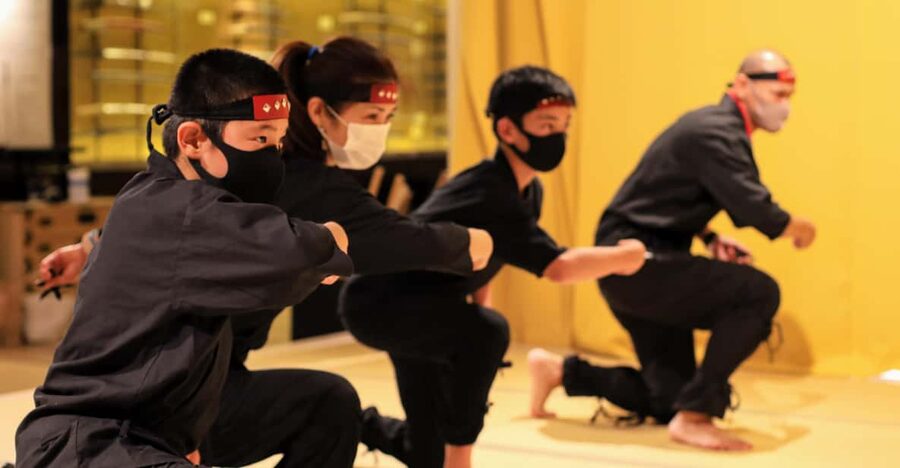
The best part of this Asakusa experience is the chance to dress in a full ninja outfit before trying the tools and tricks associated with Japan’s stealth warriors. You are not simply looking at displays. You take part in a star-throwing contest, practice with a blowgun, join a treasure hunt, and pose for photos.
I like the clear mix of hands-on fun and cultural context, especially for families with young children. I also like the compact 75-minute format. It gives you a lively Tokyo activity without consuming half a day. The main drawback is price: at $56 per person, it can feel costly if your group mainly wants costumes and photos rather than a longer museum visit.
In This Review
- Key Points
- Taking the Ninja Role in Asakusa
- Dressing in a Full Ninja Outfit
- Learning Ninja Techniques With an English Guide
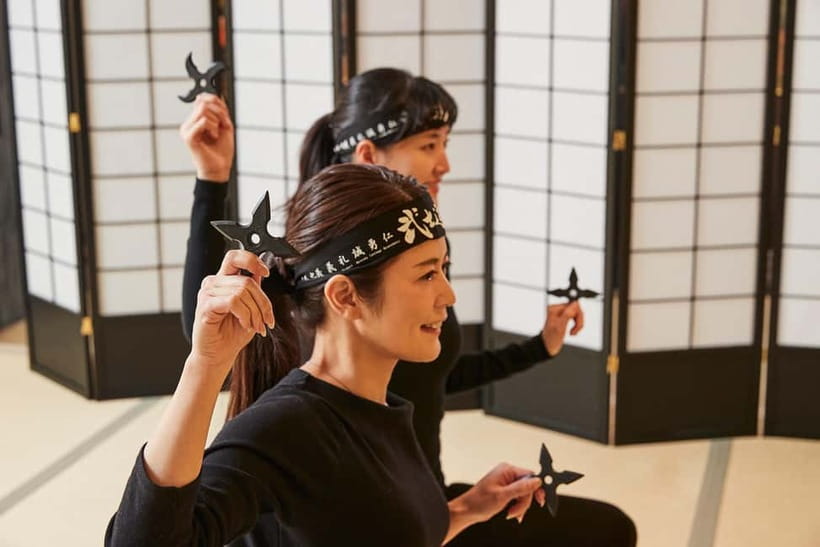
- Throwing Shuriken in a Friendly Contest
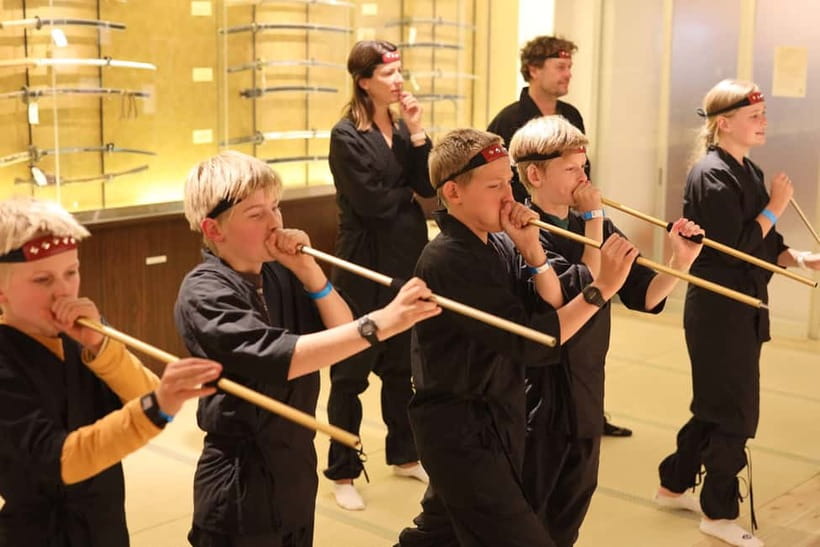
- Trying the Ninja Blowgun
- Following the Ninja Treasure Hunt
- Seeing the Samurai and Ninja Museum
- Is $56 a Fair Price?
- Group Size and the Feel of the Session
- Who Will Enjoy This Most?
- Practical Details Before You Book
- My Recommendation for the Samurai Ninja Museum
- FAQ
- Where does the ninja experience take place?
- How long does the activity last?
- How much does the experience cost?
- Is the tour offered in English?
- What does the experience include?
- Can I wear a ninja outfit?
- Can I throw ninja stars?
- Can I use a ninja blowgun?
- Can children under three join the ninja experience?
- Can I cancel for a full refund?
Key Points
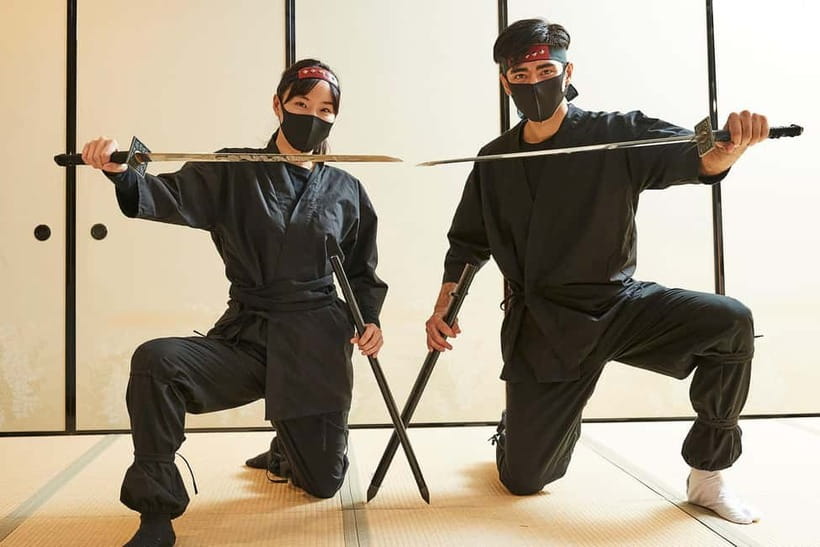
- Full ninja outfit: Dress for the part, then use the costume for a photo session.
- Shuriken competition: Practice throwing ninja stars in a playful contest.
- Blowgun practice: Try a different kind of ninja weapon that rewards careful aim.
- Treasure hunt: Children get an activity that keeps the historical theme active and fun.
- English-speaking guide: Guides explain the techniques in English, with Koki praised for friendly, clear instruction.
- Short family format: The session lasts 75 minutes and includes museum admission.
Taking the Ninja Role in Asakusa
The Tokyo Samurai and Ninja Museum gives you a chance to shift from spectator to participant. The setting combines a museum visit with a guided activity, so you can see displays connected to Japanese warriors and then try a few safe, simplified skills yourself.
I think that balance matters. A costume alone can make a good photo, but the guided tasks give the visit a stronger sense of purpose. You learn a little about the ninja spirit, handle activity equipment, and follow a sequence that keeps both adults and children involved.
The experience takes place in Asakusa, one of Tokyo’s best-known sightseeing areas, though the supplied details do not specify a particular meeting point inside the district. Check your confirmation carefully for the exact address and arrival instructions.
More samurai and ninja sessions:
- Tokyo: Samurai Ninja Museum Guided tour and Experience
★ 4.6 · 1,010 reviews - Tokyo: Samurai Sword & Archery Class from Samurai Descendant
★ 5.0 · 603 reviews - Best Samurai Experience in Tokyo
★ 5.0 · 458 reviews
Dressing in a Full Ninja Outfit
The session begins with the most immediately exciting step for many children: putting on a complete ninja outfit. This changes the mood at once. Instead of looking at a warrior costume behind glass, you get to wear one and play a role within the museum setting.
The outfit also gives the photo session more value. Bring a camera or have your phone ready, because the included photo shoot is one of the clearest keepsakes from the activity. The supplied information does not promise a professional photographer or a printed photograph, so treat this as a chance to take photos during the experience rather than a formal portrait package.
For adults, the costume element may feel lighthearted rather than historically detailed. That is part of the appeal, but it also explains why the price deserves some thought. Families who enjoy dressing up and taking photos will get more from this portion than people seeking a serious museum study.
Learning Ninja Techniques With an English Guide
After changing, you learn basic ninja techniques through guided instruction. The session is conducted in English, which makes it easier for international families to follow the rules and understand the purpose of each activity.
The teaching style appears to be a major strength. Koki is specifically praised for being kind and explaining things well, while another instructor is described as amazing. Since individual guides can vary by session, I would not book on the assumption that a particular person will lead your class. Still, the available feedback points to friendly, patient instruction as a consistent aim of the experience.
You should expect an introduction to ninja methods rather than advanced martial arts training. The supplied details do not promise combat lessons, sword practice, or a long historical lecture. This is a short, active cultural session designed to give you a taste of ninja traditions in an approachable way.
Throwing Shuriken in a Friendly Contest
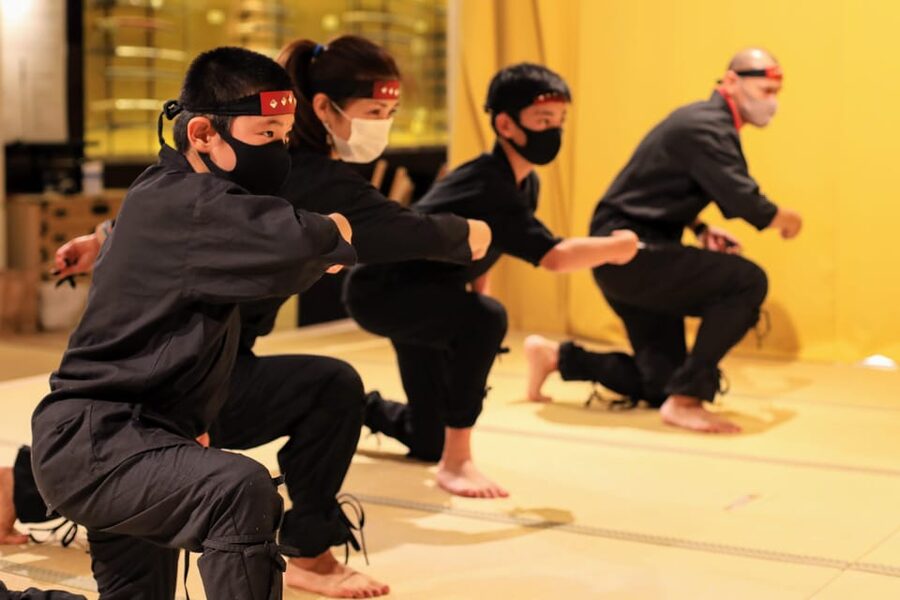
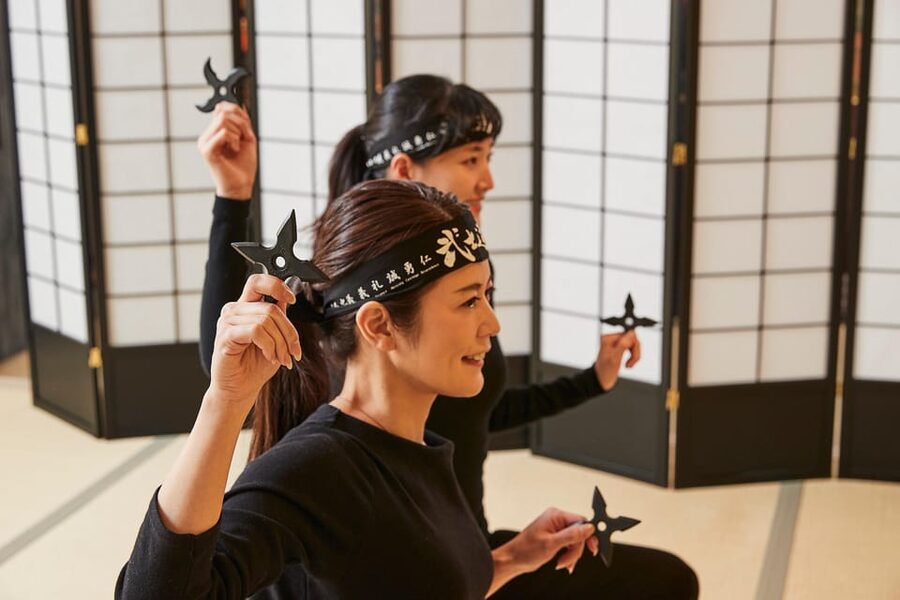
The ninja star throw competition is likely to be the most memorable activity for many children. You receive a chance to test your aim, follow the guide’s instructions, and compare your results in a playful contest.
The competitive element gives the activity a useful spark. A simple target exercise can be over quickly, but a contest encourages children to focus and try again. Adults can join in too, making this a shared activity instead of something parents merely watch.
I would keep expectations sensible. This is a museum experience, not professional weapons training. The information provided does not describe the target setup, scoring system, or type of shuriken used, so do not expect a long tournament or a detailed technical lesson. The value lies in the novelty and the chance to try something associated with ninja culture under supervision.
More Asakusa visits:
- Tokyo: Japanese Dance Cabaret Theater Asakusa-Kaguwa Ticket
★ 4.8 · 2,270 reviews - Tokyo: Meiji Shrine, Asakusa, Skytree Bus Tour and Cruise
★ 4.7 · 1,986 reviews - Tokyo: Roll and Authentic Sushi Making Class in Asakusa
★ 4.9 · 1,957 reviews - Tokyo: Asakusa Walking Tour with Sensoji Temple Visit
★ 4.8 · 1,583 reviews
Trying the Ninja Blowgun
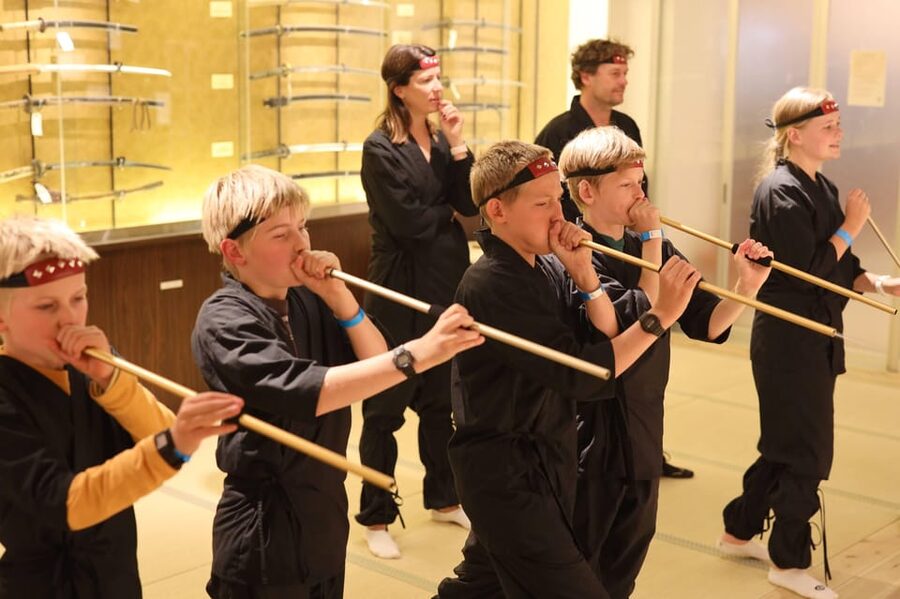
The blowgun offers a different test of control. Instead of throwing, you work on breath and precision. That change of pace helps the session avoid feeling like a single repeated game.
For children, this can be a useful exercise in listening carefully and waiting for instructions. For adults, it adds variety and makes the experience feel more complete. You get to try more than one ninja-themed skill, even though the session remains fairly short.
The details do not state how many attempts each person receives or what the blowgun targets look like. That uncertainty is worth keeping in mind if this is the main reason you are booking. The activity is best viewed as one part of a larger 75-minute program.
Following the Ninja Treasure Hunt
The treasure hunt is especially aimed at keeping children engaged. It gives them a goal to follow inside the museum and adds a sense of discovery to the visit.
I like this feature because young children can lose interest during a standard museum tour, even when the subject is exciting. A hunt gives them something active to do while connecting the visit to the ninja theme. It also allows the museum setting to function as more than a backdrop for costumes.
The supplied details do not explain the clues, prize, or length of the hunt. You should therefore think of it as an included activity rather than a major standalone attraction. Its success will depend partly on your child’s age, attention span, and interest in puzzles.
Seeing the Samurai and Ninja Museum
Admission to the Samurai and Ninja Museum is included. The displays add context to the hands-on activities, giving you a chance to connect the costume, tools, and techniques with Japan’s warrior traditions.
The museum portion appears to be interactive, but the available information does not provide a full list of exhibits or a separate museum touring time. That means you should not assume the 75 minutes are split into a long museum visit plus a full training course. The main focus is the guided ninja experience, with museum access included around it.
I see this as a good arrangement for families. You get enough background to make the activities meaningful, but you are not asked to sit through a lengthy lecture. If your priority is a detailed study of samurai armor, weapons, or Japanese military history, you may want a more specialized museum visit as well.
Is $56 a Fair Price?
At $56 per person, this is not a bargain-priced activity. The fee covers entrance, the ninja treasure hunt, the guided session, and the photo shoot, but the total experience lasts only 75 minutes.
The price makes more sense when you value the complete package. You are paying for a costume, instruction, several hands-on activities, a museum visit, and a family memory in central Tokyo. A five-year-old who loves dressing up may get far more joy from this than from a quiet exhibit, while an adult seeking serious historical depth may find the cost harder to justify.
One recent booking rated the experience three out of five and felt it was overpriced, even though the five-year-old child enjoyed it and the guide was excellent. That is a useful way to view the value. The guide and the child’s enthusiasm may determine whether the price feels worthwhile.
I would book it when the experience itself is the goal. I would hesitate if you are mainly looking for a large museum with hours of exhibits.
Group Size and the Feel of the Session
The activity is described as a small-group experience limited to five participants, which could make instruction more personal. A smaller class usually gives each person more chances to ask questions and practice, though the supplied details do not guarantee a particular number of participants on your date.
There is also a separate maximum of 20 participants listed for the activity. Since those figures do not match, confirm the group size when booking if this matters to you. The small-group description suggests an intimate session, while the 20-person figure may refer to the overall activity capacity rather than each class.
Either way, the format is intended to be guided rather than self-directed. You follow the instructor through the outfit change, techniques, competition, blowgun practice, hunt, and photos.
Who Will Enjoy This Most?
I would recommend this experience most strongly to families with children who enjoy costumes, simple contests, and active museum visits. A five-year-old was able to enjoy the session, which suggests that young school-age children can find plenty to do.
It also suits first-time Tokyo visitors who want a short cultural activity in Asakusa. The English guide removes a language barrier, and the format gives you an easy introduction to samurai and ninja themes without requiring specialist knowledge.
Older children and adults can enjoy it too, especially if they join the competition instead of standing on the sidelines. The experience may be less satisfying for someone who wants advanced martial arts instruction, a long historical talk, or a large collection of museum objects.
Children under three cannot join the ninja experience, though they can enter the venue. That rule is important for families with toddlers. An adult may need to stay with a child who is too young to participate, which can affect how you plan the booking.
Practical Details Before You Book
The activity lasts 75 minutes, so it is easy to fit into a day of sightseeing. I would allow extra time around it for arrival, photos, and your next stop, but the supplied information does not give a recommended arrival time or an exact meeting procedure.
The live guide speaks English. Wheelchair access is available, which is useful for many families, though the details do not explain whether every hands-on station has identical access arrangements. If you need a specific accommodation, contact the provider before reserving.
The provider is GLOBA Inc. You can cancel up to 24 hours before the activity for a full refund, and the reserve-now, pay-later option lets you hold a place without paying immediately. Check the final booking terms, starting times, and availability for your chosen date.
The listed price is $56 per person. Children under three can enter but cannot take part in the ninja session, so confirm how the booking system handles a nonparticipating child.
My Recommendation for the Samurai Ninja Museum
I would book this for a family that wants a playful, well-organized cultural activity rather than a lengthy museum tour. The full outfit, star-throwing contest, blowgun practice, treasure hunt, and photo opportunity give you a good range of activities in a short time.
I would pause if the price is a major concern or if your group wants serious historical instruction. At $56, the experience needs to deliver more than a costume photo, and its value depends heavily on how much your group enjoys active participation.
For families with children, especially those around school age, this is a practical Asakusa choice. For adults who want to test their aim, learn a few ninja-themed techniques, and enjoy a humorous break from standard sightseeing, it can work well too. Confirm the group-size details before booking, and choose it for the hands-on fun, not for hours of museum exploration.
FAQ
Where does the ninja experience take place?
It takes place at the Tokyo Samurai and Ninja Museum in Asakusa, Tokyo, on Honshu.
How long does the activity last?
The ninja experience lasts 75 minutes.
How much does the experience cost?
The listed price is $56 per person.
Is the tour offered in English?
Yes. The activity has a live English-speaking guide.
What does the experience include?
It includes museum entrance, a ninja treasure hunt, and a photo shoot.
Can I wear a ninja outfit?
Yes. You can dress in a full ninja outfit during the experience.
Can I throw ninja stars?
Yes. The session includes a ninja star throw competition.
Can I use a ninja blowgun?
Yes. Blowgun practice is part of the guided activity.
Can children under three join the ninja experience?
No. Children under three cannot take part in the ninja experience, although they can enter the venue.
Can I cancel for a full refund?
Yes. You can cancel up to 24 hours in advance for a full refund.
More Museums Worth an Hour
- Tokyo: teamLab Planets TOKYO Digital Art Museum Entry Ticket
★ 4.6 · 9,779 reviews - Ninja Experience (Family Friendly) at Samurai Ninja Museum TOKYO
★ 5.0 · 441 reviews - Tokyo Studio Ghibli Museum and Ghibli Film Appreciation Tour
★ 4.5 · 421 reviews - Tokyo Sword Experience – includes Museum Ticket/Ninja Experience
★ 5.0 · 314 reviews
New on our Tokyo list
- From Tokyo: Mount Fuji & Hakone Full Day Private Tour★ 4.9 · 25 reviews
- Tokyo Spectacular View Day-Cruise in 90 Minutes★ 5.0 · 25 reviews
- Real Tokyo Runner Club : Daikoku Car Meet Night Tour with JDM Car★ 5.0 · 25 reviews
- 2.5 Hour-Guided Cycle Tour in the Central Tokyo★ 5.0 · 25 reviews
- Ramen Making from Scratch +Akihabara Tour –Cooking Class★ 5.0 · 25 reviews
- [Self-Drive] Tokyo & Daikoku Custom Car Driving Tour★ 4.9 · 25 reviews
- Tokyo: 2-Hour Night Bike Tour of the City’s Hidden Gems★ 4.9 · 25 reviews
- Samurai themed Entertainment show in Shinjuku★ 4.5 · 25 reviews
Samurai & Ninja Experiences, compared.
Samurai Ninja Museum Guided tour and Experience
Read our review →
Samurai Sword & Archery Class from Samurai Descendant
Read our review →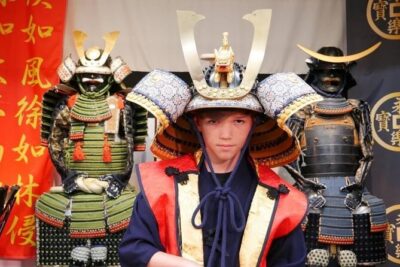
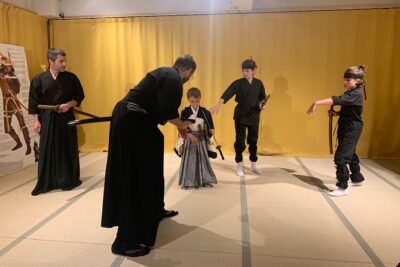
Ninja Experience (Family Friendly) at Samurai Ninja Museum TOKYO
Read our review →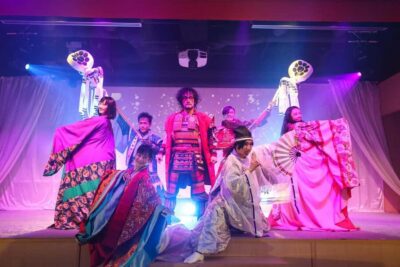
Samurai Entertainment Night Show in Kanda Shrine
Read our review →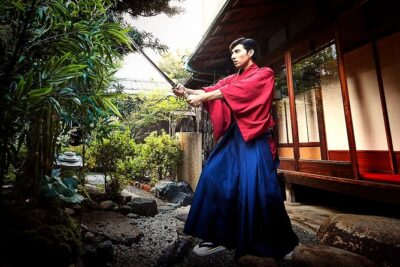
Tokyo Sword Experience – includes Museum Ticket/Ninja Experience
Read our review →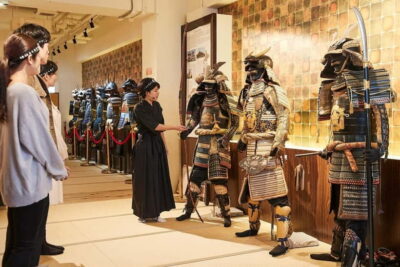
Samurai Ninja Museum Asakusa: Samurai Sword Lesson & Tour
Read our review →
Ninja Samurai 2-hour hands-on lesson by Japanese master in Tokyo
Read our review →Browse the lists this tour appears in