
Reviewed · DAY TRIPS FROM TOKYO
Tokyo Customized Private Tour (Must See Places in 1 Day)
Tokyo is easier to understand when someone helps you connect its far-flung neighborhoods. This private tour lets you build a day around your interests, with a local guide handling the route, public transport, and cultural background. You might focus on temples and gardens, pop culture and shopping, or a useful mix of old and new.
I like the one-to-one planning and the chance to learn Tokyo’s rail system while actually using it. I also like the human touch: guides such as Akari, LAX, Yosuke, Ken, and Yosuke have been praised for adjusting the pace, helping with vegan and gluten-free meals, and making families feel at ease.
The main consideration is time. A full day can cover several districts, but not every suggested stop in depth. You also pay separately for food and transport, so the final cost will be higher than the tour price alone.
In This Review
- Key Points Before You Book
- A Private Tokyo Day That Adapts to You
- What the Guides Bring to the Day
- Senso-ji and Asakusa: Start with Old Tokyo
- Akihabara: Tokyo’s Electric and Anime Side
- Tsukiji Outer Market: Make Room for Food
- Shibuya Crossing and Meiji Jingu: Tokyo in Two Contrasts
- Ginza, the Imperial Palace, and Hamarikyu Gardens
- Tokyo Skytree and Ueno Park
- Shinjuku Gyoen and Golden Gai
- Walking, Trains, and the Real Cost
- Who Will Get the Most from This Tour
- Booking Advice and Cancellation Terms
- Should You Book the Tokyo Customized Private Tour?
- FAQ
- How long does the Tokyo customized private tour last?
- Is this a private tour?
- Is hotel pickup available?
- Are public transportation costs included?
- Are food and drinks included?
- Can I cancel for a full refund?
Key Points Before You Book
- Build the day around your interests: Ask for temples, gardens, anime, shopping, food, or a blend of Tokyo’s many sides.
- Learn the train system as you go: Public transport is part of the experience, not just a way to get between sights.
- Meet at your accommodation if you wish: Hotel pickup is available, with a private vehicle offered as an option.
- Expect a walking-heavy day: One full-day outing reached about 12 miles of walking, so comfortable shoes matter.
- Guides add practical local help: Food requirements, shrine customs, restaurant choices, and neighborhood tips can be worked into the day.
- Best for first-time visitors: The tour is especially useful if you want orientation before exploring Tokyo on your own.
A Private Tokyo Day That Adapts to You
The strongest feature here is not any single attraction. It is the ability to shape the day before you start, then change course as the day unfolds.
You might ask for the classic first visit: Senso-ji, Meiji Jingu, Shibuya Crossing, and the Imperial Palace. You might instead want Akihabara’s electronics and anime culture, a quiet garden, or help finding food that fits a vegan or celiac diet. Your guide can build around those requests.
The experience lasts about two to eight hours. That wide range matters. A two-hour outing can give you a taste of one area, while a longer day can link several parts of Tokyo. Do not assume the full list of suggested stops fits into one relaxed day. The listed locations stretch from Asakusa and Ueno in the northeast to Shibuya and Shinjuku in the west, with Ginza, Tsukiji, and the Imperial Palace in between.
I would send your top three priorities before the tour. Add a few secondary choices in case the route needs trimming. This gives your guide a clear target without turning the day into a race.
More day trips out of Tokyo:
- Mt Fuji and Hakone 1-Day Bus Tour Return by Bullet Train
★ 5.0 · 26,383 reviews - 1-Day Tokyo Bus Tour
★ 5.0 · 14,250 reviews - Mt Fuji & Hakone Cruise, Drum Show Bullet Train 1 Day from Tokyo
★ 4.0 · 7,413 reviews
What the Guides Bring to the Day
The guides are the real variable in a private experience, and the names associated with this tour include Akari, Keito, Kentaro, LAX, Paskul, Yosuke, Yosuke, Atsu, and Ken.
Akari is praised for a relaxed pace and for making families comfortable. She also helped with safe food choices for a child with celiac disease and designed an itinerary with requested stops plus unexpected local touches. Keito helped a couple find vegan ramen, showing how useful a private guide can be when meals are part of the planning.
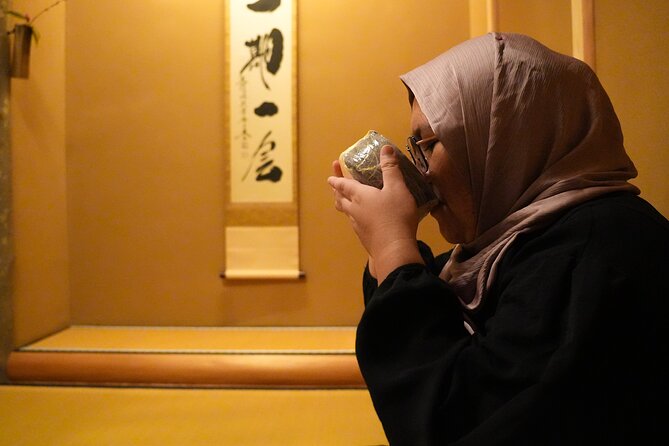
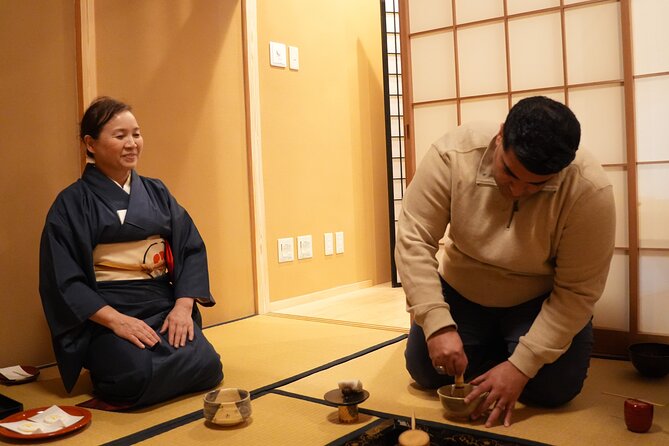
LAX appears often in the praise for this experience. He led short and long outings, explained Japanese customs, added historical context, and adjusted routes around requests. One particularly useful option was adding a tea experience during a busy sightseeing day. That kind of pause can give the day a better rhythm.
Yosuke is praised for helping a solo visitor gain confidence with trains and for suggesting additional sights along the way. He also worked well with families, explaining Tokyo in a way that kept children aged seven and twelve interested. Ken is noted for strong English, local insight, and a flexible itinerary.
The practical lesson is simple: tell the company what matters to you. Mention children, mobility concerns, dietary needs, shopping plans, or your wish to learn the train system. A private guide can respond to those details far better than a fixed group route.
Senso-ji and Asakusa: Start with Old Tokyo
Senso-ji in Asakusa is one of the most sensible places to begin. The temple gives you an immediate introduction to Buddhist worship, traditional architecture, and the older character of Tokyo. The surrounding Asakusa streets add shops, food, and a neighborhood feel that is different from the modern districts farther west.
The tour description allows roughly 15 minutes at Senso-ji and another 15 minutes in Asakusa as sample timing. That is enough for a quick introduction, not a full temple visit and extended stroll. If this is a priority, ask for more time.
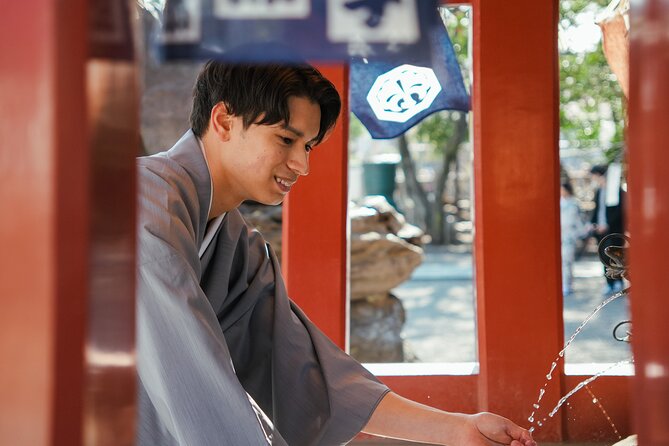
Your guide can explain what you are seeing and help you approach the temple respectfully. That is valuable because the small acts around a Japanese temple or shrine can otherwise feel confusing. You can also use Asakusa as a food stop, souvenir stop, or starting point for Tokyo’s older side.
Akihabara: Tokyo’s Electric and Anime Side
Akihabara is the choice for electronics, anime, manga, and video games. It is a sharp contrast to Senso-ji, and that contrast is part of what makes Tokyo so rewarding.
A short stop lets you see the district and understand its role in modern Japanese pop culture. It will not allow much time for serious shopping, browsing specialist stores, or comparing electronics. If you have a specific purchase in mind, tell your guide before the tour.
This is also a good request for families and pop-culture fans. The guide can help you decide which parts of Akihabara match your interests instead of sending you into a district that can feel confusing at first.
A few more Tokyo bookings worth comparing
- Tokyo: TOKYO SKYTREE® Admission ticket
★ 4.5 · 11,192 reviews - Tokyo: teamLab Planets TOKYO Digital Art Museum Entry Ticket
★ 4.6 · 9,779 reviews - Tokyo: Sumo Show Experience with Chicken Hot Pot and a Photo
★ 4.8 · 6,678 reviews - Tokyo: Shinjuku Food Tour (13 Dishes at 4 Local Eateries)
★ 5.0 · 6,603 reviews
Tsukiji Outer Market: Make Room for Food
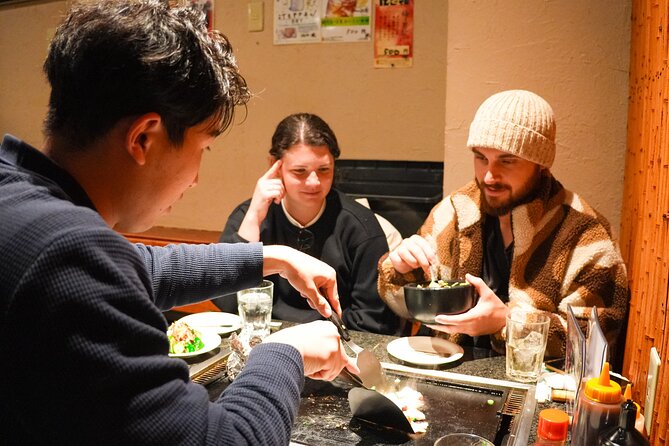
Tsukiji’s outer market remains a major destination for fresh seafood and Japanese food, even after the wholesale fish market moved in 2018. It is a natural place to add breakfast, lunch, or a snack to a sightseeing day.
Food is not included, and you pay for your guide’s food as well if you eat together. That should be understood before you order. The advantage is choice: you can ask for help with vegan or gluten-free needs and make the meal part of your personal plan.
The sample timing is only 15 minutes, which is too brief for a proper market visit and meal. Treat this stop as optional unless food is one of your main goals. A guide can also help you avoid wasting time when the market is crowded or when you are unsure what to try.
Shibuya Crossing and Meiji Jingu: Tokyo in Two Contrasts
Shibuya Crossing gives you the bright, fast-moving Tokyo seen in so many photographs. The district is known for shopping, nightlife, neon, and entertainment. You can watch the crossing, take in the surrounding streets, and ask your guide where the district fits into present-day Tokyo.
The stop is listed at about 15 minutes, so it works best as a quick orientation and photo break. If you want shopping, cafés, or more time in the neighborhood, make that clear before the route is set.
Nearby, Meiji Jingu offers a very different experience. The Shinto shrine is dedicated to Emperor Meiji and Empress Shoken, and its setting provides a calm counterpoint to Shibuya and Harajuku. Your guide can explain the difference between a Shinto shrine and a Buddhist temple, along with basic customs.
The suggested visit is also about 15 minutes. That is a quick look, not a slow walk through the grounds. If you value quiet spaces and Japanese religious traditions, I would place Meiji Jingu higher than another shopping stop.
Takeshita Street in Harajuku adds youthful fashion and pop culture. It is a good pairing with Meiji Jingu because you can see two very different sides of the same area. The street may be more useful for atmosphere than for a carefully planned shopping list.
Ginza, the Imperial Palace, and Hamarikyu Gardens
Ginza is Tokyo’s major high-end shopping district. Include it if department stores, design, and polished city streets interest you. It is less useful if your main goal is local food, temples, or anime.
The Imperial Palace offers a chance to see the city’s central historic district, including the beautiful East Gardens. The garden is listed as a 15-minute stop, so again, ask for extra time if you want to walk rather than simply see the entrance area.
Hamarikyu Gardens is one of the best choices for slowing the pace. This traditional garden in Minato gives you ponds, paths, and a quieter setting amid the city. Admission is not included here, unlike the many free stops.
I like the garden options because they prevent the day from becoming a string of train stations and photo stops. Add Hamarikyu or Shinjuku Gyoen if you want breathing room. You may see fewer famous districts, but you will likely enjoy the day more.
Tokyo Skytree and Ueno Park
Tokyo Skytree is Japan’s tallest structure and includes observation areas, restaurants, and broadcasting facilities. It can be a strong choice if city views are important to you.
The suggested 15-minute visit is not enough for a leisurely observation-deck experience. Ask about the amount of time available and any admission needs before making it a central part of your plan. As with Hamarikyu Gardens, the tour price does not cover every possible admission.
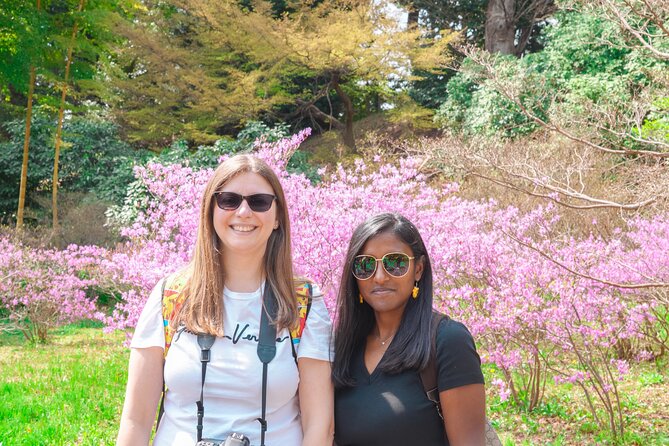
Ueno Park, or Uenokoen, is especially appealing during cherry blossom season. It offers a garden setting and a change of pace from the dense commercial districts. Its value depends partly on the season and your interests, so it may be a better choice for repeat visitors or anyone who prefers parks to shopping.
Shinjuku Gyoen and Golden Gai
Shinjuku Gyoen National Garden is one of Tokyo’s large, popular parks. Its lawns, paths, and quiet scenery provide a welcome break after a morning of temples, markets, and train rides.
The suggested visit is 30 minutes, longer than most of the other stops. That tells you something about its role in the route: it can be a real pause, not just a quick photograph. If you want a more relaxed day, this is one of the first places I would request.
Shinjuku Golden Gai offers a very different Shinjuku experience. The district is known for its tiny bars and nighttime atmosphere. A short daytime look will not show the area at its best, so discuss the timing with your guide if Golden Gai is important to you.
The Tokyo Metropolitan Government Building is also associated with Shinjuku and offers city views. The information provided does not confirm that entry or a specific visit is included, so ask your guide to confirm the plan before counting on it.
Walking, Trains, and the Real Cost
The listed price is $145.91 per person. For a private two-hour orientation, that is a premium over joining a large group. For a longer private day with hotel pickup, route planning, cultural explanations, and train instruction, the value becomes easier to see.
You are not just paying to be taken to famous places. You are paying for someone to adjust the day around your pace and interests. That matters in Tokyo, where a poor route can consume hours in transit.
Public transportation is included as part of the touring method, but your transportation fee and your guide’s fee are not included in the price. Food and drinks are also separate for both of you. A private vehicle is available as an option, but its cost is not specified.
The walking can be substantial. One 10-hour outing involved about 12 miles on foot, along with several train stations and lines. That is a useful warning for anyone expecting a vehicle-based sightseeing tour. Wear comfortable shoes and choose a shorter route if you do not enjoy long walks.
Hotel pickup is available, and group discounts are offered. The tour is private, so only your party participates. Unlimited edited photos are included, which is a pleasant extra, though the main value remains the guide and the customized route.
Who Will Get the Most from This Tour
I would recommend this experience most strongly for first-time Tokyo visitors who feel uncertain about the city’s size or rail system. A guide can help you get oriented early, then leave you with the confidence to explore alone afterward.
It also suits families. The private format lets you slow down, change plans, or give children a break without worrying about a larger group. The guide can adjust explanations and help find food that works for your family.
Solo visitors may appreciate the personal support. The tour can offer company, cultural context, and practical train help without forcing you into a fixed group schedule.
Food-focused visitors should state their needs clearly. The guide has helped with vegan ramen and celiac-safe food, but meals remain your own expense. If you want a tea experience, market visit, or local restaurant, ask for it during planning.
This is less suitable if you want a fixed sightseeing checklist with guaranteed long visits at every attraction. It is also not ideal if you dislike walking, trains, or making choices. The freedom is the point, but you need to communicate your priorities.
Booking Advice and Cancellation Terms
The tour has a five-star rating from 1,499 ratings, with 100 percent recommending it. That is a strong record, especially for a private service where the guide shapes much of the experience.
Free cancellation is available if you cancel at least 24 hours before the start time. Changes or cancellations inside that window are not accepted for a refund. The cutoff follows local Tokyo time.
I would book this early in your stay, ideally near the beginning of your Tokyo visit. You can ask questions, learn the train system, and use the guide’s suggestions to plan the rest of your trip. Send a short note with your must-see places, food needs, walking comfort, and desired tour length.
Should You Book the Tokyo Customized Private Tour?
Book it if you want a flexible first day, personal guidance, and practical help using Tokyo’s trains. It is particularly worthwhile for families, solo visitors, and anyone who wants temples, food, pop culture, and gardens in one tailored outing.
Do not book it expecting every one of the 14 suggested locations in a single relaxed day. Choose a sensible group of neighborhoods instead. At $145.91 per person before transport, meals, and possible admissions, it is not the cheapest way to see Tokyo, but it can be a smart purchase when saving time and gaining confidence matter more than keeping costs to a minimum.
FAQ
How long does the Tokyo customized private tour last?
The experience lasts approximately two to eight hours, depending on the itinerary you choose.
Is this a private tour?
Yes. Only your group participates in the activity.
Is hotel pickup available?
Yes. You can request an optional meeting at your accommodation.
Are public transportation costs included?
No. Transportation fees for you and your guide are not included. A private vehicle is also available as an optional arrangement.
Are food and drinks included?
No. You pay for your own food and drinks, as well as those of your guide if you eat together.
Can I cancel for a full refund?
Yes, if you cancel at least 24 hours before the experience start time. Cancellations or changes made less than 24 hours before the start time are not accepted for a refund.
New on our Tokyo list
- From Tokyo: Mount Fuji & Hakone Full Day Private Tour★ 4.9 · 25 reviews
- Tokyo Spectacular View Day-Cruise in 90 Minutes★ 5.0 · 25 reviews
- Real Tokyo Runner Club : Daikoku Car Meet Night Tour with JDM Car★ 5.0 · 25 reviews
- 2.5 Hour-Guided Cycle Tour in the Central Tokyo★ 5.0 · 25 reviews
- Ramen Making from Scratch +Akihabara Tour –Cooking Class★ 5.0 · 25 reviews
- [Self-Drive] Tokyo & Daikoku Custom Car Driving Tour★ 4.9 · 25 reviews
- Tokyo: 2-Hour Night Bike Tour of the City’s Hidden Gems★ 4.9 · 25 reviews
- Samurai themed Entertainment show in Shinjuku★ 4.5 · 25 reviews
Day Trips from Tokyo, compared.
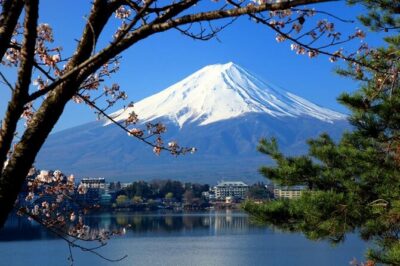
Mt Fuji and Hakone 1-Day Bus Tour Return by Bullet Train
Read our review →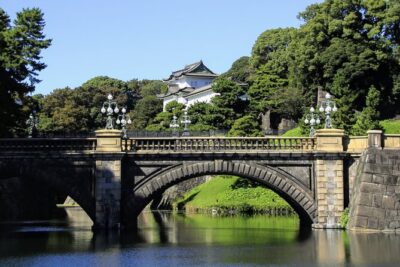
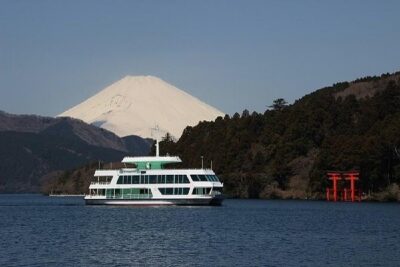
Mt Fuji & Hakone Cruise, Drum Show Bullet Train 1 Day from Tokyo
Read our review →

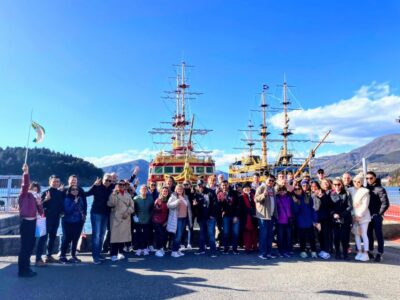
Mt. Fuji 5th Station & Hakone Cruise 1-Day Bus Tour
Read our review →
Kamakura & Enoshima Day Trip including Temple Tickets
Read our review →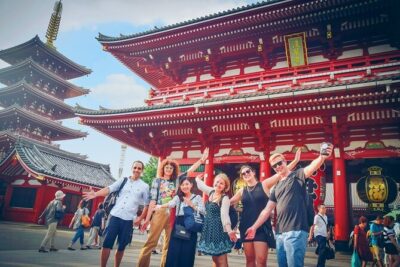
Tokyo Customized Private Tour: See Top Attractions in 1 Day
Read our review →Browse the lists this tour appears in