
Reviewed · DAY TRIPS FROM TOKYO
Tokyo Customized Private Tour: See Top Attractions in 1 Day
Tokyo is easiest to enjoy when someone helps you connect the dots. This private tour pairs major sights such as Senso-ji, Tsukiji, Meiji Shrine, and Shibuya with local streets and metro rides, so you spend less time puzzling over stations and more time seeing the city.
I especially like the custom itinerary and the guide’s ability to adjust the pace. Guides such as Yoko, Tak, Yeonmi, Yuriko, and Aki have helped families, food-focused visitors, and first-time Tokyo travelers shape the day around their interests. The main drawback is simple: transportation, lunch, and entrance fees cost extra, and you will walk a lot.
- You choose the focus: Mix historic temples, food markets, shopping streets, gardens, museums, and modern Tokyo.
- You learn the metro: Your guide handles the first confusing station transfers and shows you how to get around later.
- You can cover major districts: Four hours usually fits two or three stops, six hours three or four, and eight hours four or five.
- Families get useful support: Guides have adjusted the route for young children, teenagers, tired legs, and different interests.
- The tour is truly private: You set the pace rather than following a fixed group schedule.
- Plan for extra costs: Public transportation, meals, attraction tickets, and your guide’s related costs are not included.
In This Review
- Why a Private First Day Works Well in Tokyo
- Four Hours, Six Hours, or Eight Hours
- Tsukiji Outer Market: Start With Food and Street Energy
- Asakusa and Senso-ji: Tokyo’s Traditional Face
- Meiji Shrine and Harajuku: Quiet Forest, Loud Shopping Street
- Shibuya: A Famous Crossing With a Practical Lesson
- Shinjuku, Ginza, and Other Ways to Shape the Day
- What Your Guide Adds to the Experience
- The Real Cost at $141 Per Person
- Who Should Book This Tokyo Tour
- Practical Tips for a Better Day
- Should You Book It?
- FAQ
- How long does the private Tokyo tour last?
- Which sights can I visit?
- Is hotel pickup included?
- Are transportation and entrance fees included?
- What happens if Tsukiji Outer Market is closed?
- Is the tour suitable for wheelchair users?
Why a Private First Day Works Well in Tokyo
Tokyo can feel simple once you understand it, but the first day often involves reading unfamiliar signs, choosing the right train exit, and crossing huge stations without losing your group. A private guide gives you a human map of the city.
You meet at your central Tokyo hotel, then discuss what matters most. That opening conversation is important. You may want old Tokyo and food stalls, while your children want shopping and pop culture. You may be fit enough for a long day, or you may need fewer stops and longer visits.
The tour uses public transportation and walking. That means you experience Tokyo as residents do, rather than watching the city through a vehicle window. It also means you need comfortable shoes and a willingness to keep moving.
The format works best as an orientation day. Guides have shown visitors how metro stations work, explained local customs, helped with crowded crossings, and offered ideas for the rest of a Japan trip. Several families found this introduction worth the cost because they felt more confident traveling independently afterward.
Four Hours, Six Hours, or Eight Hours
The length you choose changes the character of the day.
A four-hour tour usually covers two or three areas. This is a good choice if you have a short stop in Tokyo, young children, limited stamina, or one clear goal such as old Tokyo and a food market. Trying to squeeze in every famous district during four hours will leave you seeing stations and sidewalks instead of places.
A six-hour tour usually fits three or four stops. For many people, this is the best balance. You can combine Tsukiji, Asakusa, Meiji Shrine, and Shibuya, or replace one of those with shopping, Ginza, or Shinjuku.
An eight-hour tour generally allows four or five stops. The sample day runs from 9:00 a.m. to 5:00 p.m., with Tsukiji, Asakusa, Meiji Shrine and Harajuku, and Shibuya. That is a full day, especially with metro transfers and walking, but it gives first-time visitors a broad look at Tokyo.
Do not treat the number of stops as a target. A temple, market, or neighborhood can easily deserve more time than a quick photograph. Tell your guide if you prefer a relaxed day over a checklist.
More day trips out of Tokyo:
- Mt Fuji and Hakone 1-Day Bus Tour Return by Bullet Train
★ 5.0 · 26,383 reviews - 1-Day Tokyo Bus Tour
★ 5.0 · 14,250 reviews - Mt Fuji & Hakone Cruise, Drum Show Bullet Train 1 Day from Tokyo
★ 4.0 · 7,413 reviews
Tsukiji Outer Market: Start With Food and Street Energy
Tsukiji Outer Market is a strong morning choice for people who want to eat and browse. The guide can help you understand what you are seeing and may point you toward food that suits your group. One past itinerary included fresh fish eaten right on the street, while another guide found a vegetable ramen option for a vegetarian visitor.
The market is not open every day. It is generally closed on Wednesdays and Sundays, but you should check its official schedule before booking around it. If it is closed, the route shifts to the Imperial Palace or Hama-rikyu Gardens.
Tsukiji can be crowded, and the walking surfaces and food stalls are not ideal for people who need step-free access. Keep your group close, especially around busy lanes. A guide is useful here not only for food suggestions but also for helping you move safely through the market.
Asakusa and Senso-ji: Tokyo’s Traditional Face
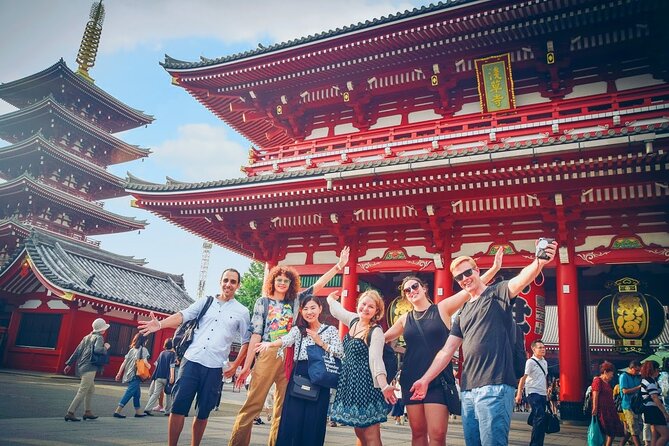
Senso-ji is one of the clearest introductions to Tokyo’s older side. The tour allows about an hour for a guided visit to the temple, followed by a shorter stop in Asakusa itself.
This part of the day is about more than taking a gate photo. Your guide can explain what you are seeing and help you approach the temple in a respectful way. Asakusa also gives you time to look at local streets and shops rather than only visiting the main courtyard.
The itinerary may list Asakusa as a 15-minute visit, but your actual time can change because the tour is private. If your group likes temples and traditional culture, ask for more time here. If the children are ready for something modern, your guide can move on.
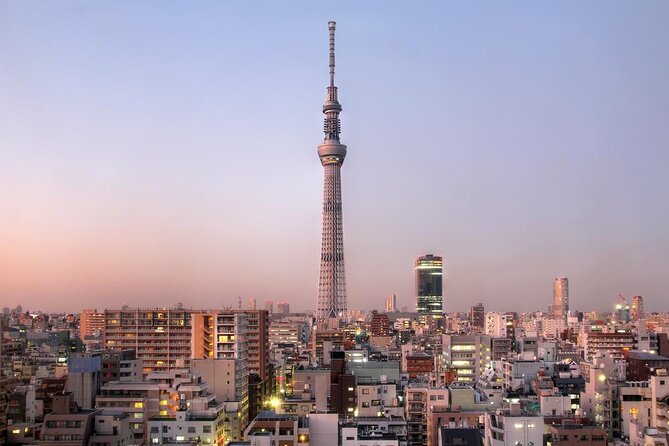
Tokyo Skytree Town is another possible addition. It offers a very different setting from Senso-ji, so it makes sense if you want a contrast between historic Asakusa and newer Tokyo. With limited time, I would not add both unless your guide feels the transfers make sense.
Meiji Shrine and Harajuku: Quiet Forest, Loud Shopping Street
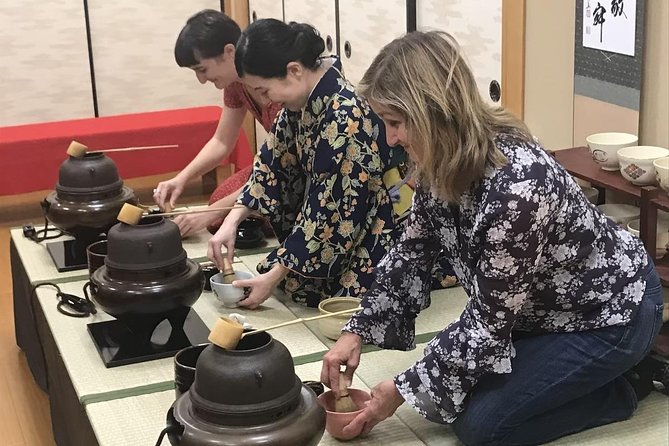
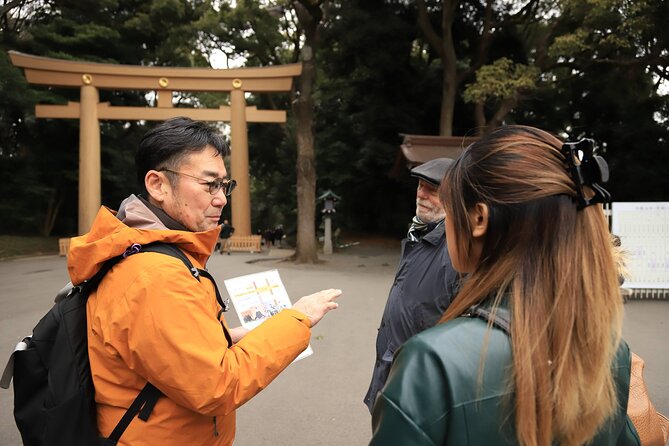
Meiji Shrine and Takeshita Street make a natural pair. The shrine provides a calm, spacious break from Tokyo’s busy roads, while Harajuku brings shopping, youth style, and a much faster pace.
The guided shrine visit is planned for about an hour. Takeshita Street also receives about an hour, with time for photographs, shopping, and explanation from the guide. Families often benefit from this pairing because different age groups can find something to enjoy.
Takeshita Street is not a quiet cultural stop. It can feel crowded, and the shopping focus may not appeal to everyone. If you want gardens, food, or museums instead, ask to swap it out. The private format makes that possible.
Hama-rikyu Gardens is another choice when you want a slower outdoor stop. It can replace Tsukiji when the market is closed, or serve as a calmer alternative to another busy district. The supplied information does not promise a specific garden route or admission arrangement, so confirm your choices with the guide.
A few more Tokyo bookings worth comparing
- Tokyo: TOKYO SKYTREE® Admission ticket
★ 4.5 · 11,192 reviews - Tokyo: teamLab Planets TOKYO Digital Art Museum Entry Ticket
★ 4.6 · 9,779 reviews - Tokyo: Sumo Show Experience with Chicken Hot Pot and a Photo
★ 4.8 · 6,678 reviews - Tokyo: Shinjuku Food Tour (13 Dishes at 4 Local Eateries)
★ 5.0 · 6,603 reviews
Shibuya: A Famous Crossing With a Practical Lesson
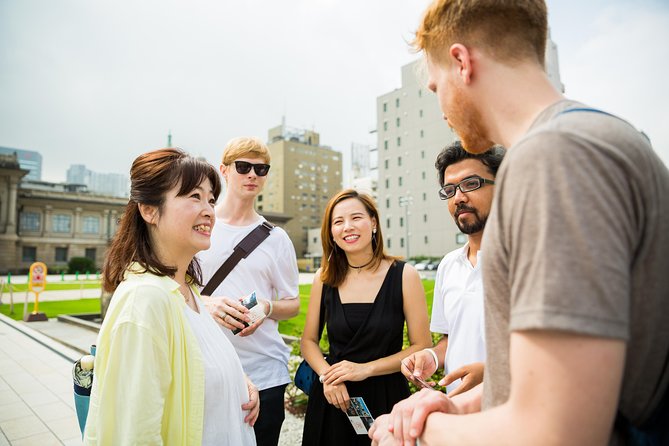
Shibuya City is one of the tour’s most recognizable modern stops. The famous scramble crossing gives you a quick sense of Tokyo’s scale and rhythm, while the surrounding district offers shopping and city views.
The visit is planned for about an hour. You may want to spend part of that time taking photographs and part of it learning how to move through the area. A guide can also help you decide if Shibuya deserves a longer stay than another planned stop.
Shibuya is a good final stop on the sample itinerary because it leaves you in one of Tokyo’s major entertainment districts. It is not necessarily the best place for a quiet finish, though. If crowds wear you out, ask for a garden or museum instead.
Shinjuku, Ginza, and Other Ways to Shape the Day
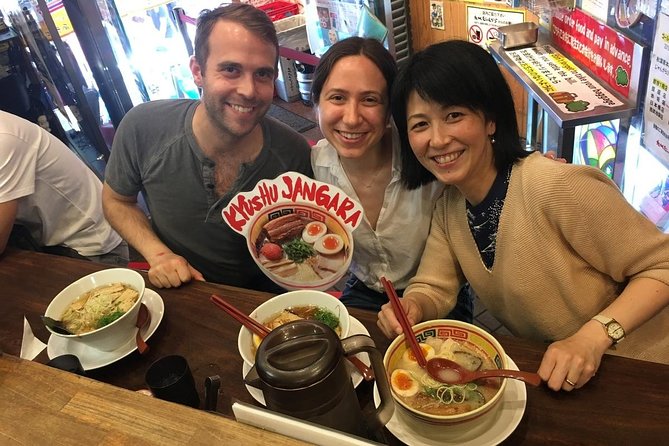
Shinjuku offers another version of modern Tokyo. The itinerary allows about an hour for a visit and photo stop. It is a useful choice if you want a major business and shopping district, though it can be too much of a repeat if you have already chosen Shibuya and Ginza.
Ginza also receives about an hour for photos, shopping, and a guided visit. It suits visitors who prefer polished department stores and upscale shopping to Harajuku’s younger style. It may be less rewarding if your priority is temples, local food, or gardens.
The Tokyo National Museum is the best fit for a museum-focused day. You receive a guided visit of about an hour, but you should remember that one hour only gives you an introduction. If you have a strong interest in Japanese art and history, the museum could easily become the main purpose of the tour rather than one quick stop among five.
Odaiba gives you another change of scene. The tour lists it as a possible one-hour visit. Since the experience relies on public transportation, ask your guide to consider travel time before adding destinations that sit far apart.
What Your Guide Adds to the Experience
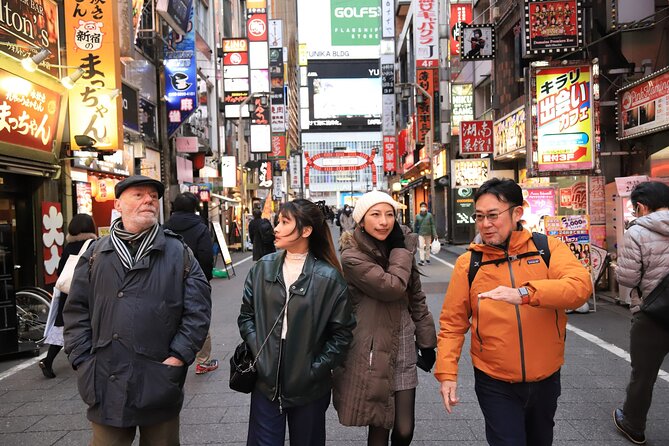
The guide is the reason to book this instead of simply downloading a map. The most useful help is often practical: finding the right train, reading the route, watching children in crowded areas, adjusting the order of stops, and keeping the day moving.
Guides have worked with groups that included two young boys, four small children, teenagers, and mixed-age families. They have changed the route when children lost interest, slowed down for tired groups, and used small activities such as origami to keep kids engaged during a subway ride.
Food is another strength. If you care about eating well, say so before the tour begins. One guide built a food-focused route around Ueno, and another helped a vegetarian group find ramen. The information does not promise a food tasting or a meal, so you pay for lunch separately and should make your preferences clear.
English ability is listed as part of the experience. The guide names associated with especially warm and useful days include Yoko, Tak, Yeonmi, Yuriko, Aki, Nino, Sachimi, Hiro, and Mami. You cannot assume a specific person will lead your tour, but these examples show the sort of personal, flexible guidance the experience aims to provide.
The Real Cost at $141 Per Person
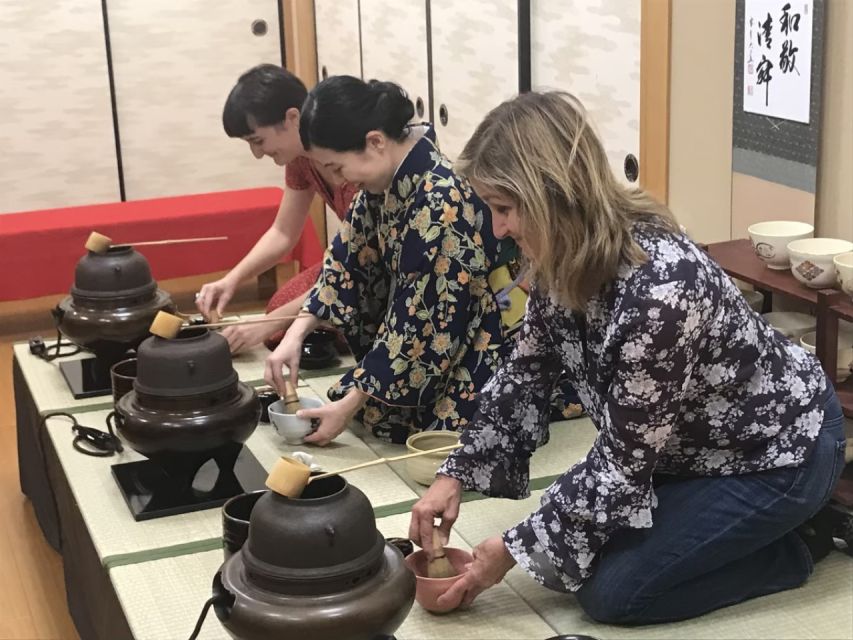
At $141 per person, this is not a bargain metro ride. You are paying for a private guide, hotel pickup and drop-off within central Tokyo, and the ability to shape the day around your group.
The value improves when you are traveling with several people. A family can avoid wasting time on wrong train exits, missed connections, and arguments over what to visit next. A first-time visitor who has only one day in Tokyo may also get more from a guided route than from spending half the day figuring out the city.
Remember the extra expenses. You pay transportation for yourself and the guide, lunch for both of you, entrance fees for both of you, and personal purchases. Ask your guide how much public transportation and admission costs may affect your budget before settling on several ticketed stops.
The private setup is also useful for groups with different needs. You can slow down, skip a shop, change a food choice, or replace a destination. A fixed group tour may cost less, but it cannot offer the same control.
Who Should Book This Tokyo Tour
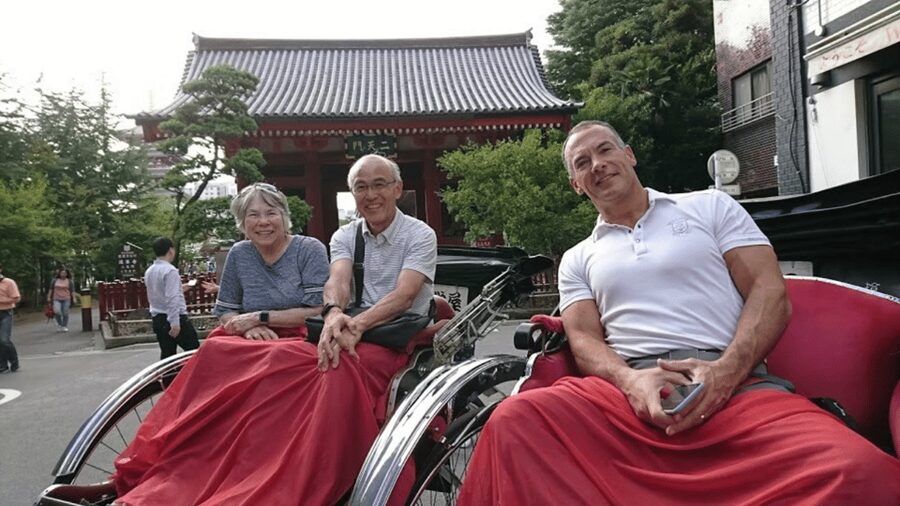
I would recommend this experience to first-time Tokyo visitors who want an efficient introduction without spending their first day lost in stations. It is also a strong fit for families, especially those with children who need frequent changes of pace.
It suits you if you want to combine famous landmarks with local streets and practical city lessons. Food-focused visitors, shoppers, temple lovers, and people interested in gardens can all request a different day.
You should think twice if you dislike walking, want a slow visit to one museum, or need a wheelchair-accessible route. The activity is not suitable for wheelchair users, and the public transportation format involves regular movement through stations and busy streets.
It is also less useful for repeat Tokyo visitors who already know the metro and have a fixed list of places. In that case, a specialist food, museum, or neighborhood tour may give you more depth.
Practical Tips for a Better Day
Wear comfortable shoes. This is not a suggestion to ignore. You walk between sights, through markets, around temple grounds, and inside large stations.
Send your interests before the day if possible. Mention food restrictions, children’s ages, shopping goals, interest in temples, preferred walking pace, and places you have already seen. The more your guide knows, the less time you spend negotiating the plan after pickup.
Do not book Tsukiji as your main reason for going without checking its opening days. If it is closed, the replacement may be the Imperial Palace or Hama-rikyu Gardens, so keep an open mind.
Carry money for transit, lunch, entrance fees, and personal expenses. The guide can help with the route, but those costs remain outside the $141 price.
The tour runs rain or shine. Tokyo can still be enjoyable in wet weather, but bring suitable rain gear and expect the walking portions to feel slower.
Cancellation is free up to eight days in advance for a full refund. Hotel pickup is limited to hotels within Tokyo’s 23 wards. Hotels in Chiba, including Maihama, hotels in Kanagawa such as Yokohama, airports, and ports are not covered for pickup. If you stay outside central Tokyo, you need to reach the assigned meeting point.
Should You Book It?
Book this private Tokyo tour if you want a flexible first day that teaches you how the city works while taking you to major sights. The strongest reasons are the personal route planning, hands-on metro help, and guides who have proved especially good with families and changing energy levels.
Choose the six-hour option for the best balance of coverage and comfort. Pick four hours for one or two clear priorities, and eight hours only if your group is ready for a long day on foot.
The price makes sense when time matters, you are traveling as a private group, or Tokyo’s transport system feels intimidating. It makes less sense if you want a low-cost sightseeing day or prefer to explore one neighborhood slowly. For many first visits, though, this is a practical way to get your bearings fast and leave Tokyo with the confidence to continue on your own.
FAQ
How long does the private Tokyo tour last?
You can book a tour lasting 4, 6, or 8 hours. A four-hour tour generally covers 2 to 3 spots, six hours covers 3 to 4 spots, and eight hours covers 4 to 5 spots.
Which sights can I visit?
Possible stops include Senso-ji Temple, Asakusa, Meiji Shrine, Takeshita Street, Tsukiji Outer Market, Shibuya, Shinjuku, Ginza, Tokyo Skytree Town, the Tokyo National Museum, Odaiba, and Hama-rikyu Gardens.
Is hotel pickup included?
Hotel pickup and drop-off are included for hotels within Tokyo’s 23 wards. Pickup is not available from hotels in Chiba, Kanagawa, airports, or ports. If you stay outside Tokyo, you need to go to the assigned meeting point.
Are transportation and entrance fees included?
No. You pay public transportation costs for yourself and your guide, along with lunch, entrance fees, and personal expenses.
What happens if Tsukiji Outer Market is closed?
The tour visits either the Imperial Palace or Hama-rikyu Gardens instead. Tsukiji is generally closed on Wednesdays and Sundays, but you should check its official opening information.
Is the tour suitable for wheelchair users?
No. The activity is not suitable for wheelchair users. It uses public transportation and includes walking, so comfortable shoes are recommended.
New on our Tokyo list
- From Tokyo: Mount Fuji & Hakone Full Day Private Tour★ 4.9 · 25 reviews
- Tokyo Spectacular View Day-Cruise in 90 Minutes★ 5.0 · 25 reviews
- Real Tokyo Runner Club : Daikoku Car Meet Night Tour with JDM Car★ 5.0 · 25 reviews
- 2.5 Hour-Guided Cycle Tour in the Central Tokyo★ 5.0 · 25 reviews
- Ramen Making from Scratch +Akihabara Tour –Cooking Class★ 5.0 · 25 reviews
- [Self-Drive] Tokyo & Daikoku Custom Car Driving Tour★ 4.9 · 25 reviews
- Tokyo: 2-Hour Night Bike Tour of the City’s Hidden Gems★ 4.9 · 25 reviews
- Samurai themed Entertainment show in Shinjuku★ 4.5 · 25 reviews
Day Trips from Tokyo, compared.
Mt Fuji and Hakone 1-Day Bus Tour Return by Bullet Train
Read our review →
Mt Fuji & Hakone Cruise, Drum Show Bullet Train 1 Day from Tokyo
Read our review →

Mt. Fuji 5th Station & Hakone Cruise 1-Day Bus Tour
Read our review →
Tokyo Customized Private Tour (Must See Places in 1 Day)
Read our review →
Kamakura & Enoshima Day Trip including Temple Tickets
Read our review →Browse the lists this tour appears in