
Reviewed · TEMPLE & SHRINE TOURS
Tokyo: Zen Meditation at a Private Temple with a Monk
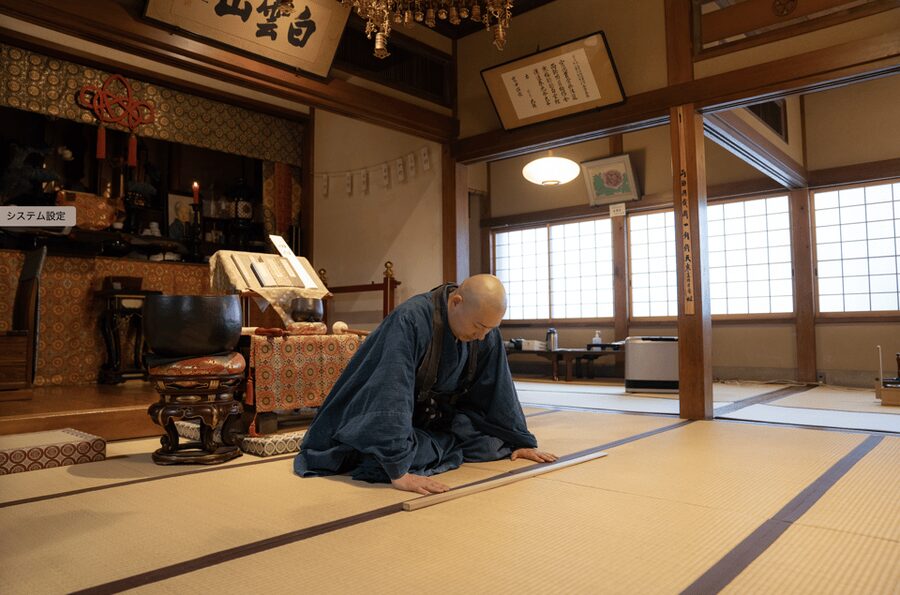
The most striking part of this Tokyo experience is the setting: you enter a private temple in Asakusa that is not open to the general public. Inside, a monk explains Zazen, or seated Zen meditation, then guides you through quiet practice before sitting down for tea and conversation.
I like the warm human side of this visit, especially the chance to ask Namiki-san about Zen and temple life. I also like the useful extras: calligraphy, chanting, matcha, and sweets turn a short meditation lesson into a fuller look at Japanese culture. The main consideration is that the meditation itself may be brief, often two sessions of about 10 minutes, so serious practitioners may want more sitting time.
In This Review
- Key points to know before you book
- Entering a 400-year-old temple in Asakusa
- What the guide and monk add
- Learning Zazen without pressure
- Calligraphy turns focus into a hands-on activity
- Matcha, sweets, and a relaxed question session
- How the 90 minutes feel
- Is $55 a fair price?
- Who will enjoy this most
- Practical details worth knowing
- Should you book this Asakusa Zen experience?
- FAQ
- How long does the Zen meditation experience last?
- Where is the meeting point?
- Is the experience conducted in English?
- Who leads the meditation?
- Is transportation included?
- Can I cancel or pay later?
Key points to know before you book
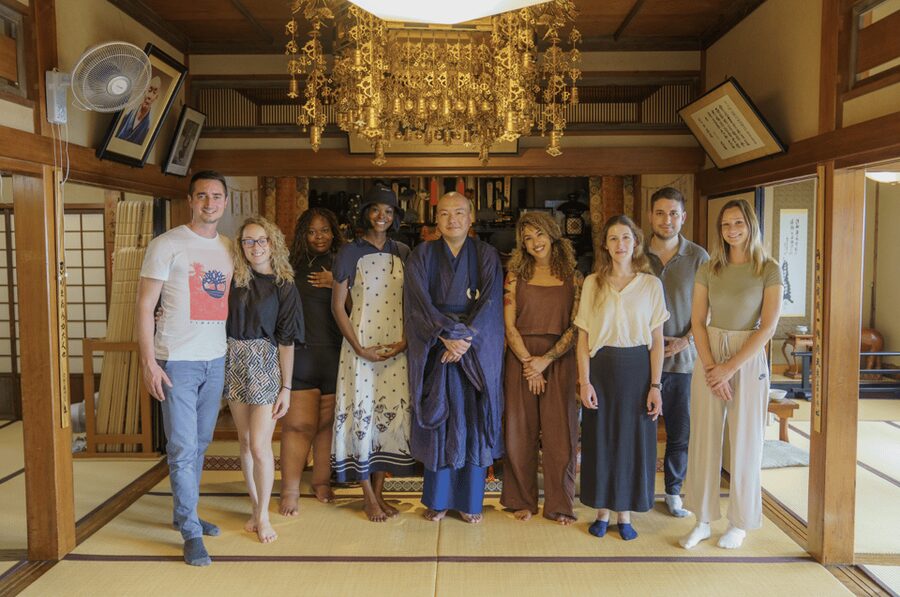
- A private Asakusa temple: Enter a 400-year-old temple space not normally open to the general public.
- A monk leads the practice: Namiki-san explains Zen ideas and demonstrates how to sit, breathe, and focus.
- Two short meditation sessions: The format is friendly to beginners, though not designed as a long retreat.
- More than meditation: Calligraphy, chanting, matcha, traditional sweets, and a question session may all be included.
- English support matters: Guides such as Tamami, Kazu, and Shota translate and explain the monk’s words.
- Easy central meeting point: Meet near Family Mart, about two minutes from Tawaramachi Station on the Ginza Line.
Entering a 400-year-old temple in Asakusa
Asakusa is best known for Senso-ji, Nakamise shopping street, and the steady flow of people around Kaminarimon Gate. This activity gives you a different view of the district. Instead of joining the crowds at a major sightseeing site, you meet near Tawaramachi Station and enter a smaller temple with a long family connection to Buddhist practice.
The meeting point is in front of a Family Mart in the Asakusa area, about a two-minute walk from Tawaramachi Station. There are two Family Mart branches nearby, so check the exact location carefully. The guide contacts you through WhatsApp, and downloading it before the appointment is part of making the meeting run smoothly.
Once inside, the change in mood is quick. The temple is quiet, intimate, and suited to sitting still. Visitors describe the scent, tatami, and calm interior as important parts of the visit. You are not simply hearing a lecture in a modern classroom. You are learning in a working religious space connected to three generations of monks.
That setting gives the session its value. Zen can sound abstract when explained through a book or museum display. Sitting in the temple, hearing the monk speak, and trying the posture yourself makes the subject more direct.
More temples and shrines near Tokyo:
- Tokyo: Meiji Shrine, Asakusa, Skytree Bus Tour and Cruise
★ 4.7 · 1,986 reviews - Tokyo: Asakusa Walking Tour with Sensoji Temple Visit
★ 4.8 · 1,583 reviews - Nikko: Kegon Falls, Lake Chuzenji & Toshogu Temple
★ 4.6 · 1,577 reviews
What the guide and monk add
The monk, Namiki-san, leads the Zen portion and answers questions later. His teaching is presented in English through the guide, so the quality of the translation matters. Guides named in the feedback include Tamami Shigenobu, Kazu, and Shota. Tamami is especially noted for clear English and for translating Namiki-san’s explanations smoothly.
The guide does more than point you toward the temple. You receive a short introduction to Japanese culture and Zen, help with the meditation instructions, and translation during the conversation. Guides have also taken photographs for participants, which is handy because the setting is attractive and you may want a record of the visit.
The atmosphere appears friendly rather than severe. Namiki-san is described as patient, open to questions, and sometimes funny. That matters if you feel unsure about visiting a Buddhist temple or worry that you will not know the correct behavior. The session has a respectful tone, but it is not presented as a test of religious devotion.
You do not need to arrive as a Buddhist or an experienced meditator. The format suits a first attempt, and the guide helps explain what is happening. If you already meditate, you may appreciate the chance to compare this method with your own practice, but you should not expect an advanced retreat.
Learning Zazen without pressure
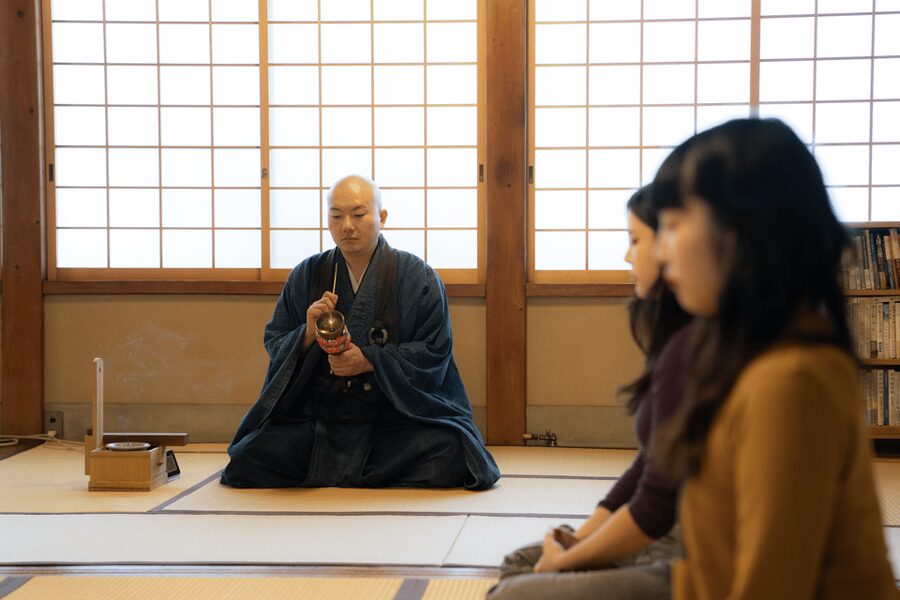
Zazen means seated meditation, and it is central to Zen Buddhism. The monk explains the basic principles and techniques before you practice. You learn how to sit, breathe rhythmically, and bring your attention back instead of chasing every thought.
The aim is not to force your mind to become blank. It is closer to noticing distractions and returning to the present. The teaching also touches on the Zen idea of confronting yourself and letting go of ego and everyday concerns. Those ideas can sound grand, but the practice itself is simple: sit, breathe, notice, and begin again.
The meditation sessions are short. Several accounts describe two sessions of roughly 10 minutes each, while another account describes about 25 minutes of silent meditation overall. The exact balance can vary, but you should plan for guided practice rather than an hour of silence.
That short length is a strength for many people. Tokyo can be noisy and tiring, and a pair of brief sessions gives you a real pause without asking too much from a beginner. You can learn the posture, settle your breathing, and experience how the room changes when nobody is speaking.
It is also the main limitation. If you already have a strong meditation routine, you may wish for longer periods and more detailed instruction about mental calm. This activity is best understood as an introduction and cultural meeting, not a full course in Zen.
One memorable detail is the meditation stick. It may be used during the sitting practice, and one participant specifically recommends asking the monk about it. Ask respectfully if you are curious, since the monk can explain its purpose and whether it is appropriate for your session.
Calligraphy turns focus into a hands-on activity
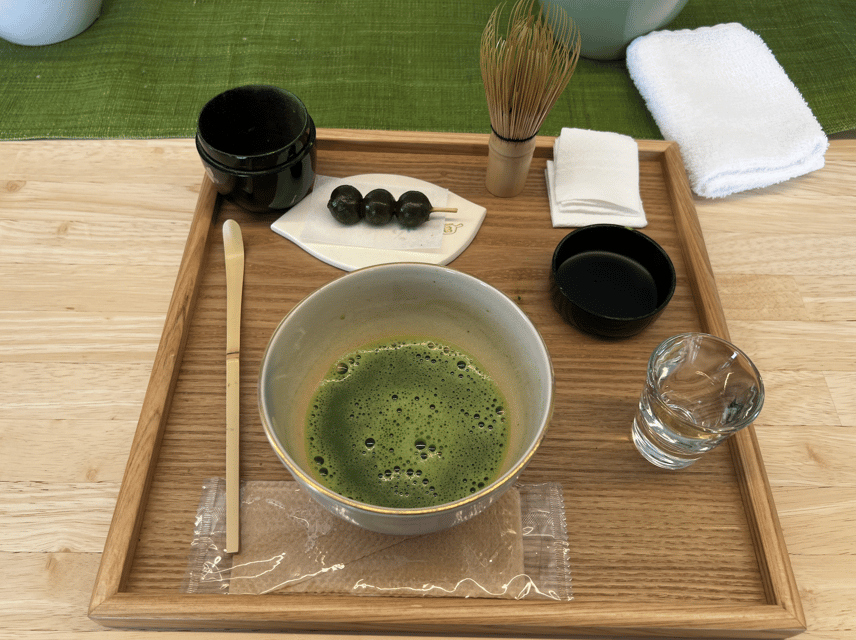
The calligraphy portion is one of the most welcome additions. You may copy or create a calligraphic design while the monk chants, turning the act of writing into another exercise in patience and attention.
This is not presented as a formal calligraphy class with a long technical lesson. Instead, it gives you a quiet task after meditation. You hold the brush, watch the movement of the ink, and focus on making each mark. That simple action connects well with the earlier message about giving your full attention to one activity.
Some participants have kept their calligraphy afterward and displayed it at home. That makes it more useful than a quick photo opportunity. You leave with something made during the session, along with a memory tied to the temple and the monk’s chanting.
The calligraphy may also help people who find silent meditation difficult. If your mind keeps racing, a brush and sheet of paper give you a physical point of focus. It is still a calm activity, but you are doing something with your hands.
A few more Tokyo bookings worth comparing
- Mt Fuji and Hakone 1-Day Bus Tour Return by Bullet Train
★ 5.0 · 26,383 reviews - 1-Day Tokyo Bus Tour
★ 5.0 · 14,250 reviews - Tokyo: TOKYO SKYTREE® Admission ticket
★ 4.5 · 11,192 reviews - Tokyo: teamLab Planets TOKYO Digital Art Museum Entry Ticket
★ 4.6 · 9,779 reviews
Matcha, sweets, and a relaxed question session
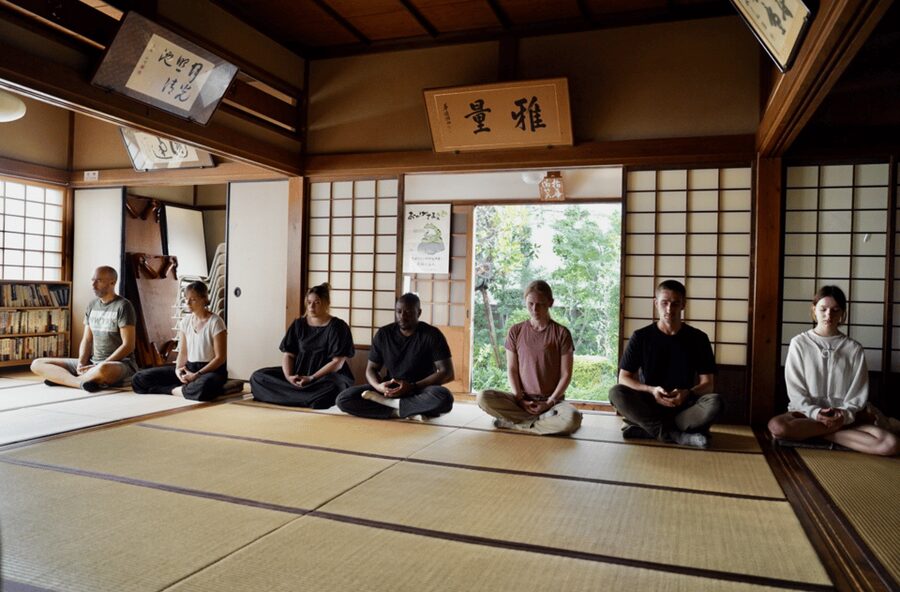
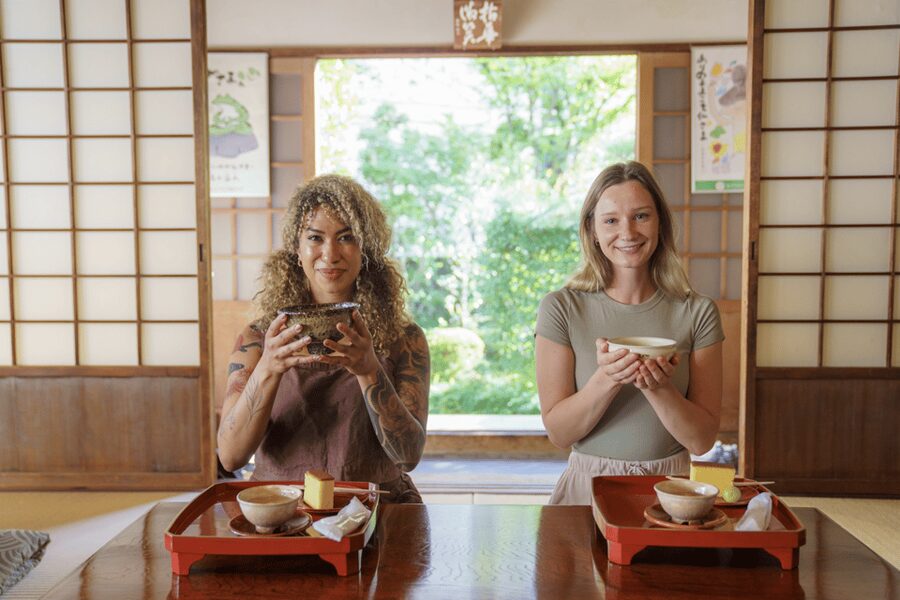
The visit ends with matcha tea and traditional sweets, followed by a free conversation with the monk. This is not a restaurant-style tea tasting or a long formal tea ceremony. It is a simple closing ritual that lets you slow down and talk after the meditation.
The tea adds cultural context. You are not only learning what Zen meditation is supposed to do. You are also seeing how a quiet, deliberate activity can shape a social meeting. The sweets provide a pleasant contrast to the serious tone of the meditation and help make the session feel welcoming.
The question period is often the part I would value most. You can ask about Zen, the temple, Buddhist practice, life as a monk, and aspects of Japanese culture. Namiki-san’s willingness to answer personal questions gives the activity more depth than a scripted demonstration.
Guides help translate the exchange, so you are not left guessing at the meaning of the monk’s responses. If you have a particular question, think of it before you arrive. You may want to ask about maintaining a daily practice, dealing with stress, or how Zen ideas fit into ordinary life.
The practical advice associated with the discussion is down to earth: pay attention to small tasks, keep your surroundings tidy, avoid comparing yourself with others, stay in the present, and examine the roots of anger. You do not need to accept every idea as a religious teaching for it to be useful during a busy trip.
Photographs are allowed, including pictures inside the temple and with the monk. Be considerate during meditation and ask before photographing people closely. The guide can also help take pictures, which means you do not have to choose between joining the activity and documenting it.
How the 90 minutes feel
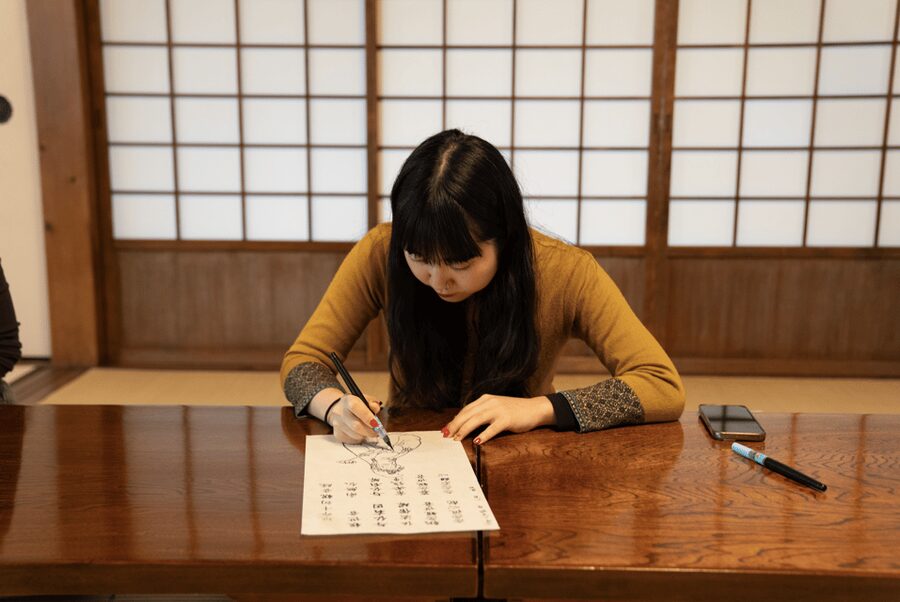
The advertised duration is 90 minutes, and that is a sensible length for a Tokyo sightseeing day. You receive enough time to move through several activities without giving up half a day.
A typical flow looks like this:
- Meet the English-speaking guide near Tawaramachi Station.
- Walk to the private temple and receive a short introduction to Zen and Japanese culture.
- Listen to Namiki-san explain Zazen and practice seated meditation.
- Try calligraphy, sometimes with chanting.
- Share matcha and sweets.
- Ask the monk questions and take photographs.
The exact timing may shift. One account describes about 25 minutes of meditation and 15 minutes of calligraphy, while several describe two 10-minute meditation sessions. Treat those figures as a guide, not a promise of a fixed minute-by-minute schedule.
The session works well in the morning. It gives you a quiet start before visiting Senso-ji, shopping in Asakusa, or crossing the river toward Tokyo Skytree. You can also place it later in the day when you need a break from city noise, though the calm atmosphere may be especially useful before a full day of sightseeing.
There is no transportation included, so you make your own way to the meeting point. Tawaramachi Station on the Ginza Line is the key landmark. Allow time to identify the correct Family Mart, since the two nearby branches create an easy source of confusion.
Is $55 a fair price?
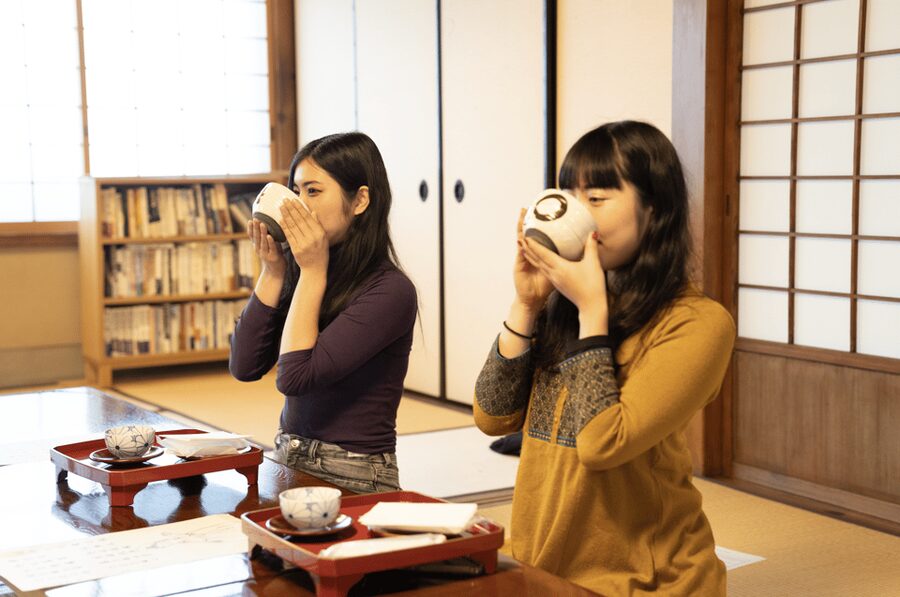
At $55 per person, this costs more than a simple temple visit, but you are paying for access, instruction, translation, and a small group-style cultural program. Entry to the private temple, the guide, the monk’s explanation, the meditation, matcha, and the other activities are included.
The price makes the most sense if you want personal contact and context. You could visit many Tokyo temples for free or for a small admission fee, but you would not normally receive a monk’s explanation in English, guided Zazen practice, calligraphy, tea, and open questions in the same visit.
The value depends on your interest. If you only want to see temple architecture, spend the money elsewhere. If you want a calm cultural activity that combines practice and conversation, the fee is reasonable, especially because it uses a private setting rather than a standard sightseeing stop.
The 90-minute format also keeps the cost easier to justify. You are not committing to a long retreat, and the activity fits neatly between other Asakusa plans. Reserve now and pay later is available, and cancellation is free up to 24 hours before the activity for a full refund, according to the stated terms.
Who will enjoy this most
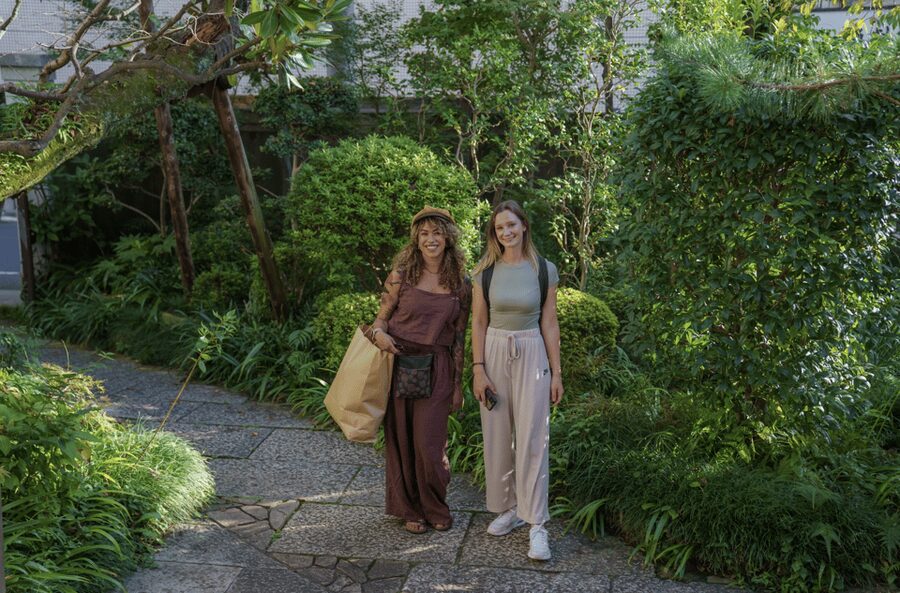
I would recommend this to first-time meditators, people curious about Zen Buddhism, and anyone seeking a slower experience in Tokyo. It works particularly well for solo visitors and couples who want something more personal than a large group tour.
Families may also find the mix of activities easier than a long silent session, though the supplied information does not specify a minimum age or child policy. Ask before booking if you are planning to bring young children.
You will get the most from the visit if you arrive with an open mind and a few questions. You do not need to be religious, but you should be comfortable entering a Buddhist temple, sitting quietly, and treating the space with care.
This may not suit you if you want an extended meditation retreat, detailed training in advanced Zen practice, or complete silence throughout. The program is social and educational, with translation, calligraphy, tea, photographs, and discussion forming a large part of the time.
Practical details worth knowing
The activity is conducted in English with a live guide. WhatsApp is used for contact before the tour, so download it in advance and watch for the guide’s message.
Transportation is not included. Meet in front of the correct Family Mart in Asakusa, near Tawaramachi Station on the Ginza Line. The separate entrance helps you avoid a standard public queue, but it does not mean you can simply walk into the temple without meeting the guide.
Wear clothing that allows you to sit comfortably. The session takes place on tatami mats, and seated meditation may feel different from using a chair. The information provided does not specify a dress code, but respectful, comfortable clothing is a sensible choice.
The experience has a perfect five-star rating from 510 reviews, with repeated praise for the calm temple, friendly monk, clear translation, and thoughtful combination of activities. I would place the greatest weight on the consistency of those practical details: the guide matters, the monk welcomes questions, and the program offers more than the advertised meditation alone.
Should you book this Asakusa Zen experience?
Book it if you want a quiet, personal break from Tokyo and a direct introduction to Zen practice. The private temple, Namiki-san’s conversation, and the combination of meditation, calligraphy, matcha, and sweets make it a fuller experience than a short meditation class.
Go in knowing that the sitting time is limited. You are sampling Zazen and meeting a monk, not attending a long retreat. For most first-time visitors, that is the right balance: enough silence to feel the change, enough explanation to understand it, and enough conversation to connect the practice with daily life.
FAQ
How long does the Zen meditation experience last?
The stated duration is 90 minutes. The schedule includes an introduction, Zazen instruction and practice, calligraphy, matcha tea, and a discussion with the monk.
Where is the meeting point?
Meet in front of Family Mart in the Asakusa area, about a two-minute walk from Tawaramachi Station on the Ginza Line. There are two Family Mart branches nearby, so confirm the correct one before arriving.
Is the experience conducted in English?
Yes. The activity includes a live English-speaking guide. The guide translates the monk’s explanations and helps with questions.
Who leads the meditation?
The resident monk, Namiki-san, explains and leads the Zazen practice. The guide supports the session with English translation.
Is transportation included?
No. You are responsible for getting to the meeting point in Asakusa.
Can I cancel or pay later?
You can cancel up to 24 hours before the activity for a full refund. Reserve now and pay later is also available.
New on our Tokyo list
- From Tokyo: Mount Fuji & Hakone Full Day Private Tour★ 4.9 · 25 reviews
- Tokyo Spectacular View Day-Cruise in 90 Minutes★ 5.0 · 25 reviews
- Real Tokyo Runner Club : Daikoku Car Meet Night Tour with JDM Car★ 5.0 · 25 reviews
- 2.5 Hour-Guided Cycle Tour in the Central Tokyo★ 5.0 · 25 reviews
- Ramen Making from Scratch +Akihabara Tour –Cooking Class★ 5.0 · 25 reviews
- [Self-Drive] Tokyo & Daikoku Custom Car Driving Tour★ 4.9 · 25 reviews
- Tokyo: 2-Hour Night Bike Tour of the City’s Hidden Gems★ 4.9 · 25 reviews
- Samurai themed Entertainment show in Shinjuku★ 4.5 · 25 reviews
Temple & Shrine Tours, compared.
Meiji Shrine, Asakusa, Skytree Bus Tour and Cruise
Read our review →
Asakusa Walking Tour with Sensoji Temple Visit
Read our review →
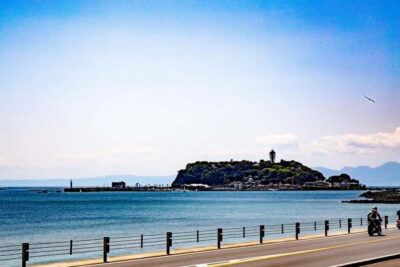
Kamakura & Enoshima Day Trip including Temple Tickets
Read our review →
Nikko Toshogu Shrine and Kegon Waterfall Tour
Read our review →
Tokyo Panoramic 1 Day: Meiji Shrine, Asakusa, Odaiba and SKYTREE®
Read our review →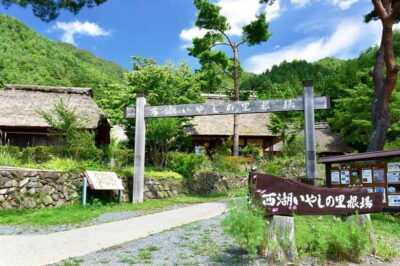
Mt. Fuji Heritage Tour: Traditional Villages, Lakes & Shrine
Read our review →
Samurai Entertainment Night Show in Kanda Shrine
Read our review →Browse the lists this tour appears in