
Reviewed · MUSEUMS
Tokyo National Museum Private Tour
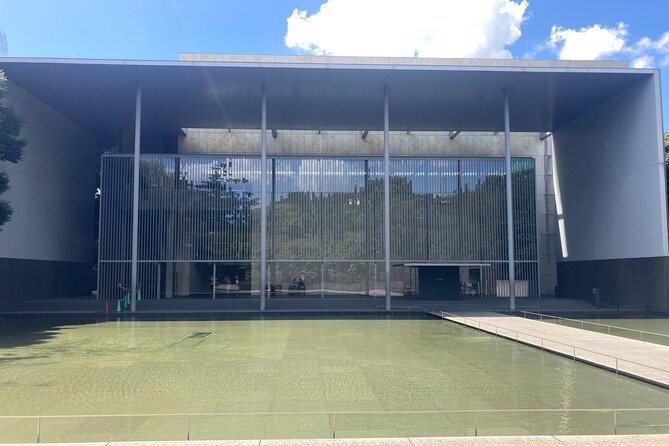
Tokyo National Museum is too large for a casual glance. In about two hours, this private visit helps you focus on major works, lesser-known objects, and the ideas that connect Japanese art with the country’s past. Included admission also removes one small task at a busy sight.
I like the private format, since you can ask questions and shape the visit around your interests. I also like the chance to see works you might otherwise pass without noticing, especially when a guide points out why an object matters. The main concern is guide quality: some guides, including Amy, have received warm praise for clear and thoughtful explanations, while Aki Miyato was described as pleasant but less prepared in Japanese art, and another guide’s basic English limited the discussion.
In This Review
- Key points to know before booking
- Why Tokyo National Museum deserves a planned visit
- Meeting at Ueno Park for a two-hour tour
- Choosing highlights from more than 3,000 displayed works
- What the guide can add to famous and lesser-known pieces
- Is $103.87 per person a fair price?
- Who will get the most from this experience?
- Practical details that affect your decision
- How to make the most of your guide
- Should you book the Tokyo National Museum private tour?
- FAQ
- Where does the Tokyo National Museum private tour begin?
- Where does the activity end?
- How long does the tour last?
- Is admission to Tokyo National Museum included?
- Is this a private tour?
- How many works are displayed at the museum?
- Can I cancel for a full refund?
Key points to know before booking
- More than 3,000 works are on display, so a guide can help you choose instead of wandering without a plan.
- The two-hour visit covers one vast museum complex, making this a focused introduction rather than a complete museum tour.
- Your entrance ticket is included, and the meeting point is at 13-13 Uenokōen in Taito City.
- The tour is private, so only your group takes part and questions can be tailored to your interests.
- Guide quality can vary, with especially strong feedback for Amy and less favorable comments about limited art knowledge or English from other guides.
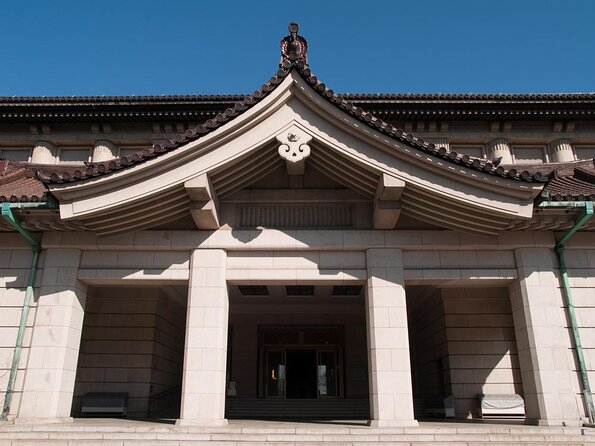
- The museum dates to 1872 and holds nearly 100 national treasures, offering a broad view of Japanese art from ancient times to the modern era.
Why Tokyo National Museum deserves a planned visit
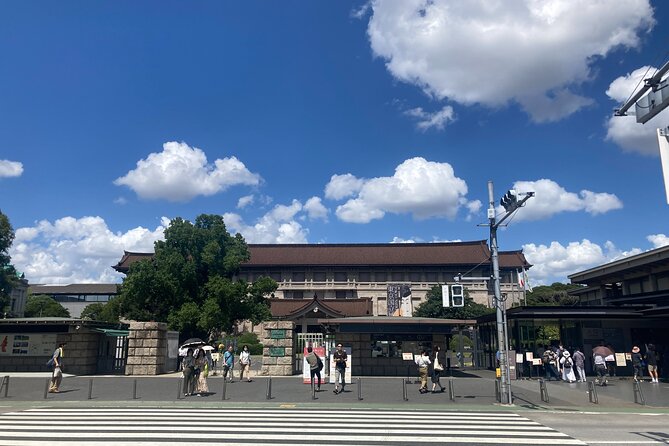
Tokyo National Museum is Japan’s oldest museum, founded in 1872. Its collection includes about 120,000 works, with nearly 100 designated national treasures. Since roughly 3,000 pieces are displayed at any one time, you are seeing only a small selection of what the museum owns.
That scale is both the attraction and the problem. You can spend hours moving from one case to the next and still leave unsure what you actually saw. A private guide gives the visit a clear shape. Instead of treating every object as equally important, the guide can explain which works deserve your time and how they fit into Japanese art and culture.
I see this tour as an introduction, not a complete museum study. Two hours is enough to see important highlights and ask questions, but not enough to cover every building, period, and artistic tradition in detail. If you already know the museum well, you may prefer to explore alone. If this is your first visit, the structure can save you from museum fatigue.
The museum’s range is another reason the tour can work well. Its works span ancient times through the modern era, so you can gain a broad sense of how Japanese art changed over centuries. The exact objects shown will depend on the current displays and your guide’s choices, but the collection gives the visit far more depth than a quick stop at a small gallery.
More museums worth an hour:
- Tokyo: teamLab Planets TOKYO Digital Art Museum Entry Ticket
★ 4.6 · 9,779 reviews - Tokyo: Samurai Ninja Museum Guided tour and Experience
★ 4.6 · 1,010 reviews - Ninja Experience (Family Friendly) at Samurai Ninja Museum TOKYO
★ 5.0 · 441 reviews
Meeting at Ueno Park for a two-hour tour
The meeting point is 13-13 Uenokōen, Taito City, Tokyo 110-0007. The museum is near public transportation, which makes it a practical stop in a Tokyo sightseeing day. You should allow enough time to reach the meeting point without rushing, since the tour begins and ends there.
The activity lasts about two hours. That is a useful length for a museum visit because you get a focused look without committing half a day to guided commentary. It also leaves room to continue exploring Ueno or move on to another part of Tokyo afterward.
Your entry ticket is included. That matters most when you want a simple start and do not want to handle admission separately. The experience is described as allowing you to skip the ticket lines, although you should still follow the guide’s instructions at the entrance.
Since this is a private activity, only your group participates. A couple can ask detailed questions without holding up strangers. A family can pause when children lose interest. Someone who studies art can ask for more technical discussion. This flexibility is the clearest reason to choose a private tour over a standard group visit.
Choosing highlights from more than 3,000 displayed works
The central service here is selection. Tokyo National Museum displays more than 3,000 works at a time, and most people cannot give every object the attention it deserves. Your guide is meant to point you toward important pieces while also showing you objects that might be easy to overlook.
That balance is useful. Famous masterpieces are an obvious part of any first visit, but a museum can become more interesting when you understand why a less famous object was made, who used it, or what it reveals about Japanese society. A good guide connects the object in front of you with a larger story rather than simply naming its date and material.
You should expect explanations about Japanese art, culture, and history. The tour is not only a walk through attractive objects. The goal is to understand why different works matter and how they relate to one another.
The private setting lets you speak up. Ask your guide to spend more time on a style, period, or kind of object that interests you. If one section feels less useful, you can say so and keep moving. This kind of adjustment is harder on a fixed group tour.
Still, the results depend heavily on the person leading you. One guide, Amy, earned especially strong praise for guiding a family that included a university screen-printing instructor. That detail suggests the tour can adapt well when a participant has a serious interest in technique or visual art. Another guide, Aki Miyato, was on time, polite, and pleasant but was described as lacking enough knowledge of Japanese art and history. A separate experience was held back by rudimentary English.
Those differences are important at a museum. A friendly manner helps, but it cannot replace accurate explanations. Before booking, you should decide how much you need from the guide. If you mainly want orientation and company, the service may be enough. If you want a specialist art lesson, guide assignment becomes a major factor.
What the guide can add to famous and lesser-known pieces
A museum label gives you basic facts. A guide can add meaning by explaining what to notice, what a particular detail represents, or how a work fits into a period of Japanese history. That is the promise of this experience, and it is where the best version of the tour earns its price.
I like the idea of having a personal interpreter for a collection this large. You can ask why a certain work is considered important, how it differs from another nearby piece, or what a technique tells you about the artist. You can also request recommendations for what to see after the guided portion ends.
The tour is particularly useful if you do not usually visit art museums. A guide can help you get your bearings fast and avoid the feeling that you are meant to understand everything immediately. You do not need a background in Japanese art to benefit from a clear explanation of what you are seeing.
At the same time, do not assume that every guide will offer the same depth. The overall rating is 4.7 from 14 reviews, which is strong, but the individual comments show a clear range. Some visitors had a fun, informative morning with a well-prepared guide. Others felt they learned little because of limited subject knowledge or English.
The provider has acknowledged that the guide’s distance from the artwork can affect how much explanation you receive. In a museum, guides sometimes need to step back so they do not interrupt other people’s viewing. That is understandable, but you should still feel free to ask the guide to explain a work once you are standing in a suitable spot.
A few more Tokyo bookings worth comparing
- Mt Fuji and Hakone 1-Day Bus Tour Return by Bullet Train
★ 5.0 · 26,383 reviews - 1-Day Tokyo Bus Tour
★ 5.0 · 14,250 reviews - Tokyo: TOKYO SKYTREE® Admission ticket
★ 4.5 · 11,192 reviews - Mt Fuji & Hakone Cruise, Drum Show Bullet Train 1 Day from Tokyo
★ 4.0 · 7,413 reviews
Is $103.87 per person a fair price?
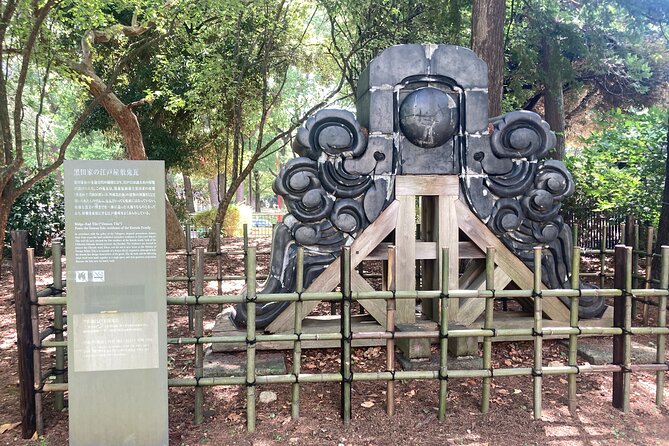
At $103.87 per person, this is not a bargain museum entry. You are paying for a private guide, included admission, and a planned two-hour experience. The value depends less on the ticket itself and more on how much useful interpretation your guide provides.
For a family or small group, the price may be easier to justify, especially if group discounts apply. A private guide can keep several people engaged and prevent everyone from drifting in different directions. It may also be good value for adults with different interests, since the guide can answer individual questions instead of giving a one-size-fits-all talk.
For a solo visitor, the cost deserves closer thought. You will pay the full per-person rate for a short visit, and the museum can also be explored independently. If you are comfortable reading labels and choosing your own route, an audio guide or self-guided visit may offer better value, particularly if your assigned guide’s English is limited.
The price makes the most sense for someone who values time and context. If you have only one chance to visit Tokyo National Museum, professional direction can help you see the collection with purpose. If you plan to return, you may prefer a first visit alone, followed by a focused guided visit only if you want deeper background.
Who will get the most from this experience?
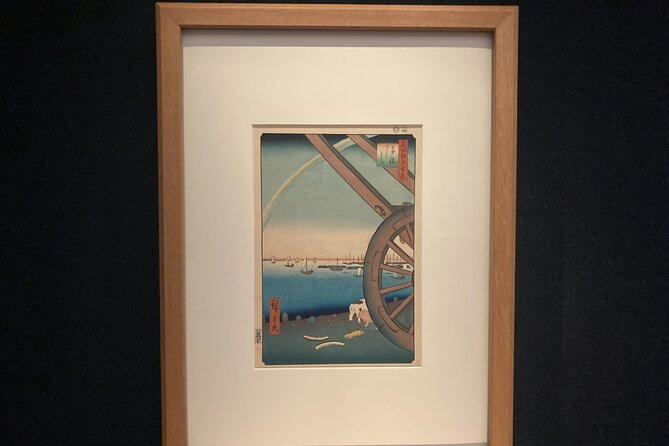
This tour suits first-time visitors who want a clear introduction to Japanese art without spending an entire day in the museum. It also fits families, couples, and small groups who want to move at their own pace.
Art students, museum fans, and people with a particular interest in Japanese culture may benefit when the guide is comfortable with detailed questions. Amy’s successful work with a printmaking teacher suggests that a guide can sometimes adjust the conversation to a participant’s specialist interests.
The tour is less suitable if you want guaranteed expert-level art history. The available feedback includes a real warning about uneven guide preparation and English ability. If precise scholarship is your main reason for booking, you should treat the private format as a convenience, not a promise of specialist credentials.
It may also be a poor match for anyone who dislikes guided museum visits. Two hours with a guide means less freedom to follow every personal interest. The private arrangement reduces that problem, but you still need to communicate what you want to see.
Practical details that affect your decision
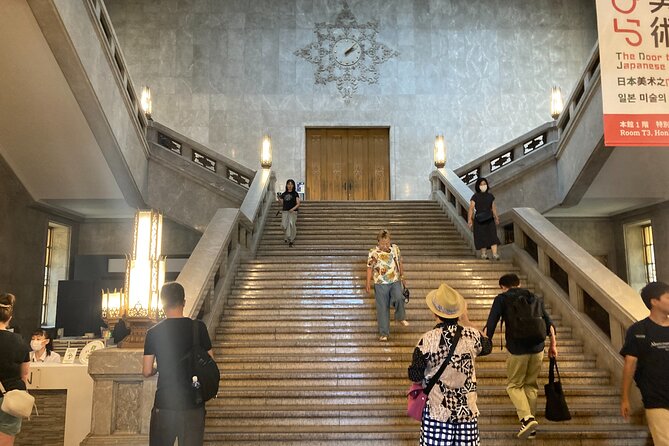
Confirmation is normally sent at booking. If you reserve within one day of the visit, confirmation arrives as soon as possible and remains subject to availability. That makes an earlier reservation sensible if your Tokyo schedule is tight.
Most people can participate, and the meeting point is near public transportation. The activity returns to the same meeting point at the end, so you do not need to arrange a separate pickup or find your way to another neighborhood afterward.
Free cancellation is available up to 24 hours before the local start time for a full refund. Changes or cancellations made less than 24 hours before the start are not accepted for a refund. Keep that deadline in mind when weather, health, or a changing Tokyo itinerary may affect your plans.
The museum visit takes place indoors, but you should still plan your energy. Looking closely at thousands of objects is tiring even when the route is well chosen. A two-hour appointment gives you a useful limit, and you can continue independently only if you still have the attention for it.
How to make the most of your guide
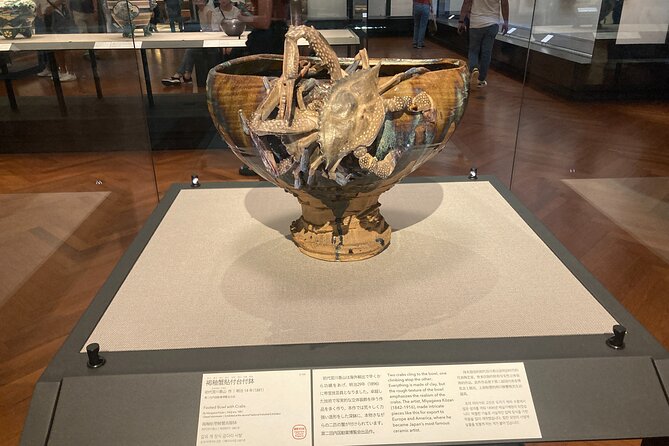
Go in with one or two questions. You might want to focus on painting, sculpture, decorative arts, religious objects, or the relationship between old and modern Japanese art. A specific interest gives the guide something practical to work with.
Tell the guide early if someone in your group has a strong art background. Amy’s ability to guide a participant who teaches screen printing suggests that clear communication about your interests can improve the visit.
Do not wait silently if an explanation is too brief. Ask for context, request a slower pace, or point to an object that catches your eye. Since the tour is private, you have more room to shape the conversation than you would on a large group outing.
If your guide’s English is difficult to follow, ask for simpler wording and repeat back the main point when needed. This may help, but it cannot fully solve a lack of subject knowledge. That is the main risk you should accept before paying the private-tour price.
Should you book the Tokyo National Museum private tour?
Book it if you want a short, organized introduction to one of Tokyo’s largest art collections, value personal questions, and are traveling with a small group. Included admission, a private setting, and help choosing from more than 3,000 displayed works make the visit easy to fit into a busy Tokyo plan.
Think twice if you expect a museum scholar or guaranteed fluent English. The strongest experience appears to come from a guide like Amy, who can respond to individual interests and explain art clearly. The weaker experience comes when the guide is friendly but cannot provide enough detail.
My practical advice is simple: choose this tour for structure and personal attention, not solely for the ticket. If you are comfortable exploring museums on your own, the $103.87 price may be hard to defend. If you want someone to turn a huge collection into a meaningful two-hour route, it can be a sensible choice, especially for a family or small group.
FAQ
Where does the Tokyo National Museum private tour begin?
The tour begins at 13-13 Uenokōen, Taito City, Tokyo 110-0007, Japan.
Where does the activity end?
The activity ends back at the meeting point.
How long does the tour last?
The visit lasts approximately two hours.
Is admission to Tokyo National Museum included?
Yes. The entrance ticket is included in the activity price.
Is this a private tour?
Yes. Only your group participates in the activity.
How many works are displayed at the museum?
More than 3,000 works are displayed at any given time. The museum owns about 120,000 works in total and nearly 100 national treasures.
Can I cancel for a full refund?
Yes. You can cancel at least 24 hours before the experience start time for a full refund. Cancellations or changes made less than 24 hours before the start are not accepted for a refund.
New on our Tokyo list
- Sumi-e Experience in a relaxing green tea shop in Tokyo★ 5.0 · 3 reviews
- Tokyo : Kamikaze Street Drift Ride★ 5.0 · 3 reviews
- Private Zen Meditation in English in Shinjuku, Tokyo★ 5.0 · 3 reviews
- Onsen Spa in Tokyo and Asakusa Bar Hopping with Local Guide★ 5.0 · 3 reviews
- Easy for everyone! Now you can play handmade mini shamisen and show off to everyone! Musical instruments, sweets and live music★ 5.0 · 3 reviews
- Tokyo: Private Tsukiji Street Food & Sake with Local Guide★ 5.0 · 3 reviews
- Mt Fuji Exploration Tour with Free Japanese Kusa Mochi from Tokyo★ 4.5 · 3 reviews
- Tokyo Tsukiji Fish Market Walking and Exploring Hidden Gems Tour★ 5.0 · 3 reviews
Museums, compared.

teamLab Planets TOKYO Digital Art Museum Entry Ticket
Read our review →
Samurai Ninja Museum Guided tour and Experience
Read our review →
Ninja Experience (Family Friendly) at Samurai Ninja Museum TOKYO
Read our review →
Tokyo Studio Ghibli Museum and Ghibli Film Appreciation Tour
Read our review →
Tokyo Sword Experience – includes Museum Ticket/Ninja Experience
Read our review →
Samurai Ninja Museum Asakusa: Samurai Sword Lesson & Tour
Read our review →
Samurai Sword Experience (Family Friendly)at SAMURAI MUSEUM TOKYO
Read our review →Browse the lists this tour appears in