Reviewed · HALF-DAY
Tokyo: Personalized Half-day Tour
Tokyo changes character every few blocks, and this private half-day tour lets you choose which version you want to meet. Guide Ian James Kerr can focus on temples, food, shopping, city life, or a blend of old and new, rather than sending you through a fixed group route.
I like the personal planning and the chance to ask questions as you go. I also like that the four-hour format can help a first-time visitor get oriented quickly. The main caution is distance: Tokyo sights can be far apart, and you may spend a good part of the tour on the subway or in a taxi, especially if walking is difficult.
In This Review
- Key points at a glance
- A private way to shape your Tokyo day
- Starting with your interests
- Asakusa and Senso-ji Temple
- Shibuya Crossing and modern Tokyo
- Meiji Shrine for a quieter change of pace
- Markets, cafes, and your own version of Tokyo
- Ian Kerr’s guiding style
- The transport and walking question
- Is four hours enough?
- What the $129 price buys you
- Who should book this half-day tour?
- Should you book it?
- FAQ
- How long does the Tokyo Personalized Half-day Tour last?
- What is the price of the tour?
- Is the tour private?
- Who is the guide?
- Which languages are available?
- Can I choose what I visit?
- Are transport costs included?
- Can I cancel for a refund?
- Do I have to pay when I book?
Key points at a glance
- Private four-hour format: You get a guide for your own group, with time shaped around your interests.
- Ian James Kerr as your guide: Ian leads in English or Japanese and is described as humorous, polite, flexible, and well informed about Tokyo.
- Classic sights are possible: Asakusa, Senso-ji Temple, Shibuya Crossing, and Meiji Shrine can all fit the conversation, though not necessarily all in one relaxed visit.
- Your interests drive the plan: Ask for culture, food, markets, themed cafes, shopping, or modern city life.
- Transport needs careful planning: Far-apart sights can require subway rides or taxis, reducing the time available for exploring on foot.
- Good booking flexibility: You can cancel up to 24 hours before the tour for a full refund and reserve without paying today.
A private way to shape your Tokyo day

The best thing about this experience is not a particular monument. It is the ability to tell your guide what kind of Tokyo you want, then adjust the four hours around that request.
That matters in a city where the most famous areas can feel very different from one another. You might want temple architecture and old streets in the morning, then neon, fashion, and crowds later. You might care more about food than landmarks. You might want a gentle introduction to the city before exploring on your own.
This is a private group experience, so you do not have to match the pace or interests of strangers. Ian can explain what you are seeing, answer questions as they arise, and alter the focus when something catches your attention.
The service is built around his time and local guidance. Other costs, such as transport, food, or special activities, may be added if you choose them. At $129 per person, the value depends heavily on group size. For one or two people, it is a sizeable spend for four hours. For a small private group, the cost becomes easier to justify because you are paying for direct attention and custom planning rather than a standard route.
A few more Tokyo bookings worth comparing
- Half-day Tokyo Afternoon Tour by Hato Bus
★ 4.0 · 269 reviews - Tokyo: A Half-Day Trip Bus Tour in the Morning
★ 4.6 · 236 reviews - Half-day Tokyo Morning Tour by Hato Bus
★ 4.0 · 220 reviews
Starting with your interests
Before the tour, you should be clear about what you want from Tokyo. The more specific you are, the more useful the personal format becomes.
You can ask for:
- Traditional culture and temples
- Food and culinary stops
- Markets
- Themed cafes
- Modern city districts
- Shopping and urban life
- A mixture of historic and contemporary Tokyo
Ian has been praised for adapting to personal preferences, so you should not feel tied to every example listed for the experience. Those examples are best treated as possible building blocks, not a promise that each one will be visited during your four hours.
If you are a first-time visitor, tell Ian which sights you already plan to see on your own. That gives him a chance to avoid repeating your plans. If you have been to Tokyo before, ask for areas or subjects you missed on an earlier visit.
The private setup also helps if your group has a clear theme. A culture-minded group may prefer more time around Asakusa and Meiji Shrine. A food-focused group may want a market or cafe stop. An urban explorer may choose Shibuya and other modern districts. The available details do not promise specific venues, so confirm the exact choices before the day.
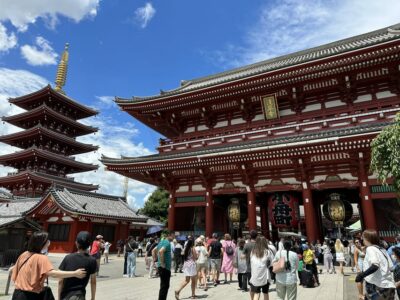
Asakusa and Senso-ji Temple
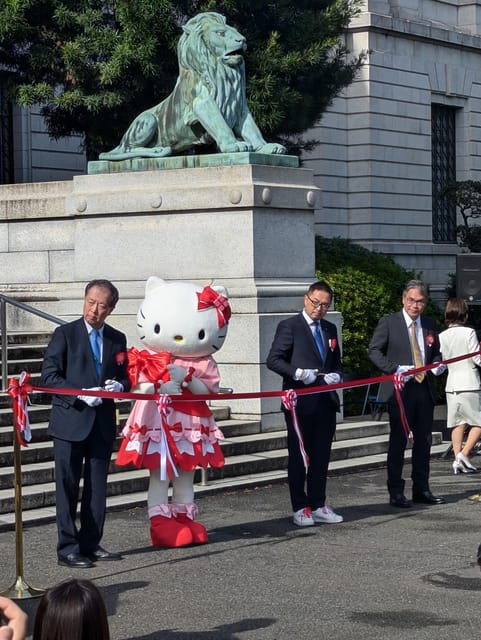
Asakusa is the natural choice if you want a sense of old Tokyo. Its streets around Senso-ji Temple offer a traditional setting, with temple grounds and rows of souvenir shops that lead toward one of the city’s best-known religious sites.
Senso-ji gives the tour a useful historical anchor. Ian can explain the temple and the surrounding district, helping you see more than a famous gate or photo stop. This is where a local guide can add real value, especially if you want cultural context rather than a quick look.
There is a tradeoff. Asakusa is popular, and the approach to Senso-ji can feel heavily aimed at sightseeing, with many souvenir stores. If your idea of a good tour is a quiet neighborhood with few visitors, tell Ian before you start. He may be able to give you a better balance, but the tour description does not promise an unusual or less visited route.
For many first-time visitors, Asakusa still earns its place. It shows a side of Tokyo that feels very different from Shibuya, and the contrast can make the rest of the day easier to understand.
Shibuya Crossing and modern Tokyo
Shibuya Crossing is the clearest symbol of contemporary Tokyo on this experience. The crossing itself is brief, but the surrounding district gives you a look at the city’s modern energy, large-scale shopping, bright signs, and dense pedestrian life.
I would choose Shibuya if you want an immediate feel for Tokyo as a current, fast-moving city. It is also a useful counterpoint to Asakusa. One stop gives you temple traditions and old streets. The other shows the city’s present-day style.
The limitation is time. Shibuya and Asakusa are not next door to each other, and combining distant districts means transport becomes part of the tour. If you spend too long moving between stops, you may have less time to walk, ask questions, or linger.
That is why I would not try to force every famous sight into four hours. Choose two main areas, or two areas plus one focused stop, and you will have a better chance of enjoying the guide’s explanations instead of watching the clock.
Same corner of Tokyo, a completely different plan:
- Mt Fuji and Hakone 1-Day Bus Tour Return by Bullet Train
★ 5.0 · 26,383 reviews - 1-Day Tokyo Bus Tour
★ 5.0 · 14,250 reviews - Tokyo: TOKYO SKYTREE® Admission ticket
★ 4.5 · 11,192 reviews - Tokyo: teamLab Planets TOKYO Digital Art Museum Entry Ticket
★ 4.6 · 9,779 reviews
Meiji Shrine for a quieter change of pace
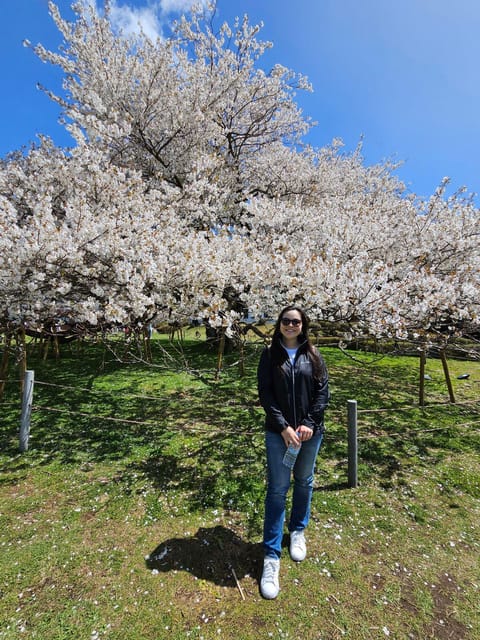
Meiji Shrine offers a calmer setting within central Tokyo. It is a useful choice if you want your tour to include a religious site and a break from busy commercial districts.
The shrine also helps show how Tokyo combines city life with places set aside for reflection. You can move from the intensity of Shibuya to a more peaceful environment without leaving the central city area.
This stop suits visitors who want culture but do not want a full museum visit. It also gives Ian room to explain customs, the purpose of the shrine, and the role such places play in daily life. The supplied details do not specify how long you spend there, so your interests and transport time will shape the visit.
If you prefer food, markets, or cafes, you may decide that Meiji Shrine is less important than another stop. That is one of the strengths of booking privately: you can say so. The key is to make that preference clear before the tour begins.
Markets, cafes, and your own version of Tokyo
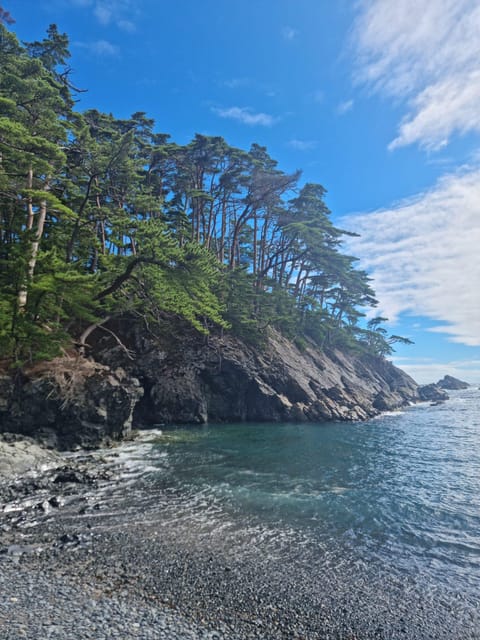
The experience can extend beyond the three major examples. Traditional markets and themed cafes are specifically offered as possible choices, which gives the tour a more personal feel than a simple famous-sights circuit.
A market can help you understand daily shopping and local food culture. A themed cafe offers a look at a different part of Tokyo’s social and commercial life. The exact market or cafe is not named, so ask Ian what fits your interests and location on the day.
This flexibility is most useful when you have a strong idea of what you want to learn. Instead of vaguely asking to see something local, you might request traditional snacks, market customs, Japanese design, or unusual cafe culture. Specific questions tend to produce a more satisfying plan.
At the same time, do not expect every possible category to fit into four hours. A temple, market, cafe, and two major districts would create a rushed schedule. A personalized tour gives you choice, not extra hours.
Ian Kerr’s guiding style
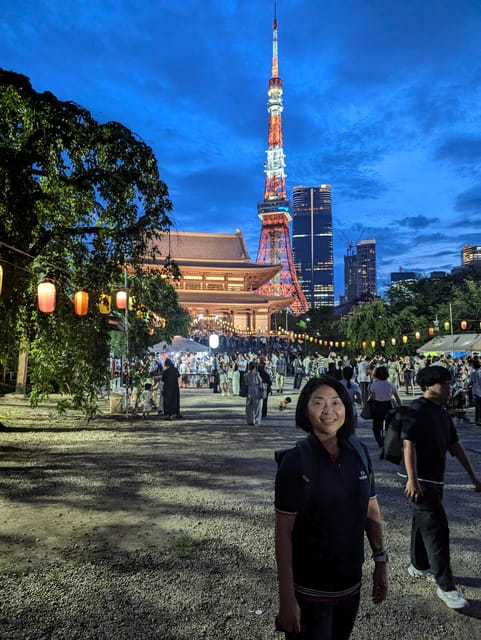
The guide can make or break a private experience, and Ian Kerr receives strong praise for being helpful, polite, funny, flexible, and well informed about Tokyo.
That combination matters. A guide who only recites facts can make a short tour feel stiff. A guide who only entertains may leave you without useful context. Ian’s described style suggests a balance of practical help, history, and humor.
One especially positive account describes him taking a visitor to places they had not seen before and offering valuable history lessons. That is the strongest case for booking this experience if you have limited time and want more than directions between landmarks.
Still, personal tours are not identical for every group. Your experience will depend on how clearly you communicate your interests and how well the chosen route suits your pace. Use the opening conversation to set expectations. Tell Ian what you want to see, what you want to skip, and how much walking feels comfortable.
The transport and walking question

Tokyo’s size is the practical issue to take most seriously. Asakusa, Shibuya, and Meiji Shrine are separate areas, so visiting several of them usually involves public transport or a taxi.
One group found that the time spent underground was frustrating because a member had trouble walking and the chosen places were far apart. This is a useful warning, not a minor detail. Four hours sounds generous until you include getting to stations, riding across the city, and walking through large stations.
If you use a cane or have limited mobility, discuss this before paying for the tour. One booking led to an unexpected rental car charge of 110,000 yen after the guest believed a guide with a vehicle had been arranged. The supplied details do not state that a private car is included, so you should confirm the transport plan, vehicle arrangements, and every extra cost in writing.
A private tour may still work well for you, but the route should be built around fewer areas and shorter transfers. Do not assume that private means door-to-door driving.
Is four hours enough?
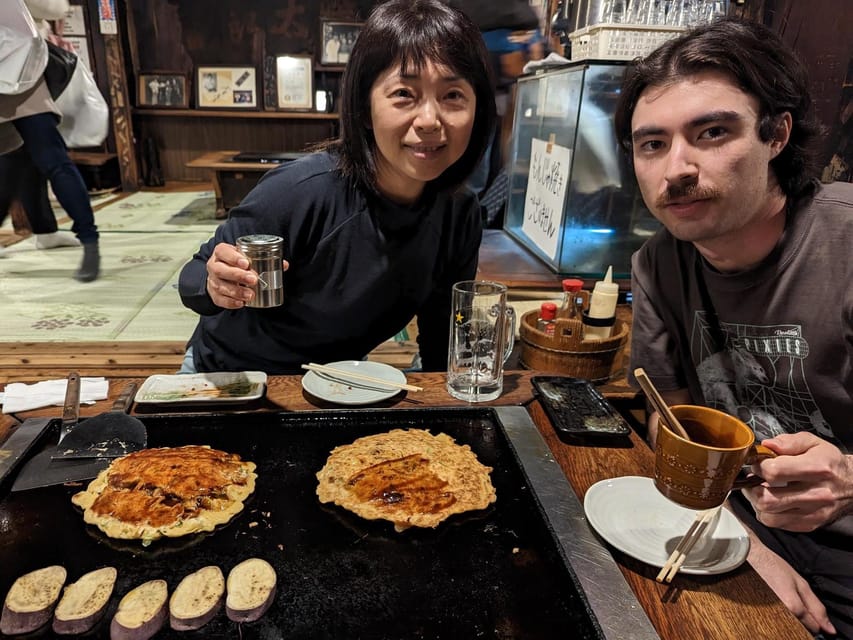
Four hours is enough for a focused introduction, not a full tour of Tokyo. I would think of it as a smart first session that helps you get your bearings, learn how the city fits together, and choose what to explore later.
You can spend the time on one district with detailed guidance, or combine two areas with a carefully chosen transport plan. Trying to cover Asakusa, Shibuya, Meiji Shrine, a market, and a cafe in one half-day would likely leave you with quick stops and little breathing room.
For a first visit, the tour can be especially useful early in your stay. Ian may help you understand the city’s layout and point you toward places that match your interests. For a repeat visit, the custom format gives you a better chance of avoiding the most familiar sights.
The tour is conducted in English or Japanese, and the group is private. Those details make it easier to ask questions and keep the pace personal, but they do not change Tokyo’s travel times.
What the $129 price buys you
At $129 per person, you are paying mainly for four hours of private guiding and custom planning. The price does not appear to cover every extra element you might request, so transport, food, and special additions should be treated as possible additional costs.
For a solo visitor, the cost is high compared with a standard group walk. The advantage is personal attention, flexible priorities, and the ability to ask Ian to adjust the experience around you.
For two people, the price may feel reasonable if you value convenience and explanation. For a family or small private group, the per-person cost can offer better value, provided everyone agrees on the same basic plan.
I would book it for the guide’s local insight and the freedom to shape the day. I would not book it simply to collect the maximum number of famous landmarks. A fixed sightseeing route may be better if your main goal is efficiency and guaranteed coverage.
Who should book this half-day tour?
This experience fits you best if:
- You want a private guide rather than a large group
- You are visiting Tokyo for the first time and want a quick orientation
- You have specific interests in culture, food, markets, cafes, or city life
- You want to combine traditional and modern Tokyo
- You value conversation and local explanation
- You can accept that transport between districts takes time
It is less suitable if you need guaranteed car transport, have serious mobility concerns that have not been discussed in advance, or want a quiet route away from heavily visited areas. It may also disappoint you if you expect every major sight to fit comfortably into four hours.
The strongest plan is a focused one. Pick one main theme and two nearby or reasonably connected areas. That leaves time for Ian to explain what you are seeing instead of hurrying from one station to the next.
Should you book it?
Book this tour if you want Tokyo shaped around your interests and you value a private conversation with an English or Japanese-speaking guide. Ian Kerr’s reported strengths are his humor, flexibility, courtesy, and ability to explain the city, which are especially useful when your time is short.
Before booking, settle three points: your top priorities, your walking limits, and the transport plan. Ask specifically about any vehicle or taxi costs, since a private guide does not automatically mean a private car.
For a focused introduction to Tokyo, $129 can be fair value. For a landmark checklist, the four-hour limit and long cross-city transfers may leave you wanting more. Choose this experience for personal guidance, not for speed.
FAQ
How long does the Tokyo Personalized Half-day Tour last?
The tour lasts four hours.
What is the price of the tour?
The listed price is $129 per person.
Is the tour private?
Yes. It is offered for a private group.
Who is the guide?
The experience provider is Ian James Kerr. The tour information identifies English and Japanese as the available guide languages.
Which languages are available?
You can take the tour with an English-speaking or Japanese-speaking guide.
Can I choose what I visit?
Yes. The tour is designed around your interests. Possible themes include culture, food, urban life, traditional markets, and themed cafes. Asakusa, Senso-ji Temple, Shibuya Crossing, and Meiji Shrine are possible examples.
Are transport costs included?
The stated price covers the personalized guiding service and time. Additional elements can be customized, so you should confirm transport costs before booking. A private vehicle is not clearly stated as included.
Can I cancel for a refund?
Yes. You can cancel up to 24 hours in advance for a full refund.
Do I have to pay when I book?
No. The reserve now and pay later option lets you hold your place without paying today.
New on our Tokyo list
- Sumi-e Experience in a relaxing green tea shop in Tokyo★ 5.0 · 3 reviews
- Tokyo : Kamikaze Street Drift Ride★ 5.0 · 3 reviews
- Private Zen Meditation in English in Shinjuku, Tokyo★ 5.0 · 3 reviews
- Onsen Spa in Tokyo and Asakusa Bar Hopping with Local Guide★ 5.0 · 3 reviews
- Easy for everyone! Now you can play handmade mini shamisen and show off to everyone! Musical instruments, sweets and live music★ 5.0 · 3 reviews
- Tokyo: Private Tsukiji Street Food & Sake with Local Guide★ 5.0 · 3 reviews
- Mt Fuji Exploration Tour with Free Japanese Kusa Mochi from Tokyo★ 4.5 · 3 reviews
- Tokyo Tsukiji Fish Market Walking and Exploring Hidden Gems Tour★ 5.0 · 3 reviews
Half-Day, compared.
Tokyo Private Half-Day Tour with a Local – Secrets & Highlights
Read our review →
Private Hakone Half-day Car Tour with Hotel Pickup – Local Guide
Read our review →
Old and Nostalgic Tokyo: Half-Day Yanaka Walking Tour
Read our review →
Private Fuji Half-day Car Tour with Hotel Pickup and Local Guide
Read our review →