Reviewed · HALF-DAY
Tokyo Private Half-Day Highlights Tour by Car with Guide
Tokyo’s best feature for a first visit is also its biggest challenge: the city is huge. This private half-day tour tackles that problem with a car, hotel pickup, and a guide who can connect modern Shibuya with old Asakusa in one outing. James and Mitsuaki are the named guides associated with the experience, and both are described as friendly, patient, and strong on Japanese history.
I like the direct door-to-door service, especially if you have less than 48 hours in Tokyo or are arriving by cruise ship. I also like the flexible pace, with time for photos and personal requests rather than a rigid march from one sight to the next. The catch is simple: four to five hours is tight, so the tour gives you a useful first look rather than a deep visit to every stop.
In This Review
- Key things to know before booking
- Why a private car helps in Tokyo
- Meiji Jingu: quiet woods in the middle of the city
- Shibuya Crossing and Hachiko in a quick burst
- Imperial Palace and the Nijubashi photo stop
- Senso-ji and the old Tokyo feel of Asakusa
- Nakamise Street: snacks, gifts, and a little shopping time
- Tokyo Tower, Tsukiji, and possible evening requests
- How much Tokyo can you really see in five hours?
- The guide makes the biggest difference
- Who gets the best value from this tour?
- Practical details to keep in mind
- Should you book the Tokyo private highlights tour?
- FAQ
- How long does the Tokyo private highlights tour last?
- How many people can join the private tour?
- Is hotel pickup included?
- Can I be picked up at a cruise terminal?
- Is the tour conducted in English?
- Which main sights are included?
- Is admission included?
- Are lunch and gratuities included?
- Can I request extra time?
- What is the cancellation policy?
Key things to know before booking
- Private car and pickup: Your group alone rides in an air-conditioned vehicle, with hotel or cruise-terminal pickup and drop-off in central Tokyo.
- Five major Tokyo stops: The planned route covers Meiji Jingu, Shibuya Crossing, the Imperial Palace, Senso-ji, and Nakamise Street.
- Short photo stops: Shibuya and Hachiko receive about 10 minutes each, so bring your camera and move quickly.
- Flexible guiding: You can adjust the focus and pace, and a same-day extension may be possible for ¥10,000 per hour.
- Good for limited time: The route gives you a quick contrast between shrine, palace, temple, shopping street, and modern city life.
- Optional additions: Tokyo Tower, Tsukiji Market, and even evening sights may be possible if time and availability allow.
Why a private car helps in Tokyo
Tokyo’s rail network is excellent, but excellent does not always mean easy. Stations can be large, transfer routes can take time, and the distance between major sights is greater than a map may suggest. With this tour, you leave the planning and transfers to someone else.
That matters most for families, older couples, cruise passengers, and anyone fighting summer heat. One account describes the guide helping a senior traveler after a fall, while another praises the patience shown during a very hot July day. Those details point to the real value here: you are not simply paying for transport. You are buying a calmer way to handle a demanding city.
The vehicle is private for your group of up to three people. Fuel, tolls, and parking are included, which makes the $253.44 group price easier to judge. For three people, that works out to about $84.48 per person before any tip. For one person, it is an expensive half-day. For a couple or small family with limited time, it can be reasonable if avoiding transport stress is a priority.
An English-speaking guide adds another layer. James is often praised for being on time, easygoing, flexible, and clear in English. Mitsuaki is also described as warm and well informed. You should still confirm your pickup details and any special requests when booking, since the guide assigned to your outing may vary.
A few more Tokyo bookings worth comparing
- Half-day Tokyo Afternoon Tour by Hato Bus
★ 4.0 · 269 reviews - Tokyo: A Half-Day Trip Bus Tour in the Morning
★ 4.6 · 236 reviews - Half-day Tokyo Morning Tour by Hato Bus
★ 4.0 · 220 reviews
Meiji Jingu: quiet woods in the middle of the city
The tour usually begins at Meiji Jingu, a Shinto shrine dedicated to Emperor Meiji and Empress Shoken. The approach feels far removed from central Tokyo, with a forest of more than 100,000 trees around the shrine grounds.
You have about 45 minutes here. That is enough time to walk through the main approach, take in the large wooden gates, and get a basic explanation of Shinto customs. Your guide can help you understand the steps of a shrine visit, rather than leaving you to guess what to do.
I like this as a first stop because it slows the morning down. Tokyo can feel loud and fast, but Meiji Jingu gives you a quiet opening before the tour moves into Shibuya. It also provides an early look at the way modern Japanese life sits beside old religious traditions.
The main limitation is walking. Even with a car, you do not drive right up to every part of the shrine. Wear comfortable shoes, especially in warm weather or if you have mobility concerns. The experience is not presented as a formal accessibility tour, though the private format lets your guide adjust the pace.
Shibuya Crossing and Hachiko in a quick burst
Next comes Shibuya Crossing, one of Tokyo’s most recognizable city scenes. The car parks nearby, and you get around 10 minutes to take photos and watch the crossing operate like a giant, orderly tide.
That short time can work well if you know what you want. Get out, head toward the crossing, take your photos, and look for the Hachiko statue. The tour treats these as two separate stops, but they are close enough to combine into one compact visit.
Hachiko’s story gives the area a human touch. The dog waited each day for his owner, even after the owner had died, and became a Japanese symbol of loyalty. Your guide can add context, but do not expect a long museum-style visit. This is a photo and orientation stop.
I would not book this tour expecting much free time in Shibuya. Ten minutes passes quickly, and the car cannot replace spending an afternoon in the neighborhood. Still, if you want to say you saw the crossing, understand why Hachiko matters, and continue to the next major sight without figuring out the rail system, it does the job.
Imperial Palace and the Nijubashi photo stop
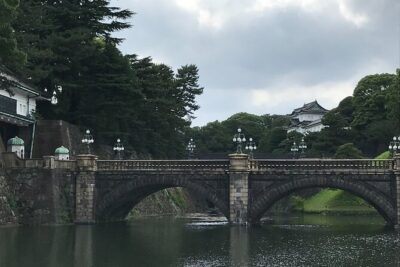
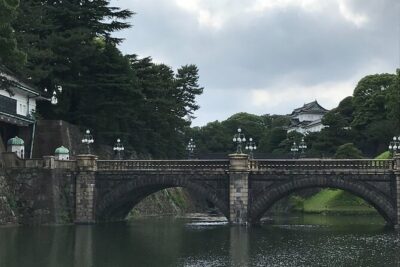
The Imperial Palace section focuses on Nijubashi Bridge, a famous viewpoint near the palace grounds. The elegant bridge leads toward the inner palace area and makes a strong photo stop.
You have roughly 45 minutes here, though the exact time can shift with traffic and the rest of the route. The important point is that this is not a full palace tour. The inner grounds are not generally open for casual access, so you should think of the stop as an exterior visit with historical explanation.
This is one place where a guide adds useful value. The palace area can look like a broad open space without much explanation. A good guide can connect the bridge and grounds to Japan’s imperial institution and help you understand what you are seeing.
The setting also offers a pause between the dense energy of Shibuya and the crowds of Asakusa. I would keep your expectations clear: you are getting a landmark view and context, not entry into private palace rooms or an extended garden walk.
Same corner of Tokyo, a completely different plan:
- Mt Fuji and Hakone 1-Day Bus Tour Return by Bullet Train
★ 5.0 · 26,383 reviews - 1-Day Tokyo Bus Tour
★ 5.0 · 14,250 reviews - Tokyo: TOKYO SKYTREE® Admission ticket
★ 4.5 · 11,192 reviews - Tokyo: teamLab Planets TOKYO Digital Art Museum Entry Ticket
★ 4.6 · 9,779 reviews
Senso-ji and the old Tokyo feel of Asakusa
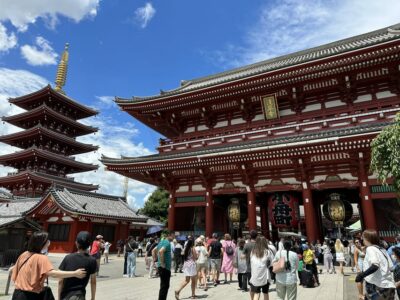
Senso-ji is the tour’s strongest historic stop. Founded in the seventh century, it is Tokyo’s oldest and most famous Buddhist temple. The large Kaminarimon Gate, with its giant lantern, is one of the city’s classic first-glimpse moments.
The planned visit lasts about 45 minutes. That gives you time to pass through the gate, walk toward the main hall, and take in the temple grounds. Your guide can explain the basic difference between a Buddhist temple and a Shinto shrine, which helps make the earlier Meiji Jingu visit more meaningful.
This is also where the tour feels most connected to old Tokyo. Senso-ji is not a quiet ruin. It is an active religious site with plenty of people, movement, incense, worship, and shopping. Keep your camera ready, but remember that this is a place of worship, not only a backdrop.
James is specifically praised for explaining the history of Asakusa and helping with photos. That combination is useful. You get information without being trapped in a lecture, and you can ask for help framing a group picture.
Nakamise Street: snacks, gifts, and a little shopping time
Nakamise Shopping Street runs from Kaminarimon toward Senso-ji. The 15-minute visit is brief, but it lets you sample the feel of a traditional approach street, with stalls selling snacks, souvenirs, and crafts.
I would use this time for a quick look rather than serious shopping. You might find small gifts, Japanese sweets, or inexpensive keepsakes, but you will not have time to inspect every stall. If something catches your eye, buy it promptly or make a note to return later on your own.
The street can be crowded, and the tour’s pace may feel brisk here. That is the tradeoff of a highlights route. You get a taste of Asakusa, then leave with enough time for another optional stop if traffic cooperates.
Also note the vehicle rule: eating is not allowed in the car. If you buy a snack at Nakamise, enjoy it before getting back inside or save it for later.
Tokyo Tower, Tsukiji, and possible evening requests
Tokyo Tower is listed as an if-time-allows stop. The red and white, 333-meter communications tower was inspired by the Eiffel Tower and offers city views from its observation decks. Because it is optional, you should not assume you will enter or go up.
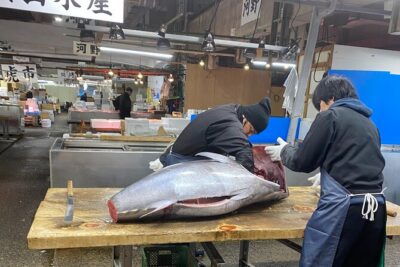
The same applies to Tsukiji Market. The area is known for seafood, produce, food stalls, and local shopping. It could be a good choice if food culture matters more to you than another landmark, but adding it may require shortening another stop.
The flexible format can also work after sunset if your schedule changes. One outing continued into the evening and included requests for Rainbow Bridge and the Statue of Liberty night view. Those additions are not part of the standard promise, so treat them as examples of possible tailoring, not guaranteed stops.
If Tokyo Tower or Tsukiji is a priority, say so before the tour begins. You may need to accept less time at Meiji Jingu, the Imperial Palace, or Asakusa. The guide can help you choose, but traffic and opening conditions still control what fits.
How much Tokyo can you really see in five hours?

The route covers a lot of ground, but it does not provide a full neighborhood experience at each stop. You will see the city’s major contrasts:
- A forested Shinto shrine
- A modern pedestrian crossing
- A symbolic imperial landmark
- A historic Buddhist temple
- A traditional shopping street
That variety is the point. You finish with a mental map of Tokyo and a better idea of where you want to return. I especially like this approach for a first day, a short layover, or a visit squeezed between cruise activities.
Traffic can reduce your time on foot. The advertised duration is approximately four to five hours, not five hours of uninterrupted sightseeing. Tokyo roads can be slow, and the route spans distant parts of the city. A private car saves you from navigating trains, but it cannot make congestion disappear.
The tour is also not designed for travelers who want long meals, serious shopping, museum interiors, or extended temple study. Lunch is not included, and the compact schedule leaves little room for a sit-down meal unless you arrange an extension.
The guide makes the biggest difference
The strongest part of this experience is the personal service. James is described as punctual, friendly, humorous, and flexible. He has also been praised for giving families time to explore on their own instead of filling every minute with talk.
Mitsuaki is described as equally warm and helpful, with a talent for showing more than the basic route and allowing time for photographs. If you are assigned either guide, ask questions. The private setup gives you a better chance to discuss Japanese history, shrine etiquette, local food, or the neighborhoods you pass through.
The guide can also help with practical matters, such as taking group photos or adjusting the pace during hot weather. That matters more than it may sound. Tokyo’s summer heat can be punishing, and a private car gives you a cool place to recover between walks.
Tips are optional and not included. The experience has earned a perfect five-star rating from 14 reviews, with all respondents recommending it, but you should still choose it for the format and route rather than for a rating alone.
Who gets the best value from this tour?
I would recommend it most strongly to:
- First-time visitors with one or two days in Tokyo
- Cruise passengers needing a practical city introduction
- Couples or families of up to three people
- Older visitors who want less train and station work
- Visitors traveling in hot weather
- Anyone who wants a guide but dislikes large groups
The value is weaker for solo visitors on a tight budget. Tokyo’s public transport is far cheaper, and independent sightseeing gives you more time in each neighborhood. You also may prefer trains if you want to explore at your own pace.
The private format is a good fit if comfort, efficiency, and personal attention matter more than the lowest possible cost. At $253.44 per group, the price is easier to justify with three people. It includes the vehicle, driver, guide, parking, tolls, fuel, pickup, and drop-off in central Tokyo.
A same-day extension may be available at ¥10,000, about $65, per hour. Availability is not guaranteed, so do not build your entire day around adding time. Ask early if Tokyo Tower, Tsukiji, or evening views are important to you.
Practical details to keep in mind
Pickup and drop-off are offered at central Tokyo hotels and cruise terminals. The tour also operates near public transportation, but you will not need to manage the main transfers during the experience.
Confirmation arrives at booking, and most people can participate. The tour is private, so only your group joins the activity. That gives you more control than a bus tour, though the listed vehicle capacity is limited to three people.
Bring comfortable shoes, water for the walking sections, and a phone or camera with free storage. You can request photos from the guide, a useful touch for couples or small families who otherwise struggle to get a picture together.
Free cancellation is available until 24 hours before the local start time. Cancellations or changes made inside that window are not refunded or accepted, so check your schedule carefully before the cutoff.
Should you book the Tokyo private highlights tour?
Book it if you want a fast, comfortable introduction to Tokyo and value having James, Mitsuaki, or another English-speaking guide handle the route. The combination of Meiji Jingu, Shibuya, the Imperial Palace, Senso-ji, and Nakamise gives you a well-chosen first look at the city’s old and new sides.
Skip it if you prefer slow neighborhood wandering, long meals, museums, or low-cost rail travel. The short stops are useful but not spacious, and Tokyo traffic may trim your walking time.
For a small group with limited time, I think the tour makes a sensible first-day investment. You will not finish knowing every corner of Tokyo, but you will see the major landmarks, learn enough context to appreciate them, and leave with a clear idea of where to explore next.
FAQ
How long does the Tokyo private highlights tour last?
The tour lasts approximately four to five hours.
How many people can join the private tour?
The advertised price covers a private group of up to three people.
Is hotel pickup included?
Yes. Hotel pickup and drop-off are included for central Tokyo accommodations.
Can I be picked up at a cruise terminal?
Yes. Cruise-terminal pickup is offered.
Is the tour conducted in English?
Yes. A licensed English-speaking guide leads the experience.
Which main sights are included?
The planned route includes Meiji Jingu Shrine, Shibuya Crossing, Hachiko, the Imperial Palace area at Nijubashi Bridge, Senso-ji Temple, and Nakamise Shopping Street.
Is admission included?
The listed stops have no admission ticket charge. Tokyo Tower is an optional stop, and entry to its observation decks is not specified as included.
Are lunch and gratuities included?
No. Lunch is not included, and gratuities are optional.
Can I request extra time?
A same-day extension may be available for ¥10,000, approximately $65, per hour, subject to availability.
What is the cancellation policy?
You can cancel up to 24 hours before the local start time for a full refund. Cancellations or changes made less than 24 hours before the start are not accepted or refunded.
New on our Tokyo list
- Sumi-e Experience in a relaxing green tea shop in Tokyo★ 5.0 · 3 reviews
- Tokyo : Kamikaze Street Drift Ride★ 5.0 · 3 reviews
- Private Zen Meditation in English in Shinjuku, Tokyo★ 5.0 · 3 reviews
- Onsen Spa in Tokyo and Asakusa Bar Hopping with Local Guide★ 5.0 · 3 reviews
- Easy for everyone! Now you can play handmade mini shamisen and show off to everyone! Musical instruments, sweets and live music★ 5.0 · 3 reviews
- Tokyo: Private Tsukiji Street Food & Sake with Local Guide★ 5.0 · 3 reviews
- Mt Fuji Exploration Tour with Free Japanese Kusa Mochi from Tokyo★ 4.5 · 3 reviews
- Tokyo Tsukiji Fish Market Walking and Exploring Hidden Gems Tour★ 5.0 · 3 reviews
Half-Day, compared.
Tokyo Private Half-Day Tour with a Local – Secrets & Highlights
Read our review →
Private Hakone Half-day Car Tour with Hotel Pickup – Local Guide
Read our review →
Old and Nostalgic Tokyo: Half-Day Yanaka Walking Tour
Read our review →
Private Fuji Half-day Car Tour with Hotel Pickup and Local Guide
Read our review →