
Reviewed · HISTORICAL TOURS
Tokyo to Kawagoe: Private Historical Day Trip
Kawagoe gives you a quick change of scene from Tokyo: within less than an hour, modern city streets give way to Edo-era buildings, temple grounds, old shopfronts, and a famous wooden bell tower. Your private host shapes the day around your interests, so you can focus on temples, food, crafts, photography, or local customs.
I like the one-to-one format, which makes it easier to ask questions and adjust the pace. I also like the chance to see a part of Japan that feels tied to its past without committing to a long trip from Tokyo. The catch is that the $264 price does not include transport, food, or attraction tickets, and six hours can feel short if you want to see every stop at leisure.
In This Review
- Key points
- Why Kawagoe makes a good Tokyo side trip
- Meeting your host near Shinjuku
- Kita-in Temple and a piece of old Edo Castle
- The bell at Toki no Kane
- Kurazukuri Street and old merchant buildings
- Hikawa Shrine and the quieter side of Kawagoe
- The Festival Museum and Kawagoe’s summer floats
- Penny Candy Lane and Kawagoe’s sweet-potato culture
- What the six-hour private format is worth
- Who should book this Kawagoe day trip
- Should you book this private Kawagoe tour?
- FAQ
- How long is the Tokyo to Kawagoe experience?
- Where do I meet the host?
- Is transportation from Tokyo included?
- Are food and drinks included?
- Are attraction tickets included?
- Can the itinerary be personalized?
- Is the activity available in English and wheelchair accessible?
Key points
- Kawagoe is less than an hour north of Tokyo, making it a practical half-day escape from the capital.
- Your host can shape the itinerary around temples, food, shopping, museums, or other interests.
- Kita-in Temple includes a room from Edo Castle, a rare link to old Tokyo.
- Toki no Kane and Kurazukuri Street provide Kawagoe’s most recognizable old-town scenes.
- Penny Candy Lane and sweet-potato treats add a playful food stop to the cultural sightseeing.
- The $264 cost covers six hours with a private host, but not transportation, meals, or entrance fees.
Why Kawagoe makes a good Tokyo side trip
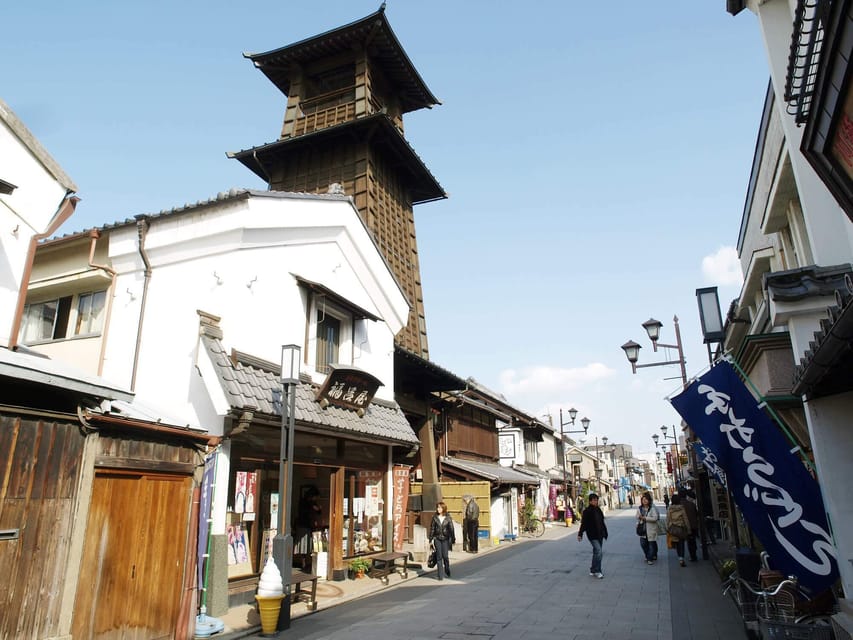
Tokyo can make old Japan hard to picture. Its temples and historic neighborhoods are scattered among high-rises, train lines, and busy commercial streets. Kawagoe offers a more concentrated look at the period when Tokyo was called Edo and Japan was ruled by the shoguns.
The town was once a castle town, and traces of that role remain in its thick-walled storehouses, temples, and traditional merchant buildings. You will not find a preserved medieval town frozen in time. Modern life continues here, and cars share the streets with shoppers. That mix is part of the appeal.
I would choose this trip when I wanted historical texture without spending a full day traveling far from Tokyo. It suits you especially well if you enjoy seeing how old buildings survive within a living town rather than only visiting isolated monuments.
The private format matters here. Kawagoe has several sights that are easy to reach but not always easy to connect into a meaningful story. A host can explain why a temple, bell tower, food street, or old warehouse matters, then change the plan if one part of the town catches your interest.
More day trips out of Tokyo:
- Mt Fuji and Hakone 1-Day Bus Tour Return by Bullet Train
★ 5.0 · 26,383 reviews - 1-Day Tokyo Bus Tour
★ 5.0 · 14,250 reviews - Mt Fuji & Hakone Cruise, Drum Show Bullet Train 1 Day from Tokyo
★ 4.0 · 7,413 reviews
Meeting your host near Shinjuku
The meeting point is by the main door of the tourist center near the South East Exit of JR Shinjuku Station. This is a sensible place to begin, but Shinjuku Station is large and can be confusing, so allow time to find the correct exit and tourist center.
Your host will be waiting there before you travel together toward Kawagoe. The experience is private, with English or Japanese guiding available. Specific host assignments can vary, but guides named in past bookings include Lauren and Leon. One guide, Leon, was praised for making a family visit work well for teenagers, while Lauren was described as genuine, kind, and accommodating.
Those details point to the most important feature of this tour: your host is not simply leading a fixed speech from one stop to the next. You can tell the host what you want from the day and ask for help making the route fit your interests.
Transportation costs are not included. That keeps the tour price separate from your rail expenses, but it means you should budget for the journey to and from Kawagoe in addition to the advertised $264 per person. Food, drinks, and entrance tickets are also extra.
Kita-in Temple and a piece of old Edo Castle
Kita-in Temple is one of the strongest historical stops on the route. Its importance goes beyond the temple grounds themselves. One of its rooms once formed part of Edo Castle in Tokyo, giving you a direct physical link to the city’s shogun-era past.
That connection makes the stop more rewarding than a quick look at another temple roof. You can stand inside a surviving piece of the old castle complex while learning how buildings and materials from Edo-era Tokyo ended up in Kawagoe.
The visit also gives the day a useful rhythm. After time on the streets, a temple offers a quieter setting and a chance to focus on architecture, religious customs, and the town’s older identity. Ask your host to explain which parts of the temple relate to the former castle if that connection is your main reason for visiting.
Keep in mind that attraction tickets are not included. The supplied details do not specify the individual entrance fees or exactly how long you will spend inside, so confirm the day’s plan with your host. If you want a slower temple visit, say so early. A six-hour route can otherwise become a series of brief stops.
The bell at Toki no Kane
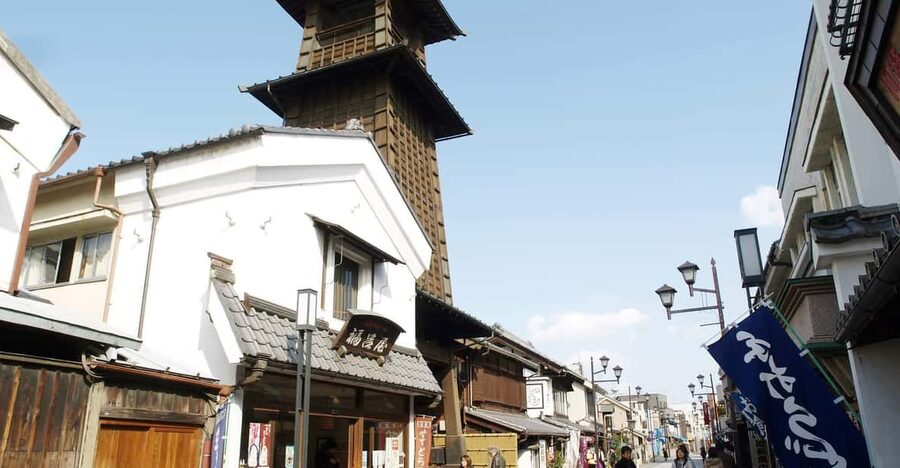
Toki no Kane, or the Time Bell Tower, is Kawagoe’s best-known landmark. The tower has become a local symbol, and its presence helps you understand the old town’s scale. It is not a vast monument. Its value comes from the way it fits into the traditional streets around it.
Your host can guide you through the old town toward the tower and point out the remnants of the former castle-town layout. This is where the private approach can help. Rather than simply taking a photograph and moving on, you can ask about the bell, the streets, and how the old buildings relate to modern Kawagoe.
The tower is also a useful meeting point for the day’s themes. It connects practical town life with history. Bells once marked time for local communities, while today the tower draws people to a shopping and sightseeing district.
If you are hoping for a long museum-style presentation, this stop may feel brief. The experience is built around walking, looking, eating, and talking rather than formal lectures. I would treat Toki no Kane as a central visual landmark, then rely on the host to provide the wider context.
A few more Tokyo bookings worth comparing
- Tokyo: Imperial Palace and Shogun Historical Walking Tour
★ 5.0 · 2,251 reviews - Tokyo: Imperial Palace Japanese History Walking Tour
★ 4.9 · 987 reviews - Tokyo: Shinjuku Historical Walking Tour & Secret Backstreets
★ 5.0 · 530 reviews - Yanaka Walking Tour: Historic and Traditional District of Tokyo
★ 5.0 · 530 reviews
Kurazukuri Street and old merchant buildings
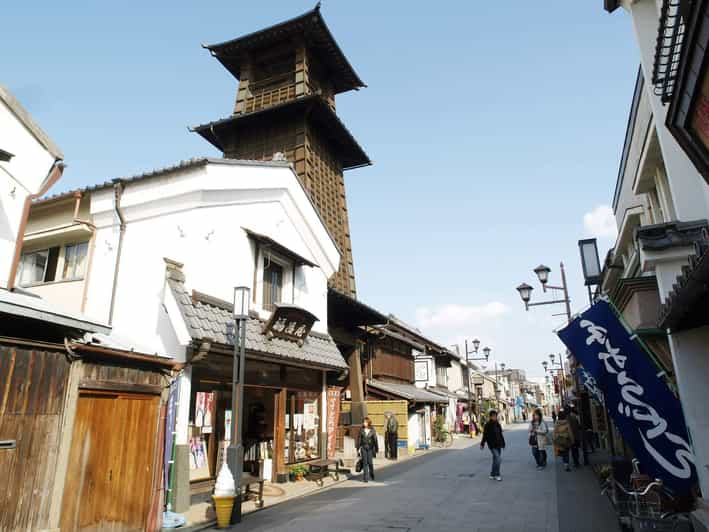
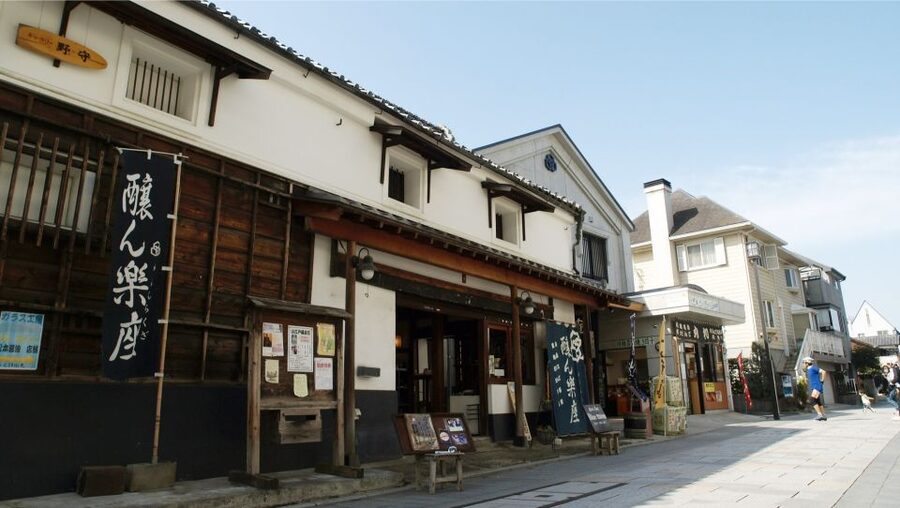
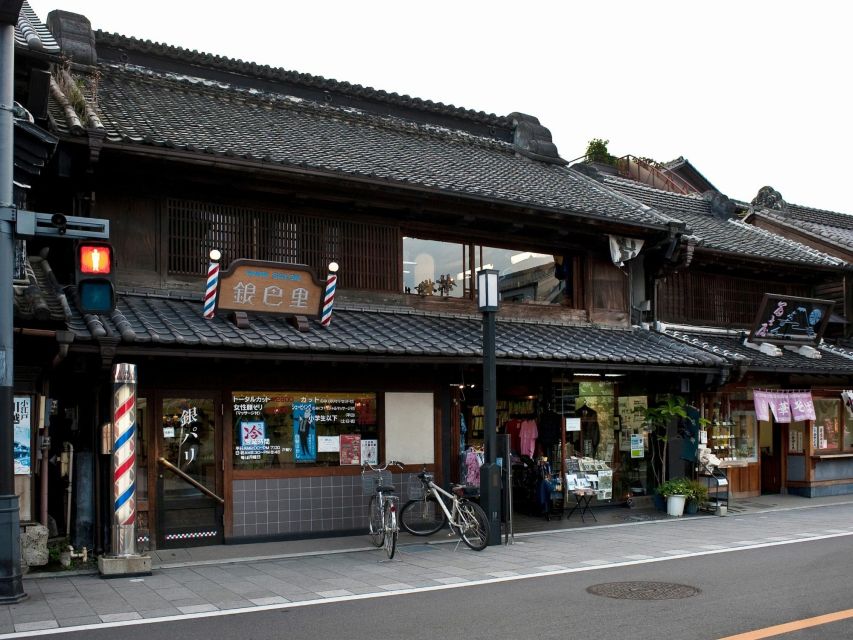
Kurazukuri Street is lined with traditional buildings built in the kura style. These structures use dark, charcoal-colored roof tiles and thick, fire-resistant walls. They give the town its most distinctive visual character and show how merchants once built for both business and protection.
This is a good place to slow down and look upward. The shopfronts, rooflines, and heavy walls are more important than any single store. You will see how Kawagoe’s historic appearance survives along a modern street where people still shop and work.
The shopping here is part of the experience, not just a pause between monuments. Your host can help you browse authentic souvenirs and local crafts, with the private format making it easier to stop when something interests you. If you enjoy ceramics, food gifts, traditional goods, or small handmade items, tell your host at the start.
There is a practical limitation. One past visitor found the day involved a lot of walking with only brief stops in shops. That is not necessarily a problem if you came for streets and old buildings, but it can disappoint you if you expect extended shopping time or a packed schedule of major attractions.
Wear comfortable shoes and be clear about your preferred pace. The tour is six hours, and walking is the main way you experience the town.
Hikawa Shrine and the quieter side of Kawagoe
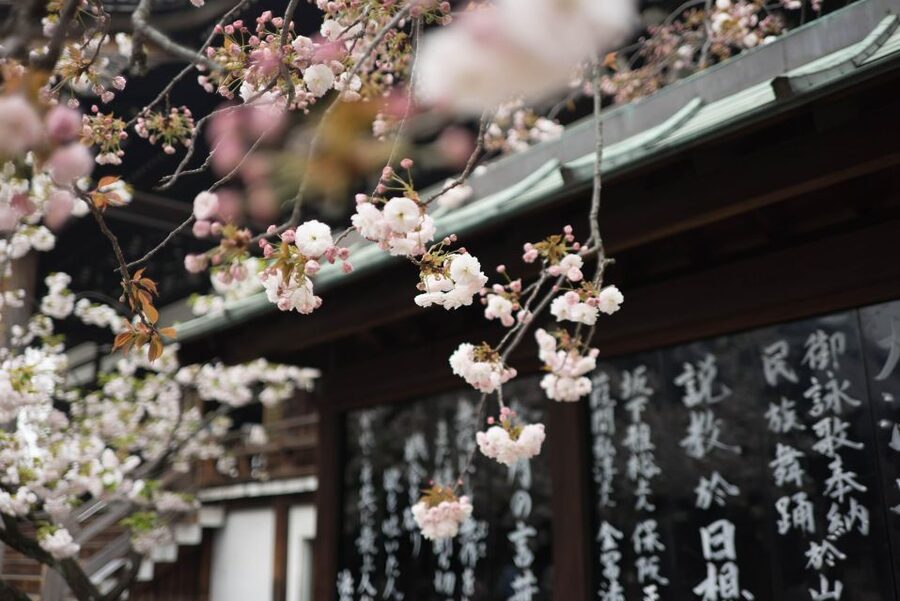
Hikawa Shrine adds a different mood to the route. Shrines and temples are not interchangeable, and a visit here gives you a chance to notice the differences in layout, customs, and atmosphere. The shrine is also one of the places where the town’s spiritual life feels separate from its shopping streets.
One past booking described a shrine visit as the highlight of the day. That makes sense if you prefer a calmer stop with room to observe rather than a busy commercial street. You can ask your host to explain how to approach the shrine respectfully and what details to notice.
The supplied information does not promise a particular ceremony or seasonal event at Hikawa Shrine. Your visit is best understood as a cultural and architectural stop, not as a guaranteed festival experience.
The private itinerary helps if you have a strong preference here. You can request more time at the shrine, or move on sooner if temples and historic buildings matter more to you.
The Festival Museum and Kawagoe’s summer floats
Kawagoe is known for an annual festival in which elaborate floats move through the streets as locals celebrate the arrival of summer. The festival itself is seasonal, so it will not necessarily be happening during your visit.
The Festival Museum offers the next best way to understand the event outside festival dates. It gives you a look at the floats and the scale of the celebration, helping you picture how the town changes when the procession takes over the streets.
This stop is useful because it adds living tradition to the day. The old buildings show what Kawagoe looked like in earlier periods, while the museum shows how local people continue to celebrate and present that past.
Museum admission is not included, so set aside extra money if you want to enter. You can also ask your host whether the museum fits your priorities. If you have little interest in festivals, the time may be better spent at a temple, shrine, or shopping street.
Penny Candy Lane and Kawagoe’s sweet-potato culture
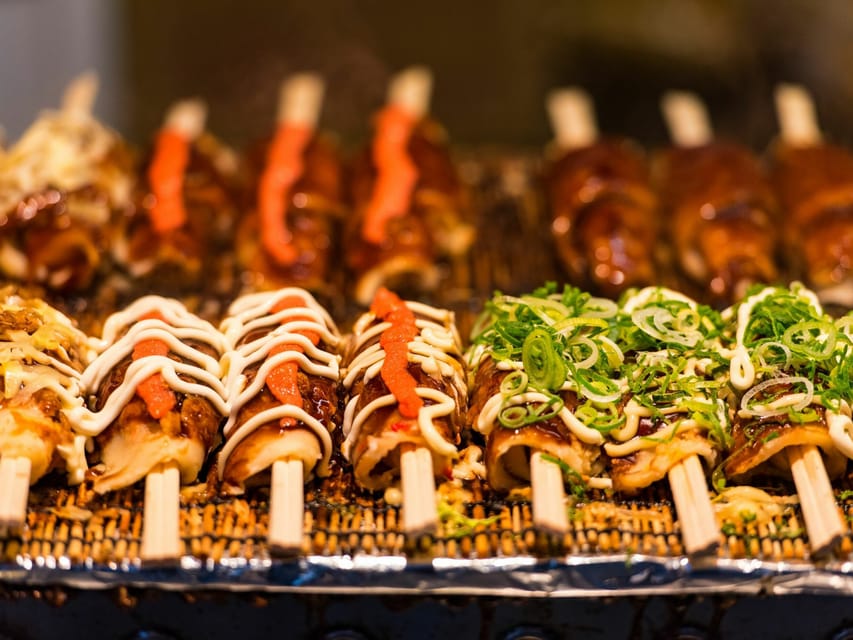
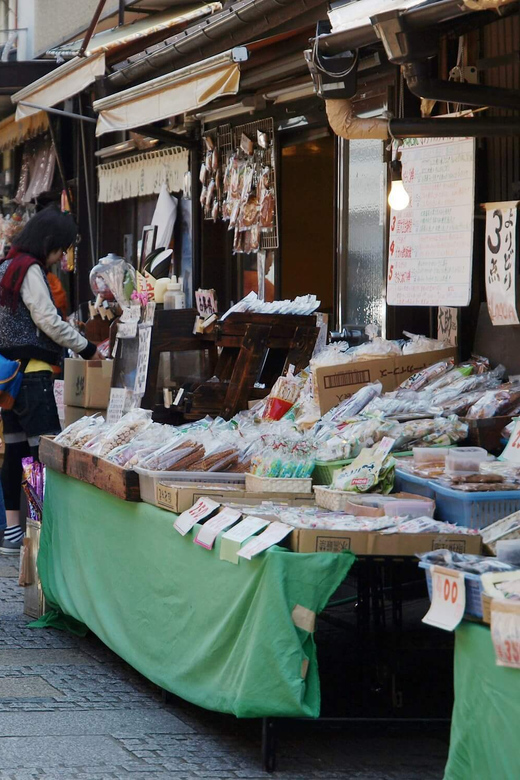
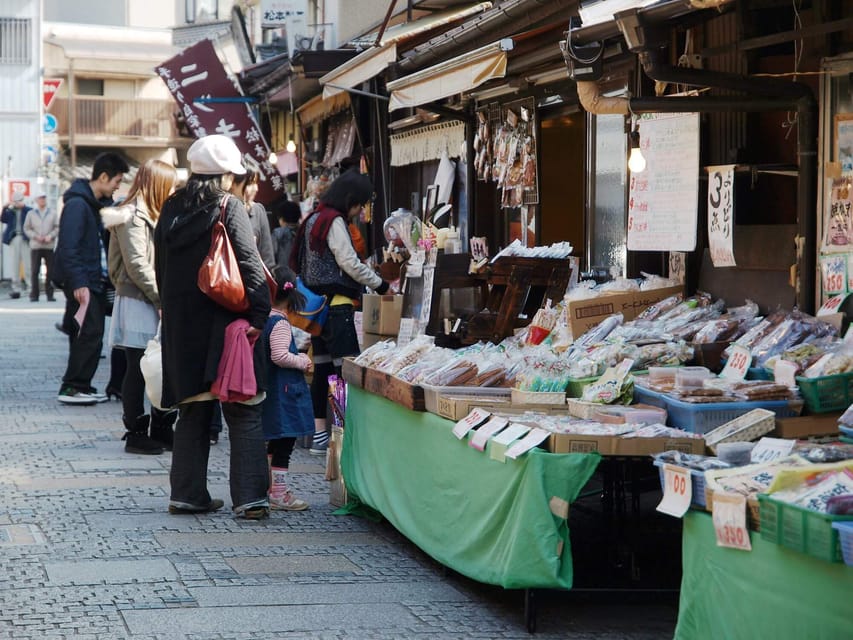
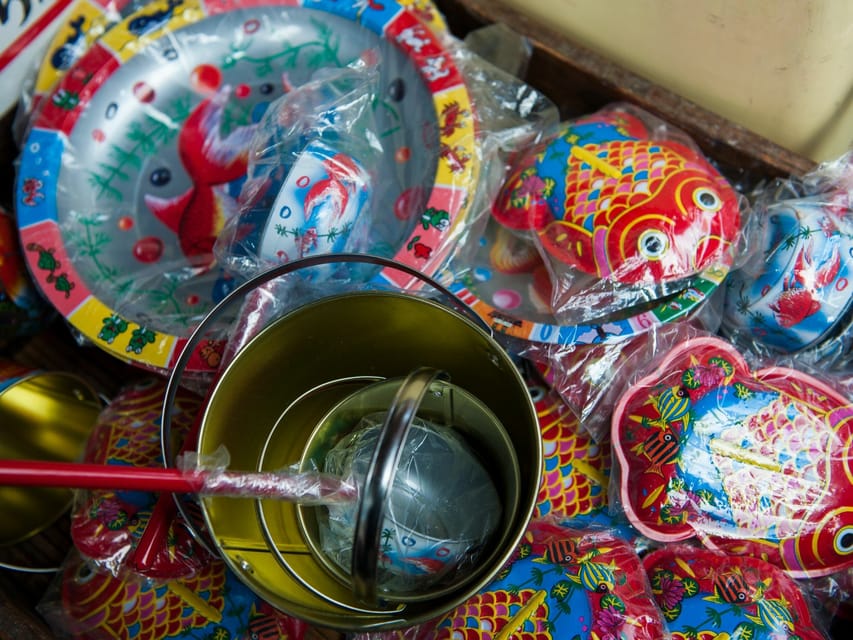
Penny Candy Lane is the lighthearted food stop. The street has a rustic feel and focuses on sweets, giving the historical walk a break from temples and architecture. It is especially appealing if you enjoy trying small local treats rather than sitting down for a long meal.
Kawagoe is associated with sweet potatoes, and you may find sweet-potato-flavored snacks and other unusual variations. Your host can help you decide what to try and explain how to eat local specialties.
The food is not included in the tour price. That is worth remembering because small purchases can add up when you are sampling several treats. I would keep some room in both your stomach and budget for these stops.
The itinerary also mentions boiled eel as a local delicacy. Your host can show you how to eat it, which is useful if you are unfamiliar with the dish or unsure how it is traditionally served. The exact restaurant or meal arrangement is not specified, so think of this as food guidance rather than a guaranteed included meal.
What the six-hour private format is worth
At $264 per person, this is not a cheap way to see Kawagoe. You are paying for a private, personalized day with a host rather than a standard group excursion. The value depends heavily on how much you use that flexibility.
I see the price making the most sense for two situations. First, you want a guide who can explain cultural details and help you navigate from Tokyo. Second, you are traveling as a small private group and care about setting the pace, choosing stops, and asking plenty of questions.
The value is weaker if you simply want transportation and a quick list of sights. Since rail costs, food, drinks, and tickets are extra, the final amount will be higher than $264 per person. If you are comfortable exploring independently and already know how to reach Kawagoe, a self-guided visit may cost less.
The tour also received a 4.5 rating from 14 bookings, but the more useful point is what the strongest experiences have in common: guides listened, adjusted the day, and connected well with families and individual interests. Lauren and Leon were specifically praised for kindness, flexibility, and personal attention.
On the other hand, one booking found the day less entertaining than other Tokyo-area options. That is a fair warning. Kawagoe is not the right choice if you want dramatic scenery, a high-speed activity, or a nonstop parade of major landmarks.
Who should book this Kawagoe day trip
I would recommend it to you if you enjoy:
- Old streets and traditional buildings
- Japanese temples and shrines
- Local food, sweets, and unusual regional flavors
- Shopping for crafts and souvenirs
- Asking questions and changing the pace as you go
- A private experience for a family or small group
It is particularly suitable for families because the host can adjust the day to different ages and interests. Teenagers may respond better to festival floats, street food, and sweet shops than to a long series of formal historical sites.
I would be more cautious if your Tokyo schedule is very tight. Six hours sounds generous, but travel from Shinjuku, walking between sights, food stops, and possible ticket lines can reduce the time available at each attraction.
The activity is wheelchair accessible, which is important to confirm when discussing the personalized route. The tour operates in all weather, so bring suitable clothing and footwear for the forecast. A private host can help adjust the plan, but rainy streets and a walking-heavy itinerary may still affect your comfort.
Should you book this private Kawagoe tour?
Book it if you want a personal introduction to Kawagoe and prefer conversation over a rigid sightseeing script. Kita-in Temple, the former Edo Castle room, Toki no Kane, Kurazukuri Street, Hikawa Shrine, Penny Candy Lane, and the Festival Museum give the day a good range of history, architecture, food, and shopping.
Skip it if you are looking for the most spectacular day trip from Tokyo or if the extra costs make the price uncomfortable. Kawagoe’s appeal is quieter and more local. The best reason to book is not a single blockbuster sight, but the chance to see several pieces of old Japan with a guide who can shape them around you.
FAQ
How long is the Tokyo to Kawagoe experience?
The experience lasts six hours, including time with your private host and the walking portion of the visit.
Where do I meet the host?
You meet the host by the main door of the tourist center near the South East Exit of JR Shinjuku Station.
Is transportation from Tokyo included?
No. Transportation costs are not included in the $264 per-person price.
Are food and drinks included?
No. Food and drinks are separate. You may have opportunities to try boiled eel, sweet-potato treats, and other local sweets during the visit.
Are attraction tickets included?
No. Tickets to attractions, such as museums or other paid sites, are not included.
Can the itinerary be personalized?
Yes. The itinerary is private and can be personalized to match your preferences.
Is the activity available in English and wheelchair accessible?
Yes. Live guiding is available in English and Japanese, and the activity is listed as wheelchair accessible.
New on our Tokyo list
- Tokyo : Kamikaze Street Drift Ride★ 5.0 · 3 reviews
- Private Zen Meditation in English in Shinjuku, Tokyo★ 5.0 · 3 reviews
- Sumi-e Experience in a relaxing green tea shop in Tokyo★ 5.0 · 3 reviews
- Onsen Spa in Tokyo and Asakusa Bar Hopping with Local Guide★ 5.0 · 3 reviews
- Easy for everyone! Now you can play handmade mini shamisen and show off to everyone! Musical instruments, sweets and live music★ 5.0 · 3 reviews
- Tokyo: Private Tsukiji Street Food & Sake with Local Guide★ 5.0 · 3 reviews
- Mt Fuji Exploration Tour with Free Japanese Kusa Mochi from Tokyo★ 4.5 · 3 reviews
- Tokyo Tsukiji Fish Market Walking and Exploring Hidden Gems Tour★ 5.0 · 3 reviews
Historical Tours, compared.

Imperial Palace and Shogun Historical Walking Tour
Read our review →
Yanaka Walking Tour: Historic and Traditional District of Tokyo
Read our review →
Shinjuku Historical Walking Tour & Secret Backstreets
Read our review →
Mt. Fuji Heritage Tour: Traditional Villages, Lakes & Shrine
Read our review →
The Best of Izakaya in Shinjuku Food & Cultural Tour
Read our review →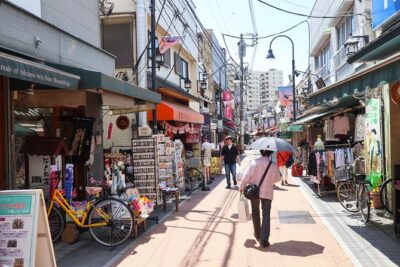
Yanaka Historical Walking Tour in Tokyo’s Old Town
Read our review →Browse the lists this tour appears in