
Reviewed · YANAKA & OLD TOKYO WALKS
Yanaka Walking Tour: Historic and Traditional District of Tokyo
Tokyo has plenty of neon, towers, and train crowds. Yanaka gives you something else: old neighborhood Tokyo, where temple gates, family homes, small workshops, cemeteries, and local shops fill the streets. This 3.5-hour walk is a useful mini-retreat from the city’s hard-driving pace.
I like the way the tour connects big subjects, such as the Edo period, Buddhism, Shinto, the shoguns, and daily customs, to ordinary streets. I also like the small-group format and the guides, including Charlotte, Michiko, Kiyo, Kaori, and Mana, who are praised for clear English, patience, and a willingness to answer questions.
The main consideration is the walking. You may spend 40 minutes in Yanaka Cemetery and visit several religious sites, so the route can feel slow if you want museums, major monuments, or constant activity. Hot, humid, or rainy weather also matters, and the strict 24-hour cancellation rule makes weather planning important.
In This Review
- Key points about the Yanaka walk
- Why Yanaka feels unlike central Tokyo
- The opening walk through Yanaka’s old streets
- Tennoji Temple and the 1274 bronze statue
- Yanaka Cemetery, the route’s quiet centerpiece
- Optional tea, museums, and the old bathhouse gallery
- Nezu Jingu and the religious side of the route
- Yanaka Ginza, snacks, and the end of the walk
- What the guides add to the experience
- Price, group size, and what you receive
- Who should book this Yanaka experience
- My verdict: a strong choice for old Tokyo
- FAQ
- How long does the Yanaka Walking Tour last?
- Where does the tour start and finish?
- What time does the tour start?
- Is food included?
- Is the tea ceremony included in the price?
- How many people can join the tour?
- Can I cancel for a full refund?
Key points about the Yanaka walk
- A calm corner of Tokyo: Trade skyscrapers and packed streets for old homes, temple lanes, gardens, and a working local shopping street.
- A history lesson on foot: Learn about Edo and Meiji Tokyo, the last shogun, the last samurai, Japanese religion, customs, and neighborhood life.
- Tennoji and Yanaka Cemetery: See a Buddhist temple dating to 1274 and a large cemetery with more than 7,000 graves.
- Flexible guide-led pacing: Guides such as Kaori and Ken have adjusted the pace, added stops, allowed rest breaks, and answered long lists of questions.
- Afternoon extras: The afternoon route may include SCAI The Bathhouse, Edokoro Alan West, and Nezu Jingu.
- A snack-friendly finish: Yanaka Ginza is a good place to try local sweets and street food after the formal walk ends.
Why Yanaka feels unlike central Tokyo
Yanaka is part of Tokyo’s old shitamachi, or downtown working-class area. The point is not to see one giant landmark. The pleasure comes from the way the pieces fit together: wooden gates, temple compounds, grave markers, narrow lanes, old houses, small businesses, and signs of modern life beside them.
You get a look at a Tokyo that survived more of its older character than many central districts. The tour also helps you read what you are seeing. A temple is not a shrine, a Buddhist cemetery is not simply a park, and everyday courtesies around religious places can be easy to miss without explanation.
I would use this walk early in a Tokyo visit if you want help understanding local customs. It also works well near the end of a trip, when a quieter neighborhood sounds better than another major station or department store.
The meeting point is Nippori Station, at 2 Chome-19 Nishinippori in Arakawa City. That location matters because Yanaka is best reached as part of the neighborhood itself, not as a quick side trip from Tokyo’s biggest sights. The tour returns to the same meeting point, so you do not need to work out a new destination at the end.
More old-Tokyo backstreet walks:
- The Old Quarter of Tokyo – Yanaka Walking Tour
★ 4.5 · 590 reviews - Tokyo: Old Quarter Yanaka Walking Tour
★ 4.8 · 406 reviews - Small Town in the Big City: Tasting Tokyo’s Kichijoji
★ 5.0 · 195 reviews
The opening walk through Yanaka’s old streets
The first stop is Yanaka District, where the guide sets the scene for the area and its Edo-period roots. The listed time is only 10 minutes, but the real value comes as you continue walking through streets that show how people live, work, worship, and shop in an older section of Tokyo.
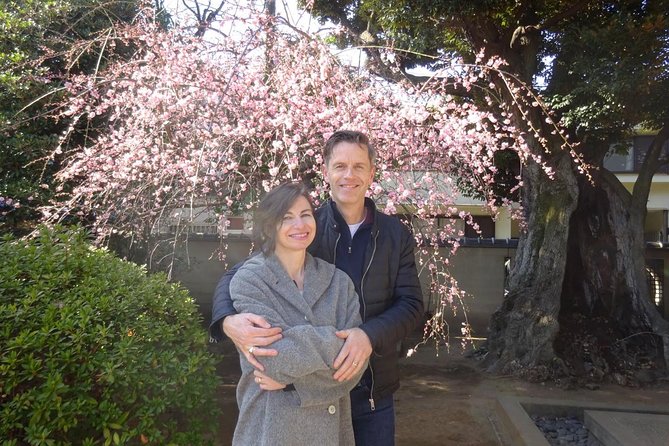
Expect a mix of temples, cherry trees in spring, older buildings, and residential streets. This is not a polished open-air museum. You are moving through a real neighborhood, so the appeal is the ordinary detail: home architecture, quiet lanes, small storefronts, and old structures that you might pass without knowing their meaning.
Several guides have been praised for making this part personal. Charlotte has been described as careful about safety and clear when explaining local ways. Michiko has helped participants navigate the stations and pointed out old buildings, a bakery, a rice cake shop, clothing made with geisha fabric, and a tree said to be about 600 years old.
Those details show why a guide adds value here. You can walk Yanaka alone, but you may not know which gate matters, why a cemetery is part of the route, or how the neighborhood connects to the last shogun and the city’s changing past.
Tennoji Temple and the 1274 bronze statue
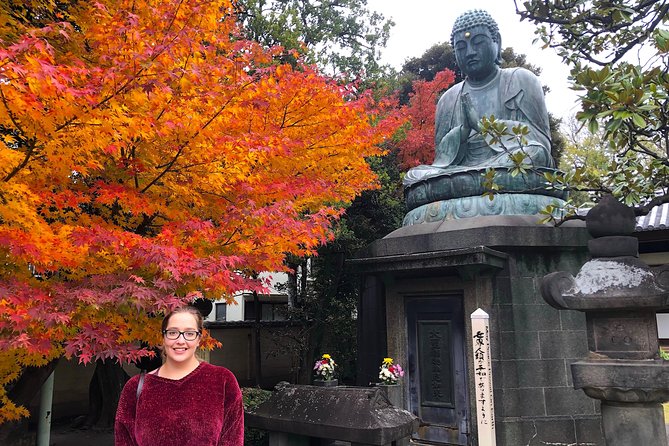
Tennoji Temple sits beside Yanaka Cemetery and dates to 1274. The temple is reached through an old wooden gate and has a garden setting, which gives this stop a quieter feel than the large temple grounds in more heavily visited parts of Tokyo.
A bronze Buddhist statue in the grounds dates back centuries and gives the guide a natural way to explain Buddhist practice and temple design. If you have already visited several Japanese temples, you may find this stop familiar. The difference is that the guide can compare Buddhist customs with Shinto practices and explain what you are looking at rather than simply leading you from one photo stop to another.
This tour includes several religious sites, so it suits you if you want context. It may not suit you if you prefer one major temple with plenty of time to explore independently. The schedule keeps moving, and the exact balance of stops can depend on the guide, timing, and afternoon or morning route.
Yanaka Cemetery, the route’s quiet centerpiece
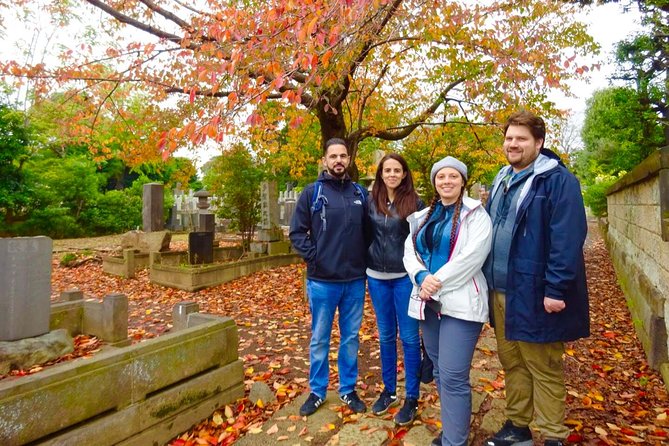
The cemetery is one of the most distinctive parts of the walk. It covers about 100,000 square meters and contains more than 7,000 graves, with more than a century of history. The scheduled visit lasts around 40 minutes, making it one of the longest stops.
That length is both a strength and a possible drawback. I like it because the cemetery gives you a different way to understand Tokyo. It is not only a place of mourning. It also shows the close relationship between temples, families, neighborhood memory, and the city’s older ruling classes.
The cemetery includes the family grave site of the last shogun, an especially useful connection for anyone interested in the end of the shogunate and the shift toward modern Japan. Guides have also discussed the last samurai, politics, religion, and social change while walking here.
You should know what you are signing up for. This is not a quick stroll past a few graves. If you are interested in Japanese history and traditional urban life, the time can feel worthwhile. If cemeteries are not your thing, 40 minutes may seem long, as one participant found.
Wear shoes with good support. Several hours on foot, including cemetery paths and neighborhood streets, calls for comfort rather than fashion. The activity asks for moderate physical fitness, and the route can be tiring in summer heat.
A few more Tokyo bookings worth comparing
- Tokyo: Imperial Palace and Shogun Historical Walking Tour
★ 5.0 · 2,251 reviews - Tokyo: Imperial Palace Japanese History Walking Tour
★ 4.9 · 987 reviews - Tokyo: Shinjuku Historical Walking Tour & Secret Backstreets
★ 5.0 · 530 reviews - Mt. Fuji Heritage Tour: Traditional Villages, Lakes & Shrine
★ 4.5 · 509 reviews
Optional tea, museums, and the old bathhouse gallery
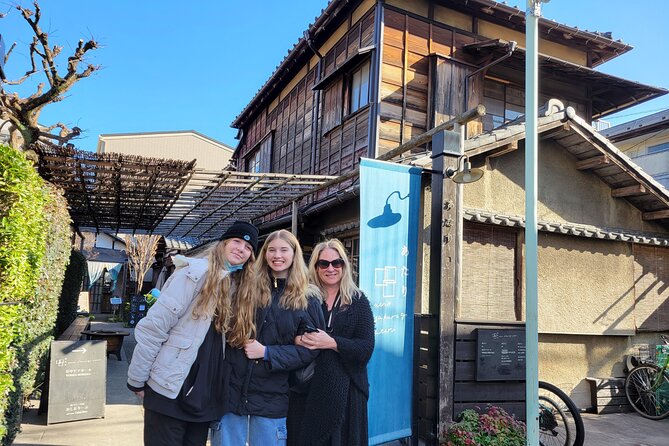
The tour has a few possible additions, and these give the experience more range than a temple-and-cemetery walk.
At Gallery Okubo, you can optionally take part in a Japanese tea ceremony on tatami mats. The tea costs ¥1,000 and is not included in the tour price. This is a useful add-on if you want a direct introduction to tea-room manners and traditional seating, but you should budget extra cash and allow about 30 minutes.
The Shitamachi Customs Museum and Exhibit Hall focuses on the culture of Tokyo’s old downtown districts. Its objects were actually used in daily life, which makes it a good counterpoint to temples and graves. The listed time is 20 minutes, and admission is shown as free, though the stop is marked optional.
In the afternoon, the route may include SCAI The Bathhouse, a contemporary art gallery in a former public bath. The building keeps the feel of old Tokyo while presenting modern art, creating an interesting meeting point between the neighborhood’s past and present.
Another afternoon-only stop is Edokoro Alan West, a traditional studio in a former auto body garage. It is surrounded by Buddhist temples and offers a glimpse of a working artistic practice in an older part of town.
The optional and afternoon stops mean your exact route may differ. If a museum, tea, or art matters most to you, ask about the day’s plan before booking. One useful feature of the small format is that guides may adjust the pace or add nearby places when time allows.
Nezu Jingu and the religious side of the route
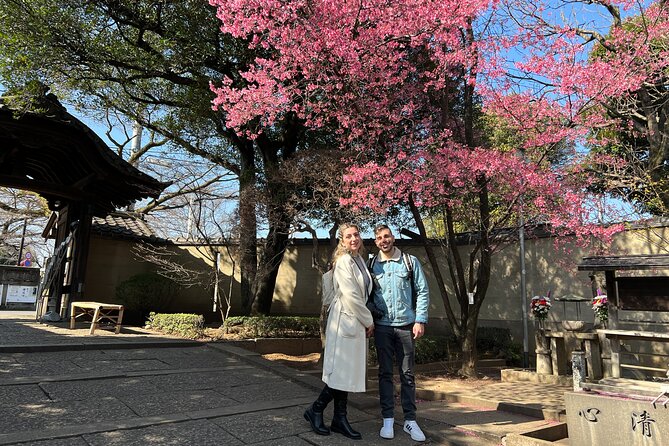
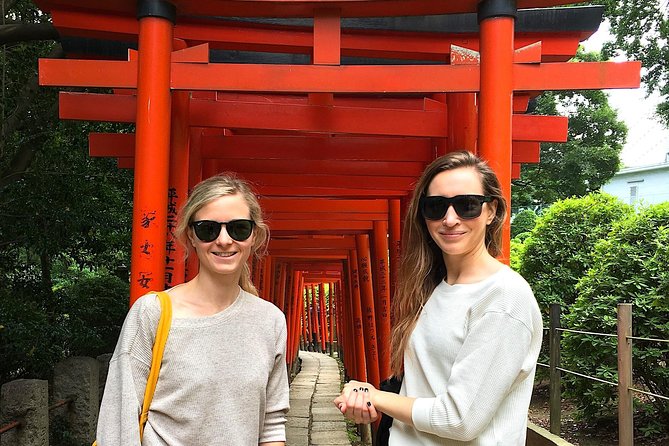
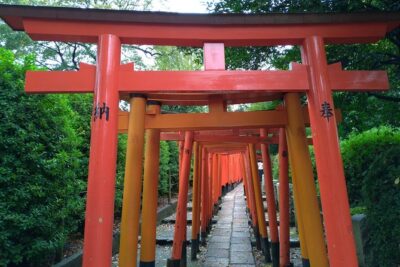
The itinerary includes a stop at one of Japan’s oldest shrines, described as a striking site among large trees, flowering azaleas, ponds, paths, and colorful wooden structures. This is Nezu Jingu, a particularly scenic change from the cemetery and narrow residential streets.
Here the guide can explain Shinto, shrine etiquette, and the difference between shrine and temple customs. That explanation is valuable on a first trip because Japanese religious sites can look beautiful while their rituals remain unclear to outsiders.
The season matters. Spring azaleas and cherry blossoms can add color, but the experience is still built around the site’s trees, ponds, paths, and buildings rather than a guaranteed seasonal display. Do not book this solely for flowers unless your dates happen to line up.
Some people may feel the tour visits too many shrines and temples. One participant suggested replacing a shrine visit with a museum. That is a fair point. The route is strongest for people who enjoy comparing religious sites and learning how they fit into local life.
Yanaka Ginza, snacks, and the end of the walk
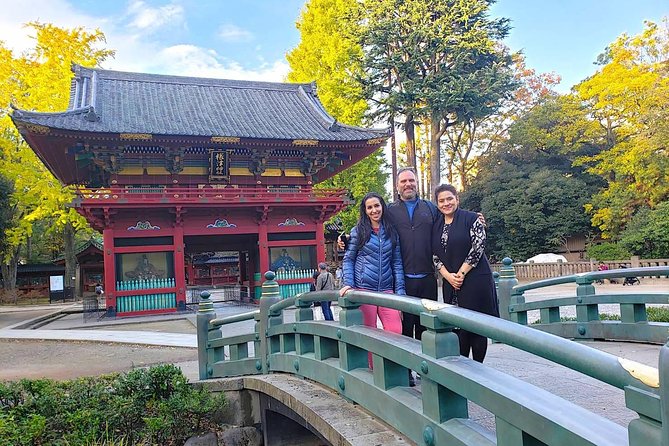
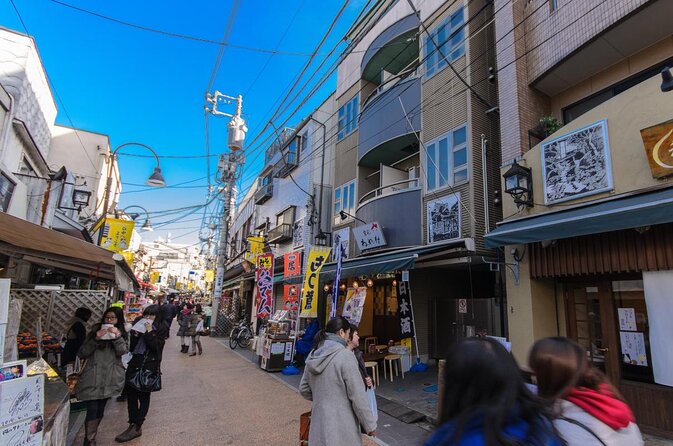
Yanaka Ginza Shopping Street is the tour’s most everyday stop. It has a well-preserved shitamachi mood, with local shops and food stalls rather than the high-end retail found in Ginza district.
You get about 30 minutes here, enough to look around and try local snacks. Food and drinks are not included, so carry some yen if you want to buy sweets or other small treats. Guides have stopped for typical sweets, sake tasting, cafés, and cold drinks during flexible versions of the walk, but these extras are not guaranteed inclusions.
This is also where the tour becomes especially practical. Your guide can point out food and explain what you are seeing, while you get a chance to pause after the longer walk. Some participants have ended at a café, including one in a former bathhouse, and enjoyed drinks such as matcha milk.
The formal tour ends back at Nippori Station, but Yanaka Ginza gives you a good reason to stay nearby. You can continue shopping, eat a snack, or simply wander before taking the train onward.
What the guides add to the experience

The strongest part of this tour is the guide-led interpretation. The guide names vary, but the most praised qualities are consistent: clear English, local familiarity, warmth, patience, and the ability to answer questions without making the walk feel like a lecture.
Charlotte has been praised for strong English, safety awareness, and clear explanations of history and local customs. Michiko has helped people understand the area while also handling practical station and train questions. Kiyo has focused on old Japan, shrines, temples, and cultural stories.
Kaori and Ken have been noted for adjusting the pace to suit the group. Mana has taken photos and helped explain old Yanaka buildings that would be difficult to enter or understand alone. Muchan has carried bug spray and cooling spray on a very hot day, paused in air-conditioned places, and made time for shopping.
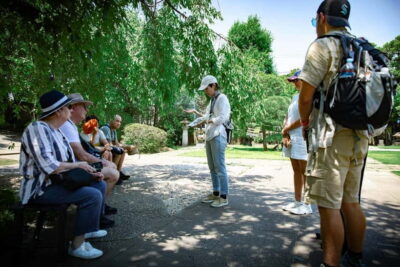
Those small acts matter. A walking tour is only as good as its pace and communication. You can ask questions, stop for a rest, and sometimes spend time in places not listed in the basic route. Still, flexibility depends on the guide and the available time, so do not assume every optional stop will happen.
Price, group size, and what you receive
The price is $72.96 per person. That is not the cheapest way to walk Yanaka, since the temples, cemetery, and main neighborhood streets have no separate admission charge. You are paying for an English-speaking guide, planning, local explanation, group coordination, and the chance to ask questions as you walk.
The value improves if this is your first day in Japan or your first visit to Tokyo. Several hours with a guide can help you understand temple and shrine etiquette, local food, Japanese history, and the city’s old neighborhoods. It can also save you from spending half a day wandering without knowing what you are seeing.
The value is weaker if you are an experienced Japan visitor who enjoys independent walks and has already studied Japanese religion and history. In that case, you may prefer to explore Yanaka alone and spend your money on food, tea, or a museum.
The tour includes all fees and taxes, photos of participants, and an English-speaking guide. Hotel pickup and drop-off cost extra. Food, drinks, and the ¥1,000 tea ceremony are separate.
The activity is advertised for no more than eight people, though the booking information also refers to a maximum of 10 people per booking. Confirm the final group size when you reserve. A small group is important here because narrow streets, shops, and questions are easier to manage than with a large crowd.
Morning departures start at 9:00 am, and afternoon departures start at 2:00 pm. Afternoon departures are the ones specifically associated with SCAI The Bathhouse and Edokoro Alan West. The stated duration is about 3 hours and 30 minutes, with extensions available at ¥3,000 per group, per hour, paid in cash.
Free cancellation is available up to 24 hours before the start time. Changes or cancellations inside that window are not accepted, and the amount paid is not refunded. Because the route is outdoors, keep this rule in mind when checking the weather.
Who should book this Yanaka experience
I would recommend it to first-time Tokyo visitors who want a gentler introduction to the city. It is also a good fit for anyone interested in Edo and Meiji history, Japanese religion, traditional architecture, cemeteries, local sweets, and ordinary neighborhood life.
Families and small groups may appreciate the personal pace, though everyone should be ready for several hours of walking. The tour can work well for solo visitors too, since the guide provides conversation and helps make a local area easier to enter.
I would think twice if you dislike walking, have little interest in temples or cemeteries, or want a tightly fixed museum itinerary. The experience is strongest when you enjoy small details and are happy to let the guide connect them.
My verdict: a strong choice for old Tokyo
Book this tour if you want to see Tokyo without spending another day among towers, giant crossings, and major commercial districts. The best parts are the guide’s explanations, the old streets, Tennoji Temple, the large cemetery, Nezu Jingu, and the local feel of Yanaka Ginza.
Before booking, confirm the start time, expected group size, and whether your route includes the optional or afternoon stops you care about. Bring comfortable shoes, water, and some yen for food or tea.
At $72.96, this is a guided introduction rather than an admission-ticket bargain. For a first look at traditional Tokyo, that added explanation is the point. For an independent walker, it may be more than you need.
FAQ
How long does the Yanaka Walking Tour last?
The tour lasts approximately 3 hours and 30 minutes. You can extend it at a rate of ¥3,000 per group, per hour, payable in cash.
Where does the tour start and finish?
The meeting point is Nippori Station at 2 Chome-19 Nishinippori, Arakawa City, Tokyo 116-0013. The activity ends back at the meeting point.
What time does the tour start?
You can request a 9:00 am or 2:00 pm start when booking. SCAI The Bathhouse and Edokoro Alan West are listed for afternoon tours only.
Is food included?
No. Food and drinks are not included. You can buy local snacks at Yanaka Ginza Shopping Street, and the optional tea ceremony costs ¥1,000 separately.
Is the tea ceremony included in the price?
No. The tea ceremony at Gallery Okubo is optional and costs ¥1,000. That fee is separate from the tour price.
How many people can join the tour?
The activity states a maximum of eight travelers. The booking information also mentions a maximum of 10 people per booking, so confirm the final group size when reserving.
Can I cancel for a full refund?
Yes, if you cancel at least 24 hours before the experience start time. Cancellations or changes made less than 24 hours before the start time are not accepted and are not refunded.
More Walking Tours in Tokyo
- Tokyo Tsukiji Fish Market Food and Culture Walking Tour
★ 5.0 · 3,184 reviews - Tokyo: Shinjuku Local Bar and Izakaya Guided Walking Tour
★ 4.9 · 1,794 reviews - Tokyo: Tsukiji Fish Market Food and Walking tour
★ 5.0 · 1,724 reviews - Tokyo: Asakusa Walking Tour with Sensoji Temple Visit
★ 4.8 · 1,583 reviews
New on our Tokyo list
- Tokyo Spectacular View Day-Cruise in 90 Minutes★ 5.0 · 25 reviews
- From Tokyo: Mount Fuji & Hakone Full Day Private Tour★ 4.9 · 25 reviews
- Real Tokyo Runner Club : Daikoku Car Meet Night Tour with JDM Car★ 5.0 · 25 reviews
- 2.5 Hour-Guided Cycle Tour in the Central Tokyo★ 5.0 · 25 reviews
- Ramen Making from Scratch +Akihabara Tour –Cooking Class★ 5.0 · 25 reviews
- [Self-Drive] Tokyo & Daikoku Custom Car Driving Tour★ 4.9 · 25 reviews
- Tokyo: 2-Hour Night Bike Tour of the City’s Hidden Gems★ 4.9 · 25 reviews
- Samurai themed Entertainment show in Shinjuku★ 4.5 · 25 reviews
Yanaka & Old Tokyo Walks, compared.

Small Town in the Big City: Tasting Tokyo’s Kichijoji
Read our review →
Stroll in Old traditional culture towns~Yanaka & Nezu
Read our review →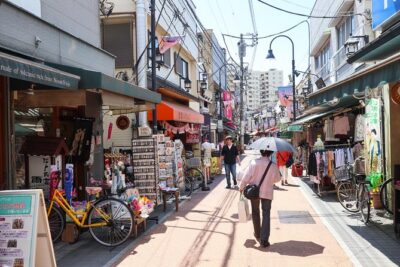
Yanaka Historical Walking Tour in Tokyo’s Old Town
Read our review →
Private Home Cooking in Yanaka – Local Flavors in a Warm Setting
Read our review →
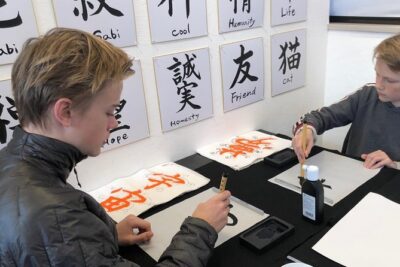
Let’s experience calligraphy in YANAKA, Taito-ku, TOKYO !!
Read our review →Browse the lists this tour appears in