
Reviewed · TOKYO FOOD TOURS
Tokyo: Wagyu and Sushi Gastronomic Journey
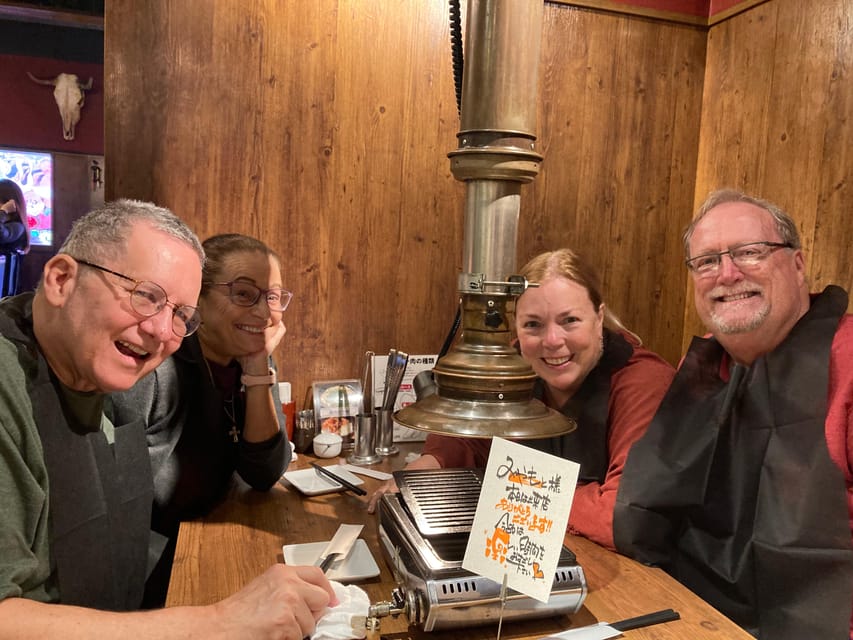
Shinjuku is at its best when dinner and street life share the same evening. This small-group tour pairs Wagyu and sushi with a walk through neon-lit Kabukicho, narrow Omoide Yokocho, quiet Hanazono Shrine, and the tiny bars of Golden Gai. You get food with context, not just a plate placed in front of you.
I like the mix of polished Japanese cooking and rough-edged local streets. I also like the small group, capped at 10, which gives you a better chance to ask about sushi, beef, drinking customs, and the places you pass. Guide Emma has been praised for her warmth and easy conversation, while other guides are noted for explaining each dish and the area clearly.
The main thing to consider is the pace. Three to three and a half hours can feel short in Shinjuku, especially when two food stops share time with several walking areas. Transportation is not included, and you should budget 200 to 800 yen for any local rides the guide uses.
In This Review
- Key points at a glance
- Why the food comes first
- Meeting the guide near Nishishinjuku
- Kabukicho, Godzilla, and Tokyo after dark
- Hanazono Shrine, a quiet pause in Shinjuku
- Omoide Yokocho and the flavor of small streets
- Golden Gai, where the tour finishes
- What the three-hour schedule means
- Is $154 a fair price?
- Who will enjoy this Shinjuku food tour
- Booking details worth knowing
- Should you book it?
- FAQ
- How long does the tour last?
- Where does the tour begin?
- Where does the tour finish?
- Is transportation included?
- Is dinner included?
- Is alcohol included?
- What language is the tour offered in?
Key points at a glance
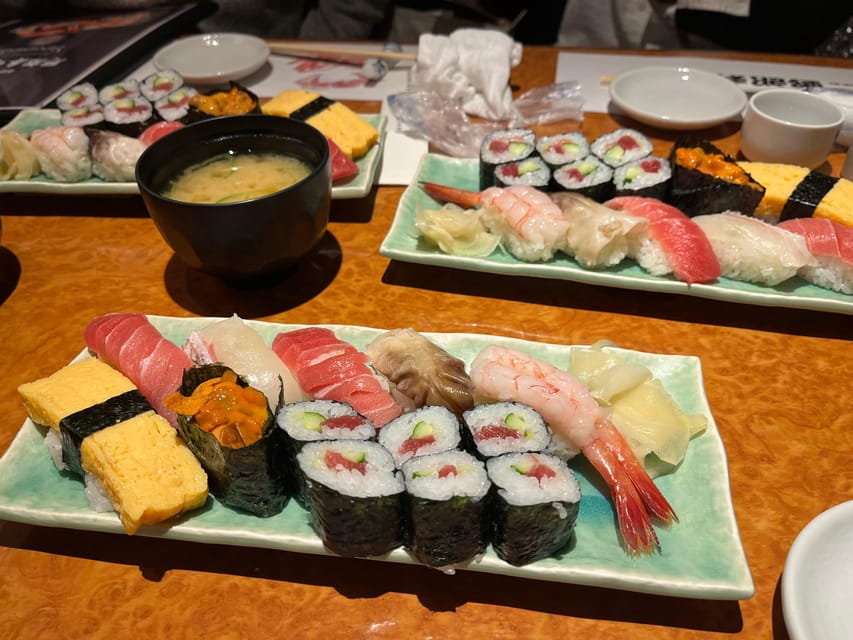
- Two full food stops: Dinner includes Wagyu and sushi at two different venues, giving you two distinct looks at Japanese dining.
- Wagyu with a story: Learn about the beef’s origins, flavor, and regional differences before or while tasting it.
- Shinjuku after dark: Walk through Kabukicho, see the Godzilla Head, and take in one of Tokyo’s most famous nightlife districts.
- Old Tokyo in narrow lanes: Omoide Yokocho and Golden Gai offer tiny bars, yakitori shops, and post-war character in a very compact area.
- A calm shrine break: Hanazono Shrine gives the evening a quiet pause amid Shinjuku’s signs and crowds.
- Small group, English guide: With no more than 10 people, the tour feels more personal than a large city walk.
Why the food comes first
The strongest reason to book this outing is the pairing of two Japanese favorites that are easy to misunderstand on your own. Wagyu is not simply a synonym for any expensive beef, and sushi is not just raw fish with rice. A good guide can explain what you are tasting, how the ingredients differ, and why preparation matters.
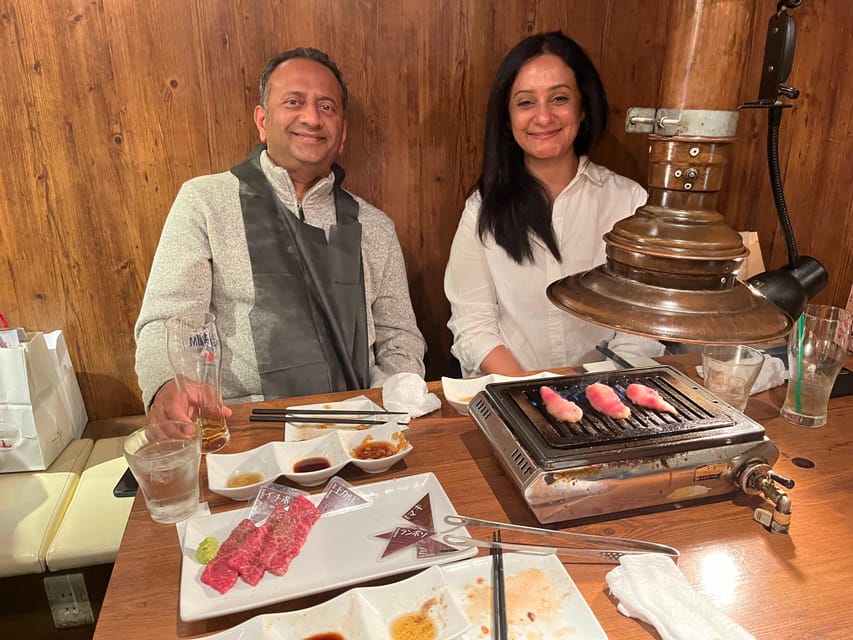
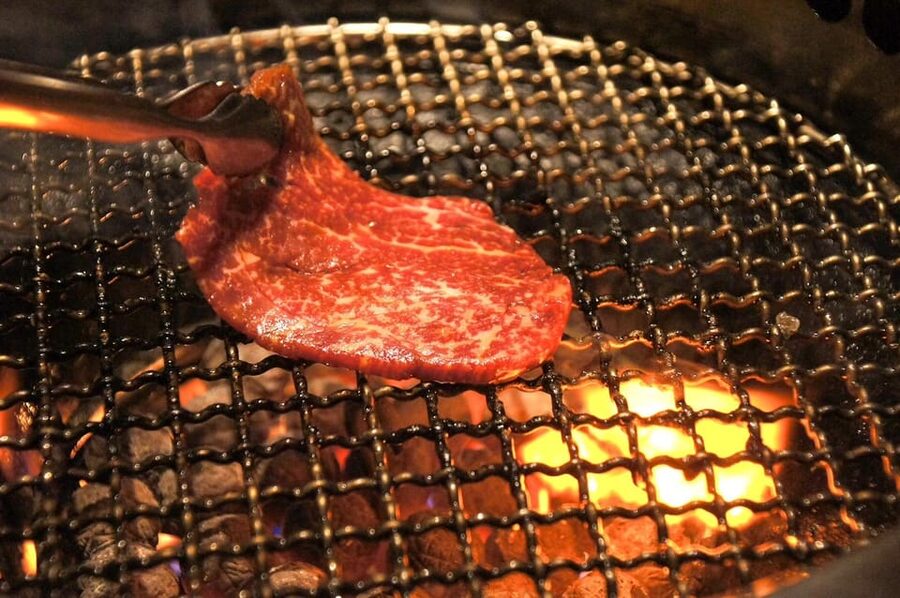
The Wagyu portion focuses on history, flavor, and regional variations. That is useful because the name covers beef from different parts of Japan, with differences in texture and taste. The tour also introduces Japanese barbecue, a style of eating that one participant described as a first-time experience and a major highlight. You can expect the beef to be treated as the main event rather than as an afterthought.
Sushi brings a different kind of precision. The chefs prepare individual pieces with seasonal ingredients and traditional methods. The point is not simply to count how many pieces you receive. You learn how freshness, rice, cutting, and presentation work together. If you have eaten sushi outside Japan, this is a chance to notice details that may otherwise pass you by.
Dinner and alcoholic drinks are included, with alcohol available only to participants aged 20 and older. The supplied details do not specify the exact menu, cuts of beef, number of sushi pieces, or drink selection, so you should not book expecting a fixed tasting list. Seasonal availability may shape what appears on the table.
More sushi mornings and classes:
- Sushi Making Tokyo Roll and Authentic Japanese Sushi Class
★ 5.0 · 3,971 reviews - Tokyo: Roll and Authentic Sushi Making Class in Asakusa
★ 4.9 · 1,957 reviews - Make Sushi and Create Unforgettable Memories in Tokyo
★ 5.0 · 1,413 reviews
Meeting the guide near Nishishinjuku
The tour begins at 7-chōme-10-5 Nishishinjuku, directly in front of the 3rd Burger. This is a practical meeting point, but Shinjuku can be confusing, particularly after dark, so allow time to find the correct street and storefront.
Your English-speaking guide leads a group of no more than 10 people. That limit matters here. Shinjuku’s lanes are narrow, and a large group would make it harder to hear explanations or move comfortably. A small party also makes it easier to ask what to order, how to eat a dish, or which local custom you are seeing.
The guide’s role is more than pointing out restaurants. You receive background on Japanese food and the neighborhoods around you. Emma, one guide named in the published experience details, is described as personable and comfortable discussing both Tokyo dining and her time in the United States. Other feedback highlights guides who made the evening feel friendly and personal.
Do not expect a formal lecture. The tone is better suited to visitors who want practical conversation while walking and eating. You still get historical and cultural information, but the evening is built around being out in Shinjuku rather than sitting through a long presentation.
Kabukicho, Godzilla, and Tokyo after dark
The first major walking section takes about 1.5 hours in Kabukicho. This is Shinjuku’s famous entertainment district, packed with neon signs, restaurants, bars, and late-night diversions. The area is a sharp contrast to the quiet shrine that comes later, and that contrast is part of the tour’s appeal.
Kabukicho can feel intense. It is colorful and full of activity, but it is also not a place where you should switch off your common sense. Stay with the group, listen to the guide, and avoid accepting unsolicited invitations from people trying to steer you into venues. The tour gives you a way to see the district with local context instead of wandering without a plan.
One easy landmark is the Godzilla Head above the Shinjuku Toho Building. It is a playful symbol of Tokyo’s pop culture, and it helps explain why Shinjuku is more than a food district. The giant figure also makes a useful visual pause during a walk through streets that can otherwise blur into signs, crowds, and tall buildings.
The Kabukicho section is not only about nightlife. It shows how Tokyo can shift from polished department stores to entertainment streets within a few blocks. I find that useful for first-time visitors because it gives you a clearer sense of Shinjuku’s layers. You see a modern commercial center, a dining district, and a long-running nightlife quarter in one evening.
Hanazono Shrine, a quiet pause in Shinjuku
Hanazono Shrine offers a welcome change of pace. The shrine sits amid Shinjuku’s busy streets, yet its purpose and atmosphere are very different from the surrounding bars and signs. Here you get a short look at traditional Japanese religious practice without leaving the city center.
The available details do not promise a formal religious ceremony or a long visit. Think of Hanazono Shrine as a calm stop and a chance to understand how older traditions remain part of daily Tokyo. Your guide can explain what you are seeing and how the shrine fits into the district.
This pause also helps the food and nightlife sections work better. Without it, the evening could become a fast sequence of restaurants and neon. The shrine gives you a moment to slow down, look around, and notice a side of Shinjuku that is easy to miss when you focus only on restaurants.
More Tokyo food crawls:
- Tokyo: Shinjuku Food Tour (13 Dishes at 4 Local Eateries)
★ 5.0 · 6,603 reviews - Tokyo: Shinjuku Food Tour (15 Dishes and 4 Eateries)
★ 4.9 · 2,033 reviews - Best of Shinjuku: Izakaya Food Tour (4 Stops, 14+ Tastings)
★ 5.0 · 1,863 reviews - Tokyo Night Foodie Tour in Shinjuku – Seasonal Sushi, Wagyu Beef
★ 5.0 · 1,161 reviews
Omoide Yokocho and the flavor of small streets
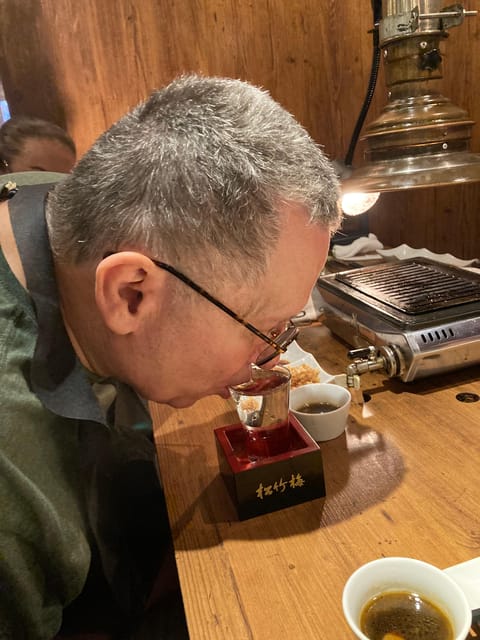
Omoide Yokocho is known for narrow lanes lined with tiny bars and eateries. Yakitori and other Japanese comfort foods are associated with the area, so you get a look at a more casual side of local dining than the sushi stop provides.
The lanes are compact, atmospheric, and likely to feel much less polished than a modern restaurant. That is the point. Omoide Yokocho gives you a sense of everyday drinking and quick meals in a tight urban setting. You should expect limited space and a close, social atmosphere rather than a quiet table with lots of room.
The tour includes dinner and visits to two distinct food venues, but the information provided does not identify the restaurant names or guarantee a separate Omoide Yokocho meal. The walking route connects these parts of Shinjuku, while the included dinner centers on Wagyu and sushi. Ask the guide how the food stops relate to the walk when you meet.
For you, the value here is not only what you eat. It is learning how different kinds of Japanese food fit different settings. Fine sushi, grilled beef, yakitori, and small-bar snacks all belong to the same city, but they offer very different social experiences.
Golden Gai, where the tour finishes
The evening ends in Shinjuku Golden Gai, after another guided walking section of about 1.5 hours. Golden Gai is famous for more than 200 small bars, many with their own themes and personalities. The alleys are maze-like, and the buildings are notably small compared with the towers around them.
This is one of the most distinctive parts of the route. Golden Gai offers a glimpse of post-war Tokyo through its cramped lanes and intimate drinking spaces. It feels almost out of scale with modern Shinjuku. One moment you are near giant signs and major streets, and the next you are moving through passages built for only a few people at a time.
The tour does not state that a bar entry or a final drink is included at Golden Gai. Alcoholic beverages are included in the overall experience for participants aged 20 and older, but the exact serving location and number of drinks are not specified. If entering a particular Golden Gai bar matters to you, confirm the plan before booking.
Golden Gai also has a drawback: it is not ideal for anyone who dislikes tight spaces, nightlife, or a busy walking route. The alleys can be hard to navigate alone, which is precisely why a guide helps. You get the atmosphere without having to figure out the maze from scratch.
What the three-hour schedule means
The advertised duration is three hours, with the practical estimate given as three to three and a half hours. The schedule includes two food venues and extensive walking through Kabukicho and Golden Gai, so this is not a slow, multi-course dinner.
You should arrive ready to keep moving between stops. Wear comfortable shoes, especially if you plan to continue exploring Shinjuku afterward. The route includes narrow lanes and busy streets, and the guide needs to keep the group together while making the food and neighborhood stops fit into the evening.
The short length is a benefit if you want a focused introduction. You can pair it with a separate shopping afternoon, a museum visit, or another dinner on a different night. It is less suitable if your main goal is a long restaurant stay or a carefully paced tasting menu.
No hotel pickup or drop-off is provided. Local transportation, if needed, costs roughly 200 to 800 yen and is paid separately. The start and finish are both in Shinjuku, with the tour ending in Golden Gai, so plan your route home before you set out.
Is $154 a fair price?
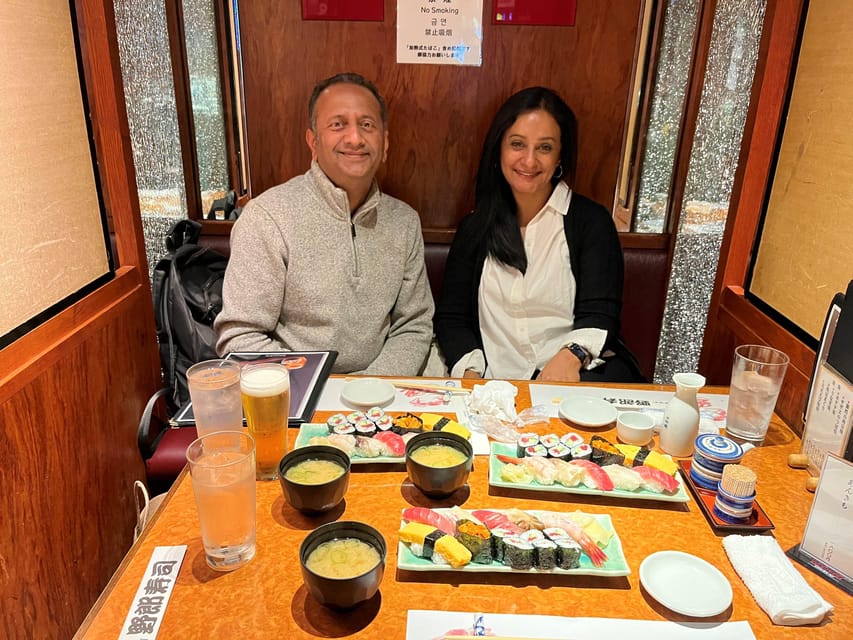
At $154 per person, this is not a budget food walk. The price needs to cover dinner, two food venues, an English-speaking local guide, and the work of organizing an evening across several busy parts of Shinjuku. Alcohol is included for participants aged 20 and older, which adds some value.
The price makes more sense if you would otherwise feel unsure about choosing Wagyu, ordering sushi, or entering the small lanes of Golden Gai. The cultural explanation is part of what you are paying for. You are buying a guided evening that combines food with neighborhood context, not simply a restaurant reservation.
Still, the exact food portions and venue names are not listed. That makes it difficult to compare the price dish by dish. If you are a confident Tokyo diner who already knows where to eat and how to navigate Shinjuku, you may find the cost high for a three-hour outing.
For a first visit, I see stronger value. A guide gives you a clear route, explains what is on the plate, and helps you use your limited evening well. The overall rating is 4.3 from 24 reviews, while the available written feedback is especially strong on the food quality, guide warmth, and mix of history with nightlife. That pattern suggests the best value comes from the whole evening rather than from any single dish.
Who will enjoy this Shinjuku food tour
I would choose this tour if you want a social evening with a balance of eating and walking. It suits first-time visitors who want help with Japanese food and people who enjoy seeing a city through its small streets rather than only its major attractions.
It also works well for couples, friends, and solo visitors who prefer a small group. The limit of 10 people is friendly for conversation without making the evening feel like a private tour. If you are traveling alone, this format gives you company while still leaving room to speak with the guide.
You may want something else if you have strict dietary needs, want to know every dish in advance, or do not drink alcohol. The available information does not list dietary accommodations, a vegetarian menu, or substitutions. It also does not give a fixed menu, so ask before reserving if those details affect your decision.
Families should note the age rule for alcoholic drinks. The tour information only states that alcohol is available to participants aged 20 and older, not that younger participants are excluded. Confirm the arrangements if you are booking for a mixed-age group.
Booking details worth knowing
Free cancellation is available up to 24 hours before the tour for a full refund. You can also reserve now and pay later, which helps if your Tokyo schedule is still shifting.
The tour requires contact from you if plans change. If there is no contact from the guest by the day of the tour, it may be canceled, with a full refund issued in that situation. The simplest approach is to keep the provider informed and arrive at the stated meeting point in front of the 3rd Burger.
The tour is offered in English with a live guide. Check available start times because the exact departure time varies. Since Kabukicho and Golden Gai are evening-focused areas, the timing is a meaningful part of the experience.
Should you book it?
Book this Tokyo Wagyu and Sushi Gastronomic Journey if you want excellent food plus a guided look at Shinjuku’s nightlife districts. The combination is the real draw: Wagyu, sushi, Kabukicho, Hanazono Shrine, Omoide Yokocho, Godzilla, and Golden Gai in one compact evening.
I would skip it if you want a long, quiet meal, a fixed tasting menu, or a low-cost introduction to Tokyo food. At $154, you should value the guide and neighborhood access as much as the dinner itself. For first-time visitors who want a friendly, well-planned night in Shinjuku, that combination makes the price easier to justify.
FAQ
How long does the tour last?
The tour is advertised as three hours, with the practical duration listed as three to three and a half hours.
Where does the tour begin?
The meeting point is directly in front of the 3rd Burger at 7-chōme-10-5 Nishishinjuku.
Where does the tour finish?
The tour finishes at Shinjuku Golden Gai.
Is transportation included?
No. Transportation costs are separate and may range from 200 yen to 800 yen.
Is dinner included?
Yes. Dinner and visits to two distinct food venues are included. The experience focuses on Wagyu and sushi.
Is alcohol included?
Alcoholic beverages are included for participants aged 20 and older.
What language is the tour offered in?
The tour has a live English-speaking guide.
New on our Tokyo list
- Made from flour in 30min! Ramen-noodle Making Experience!★ 4.8 · 24 reviews
- Private tour Tokyo – The Harmony of Modernity and Tradition★ 5.0 · 24 reviews
- Customizable Private Tokyo Trip with an English Speaking Driver★ 5.0 · 24 reviews
- Mt. Fuji Private Chartered Tour with Nature and Wasabi Farm★ 5.0 · 24 reviews
- 1- Day Private Tour to Nikko Tochigi With English Speaking Driver★ 5.0 · 24 reviews
- Tokyo VIP private nightlife tour with a local insider★ 5.0 · 24 reviews
- [1 Group Only] Explore Tokyo Ginza Food Tour for Family★ 5.0 · 24 reviews
- Private Tour – History, Art and Nature at the Imperial Palace★ 5.0 · 24 reviews
Tokyo Food Tours, compared.
Shinjuku Food Tour (13 Dishes at 4 Local Eateries)
Read our review →
Shinjuku Food Tour (15 Dishes and 4 Eateries)
Read our review →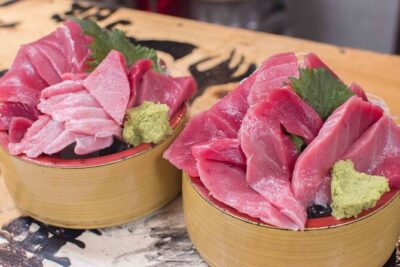
Best of Shinjuku: Izakaya Food Tour (4 Stops, 14+ Tastings)
Read our review →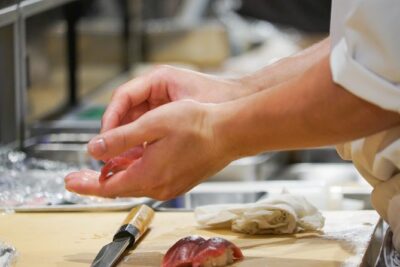
Tokyo Night Foodie Tour in Shinjuku – Seasonal Sushi, Wagyu Beef
Read our review →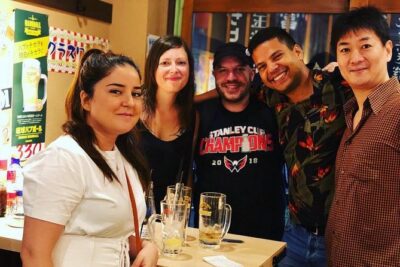
Eat and Drink Like a Local: Tokyo Ueno Food Tour-Taverns&Ramen
Read our review →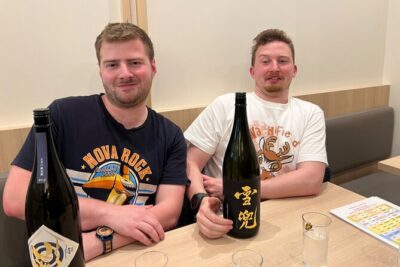
Tsukiji Fish Market: Street Food & Culture Walking Tour
Read our review →Shinjuku Food Tour – 15 Dishes, 3 Drinks, 4 Eateries
Read our review →Browse the lists this tour appears in