
Reviewed · SUSHI EXPERIENCES
Sushi Making Tokyo Roll and Authentic Japanese Sushi Class
Tokyo can serve you excellent sushi at every turn, but this class lets you understand what is on your plate. Near Senso-ji Temple in Asakusa, you’ll learn to make maki rolls and nigiri, then eat your own work as lunch.
I like the clear, patient instruction and the useful mix of sushi technique with food history. I also like that children can take part, with several families praising the class for keeping ages six through teenagers involved. The one thing to consider is the group size, which can reach 30 people, so this is a lively class rather than a quiet private lesson.
In This Review
- Key things to know
- Making sushi beside Senso-ji
- A gentle introduction before the rice hits the mat
- Rolling maki without making a rice disaster
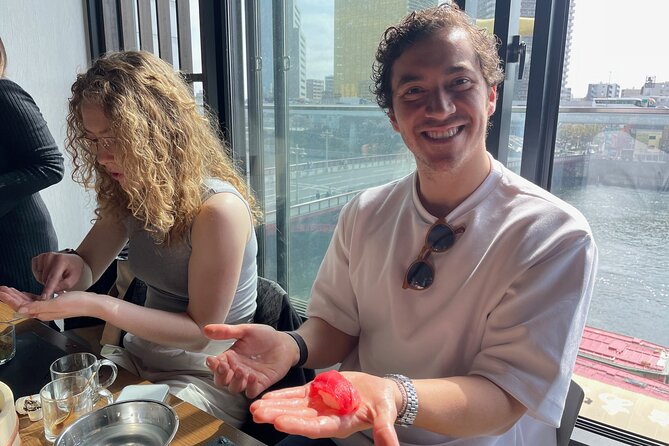
- Shaping nigiri by hand
- Lunch tastes better when you made it
- What the $59.69 price really covers
- Who should book this class
- Timing the class with an Asakusa day
- The authentic experience question
- My verdict: book it if you want to make, not just eat
- FAQ
- Where does the sushi class meet?
- How long does the experience last?
- Does the class include a meal?
- Is the class taught in English?
- Do I need cooking experience?
- Are children allowed to participate?
- What is included in the price?
- What is the cancellation policy?
Key things to know
- You make both maki and nigiri: The class covers rolled sushi and hand-shaped sushi, giving you two different basic techniques.
- The location is excellent: The meeting point at 2-chōme-17-9 Kaminarimon puts you close to Senso-ji and the old Asakusa streets.
- English instruction is included: Instructors explain each step clearly and add Japanese food terms and cultural background.
- Lunch comes from your own work: Ingredients and the class meal are included, so you eat the sushi you prepare.
- Families fit the format well: Children as young as six and older teens have been able to take part with help from the teaching team.
- The price is fair for a hands-on class: At $59.69 per person, you get instruction, ingredients, and a meal in about 100 minutes.
Making sushi beside Senso-ji
The setting does much of the work before the class even begins. The meeting point is on Kaminarimon in Taito City, just steps from Senso-ji Temple, Tokyo’s best-known Buddhist temple and the heart of Asakusa.
That makes this easy to pair with a morning or afternoon in the neighborhood. You can visit the temple, walk through the traditional streets, and then sit down to learn a food that has become one of Japan’s most famous exports. Or take the class first, then use the rest of the day to explore Asakusa with a full stomach.
The address is specific, but one useful warning comes from the practical side of the experience: the venue can be a little tricky to find. I would arrive about 15 minutes early, especially if you are navigating Tokyo for the first time. You receive a mobile ticket, and the activity finishes back at the same meeting point.
There is no hotel pickup or drop-off. That is not a serious problem here because the class is near public transportation, but you need to plan your own route. Add extra time if you are coming from Shinjuku, Shibuya, or Tokyo Disney Resort.
More sushi mornings and classes:
- Tokyo: Roll and Authentic Sushi Making Class in Asakusa
★ 4.9 · 1,957 reviews - Make Sushi and Create Unforgettable Memories in Tokyo
★ 5.0 · 1,413 reviews - Tokyo: Sushi Making Class in a Happi Coat near a Famous Spot
★ 4.9 · 1,377 reviews
A gentle introduction before the rice hits the mat
The class begins with an introduction to sushi and its place in Japanese food culture. Expect some history, basic terms, and an explanation of the ingredients and methods you will use.
This opening is short enough to keep the class moving, but it gives the food some context. You are not simply being shown how to push rice into a roll. You learn why sushi is prepared in different forms and how maki and nigiri differ.
The teaching team uses clear English, visual demonstrations, and step-by-step explanations. Some sessions have included a video or presentation before the hands-on work begins. That helps if you have never handled sushi rice or wondered how much filling belongs inside a roll.
Several instructors receive special praise for being warm and energetic. Names that have come up include Moe, Kazu, Ken, Arisa, Jun Kyoto, Kaori, Kyuto, and Kazu. The instructor assigned to your session may be different, but the format is designed for international visitors and no cooking experience is required.
You also pick up a few Japanese words along the way. That is a small but worthwhile touch. Food classes are often a better place to learn practical language than a phrasebook because you immediately connect the word with an action.
Rolling maki without making a rice disaster
Maki is the rolled sushi most people recognize first. You work through the process with guidance, from handling the rice to adding fillings and forming the roll.
The useful part is the close demonstration. Sushi rice is sticky, and beginners commonly use too much of it, overfill the center, or roll too loosely. A teacher can show you the right pressure and correct the shape before the whole thing turns into a soft cylinder with rice escaping at both ends.
The goal here is not culinary perfection. It is to leave with a technique you can repeat at home. The instructors explain practical tips and tricks, making the process feel less mysterious and less intimidating.
You also get to see how much food is provided. The class includes the ingredients and the meal, and the portions are substantial enough to function as lunch. That matters when you are paying for an activity rather than simply watching a demonstration.
Families should find this part especially appealing. Children can help spread rice, choose fillings, and roll the mat with an adult nearby. The hands-on work gives younger participants something to do throughout the class instead of asking them to sit through a long lecture.
Shaping nigiri by hand
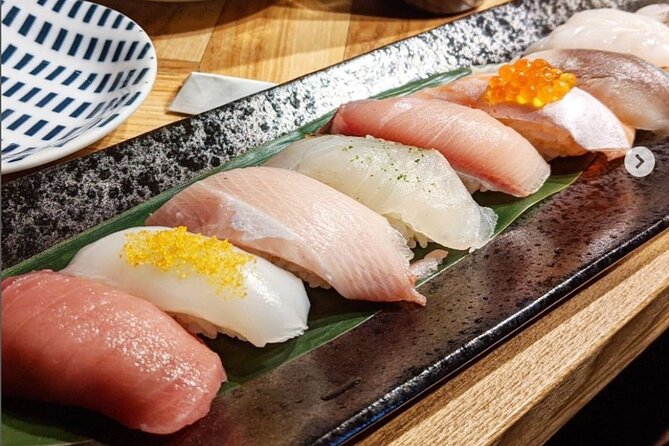
The class also teaches nigiri, the compact form of sushi with a piece of fish or another topping placed over hand-shaped rice. This is a different skill from rolling maki, and it gives the session more range than a simple sushi-roll workshop.
Nigiri looks easy until you try to make each piece hold together without becoming dense. The instruction breaks the job into manageable steps. You learn how to shape the rice and place the topping, then make several pieces of your own.
The quality of the fish and rice matters here. Comments about the ingredients are consistently positive, with particular approval for fresh fish and good rice. The exact selection is not specified, so you should not book this expecting a particular species or premium seafood menu.
That uncertainty is worth noting for picky eaters. The class is aimed at people who like sushi, and the food is central to the activity. If you avoid raw fish, have allergies, or follow a strict diet, check directly with the provider before booking. The supplied information does not promise substitutions.
A few more Tokyo bookings worth comparing
- Tokyo Shinjuku Chopsticks Making Class
★ 5.0 · 1,763 reviews - Chopstick Making Workshop in Ginza
★ 4.8 · 1,366 reviews - Tokyo Sushi Making Class in Tsukiji with Professional Chef
★ 5.0 · 1,177 reviews - Ramen & Gyoza Cooking Class in Tokyo with Local Supermarket Visit
★ 5.0 · 823 reviews
Lunch tastes better when you made it
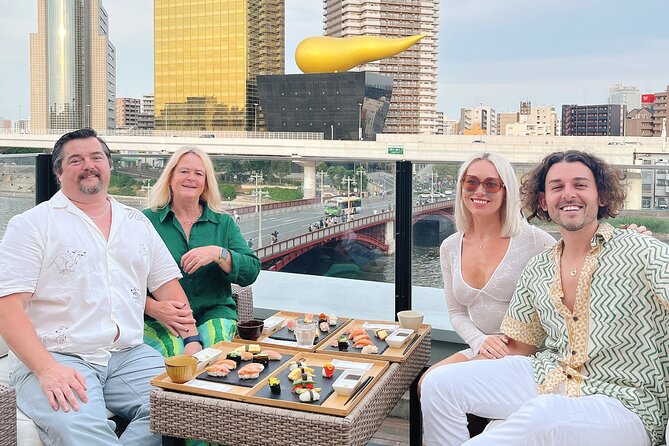
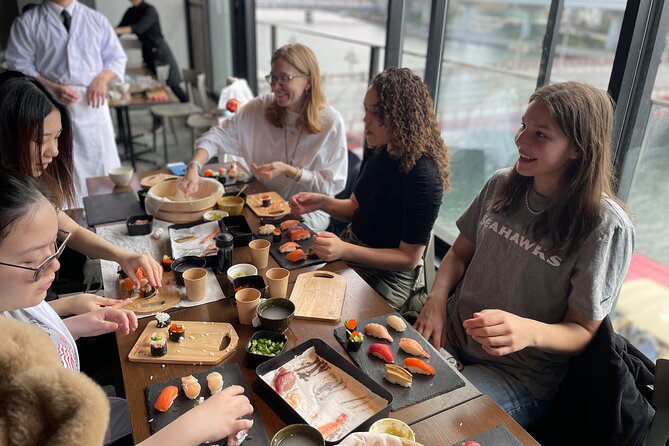
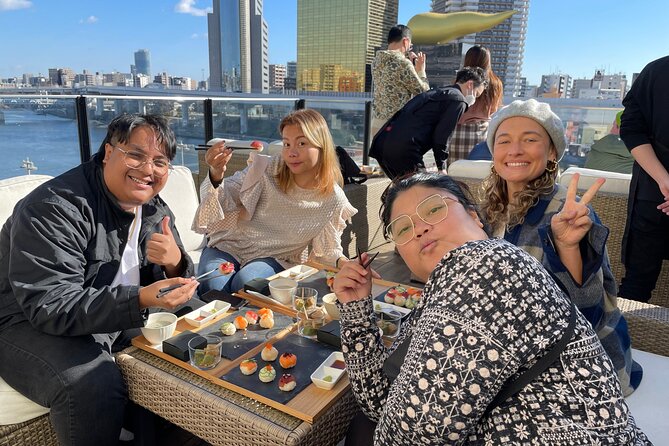
After the instruction, you sit down and eat the maki and nigiri you prepared. This is the payoff, but it is also part of the lesson.
You can see where your technique worked and where it needs practice. A slightly uneven roll still tastes good, and that is part of the charm. You are not being judged in a professional kitchen. You are learning enough to make sushi at home and enjoying a meal with the group.
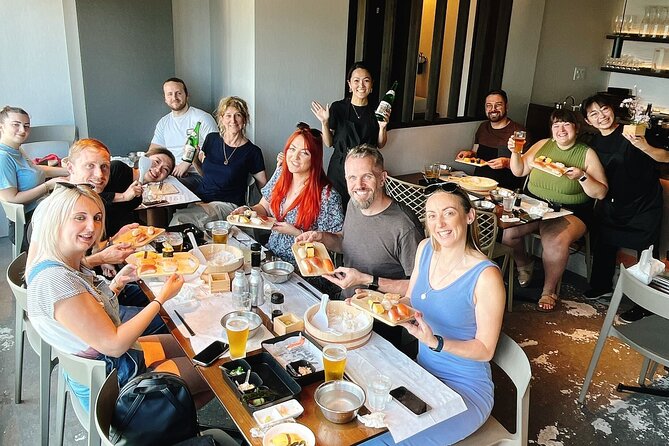
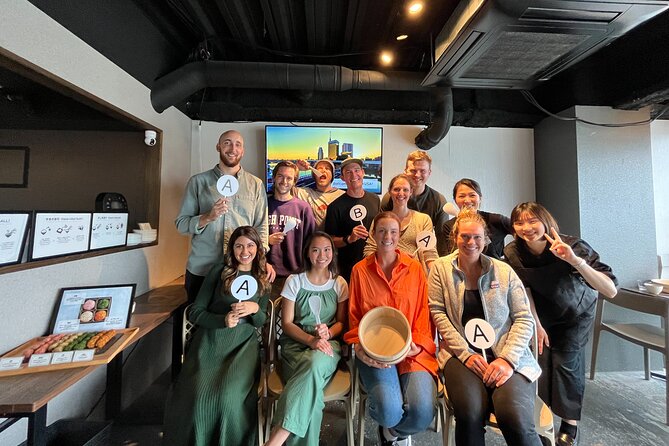
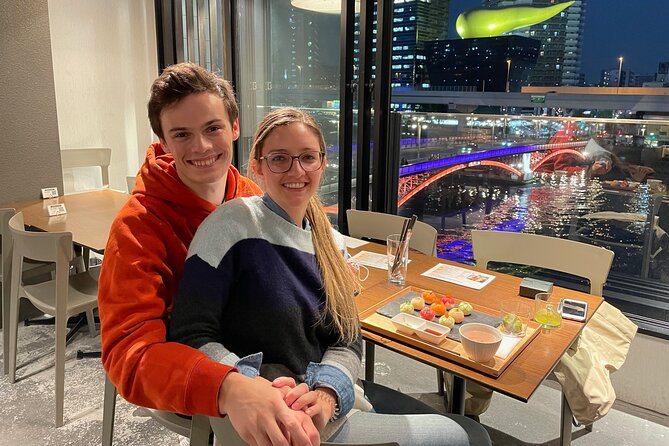
The food also gives the class a natural social rhythm. You work beside other people, compare your creations, and take photos at the end. Couples have used it as a shared activity, families have made it part of a day in Asakusa, and it can work well as a change of pace after several temple visits and train rides.
A sake flight may be available as an added option, according to the experience details shared by participants, but it is not part of the listed inclusions. Treat it as an optional extra rather than part of the basic price.
What the $59.69 price really covers
The cost is $59.69 per person. For roughly 1 hour and 40 minutes, that includes an English-speaking instructor, the cooking-class ingredients, instruction, and the sushi meal you prepare.
That is a reasonable price if you want an activity rather than another restaurant meal. You are paying for food, but also for teaching, equipment, cultural explanation, and an experience you can repeat at home. The value is strongest when you are traveling with family or as a couple and want a shared memory that does not depend on sightseeing weather.
It is less compelling if you only want to eat outstanding sushi. Tokyo offers plenty of ways to do that without paying for a class. This activity makes sense because you want to learn, handle the ingredients, and understand the basics.
The maximum group size is 30 people. That allows the class to welcome families and mixed groups, though it also means the atmosphere may be active and social. The instructors provide hands-on help, but this is not the right pick if you want one-on-one coaching in a private kitchen.
The experience has received a two-time TripAdvisor Best of the Best award, and its overall rating is listed as 5 from 3,971 ratings, with 99 percent recommending it. Those figures point to unusually strong satisfaction, especially around the teaching, food, and family-friendly format. They do not mean every session will feel identical, since instructors and group mix can change.
Who should book this class
I would put this near the top of the list for first-time visitors who enjoy sushi and want a cultural activity that fits neatly into a Tokyo itinerary.
It is particularly well suited to:
- Families with children: The format has worked for children from about six years old through teenagers, with instructors adjusting pace and explanations.
- Couples: You get a shared activity and a meal without spending half a day away from central Tokyo.
- Sushi beginners: No cooking background is required, and the demonstrations make the techniques approachable.
- Food-focused visitors: You learn about preparation, vocabulary, ingredients, and sushi history rather than simply eating.
- People staying near Asakusa: The class combines easily with Senso-ji, Kaminarimon, and the surrounding traditional district.
I would think twice if you dislike sushi, need a fully private lesson, or want a detailed professional chef course. The class is built for enjoyment and basic skill, not certification or advanced restaurant technique.
Timing the class with an Asakusa day
The 100-minute duration is short enough to fit into a busy Tokyo plan. You can schedule it around a temple visit, shopping in Asakusa, or an evening reservation elsewhere.
For the smoothest day, give yourself time before the start. The location can take a few minutes to identify, and arriving early avoids turning the opening explanation into a frantic search. Afterward, you are already in one of Tokyo’s most atmospheric sightseeing areas.
The activity begins and ends at the same address. Since transportation is not included, check your route in advance and allow for Tokyo station changes, especially if you are traveling with children or carrying shopping bags.
Free cancellation is available when you cancel at least 24 hours before the local start time. Cancellations or changes made inside that window are not refunded or accepted. Confirmation arrives when you book, and service animals are allowed.
The authentic experience question
This is an authentic Japanese food activity in the sense that it introduces real sushi forms, ingredients, vocabulary, and customs through practical instruction. It is also clearly designed for international visitors, with English explanations, visual aids, and an easy pace.
That combination is a strength, not a flaw. You are not expected to know Japanese cooking etiquette or arrive with knife skills. The class gives you a friendly doorway into sushi culture without making the lesson hard to follow.
Still, keep your expectations realistic. It is not a traditional sushi-counter apprenticeship, and the food is not described as a full survey of regional Japanese cuisine. One participant called the format somewhat Western in its presentation. That is fair. You get a polished, accessible class built around sushi, not an unfiltered look at professional restaurant life.
For most visitors, that is exactly why it works. You learn enough to make sushi, hear some cultural background, and enjoy lunch without losing a full day.
My verdict: book it if you want to make, not just eat
I recommend this class for most sushi-loving visitors to Tokyo. The Asakusa location, clear English instruction, generous meal, and family-friendly format make it a strong use of a couple of hours.
Book it if you want a hands-on break from temples and train stations, or if you like the idea of returning home with a skill rather than just a photo. Arrive early, plan your route, and remember that the class can hold up to 30 people.
Skip it if your priority is the finest possible sushi meal, a private chef lesson, or a highly traditional professional setting. For everyone else, $59.69 buys a practical, cheerful introduction to maki and nigiri, with lunch included and Senso-ji waiting outside.
FAQ
Where does the sushi class meet?
The meeting point is 2-chōme-17-9 Kaminarimon, Taito City, Tokyo 111-0034, Japan, near Senso-ji Temple in Asakusa.
How long does the experience last?
The class lasts approximately 1 hour and 40 minutes.
Does the class include a meal?
Yes. The ingredients and the sushi meal are included, and you eat the maki and nigiri you make during the class.
Is the class taught in English?
Yes. An English-speaking instructor leads the class and explains the techniques and cultural information.
Do I need cooking experience?
No. The class is beginner-friendly, and no cooking experience is required.
Are children allowed to participate?
Yes. The experience is suitable for families, and children from young ages through teenagers have taken part with help from the instructors.
What is included in the price?
The $59.69 price includes the English-speaking instructor, cooking-class ingredients, and the meal.
What is the cancellation policy?
You can cancel for a full refund up to 24 hours before the experience start time. Cancellations or changes made less than 24 hours before the start are not refunded or accepted.
New on our Tokyo list
- From Tokyo: Mount Fuji & Hakone Full Day Private Tour★ 4.9 · 25 reviews
- Tokyo Spectacular View Day-Cruise in 90 Minutes★ 5.0 · 25 reviews
- Real Tokyo Runner Club : Daikoku Car Meet Night Tour with JDM Car★ 5.0 · 25 reviews
- 2.5 Hour-Guided Cycle Tour in the Central Tokyo★ 5.0 · 25 reviews
- Ramen Making from Scratch +Akihabara Tour –Cooking Class★ 5.0 · 25 reviews
- [Self-Drive] Tokyo & Daikoku Custom Car Driving Tour★ 4.9 · 25 reviews
- Tokyo: 2-Hour Night Bike Tour of the City’s Hidden Gems★ 4.9 · 25 reviews
- Samurai themed Entertainment show in Shinjuku★ 4.5 · 25 reviews
Sushi Experiences, compared.
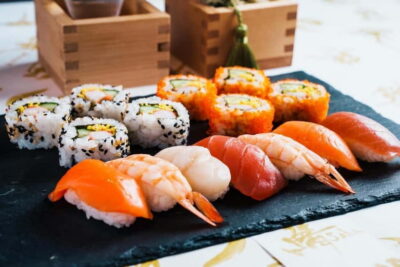
Roll and Authentic Sushi Making Class in Asakusa
Read our review →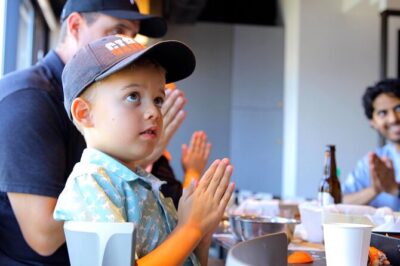
Make Sushi and Create Unforgettable Memories in Tokyo
Read our review →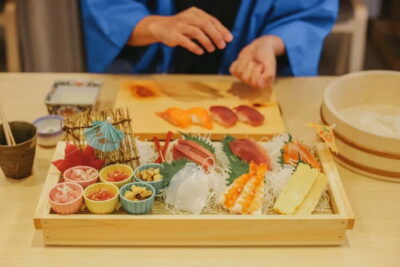
Sushi Making Class in a Happi Coat near a Famous Spot
Read our review →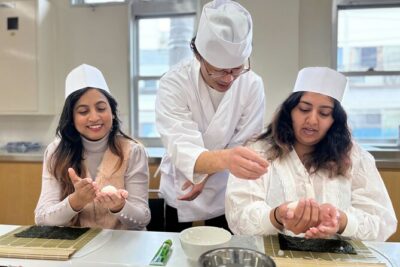
Tokyo Sushi Making Class in Tsukiji with Professional Chef
Read our review →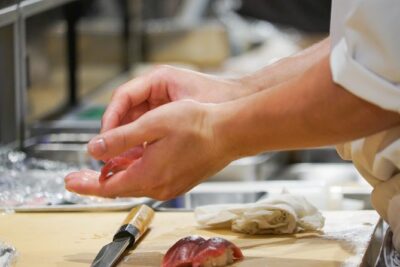
Tokyo Night Foodie Tour in Shinjuku – Seasonal Sushi, Wagyu Beef
Read our review →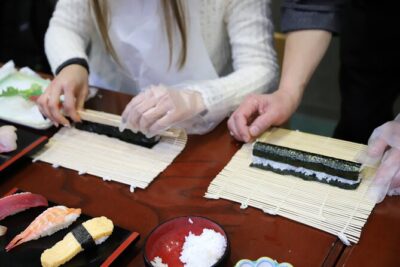
Tsukiji Fish Market Guided Tour and Sushi Making with Pro Chef
Read our review →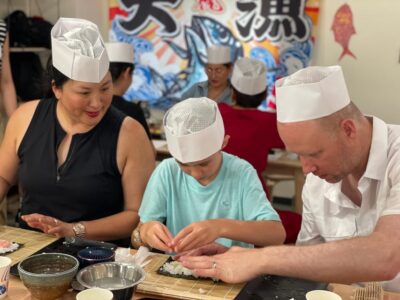
Tsukiji Fish Market Sushi Making Class with Pro Chef
Read our review →
Browse the lists this tour appears in