
Reviewed · TOKYO FOOD TOURS
Tokyo: Shinjuku Food Tour – 15 Dishes, 3 Drinks, 4 Eateries
Shinjuku’s best food experience may be the one that gets you away from the big, polished restaurants and into small neighborhood spots. This three-hour evening tour moves through four local eateries, serving more than 15 dishes, from sashimi and gyoza to tonkatsu and regional specialties.
I like two things especially: the generous food lineup gives you a full dinner rather than a few dainty samples, and the route shows you three very different sides of Shinjuku, Golden Gai, Omoide Yokocho, and Kabukicho. Guides including Riki, Emma, Dai, Shane, and Yin have been praised for their humor, local insight, and care with the group.
The main consideration is pace. You eat, walk, and move on to the next stop within a three-hour window. Come hungry, bring cash, and keep in mind that one recent booking received two drinks instead of the three promised, so it is sensible to confirm the drink arrangement at the start.
In This Review
- Key points at a glance
- Why this food tour works in Shinjuku
- Starting near Nishi-Shinjuku
- Golden Gai: tiny lanes and a big character
- Omoide Yokocho: old-style food stalls near the station
- Kabukicho: food beside Tokyo nightlife
- What 15 dishes and three drinks really mean
- Guides make the difference
- Walking, seating, and practical comfort
- Is $72 a fair price?
- Who should book this evening
- Should you book the Shinjuku food tour?
- FAQ
- Where does the tour meet?
- How long does the experience last?
- How many eateries will I visit?
- How much food is included?
- Are drinks included?
- Is the tour conducted in English?
- What should I bring?
- Can I cancel the booking?
Key points at a glance
- 15 dishes across four eateries: Expect enough food for a proper meal, not just a tasting plate.
- Three Shinjuku districts in one evening: The route links Golden Gai, Omoide Yokocho, and Kabukicho.
- Local guides shape the experience: Guides such as Emma, Riki, Dai, Shane W, and Yin have been praised for clear explanations and warm group care.
- A useful first-night activity: The tour helps you learn what Japanese dishes are called and how local places work.
- Cash is important: Bring cash for this food-focused evening.
- Check the drinks: The plan includes three alcoholic or nonalcoholic drinks, though one recent participant received only two.
Why this food tour works in Shinjuku
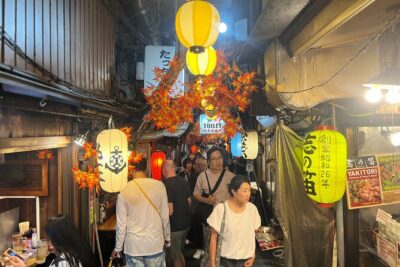
Shinjuku can feel like several cities pressed together. One block brings giant video screens and department stores. The next gives you a narrow lane filled with tiny bars, old signs, and restaurant doors you might never think to open.
That contrast is the reason I like this experience. You are not simply sitting down for one long dinner. You are walking through the district and eating in four separate places, with each stop giving you another look at Tokyo’s everyday food culture.
The food is designed to cover plenty of ground. You might taste clean, delicate sashimi, crisp tonkatsu, pan-fried gyoza, and other dishes selected by the guide. The exact menu can change, but the idea is clear: you get different textures, cooking methods, and flavors rather than four versions of the same meal.
This is comfort food and local dining, not formal Japanese cuisine. If you want an expensive kaiseki meal with quiet service and carefully arranged courses, choose something else. If you want to understand what people order in casual restaurants and izakayas, this format makes much more sense.
The English-speaking guide adds practical value. A dish can look simple until someone explains its ingredients, preparation, or place in Japanese food culture. Guides such as Shane W have shared food and restaurant background, while Dai, Emma, Yin, and Riki have been praised for explaining both the dishes and the neighborhoods.
More Tokyo food crawls:
- Tokyo: Shinjuku Food Tour (13 Dishes at 4 Local Eateries)
★ 5.0 · 6,603 reviews - Tokyo: Shinjuku Food Tour (15 Dishes and 4 Eateries)
★ 4.9 · 2,033 reviews - Best of Shinjuku: Izakaya Food Tour (4 Stops, 14+ Tastings)
★ 5.0 · 1,863 reviews
Starting near Nishi-Shinjuku
The meeting point is in front of the blue AOKI sign near the Starbucks in Nishi-Shinjuku, by the west exit area. The official starting location is listed as the α 107 Building.
Shinjuku Station is large enough to swallow a first-time visitor’s sense of direction, so give yourself time to reach the meeting point. Look for the blue AOKI sign rather than relying only on the Starbucks. The tour returns to the same general location at the end.
That return point is useful. You can leave your evening open afterward, perhaps for another drink, a late walk, or a simple train ride back to your hotel. Since the tour finishes in the same part of Shinjuku where it begins, you do not need to arrange a separate pickup.
The guide will set the tone quickly. This is a social evening, and you may share tables with people from several countries. That can be part of the fun, especially if you are traveling alone or want an easy way to meet people without joining a loud nightlife event.
Golden Gai: tiny lanes and a big character
The first major area is Golden Gai, a tightly packed maze of narrow lanes and small bars. Its scale is the attraction. Instead of wide Tokyo streets and giant signs, you get little doorways, lanterns, and stacked buildings with very limited space.
Your guide helps you read the area. Golden Gai is more enjoyable when you understand that these tiny establishments are not designed like ordinary restaurants. Some are highly personal spaces, and knowing how to approach them is useful when you return on your own.
The food stop here is part of a wider introduction to casual Japanese dining. You may get dishes that are best shared, allowing you to sample several things without ordering a full plate of each one. The guide can explain what you are eating and offer context about how the food fits into the local scene.
There is a practical limitation: Golden Gai’s lanes are tight, and a group needs to stay together. This is not a leisurely solo stroll where you can stop at every doorway. Listen for the guide and keep an eye on the people ahead of you.
Omoide Yokocho: old-style food stalls near the station
The route continues to Omoide Yokocho, another well-known food area close to Shinjuku Station. Its narrow passages and compact eateries create a different mood from Golden Gai. Here, the focus is strongly on food, quick conversation, and small dishes served in close quarters.
This is a good setting for learning how Japanese meals can be built from many modest plates. Rather than one large main course, you may receive several servings that let you compare grilled, fried, raw, or seasoned foods. That is where the promised 15 dishes become meaningful. You get range, not just quantity.
The tour may include favorites such as gyoza and tonkatsu, along with sashimi and other local dishes. The exact selections are not fixed in the information provided, so you should treat the named foods as examples rather than a guaranteed menu.
I also like this stop because it gives you a practical restaurant lesson. The guide can explain ingredients, help with unfamiliar dishes, and show you places you might not choose by yourself. Several participants have appreciated being taken to eateries they would have missed without local help.
Small restaurants can mean limited seating. One recent participant specifically praised the guide for keeping the group on time and finding seats for everyone, which tells you something important about the evening: the guide is managing real restaurant logistics, not just delivering a speech while you walk.
More Shinjuku nights and walks:
- Tokyo Bar Hopping Tour in Shinjuku (All-You-Can-Drink + Dinner)
★ 5.0 · 3,587 reviews - Tokyo: Shinjuku Local Bar and Izakaya Guided Walking Tour
★ 4.9 · 1,794 reviews - Tokyo Shinjuku Chopsticks Making Class
★ 5.0 · 1,763 reviews - Tokyo Shinjuku Sumo Show & Experience with Photo
★ 5.0 · 1,750 reviews
Kabukicho: food beside Tokyo nightlife
The final area is Kabukicho, Shinjuku’s famous nightlife district. Neon signs, entertainment venues, and late-night restaurants give this part of the walk a louder, more theatrical feel.
A food tour is a smart way to see Kabukicho. You get the atmosphere without making the whole evening about bars or clubs. The guide can point out details about the streets and explain how the district fits into Shinjuku’s larger food and nightlife culture.
One stop may feature a specialty style of cooking or regional food. A participant specifically enjoyed an Okinawan meal at the last stop, but this should not be treated as a fixed promise. What you can count on is a varied meal across four eateries, with the guide explaining what appears on the table.
Kabukicho is also where the group may feel the effects of the evening’s pace. By the third stop, you may already be full. Several participants said the portions were so generous they could not finish everything, particularly at the last restaurant. That is a pleasant problem, but it means you should avoid eating a large meal beforehand.
What 15 dishes and three drinks really mean
The advertised meal includes 15 dishes, enough for a full dinner, plus three drinks. Alcoholic and nonalcoholic options are available, so you do not need to drink alcohol to take part.
The value here is variety. You are not paying simply for one plate and a guide. You are paying for a sequence of tastings, explanations, neighborhood walks, and the work of getting a group into four different establishments.
The three drinks also help the evening feel like a Japanese night out rather than a museum-style food lesson. Sake and beer may be available, and the information specifically mentions smooth Japanese sake. Nonalcoholic choices are included for people who prefer them.
There is one point to handle carefully. A recent booking reported receiving two drinks, one sake and one beer, despite the advertised three. That appears to be an exception rather than the general plan, given the many positive comments about the food and drinks, but you should ask your guide to confirm what is included when the tour begins.
The portions may be larger than you expect. One person described feeling overfed, while another said the group had more food than it could eat. I would eat lightly earlier in the day and arrive ready for a long, generous dinner.
Guides make the difference
The guide is the thread connecting the restaurants. A good guide keeps the group moving, explains dishes in plain English, watches the time, and makes sure nobody gets lost in Shinjuku’s maze.
The guide roster varies. Names that have received especially warm praise include Riki, Emma, Dai, Shane W, Yin, Will, Fu, Aiko, and Daichi. The most common strengths are clear food explanations, local stories, humor, and attention to the group.
That personal care matters. One guide adjusted the walking pace for a participant who walked slowly. Emma was praised for being patient when the group got a bit lost. Other guides helped with seating, took photographs, and handled food allergies when told in advance.
You should still communicate your needs clearly before the tour starts. The available information confirms that accommodations have been made for food allergies, but it does not promise that every restriction can be met. Tell the guide as soon as you arrive.
The social side is another plus. Solo visitors can join a ready-made group, and couples or friends get an easy way to meet people from around the world. The atmosphere is described as relaxed and friendly rather than stiff or academic.
Walking, seating, and practical comfort
The walking is described as manageable, but you will be on your feet and moving between stops. Wear comfortable shoes. Shinjuku’s side streets can be tight, and the evening is more enjoyable when you are not worrying about sore feet.
One restaurant has a steep set of stairs and no lift. This is the clearest accessibility concern provided for the experience. If stairs are difficult for you, contact the operator before booking and ask whether the route can be adjusted.
The tour lasts three hours, with roughly an hour devoted to each of the main areas. That does not mean you spend a full uninterrupted hour sitting at each restaurant. The time includes eating, walking, and local commentary.
Bring cash. The activity specifically tells you to do so, and small eateries are often the kind of places where cash remains useful. The supplied information does not state that tips, extra food, or additional drinks are included, so carry enough for personal expenses.
The tour is offered in English with a live guide. That makes it suitable for visitors who want explanations as they eat rather than a self-guided list of restaurant names.
Is $72 a fair price?
At $72 per person, this is not the cheapest way to eat in Tokyo. You could spend less by ordering one meal at a casual restaurant, and you would have more control over what you choose.
The comparison changes when you count what is included. You receive at least 15 dishes, three drinks, visits to four eateries, a three-hour guided walk, and an introduction to some of Shinjuku’s most characterful streets. If you would otherwise pay for several separate meals and drinks, the price becomes reasonable.
I see the strongest value for first-time visitors. You avoid the stress of choosing a restaurant in a district filled with thousands of options. You also learn enough about the food to make later meals less intimidating.
The price is less attractive if you already know Shinjuku well, speak Japanese comfortably, and enjoy choosing small restaurants on your own. In that case, you may prefer to spend $72 across several independent meals at your own pace.
The food quantity is a genuine part of the value. This is not a tour where you finish hungry and need to find dinner afterward. The more common risk is ordering too much food for your appetite, so plan your day accordingly.
Who should book this evening
I would recommend it for first-time Tokyo visitors, curious eaters, solo visitors, and anyone who wants a guided start to Japanese food. It is also a good choice if you are staying near Shinjuku and want to see the district after dark without planning every stop yourself.
Families with older children may enjoy the range of food, but the narrow lanes, evening timing, group pace, and stairs may not suit every child. The provided details do not specify a minimum age, so check before booking for younger participants.
People with strict dietary requirements should ask about accommodations before paying. The guides have handled allergies, but the menu changes and the tour is built around shared local dishes.
This is not the right pick for a quiet, private dinner or a fixed menu. It is a moving, social evening with changing restaurants and plenty of food. You need to be comfortable sharing tables and adapting to the night’s arrangements.
Should you book the Shinjuku food tour?
Book it if you want a full dinner, local guidance, and a lively look at Shinjuku’s smaller streets for $72. The strongest reasons are the generous range of food, the four-stop format, and guides who have repeatedly been praised for clear explanations, humor, and care with different walking speeds and food needs.
Skip it if you prefer choosing every dish yourself, dislike group dining, or have difficulty with stairs and crowded lanes. If you book, meet by the blue AOKI sign, bring cash, eat lightly beforehand, and confirm the three-drink inclusion at the start.
For many visitors, this is an excellent first-night introduction to Tokyo food. It gives you a neighborhood orientation, several dishes to remember, and a better sense of where to eat after the guide says goodnight.
FAQ
Where does the tour meet?
Meet in front of the blue AOKI sign near the Starbucks in Nishi-Shinjuku, by the west exit. The listed starting location is the α 107 Building.
How long does the experience last?
The tour lasts three hours. The route includes Golden Gai, Omoide Yokocho, and Kabukicho before returning to the starting area.
How many eateries will I visit?
You will visit four local eateries during the tour.
How much food is included?
The experience includes 15 dishes, described as enough for a full meal. Examples include sashimi, tonkatsu, and pan-fried gyoza, but the exact menu may vary.
Are drinks included?
Yes. Three drinks are included, with alcoholic and nonalcoholic options. One recent booking reported receiving two drinks, so confirm the arrangement with the guide when you arrive.
Is the tour conducted in English?
Yes. The experience includes a live English-speaking guide.
What should I bring?
Bring cash. Comfortable shoes are also a sensible choice because the experience includes walking through several Shinjuku areas.
Can I cancel the booking?
You can cancel up to 24 hours in advance for a full refund. A reserve-now, pay-later option is also available.
New on our Tokyo list
- From Tokyo: Mount Fuji & Hakone Full Day Private Tour★ 4.9 · 25 reviews
- Tokyo Spectacular View Day-Cruise in 90 Minutes★ 5.0 · 25 reviews
- Real Tokyo Runner Club : Daikoku Car Meet Night Tour with JDM Car★ 5.0 · 25 reviews
- 2.5 Hour-Guided Cycle Tour in the Central Tokyo★ 5.0 · 25 reviews
- Tokyo: 2-Hour Night Bike Tour of the City’s Hidden Gems★ 4.9 · 25 reviews
- Ramen Making from Scratch +Akihabara Tour –Cooking Class★ 5.0 · 25 reviews
- [Self-Drive] Tokyo & Daikoku Custom Car Driving Tour★ 4.9 · 25 reviews
- Samurai themed Entertainment show in Shinjuku★ 4.5 · 25 reviews
Tokyo Food Tours, compared.
Shinjuku Food Tour (13 Dishes at 4 Local Eateries)
Read our review →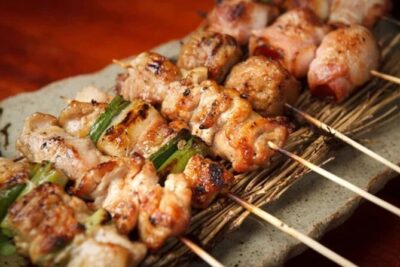
Shinjuku Food Tour (15 Dishes and 4 Eateries)
Read our review →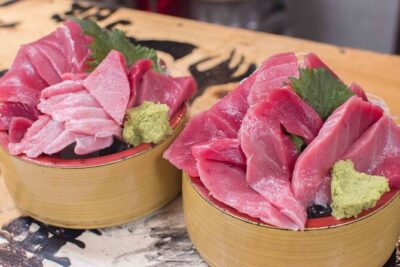
Best of Shinjuku: Izakaya Food Tour (4 Stops, 14+ Tastings)
Read our review →
Tokyo Night Foodie Tour in Shinjuku – Seasonal Sushi, Wagyu Beef
Read our review →
Eat and Drink Like a Local: Tokyo Ueno Food Tour-Taverns&Ramen
Read our review →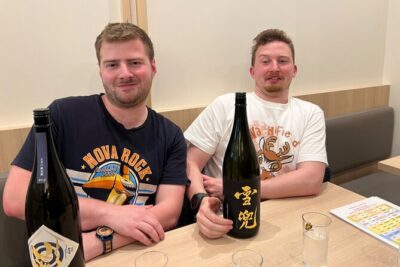
Tsukiji Fish Market: Street Food & Culture Walking Tour
Read our review →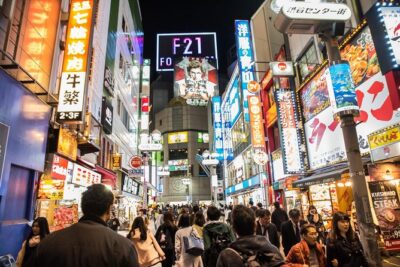
Browse the lists this tour appears in