
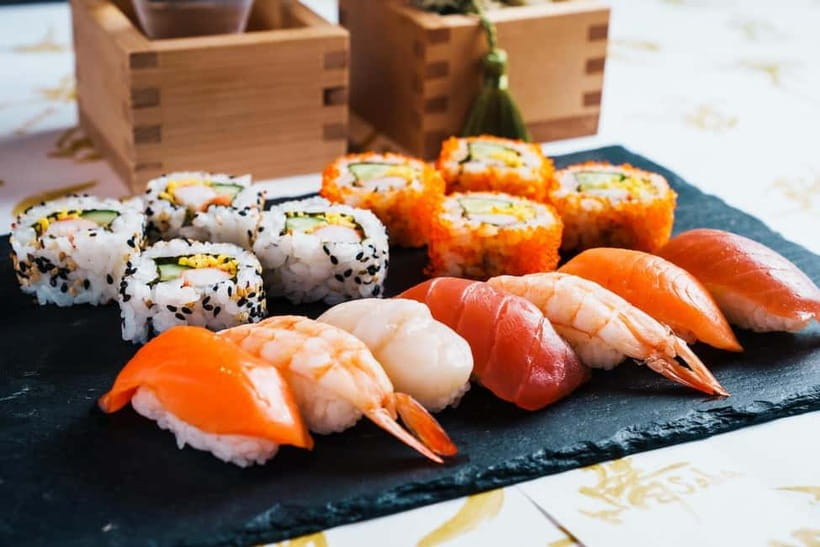
Reviewed · SUSHI EXPERIENCES
Tokyo: Roll and Authentic Sushi Making Class in Asakusa
Making sushi in Asakusa is more than a meal. It is a hands-on lesson in one of Japan’s best-known foods, taught in a friendly, upbeat setting near Sensoji Temple and Tokyo Skytree. You learn to shape both maki rolls and nigiri, then sit down and eat what you made.
I like two things right away: the English-speaking staff make the class easy for beginners, and the sushi lesson includes cultural background instead of rushing straight to the rice. The fresh ingredients and patient instruction also make this a strong choice for families and solo visitors.
The main consideration is time. The official length is 100 minutes, but some participants find the hands-on work a little rushed, especially if you want extra practice or a slower meal.
In This Review
- Key points to know
- Why this Asakusa sushi class works so well
- Meeting near Sensoji Temple
- The sushi quiz makes the lesson more than a recipe
- Making maki sushi, one careful step at a time
- Shaping nigiri gives you a new respect for sushi chefs
- Fresh ingredients make the final meal worthwhile
- A warm class for solo visitors and families
- Dietary needs require advance planning
- Is $58 a fair price for 100 minutes?
- Planning the class around your Tokyo day
- Who should book this sushi experience?
- Final call: book it if you want to make lunch, not just eat it
- FAQ
- Where is the sushi-making class located?
- How long does the class last?
- Do I need previous cooking experience?
- Which types of sushi will I make?
- Can dietary requirements be accommodated?
- Is transportation included?
Key points to know
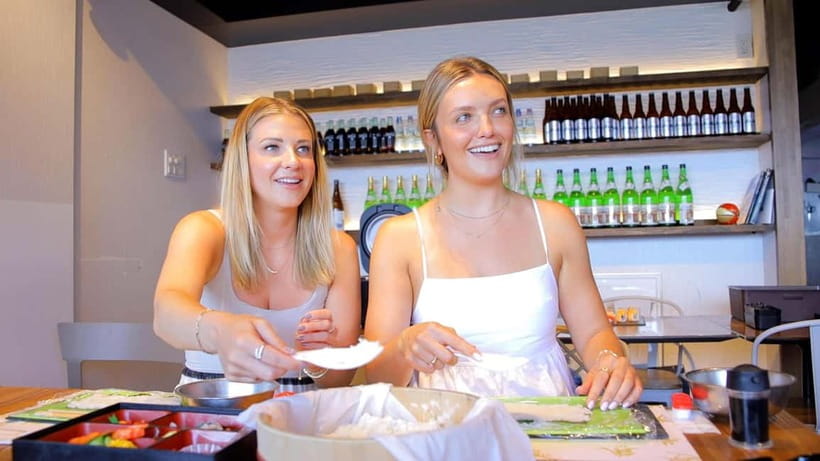
- Two classic sushi styles: Prepare rolled maki sushi and hand-shaped nigiri sushi.
- A playful start: Learn sushi basics and history through an interactive quiz.
- Friendly named instructors: Hitomi, Moe, Jun, Ken, Kaori, and others have been praised for clear, cheerful teaching.
- Excellent Asakusa location: Meet about three minutes from Asakusa Station, close to Sensoji Temple and Tokyo Skytree.
- Dietary requests are possible: Vegan, vegetarian, gluten-free, halal, and allergy menus can be arranged when requested at booking.
- Good for many types of visitors: Solo participants, couples, families, children, and groups are all welcome.
Why this Asakusa sushi class works so well
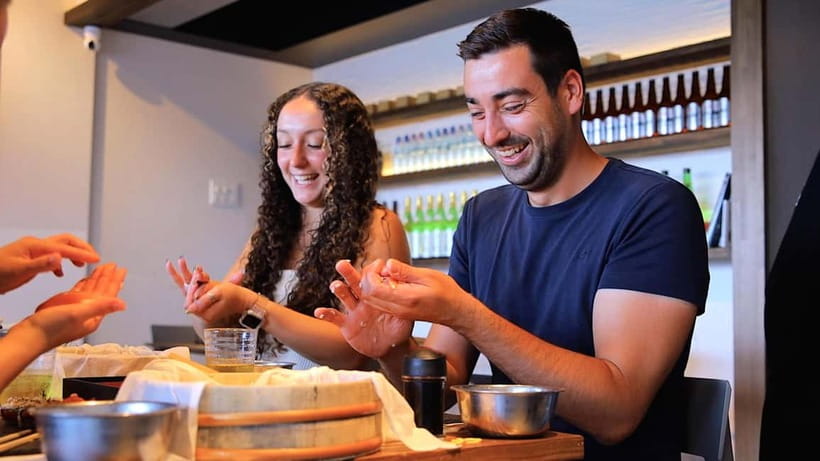
Sushi can look simple from across a restaurant counter. A neat roll, a small mound of rice, a slice of fish. Then you try to make one and discover that the rice, filling, pressure, and shape all matter.
That is the charm of this class. You do not simply watch a chef prepare lunch. You handle the ingredients, follow the method, and see why sushi takes practice. The instructors keep the mood light, so a crooked roll is part of the fun rather than a small culinary disaster.
The setting helps, too. Asakusa is one of Tokyo’s best areas for a first look at traditional culture. Sensoji Temple is nearby, and Tokyo Skytree is close enough to fit into the same half-day plan. You can make sushi, explore the temple district, and continue to the Skytree without crossing the city.
The class is run in English, and no cooking experience is needed. That matters because sushi-making instructions can be precise. The staff use demonstrations, examples, humor, and repeated guidance to keep you moving.
More sushi mornings and classes:
- Sushi Making Tokyo Roll and Authentic Japanese Sushi Class
★ 5.0 · 3,971 reviews - Make Sushi and Create Unforgettable Memories in Tokyo
★ 5.0 · 1,413 reviews - Tokyo: Sushi Making Class in a Happi Coat near a Famous Spot
★ 4.9 · 1,377 reviews
Meeting near Sensoji Temple
The meeting point is about three minutes from Asakusa Station. It is also described as being directly across from Sensoji Shrine, making it a useful stop before or after temple sightseeing.
I would plan to arrive with a little extra time. Asakusa has several stations and a busy pedestrian area, and the temple district can be confusing if you are looking at maps while walking. The short distance from the station is a real advantage, but you still need to allow time to find the exact entrance.
This is not a pickup tour. Hotel transportation is not included, so you make your own way to the class. The location is central enough that this should be straightforward for most visitors staying in Tokyo, especially if you are already visiting Asakusa.
The venue is wheelchair accessible, according to the activity information. If mobility is important for your plans, I would still confirm the meeting details when booking, since the listing does not provide further information about seating or restroom arrangements.
The sushi quiz makes the lesson more than a recipe
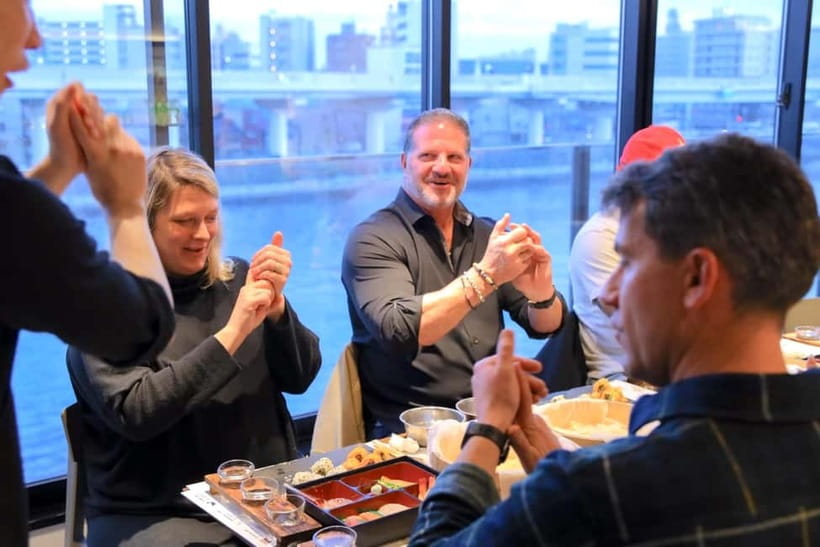
The class begins with an interactive, lighthearted quiz about sushi. This gives you a little context before you start touching the ingredients.
That opening is useful because sushi is not one single food. The class helps explain the difference between traditional Japanese forms and the many versions that developed outside Japan. You learn why the two styles in the lesson are different and how each is assembled.
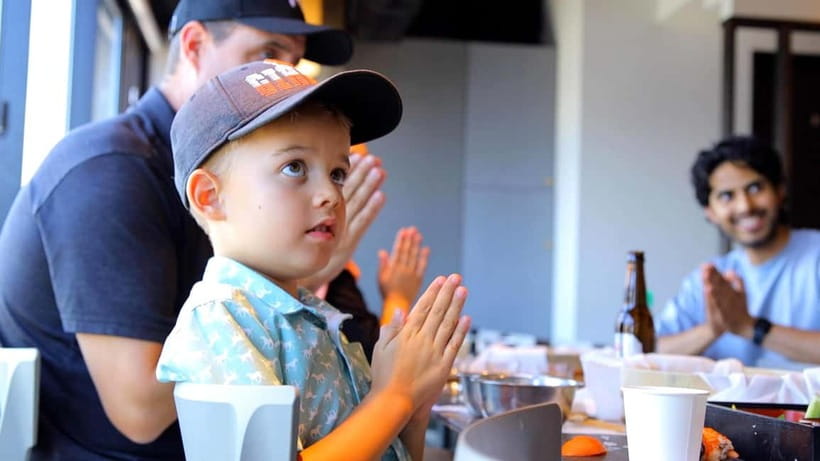
The quiz format also keeps the cultural part from feeling like a lecture. The instructors use humor and audience participation, which is especially helpful for children and teenagers. Several families found the activity easy to enjoy together, and the energetic teaching style gives younger participants something to do before the food preparation begins.
The tone is deliberately lively. One participant felt that the clapping and cheerful group style was more tourist-oriented than traditionally Japanese. That is a fair point. If you want a quiet, formal cooking lesson, this may not be your ideal format. If you like a social class with jokes and encouragement, the approach should suit you.
Making maki sushi, one careful step at a time
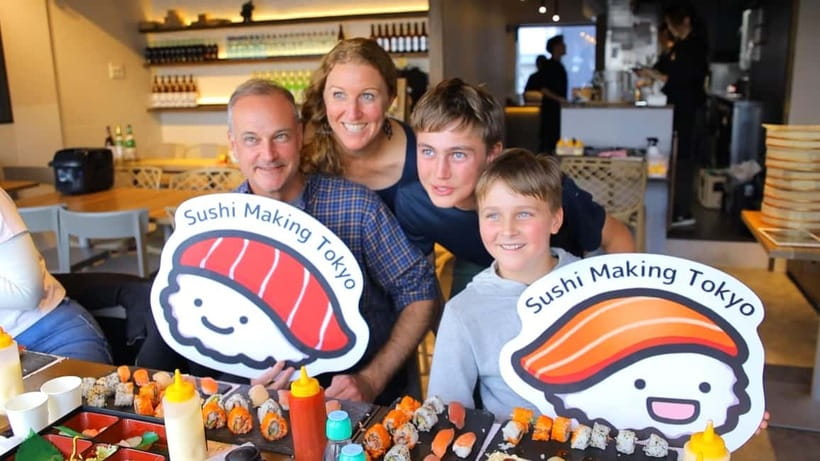
Maki is the rolled sushi familiar to many people outside Japan. You work with seaweed, seasoned rice, fillings, and a rolling method that looks easy until you try to keep everything even.
The instructors demonstrate the process and then guide you as you make your own roll. This is where patient helpers matter. Hitomi, Moe, Jun, Kaori, Ken, and other instructors have been singled out for making the steps clear, encouraging nervous beginners, and keeping the group involved.
You should expect to make mistakes. Rice may spread too far, a filling may shift, or the roll may not look as tidy as the example. That is normal. The class is designed for beginners, and the staff help you correct the shape rather than leaving you to guess.
The result is rewarding because you can immediately see the difference between simply eating sushi and building it. You also get practical tips that may help if you want to try sushi at home later.
More Asakusa visits:
- Tokyo: Japanese Dance Cabaret Theater Asakusa-Kaguwa Ticket
★ 4.8 · 2,270 reviews - Tokyo: Meiji Shrine, Asakusa, Skytree Bus Tour and Cruise
★ 4.7 · 1,986 reviews - Tokyo: Asakusa Walking Tour with Sensoji Temple Visit
★ 4.8 · 1,583 reviews - Tokyo Asakusa Rickshaw Tour
★ 5.0 · 1,375 reviews
Shaping nigiri gives you a new respect for sushi chefs
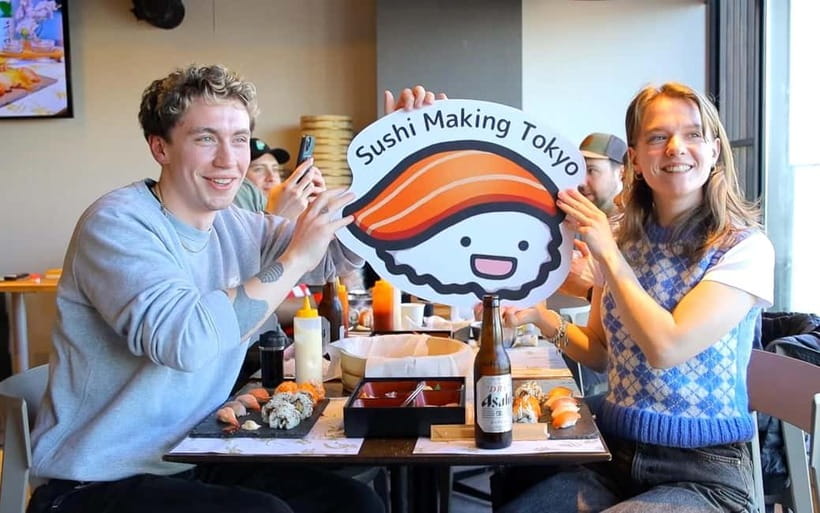
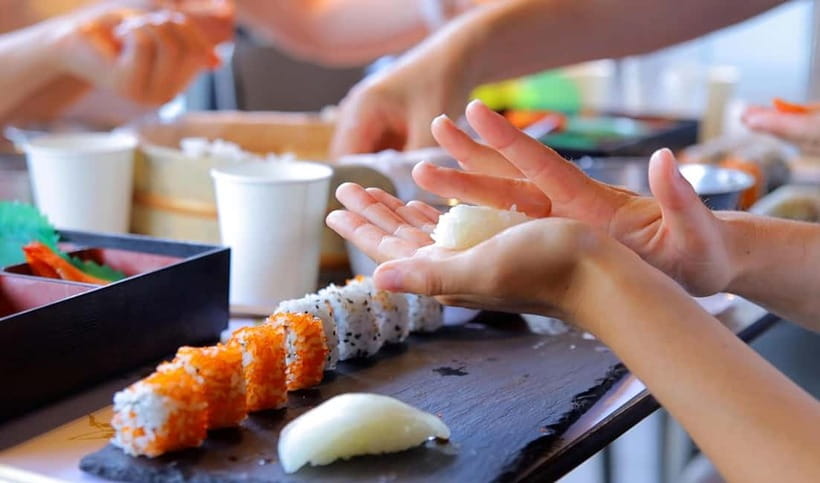
Nigiri is the more deceptively difficult part of the lesson. It consists of a small portion of rice shaped by hand with a topping placed on top.
The method looks minimal, but the size and pressure need to be right. Too much squeezing makes the rice dense. Too little shaping makes it fall apart. The class lets you practice this balance with direct help from the instructors.
This is also the most useful part for understanding sushi as a craft. A roll can hide uneven work inside the seaweed. Nigiri puts the shape in plain view. You learn that a small piece of sushi depends on careful handling, fresh ingredients, and good rice.
Several participants found the class slightly harder than it looked, which is exactly why the exercise has value. You leave with more respect for the skill behind a professional sushi counter, even if your first pieces are not perfectly formed.
Fresh ingredients make the final meal worthwhile
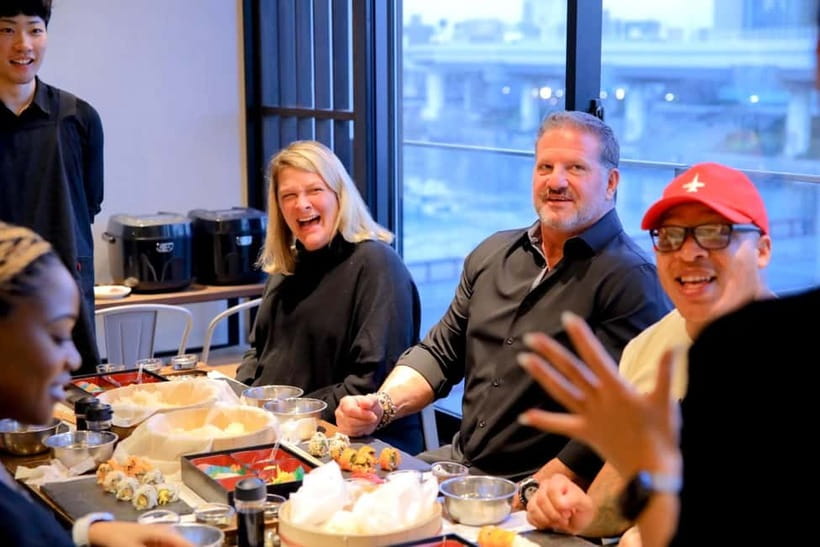
After making the sushi, you eat it. That simple reward is one of the strongest parts of the experience.
The ingredients have been praised repeatedly for freshness and quality, especially the fish. The final meal is not just a display of what you made. You have enough food for a satisfying lunch or light meal, with several families noting that there was plenty of sushi to share among adults and children.
Portion expectations vary. One participant wanted more rice, while others found the amount generous and filling. I would treat this as a proper tasting meal rather than an unlimited feast. You should leave satisfied, but very hungry diners may want to plan another meal later.
The meal also gives you a chance to compare the two styles. Maki offers the combined flavor of rice, seaweed, and filling. Nigiri is more direct, with the topping and rice working together. Eating both makes the lesson feel complete.
Sake flights and beer have been available during some classes, but alcohol is not listed among the included items. If that pairing interests you, ask about current availability and cost rather than assuming it is part of the $58 booking price.
A warm class for solo visitors and families
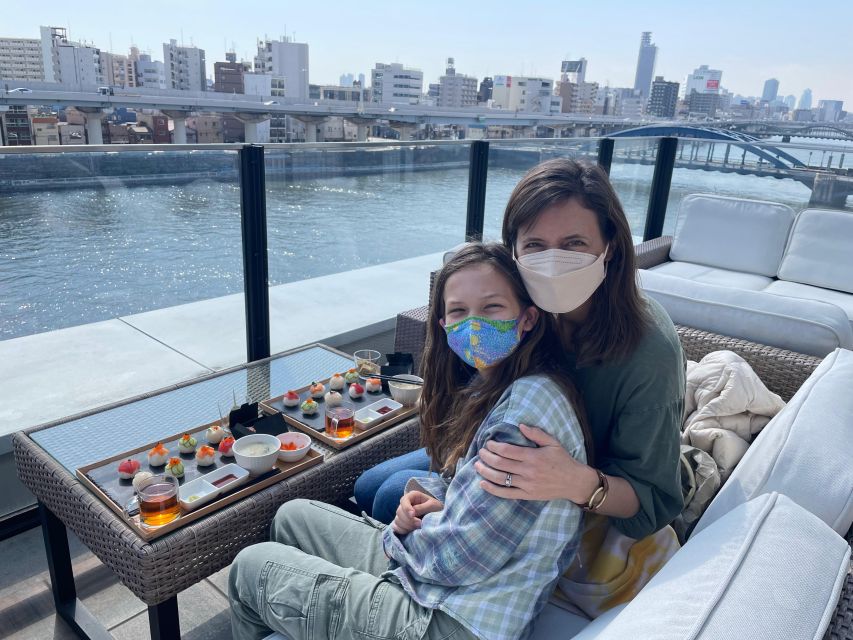
You do not need to arrive with a large group. Solo visitors are welcome, and the instructors make an effort to include people who come alone.
That social element can be valuable in Tokyo, where many activities are designed around couples or private groups. You prepare food beside other participants, share the small triumphs and failures of the rolling process, and sit down to eat together.
Families also have a strong reason to consider this class. Children can take part in a real food activity rather than simply being asked to sit through a cultural talk. The process is visual, active, and short enough to hold attention better than a long museum visit.
The class also suits couples and friends looking for something beyond sightseeing. You get a shared task, a meal, and a story to remember. Teenagers in particular may appreciate that the session feels social rather than overly formal.
The upbeat atmosphere is not for everyone. The team uses humor, applause, and a young, dynamic presentation style. I see that as a plus for most first-time visitors, but a drawback for anyone seeking a quiet chef-led workshop.
Dietary needs require advance planning
The menu can be changed for vegan, vegetarian, gluten-free, halal, and allergy requirements. The activity states that meat, nuts, fruits, and dairy are not used.
You must request a menu change when you reserve. The staff cannot respond to new ingredient requests on the day of the class, and they do not accept specifications for individual ingredients beyond the listed arrangements.
That last point matters. If you have a serious allergy or a very specific restriction, read the menu conditions carefully and contact the provider before paying. Do not assume that a general dietary category covers every personal preference.
Vegetarians have been accommodated successfully, and the class can still provide the central experience of making maki and nigiri. Ask in advance so the staff can prepare the correct ingredients.
Is $58 a fair price for 100 minutes?
At $58 per person, this is not the cheapest way to eat sushi in Tokyo. It is also not simply a restaurant meal. The price covers the cooking class, ingredients, and instructor, plus the setting and guidance that let you make two sushi styles yourself.
I consider the value good if you want an activity as well as food. You receive instruction in English, cultural context, hands-on practice, and a meal. For a family, the class can replace another paid attraction while adding a shared experience. For a solo visitor, it provides a structured way to meet people and spend time in Asakusa.
The value is weaker if your only goal is to eat excellent sushi. Tokyo offers many restaurants where $58 can buy a memorable meal, and this class does not include hotel transportation or drinks. You are paying for participation, not just the ingredients.
The 100-minute schedule is generally efficient. You learn, prepare, and eat within a compact block that fits neatly around Sensoji Temple. Still, some people find the final stages rushed. If you want a slow meal or repeated practice, an extra 30 minutes would improve the pace.
Planning the class around your Tokyo day
The easiest plan is to pair the class with Asakusa sightseeing. Visit Sensoji Temple before or after the session, then walk through the surrounding streets and continue toward Tokyo Skytree if it fits your schedule.
Check the start time when booking because several starting times may be offered. The class lasts 100 minutes, but individual sessions have been described as lasting roughly 80 minutes to two hours, so allow a little flexibility if you have a strict evening reservation.
An earlier class may be quieter. One participant who chose an early time received extra attention because the group was smaller. That is not a guarantee, but it is a useful reason to consider a morning or early session if you prefer more help.
The activity offers free cancellation up to 24 hours in advance, and you can reserve without paying immediately through the reserve-now, pay-later option. Those policies help if your Tokyo schedule is still changing.
Who should book this sushi experience?
I would recommend it most strongly to:
- First-time visitors who want food culture without a formal lecture
- Families with children or teenagers
- Solo visitors who enjoy social activities
- Couples looking for a shared Tokyo memory
- Anyone curious about the difference between maki and nigiri
- Visitors already planning time around Asakusa and Sensoji Temple
I would be more cautious if you want advanced sushi training, a quiet professional kitchen, or a long session devoted to knife skills and fish preparation. This is an accessible introduction, not chef certification.
Final call: book it if you want to make lunch, not just eat it
Book this class if you want a friendly, practical introduction to sushi with a meal at the end. The best parts are the fresh ingredients, the patient English-speaking team, the chance to make both maki and nigiri, and the easy Asakusa location.
Choose another activity if you mainly want a refined restaurant experience or dislike energetic group participation. For most visitors, though, $58 buys more than food. It buys a useful lesson, a cultural connection, and a lunch you helped create yourself.
FAQ
Where is the sushi-making class located?
The class is in Asakusa, about three minutes from Asakusa Station and close to Sensoji Temple. Tokyo Skytree is also nearby.
How long does the class last?
The stated duration is 100 minutes. Starting times vary, so check availability when you reserve.
Do I need previous cooking experience?
No. The class is designed for beginners, and English-speaking instructors guide you through each step.
Which types of sushi will I make?
You will make two types: maki sushi, which is rolled sushi, and nigiri sushi, which is hand-shaped rice with a topping.
Can dietary requirements be accommodated?
Vegan, vegetarian, gluten-free, halal, and allergy menus are available. You must request a change when booking. Same-day menu changes and individual ingredient specifications are not accepted.
Is transportation included?
No. Hotel pickup and drop-off are not included. You must travel to the meeting point near Asakusa Station.
More Workshops in Tokyo
- Tokyo Shinjuku Chopsticks Making Class
★ 5.0 · 1,763 reviews - Chopstick Making Workshop in Ginza
★ 4.8 · 1,366 reviews - Tokyo Sushi Making Class in Tsukiji with Professional Chef
★ 5.0 · 1,177 reviews - Ramen & Gyoza Cooking Class in Tokyo with Local Supermarket Visit
★ 5.0 · 823 reviews
New on our Tokyo list
- From Tokyo: Mount Fuji & Hakone Full Day Private Tour★ 4.9 · 25 reviews
- Tokyo Spectacular View Day-Cruise in 90 Minutes★ 5.0 · 25 reviews
- 2.5 Hour-Guided Cycle Tour in the Central Tokyo★ 5.0 · 25 reviews
- Real Tokyo Runner Club : Daikoku Car Meet Night Tour with JDM Car★ 5.0 · 25 reviews
- Ramen Making from Scratch +Akihabara Tour –Cooking Class★ 5.0 · 25 reviews
- [Self-Drive] Tokyo & Daikoku Custom Car Driving Tour★ 4.9 · 25 reviews
- Tokyo: 2-Hour Night Bike Tour of the City’s Hidden Gems★ 4.9 · 25 reviews
- Samurai themed Entertainment show in Shinjuku★ 4.5 · 25 reviews
Sushi Experiences, compared.
Sushi Making Tokyo Roll and Authentic Japanese Sushi Class
Read our review →
Make Sushi and Create Unforgettable Memories in Tokyo
Read our review →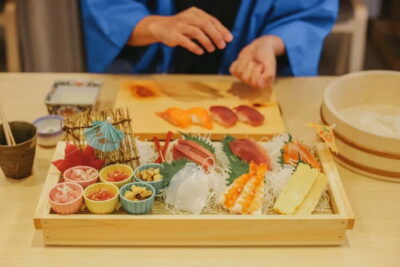
Sushi Making Class in a Happi Coat near a Famous Spot
Read our review →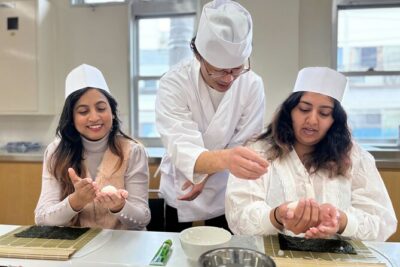
Tokyo Sushi Making Class in Tsukiji with Professional Chef
Read our review →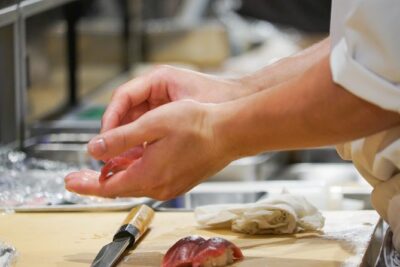
Tokyo Night Foodie Tour in Shinjuku – Seasonal Sushi, Wagyu Beef
Read our review →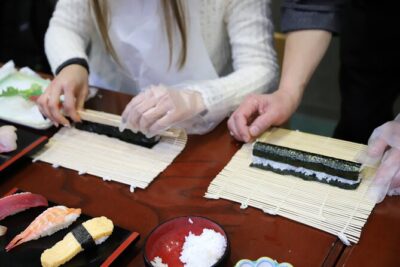
Tsukiji Fish Market Guided Tour and Sushi Making with Pro Chef
Read our review →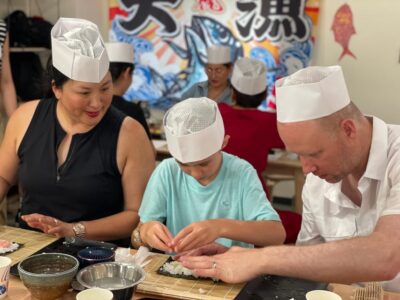
Tsukiji Fish Market Sushi Making Class with Pro Chef
Read our review →
Browse the lists this tour appears in