
Reviewed · TSUKIJI & TOYOSU MARKET TOURS
Tsukiji Fish Market: Street Food & Culture Walking Tour
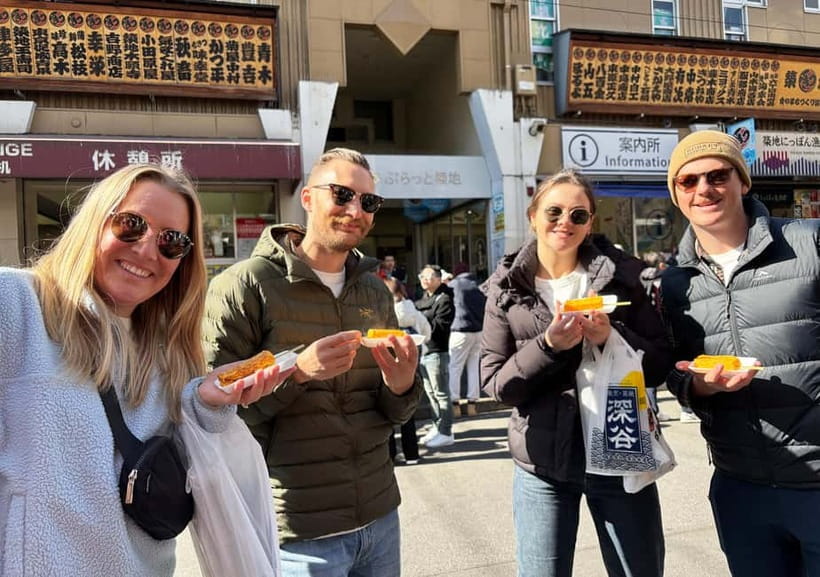
The best part of this Tsukiji tour is the chance to make sense of a market that can feel like a maze of seafood stalls, snack counters, and narrow lanes. A local guide leads you through the food culture, explains ingredients, and takes you to a fish-cutting demonstration before a short visit to Tsukiji Hongwanji Temple.
I like the small-group format, since it gives guides such as George or Tomo more room to answer questions and help you choose what to try. I also like the mix of food and culture: you get street snacks, a look at traditional fish preparation, and a little Buddhist history in one two-hour outing.
The main drawback is that Tsukiji can become hard to manage in a crowd. Some tours have involved waiting, missed stalls, or a guide who was difficult to hear, so this works best if you are comfortable with a busy market and willing to stay close to the group.
In This Review
- Key points at a glance
- Why Tsukiji works better with a guide
- Starting at Tsukiji Hongwanji Temple
- The first 45 minutes in Tsukiji Jogai Market
- The fish-cutting show and fresh seafood bowl
- Seeing the professional side of Tsukiji Fish Market
- What the guide adds to the food
- Is $33.16 a fair price?
- Timing, comfort, and practical planning
- Who should book this Tsukiji walk?
- Should you book it?
- FAQ
- How long does the Tsukiji Fish Market tour last?
- Where does the tour start and end?
- Is food included in the tour price?
- Does the tour include a fish-cutting demonstration?
- Is the activity wheelchair and stroller accessible?
- What happens if I need to cancel?
Key points at a glance
- Watch a whole-fish cutting demonstration: A skilled chef fillets a fish using traditional methods, giving you a close look at Japanese food craftsmanship.
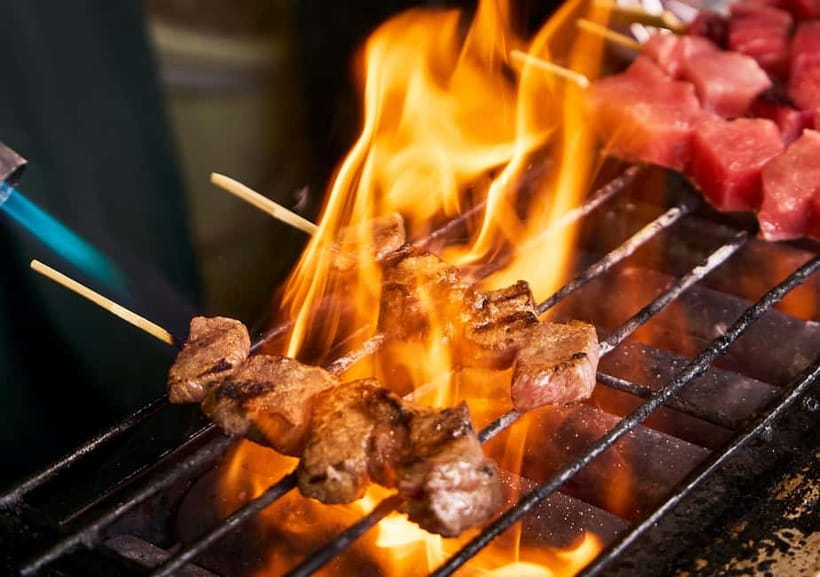
- Eat your way through Tsukiji Jogai Market: Your guide points out food stands and ingredients, but meals are not included in the tour price.
- Visit Tsukiji Hongwanji Temple: The 15-minute stop adds a cultural layer and introduces Buddhist traditions connected with Tokyo.
- Expect a two-hour morning-style market visit: The schedule divides time between street food, the demonstration, the fish market, and the temple.
- Plan for a group of up to 30 people: Small-group wording does not necessarily mean a tiny private party, and staying near the guide matters.
- Pay about $33.16 per person: That is fair if you want food guidance and explanation, but less attractive if you only want to walk the market independently.
Why Tsukiji works better with a guide
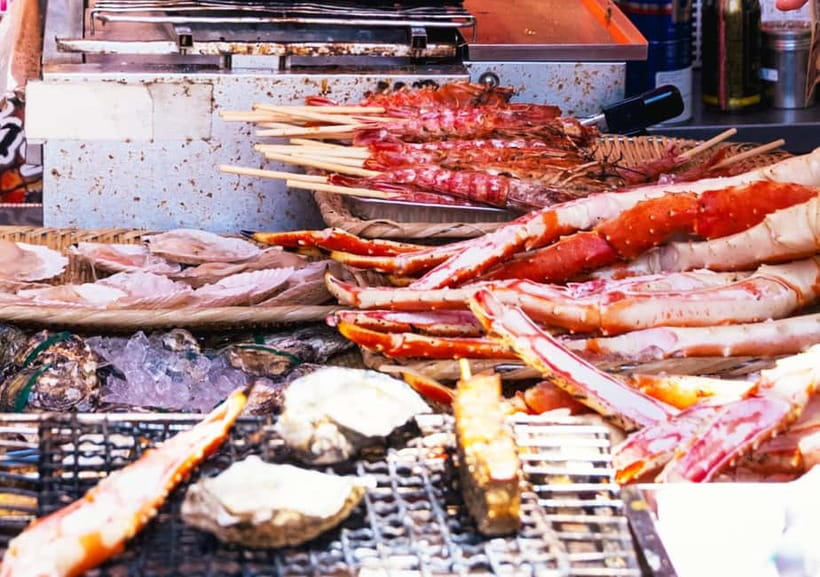
Tsukiji is no longer Tokyo’s main wholesale fish market. The wholesale auction activity moved to Toyosu, while Tsukiji Jogai Market continued as a public food district with fishmongers, kitchen shops, restaurants, and stalls selling ready-to-eat food.
That distinction matters. You are not signing up for a behind-the-scenes look at the main wholesale auction. Instead, you are exploring the public market area where you can see ingredients, watch food being prepared, and taste small portions as you walk.
I like this tour because it gives the market a clear shape. Rather than wandering from stall to stall and wondering what is worth trying, you have a guide to explain Japanese ingredients and suggest places to stop. That is useful on a first visit, especially if you do not read Japanese menus or are unsure how market food is usually ordered.
Still, the guide cannot remove the basic nature of Tsukiji. It is crowded, active, and sometimes noisy. You may pause while the group gathers, and you need to keep an eye on the person leading you. One unhappy account described missed stalls and a hectic pace, while another noted that a guide did not always wait. Those are not reasons to dismiss the tour, but they are good reasons to stay alert and speak up if you cannot hear or keep up.
More market mornings in Tokyo:
- Tokyo Tsukiji Fish Market Food and Culture Walking Tour
★ 5.0 · 3,184 reviews - Tokyo: Tsukiji Fish Market Food and Walking tour
★ 5.0 · 1,724 reviews - Tokyo: Tsukiji Fish Market Guided Walking Tour
★ 4.9 · 1,397 reviews
Starting at Tsukiji Hongwanji Temple
The meeting point is in front of the main hall of Tsukiji Hongwanji Temple at 3-chome-15-1 Tsukiji. The tour later returns to this same meeting point, which keeps the route simple for your onward plans.
The temple stop lasts about 15 minutes. A local guide explains the building’s appeal, Buddhist customs, and some of the cultural background connected with the site. This is a short introduction rather than a long religious tour, but it helps place the market in a wider Tokyo setting.
I see the temple as a useful opening, though not the main reason to book. Some people will appreciate the contrast between a place of worship and the noisy food streets nearby. Others may find that 15 minutes is too brief to add much. If your priority is eating and shopping, the temple is a pleasant extra. If you want a detailed Buddhist history lesson, this tour will not provide that.
The start point is near public transportation, and most people can take part. The activity is also listed as wheelchair and stroller accessible, which makes it more practical for families and visitors with mobility needs. Tsukiji itself remains a public market, so crowded paths may still require patience.
The first 45 minutes in Tsukiji Jogai Market
The first main section gives you about 45 minutes in Tsukiji Jogai Market. This is where the tour leans most heavily into street food and Japanese cooking.
Your guide helps you understand what you are looking at, from seafood and produce to prepared snacks and cooking ingredients. The useful part is not simply finding something to eat. It is learning how the food fits into daily Japanese cooking and why Tsukiji remains such a well-known place to buy it.
You should expect to purchase your own food. Meals are not included in the $33.16 tour price, so bring extra yen or another accepted payment method for anything you want to sample. The tour gives you direction, but it does not function as an all-inclusive tasting package.
That cost structure is worth noting. If you enjoy trying several small foods, your final bill will be higher than the advertised price. On the other hand, paying for only what interests you can be better than being locked into a fixed food menu. You choose your portions and can skip anything that does not appeal to you.
The most praised part of the experience is the food guidance. George is singled out for taking the group to strong spots for the foods you would want to try. Tomo is also praised for explaining the market’s culture and history while helping the group enjoy the food. The quality of the visit may depend partly on which guide leads your departure.
The fish-cutting show and fresh seafood bowl
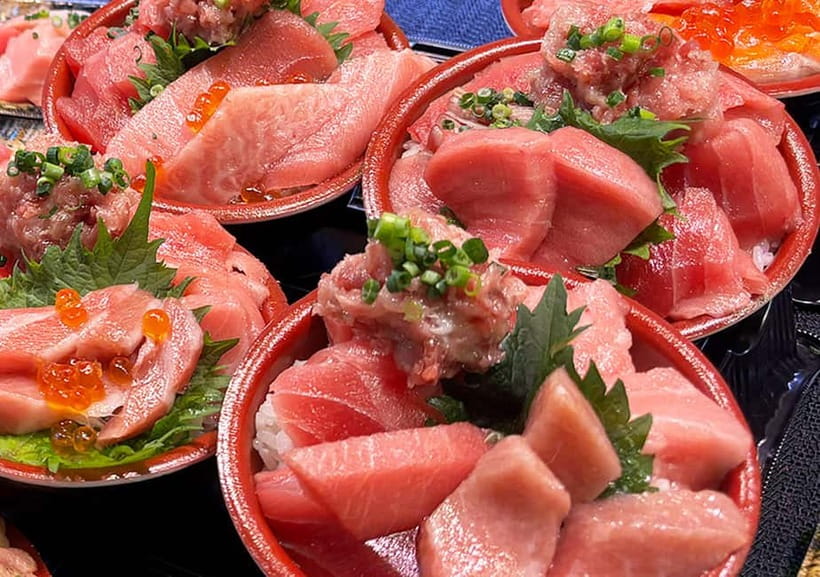
The 30-minute fish-cutting presentation is the tour’s most distinctive scheduled feature. A chef fillets a whole fish using traditional techniques, then you have the chance to see a fresh seafood bowl and learn more about the skill behind Japanese fish preparation.
This is more useful than simply watching someone cut food quickly. Fish preparation depends on clean cuts, careful handling, and respect for the ingredient. A demonstration gives you a better sense of the craft that sits behind the seafood served in markets and restaurants.
The seafood bowl is described as part of this stop, but meals are not included in the overall tour. You should confirm with the guide how the bowl is handled on the day and keep food money available. Do not assume that the tour price covers every snack or meal.
For many people, this will be the best value in the experience. A self-guided walk can show you the stalls, but it is less likely to include a planned demonstration with an explanation of traditional technique. The presentation also gives the group a fixed point in the schedule, which can make the visit feel more organized.
The tradeoff is time. Thirty minutes goes quickly, especially if the demonstration draws a crowd or the group needs to gather before and after it. If you are hoping for a long chef-led lesson, you may find it brief. If you want a clear, visual introduction to fish preparation, it fits the tour well.
More Tokyo food crawls:
- Tokyo: Shinjuku Food Tour (13 Dishes at 4 Local Eateries)
★ 5.0 · 6,603 reviews - Tokyo: Shinjuku Food Tour (15 Dishes and 4 Eateries)
★ 4.9 · 2,033 reviews - Best of Shinjuku: Izakaya Food Tour (4 Stops, 14+ Tastings)
★ 5.0 · 1,863 reviews - Tokyo Night Foodie Tour in Shinjuku – Seasonal Sushi, Wagyu Beef
★ 5.0 · 1,161 reviews
Seeing the professional side of Tsukiji Fish Market
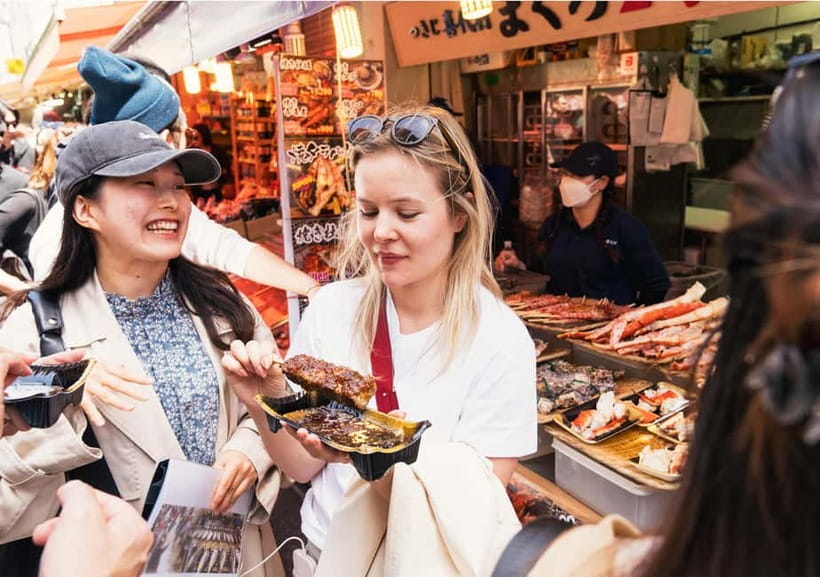
The next 30-minute section takes you into the fish market area where professional traders work. This gives you a look at the working side of Tsukiji, rather than only the ready-to-eat stalls aimed at casual shoppers.
You should follow the guide closely here and respect the pace of people doing business. A market used by professionals is not a stage set for visitors. The value comes from seeing how different this part of Tsukiji feels from a row of food counters and souvenir shops.
The tour does not promise access to restricted wholesale operations or a fish auction. Its focus is the atmosphere and food culture of the market. That makes it a good fit for someone who wants context while walking, but not for someone seeking a full operational tour of Tokyo’s wholesale seafood trade.
Crowds are the biggest practical issue. Around busy periods, including the days close to New Year, paths can become difficult to navigate. You may need to wait while the group crosses a lane or gathers at a stall. Comfortable shoes, a close position behind the guide, and a willingness to move at the group’s pace will help.
What the guide adds to the food
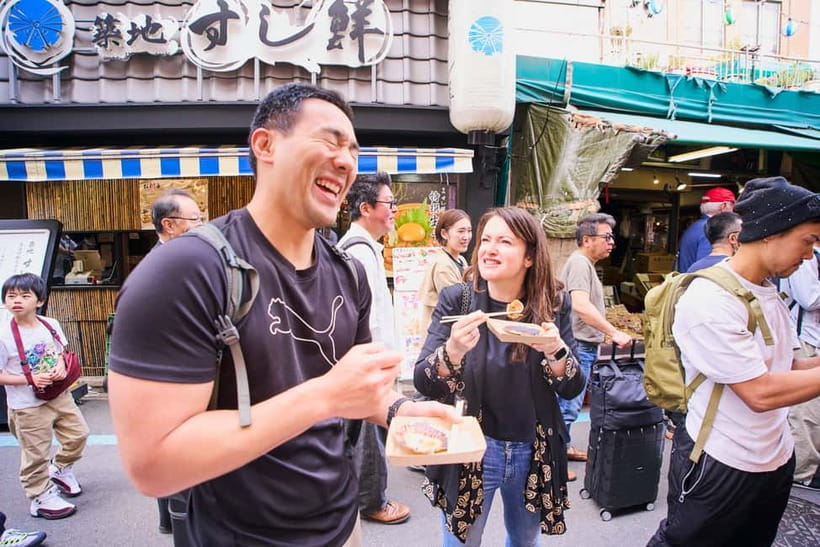
The tour includes guidance about Japanese cooking and ingredients, which is where its value rises above a simple market stroll. A good guide can explain what you are seeing, how it is used, and which foods are worth your limited time and appetite.
The strongest accounts praise clear English, useful history, and explanations of local culture. One especially positive experience combined the temple, market, and food stops with clear commentary throughout. That kind of guiding turns scattered stalls into a connected lesson.
But guide quality matters. One account described a guide who spoke so quietly that the commentary was nearly lost in the crowd. If you cannot hear, say so early rather than waiting until the tour is half over. The same applies if you need shade or a slower pace. One participant had raised concerns about sun exposure and felt those needs were not handled well.
The advertised maximum is 30 people. That is not a very small group, particularly in narrow market lanes. The tour may feel personal when attendance is low, but the full group size could make questions, hearing, and movement harder. The small-group promise should be understood as more personal than a large bus tour, not necessarily as a private walk with five or six people.
Is $33.16 a fair price?
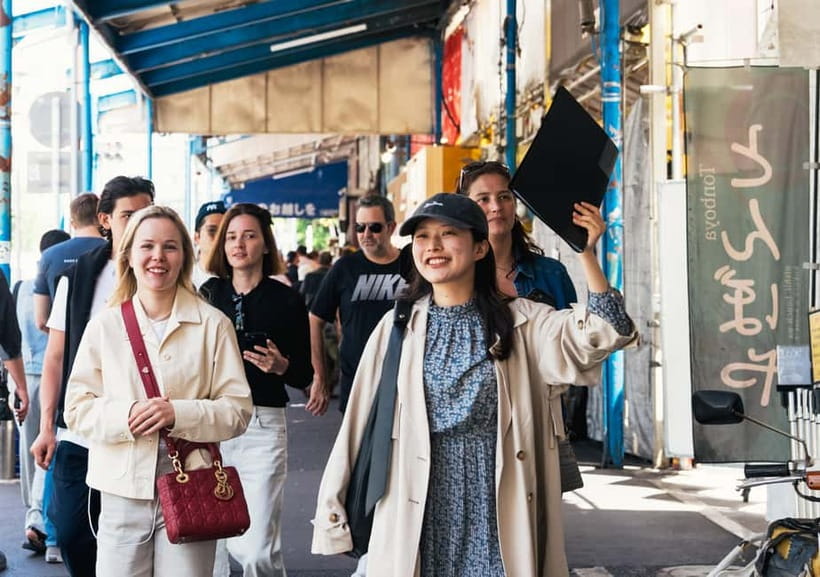
At $33.16 per person, this is a moderate-priced Tokyo walking tour. The fee covers the guided experience and the fish-market presentation, but food purchases are extra. You are paying mainly for orientation, explanations, and access to a planned demonstration.
I think the price is fair for first-time visitors who want help choosing food and prefer a structured route. It is especially reasonable if you would otherwise spend time wandering without knowing what you are seeing. The guide can also help you avoid spending your entire morning at the first appealing stall.
The value is weaker if you already know Tsukiji well, speak Japanese, or enjoy exploring markets independently. The market itself is free to enter, and the temple stop is also free. In that case, the paid part of the tour rests on the guide’s explanations and the fish-cutting show.
The high overall rating, 5 out of 5 from 669 ratings, shows that the format works very well for many people. The 99 percent recommendation figure is also strong. Still, the lower scores point to real issues: waiting, weak explanations, crowd pressure, a rushed group, and one guide who was hard to hear. I would treat the rating as evidence of a generally successful experience, not a promise that every departure will be perfect.
Timing, comfort, and practical planning
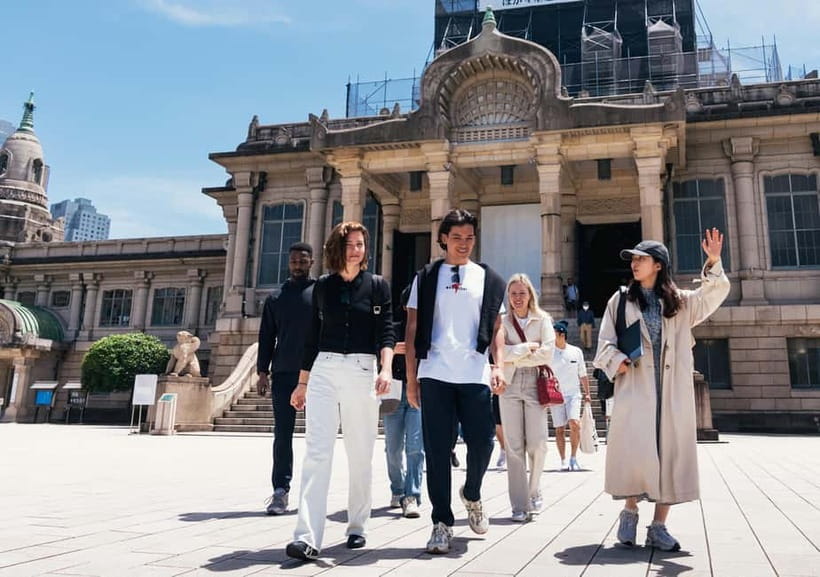
The full activity lasts about two hours and ends back at the meeting point. That makes it easy to pair with another Tokyo plan, though you should avoid scheduling something that requires you to leave the market at an exact minute.
Tsukiji is near public transportation, and the meeting point at the temple is clear. Confirmation arrives when you book, and the mobile ticket is convenient for a phone-based itinerary.
The experience requires good weather. If poor weather cancels the tour, you are offered another date or a full refund. You can also cancel for a full refund up to 24 hours before the start time. Changes or cancellations inside that 24-hour window are not accepted, so check your plans before the cutoff.
For comfort, I would keep your group together, listen for the guide’s instructions, and mention accessibility or health needs at the start. The tour is wheelchair and stroller accessible, but a busy market can still create tight spaces and slow movement. That is a practical point, not a criticism of the route.
Who should book this Tsukiji walk?
I would choose this for a first Tokyo visit, especially if food is one of your main reasons for coming to Japan. It suits people who want a local guide, a planned introduction to ingredients, and a short cultural stop without giving up an entire day.
Families may find the two-hour length manageable, and the stated wheelchair and stroller access is useful. Food-loving couples and solo visitors can also benefit from having someone explain what to order and how the market works.
I would hesitate if you dislike crowds, need a quiet tour, or want long historical explanations. The temple section is brief, and much of the experience centers on stalls, food choices, and market movement. You also need to budget separately for anything you eat.
Should you book it?
Book this tour if you want a guided introduction to Tsukiji, particularly the food stalls and fish-cutting demonstration. At $33.16, it offers good value when you want context and direction rather than a free-form walk.
Skip it if your main goal is simply to browse the market at your own pace. You can enter Tsukiji and Tsukiji Hongwanji Temple without paying admission, and the tour will not suit everyone during crowded periods.
My deciding tip is simple: book it for the guide and the demonstration, not just for access to the market. If you get a strong guide such as George or Tomo, the food, cooking insight, and cultural context can make the morning memorable. Stay close, speak up if you cannot hear, and set aside extra money for the food you want to try.
FAQ
How long does the Tsukiji Fish Market tour last?
The experience lasts approximately two hours.
Where does the tour start and end?
It starts at Tsukiji Hongwanji Temple’s main hall at 3-chome-15-1 Tsukiji, Chuo City, Tokyo. The activity ends back at the meeting point.
Is food included in the tour price?
Meals are not included. The tour includes guidance about Japanese cooking and ingredients, but you should budget separately for street food and other items you choose to eat.
Does the tour include a fish-cutting demonstration?
Yes. The tour includes an exclusive fish-cutting show in which a chef fillets a whole fish using traditional techniques. A fresh seafood bowl follows this part of the experience.
Is the activity wheelchair and stroller accessible?
Yes. The tour is listed as wheelchair and stroller accessible. The market may still be crowded, so allow extra patience for movement through busy areas.
What happens if I need to cancel?
You can cancel for a full refund up to 24 hours before the experience’s start time. Cancellations or changes made less than 24 hours before the start time are not accepted. If poor weather causes the tour to be canceled, you are offered another date or a full refund.
More Shopping Tours in Tokyo
- Tokyo Food Tour Taste Fresh Delights at Tsukiji Market
★ 5.0 · 429 reviews - Tokyo Tsukiji Fish Market Tour and Sushi Making Lesson
★ 5.0 · 390 reviews - Tsukiji Fish Market: Street Food & Culture Walking Tour
★ 4.8 · 259 reviews - Tokyo Washoku 4-hour Cooking Class: From Market to Table
★ 5.0 · 253 reviews
More Markets in Tokyo
- Tsukiji Fish Market Guided Tour and Sushi Making with Pro Chef
★ 5.0 · 775 reviews - Tokyo: Tsukiji Fish Market Food and Culture Walking Tour
★ 4.7 · 757 reviews - Tsukiji Fish Market Small-Group Food Walking Tour
★ 5.0 · 621 reviews - Tokyo: Tsukiji Fish Market Sushi Making Class with Pro Chef
★ 4.9 · 506 reviews
New on our Tokyo list
- From Tokyo: Mount Fuji & Hakone Full Day Private Tour★ 4.9 · 25 reviews
- Tokyo Spectacular View Day-Cruise in 90 Minutes★ 5.0 · 25 reviews
- Real Tokyo Runner Club : Daikoku Car Meet Night Tour with JDM Car★ 5.0 · 25 reviews
- 2.5 Hour-Guided Cycle Tour in the Central Tokyo★ 5.0 · 25 reviews
- Tokyo: 2-Hour Night Bike Tour of the City’s Hidden Gems★ 4.9 · 25 reviews
- Ramen Making from Scratch +Akihabara Tour –Cooking Class★ 5.0 · 25 reviews
- [Self-Drive] Tokyo & Daikoku Custom Car Driving Tour★ 4.9 · 25 reviews
- Samurai themed Entertainment show in Shinjuku★ 4.5 · 25 reviews
Tsukiji & Toyosu Market Tours, compared.
Tokyo Tsukiji Fish Market Food and Culture Walking Tour
Read our review →
Tokyo Sushi Making Class in Tsukiji with Professional Chef
Read our review →
Tsukiji Fish Market Guided Tour and Sushi Making with Pro Chef
Read our review →Tsukiji Fish Market Food and Culture Walking Tour
Read our review →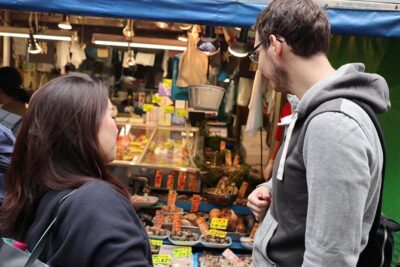
Tsukiji Fish Market Small-Group Food Walking Tour
Read our review →
Tsukiji Fish Market Sushi Making Class with Pro Chef
Read our review →Browse the lists this tour appears in