
Reviewed · TOKYO FOOD TOURS
Eat and Drink Like a Local: Tokyo Ueno Food Tour-Taverns&Ramen
Ueno is one of Tokyo’s best districts for eating without a grand plan. The streets around the station, Ameya Yokocho, and Okachimachi are packed with small places that can feel intimidating if you cannot read the menu. This tour takes you straight into that world, with sashimi, skewered meat, grilled dishes, and ramen spread across several stops. I like the practical local access, and I like that Aki, Akira, or another Best Experience Japan guide handles the ordering and translation. You get a meal, a neighborhood walk, and a useful lesson in Japanese drinking culture in one evening.
The main caution is the food itself. This is not a polished fine-dining tasting menu. Some dishes may be unfamiliar, and one person found several items difficult to enjoy, though they praised the sashimi and ramen. You should arrive hungry and open to unusual flavors, and tell the guide about allergies, vegetarian needs, or other restrictions before the tour.
In This Review
- Key points at a glance
- Why Ueno is the right place for this food tour
- The first table: four dishes in Ueno
- Ameya Yokocho and the walk to Okachimachi
- Okachimachi Ekimae Street and Japanese drinking customs
- A local tavern in the Ueno district
- Finishing with ramen near Panda Hiroba
- What the guide adds to the evening
- Food expectations and dietary needs
- Is $95.21 a good value?
- Who should book this Ueno evening?
- Practical details before you go
- Should you book it?
- FAQ
- How long does the Tokyo Ueno food tour last?
- How much does the tour cost?
- How many people can join the tour?
- Where does the tour meet?
- Where does the tour finish?
- What food is included?
- Are drinks included?
- Can people who do not drink alcohol join?
- Is the tour conducted in English?
- Can dietary restrictions be accommodated?
- Is cancellation free?
Key points at a glance
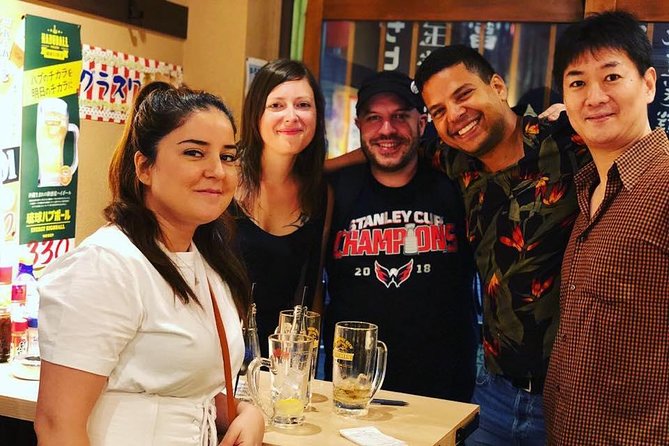
- Four food-focused stops: Begin with four dishes at an Ueno restaurant, continue through Okachimachi, visit an izakaya-style tavern, and finish with ramen.
- A guide at your side: Aki and Akira receive especially warm praise for their English, humor, food explanations, and ability to make ordering less stressful.
- Local-style drinking: Expect Japanese alcoholic drinks, sake, and pairings with food. Non-drinkers can still take part in the food experience.
- Small group size: The maximum is 10 people, which gives you a better chance to ask questions and talk with the guide.
- A walk through real Ueno: The route includes Ueno Park, Ueno Zoo, Ameya Yokocho, Okachimachi Ekimae Street, and the Tokyo train system.
- A filling three hours: Food and drinks are included in the $95.21 price, so this is closer to a guided dinner than a light snack walk.
Why Ueno is the right place for this food tour
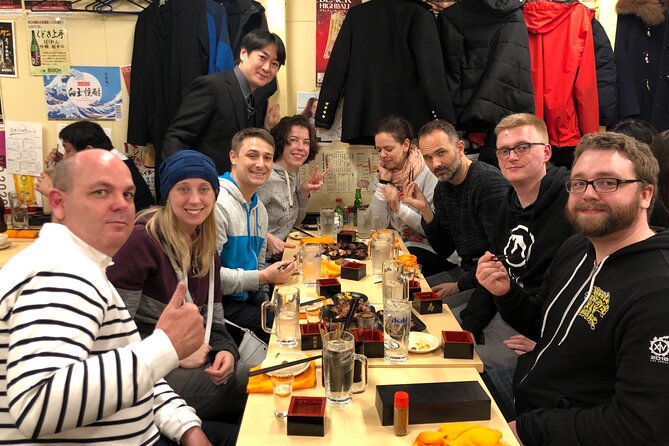
Ueno gives you a useful first look at everyday Tokyo. It is a major transport center, a shopping area, a park district, and a place where small bars and restaurants sit close together. That mix makes it easier to see how Tokyo works beyond the big sights.
The tour begins near Starbucks Coffee at atré Ueno, just outside Ueno Station. The meeting point is practical, especially if you are arriving by train, but Ueno Station has many exits and can feel confusing. Give yourself extra time and use the exact meeting point shown with your booking rather than simply searching for Ueno Station.
The introduction covers Tokyo, Ueno Park, and Ueno Zoo. These may sound like brief orientation stops, but they help you place the neighborhood before the eating begins. The guide also explains parts of Tokyo’s train system, a worthwhile bonus in a city where rail travel is central to nearly every day of sightseeing.
More ramen stops:
- Ramen & Gyoza Cooking Class in Tokyo with Local Supermarket Visit
★ 5.0 · 823 reviews - Tokyo: Ramen Tasting Tour with 6 Mini Bowls of Ramen
★ 4.9 · 432 reviews - Tokyo: Easy Ramen Cooking Experience in Kabukicho, Shinjuku
★ 4.6 · 321 reviews
The first table: four dishes in Ueno
The first restaurant stop serves four dishes and gives the guide room to explain what you are eating. The specific menu can vary, but the experience includes familiar Japanese favorites such as sashimi, skewered meat, grilled fish, miso soup, stews, and other tavern dishes.
This is where the tour’s format makes sense. Instead of ordering one dish and guessing your way through a menu, you can ask direct questions as each plate arrives. The guide explains ingredients, eating customs, and the role each dish plays in Japanese food culture.
You might be offered something more familiar first, such as sashimi or grilled food, followed by a less obvious choice. Some people specifically enjoy the mystery meat option on the skewers, while others may find the unusual dishes a step too far. The tour is designed for adventurous eaters, not for someone who wants only sushi, tempura, and chicken ramen.
Food arrives with drinks, and the guide explains how the pairing works. This is not a formal lesson in sake, but it gives you a useful introduction to the way food and drinks are ordered together in an izakaya setting.
Ameya Yokocho and the walk to Okachimachi
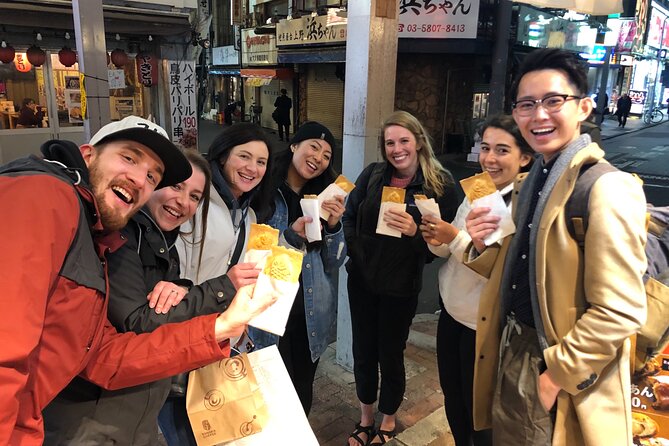
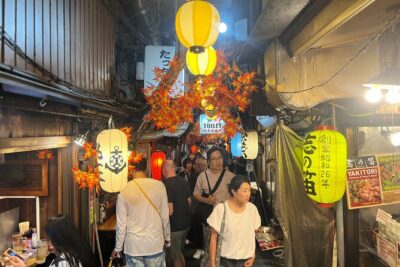
After the first stop, you walk through Ameya Yokocho toward the next restaurant. This market street is one of Ueno’s most recognizable places, with shops and food businesses crowded along the route. The walk breaks up the meal and lets you see the neighborhood at street level.
The guide continues explaining the area as you go. That matters because the food stops are not isolated restaurant visits. You are also learning how Ueno connects with Okachimachi and why the district has such a strong after-work food and bar culture.
The route includes Okachimachi Ekimae Street, where the guide discusses Japanese dishes and local drinking habits. You should expect city walking, street noise, and a compact urban setting rather than a quiet scenic stroll. Wear comfortable shoes, especially because you will be walking between stops after you have already started eating.
Okachimachi Ekimae Street and Japanese drinking customs
The second food stop lasts about 30 minutes and focuses on dishes and the izakaya culture around Okachimachi. An izakaya is more than a bar and more than a restaurant. It is a social place where people order several small dishes to share while drinking.
The guide translates and explains the ordering process, which is particularly useful if you are new to Japan. Small restaurants can have menus with limited English, quick service, and customs that are not obvious at first. Having someone explain the dishes lets you spend less time worrying about mistakes and more time noticing what is on the table.
The tour’s food is meant to be varied. You may taste fish, meat, grilled items, soup, and other dishes in a single evening. That makes the price easier to assess than if you were simply paying for one restaurant meal. You are paying for several tastings, drinks, a guide, translation, neighborhood context, and the confidence to return to similar places later.
More Tokyo food crawls:
- Tokyo: Shinjuku Food Tour (13 Dishes at 4 Local Eateries)
★ 5.0 · 6,603 reviews - Tokyo: Shinjuku Food Tour (15 Dishes and 4 Eateries)
★ 4.9 · 2,033 reviews - Best of Shinjuku: Izakaya Food Tour (4 Stops, 14+ Tastings)
★ 5.0 · 1,863 reviews - Tokyo Night Foodie Tour in Shinjuku – Seasonal Sushi, Wagyu Beef
★ 5.0 · 1,161 reviews
A local tavern in the Ueno district
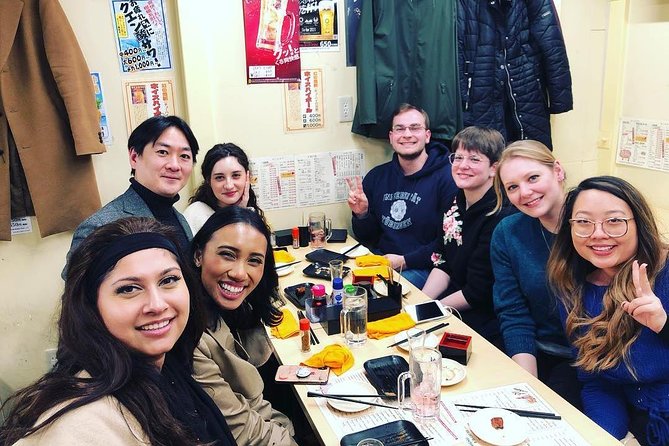
The third stop returns to the Ueno area and focuses on Japanese alcoholic drinks and tavern food. The guide explains each dish ordered and invites questions, so this is likely the most conversational part of the tour.
Aki receives particularly strong praise for his energy, humor, English, and hospitality. Several people describe the evening as feeling like a night out with a friend rather than a lecture. That style will suit you if you enjoy conversation and questions. It may be less appealing if you prefer a quiet, structured tasting with exact measurements and a fixed culinary theme.
The drink selection can include sake and other Japanese alcoholic drinks. One group was welcomed with a small pear-infused sake shot, and another particularly enjoyed the sake and wider drink variety. You do not need to be an expert. The guide explains what you are drinking and how it fits the meal.
Non-drinkers can still participate. The food is a major part of the experience, and one group with non-drinkers found the tour enjoyable. Still, this is clearly built around tavern culture, so anyone seeking a completely alcohol-free activity should confirm the arrangements before booking.
Finishing with ramen near Panda Hiroba
The last stop is a ramen restaurant near Okachimachi Panda Hiroba. The guide explains how to order and how to eat ramen, making this more than a final bowl added for convenience.
Ramen is often the most familiar dish on a first Tokyo trip, yet the ordering process can still be confusing. You may face a ticket machine, choices about broth or toppings, and a quick counter-service routine. The guide removes that uncertainty and shows you how the system works.
The ramen gets some of the strongest praise from the experience. Several people call it the highlight of the tour or the best ramen they had in Japan. That does not mean it will be your personal favorite, since taste varies, but it gives the evening a familiar and satisfying finish after the more unusual tavern food.
Plan your appetite carefully. The tour is only about three hours, but it includes several substantial food stops and drinks. A heavy lunch or early dinner could make the final ramen feel like work instead of a reward.
What the guide adds to the evening
The guide is the key reason to book this experience instead of simply eating in Ueno on your own. Aki is the name most often associated with the tour, and Akira also appears in the guide descriptions. Shota has led at least some tours as well, so the exact guide may depend on the date and availability.
The strongest guide qualities are practical: clear English, friendly conversation, cultural explanations, and the ability to choose food and manage the restaurants. The best moments are likely to come when you ask why a dish is served a certain way or how a Japanese drinking custom works.
The guide also helps the group connect. The maximum group size is 10, and several accounts describe a relaxed atmosphere where different couples and small groups talked together. If you are traveling alone, this can add a social element to the night. If you are a couple or family, you still have a guide who can keep the pace moving.
Photo help is another small but useful touch. Aki has been praised for taking photos for the group. It is not the main reason to book, but it means you may leave with more than a full stomach.
Food expectations and dietary needs
This tour rewards curiosity. You may encounter sashimi, skewers, grilled fish, stews, miso soup, ramen, and dishes that are less common outside Japan. The variety is a strength, but it also creates the main risk: you will not control every bite.
If you have a vegetarian diet, food allergy, or serious restriction, contact the provider before booking and repeat the information at the meeting point. The guide has arranged vegetarian options and handled dietary requests before, but the available choices depend on the restaurants.
Do not treat the word local as a promise of rustic perfection. These are working restaurants and bars, not a carefully staged luxury tasting room. Some dishes may be simple, salty, strongly flavored, or unfamiliar. If you want a controlled menu of refined sushi and premium ingredients, this is not the right choice.
Is $95.21 a good value?
At $95.21 per person, the tour is not cheap for three hours, but the comparison is not with a single bowl of ramen. Food and drinks are included at several stops, and the guide takes responsibility for ordering, translation, timing, and restaurant selection.
You also receive something that is hard to price on your first night in Tokyo: a working model for how to enter and use small Japanese bars. The guide shows you what to order, how to eat ramen, and how dishes fit into a shared drinking meal. That can save you from spending the rest of your trip in restaurants aimed mainly at tourists.
The value is strongest if you book early in your Tokyo stay. You can use the information later, return to Ueno, and feel more comfortable trying another izakaya without help. The value is weaker if you already speak Japanese, know Ueno well, and are happy to choose restaurants independently.
The free cancellation policy allows a full refund when you cancel at least 24 hours before the start time. Cancellations or changes within 24 hours are not refunded or accepted, so keep that cutoff in mind when arranging your Tokyo schedule.
Who should book this Ueno evening?
I would point this tour toward first-time visitors who want a friendly introduction to Japanese food and drink without spending an evening decoding menus. It also suits people who enjoy trying several small dishes rather than sitting down for one long meal.
It is a good match for:
- Couples wanting a relaxed first-night activity
- Solo visitors who like meeting a small group
- Adventurous eaters interested in dishes beyond standard sushi
- People nervous about Japanese-only menus
- Anyone who wants ramen, izakaya food, and drinks in one outing
- Visitors staying near Ueno, Okachimachi, or another well-connected part of Tokyo
You should think twice if you dislike shared meals, cannot eat unfamiliar ingredients, or want a fine-dining experience. The tour is social and food-heavy. It is also not ideal for someone seeking a short, gentle tasting with little walking.
Practical details before you go
The experience lasts about three hours and has a maximum of 10 people. It starts at Starbucks Coffee at atré Ueno, on the first floor near Ueno Station, and ends at 5-chome-27 Ueno in Taito City. Because the tour ends in the Okachimachi area, you are well placed to continue exploring or return by train.
Bring a mobile ticket and arrive with enough time to find the meeting point. The tour is near public transportation, and most people can participate, but the information does not promise wheelchair access or describe the exact walking conditions. Ask the provider directly if you have mobility concerns.
Wear comfortable clothes and shoes. You will move through Ueno, Ameya Yokocho, and Okachimachi between meals, and the route includes busy urban streets and restaurant interiors.
Should you book it?
Book it if you want local-style food with a guide who makes the unfamiliar manageable. The combination of several tavern stops, included drinks, a final ramen meal, and explanations about ordering gives you more than a list of dishes. It gives you a practical start in Tokyo’s food scene.
Skip it if you expect Michelin-level cooking or want to choose every dish yourself. The menu includes adventurous items, and not every flavor will suit every person. For most first-time visitors who arrive hungry, enjoy a drink, and treat the evening as both dinner and cultural orientation, this is a strong way to begin exploring Ueno.
FAQ
How long does the Tokyo Ueno food tour last?
The tour lasts approximately three hours.
How much does the tour cost?
The listed price is $95.21 per person.
How many people can join the tour?
The maximum group size is 10 people.
Where does the tour meet?
The meeting point is Starbucks Coffee at atré Ueno, 1F, near Ueno Station in Taito City, Tokyo.
Where does the tour finish?
The tour ends at 5-chome-27 Ueno, Taito City, Tokyo.
What food is included?
The experience includes food tastings such as sashimi, skewered meat, grilled fish, tavern dishes, and ramen. The first restaurant serves four dishes.
Are drinks included?
Yes. Japanese alcoholic drinks are included, including sake and drinks served with the food.
Can people who do not drink alcohol join?
Yes. Non-drinkers can take part in the food tour, though the experience includes visits to bars and taverns.
Is the tour conducted in English?
The guide handles translation and explains the food and drinking customs in English. Guides associated with the tour include Aki, Akira, and Shota.
Can dietary restrictions be accommodated?
Dietary needs and vegetarian requests have been accommodated before. You should contact the provider in advance so suitable arrangements can be discussed.
Is cancellation free?
You can receive a full refund if you cancel at least 24 hours before the start time. Cancellations or changes made within 24 hours are not accepted and are not refunded.
New on our Tokyo list
- From Tokyo: Mount Fuji & Hakone Full Day Private Tour★ 4.9 · 25 reviews
- Tokyo Spectacular View Day-Cruise in 90 Minutes★ 5.0 · 25 reviews
- Real Tokyo Runner Club : Daikoku Car Meet Night Tour with JDM Car★ 5.0 · 25 reviews
- 2.5 Hour-Guided Cycle Tour in the Central Tokyo★ 5.0 · 25 reviews
- Ramen Making from Scratch +Akihabara Tour –Cooking Class★ 5.0 · 25 reviews
- [Self-Drive] Tokyo & Daikoku Custom Car Driving Tour★ 4.9 · 25 reviews
- Tokyo: 2-Hour Night Bike Tour of the City’s Hidden Gems★ 4.9 · 25 reviews
- Tokyo: Mt. Fuji, Owakudani, Hakone Shrine, & Open-Air Museum★ 4.7 · 25 reviews
Tokyo Food Tours, compared.
Shinjuku Food Tour (13 Dishes at 4 Local Eateries)
Read our review →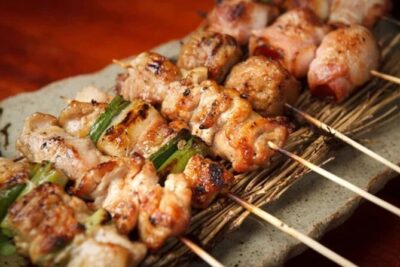
Shinjuku Food Tour (15 Dishes and 4 Eateries)
Read our review →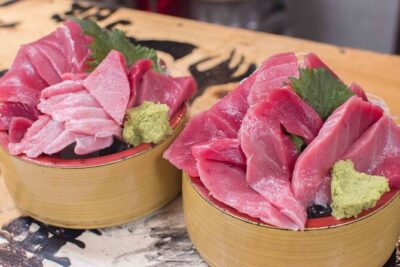
Best of Shinjuku: Izakaya Food Tour (4 Stops, 14+ Tastings)
Read our review →
Tokyo Night Foodie Tour in Shinjuku – Seasonal Sushi, Wagyu Beef
Read our review →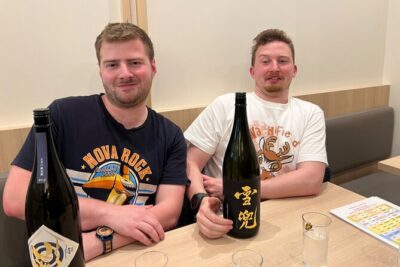
Tsukiji Fish Market: Street Food & Culture Walking Tour
Read our review →Shinjuku Food Tour – 15 Dishes, 3 Drinks, 4 Eateries
Read our review →
Browse the lists this tour appears in