
Reviewed · HISTORICAL TOURS
1 Day Tour Explore Nikko’s World Heritage and National Park
Nikko gives you Japan in a different key: forest, rushing water, imperial villas, and shrines covered in carvings and gold leaf. This 10-hour, 35-minute day trip from Tokyo handles the complicated parts, including the train connections and local transport, so you can focus on the sights instead of station signs.
I like the Nikko Heritage Area pass, which removes much of the ticket juggling, and I like the mix of famous monuments with the quieter Kammangafuchi Gorge. The main drawback is the length of the day. Much of it is spent getting to and around Nikko, and the schedule includes enough walking that comfortable shoes are essential.
In This Review
- Key points to know before booking
- Why Nikko works as a day trip from Tokyo
- Starting at Asakusa and riding to Nikko
- Kammangafuchi Gorge offers a quieter first stop
- Tamozawa Villa shows Japan’s imperial domestic style
- A brief look at Shinkyo Bridge
- Taiyu-in Temple rewards careful looking
- Toshogu Shrine is the day’s grand finale
- The guide makes the complicated parts easier
- Food, walking, and the practical side of the day
- Who will get the most from this Nikko tour
- Is $208 a fair price?
- Should you book it?
- FAQ
- Where does the tour begin and end?
- How long does the tour last?
- What transportation is included?
- Which admissions are included?
- Is food included?
- What is the cancellation policy?
Key points to know before booking
- Kammangafuchi Gorge adds a quiet start: Walk beside a clear river through trees before the grand shrine complex.
- Toshogu Shrine is the main event: You get admission to the shrine and museum, with about 90 minutes to see the ornate complex.
- Transport is built into the price: The Nikko Heritage Area pass and limited express tickets cover the tour’s planned public transportation.
- Tamozawa Villa offers a calmer contrast: Its Edo and Meiji period rooms and garden show a more restrained side of Japanese architecture.
- The group can reach 25 people: That is manageable for a guided day, but it will not feel like a private tour.
- Budget for Shinkyo Bridge: Entry costs ¥300 per person and is not included, while food and drinks are also your responsibility.
Why Nikko works as a day trip from Tokyo
Nikko is far enough from Tokyo to feel like a change of world. The city’s major sights sit near forested hills, a river gorge, and the entrance to a national park. You get a strong contrast with Tokyo’s dense streets and modern buildings without needing to arrange an overnight stay.
The catch is distance. The tour begins at 8:40 a.m. outside EKIMISE in Asakusa, at 1-chōme-4-1 Hanakawado, and returns to the same meeting point. The entire program lasts roughly ten and a half hours, but that does not mean ten and a half hours of sightseeing. The remaining time is used for trains, local transport, and moving between sites.
That arrangement is useful if Nikko is high on your list but public transportation in an unfamiliar country feels like work. The guide takes care of navigation and accompanies you from Tokyo. You still use public transportation, but you do not have to work out which pass, platform, or connection comes next.
The price is $208 per person, so this is not the cheapest way to see Nikko. The value comes from the included transport, admissions to several major sites, and the time saved by having one person organize the route. If you already feel comfortable with Japanese trains and want to visit only one or two places, independent travel may cost less. If you want a full day with the major sights linked together, the price is easier to justify.
More Nikko day trips:
- Nikko: Kegon Falls, Lake Chuzenji & Toshogu Temple
★ 4.6 · 1,577 reviews - Tokyo: Nikko Toshogu Shrine and Kegon Waterfall Tour
★ 4.5 · 1,266 reviews - Nikko Full-Day Private Tour with Government-Licensed Guide
★ 5.0 · 259 reviews
Starting at Asakusa and riding to Nikko
The Asakusa meeting point is practical for a tour heading north. You meet near EKIMISE, a shopping center by Asakusa Station, at 8:40 a.m. The exact meeting point matters, so allow enough time to find the correct entrance and arrive ready to leave.
Included transport covers the limited express tickets and the Nikko Heritage Area pass used during the tour. Transport before the meeting point and after the tour ends is not included. That means you must arrange your own way to Asakusa in the morning and your return journey from Asakusa in the evening.
The public transportation element is an important part of the experience. Nikko is not difficult because every stop is remote, but the day involves several changes in pace and location. Having a guide along means you can watch the scenery and ask questions instead of constantly checking a map.
Still, pack lightly. You will be walking between stations, roads, temple grounds, and historic buildings. A small day bag is more convenient than luggage, and shoes with good grip will serve you better than anything stylish but stiff.
Kammangafuchi Gorge offers a quieter first stop
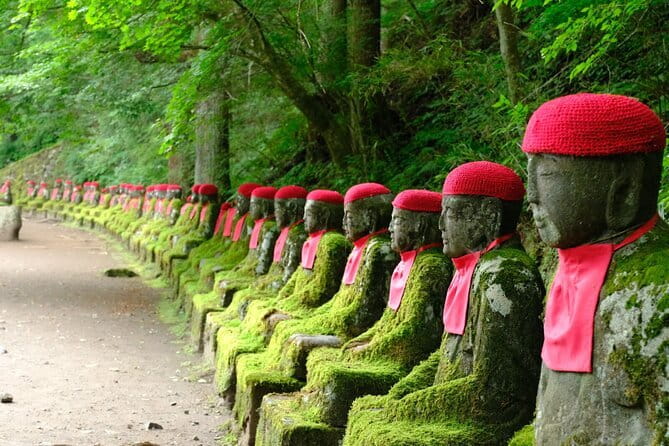
The day begins with Kammangafuchi Gorge, a small river gorge surrounded by trees. You walk beside clear water for about 40 minutes, with the guide explaining the area and its local stories.
This is a smart opening stop. Nikko is best understood through its setting, and the gorge lets you see the wooded side of the area before you enter the large shrine grounds. The sound of the river and the shade from the trees create a slower beginning than a direct rush to Toshogu Shrine.
You should keep expectations in check. This is a short nature walk, not a major hiking trip. The stop is included at no extra charge, and its value comes from atmosphere rather than a long list of sights. If you want time for a more serious walk in the national park, this itinerary does not provide it.
The guide’s commentary also matters here. Without context, a brief gorge walk could feel like a filler stop. With an explanation of what makes the place notable, it becomes a useful introduction to Nikko’s quieter side.
Tamozawa Villa shows Japan’s imperial domestic style
Next comes Nikko Tamozawa Imperial Villa Memorial Park, with about an hour inside the historic villa and its garden. Admission is included.
The building brings together Edo and Meiji period architecture, so you get a look at changing Japanese design in one place. Instead of the dramatic color and ornament found at the main shrines, the villa gives you rooms, wooden details, traditional interiors, and garden views. It is a welcome change of rhythm after the walk through the gorge.
An hour is enough for a purposeful visit, but it is not a leisurely study of every room. Listen closely to the guide, since the meaning of the building and its design choices may be easy to miss if you simply walk through. The villa is also a good place to appreciate how Japanese architecture can feel impressive without relying on bright decoration.
I especially like this stop for people who want more than a quick shrine checklist. Toshogu receives most of the attention, but Tamozawa Villa adds a domestic and imperial dimension to the day. It gives you another way to understand Nikko’s past.
More day trips out of Tokyo:
- Mt Fuji and Hakone 1-Day Bus Tour Return by Bullet Train
★ 5.0 · 26,383 reviews - 1-Day Tokyo Bus Tour
★ 5.0 · 14,250 reviews - Mt Fuji & Hakone Cruise, Drum Show Bullet Train 1 Day from Tokyo
★ 4.0 · 7,413 reviews - Tokyo: DisneySea 1-Day Passport
★ 4.5 · 2,726 reviews
A brief look at Shinkyo Bridge
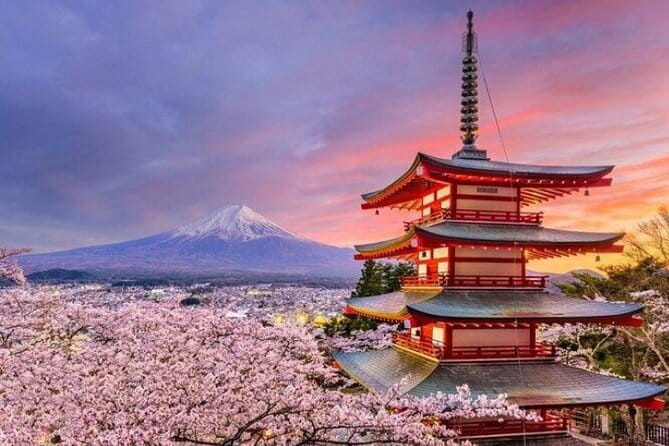
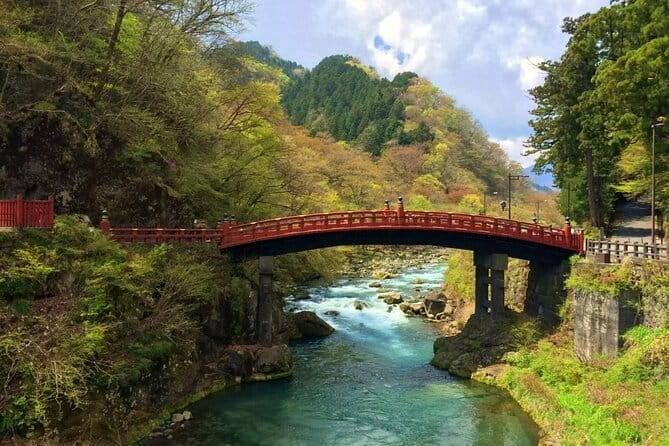
Shinkyo Bridge sits at the beginning of Nikko’s World Heritage area and national park. The present bridge dates to 1636 and is recognized as one of Japan’s three notable scenic bridges.
The tour allows about ten minutes here. That is enough to see the bridge, take photographs, and hear the basic story, but not enough for an extended visit. The short stop reflects the bridge’s role in the larger route. It is a visual marker and a historic gateway rather than a full museum-style attraction.
Admission is not included. The fee is ¥300 per person, so bring a little Japanese cash or be prepared to pay by the method accepted at the bridge. Since the visit is brief, some people may decide to view it from outside rather than pay for entry. The tour still takes you to the site, but the admission choice is yours.
This is one place where the group format can limit flexibility. If you want long photographic pauses or time to study the bridge closely, ten minutes may feel rushed. If you prefer to keep moving toward the major temples, the short visit works well.
Taiyu-in Temple rewards careful looking
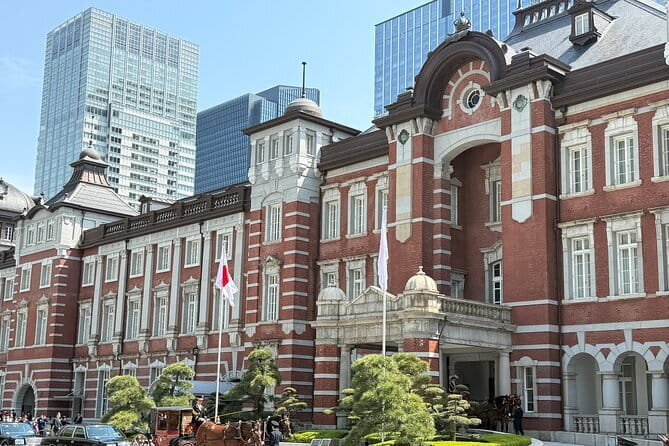
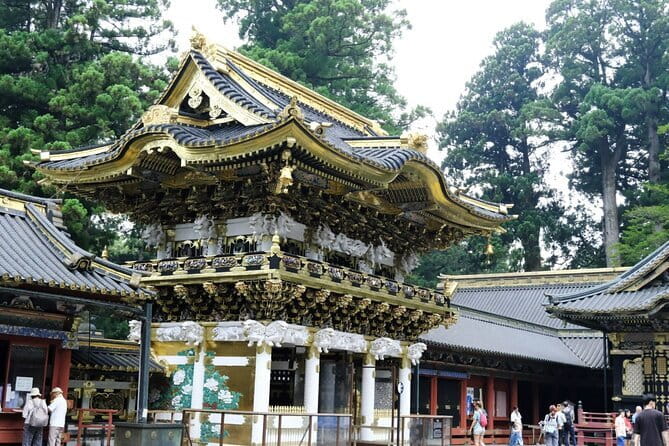
Taiyu-in Temple is allotted about an hour, and admission is included. The temple complex forms part of Nikko’s World Heritage area, where carved wood, gold leaf, and strong colors appear across the buildings.
This stop is a good bridge between the quieter villa and the grand scale of Toshogu Shrine. You can look at gates, carvings, and decorative details without trying to absorb the entire complex in one hurried glance. The guide can point out features that you might otherwise pass without understanding.
The temple’s ornate style is one of the visual highlights of the day. You will want your camera ready, but photographs do not always show the small craftsmanship in the woodwork. Take a moment to look above eye level and around the gateways, not just at the largest buildings.
One hour is useful but limited. You will get an informed introduction rather than unlimited time for independent wandering. That tradeoff is common on a one-day trip from Tokyo, and it is part of what keeps the route possible in a single day.
Toshogu Shrine is the day’s grand finale
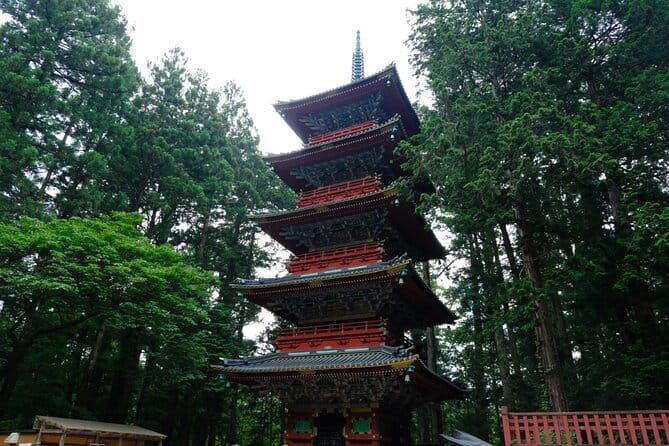
Toshogu Shrine receives about 90 minutes, the longest scheduled sightseeing stop. Admission to the shrine and museum is included, which makes this part of the price especially useful.
Toshogu is dedicated to Tokugawa Ieyasu, the shogun associated with the Tokugawa dynasty. Its fame comes from elaborate architecture, gold leaf, colorful decoration, and detailed wood carvings. This is not a restrained shrine complex. It is designed to impress, and it does so through layers of ornament that reward slow looking.
The famous carvings are part of the appeal, but the guide’s explanation gives them more meaning. A good guide can help you understand why certain animals, figures, and decorative motifs appear where they do. Without that context, Toshogu can become a blur of gates and painted surfaces.
Ninety minutes should let you see the principal areas and museum, but you may still wish for more time. The grounds can be absorbing, and the route may involve steps and walking between buildings. If Toshogu is your central reason for visiting Nikko, note the schedule and stay close to the guide so you do not lose time.
This is also the point where the day may feel busiest. You have already visited several sites, and the ornate complex demands attention. Take short pauses when you can. You do not need to photograph every carving to remember the place.
The guide makes the complicated parts easier
The tour includes an English-speaking guide, and the guide’s role goes beyond giving facts at each stop. You are accompanied during the public transportation portions, guided through the route, and given a clear order for seeing the area.
Guide Beth is specifically praised for being welcoming, fun, kind, and passionate about Nikko. If Beth leads your departure, you can expect a warm personal approach based on that description. Guide assignments can vary, so it is best to regard her qualities as a useful indication of the style possible on this tour, not a guarantee that she will be your guide.
The strongest benefit of a guide here is not simply information. It is the reduction of small decisions. You do not need to determine which stop comes first, how to link the gorge with the villa, or when to move on to the shrine grounds. That makes a difference on a long day.
The group may include up to 25 people. This is small enough for a shared walking experience, but it is not private. If you want custom pacing, long photography stops, or a route built around one particular interest, a private arrangement would suit you better.
Food, walking, and the practical side of the day
Food and drinks are not included. One detailed account of the day describes lunch as delicious, but the tour information does not specify a restaurant, meal price, or set menu. Plan to pay for your own lunch and snacks, and ask the guide about the timing and location once the day begins.
The walking level is described as manageable, with one account calling it the right amount of walking. Still, the itinerary includes a gorge walk, temple grounds, villa rooms, bridge viewing, and large shrine complexes. You should be comfortable walking for much of the sightseeing portions and standing during explanations.
Wear comfortable shoes. Bring water, a small snack, and clothing suitable for a long day outside and inside historic buildings. Weather can affect how pleasant the gorge and temple portions feel, but no weather-specific plan is provided, so check the forecast before you leave Tokyo.
The mobile ticket is convenient. Confirmation arrives at booking, and the tour is near public transportation. Most people can participate, but the supplied details do not give a precise accessibility assessment, so contact the provider if you have specific mobility needs.
Who will get the most from this Nikko tour
This tour fits you best if you have one free day in Tokyo and want to see Nikko’s major cultural sights without building the route yourself. It is also a good match if you prefer explanations at temples and shrines instead of simply taking photographs and moving on.
You will likely appreciate it if:
- You are visiting Japan for the first time and want help with public transportation.
- You want Toshogu Shrine, Tamozawa Villa, and Taiyu-in Temple in one day.
- You prefer a guide-led route with admissions and key transport arranged.
- You enjoy a mix of nature, historic buildings, and religious architecture.
- You are happy with a full schedule and a group of up to 25 people.
It may not suit you if you dislike early starts, long transport days, or fixed sightseeing times. Independent visitors who want to hike farther into the national park, linger at Toshogu, or choose only a few sites may find the schedule too structured.
Is $208 a fair price?
At $208, the tour asks you to pay for convenience as much as for sightseeing. The cost includes limited express tickets, the Nikko Heritage Area pass, Tamozawa Villa, Toshogu Shrine and Museum, Taiyu-in Temple, and an English-speaking guide.
You still pay for food, drinks, your transport to and from the Asakusa meeting point, and the ¥300 Shinkyo Bridge admission. Those extras are modest beside the tour price, but they should be part of your budget.
The best value comes when you would otherwise feel uncertain about the trains or lose time finding each site. A confident independent visitor may save money by arranging transport and buying admission separately. The guided option earns its keep by connecting five distinct stops in one long day and giving you context along the way.
The cancellation policy is friendly: you can cancel for a full refund up to 24 hours before the start time. Changes or cancellations made less than 24 hours before departure are not accepted for a refund.
Should you book it?
Book this tour if you want a well-organized first visit to Nikko and would rather spend your day looking at shrines and forests than solving transportation puzzles. The mix of Kammangafuchi Gorge, Tamozawa Villa, Taiyu-in Temple, Shinkyo Bridge, and Toshogu gives you a fuller picture than a quick shrine-only outing.
Skip it if your main goal is a slow national park walk or an unhurried visit to one monument. The schedule is long, the group may reach 25 people, and much of the day is used for transport. For a one-day introduction from Tokyo, though, the included tickets, guide, and carefully linked route make the cost reasonable for the right visitor.
FAQ
Where does the tour begin and end?
The tour begins and ends at EKIMISE Asakusa, 1-chōme-4-1 Hanakawado, Taito City, Tokyo 111-0033. The start time is 8:40 a.m.
How long does the tour last?
The experience lasts approximately 10 hours and 35 minutes. Some of that time is allocated to transportation between Tokyo and Nikko and between the sightseeing stops.
What transportation is included?
The tour includes limited express tickets and a Nikko Heritage Area pass for the transportation used during the tour. Transport before the meeting point and after the tour ends is not included.
Which admissions are included?
Admission is included for Nikko Tamozawa Imperial Villa Memorial Park, Toshogu Shrine and Museum, and Taiyu-in Temple. Shinkyo Bridge admission costs ¥300 per person and is not included.
Is food included?
No. Additional food and drinks are not included in the tour price.
What is the cancellation policy?
You can cancel up to 24 hours before the experience start time for a full refund. Cancellations or changes made less than 24 hours before the start time are not accepted for a refund.
More Historical Tours in Tokyo
- Tokyo: Imperial Palace and Shogun Historical Walking Tour
★ 5.0 · 2,251 reviews - Tokyo: Imperial Palace Japanese History Walking Tour
★ 4.9 · 987 reviews - Yanaka Walking Tour: Historic and Traditional District of Tokyo
★ 5.0 · 530 reviews - Tokyo: Shinjuku Historical Walking Tour & Secret Backstreets
★ 5.0 · 530 reviews
More National Parks in Tokyo
New on our Tokyo list
- Sumi-e Experience in a relaxing green tea shop in Tokyo★ 5.0 · 3 reviews
- Tokyo : Kamikaze Street Drift Ride★ 5.0 · 3 reviews
- Private Zen Meditation in English in Shinjuku, Tokyo★ 5.0 · 3 reviews
- Onsen Spa in Tokyo and Asakusa Bar Hopping with Local Guide★ 5.0 · 3 reviews
- Easy for everyone! Now you can play handmade mini shamisen and show off to everyone! Musical instruments, sweets and live music★ 5.0 · 3 reviews
- Tokyo: Private Tsukiji Street Food & Sake with Local Guide★ 5.0 · 3 reviews
- Mt Fuji Exploration Tour with Free Japanese Kusa Mochi from Tokyo★ 4.5 · 3 reviews
- Tokyo Tsukiji Fish Market Walking and Exploring Hidden Gems Tour★ 5.0 · 3 reviews
Historical Tours, compared.

Imperial Palace and Shogun Historical Walking Tour
Read our review →
Yanaka Walking Tour: Historic and Traditional District of Tokyo
Read our review →
Shinjuku Historical Walking Tour & Secret Backstreets
Read our review →
Mt. Fuji Heritage Tour: Traditional Villages, Lakes & Shrine
Read our review →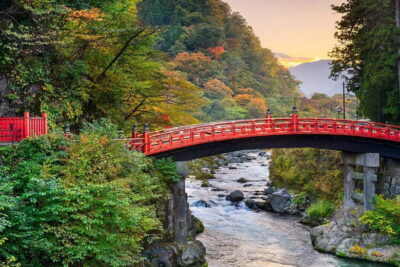
The Best of Izakaya in Shinjuku Food & Cultural Tour
Read our review →
Yanaka Historical Walking Tour in Tokyo’s Old Town
Read our review →Browse the lists this tour appears in