
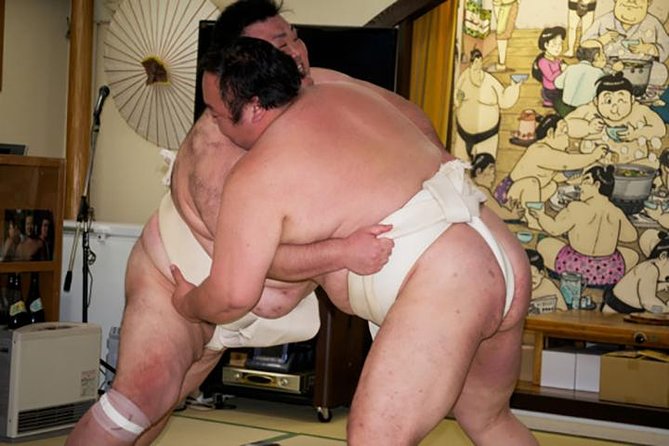
Reviewed · SUMO EXPERIENCES
the SUMO show
The best part of this Tokyo experience is that sumo does not stay on the stage. Retired wrestlers explain the sport, demonstrate its moves, and invite willing members of the audience into the ring for a friendly bout. You get a close look at a sport that can feel mysterious from the outside.
I like the hands-on format and the warm, funny interaction with the wrestlers. I also like that the meal is part of the lesson: tonkatsu and chanko soup give you a taste of what sumo life means beyond the match itself. The main thing to consider is the price, $89.54 per person, and the fact that some tables may sit farther from the dohyo than others.
In This Review
- Key points at a glance
- Meeting Sumo Wrestlers at Yokozuna Tonkatsu
- The First Lesson: Rules, Rituals, and Sumo Moves
- Watching the Sparring Demonstration
- Your Turn in the Ring
- Tonkatsu, Chanko Soup, and the Meal Break
- Why the 90-Minute Length Works
- Who Will Get the Most from This Sumo Show?
- Is $89.54 a Fair Price?
- Practical Details Before You Reserve
- Should You Book the Sumo Show?
- FAQ
- Where does the sumo show begin?
- What time does the experience start?
- How long does the sumo experience last?
- Does the experience include food?
- Can I participate in a sumo bout?
- Are vegetarian meals or dietary accommodations available?
- Can I take photos with the wrestlers?
- How many people can join the activity?
Key points at a glance
- Challenge a retired wrestler: You can test your new sumo skills in a friendly, low-pressure bout.
- A 90-minute cultural lesson: Learn basic rules, exercises, techniques, history, and training rituals without committing half a day.
- Tonkatsu and chanko soup included: Drinks cost extra, but the meal gives the experience a satisfying food component.
- Photos are built in: You have time to take pictures with the wrestlers and pose in traditional sumo clothing.
- A strong family choice: Children and adults can take part, watch, or simply enjoy the show.
- Plan for shared seating: The venue can hold up to 60 people, and tables may be shared with another group.
Meeting Sumo Wrestlers at Yokozuna Tonkatsu
You make your own way to Yokozuna Tonkatsu at 3-chome-1-11 Tatekawa in Tokyo’s Sumida City. The location is near public transportation, though it sits away from the central sightseeing core. Allow enough time to find the building and arrive ready for the 1:00 pm start.
The activity begins when you meet your host, fellow participants, and the retired wrestlers. The tone is informal and social rather than solemn. You are not watching a distant performance from a huge arena. The show is designed around contact between the wrestlers and the tables, with time for questions, demonstrations, and photographs.
That personal setting is one reason this works well for families. Children can watch the wrestlers up close, learn a few simple ideas about sumo, and decide for themselves how much they want to join in. Adults can do the same. You do not need to wrestle to enjoy the event.
The experience can include up to 60 people, so the room is not always small. Seating is assigned according to the order reservations are received, and arriving early does not guarantee a better place. You may also share a table with another group. For a large party, everyone may not sit together.
More sumo mornings:
- Tokyo: Sumo Show Experience with Chicken Hot Pot and a Photo
★ 4.8 · 6,678 reviews - Tokyo: Sumo Show and Dining Experience
★ 4.8 · 2,742 reviews - Tokyo Shinjuku Sumo Show & Experience with Photo
★ 5.0 · 1,750 reviews
The First Lesson: Rules, Rituals, and Sumo Moves
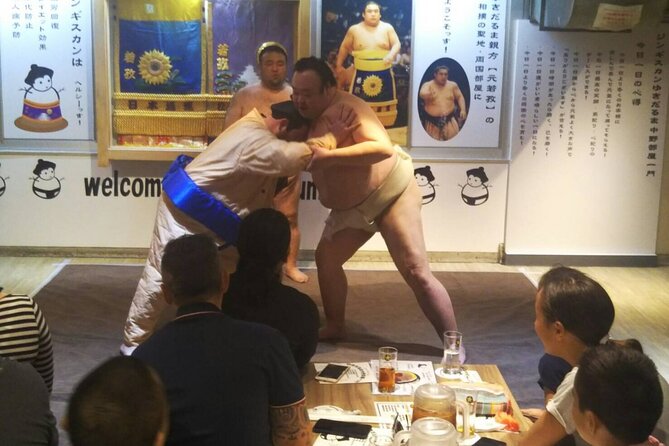
Before anyone steps into the ring, the wrestlers explain the basics. You learn about the history of sumo, the rules of a bout, and the training rituals that shape a wrestler’s daily life. The presentation is meant for first-time visitors, so you do not need to know the difference between a push and a belt technique before you arrive.
The demonstrations make the explanations easier to follow. Rather than hearing a list of rules and then watching a match you cannot interpret, you see several sumo moves and techniques in action. The wrestlers also demonstrate exercises connected with the sport.
This is a useful feature for anyone who has seen sumo on television but never understood what was happening. Sumo can look simple at first glance: two large wrestlers, one circular ring, and a short contest. The demonstrations show how much control, balance, timing, and footwork sit behind that brief clash.
The lesson remains a broad introduction, not a serious study of professional sumo. One of the useful things about the format is its limit. You get enough background to appreciate the demonstrations, but the 90-minute schedule keeps the activity moving and prevents it from becoming a long lecture.
Watching the Sparring Demonstration
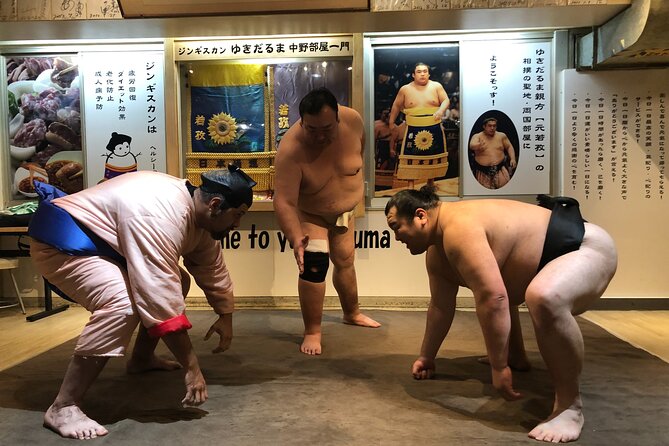
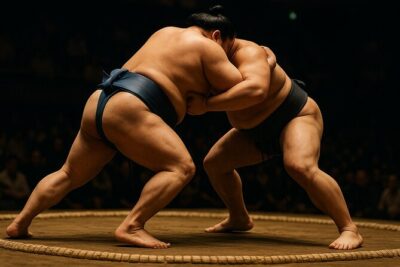
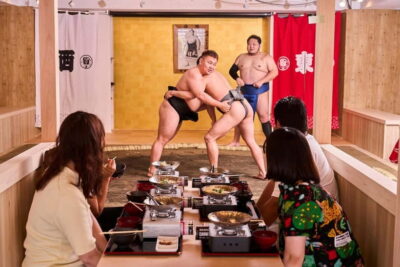
The live sparring is the centerpiece. Retired wrestlers show what a bout looks like, using their size and skill to create an entertaining demonstration. The mood is light, and the wrestlers use humor to keep the room involved.
You will see the rules explained through action rather than theory. The ring, called the dohyo, becomes the focus of the room, and the presentation helps you understand how a wrestler tries to force an opponent out or make another part of the body touch the ground.
The show is especially effective when you pay attention to the small details. Notice how the wrestlers prepare, how they position their feet, and how quickly a match can change. Sumo is not simply a test of who weighs more. Technique matters, and the activity makes that clear without asking you to master the sport.
Your view can depend on your table. Some seating is farther from the dohyo, and you may need to stand at times for a better look. That is worth knowing if a clear view is a priority. The room is designed for shared enjoyment rather than private premium seating.
Your Turn in the Ring
The most memorable part for many people is the chance to challenge a wrestler. Participation is optional. You can sit back and watch, or step forward and try a friendly bout after seeing the demonstrations.
Do not expect a serious contest. The point is to feel the scale, balance, and force involved in sumo while enjoying the joke of taking on someone with professional experience. The wrestlers guide the interaction, and the mood is playful rather than aggressive.
You will probably get more from this section if you say yes to participation. That does not mean you need to be athletic, young, or especially confident. The format is built for ordinary people who want to try something unusual. If you prefer not to wrestle, you can still watch other participants and learn from the demonstrations.
A traditional sumo costume is available for photographs, adding another visual element to the activity. The photo time also gives you a chance to pose with the wrestlers before the event ends. For families, this can be the part children remember most.
Follow the staff’s instructions and use good judgment. Anyone causing trouble can be asked to leave without a refund. That rule is standard for an activity involving physical participation, but it is worth keeping in mind before you volunteer.
A few more Tokyo bookings worth comparing
- Mt Fuji & Hakone Cruise, Drum Show Bullet Train 1 Day from Tokyo
★ 4.0 · 7,413 reviews - Mt Fuji & Hakone Cruise, Drum Show Bus 1 Day from Tokyo
★ 4.0 · 1,287 reviews - Tokyo: Sumo Show and Experience in Shinjuku
★ 4.8 · 1,001 reviews - Tokyo:Luxury Sumo Show Experience & Japanese cuisine & Drink
★ 4.7 · 577 reviews
Tonkatsu, Chanko Soup, and the Meal Break
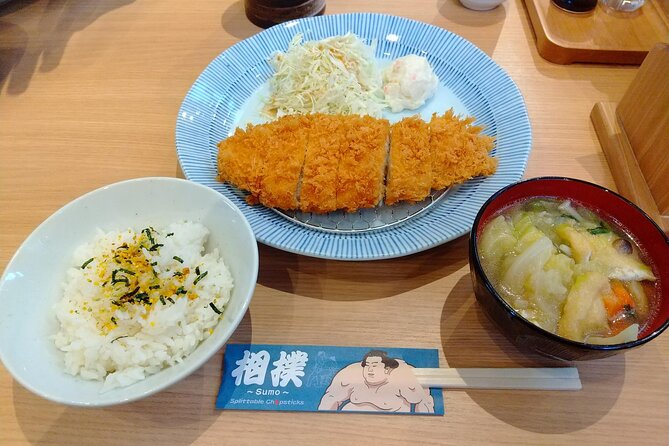
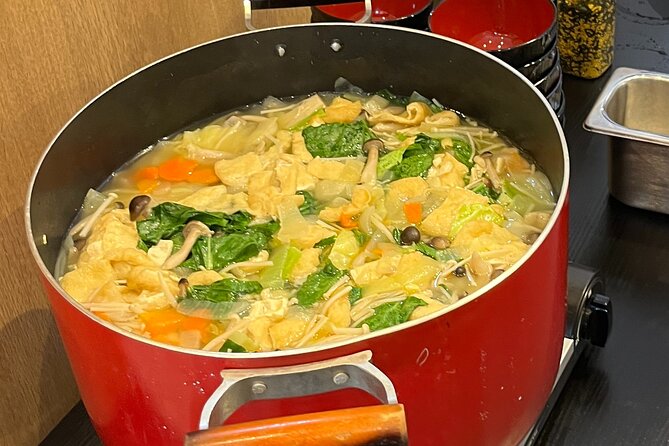
The meal includes tonkatsu and chanko soup, with the wrestlers involved in preparing the food. Tonkatsu is breaded cutlet, while chanko is the hearty soup associated with sumo stables. Together, they give the event a clear food connection instead of treating lunch as an unrelated add-on.
The meal is widely praised for its flavor, especially the chanko soup. Several strong comments focus on the food being better than expected, and one particularly useful tip is that you may prefer a larger serving of chanko over the tonkatsu if the soup appeals to you.
Portion size may not satisfy everyone. One account found the meal a little light, and another noted that the cabbage portion with the tonkatsu was smaller than expected by Japanese restaurant standards. If you arrive very hungry, keep that in mind. This is a cultural show with lunch, not an all-you-can-eat meal.
Drinks are not included. You will need to pay separately for them, so check the arrangement when you arrive. Vegetarian and other dietary accommodations can be requested, but you must write your restrictions or allergies in the reservation notes at least five days before the event. Requests made closer to the date may not be possible.
The meal also helps keep the event social. You may share a table with another party, which can be a drawback if you want a private family meal, but it can also make the experience feel more communal.
Why the 90-Minute Length Works
The activity lasts about one hour and 30 minutes. That is long enough to cover the introduction, demonstrations, participation, meal, and photos, but short enough to fit neatly into a Tokyo sightseeing day.
The 1:00 pm start makes this a natural lunch activity. You can visit another part of the city in the morning, come to Sumida for the show, and continue elsewhere afterward. The end point is the same as the meeting point, so you do not need to arrange a separate pickup or find your way to a new neighborhood.
The compact schedule is useful if you are traveling with children or with someone who tires easily. The event keeps changing pace: explanation, action, food, participation, and photographs. You are unlikely to spend the whole 90 minutes sitting through a single presentation.
The tradeoff is that the historical material stays at an introductory level. If you want an extended account of sumo rankings, stable life, tournament structure, or current wrestlers, this is not the right format. You get a clear starting point and a lively experience, not a specialist seminar.
Who Will Get the Most from This Sumo Show?
I would put this high on the list for families. Children around school age can follow the demonstrations, laugh at the friendly contests, and choose to participate or watch. The activity has also worked well for a child with special needs, thanks to the friendly wrestlers and welcoming family setting.
It also suits first-time visitors who want an experience connected to Japanese culture but do not have tickets to a professional tournament. You learn the basic rules and rituals, see real former wrestlers at close range, and get a meal tied to the subject.
You will like it if you enjoy interactive activities. The show rewards curiosity and a willingness to ask questions. It is less suitable if you want to remain completely anonymous in a dark theater, since the staff may invite audience participation and the wrestlers make time for each table.
Solo visitors and couples can enjoy it too, though shared seating means you should not expect a private dining setting. Large groups should be prepared for the possibility that they will be split across tables.
Is $89.54 a Fair Price?
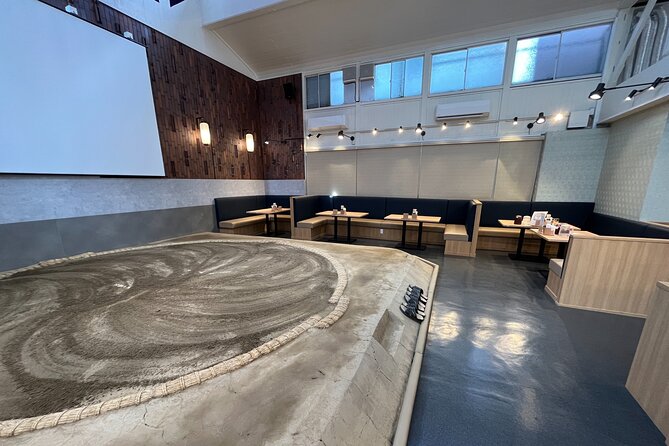
At $89.54 per person, this is not a cheap lunch. You are paying for a hosted cultural activity, former professional wrestlers, a live demonstration, audience participation, food, and photo opportunities in one package.
The value depends on what you would otherwise do. If you only want tonkatsu, you can spend far less at a restaurant. If you want to watch professional sumo in a major tournament, this is a different product entirely. The appeal here is access and interaction. You are not just eating near a sumo theme. You are learning directly from retired wrestlers and can test yourself in the ring.
The price makes more sense for someone who wants a memorable, organized activity rather than a quick meal. It is also a reasonable choice when planning a family day, since adults and children can take part at different levels.
The one clear caution is that the meal may not be enough for every appetite, and drinks are extra. Consider the ticket a show-and-participation price with lunch included, not a restaurant bargain.
Practical Details Before You Reserve
Confirmation is sent within 48 hours of booking, subject to availability. The activity has free cancellation if you cancel at least 24 hours before the local start time. Cancellations or changes made inside that window are not accepted for a refund.
Date changes are not allowed within three days of the experience. Flight delays, illness, and other late problems are treated as cancellations under the stated conditions, so do not book this too close to a risky connection.
Add dietary restrictions and allergies when you reserve. Five days is the important deadline. If you wait until the day before, the kitchen may not be able to adjust the meal.
Wear something that lets you sit comfortably and move easily if you plan to participate. No special athletic ability is required in the information provided, and most people can take part, but you should still follow the staff’s directions during any bout.
The venue is near public transportation, but the exact route depends on where you start in Tokyo. The address is in Sumida City, and the activity returns you to that same location.
Should You Book the Sumo Show?
Book it if you want a lively, family-friendly look at sumo with a real chance to participate. The strongest reasons are the friendly retired wrestlers, the clear demonstrations, the fun audience contact, and the combination of show and Japanese meal.
Think twice if your main goal is a large meal, a detailed scholarly lesson, or guaranteed front-row seating. The food is good but portions may feel modest, tables may be shared, and some seats are farther from the dohyo.
For most first-time visitors, I think the experience earns its place in a Tokyo plan. Arrive with realistic expectations, note any dietary needs well ahead of time, and volunteer if you feel comfortable. At its best, this is not just a performance. It is a short, cheerful introduction to sumo that gives you something to watch, something to eat, and a story to take home.
FAQ
Where does the sumo show begin?
The experience begins at Yokozuna Tonkatsu, located at 3-chome-1-11 Tatekawa, Sumida City, Tokyo 130-0023, Japan.
What time does the experience start?
The stated start time is 1:00 pm.
How long does the sumo experience last?
The sumo demonstration and meal take about one hour and 30 minutes.
Does the experience include food?
Yes. Tonkatsu and chanko soup are included. Drinks are not included.
Can I participate in a sumo bout?
Yes. You can challenge a retired wrestler in a friendly bout if you wish. Participation is optional.
Are vegetarian meals or dietary accommodations available?
They may be available if requested in the special notes when you book. Allergy and dietary requests must be made at least five days before the event.
Can I take photos with the wrestlers?
Yes. The experience includes time for photographs with the sumo wrestlers, including photos in traditional sumo clothing.
How many people can join the activity?
The maximum group size is 60 people. You may be asked to share a table with another group, and large parties may not all sit together.
New on our Tokyo list
- Tokyo Spectacular View Day-Cruise in 90 Minutes★ 5.0 · 25 reviews
- From Tokyo: Mount Fuji & Hakone Full Day Private Tour★ 4.9 · 25 reviews
- Real Tokyo Runner Club : Daikoku Car Meet Night Tour with JDM Car★ 5.0 · 25 reviews
- 2.5 Hour-Guided Cycle Tour in the Central Tokyo★ 5.0 · 25 reviews
- Ramen Making from Scratch +Akihabara Tour –Cooking Class★ 5.0 · 25 reviews
- [Self-Drive] Tokyo & Daikoku Custom Car Driving Tour★ 4.9 · 25 reviews
- Tokyo: 2-Hour Night Bike Tour of the City’s Hidden Gems★ 4.9 · 25 reviews
- Samurai themed Entertainment show in Shinjuku★ 4.5 · 25 reviews
Sumo Experiences, compared.
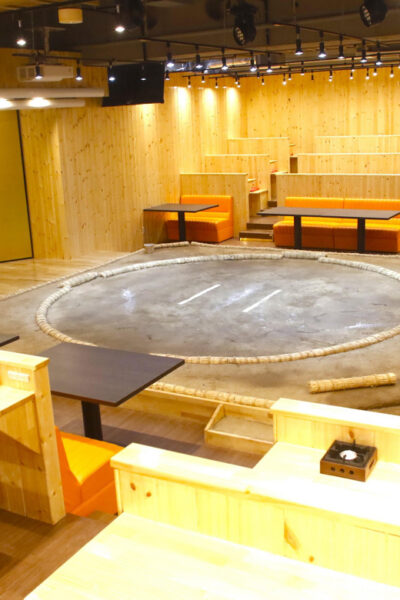
Sumo Show Experience with Chicken Hot Pot and a Photo
Read our review →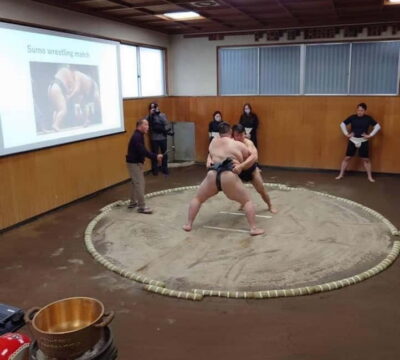
Tokyo Shinjuku Sumo Show & Experience with Photo
Read our review →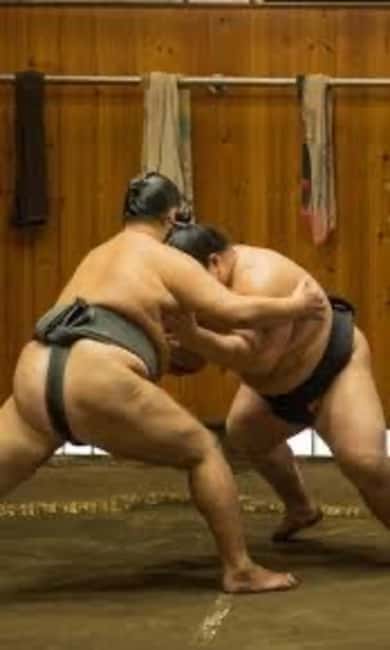
Authentic Sumo Experience in Tokyo: Enter the Sanctuary
Read our review →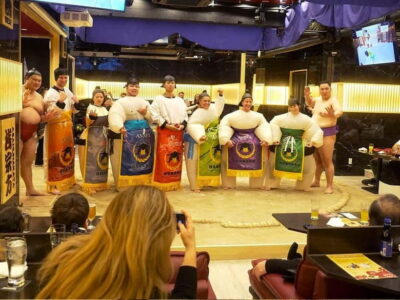
Luxury Sumo Show Experience & Japanese cuisine & Drink
Read our review →
Tokyo Sumo Experience: Chanko & Mochi with a Former Pro
Read our review →Browse the lists this tour appears in