
Reviewed · SUMO EXPERIENCES
Tokyo: Sumo Show and Dining Experience
Tokyo Sumo Room puts you close to the action, with former Makuuchi wrestler Tokitsumi behind a show that mixes sumo instruction, live bouts, comedy, and audience participation. I like the small, personal setting and the chance to see the sport explained in English instead of simply watching from a distant arena seat.
I also like the hands-on ring time, which can turn a quiet spectator into the evening’s comic hero. The main thing to watch is the meal wording: food is included with the meal options at the 11:00 AM and 7:00 PM shows, while the 3:00 PM show has no meal plan. Confirm exactly what you are booking.
In This Review
- Key points at a glance
- What Tokyo Sumo Room actually offers
- Arriving in Kiyosumi-Shirakawa
- The opening lesson makes sumo easier to understand
- Watching the wrestlers train and compete
- The ring participation is the memorable part
- Chanko-nabe brings the meal into the story
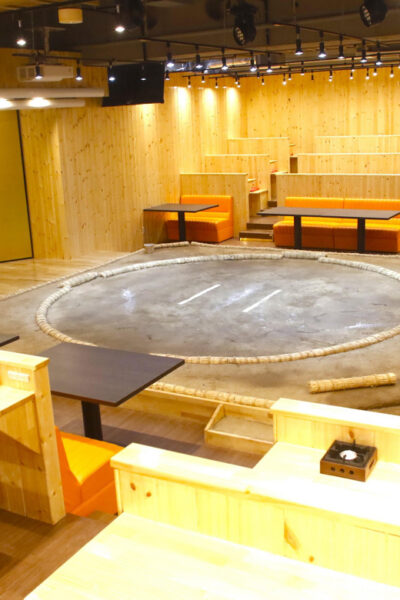
- How intimate is the room?
- Why the English presentation matters
- Who will enjoy this most?
- Is $79 a fair price?
- Timing, booking, and practical advice
- Should you book Tokyo Sumo Room?
- FAQ
- Where is Tokyo Sumo Room located?
- How long does the experience last?
- What is included in the experience?
- Is food included with the 3:00 PM show?
- Is the activity conducted in English?
- Can I participate in the sumo activity?
- Are vegetarian meals available?
- Is the venue wheelchair accessible?
- What should I bring?
Key points at a glance
- Former Makuuchi wrestler Tokitsumi runs the venue: You get a presentation shaped by someone with direct experience of professional sumo.
- The show combines explanation and action: Learn the rules and customs, then watch wrestlers demonstrate their strength and technique.
- Audience participation is a major part of the fun: You may practice with, and challenge, a sumo wrestler in the ring.
- Chanko-nabe style food connects dinner to sumo culture: Selected meal plans include hearty Japanese dishes inspired by what wrestlers eat.
- Kiyosumi-Shirakawa makes a practical base: The venue is reachable by public transport, though transportation is not included.
- The format works for families and mixed-age groups: Children and adults can learn, eat, laugh, and take part at their own comfort level.
What Tokyo Sumo Room actually offers
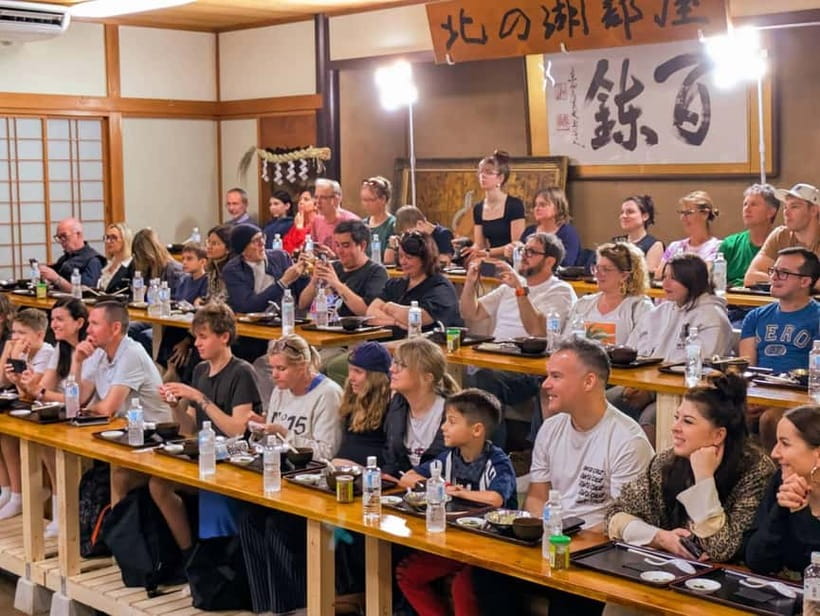
Tokyo Sumo Room is not a full professional tournament. It is a hosted cultural show restaurant where you can watch former or professional sumo wrestlers perform at close range, hear an English explanation of the sport, and take part in selected activities.
That distinction matters. If you want the formal pageantry of a major tournament, with long bouts, packed stands, and the full schedule of professional competition, you need a tournament ticket instead. If you want to understand sumo quickly and have a good chance of standing near the action, this format is more accessible.
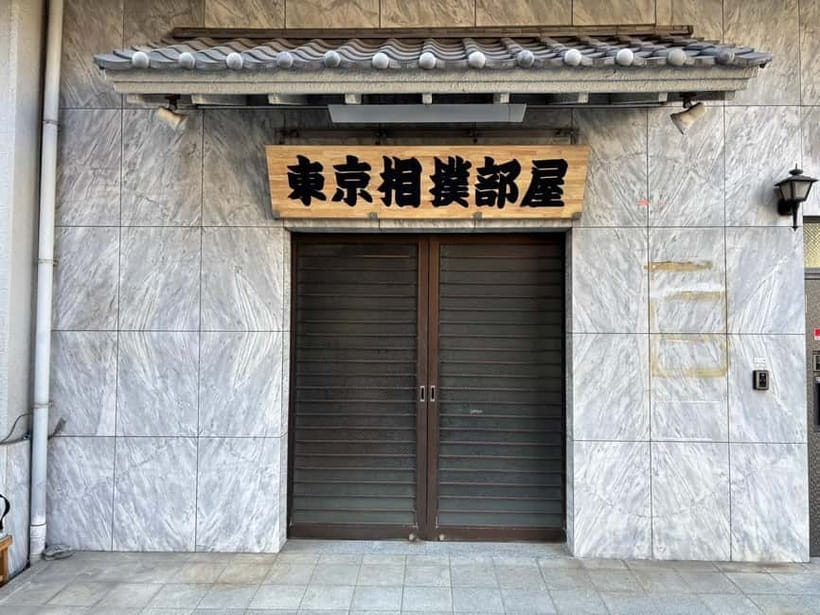
The venue is in Kiyosumi-Shirakawa, a Tokyo district reached by public transportation. The experience lasts about 90 minutes to two hours, depending on the session and the activities included. At $79 per person, the price is not just for a meal or a short performance. You are paying for a hosted lesson, live demonstrations, direct interaction, and, with selected bookings, food as well.
More sumo mornings:
- Tokyo: Sumo Show Experience with Chicken Hot Pot and a Photo
★ 4.8 · 6,678 reviews - the SUMO show
★ 5.0 · 1,960 reviews - Tokyo Shinjuku Sumo Show & Experience with Photo
★ 5.0 · 1,750 reviews
Arriving in Kiyosumi-Shirakawa
The district gives this outing a local Tokyo setting rather than placing it inside a major sightseeing complex. You will need to make your own way there, since transportation to and from the venue is not included. Allow enough time to navigate from the station and arrive without rushing.
The venue is wheelchair accessible, which is useful for families and mixed groups. Comfortable shoes are recommended. You may be seated for part of the show, but the program can involve movement and audience participation, so shoes you can walk and stand in are the sensible choice.
Bring a camera if you want photographs of the demonstrations and the room. Smoking is not allowed indoors, and the venue is non-smoking.
The opening lesson makes sumo easier to understand
The show begins with an English-led introduction to sumo history, rules, and traditions. This is one of the strongest parts of the experience because sumo can look mysterious if you only see two large wrestlers stepping into a ring and pushing.
The host explains what you are watching and why the movements matter. You get a clearer sense of the preparation, stance, ceremony, and physical demands behind the sport. Several people specifically enjoyed the host’s humor and ability to keep the explanation moving, rather than turning it into a long lecture.
Tokitsumi’s connection to professional sumo gives the event useful authority. He operated in the Makuuchi division, the top level of professional sumo, and the show is also presented as a venue operated by a former wrestler. You are not simply receiving facts from a general tour guide. The format connects the explanation to people who have trained in the sport.
Still, keep the scale in mind. This is a compact introduction, not a university course on Japanese athletics or religion. The value comes from the clear basics and the chance to see those points acted out immediately.
Watching the wrestlers train and compete
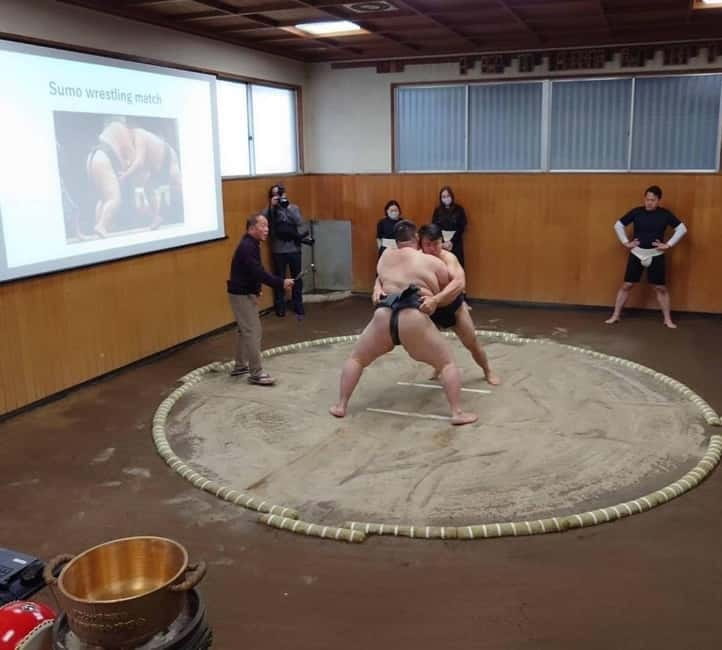
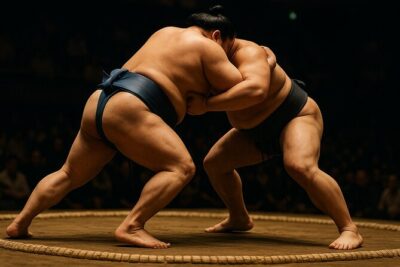
After the introduction, the wrestlers demonstrate their skill and power at close range. The show can include practice, several short competitions, and spirited interaction between the wrestlers and the audience.
This is where the room’s size helps. You are not studying tiny figures across an arena. You can see the force of the movements, the speed of the contact, and the effort required to control a bout. The physical contrast is striking, but the lesson is not simply that sumo wrestlers are strong. Timing, balance, footwork, and position all matter.
The demonstrations also have a playful side. The wrestlers joke with one another and the audience, and the host keeps the pace light. That humor is important for first-time visitors. Sumo has formal rules and serious traditions, but you do not need prior knowledge to enjoy the show.
The exact number of wrestlers can vary. One small group saw two sumo wrestlers, while another session included three former wrestlers. That means the lineup is not something to treat as fixed. The performances are the core promise, but the number of participants may depend on the day.
A few more Tokyo bookings worth comparing
- Tokyo Bar Hopping Tour in Shinjuku (All-You-Can-Drink + Dinner)
★ 5.0 · 3,587 reviews - Sumida River: Japanese Traditional Yakatabune Dinner Cruise
★ 4.6 · 779 reviews - Tokyo Bay Yakatabune Dinner/Day Cruise with Japan Show and Drinks
★ 4.5 · 473 reviews - Tokyo: Shinjuku Bar Hopping with All-You-Can-Drink & Dinner
★ 4.9 · 440 reviews
The ring participation is the memorable part
The biggest difference between this show and a standard cultural performance is the chance to take part. Audience members may receive a short sumo lesson and then try to push against one of the wrestlers.
You should join in if you are comfortable being the center of attention for a moment. The activity is designed for fun, not for a serious contest, and the wrestler will control the encounter. You will quickly discover that the strength difference is greater than it looks from the audience.
Several families found this especially effective for children. Kids can watch the food preparation and demonstrations, then become part of the show instead of sitting quietly through a lecture. Adults can participate too, and the comic effect often comes from seeing an ordinary person make a determined effort against a trained athlete.
You do not have to wrestle. Watching other people try is part of the entertainment, and you can enjoy the rest of the program without entering the ring. If you have mobility concerns, ask the staff about the available level of participation. The venue is wheelchair accessible, but the supplied information does not specify which ring activities are adapted.
The experience may involve wearing a mawashi for the ring activity. One participant noted that it was more comfortable than expected, but you should still expect a playful costume element and some close contact. Wear comfortable clothing and shoes.
Chanko-nabe brings the meal into the story
The food is designed to fit the sumo theme. Selected meal options include Japanese cuisine, with dishes inspired by chanko-nabe, the hearty hot pot traditionally associated with sumo wrestlers.
Chanko-nabe is useful here because it makes the culture tangible. Instead of hearing only that wrestlers need substantial meals, you can taste a dish linked to their daily life. The meal is also practical after a show filled with physical demonstrations and audience activity.
The meal has been described as plentiful, with additional servings available in some sessions. Hot pot is a shared style of dining, so it suits families and groups particularly well. The menu also includes seasonal Japanese dishes, and some sessions have offered dessert such as chestnut pudding.
Vegetarian options are available if you request them. The food can also be modified on the day, but asking in advance is the safer choice, especially if your dietary needs are strict.
Pay close attention when selecting your time. The 11:00 AM and 7:00 PM shows have meal options, while the 3:00 PM show does not offer a meal plan. There is also a warning from one booking experience that the label show with dinner did not include dinner. Because the supplied details conflict, read the selected package carefully and confirm the meal before paying. At $79, the value changes considerably depending on whether food is included.
How intimate is the room?
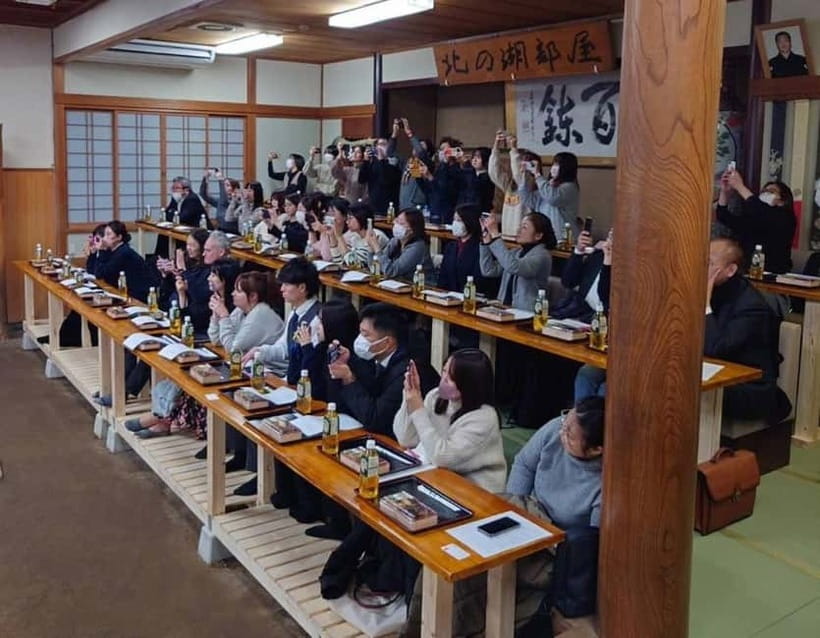
The atmosphere is closer to a small hosted gathering than a grand theater production. Group size can vary. One party attended with only eight people and noted that the space could accommodate more than 20, so you might find a particularly personal session or a fuller room.
A smaller group gives you more direct contact with the host and wrestlers. It can also make audience participation feel less intimidating because the staff can speak to people individually. A larger group may provide more energy and more people to watch in the ring, but you may have less one-to-one attention.
This close format suits you if you prefer cultural activities that feel social and informal. It is less suitable if you want to sit quietly in the back and avoid interaction altogether. Even then, participation is optional, so you can choose your level of involvement.
Why the English presentation matters
The instructor language is English, and the host is expected to explain the sport in a way that international visitors can follow. That makes the experience much easier to recommend to first-time visitors who do not know the Japanese vocabulary or tournament customs.
The best part is the combination of words and demonstration. A rule explained on its own may be easy to forget. A rule followed immediately by a bout or a practice sequence makes more sense.
The English delivery also helps during the comic exchanges. You can follow the jokes, understand the instructions, and know when the audience is being invited to join in. The quality of the host matters a lot in a format like this, and the event depends on a lively presenter to connect the sections.
Who will enjoy this most?
I would choose Tokyo Sumo Room for families, first-time visitors to Japan, and anyone who wants a cultural evening that does not require specialist knowledge. Three-generation groups can find something here: a history lesson for adults, food for everyone, and a physical comedy show that children can remember.
It also works well for a birthday or a final-night activity. The staff can make personal celebrations part of the welcome, and the informal setting gives the event a shared, social feeling.
Sumo fans may appreciate seeing the wrestlers at close range and hearing an explanation from someone connected to the professional sport. Just keep your expectations realistic. You are seeing a demonstration and interactive show, not a formal tournament match.
I would be more cautious about booking it for someone who dislikes audience attention, shared meals, or physical comedy. You can watch without participating, but the interactive element is central to the experience, not a small extra.
Is $79 a fair price?
At $79, the experience offers good value when the selected package includes the Japanese meal. You receive roughly an hour and a half to two hours of entertainment, an English explanation, live sumo demonstrations, optional ring participation, and dinner or lunch depending on the time.
The value is also stronger for groups who want one activity that combines food and culture. You do not need to arrange a separate restaurant booking after the show, and the chanko-nabe style meal gives the evening a clear connection to sumo.
The price is harder to judge for the 3:00 PM performance because no meal plan is available. That session may still be worthwhile if your main goal is the show and the ring activity, but compare it with the meal-inclusive times before booking.
I would not choose this solely for the food. Tokyo has countless excellent places to eat. The reason to pay $79 is the combination of a meal with access to wrestlers, an English explanation, and the chance to test your own strength in the ring.
Timing, booking, and practical advice
Book ahead if you have a fixed Tokyo schedule. The venue can fill, and the experience is offered at set times rather than on a drop-in basis.
The stated duration is 90 minutes to two hours. Leave room around it if you have a train to catch or a reservation elsewhere, since the audience participation and meal service can affect the pace.
You can reserve now and pay later, which helps if you are still arranging your Japan itinerary. Free cancellation is available up to 24 hours in advance for a full refund, according to the supplied booking terms.
Before confirming, check four things:
- The exact show time
- Whether a meal is included in that package
- Any vegetarian or dietary request
- How you will reach Kiyosumi-Shirakawa by public transport
Take a camera, wear comfortable shoes, and be ready to clap, laugh, and perhaps push against a wrestler. The staff may also help record your ring participation, though this should not be treated as a guaranteed service for every session.
Should you book Tokyo Sumo Room?
Book it if you want accessible, good-humored sumo instruction with real physical demonstrations and a chance to participate. The English host, former wrestler connection, intimate room, and hearty Japanese meal give the evening more substance than a simple stage performance.
I especially recommend it for families and mixed groups. You can learn the basics without preparation, and the ring activity gives the experience a personal ending. Choose the 11:00 AM or 7:00 PM meal option if food matters, and verify the package wording carefully because the meal details are not perfectly consistent.
Skip it if you want to watch a formal tournament or prefer a quiet, strictly traditional presentation. For most first-time visitors, though, Tokyo Sumo Room offers a friendly and memorable way to understand why sumo is about far more than two people pushing.
FAQ
Where is Tokyo Sumo Room located?
Tokyo Sumo Room is located in Kiyosumi-Shirakawa, in Tokyo on Honshu, Japan. The venue is accessible by public transport.
How long does the experience last?
The activity lasts about 90 minutes to two hours. The exact length can depend on the selected session and program.
What is included in the experience?
Sumo performances are included. Japanese cuisine is included with the meal options offered for the 11:00 AM and 7:00 PM shows. Authentic sumo training experiences are optional.
Is food included with the 3:00 PM show?
No meal plan is available for the 3:00 PM show. Check the exact package details before booking, since meal wording can vary between options.
Is the activity conducted in English?
Yes. English is listed as the language for the instructor and activity.
Can I participate in the sumo activity?
Audience participation is available, and you may have the chance to practice with or challenge a sumo wrestler. Participation is optional.
Are vegetarian meals available?
Yes. Vegetarian options are available upon request and can also be modified on the day of your visit.
Is the venue wheelchair accessible?
Yes. Tokyo Sumo Room is listed as wheelchair accessible.
What should I bring?
Bring comfortable shoes and a camera. Smoking is not allowed indoors or at the venue.
More Show in Tokyo
- Mt Fuji & Hakone Cruise, Drum Show Bullet Train 1 Day from Tokyo
★ 4.0 · 7,413 reviews - Mt Fuji & Hakone Cruise, Drum Show Bus 1 Day from Tokyo
★ 4.0 · 1,287 reviews - Tokyo: Sumo Show and Experience in Shinjuku
★ 4.8 · 1,001 reviews - Tokyo:Luxury Sumo Show Experience & Japanese cuisine & Drink
★ 4.7 · 577 reviews
More Dining Experiences in Tokyo
- Tokyo Dinner Cruise & Tradition Show & Drinks & Tokyo Tower
★ 4.7 · 315 reviews - Tokyo Bay: Traditional Japanese Yakatabune Dinner Cruise
★ 4.7 · 243 reviews - Professional Ramen & Gyoza with Ramen Chef in a restaurant!
★ 5.0 · 223 reviews - Experience all of Japanese culture and Japanese food experience classes “origami, udon, Japanese food, green tea, calligraphy” in 4 hours
★ 5.0 · 105 reviews
New on our Tokyo list
- From Tokyo: Mount Fuji & Hakone Full Day Private Tour★ 4.9 · 25 reviews
- Tokyo Spectacular View Day-Cruise in 90 Minutes★ 5.0 · 25 reviews
- Real Tokyo Runner Club : Daikoku Car Meet Night Tour with JDM Car★ 5.0 · 25 reviews
- 2.5 Hour-Guided Cycle Tour in the Central Tokyo★ 5.0 · 25 reviews
- Tokyo: 2-Hour Night Bike Tour of the City’s Hidden Gems★ 4.9 · 25 reviews
- Ramen Making from Scratch +Akihabara Tour –Cooking Class★ 5.0 · 25 reviews
- [Self-Drive] Tokyo & Daikoku Custom Car Driving Tour★ 4.9 · 25 reviews
- Samurai themed Entertainment show in Shinjuku★ 4.5 · 25 reviews
Sumo Experiences, compared.
Sumo Show Experience with Chicken Hot Pot and a Photo
Read our review →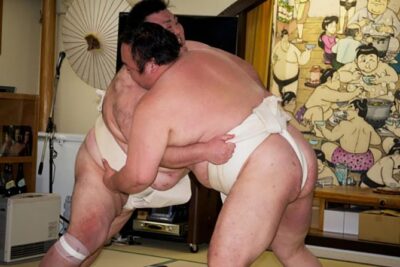
Tokyo Shinjuku Sumo Show & Experience with Photo
Read our review →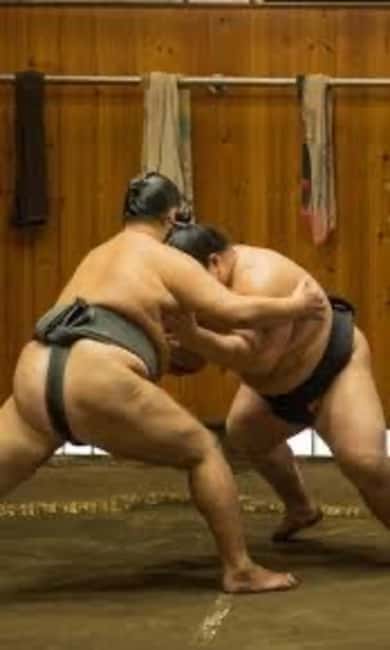
Authentic Sumo Experience in Tokyo: Enter the Sanctuary
Read our review →
Luxury Sumo Show Experience & Japanese cuisine & Drink
Read our review →
Tokyo Sumo Experience: Chanko & Mochi with a Former Pro
Read our review →Browse the lists this tour appears in