
Reviewed · SUMO EXPERIENCES
Tokyo: Sumo Show and Experience in Shinjuku
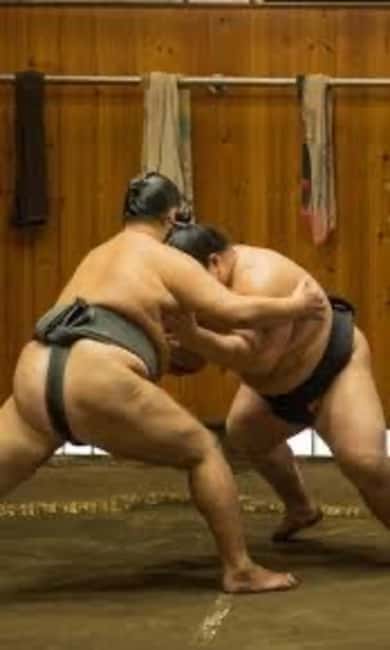
The best part of this Shinjuku experience is that it turns sumo from a mysterious spectacle into something you can understand, then lets you step into the ring yourself. You will see shiko foot stomping, salt throwing, training demonstrations, and live sparring before some audience members face the wrestlers in the dohyo.
I like the clear English explanations, which make the rules, rituals, fouls, and techniques easy to follow. I also like the friendly audience interaction. Hosts such as Paula, Dai, and Ari keep the mood light, while wrestlers including George, Guchi, and Ide help make the final part funny and personal. The main thing to keep in mind is that this is not a formal tournament, so you are paying for a cultural show and hands-on encounter rather than an official competition.
In This Review
- Key points to know before booking
- What this Shinjuku sumo experience really offers
- Inside the 90-minute program
- Why the explanations make a difference
- The best part for families and first-time visitors
- What the atmosphere is like
- How the value compares with an official tournament
- Who should book it, and who should skip it
- Practical details that matter
- My final take on the Shinjuku sumo show
- FAQ
- Where does the Tokyo sumo experience meet?
- Which entrance should I use?
- How long does the experience last?
- Is this an official sumo tournament?
- Is the presentation in English?
- Can I enter the sumo ring?
- Is joining the wrestling challenge required?
- Is food included?
- What is the price?
- Can I cancel for a refund?
Key points to know before booking
- Live sparring without a tournament setting: Watch professional sumo wrestlers demonstrate techniques and perform exhibition bouts in a controlled show.
- English-speaking hosts: The presentation explains sumo’s history, rules, rituals, phrases, training, and professional discipline.
- A real chance to enter the dohyo: Volunteers can put on a traditional sumo outfit and challenge one of the wrestlers.
- Strong family appeal: The mix of humor, explanation, demonstrations, and audience participation works for children and adults.
- Central Shinjuku location: Meet on the second floor of the Sekisaku Building, at the entrance facing the main door next to Daiso.
- Short and easy to fit into a Tokyo day: The complete experience lasts 90 minutes and includes bottled water, but no food.
What this Shinjuku sumo experience really offers
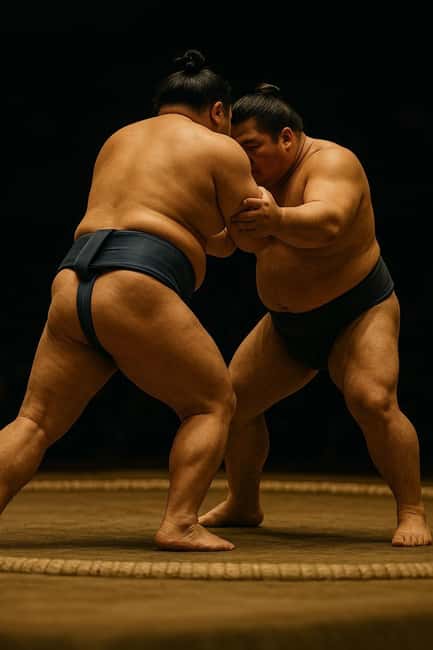
If you have never watched sumo, the sport can seem simple at first: two enormous wrestlers push until one steps outside the ring. The show helps you see the skill beneath that first impression.
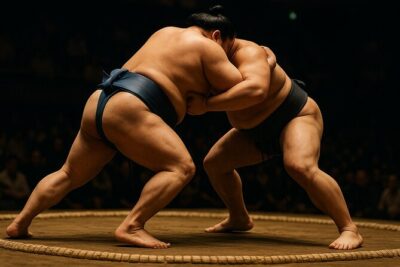
You learn that the rituals matter. The heavy foot stomps, hand movements, salt throwing, and formal entrance are not filler before the action. They prepare the wrestler mentally, mark the importance of the ring, and give the contest its ceremony.
The English-speaking MC puts those details into plain language. The presentation also covers the rules, techniques, fouls, training, and the discipline expected of professional wrestlers. That background changes how you watch the sparring. Instead of seeing only size and force, you begin to notice balance, timing, footwork, and the effort to make the first decisive move.
I particularly like this format for first-time visitors. You do not need to know Japanese or understand a tournament ranking system before you arrive. The host gives you enough information to follow the action, but the show does not become a classroom lecture.
More sumo mornings:
- Tokyo: Sumo Show Experience with Chicken Hot Pot and a Photo
★ 4.8 · 6,678 reviews - Tokyo: Sumo Show and Dining Experience
★ 4.8 · 2,742 reviews - the SUMO show
★ 5.0 · 1,960 reviews
Inside the 90-minute program
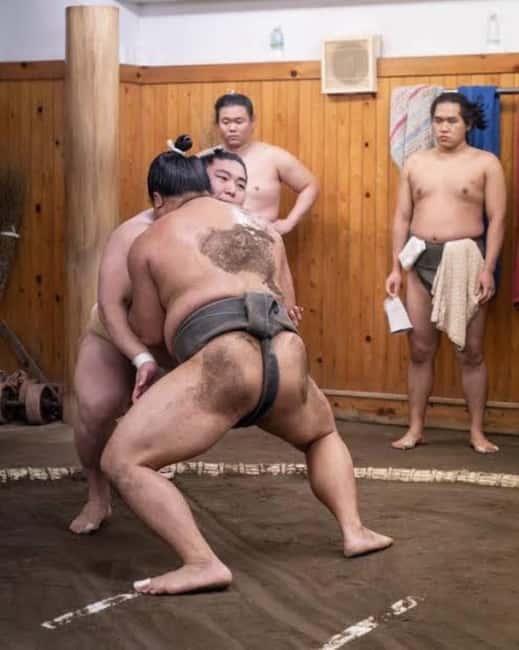
The event begins with an introduction to sumo and its traditions. The host explains what you are seeing and may teach you a few Japanese phrases along the way. The tone is designed to be friendly and interactive, not formal or stiff.
The program then moves into demonstrations. The wrestlers show different movements and techniques, allowing you to see them up close rather than only during a quick bout. This is useful because sumo matches can be over very fast. A demonstration slows the action down and gives you a chance to understand what each movement does.
You also see training elements and the physical preparation behind the sport. The thunder of foot stomping and the wrestlers’ strength make a strong impression, but the explanations keep the focus on discipline and technique.
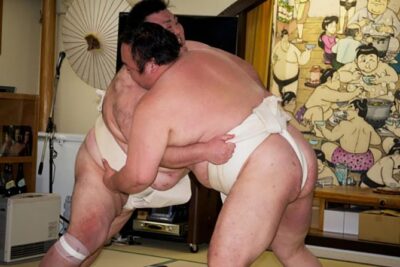
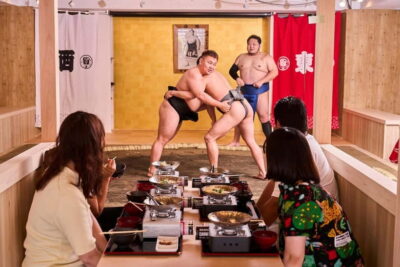
After the demonstrations comes live sparring. This is the show’s most athletic section, with the wrestlers putting the techniques into action. The bouts are presented for entertainment and instruction, not as part of an official tournament. That distinction is important. If you want the tension and formality of a major professional competition, you should attend an actual tournament when one is taking place. If you want to understand the sport and see skilled wrestlers perform at close range, this format is much easier to fit into a Tokyo schedule.
The final section brings audience members into the action. You may have the chance to wear a traditional sumo outfit and enter the dohyo to challenge a wrestler. The wrestlers are good sports, but you should not expect an even contest. The joke is that the volunteer has little chance, and the resulting struggle is one of the show’s funniest moments.
Why the explanations make a difference
Sumo is full of small details that are easy to miss when you watch it on television or from a distant seat at a tournament. This event puts the rituals and techniques directly in front of you, then explains what they mean.
The host also helps you understand the wrestlers’ role. The show presents sumo as a sport requiring mental strength, training, pride, and self-control, not simply a contest of body weight. That context gives the physical display more meaning.
The quality of the MC matters here. Paula is repeatedly praised for her humor, confidence, and ability to keep the crowd involved. Dai is described as especially good at answering questions and explaining the sport. Ari is also singled out for bringing energy to the presentation. The host can vary, so you should not book solely around one named presenter, but the available feedback points to a consistently strong part of the program.
I like the balance between information and laughter. A long lecture would be a poor fit after a day of walking around Tokyo. A show with no explanation would leave you entertained but still unsure what you had seen. This program tries to do both.
The best part for families and first-time visitors
This is a good pick if your group includes people with different interests. One person may want Japanese culture, another may want comedy, and a child may simply want to see a large wrestler push someone across a ring. The program gives each of them something to follow.
Children can watch the demonstrations and audience challenges without needing a long attention span for technical detail. Adults get a useful introduction to the sport’s customs and rules. The friendly tone also makes it easier for people who feel shy about participating.
The audience challenge is voluntary, so you can enjoy the spectacle without entering the ring. If someone in your group wants to take part, the traditional outfit makes the moment more theatrical and provides a memorable photo opportunity with the wrestlers.
The wrestlers’ willingness to interact with the crowd is one of the strongest features. They answer questions, pose for photos, and play along with the humor. That personal contact gives the experience more warmth than simply sitting in a hall and watching a performance from a distance.
More Shinjuku nights and walks:
- Tokyo: Shinjuku Food Tour (13 Dishes at 4 Local Eateries)
★ 5.0 · 6,603 reviews - Tokyo Bar Hopping Tour in Shinjuku (All-You-Can-Drink + Dinner)
★ 5.0 · 3,587 reviews - Tokyo: Shinjuku Food Tour (15 Dishes and 4 Eateries)
★ 4.9 · 2,033 reviews - Best of Shinjuku: Izakaya Food Tour (4 Stops, 14+ Tastings)
★ 5.0 · 1,863 reviews
What the atmosphere is like
The meeting point is on the second floor of the Sekisaku Building in Shinjuku. Entry is through the front of the building facing the main door next to Daiso. Pay close attention to that instruction, because the event follows a schedule and late entry may not be accepted by the front desk.
Once inside, the mood is informal. Bottled water is included as a welcome drink. One visitor also described receiving lemon sours, but the official inclusion is bottled water, so you should not count on any other drink.
The hosts may speak with people before the show begins, helping the room feel welcoming before the formal presentation starts. Japanese music may be playing, and the combination of music, conversation, and anticipation sets a friendly tone rather than a solemn one.
This is still a scheduled performance. Arrive early enough to find the building and reach the second floor without rushing. Shinjuku is easy to reach in general, but its streets and buildings can be confusing, especially if you are tired or trying to follow map directions while moving through a busy area.
How the value compares with an official tournament
At $69 per person, this is not a cheap photo stop. The price makes more sense when you treat it as a 90-minute cultural performance with an English presentation, professional sumo wrestlers, live sparring, and the possibility of entering the dohyo.
The strongest value comes from the explanation. If you are already a serious sumo follower and know the rituals, rules, and techniques well, you may find the educational portion familiar. One person described the event as worth doing once but not something they would repeat. That is a fair way to view it.
For most first-time visitors, though, the show can make an official tournament easier to understand. A tournament gives you the real competition, but without background you might miss why wrestlers perform certain rituals or what caused a bout to end. This experience gives you the basic framework first.
It is also useful when your Tokyo dates do not match a tournament schedule. You get a compact introduction in central Shinjuku rather than planning an entire day around a major venue. The drawback is that the bouts are demonstrations and exhibition matches, not tournament contests with official stakes.
Food is not included, so plan to eat before or after the event. Shinjuku gives you plenty of choices, but the experience itself is focused on sumo, not dining.
Who should book it, and who should skip it
I would recommend this for:
- First-time visitors who want a clear introduction to sumo
- Families looking for a cultural activity with humor and participation
- People who have seen sumo on television and want to understand it better
- Visitors who cannot attend an official tournament
- Anyone who enjoys short, social experiences rather than long museum visits
- Guests who want a photo and a personal encounter with the wrestlers
You may want to skip it if you already know sumo well and are looking only for official competition. The show does not replace a tournament. It also may not suit you if you dislike audience participation or do not want to watch volunteers enter the ring.
For most people, participation is optional. You can remain seated and watch the wrestlers challenge other audience members. That makes the experience easier for mixed groups, since the more outgoing person can volunteer while everyone else enjoys the spectacle.
Practical details that matter
The experience lasts 90 minutes, which is long enough to cover the sport properly but short enough to place between other Shinjuku plans. Check the available start times when booking, since the schedule may affect how you arrange dinner, shopping, or evening sightseeing.
Free cancellation is available up to 24 hours before the start time for a full refund. You can also reserve now and pay later, which helps if your Tokyo plans are still changing.
The only listed language is English, and the activity includes a live English-speaking guide. That makes the event much more useful for visitors who want the cultural background explained as it happens.
The building entrance deserves special attention. Use the front entrance beside Daiso and allow extra time to reach the second floor. Because late entry may not be accepted, this is one experience where arriving at the exact starting time is risky.
My final take on the Shinjuku sumo show
I like this experience because it gives you three things in one short visit: an explanation of sumo, a lively performance, and a chance to take part. The strongest element is the host’s ability to connect the rituals and rules with what the wrestlers are doing in front of you.
The show is especially good for a first visit to Japan. You get the formal gestures, the explosive physical action, the humor, and the chance to ask questions. The wrestlers’ friendly interaction also helps turn an old Japanese tradition into a personal memory rather than a distant display.
Book it if you want an entertaining introduction and understand that it is not a tournament. If you are choosing between this and an official competition, the best plan may be to do both when possible: use this show to learn the basics, then watch a tournament with a better eye for the details. At $69, it is a reasonable one-time choice for culture, comedy, and hands-on fun in central Tokyo.
FAQ
Where does the Tokyo sumo experience meet?
The meeting point is on the second floor of the Sekisaku Building in Shinjuku.
Which entrance should I use?
Entry is permitted through the front of the building facing the main door next to Daiso.
How long does the experience last?
The activity lasts 90 minutes.
Is this an official sumo tournament?
No. The experience is not a tournament. It includes demonstrations, live sparring, and exhibition-style matches.
Is the presentation in English?
Yes. The experience includes a live English-speaking MC or guide.
Can I enter the sumo ring?
You have the opportunity to wear a traditional sumo outfit and challenge one of the sumo wrestlers in the dohyo.
Is joining the wrestling challenge required?
The activity information describes it as a chance to challenge the wrestlers, so participation is an opportunity rather than the main requirement of the show.
Is food included?
No. Food is not included. Bottled water is included as a welcome drink.
What is the price?
The listed price is $69 per person.
Can I cancel for a refund?
Yes. You can cancel up to 24 hours in advance for a full refund. Reserve now and pay later is also available.
More Show in Tokyo
- Mt Fuji & Hakone Cruise, Drum Show Bullet Train 1 Day from Tokyo
★ 4.0 · 7,413 reviews - Tokyo Shinjuku Sumo Show & Experience with Photo
★ 5.0 · 1,750 reviews - Mt Fuji & Hakone Cruise, Drum Show Bus 1 Day from Tokyo
★ 4.0 · 1,287 reviews - Tokyo:Luxury Sumo Show Experience & Japanese cuisine & Drink
★ 4.7 · 577 reviews
New on our Tokyo list
- From Tokyo: Mount Fuji & Hakone Full Day Private Tour★ 4.9 · 25 reviews
- Tokyo Spectacular View Day-Cruise in 90 Minutes★ 5.0 · 25 reviews
- Real Tokyo Runner Club : Daikoku Car Meet Night Tour with JDM Car★ 5.0 · 25 reviews
- 2.5 Hour-Guided Cycle Tour in the Central Tokyo★ 5.0 · 25 reviews
- Ramen Making from Scratch +Akihabara Tour –Cooking Class★ 5.0 · 25 reviews
- [Self-Drive] Tokyo & Daikoku Custom Car Driving Tour★ 4.9 · 25 reviews
- Tokyo: 2-Hour Night Bike Tour of the City’s Hidden Gems★ 4.9 · 25 reviews
- Samurai themed Entertainment show in Shinjuku★ 4.5 · 25 reviews
Sumo Experiences, compared.
Sumo Show Experience with Chicken Hot Pot and a Photo
Read our review →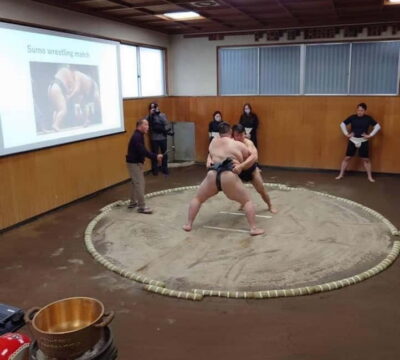
Tokyo Shinjuku Sumo Show & Experience with Photo
Read our review →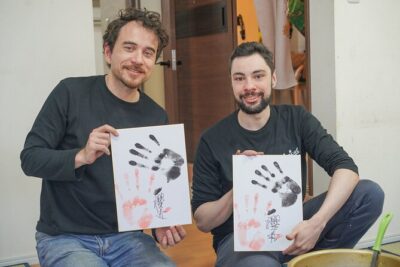
Authentic Sumo Experience in Tokyo: Enter the Sanctuary
Read our review →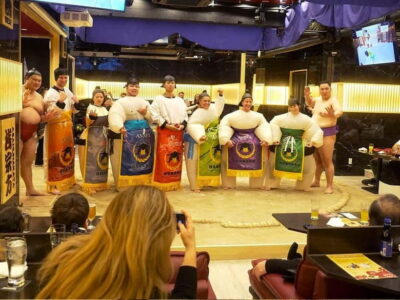
Luxury Sumo Show Experience & Japanese cuisine & Drink
Read our review →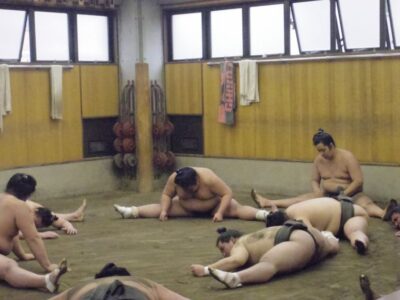
Tokyo Sumo Experience: Chanko & Mochi with a Former Pro
Read our review →Browse the lists this tour appears in