
Reviewed · SUMO EXPERIENCES
Tokyo:Luxury Sumo Show Experience & Japanese cuisine & Drink
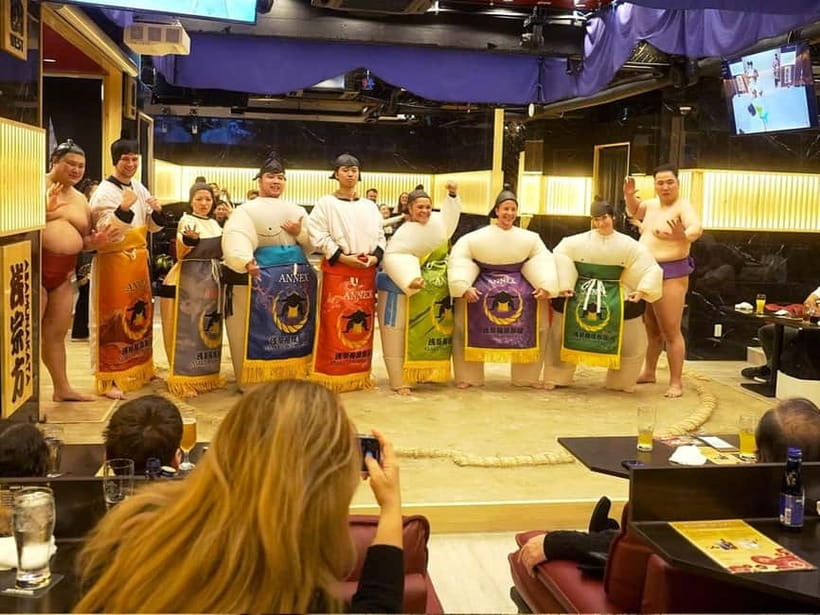
The most entertaining part of this Tokyo sumo show is that you do not need to know a tachiai from a tsuppari before you arrive. A lively English and Japanese explanation comes first, followed by training demonstrations, comic bouts, and a chance to face a wrestler in the ring. The setting is intimate, with the dohyo in the middle of the restaurant rather than far away on a stage.
I like the clear commentary, especially for first-time visitors, and I like the warm, playful attitude of the wrestlers and hosts. The opening geisha dance adds a graceful change of pace, while the A5 wagyu sukiyaki and chanko hot pot make this feel like dinner and a show rather than a short demonstration. The main consideration is that this is polished entertainment with retired wrestlers, not a visit to an active sumo stable. Food quality can also vary slightly, and one visitor found the meal arrived cooler than ideal.
In This Review
- Key points to know before booking
- A friendly introduction to sumo in Asakusa
- What happens when you arrive at the Annex
- The geisha dance provides a graceful opening
- Learning the rules before the bouts begin
- Close-up training and lively sumo bouts
- The sumo challenge, with one important catch
- A substantial Japanese meal during the show
- Choosing between Standard, Business, and First Class
- Photos, souvenirs, and the final part of the evening
- Who will enjoy this two-hour experience most
- Practical booking advice for a smoother evening
- Should you book the Asakusa Sumo Club Annex?
- FAQ
- Where is the Asakusa Sumo Club Annex located?
- How long does the sumo show experience last?
- Is the show performed by active sumo wrestlers?
- Is the commentary available in English?
- Is dinner included?
- Are drinks included?
- Can I join the sumo challenge?
- Can vegetarian or vegan meals be arranged?
Key points to know before booking
- A real ring sits at the center of the restaurant, giving you close views of training moves and bouts.
- The hosts explain sumo in plain English and Japanese, with time for questions and audience interaction.
- The geisha dance opens the program, followed by a photo opportunity before the sumo portion begins.
- The sumo challenge is not guaranteed, since participants may be chosen by lottery when many people volunteer.
- Seat categories change the meal and drinks, from one drink with Standard seating to unlimited drinks and premium Yamazaki whisky in First Class.
- The experience suits families well, but stairs make the venue unsuitable for wheelchair users, and vegetarian or vegan meals require two days of advance notice.
A friendly introduction to sumo in Asakusa
Sumo can be hard to follow if you have never seen it before. The bouts are short, the rituals are unfamiliar, and much of the action depends on small shifts in balance and position. This show solves that problem with a quick lesson in the sport’s history, rules, training methods, and ring customs.
The explanations are delivered in English and Japanese, and the tone is light rather than academic. Hosts such as Luke and Go have been praised for keeping the room involved, taking questions, and making the sport easy to grasp. You are not expected to sit quietly and decode every movement by yourself.
That makes the two-hour format useful during a busy Tokyo visit. You get a compact introduction without committing to an early-morning stable visit or a full tournament day. The tradeoff is simple: you see sumo prepared for an audience, not the private daily life of active wrestlers.
More sumo mornings:
- Tokyo: Sumo Show Experience with Chicken Hot Pot and a Photo
★ 4.8 · 6,678 reviews - Tokyo: Sumo Show and Dining Experience
★ 4.8 · 2,742 reviews - the SUMO show
★ 5.0 · 1,960 reviews
What happens when you arrive at the Annex
The Asakusa Sumo Club Annex is along Asakusa Kokusai Street, next to Matsuya Restaurant. It is a separate, smaller branch of the better-known Asakusa Sumo Club, so check the venue name carefully before setting out. One person arrived at the wrong location and was walked over to the Annex, but it is wiser to confirm the exact meeting point in advance.
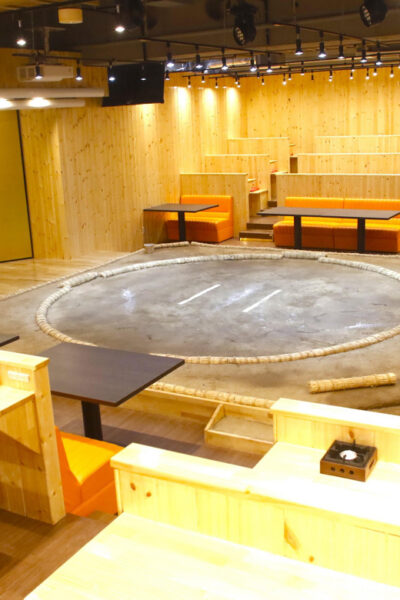
Inside, the restaurant has a private, comfortable feel. The ring is placed in the middle, and the seating faces it from close range. You may be seated at a table or on a sofa, depending on the category you book, and you may share a table or seating area with other people.
This is not a huge arena with a distant stage. The compact layout is one of the best reasons to choose this branch. You can see the wrestlers’ movements clearly, and the presenters can speak directly with people around the room. If you prefer a quieter, more private evening, remember that audience participation is part of the design.
The geisha dance provides a graceful opening
Before the sumo begins, a geisha performs a traditional Japanese dance. The measured movements and formal presentation give the evening a calmer start before the jokes, demonstrations, and wrestling begin.
You can take a photo with the geisha after the performance. This is a pleasant extra, particularly if you are introducing children or teenagers to several parts of Japanese culture in one evening. The dance is brief compared with the sumo program, but it gives the show a useful change of mood.
You should think of it as a cultural performance included within a dinner event, not as a full geisha arts program. Still, it adds variety and helps the evening feel more thoughtfully planned than a basic wrestling demonstration.
Learning the rules before the bouts begin
The sumo lesson is the foundation of the experience. You learn about the ring, basic rules, training methods, and familiar sumo movements before watching the wrestlers compete.
That order matters. Without an explanation, a bout may look like two large men pushing until one steps outside the ring. With a little context, you can watch how a wrestler sets his feet, uses a shove, pulls an opponent off balance, or forces him beyond the ring’s edge.
The demonstrations are designed for people who know nothing about the sport. Children can follow the broad idea, while adults who want more detail can ask questions during the session. The humor helps keep the information moving. You will learn, but you will also see the wrestlers ham it up for the room.
The bouts are performed by retired sumo wrestlers. They bring the size, technique, and presence of the sport, but the show is not a professional tournament. The matches are arranged for entertainment, with comic timing and direct interaction. That is exactly what many people want from an evening activity, but it is important to book it with the right expectations.
A few more Tokyo bookings worth comparing
- Mt Fuji & Hakone Cruise, Drum Show Bullet Train 1 Day from Tokyo
★ 4.0 · 7,413 reviews - Tokyo Shinjuku Sumo Show & Experience with Photo
★ 5.0 · 1,750 reviews - Mt Fuji & Hakone Cruise, Drum Show Bus 1 Day from Tokyo
★ 4.0 · 1,287 reviews - Tokyo: Sumo Show and Experience in Shinjuku
★ 4.8 · 1,001 reviews
Close-up training and lively sumo bouts
Once the rules are clear, the wrestlers demonstrate training techniques and perform bouts in the ring. Because the dohyo is in the center of the restaurant, you are close to the action even without paying for the top category.
The performance works best when you join in with the spirit of the room. The wrestlers interact with the audience, the host keeps the pace moving, and there are chances to laugh at the theatrical side of sumo. Several children and teenagers have taken part in pushing contests or ring activities, which can be a memorable highlight for a family.
Solo visitors are not left out. The format encourages questions and interaction, and the staff can help with photos. One solo participant was even helped to leave a few minutes early, which shows the staff can be practical as well as friendly.
The show is a good pick if you want an evening that feels social and active. It is less suitable if you want to watch in silence or study elite sumo technique without audience involvement.
The sumo challenge, with one important catch
The chance to enter the ring is one of the most talked-about parts of the evening. You may be invited to test your strength against a wrestler in a friendly challenge. It is more comedy and courage than serious competition, but stepping onto the dohyo gives you a fresh sense of the wrestler’s size and balance.
You should volunteer early if the host asks for participants. Even then, participation is not guaranteed. The number of challengers is limited, and if many people want to take part, names are selected by lottery.
This matters most if the ring challenge is your main reason for booking. Treat it as a possible extra, not a promised part of your personal itinerary. You can still enjoy the demonstrations and bouts if your name is not drawn.
If you do take part, the staff help make the moment comfortable. Photos and video are encouraged, and the event is arranged so that families can enjoy the humor without taking the challenge too seriously.
A substantial Japanese meal during the show
The Standard meal includes an A5 wagyu beef sukiyaki bento, chanko nabe, and matcha dessert, along with one complimentary drink. The meal is substantial rather than decorative, so avoid booking a separate dinner immediately afterward.
Sukiyaki gives you tender beef cooked in a sweet and savory style, while chanko nabe connects directly with sumo culture. Chanko is the hearty hot pot traditionally associated with sumo wrestlers, and serving it here helps link the meal to the sport on stage.
The matcha dessert finishes the meal with something lighter. The food has generally been a strong part of the evening, though one person felt it was not served hot enough. That is a fair point to keep in mind. This is a dinner included with entertainment, not a specialist wagyu restaurant, so food lovers seeking a carefully paced fine-dining meal may find the show takes priority.
Business seating adds tempura and unlimited drinks. First Class includes the same meal extras, front-row sofa seating, unlimited drinks including premium Japanese whisky such as Yamazaki, and a larger souvenir set with a happi coat.
Vegetarian and vegan meals can be arranged, but you must request them at least two days before the reservation. A request made on the day cannot be prepared. Gluten-free and halal meals are not available, although you may bring your own food if needed.
Choosing between Standard, Business, and First Class
At around $103 per person, the experience offers more than a simple stage show because the price includes dinner, sumo entertainment, commentary, photos, and a souvenir. The value depends heavily on the seating category and how much you drink.
Standard is the practical choice if you mainly want to understand sumo, watch the performance, and eat a full meal. You receive table seating, one drink, the wagyu sukiyaki meal, chanko hot pot, and dessert. Additional drinks cost extra.
Business is aimed at people who want a more relaxed evening. Sofa seating gives you a comfortable base for the two-hour show, and the unlimited drinks can make the higher price worthwhile if you plan to order several beverages. Tempura is included too.
First Class is for the closest view and the most generous package. Front-row sofa seats put you nearest the ring, and the drink list includes premium Yamazaki whisky. The happi coat and extra souvenir set add a keepsake element, but you should choose this category only if the front-row position, drinks, and gifts matter to you.
One useful rule: if you do not drink much, Standard may offer the better value. If you expect to use the open bar, Business can make more financial sense. The First Class upgrade is about proximity and extras rather than a completely different show.
Photos, souvenirs, and the final part of the evening
After the performance, you receive a printed commemorative photo with the sumo wrestlers. The staff also take photos and video during parts of the event, which is helpful if you are busy participating or simply want pictures without handing your phone to another diner.
Souvenirs vary by season and seating category. The First Class package includes an exclusive set with a happi coat, while Standard and Business receive their own designated gifts. You can also buy additional souvenirs at the venue.
The photo opportunity is not a rushed farewell. You have a chance to speak with the wrestlers and pose with them, and the friendly atmosphere continues after the formal show. If you want a good picture, keep your camera or phone ready, but also accept help from the staff, who are accustomed to capturing the moment.
Who will enjoy this two-hour experience most
I would choose this for families, couples, first-time visitors to Japan, and solo visitors who want an easy evening activity in Asakusa. Children can follow the broad rules, laugh at the comic bouts, and possibly join the challenge. Teenagers may especially enjoy the chance to wrestle or push against a sumo performer.
It also suits anyone who wants Japanese food and culture in one booking. The geisha dance, sumo lesson, hot pot, wagyu, photos, and souvenirs give you several distinct parts in a short period.
You should look elsewhere if your priority is seeing active wrestlers train in a real stable. This show does not provide that setting. It also is not suitable for babies under one year or wheelchair users, since the restaurant has stairs and no wheelchair access.
The late time slot can work well with an evening in Asakusa. One person enjoyed visiting the temple and small streets nearby while waiting for an 8:30 p.m. start, though you should check your own timing and transport plans. The venue is in a convenient sightseeing area, but some nearby businesses may be closed later at night.
Practical booking advice for a smoother evening
Reserve a vegetarian or vegan meal at least two days ahead, and do not assume the kitchen can change the meal at the last minute. If you need gluten-free or halal food, plan to bring your own.
Check whether your confirmation says Asakusa Sumo Club or Asakusa Sumo Club Annex. The Annex is the intimate branch described here, and confusing the two can cost you time.
Arrive ready to participate, even if you do not plan to enter the ring. The host may invite questions, demonstrations, and volunteers throughout the show. If you have a question about rules or customs, ask it during the question period rather than waiting until the end.
Cancellation is free up to 24 hours before the experience, and you can reserve now and pay later. Those policies are useful if your Tokyo schedule is still changing, but the more important choice is selecting the right seat package for your eating and drinking habits.
Should you book the Asakusa Sumo Club Annex?
Book it if you want a cheerful, easy-to-follow introduction to sumo with a full Japanese meal and plenty of audience contact. The strongest parts are the bilingual teaching, close seating, funny wrestlers, geisha dance, and the chance to join the ring challenge. The consistently high rating of 4.7 from 577 bookings fits the experience’s clear appeal.
Think twice if you expect an active stable, serious tournament-level bouts, or a quiet cultural lecture. You should also compare the seating options carefully, since Standard is much better value for light drinkers, while Business and First Class earn their higher cost through sofas, food extras, open drinks, and front-row access.
For a family evening or a first taste of sumo, I would put this high on your Asakusa list. Just remember what you are buying: a polished, interactive dinner show that explains the sport well and sends you home with photos, souvenirs, and a few stories to tell.
FAQ
Where is the Asakusa Sumo Club Annex located?
The Annex is along Asakusa Kokusai Street, next to Matsuya Restaurant in Asakusa.
How long does the sumo show experience last?
The experience lasts two hours. Starting times vary, so check availability when booking.
Is the show performed by active sumo wrestlers?
No. The performance is presented by retired sumo wrestlers and is designed for entertainment.
Is the commentary available in English?
Yes. Live commentary is provided in both English and Japanese throughout the show.
Is dinner included?
Yes. The meal includes Japanese A5 wagyu beef sukiyaki, chanko nabe hot pot, and matcha dessert. Tempura is additionally included with Business and First Class seating.
Are drinks included?
Standard seating includes one complimentary drink, with additional drinks available for purchase. Business and First Class include unlimited drinks, while First Class also includes premium Japanese whisky such as Yamazaki.
Can I join the sumo challenge?
You may volunteer to enter the ring, but the number of participants is limited. If many people want to join, participants are selected by lottery.
Can vegetarian or vegan meals be arranged?
Yes, but you must request a vegetarian or vegan meal at least two days before the reservation date. Gluten-free and halal meals are not available, though you may bring your own food if needed.
New on our Tokyo list
- From Tokyo: Mount Fuji & Hakone Full Day Private Tour★ 4.9 · 25 reviews
- Tokyo Spectacular View Day-Cruise in 90 Minutes★ 5.0 · 25 reviews
- Real Tokyo Runner Club : Daikoku Car Meet Night Tour with JDM Car★ 5.0 · 25 reviews
- 2.5 Hour-Guided Cycle Tour in the Central Tokyo★ 5.0 · 25 reviews
- Ramen Making from Scratch +Akihabara Tour –Cooking Class★ 5.0 · 25 reviews
- [Self-Drive] Tokyo & Daikoku Custom Car Driving Tour★ 4.9 · 25 reviews
- Tokyo: 2-Hour Night Bike Tour of the City’s Hidden Gems★ 4.9 · 25 reviews
- Samurai themed Entertainment show in Shinjuku★ 4.5 · 25 reviews
Sumo Experiences, compared.
Sumo Show Experience with Chicken Hot Pot and a Photo
Read our review →
Tokyo Shinjuku Sumo Show & Experience with Photo
Read our review →

Authentic Sumo Experience in Tokyo: Enter the Sanctuary
Read our review →
Tokyo Sumo Experience: Chanko & Mochi with a Former Pro
Read our review →Browse the lists this tour appears in