
Reviewed · SUMO EXPERIENCES
Tokyo: Sumo Morning Practice Viewing Tour
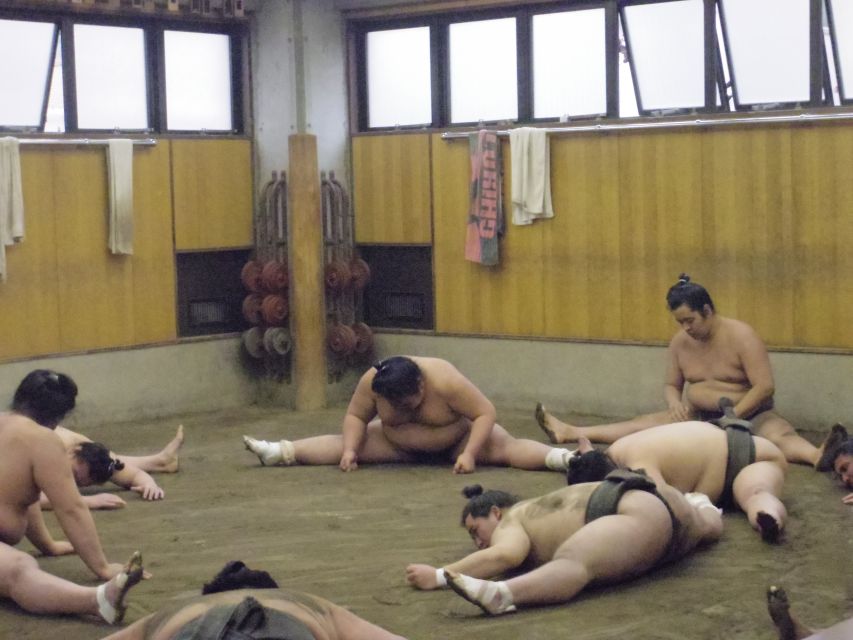
A sumo stable is not a theater set. It is the wrestlers’ home, gym, and workplace, and access is usually reserved for sponsors. This 90-minute to two-hour morning tour takes you inside that private world, where you sit only a few feet from rikishi as they train for Japan’s six annual tournaments.
I like two things right away: the close view makes sumo feel like a powerful combat sport rather than a colorful TV ceremony, and the English-speaking guides explain what you are seeing without drowning out the practice. Guides such as Yuko, Noriko, Oku-san, and Mako have helped visitors understand the rituals, techniques, and stable rules.
The main drawback is that this is a quiet, disciplined viewing session, not a show. You must stay seated and silent until practice ends, usually around 9:00 to 10:00 in the morning. The floor seating, early start, and no-video rule will not suit everyone.
In This Review
- Key points to know before booking
- Why a morning stable visit feels different
- Meeting in Ryogoku, Tokyo’s sumo neighborhood
- Entering a real stable
- Watching 60 to 90 minutes of hard training
- Respecting the stable’s rules
- Meeting wrestlers after practice
- How the guide shapes the experience
- Price, timing, and overall value
- Who will enjoy this most
- My verdict on the Tokyo sumo practice tour
- FAQ
- Where does the sumo morning practice tour take place?
- How long does the experience last?
- What time does the tour finish?
- Is the tour conducted in English?
- Can I take a photo with a sumo wrestler?
- Can I record video inside the stable?
- Can I leave the stable during practice?
- Are children allowed on the tour?
- Is the tour suitable for people with mobility impairments?
Key points to know before booking
- A working sumo stable: You watch wrestlers train in the place where they live and prepare for competition.
- Close-range action: Training bouts, drills, and physical contact happen just a few feet from your seat.
- English guidance: Your guide explains sumo customs, rules, names, and techniques before and during practice.
- Photos may be possible: Picture opportunities with wrestlers depend on the day and the stable’s schedule.
- Ryogoku setting: The stable is in Tokyo’s traditional sumo district, near the National Sumo Arena.
- Strict etiquette: No hats, sunglasses, food, drinks, flash photography, or video recording are allowed.
Why a morning stable visit feels different
Many first-time visitors meet sumo through a tournament in a large arena. That is the polished public side of the sport: formal entrances, judges, banners, and bouts that can end in seconds.
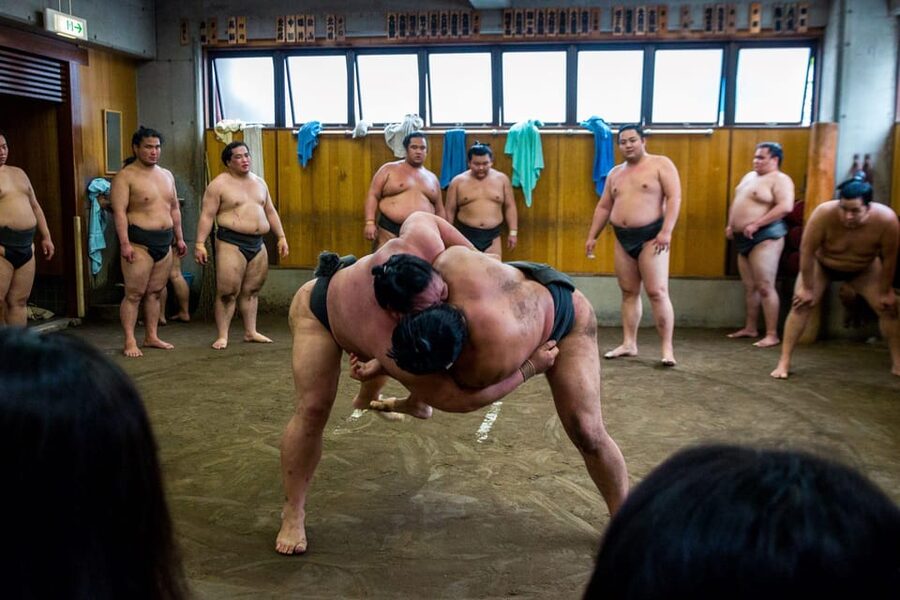
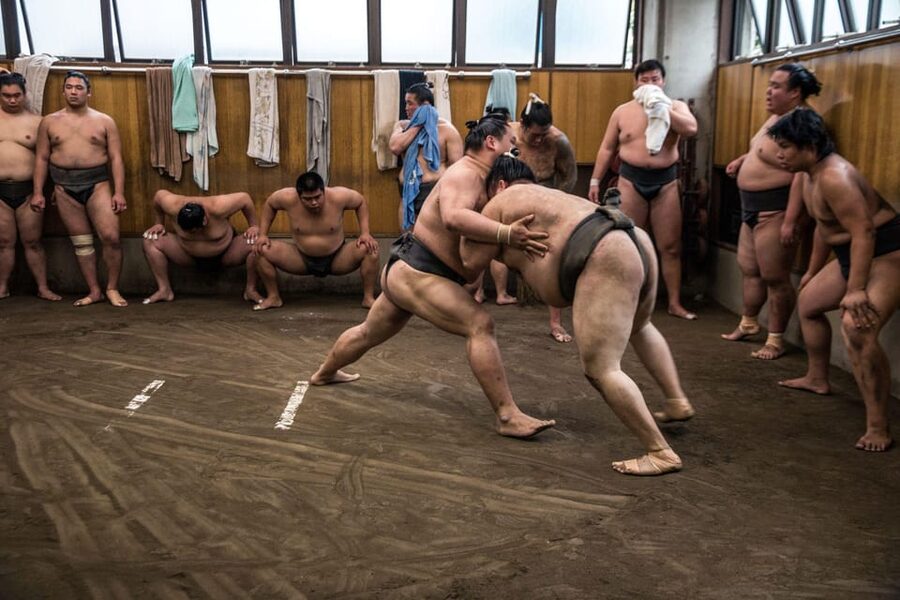
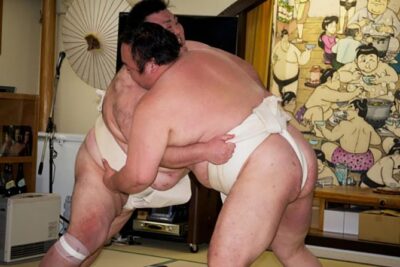
This tour shows the work behind those brief contests. You see young wrestlers living together and repeating basic movements, pushing against one another, practicing balance, and testing techniques under the eye of the stable master. The physical effort is not watered down for an audience. That is what gives the visit its force.
The setting also changes your view of the wrestlers. In an arena, a rikishi can seem like a distant figure in a huge production. Inside the stable, you can see the concentration, the pauses, the ritual movements, and the hard breathing at close range. The noise of a serious training bout can be startling at first.
The sport comes from Japanese tradition and Shinto beliefs. At its simplest, the aim is to force an opponent out of the ring or make any part of his body other than the soles of his feet touch the ground. The rules sound simple, but the training shows how much timing, balance, footwork, and tactical judgment are packed into a contest that may last only a few seconds.
More sumo mornings:
- Tokyo: Sumo Show Experience with Chicken Hot Pot and a Photo
★ 4.8 · 6,678 reviews - Tokyo: Sumo Show and Dining Experience
★ 4.8 · 2,742 reviews - the SUMO show
★ 5.0 · 1,960 reviews
Meeting in Ryogoku, Tokyo’s sumo neighborhood
The tour takes place in Ryogoku, the district most closely linked with sumo in Tokyo. It is home to the National Sumo Arena and several stables, so the walk to practice can give you a feel for a part of the city that many visitors miss.
Your exact meeting point depends on the option you book. After meeting your guide, you may travel by train to the stable, and the walk from the meeting point can take around 15 minutes. One practical point matters here: arrive early. The meeting point has occasionally been difficult to identify, and early arrival also improves your chance of getting a front-row seat.
The guide normally gives you an explanation of sumo before you enter. This is useful because the stable itself must remain quiet. Guides have used written notes or small explanation cards during practice, pointing out wrestlers’ names and explaining drills without interrupting the training.
That quiet method works well. You receive enough context to follow the action, but you are not asked to listen to a running commentary while wrestlers are working. At times, you may need to read the guide’s notes rather than hear every word, especially during a loud bout.
Entering a real stable
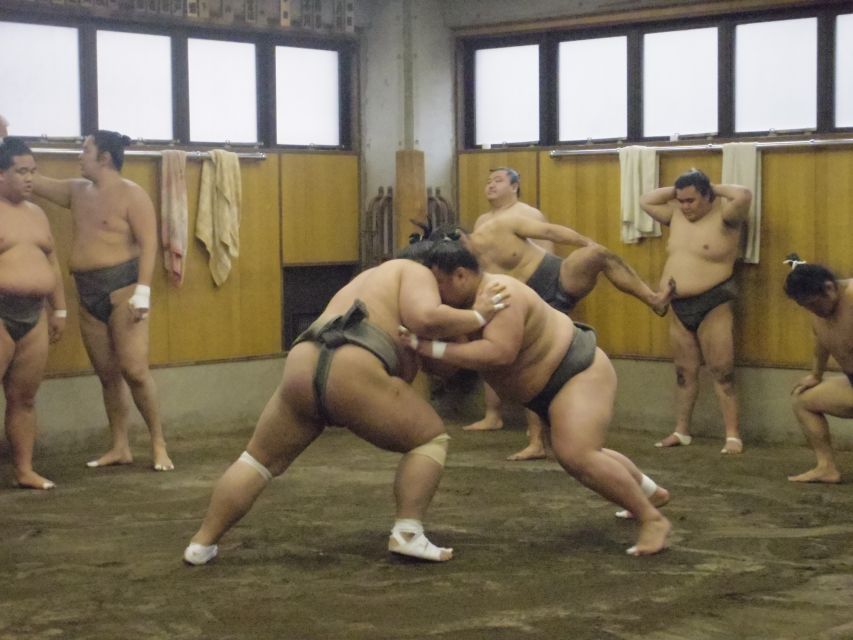
The central moment is entering a real sumo stable. This is not a museum or a restaurant with a sumo performance added to the menu. The wrestlers are there to train, and the stable master or coach directs the session.
The experience can feel intimate because seating is limited and the viewing area is close to the practice space. Group size can vary. Some sessions have been small, while others have included around 30 people. If you arrive first, you may secure a front-row position. If another group is already inside, you might sit farther to the side or in the second row.
That seating detail matters if photography is important to you. A front-row seat gives you a better view of footwork and contact, while a side seat may make some moments harder to see. Still, the practice remains close enough to feel immediate.
Once inside, you need to settle in. You cannot casually stand, move around, or leave for a break and return. There is no re-entry after you leave the stable, and you must stay until the practice ends. Tell the operator in advance if you have a firm appointment afterward, since the session can run a little shorter or longer than expected.
Watching 60 to 90 minutes of hard training
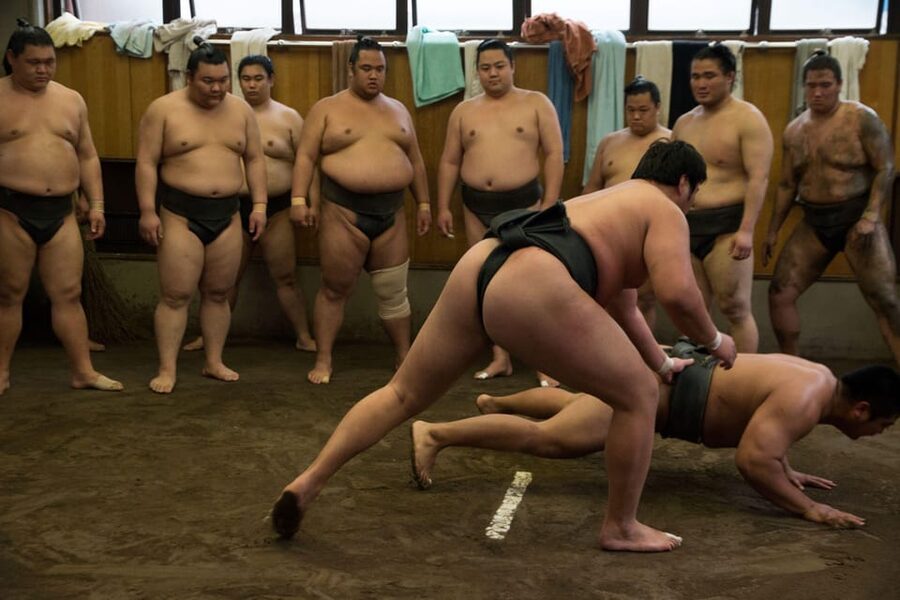
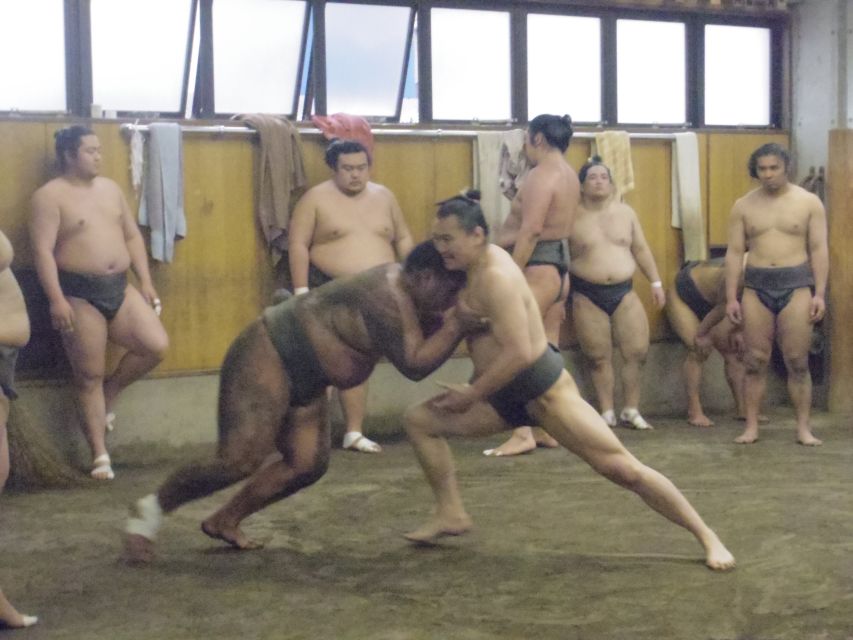
The practice usually lasts about 60 to 90 minutes. You may see warm-up exercises, repeated drills, technical work, and live training bouts. The exact order and intensity depend on the day, so you should not expect a fixed performance with a set list of events.
That unpredictability is part of the value. You are seeing a real work session, not a demonstration arranged around tourist expectations. One day might offer a long stretch of technical practice. Another might include intense bouts between well-known wrestlers.
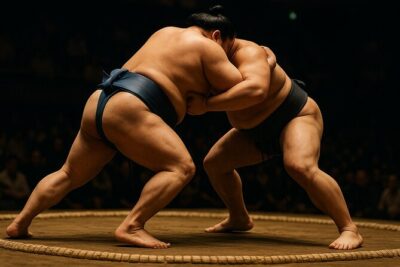
The physical side is easy to underestimate. Sumo wrestlers are large athletes, but size alone does not explain the sport. The training reveals how carefully they use their feet, hips, center of gravity, and grip. A small mistake can end a bout almost instantly.
You will also notice the contrast between sudden power and long preparation. Wrestlers may spend time repeating movements before a forceful clash. The contact is brief, but the effort leading up to it is not. Watching from a few feet away makes the impact and control much clearer than watching on television.
The guide’s role is especially important here. Yuko, Noriko, and other guides have explained the history and customs before practice, then passed along short notes during the session. A good guide helps you understand why the wrestlers are doing something without turning the stable into a classroom.
The guide may also identify the wrestlers and explain tournament preparation. You might see familiar names if the stable’s schedule happens to include them, but famous wrestlers are not guaranteed. One session included former yokozuna Terunofuji overseeing his wrestlers, along with Enho and Takerufuji. That was an exceptional stroke of luck, not something to book on the assumption that it will happen every time.
A few more Tokyo bookings worth comparing
- Tokyo: Sumo Morning Training Visit
★ 4.4 · 370 reviews - Tokyo: Sumo Morning Practice Tour at Sumida City
★ 4.8 · 308 reviews - Tokyo Sumo Morning Practice Tour at Stable
★ 5.0 · 298 reviews - Tokyo Ryogoku Sumo Morning Practice + Photo Shoot with Wrestlers
★ 4.5 · 277 reviews
Respecting the stable’s rules
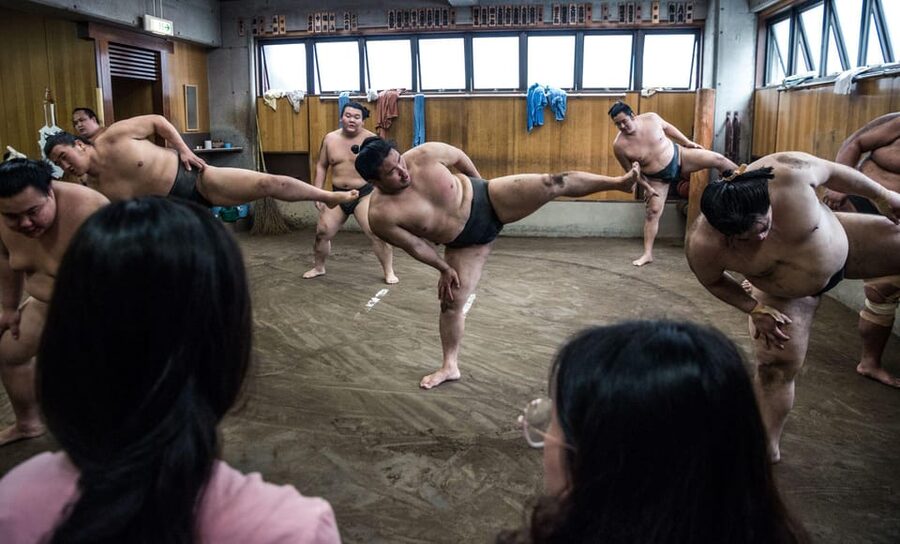
The etiquette is not fussy. It protects the wrestlers’ concentration and recognizes that you are entering their workplace.
Wear modest clothing. Remove hats and sunglasses. Put your phone on silent, and do not bring food or drinks into the stable. Flash photography and video recording are prohibited.
You must remain seated and still during practice. That means no getting up for a better angle, no walking around to take pictures, and no chatting with the person beside you. The silence can feel strict if you are used to sightseeing tours, but it also lets you hear the heavy movement and impact of the training.
Think of this as attending a work session, not watching a staged cultural activity. If you can sit quietly and pay attention to small details, the rules improve the experience. If you need frequent movement, conversation, or constant photography, choose a tournament or a more casual sumo activity instead.
Meeting wrestlers after practice
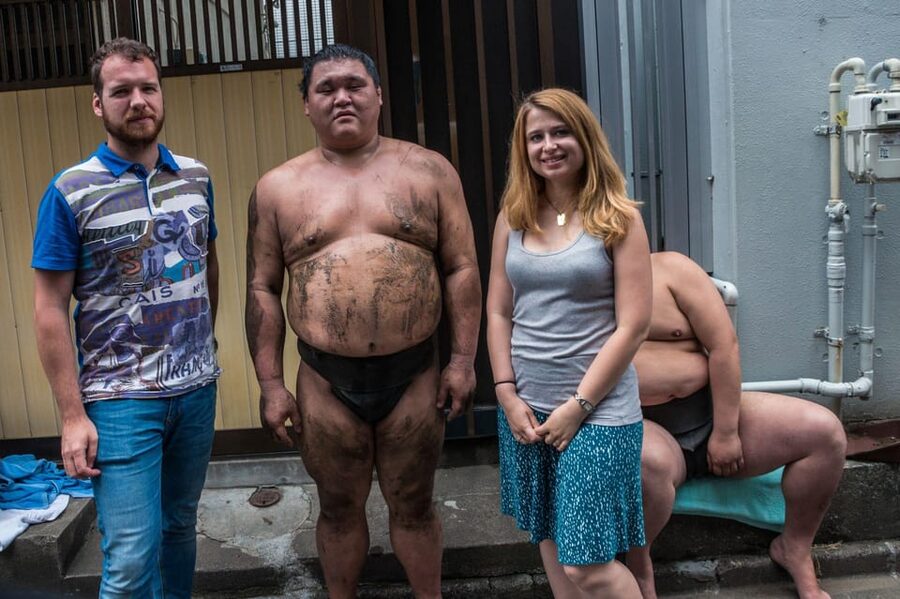
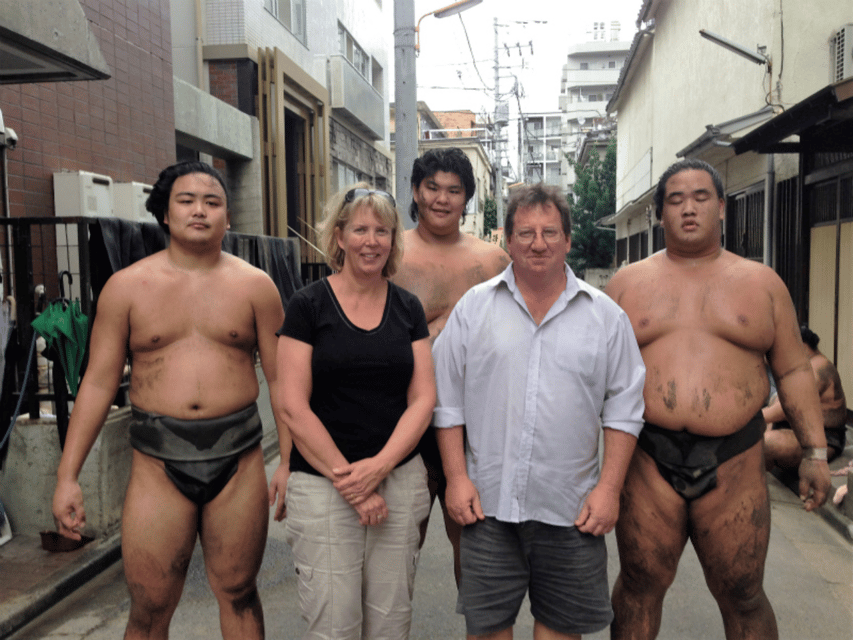
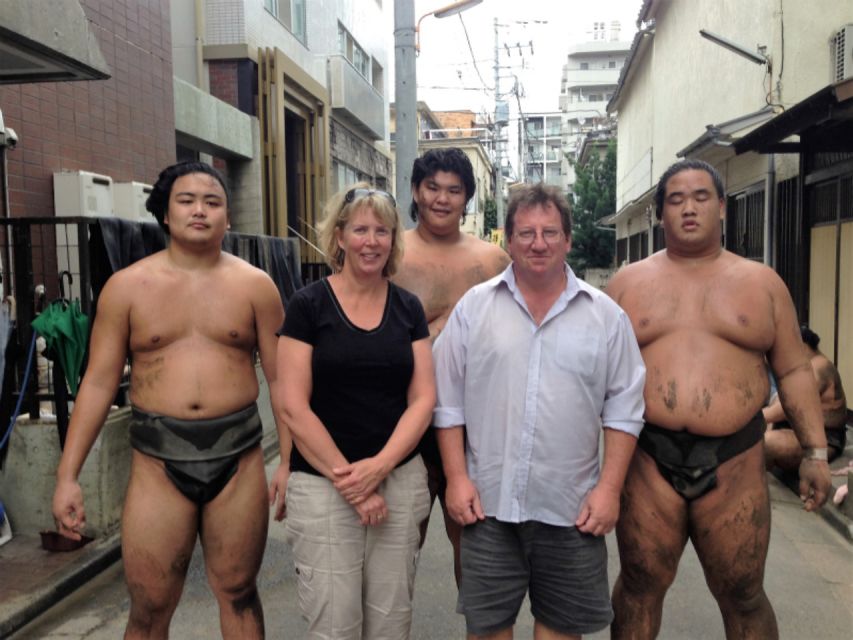
Photos with wrestlers may be available after practice, depending on the stable and the day. Some sessions have included pictures with two wrestlers, while other visits have focused only on watching training.
Do not treat the photo as guaranteed. The wrestlers have work to do, and the stable controls what happens after practice. When a photo opportunity is offered, it gives you a personal end to an otherwise observational visit. You may also have a chance to ask questions through the guide or speak with the stable master.
One especially useful type of interaction is a question session with the stable master or coach. A former wrestler has sometimes answered questions about the sport and daily life, giving the visit a human side that a tournament ticket cannot provide.
The stable owner or coach may be welcoming, but the tone remains respectful and brief. You are entering a private working space, so follow the guide’s instructions and do not assume that every wrestler is available to talk.
How the guide shapes the experience
The guide does more than lead you from a station to a building. You need someone to explain the rules before entering, keep the group together, and help you understand a sport that can seem mysterious at first.
Several guides have received praise for being warm, clear, and well organized. Yuko has been especially effective at combining short explanations with quiet written guidance during practice. Noriko has added stories about the Ryogoku area, while Oku-san has focused on keeping the group together and explaining what to do inside the stable.
The best guiding style here is restrained. During the practice, talking too much would spoil the setting. A guide who gives you the background first, then uses notes or hand signals at the right moments, adds far more value than someone trying to narrate every movement.
English is the tour language. The exact guide varies, so you should not book on the promise of a particular person. The supplied information names Yuko, Noriko, Oku-san, Mako, Taku, Kaz, Miwako, Nobu, and Tad among the guides used on different dates.
Price, timing, and overall value
At $81 per person, this is not a cheap morning activity. You are paying for access to a place that is normally closed to casual public visits, as well as for a licensed English-speaking guide and the planning needed to bring visitors into a working stable respectfully.
The price makes more sense if you value access and context. A tournament ticket gives you the full public spectacle, but it may not show you the daily work behind the bouts. This tour gives you a close look at training and may help you understand a tournament much better later the same day.
One visitor attended a tournament in the afternoon after the morning stable visit and found the arena experience more rewarding because the training had explained the sport first. That is a smart pairing if your schedule allows it.
The tour lasts about 90 minutes to two hours, including the explanation, travel to the stable, and practice. The session generally finishes around 9:00 to 10:00 in the morning. Check the starting time carefully, since availability varies by date.
The ending point may differ from the meeting point. Since you are in Ryogoku, you can continue to the National Sumo Arena area or find a sumo-themed restaurant afterward, but the exact finishing location depends on the day and option booked.
Free cancellation up to 24 hours before the activity and reserve-now, pay-later booking make the $81 commitment easier to manage. Those policies do not change the early start or the strict stable rules, so plan your morning carefully.
Who will enjoy this most
I would choose this for adults and older children who are curious about Japanese culture, martial arts, sports training, or daily life behind a public tradition. The minimum age is 11, and that limit makes sense. Children need to remain quiet and still for a long session in a formal workplace.
It is a particularly good match for you if:
- You could not get tickets to a tournament.
- You want a close view rather than a large arena setting.
- You enjoy learning rules and customs before watching a sport.
- You can sit on the floor respectfully for an extended period.
- You are happy to put your phone away and watch instead of recording.
It may not suit you if you have mobility impairments, since the activity involves floor seating and movement through a working stable. It is also a poor fit if you need to leave early. Once you exit, you cannot go back in.
Sumo fans will appreciate the technique and training details. Even if you know little about the sport, you can follow the basic goal and feel the force of the collisions. The guide’s explanations are most useful for helping you notice the customs and tactics that are easy to miss.
My verdict on the Tokyo sumo practice tour
I would book this if you want an authentic look at sumo rather than a tourist-friendly imitation. The strongest part is not the possibility of meeting a famous wrestler or getting a photo. It is the privilege of sitting quietly in a real stable while athletes work toward the highest ranks of their sport.
Arrive early for the best seat, wear modest clothing, silence your phone, and expect to watch rather than participate. If you can accept those limits, $81 buys a rare Tokyo experience with genuine cultural value.
Skip it if your main goal is a lively show, guaranteed photographs, or a flexible morning. Choose it if you want to understand the discipline behind sumo and see the sport at close range, with an English-speaking guide helping you read what is happening.
FAQ
Where does the sumo morning practice tour take place?
The tour takes place at a real sumo stable in Ryogoku, Tokyo, an area known for its sumo stadium and sumo culture.
How long does the experience last?
The activity lasts about 90 minutes to two hours. The practice itself usually takes 60 to 90 minutes, and the timing can vary by day.
What time does the tour finish?
You must stay until the end of practice, which is usually around 9:00 to 10:00 in the morning.
Is the tour conducted in English?
Yes. The tour includes a live English-speaking guide.
Can I take a photo with a sumo wrestler?
Photos with wrestlers may be available, but this depends on the day and the stable’s schedule. It is not guaranteed.
Can I record video inside the stable?
No. Video recording and flash photography are not allowed.
Can I leave the stable during practice?
You must stay until practice ends. Once you leave, you cannot re-enter the stable.
Are children allowed on the tour?
The activity is not suitable for children under 11 years old.
Is the tour suitable for people with mobility impairments?
No. The activity is not suitable for people with mobility impairments. You must also be able to sit quietly and respectfully during the practice.
New on our Tokyo list
- From Tokyo: Mount Fuji & Hakone Full Day Private Tour★ 4.9 · 25 reviews
- Tokyo Spectacular View Day-Cruise in 90 Minutes★ 5.0 · 25 reviews
- Real Tokyo Runner Club : Daikoku Car Meet Night Tour with JDM Car★ 5.0 · 25 reviews
- 2.5 Hour-Guided Cycle Tour in the Central Tokyo★ 5.0 · 25 reviews
- Ramen Making from Scratch +Akihabara Tour –Cooking Class★ 5.0 · 25 reviews
- [Self-Drive] Tokyo & Daikoku Custom Car Driving Tour★ 4.9 · 25 reviews
- Tokyo: 2-Hour Night Bike Tour of the City’s Hidden Gems★ 4.9 · 25 reviews
- Samurai themed Entertainment show in Shinjuku★ 4.5 · 25 reviews
Sumo Experiences, compared.
Sumo Show Experience with Chicken Hot Pot and a Photo
Read our review →
Tokyo Shinjuku Sumo Show & Experience with Photo
Read our review →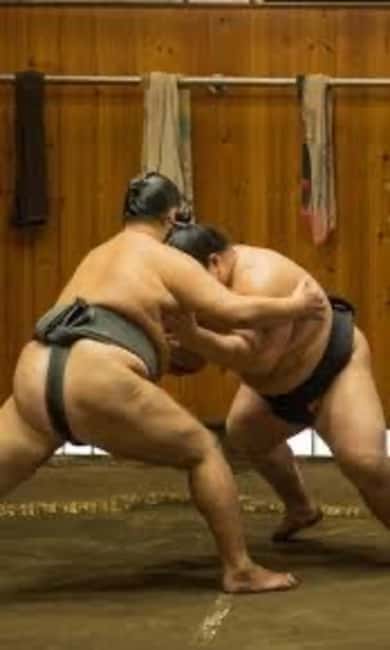

Authentic Sumo Experience in Tokyo: Enter the Sanctuary
Read our review →
Luxury Sumo Show Experience & Japanese cuisine & Drink
Read our review →
Tokyo Sumo Experience: Chanko & Mochi with a Former Pro
Read our review →Browse the lists this tour appears in