Reviewed · TICKETS
Catch a Baseball Game in Tokyo with a Local – Tickets Included
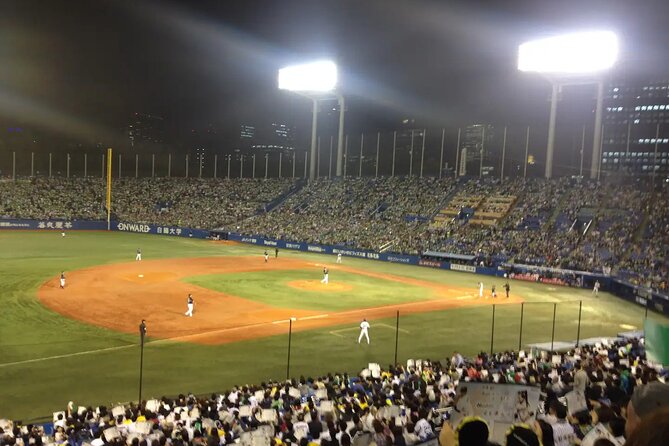
Japanese baseball is not just a game on the field. It is a night of organized chants, brass-band energy, player songs, traveling beer sellers, team colors, and fans who rise together to push their side forward. This small-group outing gives you a local guide, a ticket, snacks, and a quick lesson in how to join the noise.
I especially like the help with team cheers and the chance to borrow a home jersey for some games. Jason and Kristi also make the evening easier for first-time visitors by handling the meeting details, explaining the customs, and helping with team goods. The main thing to consider is seating: you may not always be placed in the loud home cheering section, and some seats can feel cramped for larger visitors.
In This Review
- Key points to know before you go
- Why Japanese baseball feels so different
- Meeting Jason or Kristi and walking to the stadium
- Tokyo Dome, Meiji Jingu Stadium, or Yokohama Stadium
- Inside the home section, where the chants begin
- Snacks, beer sellers, and the food side of the game
- Learning the teams without doing homework
- Is $110 a fair price?
- Timing, access, and comfort
- Who will get the most from this baseball night
- Should you book Catch a Baseball Game in Tokyo with a Local?
- FAQ
- What stadiums can this experience use?
- Is the baseball ticket included?
- How long does the experience last?
- Where does the group meet?
- Who may lead the experience?
- Are snacks included?
- Can I bring food and drinks into the stadium?
- Is a jersey provided?
- What happens if bad weather cancels the activity?
Key points to know before you go
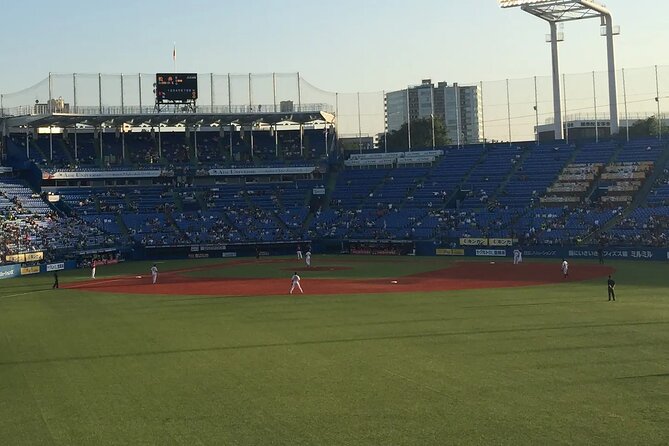
- Three possible stadiums: Games take place at Tokyo Dome, Meiji Jingu Stadium, or Yokohama Stadium, depending on the schedule and ticket availability.
- A real fan experience: Your guide teaches player chants and helps you follow the home section, where fans may sing and cheer through much of the game.
- A small group: The maximum group size is six, making it easier to ask questions and get help with trains, food, team gear, and customs.
- More than a ticket: Snacks are included, and a home jersey and cheering items can be borrowed for some games.
- Plan for about four hours: You meet at a train station, walk to the stadium, watch the game, and spend time learning the local baseball culture.
- Check the meeting message carefully: One booking had a confusing meeting point, so use the current online chat information if it differs from an automated reminder.
Why Japanese baseball feels so different
If you know baseball in the United States, you will recognize the basic game. The rhythm around it is different. In Japan, cheering is often organized by player, with repeated songs and chants that the home section knows by heart. Your guide can explain what is happening and give you the words or sounds needed to join in.
That matters because it turns you from a quiet observer into part of the occasion. You do not need to study baseball rules first. Jason has brought song sheets and explained cheers in English, while Kristi has helped visitors understand the meaning and timing of the chants. You can follow along as much or as little as you like.
The crowd is not simply loud at random. The support has a pattern. A batter comes up, the music and chant change, and the section answers in unison. This repeated teamwork between fans gives the game a strong social feel. Even if the home team loses, you still have a cultural experience that you could not get from watching a game on television.
A few more Tokyo bookings worth comparing
- Mt Fuji and Hakone 1-Day Bus Tour Return by Bullet Train
★ 5.0 · 26,383 reviews - 1-Day Tokyo Bus Tour
★ 5.0 · 14,250 reviews - Tokyo: TOKYO SKYTREE® Admission ticket
★ 4.5 · 11,192 reviews
Meeting Jason or Kristi and walking to the stadium
The experience starts at a train station, where you meet your guide and walk together to the stadium. The exact station and route depend on the game location. The walk is useful because it gives you time to get oriented before you reach the ticket gates, and it removes some of the stress of finding the correct entrance on your own.
The meeting point deserves care. At least one person found the location confusing and advised checking the information in the online chat rather than relying only on an emailed reminder. I would read the latest message closely, save the meeting details on your phone, and allow extra time for Tokyo station navigation.
The small group limit of six is a real advantage here. You can ask Jason or Kristi to explain the team, the stadium, or the night’s plan without trying to catch a guide in a crowd. The guides have also helped with practical matters, including elevator service for someone who had difficulty walking and correcting an overpayment by arranging a refund.
That kind of attention is valuable in Tokyo, where a simple meeting point can involve a busy station, several exits, and a long walk through a large public area. The guide is not just handing you a ticket and disappearing.
Tokyo Dome, Meiji Jingu Stadium, or Yokohama Stadium
The game may be held at one of three stadiums:
- Tokyo Dome: Home of the Yomiuri Giants and the most weather-proof choice. The roof and air conditioning are especially welcome during Tokyo’s hot, humid summer. One family appreciated being indoors during an early July game.
- Meiji Jingu Stadium: Another Tokyo venue included in the possible schedule. The experience here can feel more open-air, so conditions may affect comfort.
- Yokohama Stadium: A major baseball venue outside central Tokyo, included when the game schedule and tickets line up.
You do not choose freely among all three for every booking. The game schedule determines the venue, and tickets are subject to availability. If you have a strong preference for the Giants at Tokyo Dome, check the schedule before booking and understand that the available game may not match your ideal team or date.
Tokyo Dome has a special appeal for visitors who want to see the Giants. Several outings included Giants games, including a matchup against the Hiroshima Carp. Other games may place you at a different stadium and with a different home crowd. That variety is part of the point, but it is worth confirming the date and venue once your booking is accepted.
Inside the home section, where the chants begin
The home cheering section is the heart of this experience. Fans stand, sing, clap, and perform player-specific cheers. Your guide helps you understand what to do, and the supplied sheets can make the sounds easier to follow.
Seats in this area are not silent observation spots. You may spend much of an inning standing or joining a repeated chant. For sports fans, that is often the best reason to book this outing. You see the game and take part in the support system around it.
There is one important catch: the group may not always be seated together in the most active section. One outing placed part of a group in the cheering area while other seats were higher up. Those higher seats still offered a good view, but the atmosphere was less direct. If joining the chants is your top priority, ask about seating when possible and book well ahead. Early booking helped one group get strong seats in the cheering section.
Even from higher seats, you can watch the home fans and learn the customs. You may also prefer the wider view, especially if you want to follow the whole field rather than focus on the section around you. The tradeoff is simple: closer to the cheering block means more participation, while higher seats may offer more room and a broader view.
Bench seating can feel cramped for larger North American bodies. That is not a deal breaker, but it is worth keeping in mind if you value personal space or have trouble sitting for several innings.
Same corner of Tokyo, a completely different plan:
- Tokyo: teamLab Planets TOKYO Digital Art Museum Entry Ticket
★ 4.6 · 9,779 reviews - Mt Fuji & Hakone Cruise, Drum Show Bullet Train 1 Day from Tokyo
★ 4.0 · 7,413 reviews - Tokyo: Sumo Show Experience with Chicken Hot Pot and a Photo
★ 4.8 · 6,678 reviews - Tokyo: Shinjuku Food Tour (13 Dishes at 4 Local Eateries)
★ 5.0 · 6,603 reviews
Snacks, beer sellers, and the food side of the game
Snacks are included, which gives you something to try as the game gets going. Guides have brought Japanese rice treats and other small foods, adding a welcome local touch before you decide what else to buy at the stadium.
Dinner is not included. Plan to eat beforehand, buy food inside, or bring something with you. Outside food and drinks are permitted, but glass bottles and cans are not. Cameras, backpacks, and bags are allowed according to the stated rules.
One of the more memorable sights is the roaming beer sellers. They carry kegs on their backs and move through the seating areas, serving drinks without making you leave your seat. This is part of the show, not just a refreshment service. You can also visit the concession stands and buy team merchandise near the stadium.
The guide may take you shopping for team gear before or during the game. That helps if you want a cap, towel, jersey, or other item but do not know where to start. A borrowed home jersey and cheering goods may be available for some games, but they are not promised for every booking.
Learning the teams without doing homework
A local guide adds the context that a ticket alone cannot provide. Jason has explained Japanese baseball and its major teams, translated or transliterated chants, and offered choices about where to watch the game. Kristi has guided English-speaking groups and helped with practical needs as well as the baseball customs.
You will not receive a full lecture on every club in Japan. The value is more immediate. You learn why the home section behaves as it does, how player songs work, and what to listen for when a new batter steps up.
This is also a good fit for mixed groups. A serious baseball fan can compare Japanese play and fan culture with the game back home. Someone who rarely watches baseball can still enjoy the songs, snacks, costumes, and crowd rituals. The guides make the rules less intimidating, so nobody needs to arrive as an expert.
Is $110 a fair price?
At $110 per person, this is not the cheapest way to enter a Japanese baseball stadium. You may find individual tickets online for less if the game is not sold out and you are comfortable arranging the process yourself.
The price pays for more than admission, though. You receive a game ticket, snacks, a local host for roughly three to four hours, help with the train meeting point, an explanation of the chants, and support with team merchandise and stadium customs. For a first game in Japan, that can be a fair exchange, especially if language barriers or unfamiliar ticket sections make you uneasy.
The value is strongest for first-time visitors, families, and small groups who want the social side of the game. It is less compelling for an experienced Tokyo visitor who can buy tickets online, navigate the trains, and research the cheering sections independently.
Timing affects the value too. Booking early may improve your chance of getting seats in the home section, though no particular seat location is guaranteed. If the crowd atmosphere matters more to you than the exact matchup, the guided format makes good sense.
Timing, access, and comfort
The activity lasts about three to four hours, though the exact length depends on the meeting, walk, and game schedule. The ticket is included, and the tour operates near public transportation. You should be comfortable using a train station and walking from the meeting point to the stadium.
Most people can participate. Cameras, backpacks, and bags are permitted, and outside food and drinks can enter under the restriction against glass bottles and cans.
A game can involve a lot of sitting, standing, and crowd noise. The home section may be especially active. If you have limited mobility, mention it to the guide. Kristi arranged elevator help for one person who had difficulty walking, which shows that practical assistance may be possible when requested.
Weather matters for this activity. Tokyo Dome offers a covered, air-conditioned setting, while Meiji Jingu Stadium and Yokohama Stadium may expose you to outdoor conditions. The activity requires good weather and may be moved or canceled if conditions are poor. If the operator cancels for that reason, you are offered another date or a full refund.
The standard cancellation rule is strict: your payment is non-refundable if you cancel or request a change for any other reason. Make sure the date works before paying.
Who will get the most from this baseball night
I would recommend this experience to you if:
- You want to attend a Japanese baseball game but do not know how tickets and cheering sections work.
- You enjoy local customs as much as the sport itself.
- You are traveling with children or relatives and want a simple group plan.
- You want to learn player chants rather than sit quietly in an unfamiliar stadium.
- You prefer a small group with a named local guide.
- You want help choosing team merchandise or understanding the fan sections.
I would think twice if your main goal is the lowest possible ticket price. Buying independently may cost less, as long as the game is not sold out and you can manage the arrangements.
I would also ask about seating if you are set on being in the home cheering section. The experience aims for that atmosphere, and some groups have enjoyed it, but placement can vary. A higher seat can still provide a good view, yet it may not deliver the same constant chanting.
Should you book Catch a Baseball Game in Tokyo with a Local?
Yes, if you want the social side of Japanese baseball and prefer a guide to handle the unfamiliar parts. At $110, you are paying for confidence, context, snacks, and company, not just a seat. Jason and Kristi have made the evening especially useful by teaching chants, helping with transport, and explaining the customs as they happen.
Book early if you want the best chance of sitting with the home supporters. Confirm the stadium and game once availability is checked, and read the latest meeting instructions carefully. If you are happy to arrange a ticket yourself, this outing may be more help than you need. If you want to cheer with the crowd and understand what you are watching, it is one of the better ways to make a Tokyo game feel like more than a night at the ballpark.
FAQ
What stadiums can this experience use?
The game may take place at Tokyo Dome, Meiji Jingu Stadium, or Yokohama Stadium. The venue depends on the game schedule and ticket availability.
Is the baseball ticket included?
Yes. Admission to the game is included in the price.
How long does the experience last?
The estimated duration is three to four hours.
Where does the group meet?
You meet your guide at a train station and walk together to the stadium. The exact meeting point depends on the game, so check the most recent meeting information carefully.
Who may lead the experience?
The guides identified for this experience include Jason and Kristi. The assigned guide can vary.
Are snacks included?
Yes. Snacks are included. Dinner is not included.
Can I bring food and drinks into the stadium?
Outside food and drinks may be brought inside, but glass bottles and cans are not allowed.
Is a jersey provided?
A home team jersey and cheering goods can be borrowed for some games. They are not guaranteed for every game.
What happens if bad weather cancels the activity?
If the experience is canceled because of poor weather, you are offered a different date or a full refund. If you cancel for another reason, the experience is non-refundable and cannot be changed.
New on our Tokyo list
- Sumi-e Experience in a relaxing green tea shop in Tokyo★ 5.0 · 3 reviews
- Tokyo : Kamikaze Street Drift Ride★ 5.0 · 3 reviews
- Private Zen Meditation in English in Shinjuku, Tokyo★ 5.0 · 3 reviews
- Onsen Spa in Tokyo and Asakusa Bar Hopping with Local Guide★ 5.0 · 3 reviews
- Easy for everyone! Now you can play handmade mini shamisen and show off to everyone! Musical instruments, sweets and live music★ 5.0 · 3 reviews
- Tokyo: Private Tsukiji Street Food & Sake with Local Guide★ 5.0 · 3 reviews
- Mt Fuji Exploration Tour with Free Japanese Kusa Mochi from Tokyo★ 4.5 · 3 reviews
- Tokyo Tsukiji Fish Market Walking and Exploring Hidden Gems Tour★ 5.0 · 3 reviews
Tickets, compared.
teamLab Planets TOKYO Digital Art Museum Entry Ticket
Read our review →
Japanese Dance Cabaret Theater Asakusa-Kaguwa Ticket
Read our review →
Kamakura & Enoshima Day Trip including Temple Tickets
Read our review →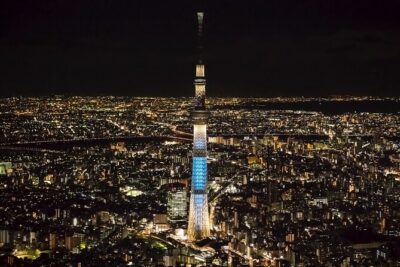
Tokyo Skytree Admission Ticket with Tembo Deck and Galleria
Read our review →