
Reviewed · HISTORICAL TOURS
Edo Tokyo Small-Group Tour: History, Culture & Local Experiences
The most striking part of this tour is the Edo-period fire display at Fukagawa Fudodo, where a temple visit becomes a live cultural experience rather than a quick look at painted doors and incense burners. I like the mix of a life-sized old Tokyo street at Fukagawa Edo Museum and the quiet pond and tea house at Kiyosumi Teien. I also like the very small group, capped at seven, which gives your guide room to answer questions.
The main drawback is the tight four-hour schedule. You cover several places, but you will not have a long, leisurely visit at every stop. The tour also ends at a different station area from where it begins, and lunch is not included.
In This Review
- Key points to know before you book
- Why this tour gives Tokyo a different frame
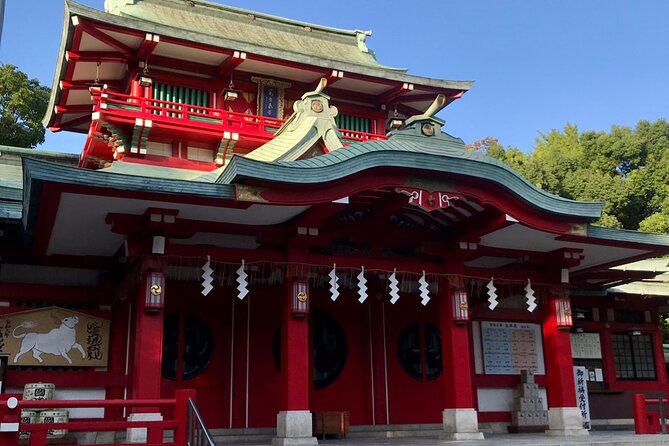
- Fukagawa Fudodo and the power of the fire display
- Tomioka Hachimangu and its sumo memorial stones
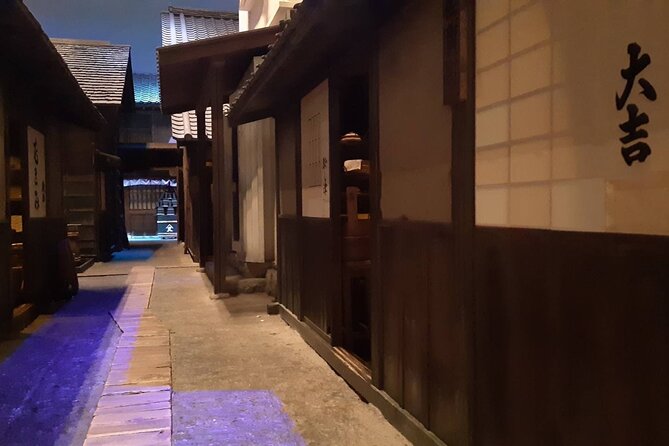
- Fukagawa Edo Museum and streets you can walk through
- A traditional sweet shop in Koto
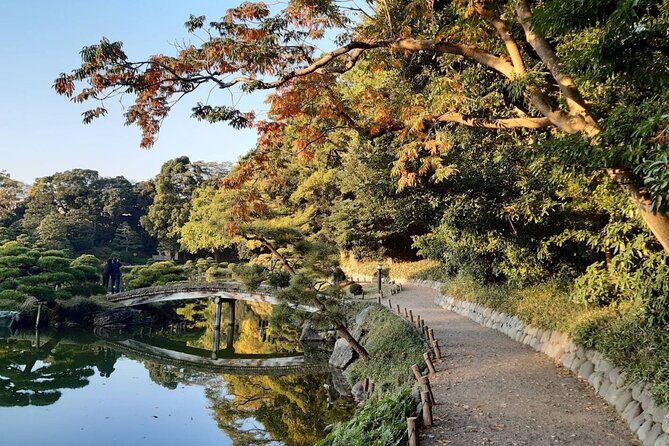
- Kiyosumi Teien, a quiet finish by the pond
- What the $48.99 price really covers
- Who will enjoy this Edo-focused morning
- My practical verdict
- FAQ
- How long does the Edo Tokyo tour last?
- What time and where does the tour begin?
- Where does the tour finish?
- What is the maximum group size?
- Is lunch included?
- Are admission fees and taxes included?
- What happens if the tour is canceled because of weather or too few bookings?
- Can I cancel for a full refund?
Key points to know before you book
- A rare temple fire ceremony: Fukagawa Fudodo provides the tour’s most unusual cultural moment, with a spiritual fire display linked to Japan’s Edo period.
- Five very different stops: You move from Buddhist temple to Shinto shrine, historical museum, sweet shop, and Japanese garden.
- A genuinely small group: The maximum of seven people makes this feel more personal than a large city coach tour.
- Guide Sandra gets special praise: Her engaging explanations and ability to keep children interested are useful signs for families.
- A good value at $48.99: Fees and taxes are included, and the tour fills four hours with admissions and local experiences.
- An easy one-way plan: Meet at Monzen-nakacho Station at 10:00 a.m. and finish near Kiyosumi Gardens.
Why this tour gives Tokyo a different frame
Tokyo can be hard to read. Modern towers, train lines, neon signs, and quiet shrines all sit close together, but the older story is easy to miss if you simply move from one major sight to another.
This tour focuses on Edo, the period when Tokyo was known as Edo. Instead of trying to cover all of Tokyo, it stays around the older east-side districts and links religious sites, daily life, food, and garden design. That approach gives you useful context for the city’s traditional side without asking you to spend a full day in a formal history lecture.
I like the balance. You are not only looking at monuments. You see a fire ritual, memorial stones connected with sumo, streets recreated at human scale, a traditional sweet shop, and a garden designed for calm reflection. Each stop shows a different part of Japanese life.
The group limit matters here. With no more than seven people, your guide can keep the pace together and explain details as you go. The available tour information identifies Sandra as a guide who has been especially good with children, using fun facts and patient explanations to hold their attention. That makes this a sensible choice for families who want history without a dry classroom feel.
The tour is about four hours, starting at 10:00 a.m. It is best understood as a guided walking experience with several visits, not as a transport-heavy sightseeing circuit. Wear comfortable shoes and keep your morning free through the end at Kiyosumi Gardens.
A few more Tokyo bookings worth comparing
- Tokyo: Imperial Palace and Shogun Historical Walking Tour
★ 5.0 · 2,251 reviews - Tokyo: Imperial Palace Japanese History Walking Tour
★ 4.9 · 987 reviews - Yanaka Walking Tour: Historic and Traditional District of Tokyo
★ 5.0 · 530 reviews
Fukagawa Fudodo and the power of the fire display
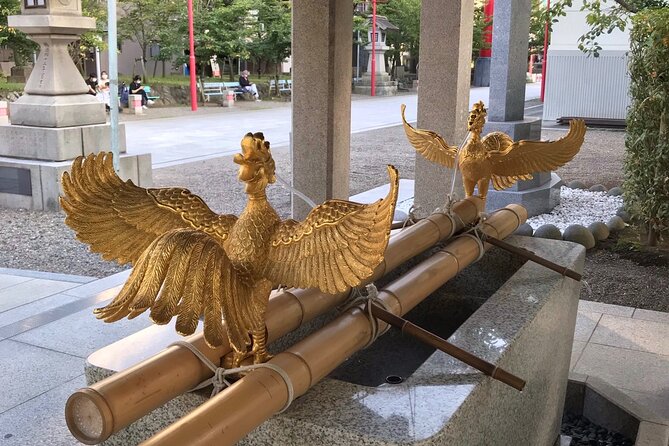
The first stop, Fukagawa Fudodo, takes about 1 hour and 20 minutes, making it the longest visit of the morning. Admission is included.
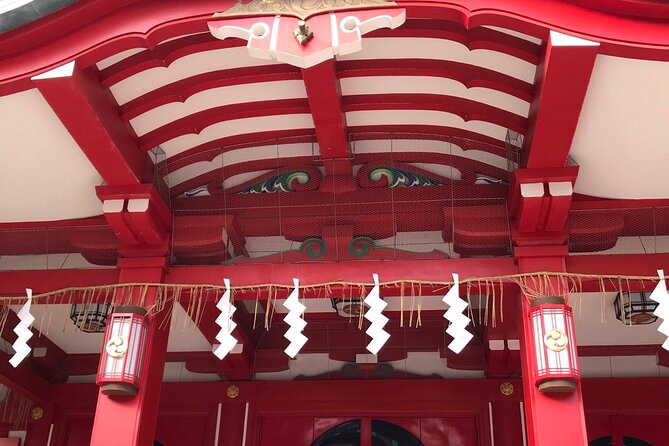
This is where the tour moves beyond ordinary sightseeing. You see a spiritual fire display connected with the Japanese Edo period at a striking Buddhist temple. Fire ceremonies can be difficult to understand from a photograph, so having a guide explain what you are seeing adds real value. You are given a cultural setting for the ritual instead of being left to guess at its meaning.
The experience may be particularly memorable because it is active and sensory. The tour description calls it a fire display, and one account describes the temple fire ritual as the most striking part of the day. That is a useful clue for anyone deciding between a standard shrine walk and something more distinctive.
You should also allow for the fact that this is a religious setting. The focus is not simply on architecture or decoration. Listen to your guide’s instructions and treat the ceremony as a working spiritual practice, not just a performance arranged for sightseeing.
The long visit here also shapes the rest of the tour. You are not rushing through the temple in fifteen minutes. At the same time, it means the schedule cannot offer unlimited time at the later stops. I see that as a fair trade if the fire display is the main reason you are interested.
Tomioka Hachimangu and its sumo memorial stones
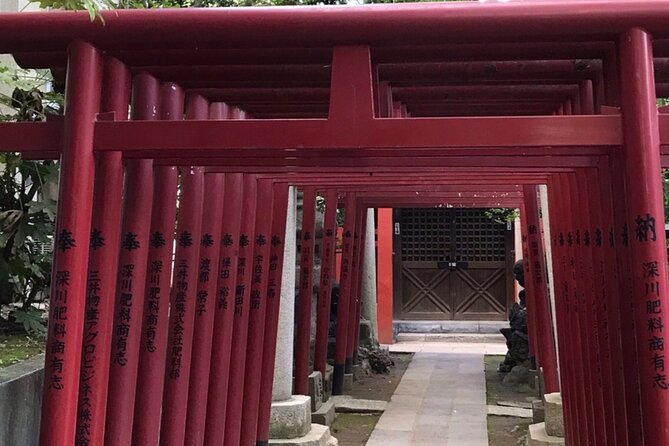
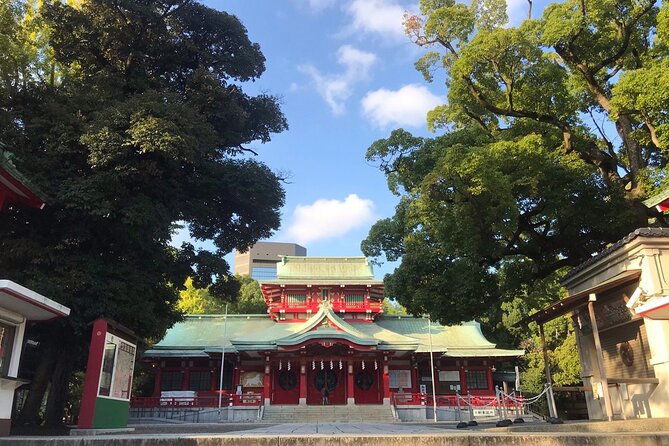
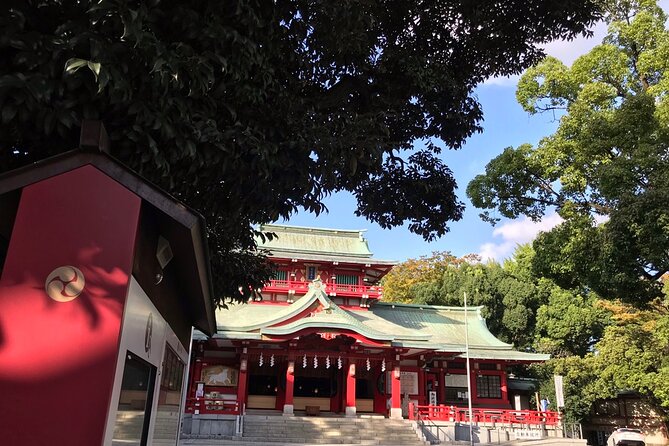
Next comes Tomioka Hachimangu, a Shinto shrine founded in 1627. The scheduled visit lasts about 30 minutes, with admission included.
The shrine gives you a chance to compare Shinto practice with the Buddhist setting at Fukagawa Fudodo. That contrast is one of the tour’s strengths. You are not being shown one generic version of Japanese tradition. You see two different religious environments within the same morning.
The most distinctive detail here is the collection of sumo commemorative memorial stones. Sumo is a major part of Japanese culture, and these stones connect the shrine to that sporting tradition. They also give your guide a concrete starting point for explaining how local places can carry links to public life, religion, and old customs.
Thirty minutes is enough for an introduction, especially with a guide pointing out what deserves your attention. It is not enough for a slow, unstructured exploration of every corner. If you are passionate about shrine architecture or sumo history, you may wish the stop were longer. For most people, it works well as a compact second chapter after the fire ceremony.
Fukagawa Edo Museum and streets you can walk through
The Fukagawa Edo Museum is scheduled for about one hour. The itinerary lists no separate admission charge for this stop, and the visit is one of the clearest reasons to choose the tour.
Many historical museums rely on small objects behind glass. This one uses life-sized recreations of streets from the Edo period. You can move through scenes that show what a small Japanese neighborhood might have looked like, giving you a much better sense of scale and everyday surroundings.
That matters because history becomes easier to understand when you can picture the spaces people used. A street recreation can show how homes, shops, and shared areas related to one another in a way that a paragraph in a guidebook cannot. Sandra’s explanations are especially useful here, since the museum offers plenty to look at but may not explain every detail on its own.
I would give this stop extra weight if you are interested in ordinary life rather than only famous rulers or grand buildings. One of the strongest impressions connected with the museum is its picture of a small Japanese village in the Edo period. The appeal is its human scale.
Families may find this the easiest history stop to enjoy. Life-sized streets provide something to explore, while the guide can turn the setting into a story. Still, the museum is indoors and interpretive, so children who need constant movement may prefer the fire ceremony or garden. The small group helps here because the guide can adjust explanations and keep the visit from becoming a silent march.
Same corner of Tokyo, a completely different plan:
- Mt Fuji and Hakone 1-Day Bus Tour Return by Bullet Train
★ 5.0 · 26,383 reviews - 1-Day Tokyo Bus Tour
★ 5.0 · 14,250 reviews - Tokyo: TOKYO SKYTREE® Admission ticket
★ 4.5 · 11,192 reviews - Tokyo: teamLab Planets TOKYO Digital Art Museum Entry Ticket
★ 4.6 · 9,779 reviews
A traditional sweet shop in Koto
The stop at the old-fashioned sweet shop lasts about 20 minutes, with no separate admission charge listed. The tour description says you can try traditional sweets, giving the morning a welcome taste of everyday Japan.
This is a small stop, but it serves an important purpose. Temples, shrines, museums, and gardens can make Japanese culture feel formal. A local sweet shop brings the focus back to food and daily habits. You get a brief look at a traditional style of shop and a chance to sample something connected with Japanese confectionery.
Do not expect this to be a full meal. Lunch is not included, and twenty minutes is a tasting visit rather than a dining break. Plan to eat before or after the tour, especially if you need a substantial meal late in the morning.
I like the placement of this stop. After the museum, the sweets give you a lighter way to process what you have seen. They also add a local detail that a purely historical tour might leave out. If you have children in your group, this may be an easy favorite.
Kiyosumi Teien, a quiet finish by the pond
The final stop is Kiyosumi Teien, visited for about 45 minutes. The tour ends at Kiyosumi Gardens, at 3-chome-3-9 Kiyosumi, rather than returning you to the starting station.
This classic Japanese garden offers a gentle change of pace. You can expect a pond, a tea house, and carefully arranged garden scenery. After the religious displays and museum streets, the garden gives you room to slow down and look.
The garden is also a good place to end because it leaves you with an impression of balance and restraint. The tour begins with fire and ritual, moves through public and neighborhood history, and closes with a quieter form of cultural expression. You are not just checking off five unrelated places.
Forty-five minutes should give you time to enjoy the setting without turning the visit into a full garden study. If gardens are your main interest, you may want more time than the schedule allows. Still, the stop gives the experience a calm finish, and the separate end point can be useful if you plan to continue exploring this part of Tokyo.
What the $48.99 price really covers
At $48.99 per person, this is priced below many full-day guided tours in Tokyo. The value comes from the amount packed into four hours: a guide, a group limit of seven, included fees and taxes, the temple and shrine visits, the museum stop, a traditional sweet tasting, and the garden.
I would not compare it with a simple neighborhood walk. The fire display and museum add experiences that can be difficult to arrange smoothly on your own, while the guide supplies the historical link between them. The small group is another part of the price. You are paying for a more personal format, not merely directions from one station to the next.
The value is strongest if you would otherwise skip the east-side historical districts or feel unsure about how to interpret the temple ceremony and museum displays. It is less compelling if you only want major Tokyo landmarks, shopping, or a food-focused tour.
Lunch is not included, so factor in an additional meal after the tour. The end near Kiyosumi Gardens gives you a natural point from which to continue your day, but you should not expect the tour to bring you back to Monzen-nakacho Station.
Who will enjoy this Edo-focused morning
I would recommend this tour most strongly to:
- First-time visitors who want context: You see several types of cultural site without committing a full day.
- History fans: The museum and period-focused commentary give the tour a clear purpose.
- Families with school-age children: Sandra’s patient, engaging style has been well suited to children, and the fire display, recreated streets, and sweets provide variety.
- Repeat visitors to Tokyo: If you have already visited the city’s major sights, this offers a different part of town and a more local cultural focus.
- Small-group tour fans: Seven is a useful maximum when you want to ask questions or keep the pace personal.
I would hesitate if you have limited mobility or dislike walking between several stops, since this is described as a walking tour and no special transport arrangement is provided. Most people can participate, and service animals are allowed, but detailed accessibility information is not supplied.
You should also check the weather forecast. The experience requires good weather and may be moved or refunded if conditions make it impractical. Confirmation is sent within 48 hours of booking, subject to availability, so do not assume your place is final until you receive it.
My practical verdict
This is a well-shaped introduction to Edo-era Tokyo. I like that the tour does not rely on one grand attraction. Instead, it builds a picture from a temple fire display, a 1627 shrine, sumo memorial stones, a recreated neighborhood, traditional sweets, and a garden pond.
The five-star rating from 11 reviews and 100 percent recommendation fit the experience’s strongest qualities: a personal group size, clear cultural focus, and a guide such as Sandra who can make the material work for both adults and children. The schedule is full, and the tour will not suit anyone hoping to linger at one site for half a day.
Book it if you want a guided morning that explains how religion, neighborhood life, food, and leisure fit into old Tokyo. Skip it if your priority is modern Tokyo, major landmarks, or a relaxed meal. At $48.99, it is a sensible buy for a compact cultural tour, especially when you value interpretation as much as sightseeing.
FAQ
How long does the Edo Tokyo tour last?
The tour lasts approximately four hours.
What time and where does the tour begin?
It begins at 10:00 a.m. at Monzen-nakacho Station, 2 Chome-4 Monzennakacho, Koto City, Tokyo 135-0048, Japan.
Where does the tour finish?
The tour ends at Kiyosumi Gardens, 3-chome-3-9 Kiyosumi, Koto City, Tokyo 135-0024, Japan.
What is the maximum group size?
The tour has a maximum of seven travellers.
Is lunch included?
No. Lunch is not included in the tour price.
Are admission fees and taxes included?
Yes. All fees and taxes are included.
What happens if the tour is canceled because of weather or too few bookings?
You will be offered a different date or experience, or a full refund. The experience requires good weather and a minimum number of travellers.
Can I cancel for a full refund?
Yes. You can cancel at least 24 hours before the local start time for a full refund. Changes or cancellations made less than 24 hours before the start time are not accepted for a refund.
New on our Tokyo list
- Sumi-e Experience in a relaxing green tea shop in Tokyo★ 5.0 · 3 reviews
- Tokyo : Kamikaze Street Drift Ride★ 5.0 · 3 reviews
- Private Zen Meditation in English in Shinjuku, Tokyo★ 5.0 · 3 reviews
- Onsen Spa in Tokyo and Asakusa Bar Hopping with Local Guide★ 5.0 · 3 reviews
- Easy for everyone! Now you can play handmade mini shamisen and show off to everyone! Musical instruments, sweets and live music★ 5.0 · 3 reviews
- Tokyo: Private Tsukiji Street Food & Sake with Local Guide★ 5.0 · 3 reviews
- Mt Fuji Exploration Tour with Free Japanese Kusa Mochi from Tokyo★ 4.5 · 3 reviews
- Tokyo Tsukiji Fish Market Walking and Exploring Hidden Gems Tour★ 5.0 · 3 reviews
Historical Tours, compared.

Imperial Palace and Shogun Historical Walking Tour
Read our review →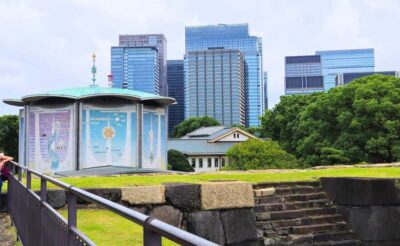
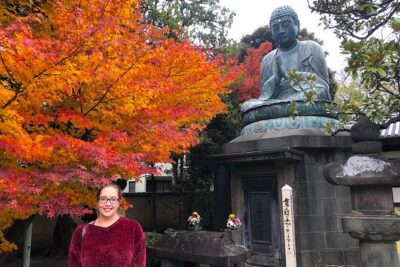
Yanaka Walking Tour: Historic and Traditional District of Tokyo
Read our review →
Shinjuku Historical Walking Tour & Secret Backstreets
Read our review →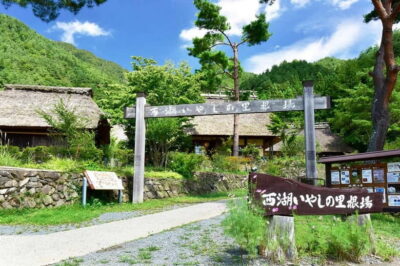
Mt. Fuji Heritage Tour: Traditional Villages, Lakes & Shrine
Read our review →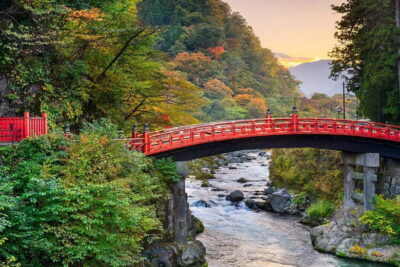
The Best of Izakaya in Shinjuku Food & Cultural Tour
Read our review →
Yanaka Historical Walking Tour in Tokyo’s Old Town
Read our review →Browse the lists this tour appears in