
Reviewed · SUSHI EXPERIENCES
Fujisan Sushi Making Lesson
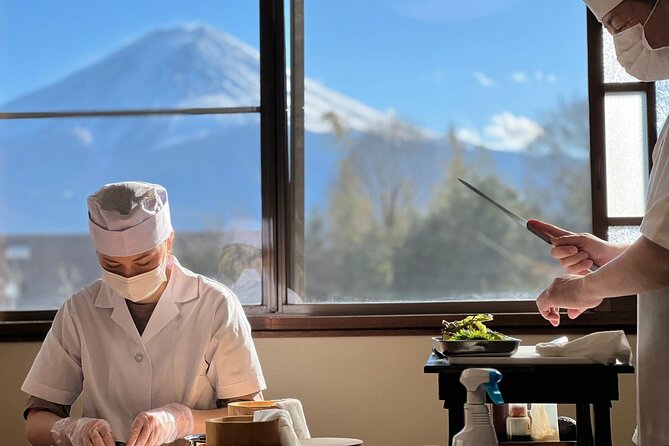
The best part of this experience is that you do not just eat sushi, you learn how to make it. A veteran chef teaches nigiri sushi and rolls, then adds the table manners and food history that turn a meal into a piece of Japanese culture. The class takes place near Mount Fuji, so the setting adds something special.
I like the practical focus. You learn methods you can repeat at home, and the private format keeps the lesson limited to your own group. I also like the small teaching touches, including an informative slideshow and trivia questions. The main drawback is the price: at $229.91 per person, this is a serious splurge for a three-hour activity.
In This Review
- Key points at a glance
- A sushi lesson near Mount Fuji, not just a meal
- What you learn: nigiri, rolls, and the rules around the meal
- The chef’s teaching style and language
- A three-hour itinerary with one main stop
- Why the private format matters
- Is $229.91 a fair price?
- Vegetarian and allergy planning
- Who will get the most from this experience?
- Booking timing, tickets, and cancellation
- My call: book it for the food lesson, not only the view
- FAQ
- Where does the sushi lesson begin?
- Where does the activity end?
- How long does the experience last?
- What types of sushi will I make?
- Is the lesson taught in English?
- Will I learn about Japanese food culture?
- Is the activity private?
- Is a vegetarian option available?
- Should I mention food allergies before the class?
- Can I cancel for a full refund?
Key points at a glance
- Hands-on sushi making: Prepare both nigiri sushi and sushi rolls rather than simply watching a demonstration.
- Veteran chef instruction: Your chef has worldwide cooking experience and explains the lesson in English.
- Japanese food culture: Learn sushi history and Japanese table etiquette along with the cooking techniques.
- Mount Fuji setting: The class is held near Mount Fuji, with the chance to enjoy views while you prepare food.
- Private group format: Only your group takes part, which suits families, couples, and friends who prefer personal instruction.
- Vegetarian option: A vegetarian version is available, but you need to mention dietary needs in advance.
A sushi lesson near Mount Fuji, not just a meal
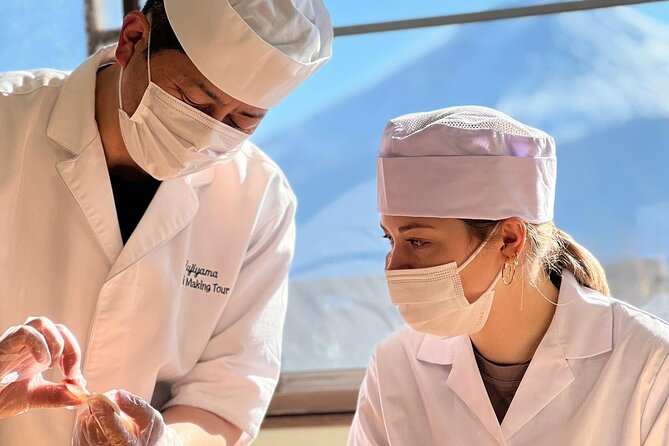
Many food activities in Japan let you taste something memorable. This one asks you to work for your lunch or dinner. Over roughly three hours, you learn how sushi is formed, handled, and presented, with the chef guiding you through the process.
That difference matters. Sushi can look simple on the plate, but the shape, pressure, and presentation all count. The lesson gives you a chance to understand those details instead of treating sushi as a mystery reserved for restaurant professionals.
The class is based in Fujikawaguchiko, a useful stop for anyone visiting the Mount Fuji area. You meet at Kawaguchiko Station, at 3641 Funatsu, Fujikawaguchiko, in Yamanashi Prefecture. The activity finishes back at the same meeting point, so you do not need to arrange a separate return transfer.
The setting also helps make this more than a standard cooking class. You prepare food close to Mount Fuji, and you may enjoy beautiful views during the lesson. The information does not promise a guaranteed view at every moment, so I would treat the mountain scenery as a welcome bonus rather than the sole reason to book.
More sushi mornings and classes:
- Sushi Cooking Class at Sushi Factory -KIWAMI- Mt.Fuji
★ 5.0 · 23 reviews - View of Mt. Fuji is good! Sushi making experience class
★ 5.0 · 6 reviews - Sushi Making Tokyo Roll and Authentic Japanese Sushi Class
★ 5.0 · 3,971 reviews
What you learn: nigiri, rolls, and the rules around the meal
The central lesson covers two familiar sushi forms: nigiri sushi and sushi rolls. Nigiri is the compact piece of sushi that places a topping over a small portion of rice. Rolls offer a different process, with ingredients wrapped and shaped before being cut.
You get to practice both styles. That gives the class a useful balance because the techniques are different, and each one teaches you something about sushi preparation and presentation. The aim is not only to produce food during the lesson. You also learn cooking methods that you can imitate at home.
I find that home-use value important. A cooking class is a better purchase when you leave with a skill, not just a pleasant memory. The instruction is built around methods that are easy to repeat, so you can use the lesson later when preparing sushi for family or friends.
The chef also explains Japanese table etiquette. This adds context that many cooking classes skip. You learn that sushi is not only about shaping rice and adding toppings. How the food is served and eaten is part of the experience too.
The lesson includes the tradition and history of sushi, giving you a broader sense of how the dish fits into Japanese food culture. I would not expect an academic lecture. Think of it as useful cultural background that makes the hands-on work more meaningful.
The chef’s teaching style and language
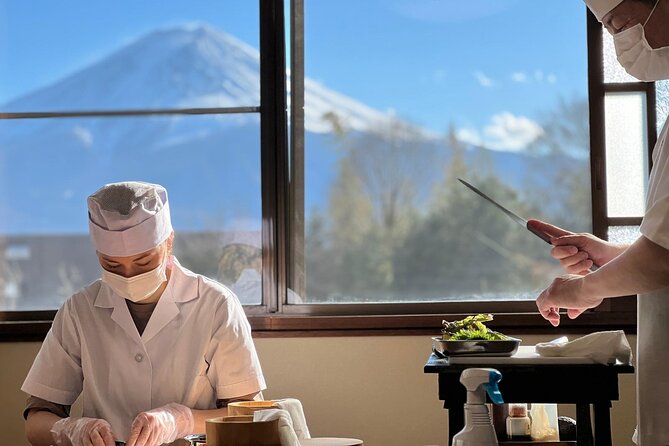
The instructor is described as a veteran chef with cooking experience around the world. The lesson is explained in English, which makes it suitable for international visitors who want clear guidance while working with their hands.
One useful detail is that the teaching is not limited to step-by-step cooking. The class can include an informative slideshow and trivia questions. These details give the lesson some variety and help explain Japanese food beyond the immediate task in front of you.
The available feedback also points to Japanese-language elements in the class. That can be a pleasant feature if you are studying Japanese or want to hear the language in a real setting. At the same time, you should expect English explanations for the cooking instruction, since that is part of the stated format.
No individual chef’s name is provided, so I cannot tell you who will lead your specific session. The important point is the chef’s role: you are learning directly from a professional, not following a self-guided recipe or watching a prerecorded demonstration.
The private format should make it easier to ask questions. Only your own group participates, so the pace may feel more personal than a large public workshop. The actual class size within your group is not specified, so you should not assume one-on-one instruction.
A three-hour itinerary with one main stop
The listed itinerary names Mount Fuji as the stop, but the practical activity is the sushi class near Kawaguchiko Station. You meet at the station, take part in the lesson, and return to the same meeting point when the class ends.
That simple plan works well in a day built around the Fuji area. You can arrange your transport to Kawaguchiko Station, attend the three-hour activity, and continue with other plans afterward. Since there is no separate sightseeing route or transport segment listed, you should not book this expecting a guided tour of Mount Fuji itself.
The mountain connection comes from the location and views while preparing sushi. If your priority is seeing the famous peak, check the weather and your wider schedule. The class may offer a fine view, but the cooking lesson remains the main event.
The meeting point is near public transportation, which is another practical advantage. Kawaguchiko Station is a clear place to organize around, especially if you are already using public transport in the region. You should still allow enough time to find the exact meeting point and arrive ready for the start.
The experience ends where it begins. I like that arrangement because it keeps the logistics tidy and removes the need to work out how to get back from an unfamiliar neighborhood.
More Mt Fuji days from Fujikawaguchiko machi:
- Mt Fuji Area Private Guided Tours in English-Nature up close, quiet, personal
★ 5.0 · 288 reviews - Explore Mt. Fuji Ice Cave in Aokigahara Forest
★ 5.0 · 243 reviews - Private guided hidden gems tour by local English speaking driver
★ 5.0 · 142 reviews - Ramen Cooking Class at Ramen Factory in Mt.Fuji
★ 5.0 · 101 reviews
Why the private format matters
A private activity can change the feel of a cooking class. You are not sharing the lesson with an unknown public group, and only your party takes part. That can be especially helpful if your group has children, different skill levels, or a strong interest in asking questions.
It also gives you control over who shares the experience. Couples, families, and small groups of friends may appreciate having the class to themselves. A private setting can feel less intimidating if you have never handled sushi before.
There is a trade-off. Private activities often cost more per person than large group lessons, and this one is priced accordingly. At $229.91 per person, you are paying for professional teaching, a private group arrangement, cultural instruction, and a three-hour hands-on activity.
Group discounts are available, so the price may make more sense for a larger party. I would compare the total cost for your group before booking. If you are alone or traveling as a couple, the cost is harder to justify unless the private format and food focus are major priorities.
Is $229.91 a fair price?
The price is high for a three-hour class, so I would judge it by what you want from the experience. If you only want a quick introduction to sushi, you can likely find less costly food activities. This class asks you to pay more for private participation, instruction from a veteran chef, English guidance, cultural explanation, and the Mount Fuji setting.
The value improves for people who enjoy cooking and want a skill they can use after the trip. You are not simply paying for food served to you. You are paying for the chance to make nigiri and rolls yourself, learn the basic methods, and understand the etiquette around them.
The private arrangement also matters for groups. A family or group of friends can share one focused activity without strangers at the table. Group discounts may help, though the exact discount is not stated, so check the current total before you commit.
I would also remember that the class lasts about three hours. That is long enough to feel like a proper activity rather than a short demonstration, but not so long that it takes over your whole day. For a special occasion near Mount Fuji, the cost may feel reasonable. For a budget-focused itinerary, it is the first point I would question.
Vegetarian and allergy planning
Vegetarian participation is available. You need to tell the provider in advance so the class can be prepared for your needs.
The same advice applies to food allergies. Notify the provider before the experience rather than waiting until you arrive. The supplied information does not list specific substitute ingredients or explain how each allergy is handled, so you should provide clear details and confirm that the requested arrangement is possible.
This is a cooking class, not just a restaurant meal. That makes advance communication especially important because your ingredients and preparation will be part of the activity. If your dietary needs are complex, get confirmation before the booking is final.
Who will get the most from this experience?
I would choose this class if you enjoy food, want a hands-on activity, and plan to spend time around Kawaguchiko. It suits people who prefer making something to simply taking photographs or sampling a finished dish.
It is also a good fit for visitors interested in Japanese culture. The lesson includes sushi history and table etiquette, so you gain more than a recipe. The trivia questions and slideshow can add useful background for anyone who likes a little structure around the cooking.
Japanese-language learners may enjoy hearing Japanese during the class, while English instruction keeps the practical parts accessible. The available information describes the chef as explaining in English, but it also points to Japanese-language content, so this may appeal to people who want both.
Families and private groups should consider the format carefully. The activity is private, and group discounts are available, but no minimum age or child policy is provided. If you are booking with children, confirm that the class suits their ages before paying.
I would hesitate if you dislike structured instruction, have no interest in sushi, or are watching every yen. The price is too high for a casual stop with no real interest in the subject.
Booking timing, tickets, and cancellation
This experience is often reserved about 157 days ahead. That is a strong sign that you should not leave it until the last few days of a Mount Fuji trip, particularly if your dates are fixed.
You receive confirmation within 48 hours of booking, subject to availability. The ticket is mobile, which is convenient for meeting at Kawaguchiko Station. Keep the meeting details easy to reach on your phone, and allow time to arrive before the start.
Free cancellation is available if you cancel at least 24 hours before the local start time. Cancellations made less than 24 hours ahead are not refunded, and changes within that window are not accepted. The policy is fairly clear, but the 24-hour cut-off matters if your transport plans around Mount Fuji are uncertain.
My call: book it for the food lesson, not only the view
I would book the Fujisan Sushi Making Lesson if you want a private, practical food experience and are comfortable with the $229.91 price. The combination of nigiri, rolls, etiquette, sushi history, English instruction, and a setting near Mount Fuji gives the three hours a clear purpose.
I would not book it solely for a mountain photograph. The view is part of the setting, but the class itself is the reason to go. Book early, mention vegetarian needs or allergies in advance, and use the 24-hour cancellation window as a planning safeguard.
For a food-loving group, this can be a memorable way to spend part of a Kawaguchiko visit. For a budget traveler seeking a quick introduction, the cost may be too steep.
FAQ
Where does the sushi lesson begin?
The activity begins at Kawaguchiko Station, at 3641 Funatsu, Fujikawaguchiko, Minamitsuru District, Yamanashi 401-0301, Japan.
Where does the activity end?
The activity ends back at the meeting point.
How long does the experience last?
The lesson lasts approximately three hours.
What types of sushi will I make?
You will learn to make nigiri sushi and sushi rolls.
Is the lesson taught in English?
The veteran chef explains the lesson in English. Japanese-language elements may also be part of the class.
Will I learn about Japanese food culture?
Yes. The lesson covers the tradition and history of sushi, along with Japanese table etiquette.
Is the activity private?
Yes. Only your group participates in this private activity.
Is a vegetarian option available?
Yes. Vegetarian participation is available if you notify the provider in advance.
Should I mention food allergies before the class?
Yes. You are asked to inform the provider in advance about any food allergies.
Can I cancel for a full refund?
Yes, if you cancel at least 24 hours before the experience start time. Cancellations made less than 24 hours in advance are not refunded.
More Workshops in Fujikawaguchiko machi
- Ramen Cooking Class at Lake Kawaguchiko (Short Course)
★ 5.0 · 42 reviews - Tokyo: Roll and Authentic Sushi Making Class in Asakusa
★ 4.9 · 1,957 reviews - Tokyo Shinjuku Chopsticks Making Class
★ 5.0 · 1,763 reviews - Tokyo: Sushi Making Class in a Happi Coat near a Famous Spot
★ 4.9 · 1,377 reviews
New on our Fujikawaguchiko machi list
- Lake Kawaguchi : Private Half Day Customized Tour w/ local guide★ 5.0 · 3 reviews
- Lake Kawaguchi Private Hiking Tour with local guide★ 5.0 · 5 reviews
- Private Tour of Mt. Fuji Culture and Nature Walk★ 5.0 · 5 reviews
- Fuji Photo Tour★ 5.0 · 6 reviews
- View of Mt. Fuji is good! Sushi making experience class★ 5.0 · 6 reviews
- Mt. Fuji 2-Hour Photo Shoot with a Local Photographer-Kawaguchiko★ 5.0 · 6 reviews
- Mt. Fuji Five Lakes Tour with Guide & Vehicle (Kawaguchiko Dep)★ 4.5 · 6 reviews
- Mt. Fuji Customized Private Tour: See Top Attractions in 1 Day★ 5.0 · 9 reviews
Sushi Experiences, compared.
Sushi Making Tokyo Roll and Authentic Japanese Sushi Class
Read our review →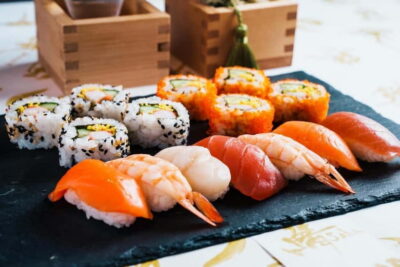
Roll and Authentic Sushi Making Class in Asakusa
Read our review →
Make Sushi and Create Unforgettable Memories in Tokyo
Read our review →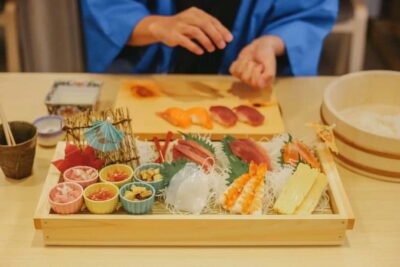
Sushi Making Class in a Happi Coat near a Famous Spot
Read our review →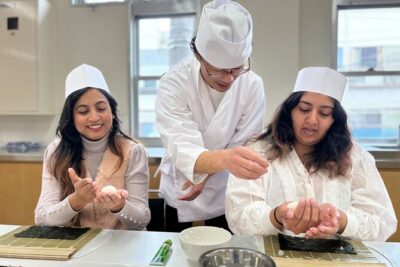
Tokyo Sushi Making Class in Tsukiji with Professional Chef
Read our review →
Tokyo Night Foodie Tour in Shinjuku – Seasonal Sushi, Wagyu Beef
Read our review →
Tsukiji Fish Market Guided Tour and Sushi Making with Pro Chef
Read our review →
Tsukiji Fish Market Sushi Making Class with Pro Chef
Read our review →Browse the lists this tour appears in