
Reviewed · JAPANESE COOKING CLASSES
Sushi Cooking Class at Sushi Factory -KIWAMI- Mt.Fuji
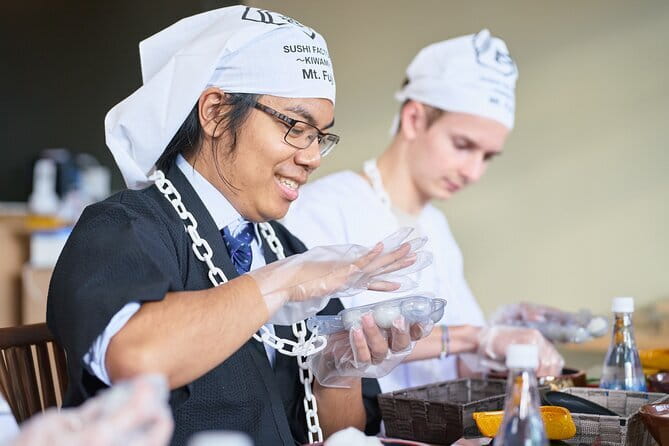
The most unusual part of this Mt. Fuji sushi class is the mix of cooking and puzzle solving. You are not simply shown how to roll rice and fish, then sent off with a plate. You make several styles of sushi while completing playful missions, grating fresh domestic wasabi, and creating small edible designs.
I like the hands-on range: temari, gunkan maki, nigiri, and temaki sushi give you a useful taste of different techniques. I also like the setting, with views of the local area and Mt. Fuji adding a memorable backdrop to a meal you make yourself.
The main caution is value. At $141.84 per person for about 90 minutes, this is a costly lunch or dinner. One unhappy couple found it overpriced and too gimmicky, despite enjoying the sushi-making and producing eight pieces each. Book it for the playful format, not as a quiet, traditional sushi lesson.
In This Review
- Key points at a glance
- What happens during the 90-minute sushi class
- Four sushi forms, four different skills
- Sushi missions turn lunch into a game
- Grating domestic wasabi adds a useful local touch
- Mt. Fuji changes the feel of the meal
- What the $141.84 price really covers
- Who will enjoy this best
- Practical details before you book
- How it compares with a traditional sushi lesson
- Should you book the Sushi Factory KIWAMI class?
- FAQ
- Where does the sushi class begin?
- Where does the activity end?
- How long does the experience last?
- Is transportation included?
- What kinds of sushi will I make?
- Is a meal included?
- How many people can join the class?
- Can I cancel for a full refund?
Key points at a glance
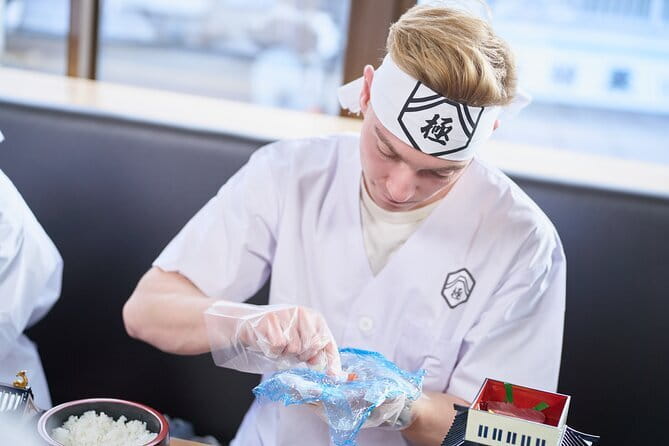
- Four sushi styles in one class: Make temari, gunkan maki, nigiri, and temaki sushi rather than focusing on one basic roll.
- Fresh domestic wasabi: Grate wasabi yourself and use it with the sushi you prepare.
- Puzzle-based cooking: Complete sushi missions, make sushi pearls, and build a decorative sushi boat.
- Mt. Fuji setting: The class takes place in Fujikawaguchiko, with views of the local area and the mountain backdrop.
- Small maximum group: The activity accepts up to 15 people, which keeps it more contained than a large food demonstration.
- Short, fixed format: The session lasts about 1 hour and 30 minutes and begins and ends at the same meeting point.
What happens during the 90-minute sushi class
This experience begins at Ramen Factory Mt. Fuji, at 3487-15 Funatsu in Fujikawaguchiko. The name of the meeting point may surprise you, since the activity itself centers on sushi rather than ramen. Still, the address is clear, and the location is near public transportation.
The class is led by a local instructor. No guide names are provided, so you should not book this expecting a particular named teacher. The format is designed around participation. You will work through the sushi-making process rather than sit back and watch a long demonstration.
The stated duration is about 90 minutes. That is enough time for a compact introduction to several sushi forms, but it is not a full culinary course. You will likely spend much of the session shaping, assembling, and completing the themed tasks. If you want detailed instruction on knife work, fish selection, rice seasoning, or restaurant-level technique, this class may feel light.
That short length can also be a strength. You can fit it into a day of sightseeing around Lake Kawaguchiko without giving up half your afternoon. Families and mixed-age groups may appreciate the pace, since the puzzles add variety when the fine hand movements of sushi-making become repetitive.
More sushi mornings and classes:
- Fujisan Sushi Making Lesson
★ 5.0 · 16 reviews - View of Mt. Fuji is good! Sushi making experience class
★ 5.0 · 6 reviews - Sushi Making Tokyo Roll and Authentic Japanese Sushi Class
★ 5.0 · 3,971 reviews
Four sushi forms, four different skills
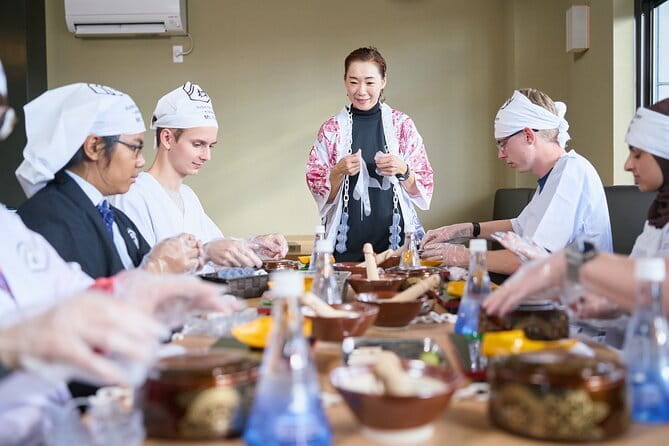
The class includes temari sushi, gunkan maki, nigiri, and temaki sushi. These forms differ in shape and assembly, so the lesson gives you more variety than a standard sushi-roll workshop.
Temari sushi is shaped into a small rounded form. It is a friendly starting point because the neat ball-like shape feels less demanding than a long, tightly wrapped roll. You get to focus on portioning and presentation.
Gunkan maki uses a band of seaweed around the rice, creating a small cup-like shape. This style is useful for ingredients that sit on top of the rice. The form also gives the class a decorative quality, which fits the activity’s playful design.
Nigiri sushi asks you to shape rice and place a topping over it. It looks simple, but small differences in pressure and size affect the result. This is the part of the class most closely tied to the classic image of sushi, though you should keep your expectations in check. A brief class can introduce the form without teaching the full discipline of a sushi counter.
Temaki sushi is hand-rolled into a cone. It is easy to recognize and fun to assemble, especially when you are making it yourself. The cone shape also provides a change of pace after working with smaller pieces.
The variety is one of the best reasons to choose this activity. You leave having tried several methods, not just one recipe. The tradeoff is that none of the forms can receive a very long lesson during a 90-minute session.
Sushi missions turn lunch into a game
The puzzle element is the feature that separates this activity from a standard cooking class. As you make sushi, you also solve puzzles and complete missions. The exact puzzles are not described in detail, so you should expect a playful challenge rather than a serious escape-room test.
You may craft sushi pearls and build a decorative sushi boat. These tasks shift the focus from taste alone to shape, design, and presentation. That can be a good fit if you like activities with a clear goal and a bit of friendly competition.
I see the game structure working best for families, couples, and groups of friends. It gives everyone something to do and talk about. A person who is nervous about cooking can concentrate on the challenge instead of worrying about making perfect sushi.
The same feature will not suit everyone. If you want a calm lesson focused on Japanese food customs, the missions may feel like a distraction. One poor experience described the class as too gimmicky and not cultural enough. That criticism is worth taking seriously. The activity uses Japanese food traditions, but its main identity is entertainment combined with cooking.
Grating domestic wasabi adds a useful local touch
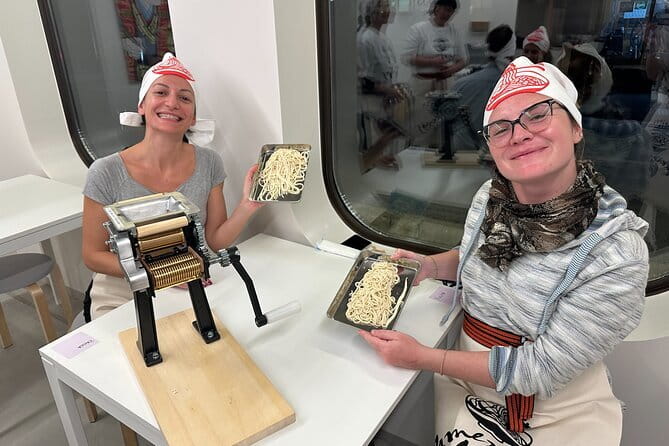
You will grate fresh domestic wasabi as part of the class. This is a small detail, but it gives the session a stronger connection to Japanese ingredients than a generic sushi workshop would have.
The wasabi is not simply a packet added at the end. You take part in preparing it, then use it with the sushi you make. That gives you a better sense of how a sharp condiment changes the flavor of rice and fish.
The information provided does not specify the wasabi variety, grating tool, or serving portion. Do not expect a detailed agricultural lesson. Still, this step adds a real food skill to an activity that could otherwise lean heavily toward crafts and puzzles.
If you dislike spicy condiments, you can treat the wasabi step as a demonstration of Japanese food preparation rather than a test of how much heat you can eat. The class includes it as part of the process, but no claim is made that you must use a large amount.
More cooking classes in Fujikawaguchiko machi:
- Ramen Cooking Class at Ramen Factory in Mt.Fuji
★ 5.0 · 101 reviews - Ramen Cooking Class at Lake Kawaguchiko (Short Course)
★ 5.0 · 42 reviews - Ramen & Gyoza Cooking Class in Tokyo with Local Supermarket Visit
★ 5.0 · 823 reviews - Tokyo: Easy Ramen Cooking Experience in Kabukicho, Shinjuku
★ 4.6 · 321 reviews
Mt. Fuji changes the feel of the meal
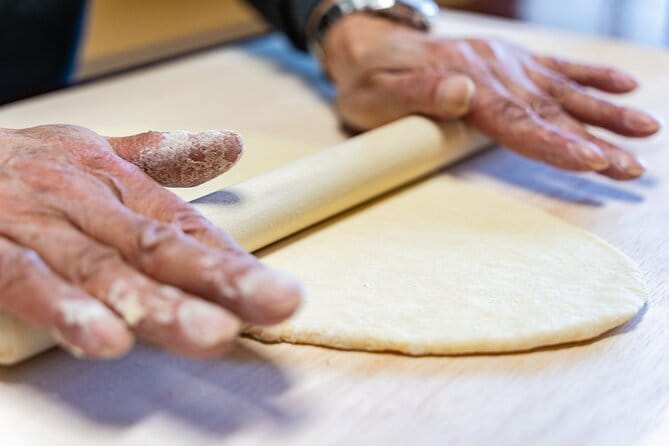
The class takes place in Fujikawaguchiko, a popular base for seeing Mt. Fuji. The activity promises a view of the local area and a backdrop of the mountain, though the exact visibility depends on weather and the position of the room.
This matters because the setting gives the class a stronger sense of place. You are not making sushi in an anonymous indoor kitchen far from the sights. You are pairing a Japanese food activity with one of the country’s best-known views.
Do keep the view in perspective. The class is not a Mt. Fuji sightseeing tour, and transportation is not included. If the mountain is hidden by cloud, the sushi lesson and puzzles remain, but the visual bonus may be reduced.
Plan your day around the meeting point rather than assuming a pickup service. You make your own way to Ramen Factory Mt. Fuji, and the activity ends back there. Since the location is near public transportation, it can be combined with other stops in Fujikawaguchiko, but you need to handle the journey yourself.
What the $141.84 price really covers
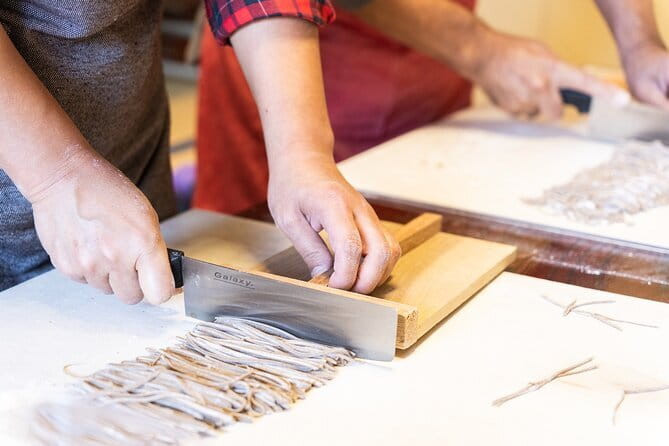
The listed cost is $141.84 per person. Lunch, dinner, all fees, and taxes are included. The meal designation is unusually broad, since the class is a food activity rather than a separate lunch and dinner service. You should read this as the food you prepare and eat during the session, not as two separate meals.
At that price, the value depends on what you want from the experience. If you are paying for a short sushi lesson, the cost is high. You receive only about 90 minutes of instruction and the available information does not promise an extensive meal, a recipe book, professional certification, or transportation.
If you are paying for a combined experience, the calculation looks better. You get a guided activity, several sushi styles, a puzzle format, fresh wasabi preparation, a meal, and a Mt. Fuji setting. For a special occasion, those elements may justify the premium, especially if your group enjoys interactive entertainment.
The negative anniversary experience points to the key question: are you buying cultural depth or a memorable activity? If your answer is cultural depth, you may find the price hard to defend. If your answer is a social experience with food, photo-friendly creations, and a mountain setting, it becomes easier to understand.
The class has a maximum of 15 people. That is not a private lesson, but it is a manageable ceiling. You may still share the space with a fairly full group, so do not assume one-on-one instruction throughout.
Who will enjoy this best
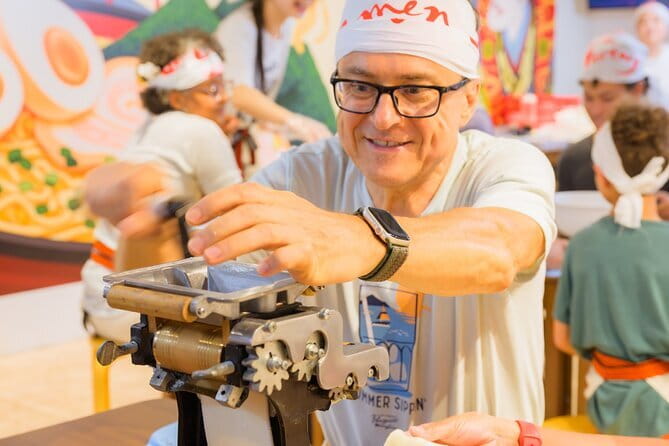
I would recommend this class most strongly to people who want to make and eat their own sushi while doing something playful. It suits first-time visitors who want a simple food activity without committing to a long workshop.
Families may like the mission format, especially if children enjoy puzzles and hands-on tasks. Couples can use it as a date activity, though the high price deserves a careful look if you are marking a special occasion. The anniversary booking that felt disappointing shows that a special setting does not automatically make the experience feel luxurious.
It also works for friends who want a shared activity rather than a formal lesson. The different sushi types give everyone a chance to try several techniques, and the decorative boat and sushi pearls add a creative target.
I would be cautious about booking it if you are already an experienced home sushi maker. You may find the basic forms too introductory. I would also hesitate if your main goal is a serious study of Japanese culinary tradition. The class is clearly built to entertain as well as teach.
Practical details before you book
You receive confirmation at the time of booking, and a mobile ticket is provided. Keep the ticket available on your phone when you arrive.
The starting point is Ramen Factory Mt. Fuji, 3487-15 Funatsu, Fujikawaguchiko, Minamitsuru District, Yamanashi 401-0301, Japan. The activity returns to this same meeting point, so there is no separate ending location to arrange around.
Transportation is not included. Check your route to the meeting point before booking, especially if you are fitting the class between other Mt. Fuji area sights. The location is near public transportation, but the activity does not provide a transfer service.
Free cancellation is available if you cancel at least 24 hours before the local start time. Inside that 24-hour window, you receive no refund, and changes are not accepted. That cut-off matters if your day around Mt. Fuji depends on weather.
Since visibility of Mt. Fuji can change quickly, a flexible cancellation window is useful. Book only when you are reasonably sure of your schedule, and remember that cancellation protection ends one full day before the class.
How it compares with a traditional sushi lesson
A traditional sushi class usually puts its weight on technique, ingredients, and food customs. This one divides its attention between those elements and entertainment. The puzzles, sushi missions, decorative boat, and sushi pearls are not side details. They are central to the format.
That makes this activity more accessible for people who want an easy, social introduction. You do not need to arrive with a serious interest in sushi technique to take part. The instructor guides you through several forms, and the game structure gives the session a clear rhythm.
The tradeoff is depth. In 90 minutes, you can sample four sushi styles, but you cannot expect a thorough course in rice preparation, knife handling, fish quality, or the etiquette of a sushi counter. The class gives you a taste of the process, not professional training.
I would describe it as Japanese food entertainment with real cooking in the middle. That is not a criticism. It is simply the most useful way to set your expectations before paying the premium price.
Should you book the Sushi Factory KIWAMI class?
Book this experience if you want a compact, cheerful group activity with sushi-making, fresh wasabi, puzzles, and a Mt. Fuji setting. The variety of sushi forms and the 15-person maximum make it more engaging than a basic demonstration, and the included meal means you finish with something you prepared yourself.
Think twice if you want a serious cultural lesson or a bargain. The 90-minute duration and $141.84 cost are difficult to justify for instruction alone, and the game elements may feel too gimmicky if you prefer quiet, traditional cooking.
My practical call: choose it for a special afternoon in Fujikawaguchiko when the activity matters as much as the meal. Skip it if your priority is the deepest possible sushi education. The 96 percent recommendation rate and 4.9 rating from 23 reviews suggest strong overall appeal, but the sharp negative response shows that expectations matter more here than usual.
FAQ
Where does the sushi class begin?
It begins at Ramen Factory Mt. Fuji, located at 3487-15 Funatsu, Fujikawaguchiko, Minamitsuru District, Yamanashi 401-0301, Japan.
Where does the activity end?
The activity ends back at the meeting point.
How long does the experience last?
The class lasts approximately 1 hour and 30 minutes.
Is transportation included?
No. Transportation service is not included, so you must make your own way to the meeting point.
What kinds of sushi will I make?
You will make temari sushi, gunkan maki, nigiri sushi, and temaki sushi.
Is a meal included?
Yes. Lunch, dinner, all fees, and taxes are included in the price.
How many people can join the class?
The activity has a maximum of 15 people.
Can I cancel for a full refund?
Yes, if you cancel at least 24 hours before the experience start time. Cancellations made less than 24 hours before the start time are not refunded, and changes inside that period are not accepted.
More Workshops in Fujikawaguchiko machi
- Tokyo: Roll and Authentic Sushi Making Class in Asakusa
★ 4.9 · 1,957 reviews - Tokyo Shinjuku Chopsticks Making Class
★ 5.0 · 1,763 reviews - Tokyo: Sushi Making Class in a Happi Coat near a Famous Spot
★ 4.9 · 1,377 reviews - Chopstick Making Workshop in Ginza
★ 4.8 · 1,366 reviews
New on our Fujikawaguchiko machi list
- Lake Kawaguchi : Private Half Day Customized Tour w/ local guide★ 5.0 · 3 reviews
- Lake Kawaguchi Private Hiking Tour with local guide★ 5.0 · 5 reviews
- Private Tour of Mt. Fuji Culture and Nature Walk★ 5.0 · 5 reviews
- Fuji Photo Tour★ 5.0 · 6 reviews
- View of Mt. Fuji is good! Sushi making experience class★ 5.0 · 6 reviews
- Mt. Fuji 2-Hour Photo Shoot with a Local Photographer-Kawaguchiko★ 5.0 · 6 reviews
- Mt. Fuji Five Lakes Tour with Guide & Vehicle (Kawaguchiko Dep)★ 4.5 · 6 reviews
- Mt. Fuji Customized Private Tour: See Top Attractions in 1 Day★ 5.0 · 9 reviews
Japanese Cooking Classes, compared.
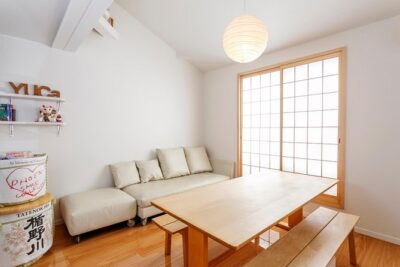
Ramen & Gyoza Cooking Class in Tokyo with Local Supermarket Visit
Read our review →
Easy Ramen Cooking Experience in Kabukicho, Shinjuku
Read our review →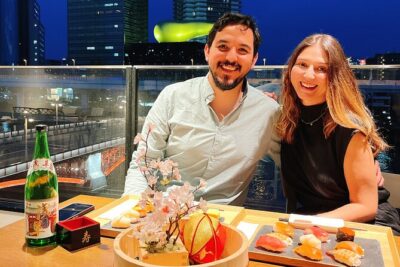
Ramen and Sushi Cooking Class with Sake Pairing Set in Tokyo
Read our review →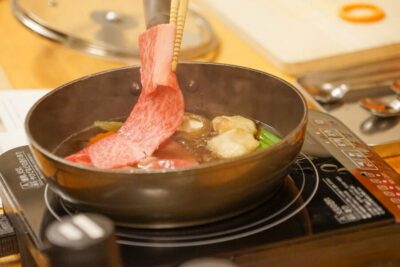
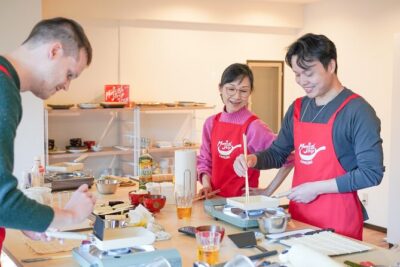
Tokyo Washoku 4-hour Cooking Class: From Market to Table
Read our review →
TokyoSumoShow, ChickenHotPot, and Mochi-Pounding by Pro Wrestlers
Read our review →
Professional Ramen & Gyoza with Ramen Chef in a restaurant!
Read our review →
Small-Group Wagyu Beef and 7 Japanese Dishes Tokyo Cooking Class
Read our review →Browse the lists this tour appears in