
Reviewed · TSUKIJI & TOYOSU MARKET TOURS
Tokyo Sushi Making Class in Tsukiji with Professional Chef
Tokyo’s Tsukiji sushi class puts you close to the source. In a traditional Japanese-style room near the market, a professional chef demonstrates how fish is prepared, then guides you through five kinds of nigiri and one rolled sushi. You finish by eating what you made, which turns a short cooking lesson into lunch.
I like two things here. First, the chef does not simply hand you ingredients and wish you luck. You watch the fish being cut and learn how the knife, rice, fish, and wasabi fit together. Second, the class is short enough to fit into a packed Tokyo day, and the English-speaking host keeps the instructions clear. The main consideration is practical: the classroom is on the third floor of a traditional building with stairs only, and the class can sometimes run past its planned end time.
In This Review
- Key points to know before booking
- Why Tsukiji is the right place for a sushi lesson
- The opening lesson: fish, knives, and sushi basics
- Making five nigiri and one rolled sushi
- Lunch is the sushi you prepare
- What the 90-minute format feels like
- The best way to combine it with Tsukiji Market
- English instruction and the human side of the class
- Important limits: allergies, stairs, and food requests
- Who should book this sushi class?
- Should you book the Tsukiji sushi-making class?
- FAQ
- Where does the sushi-making class begin?
- How long does the experience last?
- What sushi will I make?
- Is lunch included?
- Is the class taught in English?
- Is hotel transportation included?
- Can I cancel for a full refund?
Key points to know before booking
- Watch a professional fish-cutting demonstration: You see the early preparation steps and hear about the Japanese knives used for sushi.
- Make six pieces of sushi yourself: The lesson covers five different nigiri and one rolled sushi, with help at each stage.
- Eat your work for lunch: The sushi you prepare is included, made with fresh ingredients sourced through the Tsukiji market area.
- Learn in a small traditional room: The classroom is in a local building near Tsukiji Outer Market, rather than in a large tourist kitchen.
- English support is built in: A host translates and explains the chef’s instructions throughout the session.
- Plan around the stairs: The room is upstairs with no stated elevator access, so this class suits you best if stairs are easy.
Why Tsukiji is the right place for a sushi lesson
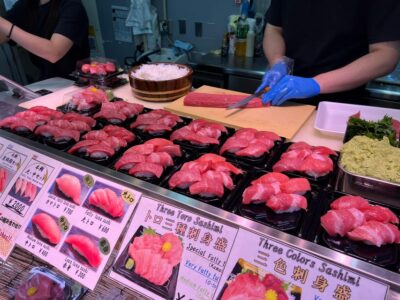
Tsukiji is no longer Tokyo’s main wholesale fish market. That role moved to Toyosu, but Tsukiji’s Outer Market remains a practical place for seafood, kitchen tools, prepared food, and small shops. This class uses that setting well. You are not cooking in an isolated studio with ingredients that could have come from anywhere. The food and utensils are sourced through the local market area.
The meeting point is at 4-chōme-16-2 Tsukiji, in Chuo City. You make your own way there, so allow time to find the building. The class takes place in a less obvious local building, not necessarily in a shopfront that announces itself from the street. Check your confirmation carefully and arrive with enough time to locate the entrance.
The location also lets you pair the class with a walk through Tsukiji Outer Market. You can browse food stalls and shops before or after, but keep the cooking appointment in mind. The market is part of the setting, not a guided market tour with a long shopping itinerary.
More market mornings in Tokyo:
- Tokyo Tsukiji Fish Market Food and Culture Walking Tour
★ 5.0 · 3,184 reviews - Tokyo: Tsukiji Fish Market Food and Walking tour
★ 5.0 · 1,724 reviews - Tokyo: Tsukiji Fish Market Guided Walking Tour
★ 4.9 · 1,397 reviews
The opening lesson: fish, knives, and sushi basics
The class begins with a demonstration by the sushi chef. Fish preparation is one of the most useful parts because it shows the work behind the neat pieces served at a sushi counter. The chef explains the steps used to prepare fish for sushi and introduces the Japanese knives involved.
You will not just be shown a finished slice. The demonstration gives you a better sense of why sushi chefs work with such care and precision. Knife shape, cutting direction, and handling all affect the final piece. Even if you never become skilled enough to repeat the full preparation at home, you leave with a clearer idea of what you are eating.
The chef also explains what sushi is and how the different types relate to one another. The lesson centers on nigiri sushi and rolled sushi, often called maki. Nigiri is the familiar hand-shaped rice topped with fish or another ingredient. Rolled sushi uses rice and fillings wrapped in seaweed and cut into pieces.
English support matters here. The chef may be the technical expert, while the host translates and puts the instructions into plain English. Hosts named in past sessions have included Yuko, Yugo, Emma, Kanon, and others, while chefs have included Tanaka and Kate. Your exact team depends on the class date, but the format includes both an English-speaking host and a professional sushi chef.
Making five nigiri and one rolled sushi
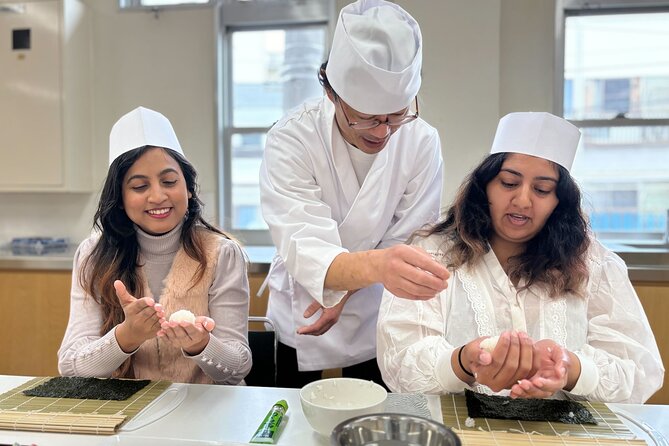
After the demonstration, you move from watching to working. The instructor explains the proper order for making the sushi and helps you step by step. This is suitable for beginners, including people who have never shaped sushi before.
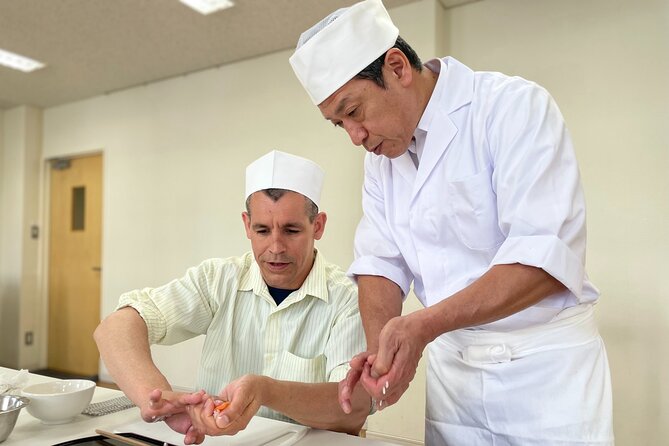
Nigiri looks simple, but the shape depends on small details. You must handle the rice without crushing it, apply the right amount of pressure, and place the topping neatly. The chef can correct your technique as you go. That help is important because a first attempt can otherwise become a loose mound of rice with fish sliding off the top.
You prepare five different nigiri sushi. The supplied ingredients are fresh and come from the market area, but the exact fish and toppings are not specified in advance. If you have a food allergy, tell the operator when reserving. The team tries to accommodate allergy-related requests, but it cannot promise every substitution.
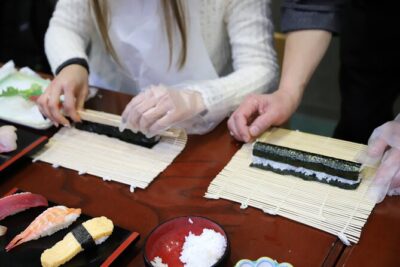
The rolled sushi gives you a second kind of task. You learn how to arrange ingredients, use the proper utensils, roll the sushi, and cut it into pieces. This part often feels more forgiving than nigiri because the seaweed holds the ingredients together. It is also a useful skill to take home, especially if you want to repeat the class with family or friends.
The equipment and tableware are provided. You do not need to bring sushi tools, rice, knives, or serving dishes. The point is to learn the basic method with the right equipment, not to improvise with whatever happens to be in a hotel kitchen.
Lunch is the sushi you prepare
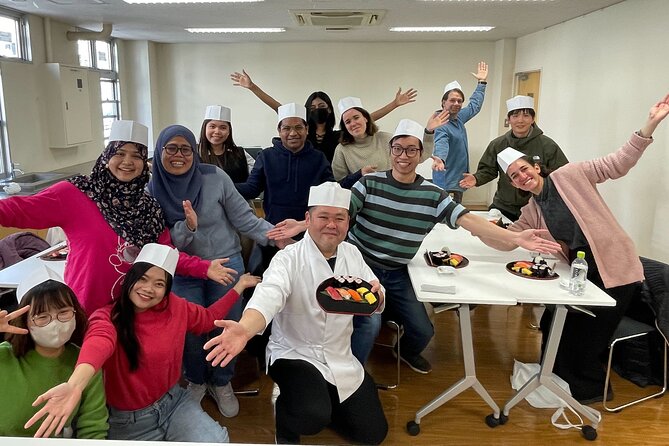
At the end, you eat the sushi you have made. The included meal consists of five different nigiri and one rolled sushi, so you should arrive with enough appetite to enjoy it. One useful planning tip is not to eat a large meal immediately before class.
While you eat your own work, the sushi chef prepares another piece and serves it with freshly prepared wasabi. This gives you a direct comparison between a beginner’s handmade sushi and the chef’s version. It also lets you taste the ingredients without worrying that every piece has to look perfect.
The food is part of the value. At $49.74 per person, the class is not only a demonstration. You receive instruction, market-sourced ingredients, use of utensils, and a sushi lunch. In central Tokyo, that makes the price reasonable for someone who wants an activity rather than another restaurant meal.
Still, you should not book it expecting a full professional training course. Ninety minutes is enough for a first lesson, a demonstration, and a meal. It is not enough for extended knife practice, a large menu, or advanced sushi-counter technique. The short format is a strength if your schedule is tight, but a limitation if you want a serious cooking course.
More sushi mornings and classes:
- Sushi Making Tokyo Roll and Authentic Japanese Sushi Class
★ 5.0 · 3,971 reviews - Tokyo: Roll and Authentic Sushi Making Class in Asakusa
★ 4.9 · 1,957 reviews - Make Sushi and Create Unforgettable Memories in Tokyo
★ 5.0 · 1,413 reviews - Tokyo: Sushi Making Class in a Happi Coat near a Famous Spot
★ 4.9 · 1,377 reviews
What the 90-minute format feels like
The stated duration is about one hour and 30 minutes. The schedule is compact, with little wasted time between the chef’s demonstration, the hands-on work, and lunch. That makes it easy to fit before or after other plans in Ginza, Tsukiji, or central Tokyo.
The class may go beyond the scheduled ending point. If you have a train, reservation, or timed attraction afterward, tell the operator in advance and avoid making the connection too close. This is a cooking lesson, not a timed museum entry. Questions, translation, group pace, and the final meal can affect the finish.
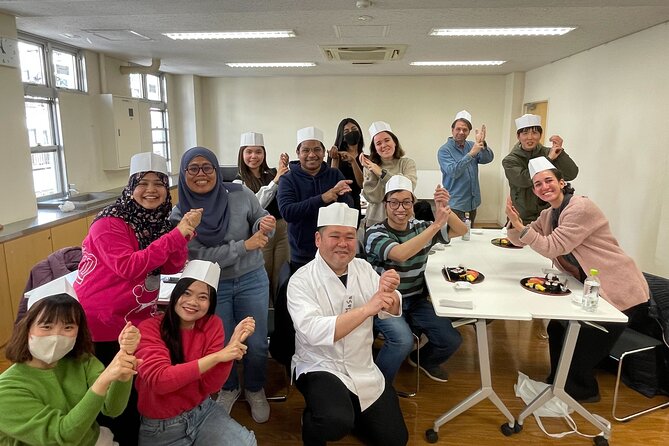
The group can include up to 20 people. That is larger than a private kitchen lesson, but the class is held in an intimate room and the chef and assistants provide help as you work. If you want a completely private experience, confirm the arrangement before booking. If you are comfortable learning alongside other people, the group size keeps the price accessible.
Families have a good reason to consider this activity. Children as young as seven have taken part in family groups, and making their own food can encourage them to try sushi they might otherwise avoid. Parents should judge the class by their children’s ability to follow instructions, handle food carefully, and manage the stairs.
The best way to combine it with Tsukiji Market
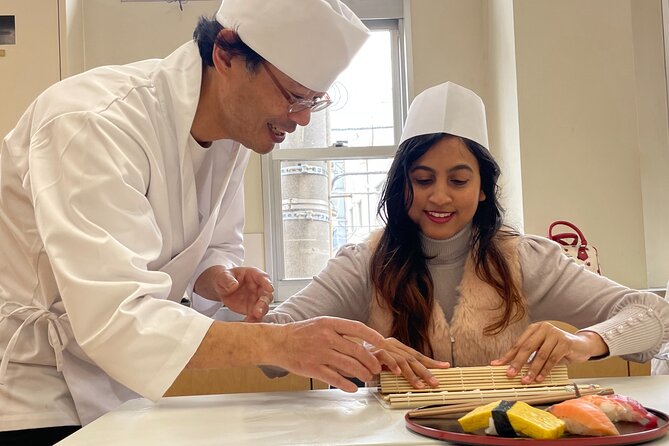
The experience lists Tsukiji Fish Market, Tsukiji Outer Market, and Tsukiji Nippon Fish Port Market as stops. In practical terms, the cooking class takes place in the Tsukiji market area, with the market environment providing the ingredients and context.
Do not expect a long escorted tour through every section of the market. The main event is the class. The market is valuable before or after because it gives you a chance to see seafood shops, food stalls, and specialist stores in the same district where the class operates.
I would schedule the class as part of a half-day around Tsukiji. Walk the Outer Market, attend the workshop, then continue toward Ginza if you want shopping and department stores. Or take the class first and explore afterward, when you can browse without worrying about being late.
The area is near public transportation, but the operator does not provide hotel pickup, drop-off, or transportation to attractions. You are responsible for reaching the meeting point and returning to your next stop. That is easy for independent visitors who already use Tokyo’s trains and subways, but it is worth allowing extra time for navigation.
English instruction and the human side of the class
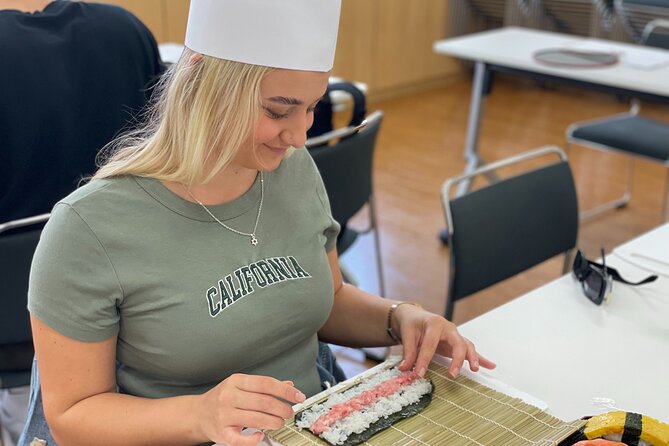
The quality of the explanation is central to this experience. The English-speaking host translates for the chef and explains the process as you go. Past sessions have featured hosts such as Yuko, Yugo, Emma, and Kanon, with chef Tanaka and chef Kate among the instructors.
The class is not built around a lecture. You watch, try, receive corrections, and try again. That approach helps if you are nervous about making mistakes. The chef and assistants are there to help you produce attractive pieces, not to test whether you already know sushi technique.
The staff also takes photographs during the experience in some sessions, including pictures of completed sushi. That is a pleasant extra, but it should not be treated as a guaranteed formal photo package because the included details do not promise a set number of photographs.
The atmosphere suits people who want a friendly introduction to Japanese food. It can also work for a family, a group of friends, or someone looking for a rainy-day activity. The room is indoors, the class is hands-on, and the meal gives the lesson a clear finish.
Important limits: allergies, stairs, and food requests
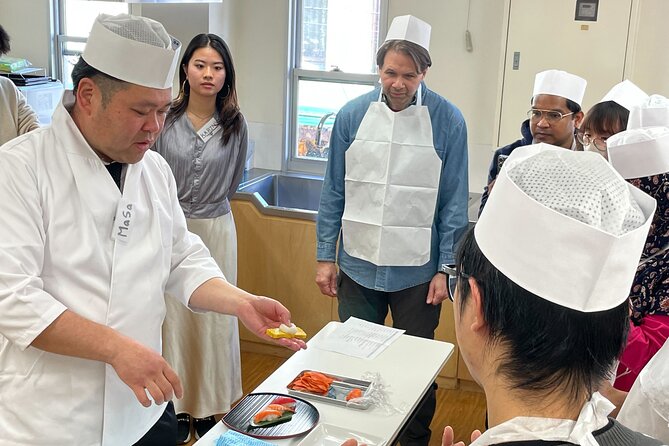
Tell the operator about allergies when you make the reservation. The team will try to help, but the information specifically says that accommodations may not be possible. You should not assume that every ingredient can be replaced on the day.
Halal and kosher requests are not accommodated. If those requirements are essential to your meal, this is not the right booking. Extra food and drinks are also not included.
The classroom is on the third floor of a traditional Japanese building and has stairs only. This is the most important physical consideration. If stairs are difficult for you, ask before booking rather than relying on an arrangement that has not been promised.
Free cancellation is available up to 24 hours before the local start time. Cancellations or changes made less than 24 hours before the experience are not refundable. That policy is fairly simple, but keep it in mind when planning around a changing Tokyo itinerary.
Who should book this sushi class?
I would choose this class if you want to do more than sit at a sushi restaurant. You learn how the fish is prepared, handle the ingredients yourself, and eat a meal you made in the same market district that supplies the class.
It is especially good for:
- First-time sushi makers
- Families with children who enjoy practical activities
- People who want an English-supported food lesson
- Visitors with only 90 minutes to spare
- Sushi fans who want a basic skill to practice at home
- Anyone pairing a cooking activity with Tsukiji Outer Market
I would hesitate if you need a fully private class, require halal or kosher food, cannot manage three flights of stairs, or want advanced chef training. You should also leave a cushion after the class rather than scheduling a tight appointment.
Should you book the Tsukiji sushi-making class?
For $49.74, this is a strong-value Tokyo activity. You get a professional demonstration, direct instruction, fresh ingredients, use of proper tools, and enough sushi for lunch. The setting adds meaning without turning the experience into a long tour.
Book it if you like sushi, want a practical cultural activity, or are traveling with children who learn best by doing. Go in expecting a friendly beginner class, not a professional apprenticeship. If you can handle the stairs, disclose dietary needs early, and keep your schedule flexible at the end, this is an easy and worthwhile addition to a Tokyo stay.
FAQ
Where does the sushi-making class begin?
The class begins at 千社額棟, 4-chōme-16-2 Tsukiji, Chuo City, Tokyo 104-0045, Japan.
How long does the experience last?
The experience lasts approximately one hour and 30 minutes.
What sushi will I make?
You will make five different nigiri sushi and one rolled sushi.
Is lunch included?
Yes. You eat the sushi you prepare during the class. Freshly prepared wasabi is also provided by the sushi chef.
Is the class taught in English?
Yes. An English-speaking host assists with translation and explanations, alongside the professional sushi chef.
Is hotel transportation included?
No. You make your own way to the meeting point, and hotel pickup, drop-off, and transportation to or from other attractions are not included.
Can I cancel for a full refund?
Yes, if you cancel at least 24 hours before the experience start time. Cancellations made less than 24 hours in advance are not refunded.
More Workshops in Tokyo
- Tokyo Shinjuku Chopsticks Making Class
★ 5.0 · 1,763 reviews - Chopstick Making Workshop in Ginza
★ 4.8 · 1,366 reviews - Ramen & Gyoza Cooking Class in Tokyo with Local Supermarket Visit
★ 5.0 · 823 reviews - Matcha Making Class in Tokyo with Authentic Japanese Sweets Set
★ 5.0 · 744 reviews
New on our Tokyo list
- From Tokyo: Mount Fuji & Hakone Full Day Private Tour★ 4.9 · 25 reviews
- Tokyo Spectacular View Day-Cruise in 90 Minutes★ 5.0 · 25 reviews
- Real Tokyo Runner Club : Daikoku Car Meet Night Tour with JDM Car★ 5.0 · 25 reviews
- 2.5 Hour-Guided Cycle Tour in the Central Tokyo★ 5.0 · 25 reviews
- Ramen Making from Scratch +Akihabara Tour –Cooking Class★ 5.0 · 25 reviews
- [Self-Drive] Tokyo & Daikoku Custom Car Driving Tour★ 4.9 · 25 reviews
- Tokyo: 2-Hour Night Bike Tour of the City’s Hidden Gems★ 4.9 · 25 reviews
- Samurai themed Entertainment show in Shinjuku★ 4.5 · 25 reviews
Tsukiji & Toyosu Market Tours, compared.
Tokyo Tsukiji Fish Market Food and Culture Walking Tour
Read our review →
Tsukiji Fish Market Guided Tour and Sushi Making with Pro Chef
Read our review →Tsukiji Fish Market Food and Culture Walking Tour
Read our review →
Tsukiji Fish Market: Street Food & Culture Walking Tour
Read our review →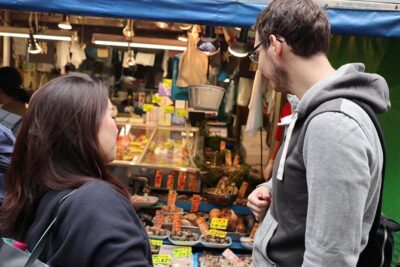
Tsukiji Fish Market Small-Group Food Walking Tour
Read our review →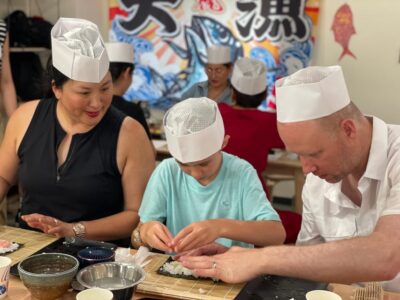
Tsukiji Fish Market Sushi Making Class with Pro Chef
Read our review →Browse the lists this tour appears in