
Reviewed · JAPANESE CULTURE WORKSHOPS
Tokyo Shinjuku Chopsticks Making Class
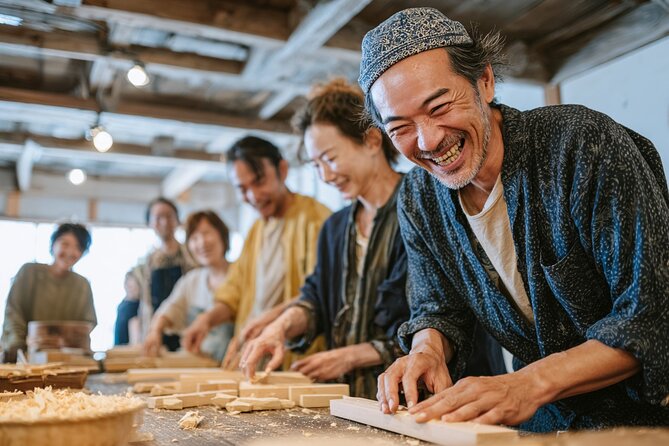
Making chopsticks here is not a sit-back cultural show. You pick up a traditional Japanese kanna, push it across raw wood, and slowly watch a pair of useful table tools take shape. The fragrant shavings curling from the sticks are part of the fun, and you get to keep them.
I like the hands-on pace and the fact that nearly anyone can join, from children to older family members. I also like the clear sense of progress: choose wood, shave it, sand it, oil it, and leave with something you made. The main caution is that busy sessions can feel rushed, and premium wood plus engraving can raise the final cost well beyond the $20 starting price.
In This Review
- Key points at a glance
- Turning plain sticks into a Tokyo souvenir
- Choosing wood before the work begins
- The shaping stage takes real effort
- Sanding and oiling bring the pair together
- Optional engraving adds a personal finish
- English support and the teaching style
- Why families often enjoy this one-hour activity
- Finding the Shinjuku meeting point
- Is $20 good value?
- Who should book this experience?
- Should you book the Shinjuku chopsticks class?
- FAQ
- Where does the chopsticks-making class take place?
- Where does the activity end?
- How long does the workshop last?
- How much does the class cost?
- Is a mobile ticket accepted?
- Can beginners join the workshop?
- How many people can join?
- How many wood types are included?
- Can I add engraving to the chopsticks?
- Can I cancel for a full refund?
Key points at a glance
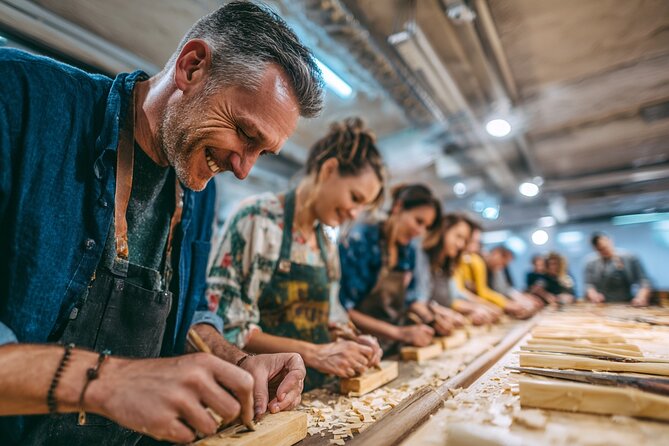
- Shape raw wood with a kanna: You use a small Japanese hand plane rather than simply decorating a ready-made souvenir.
- Choose your wood: Two types are included, while premium varieties cost extra and bring different colors, scents, and textures.
- Beginner-friendly instruction: Staff members including Masa, Tom, Yuki, Nana, Mauro, Mimi, Ken, Sayaka, Yin, Katana, Kiwa, and Shae have been praised for patient, clear guidance.
- Plan for about one hour: The workshop begins and ends at the Shinjuku meeting point, at 7-chōme-4-5 Nishishinjuku.
- Engraving is optional: You can add a name or message for 2,000 yen, according to the available experience details.
- Best in a quieter time slot: The room can handle up to 32 people, but assistance may be thinner when every station is occupied.
Turning plain sticks into a Tokyo souvenir
The appeal is simple: you arrive with two rough pieces of wood and leave with a pair of chopsticks shaped by your own hands. That makes this a better keepsake than another mass-produced item from a station shop, especially if you want something small, useful, and easy to pack.
The workshop uses a kanna, a compact Japanese hand plane traditionally used to smooth wood. You hold and guide the tool over the surface, removing fine layers rather than hacking away at the material. The first strokes may feel awkward. That is normal. The work takes some practice, and one poorly controlled pass can leave a mark or make one stick uneven.
Staff are there to explain the motion and correct your technique. Masa has been singled out for patience, while Tom and Yuki have helped participants in clear English. Nana, Mauro, Mimi, Ken, Sayaka, Yin, Katana, Kiwa, and Shae are also names associated with helpful instruction during different sessions. The practical point is that you should not be left to guess your way through the process, though the quality of help can depend on how crowded the room is.
More craft workshops in Tokyo:
- Kintsugi Experience: Art of Golden Joinery in Tokyo
★ 5.0 · 467 reviews - Authentic Pure Gold Kintsugi Workshop with Master Taku in Tokyo
★ 5.0 · 217 reviews - Tokyo: KABUKI Show at Kabukiza Theatre Admission Ticket
★ 4.8 · 152 reviews
Choosing wood before the work begins
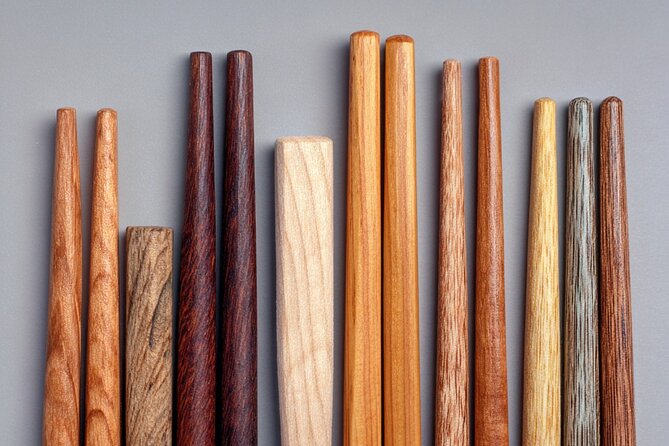
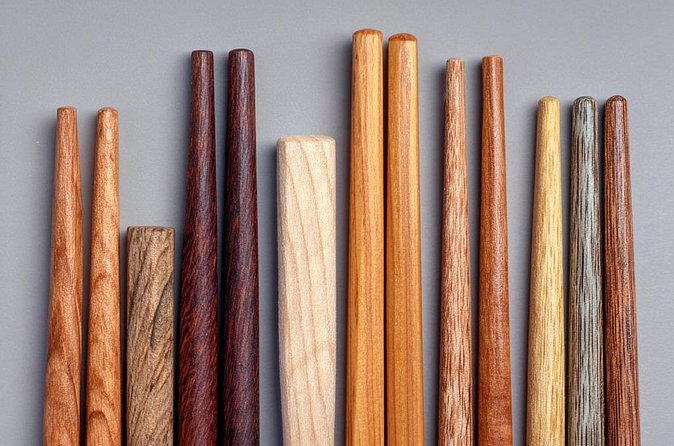
Wood choice gives the activity a personal touch. You can compare different Japanese woods by color, grain, texture, and scent before deciding what suits you. Two types are included in the base experience, and premium woods are available for an extra charge.
This choice matters more than it may sound. Softer wood can be easier for a first attempt, while harder wood can require more force and patience. One participant found that certain choices demanded noticeable muscle, particularly during the shaping stage. If you have never used a hand plane, I would begin with a manageable included wood rather than paying extra for the most difficult option.
The premium selection may be tempting, especially if you want a particular grain or darker finish. Still, check the price before committing. Several people felt the upgrade costs were high compared with the $20 entry price. You are paying for the material and the extra character, but the added cost does not change the basic length or structure of the class.
The shaping stage takes real effort
Once you have your wood, the main work begins. You use the kanna to shave the sticks gradually, checking the shape as you go. This is the part that gives the class its character. It is not a quick craft where you glue pieces together and call it finished.
You need to pay attention to symmetry. Chopsticks do not have to be factory-perfect, but the two pieces should feel comfortable together and taper in a usable way. Your instructor can help when the blade catches, the wood resists, or the shape begins to drift.
The process can be physical. You may need repeated strokes and a steady grip, especially with a harder wood. For this reason, the activity suits people who enjoy making things more than those looking for a completely passive break between sightseeing stops.
Tool condition can affect the experience. Some sessions have had blades that felt less sharp than ideal, making the work harder than it should be. If your kanna is not cutting cleanly, ask for help early rather than forcing it. A blunt tool can lead to rough surfaces and unnecessary frustration.
The positive side is that staff have allowed people to try again when a first attempt went wrong. That second chance matters for beginners. You do not need previous woodworking experience, but you do need to accept that the first pair may involve a little trial and error.
Sanding and oiling bring the pair together
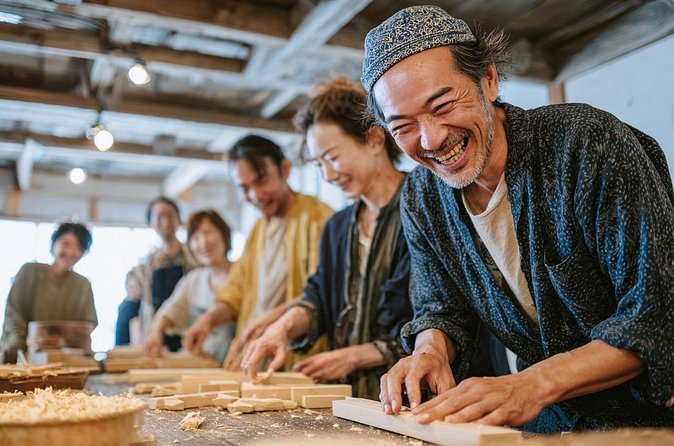
After shaping, you smooth the surface with sanding. This stage removes rough spots and helps turn the handmade form into something you can actually use. It is slower than the dramatic shaving stage, but it is where a rough project begins to feel finished.
The final treatment includes oiling the wood. This brings out the grain and gives the chopsticks a more polished appearance. Staff explain the sequence from shaving to sanding and oiling, so you can understand what each step does instead of simply following unexplained instructions.
The finished pair will show signs of being handmade. That is part of its value. One stick may not look exactly like the other, and the surface may carry small reminders of the work. If you want machine-perfect symmetry, this is not the right souvenir. If you want a functional object tied to your own time in Tokyo, the imperfections add character.
The shavings can also become part of the memory. You may be able to keep the curls of wood produced during the class, a small but unusual extra that helps explain how the chopsticks began.
More Shinjuku nights and walks:
- Tokyo: Shinjuku Food Tour (13 Dishes at 4 Local Eateries)
★ 5.0 · 6,603 reviews - Tokyo Bar Hopping Tour in Shinjuku (All-You-Can-Drink + Dinner)
★ 5.0 · 3,587 reviews - Tokyo: Shinjuku Food Tour (15 Dishes and 4 Eateries)
★ 4.9 · 2,033 reviews - Best of Shinjuku: Izakaya Food Tour (4 Stops, 14+ Tastings)
★ 5.0 · 1,863 reviews
Optional engraving adds a personal finish
Engraving is not included in the listed $20 price. The available information gives the engraving cost as 2,000 yen, so treat it as an optional add-on rather than an automatic part of the class.
A name or short personal mark can make the chopsticks more suitable as a gift or family keepsake. If you are making them for someone at home, engraving may be worth the extra money. If you already have a tight souvenir budget, the plain handmade pair is enough.
I would decide before the session whether engraving matters to you. The activity itself already offers a personal result, and the added charge can feel less attractive if you are also choosing premium wood. Ask about the exact current price and available design choices when you arrive, since the booking price covers the basic experience rather than every possible upgrade.
English support and the teaching style
English support is one of the strongest practical features. Tom and Yuki have been praised for explaining the steps in good English, and other instructors have been described as friendly, patient, and willing to return to a work station when help is needed.
The best instruction comes when the room is not full. In a packed session, an instructor may need to move quickly between several tables. One account of a crowded midday visit described limited assistance, while another found the activity hectic and the technique explanation too brief.
You can improve your own experience by asking questions as soon as something feels wrong. Do not wait until the chopstick is badly misshapen. The staff are there to guide you, and the format is built for beginners, but busy periods require you to speak up.
The workshop setup includes four tables with several workstations. That gives families and small groups a chance to sit together, though the maximum group size of 32 means the atmosphere can change sharply from one time slot to another.
Why families often enjoy this one-hour activity
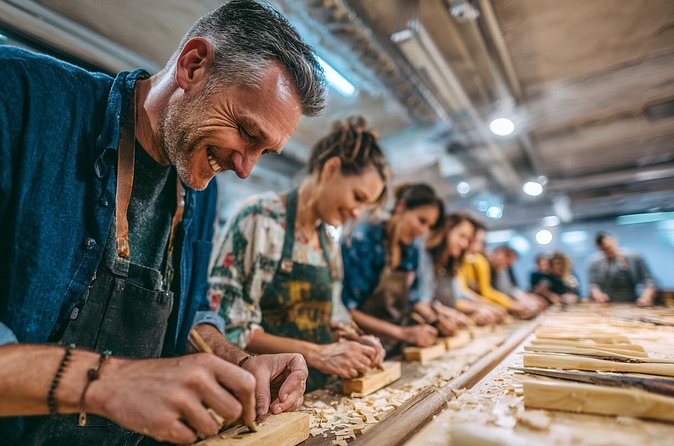
This is a useful choice for a mixed-age group because everyone can take part in the same task. A family ranging from age 10 to 84 was able to enjoy the activity together, and children can take pride in producing something they can use rather than simply watching an adult work.
Younger participants may need closer guidance with the kanna, while older children and adults can take on more of the shaping themselves. The staff-led format keeps the activity moving without requiring your family to know anything about woodworking.
It also gives a multigenerational group a shared story. At the end of a long Japan trip, you may remember major sights, but a crooked first shave or a pile of fragrant wood curls can be easier to recall. The result is modest, but the making is the point.
This also works for couples, friends, and solo participants. It is not designed as a quiet private lesson, so you should expect other people working nearby. Still, the short format fits neatly into a Shinjuku day.
Finding the Shinjuku meeting point
The meeting point is listed as 7-chōme-4-5 Nishishinjuku, Shinjuku City, Tokyo 160-0023, Japan, and the activity ends at that same location. It is near public transportation, with a mobile ticket accepted for entry.
Give yourself time to find the exact door. One serious complaint involved confusion over directions and multiple possible locations. Because the area has several similar-looking streets and workshop references can be easy to misread, check the address carefully before leaving your hotel and keep the mobile confirmation ready.
The supplied information identifies Nishishinjuku as the meeting area. Follow the booking instructions rather than relying on a random map result, especially if directions warn that map placement may be inaccurate. A few extra minutes spent checking the location can protect an otherwise short, tightly timed activity.
Is $20 good value?
At $20 per person, the basic class is reasonably priced for a one-hour guided craft in central Tokyo, provided you value the making process and not just the finished object. You receive instruction, materials, use of the tools, and a pair of chopsticks to take home.
The value weakens if you choose every add-on. Premium wood costs extra, and engraving adds 2,000 yen. Some people felt the higher-grade wood and engraving charges made the total too expensive, particularly when the tools were not always as sharp as expected.
I would compare this with the price of a nice ready-made pair in Japan. The workshop is not the cheapest way to acquire chopsticks. Its value comes from shaping them yourself, learning a traditional technique, and carrying home a souvenir connected to your time in Tokyo.
The strong 4.9 rating from 1,763 ratings and 99 percent recommendation indicate that the experience usually works well. They should not make you ignore the crowding issue. The best value comes when you arrive expecting a short, social craft class rather than a private artisan apprenticeship.
Who should book this experience?
I would recommend it to families, first-time visitors wanting a hands-on cultural activity, couples looking for a modest souvenir, and anyone who likes practical crafts. It is especially good for people who enjoy a finished object with visible evidence of the work behind it.
You should think twice if you dislike upselling, want a calm private setting, or have very little patience for repeated manual effort. The activity is beginner-friendly, but it is not effortless. Harder wood and blunt blades can make the shaping stage demanding.
Choose a less crowded time if your schedule allows. A quieter room should give you more time with an instructor and a better chance to learn the kanna technique properly. If you go at a busy midday hour, be ready to ask for help and take your time.
Should you book the Shinjuku chopsticks class?
Book it if you want a compact, memorable activity that gives you something useful to take home. The best parts are the direct contact with the wood, the patient help available from staff such as Masa, Tom, Yuki, Nana, and Kiwa, and the satisfaction of seeing rough sticks become your own pair.
I would book the basic option first, then decide on premium wood or engraving only after checking the extra cost. Confirm the Nishishinjuku address, arrive with enough time to find it, and avoid the busiest period if possible.
For $20, this is a good choice for a hands-on hour in Tokyo. It is less appealing as a bargain souvenir purchase, and crowded sessions can reduce the personal attention. Go for the process, not factory perfection, and you are more likely to leave pleased with both the chopsticks and the memory.
FAQ
Where does the chopsticks-making class take place?
The meeting point is 7-chōme-4-5 Nishishinjuku, Shinjuku City, Tokyo 160-0023, Japan.
Where does the activity end?
The activity ends back at the meeting point in Nishishinjuku.
How long does the workshop last?
The activity lasts approximately one hour.
How much does the class cost?
The listed price is $20 per person for the basic experience.
Is a mobile ticket accepted?
Yes. The experience includes a mobile ticket.
Can beginners join the workshop?
Yes. The instruction is designed to be beginner-friendly, and no previous woodworking skills are required.
How many people can join?
The activity can have a maximum of 32 participants.
How many wood types are included?
Two types of wood are included. Premium woods are available for a small additional charge.
Can I add engraving to the chopsticks?
Yes. Engraving is optional and is listed at 2,000 yen.
Can I cancel for a full refund?
Yes, if you cancel at least 24 hours before the experience start time. Cancellations within 24 hours are not refunded, and changes within that period are not accepted.
More Workshops in Tokyo
- Sushi Making Tokyo Roll and Authentic Japanese Sushi Class
★ 5.0 · 3,971 reviews - Tokyo: Roll and Authentic Sushi Making Class in Asakusa
★ 4.9 · 1,957 reviews - Tokyo: Sushi Making Class in a Happi Coat near a Famous Spot
★ 4.9 · 1,377 reviews - Chopstick Making Workshop in Ginza
★ 4.8 · 1,366 reviews
New on our Tokyo list
- From Tokyo: Mount Fuji & Hakone Full Day Private Tour★ 4.9 · 25 reviews
- Tokyo Spectacular View Day-Cruise in 90 Minutes★ 5.0 · 25 reviews
- Real Tokyo Runner Club : Daikoku Car Meet Night Tour with JDM Car★ 5.0 · 25 reviews
- 2.5 Hour-Guided Cycle Tour in the Central Tokyo★ 5.0 · 25 reviews
- Tokyo: 2-Hour Night Bike Tour of the City’s Hidden Gems★ 4.9 · 25 reviews
- Ramen Making from Scratch +Akihabara Tour –Cooking Class★ 5.0 · 25 reviews
- [Self-Drive] Tokyo & Daikoku Custom Car Driving Tour★ 4.9 · 25 reviews
- Samurai themed Entertainment show in Shinjuku★ 4.5 · 25 reviews
Japanese Culture Workshops, compared.
Kintsugi Experience: Art of Golden Joinery in Tokyo
Read our review →
Authentic Pure Gold Kintsugi Workshop with Master Taku in Tokyo
Read our review →
KABUKI Show at Kabukiza Theatre Admission Ticket
Read our review →
KABUKI, BUNRAKU, etc. presented by National Theatre
Read our review →
Kintsugi Workshop Class in Shibuya, Tokyo with mon cadeau
Read our review →
Discover the Art of Ikebana in Tokyo’s Historic Yanaka District
Read our review →Browse the lists this tour appears in