
Reviewed · TSUKIJI & TOYOSU MARKET TOURS
Tokyo: Tsukiji Fish Market Sushi Making Class with Pro Chef
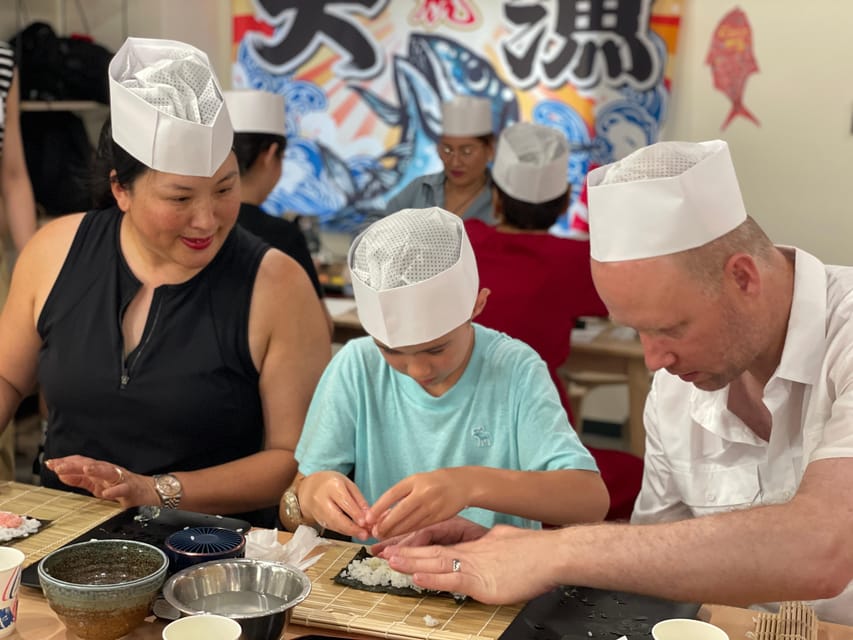
Tokyo’s Tsukiji Fish Market is a fine place to learn sushi because the lesson takes place right in the neighborhood that supplies it. In a traditional third-floor room, a professional sushi master demonstrates fish preparation, explains Japanese knives, and guides you through four nigiri and one maki roll.
I like the direct contact with the chef, and I like that you get to eat both your own work and an extra piece made at professional speed. The main catch is practical: the room is reached by stairs, dietary choices are limited, and the longer options may run beyond their scheduled end time.
In This Review
- Key points to know before booking
- Why Tsukiji is the right setting for a sushi lesson
- Inside the traditional third-floor classroom
- The fish-cutting demonstration comes first
- Making four nigiri and one maki roll
- The best lesson arrives on your plate
- How long does the class take?
- What the guides add
- Who will get the most from this experience?
- Is $63 a fair price?
- Small details that make the class work
- Should you book this Tsukiji sushi class?
- FAQ
- Where does the sushi-making class take place?
- How long does the experience last?
- What sushi will I make?
- Is an English-speaking instructor provided?
- Is food included?
- Can vegetarians or vegans join?
- Can children participate?
- Can I cancel or pay later?
Key points to know before booking
- Watch a fish preparation demonstration: The chef shows how fish is handled for sushi and sashimi before you pick up your own tools.
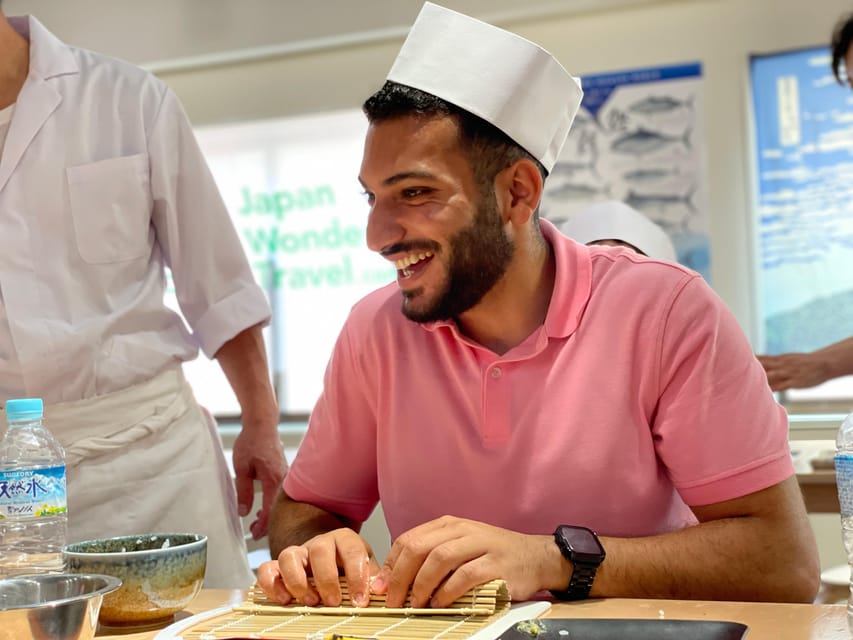
- Make five pieces of sushi: You prepare four kinds of nigiri and one maki roll, with help at each stage.
- Learn in Tsukiji itself: The classroom sits in a traditional building in the outer market, making it easy to pair with market browsing.
- Eat like a chef, at least briefly: The sushi master prepares an additional piece with fresh wasabi so you can compare technique and speed.
- Expect a small, friendly class: Several bookings describe groups of about six or fewer, though the exact size can vary.
- Plan around stairs and food restrictions: The classroom is on the third floor, and vegan, vegetarian, halal, kosher, and gluten-free requests are not generally accommodated.
Why Tsukiji is the right setting for a sushi lesson
Tsukiji is no longer Tokyo’s wholesale fish center. That role moved to Toyosu, but the outer market remains a major food district filled with seafood shops, prepared foods, cooking supplies, and small restaurants. This class uses that setting well.
You do not simply sit in a generic cooking studio and make rice rolls. You reach the classroom through Tsukiji’s traditional market area, then work with ingredients and utensils sourced locally. That connection gives the lesson more meaning. You can see the neighborhood first, then handle the kind of food it is known for.
Some booking options include a market walk before the class. That portion may introduce you to fish, other foods, nearby shrines, and local customs. It is not included with every option, so check the specific choice you book. The sushi lesson itself does not promise a full market tour or general guidance through Tsukiji.
For the best use of your time, pair the class with your own market visit before or after. The class location makes this simple, but remember that market stalls and food shops are part of a working district. You will get more from the area if you arrive ready to look, listen, and avoid blocking narrow passages.
More market mornings in Tokyo:
- Tokyo Tsukiji Fish Market Food and Culture Walking Tour
★ 5.0 · 3,184 reviews - Tokyo: Tsukiji Fish Market Food and Walking tour
★ 5.0 · 1,724 reviews - Tokyo: Tsukiji Fish Market Guided Walking Tour
★ 4.9 · 1,397 reviews
Inside the traditional third-floor classroom
The classroom is in a classic Japanese-style building tucked into the market area. It is on the third floor, with stairs only. That matters more than it may sound, especially if you are carrying shopping bags or traveling with someone who has trouble walking.
The room is set up for hands-on work rather than a formal lecture. An English-speaking host interprets and explains the chef’s instructions, while the sushi master handles the technical teaching. Staff names vary by session. Hosts and chefs have included Satoko, Yuko, AJ, Ike, Shoko, Tack, Kate, Koro, Tanaka, and Kana.
That changing cast is worth noting. You should expect the same basic format, but not necessarily a particular chef unless your booking confirms one. The strongest sessions appear to depend on the teamwork between the host and chef. A good host keeps the English explanations clear while the chef watches hand position, rice pressure, knife use, and presentation.
The class works especially well when the group is small. One session had six people, which allowed everyone to hear, ask questions, and receive individual feedback. The exact group size is not guaranteed, but this is not presented as a large demonstration where you sit far from the action.
The fish-cutting demonstration comes first
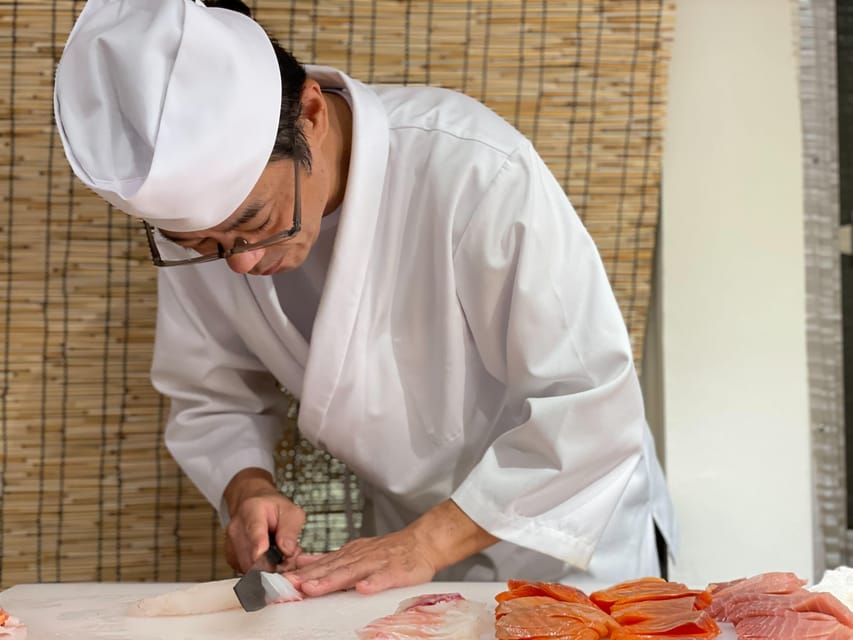
Before making sushi, you watch the chef prepare fish. This is an important part of the lesson because sushi is not just rice topped with seafood. The way a chef cuts, portions, and handles the fish affects texture, appearance, and how the piece feels in your mouth.
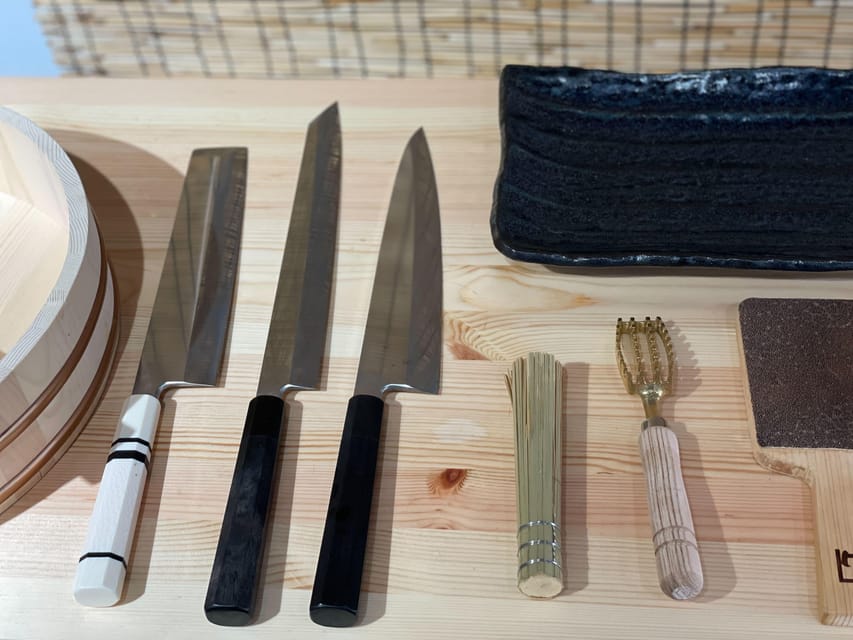
The chef explains the steps used to prepare fish for sushi, with added attention to sashimi preparation in some sessions. You also learn about Japanese knives. This gives you useful context before you begin handling ingredients, even if you do not perform every professional cutting task yourself.
I like this section because it shows the work behind a small piece of nigiri. In a restaurant, the fish may arrive at your table looking effortless. Here, you see that the neat slice and clean shape come from practiced movements.
The demonstration can also help if you are unsure about raw fish. One participant who normally avoids raw fish still found the fresh ingredients approachable. That does not mean the class can promise a specific comfort level, but the chef’s explanations give you a clearer idea of what you are eating.
Making four nigiri and one maki roll
The hands-on portion focuses on two basic sushi forms. Nigiri is the familiar hand-formed rice topped with fish or another ingredient. Maki is rolled sushi, usually shaped with a sheet of seaweed and then cut into pieces.
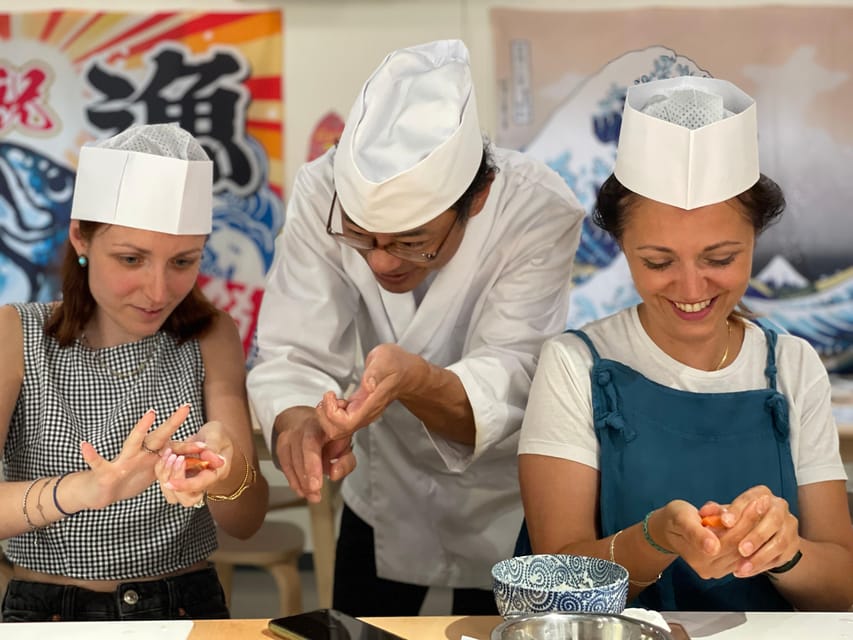
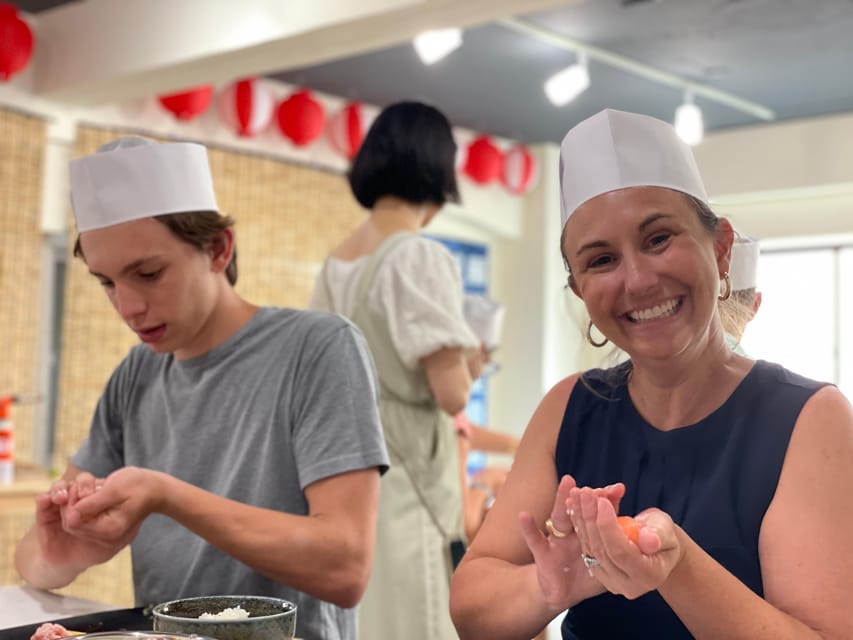
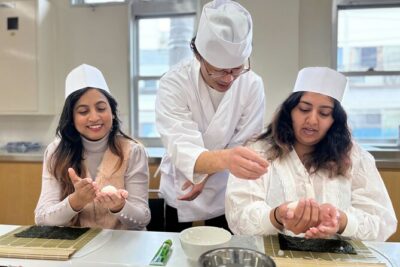
You learn how to shape the rice, place the topping, and form the sushi in the proper order. The chef demonstrates each step, then lets you copy it. The host translates and helps you keep up. You are not expected to arrive with cooking skills.
The class includes four different nigiri sushi and one maki sushi. That is enough variety to show how the same ingredients behave in different forms, without turning the lesson into a rushed survey of every sushi style in Japan.
You should expect the first piece to be a little uneven. That is part of the fun. Sushi rice is sticky, delicate, and easy to compress too firmly. The goal is not to produce restaurant-perfect pieces on your first try. It is to learn the movements, understand the balance of rice and topping, and leave with skills you can practice at home.
The chef corrects technique as you work. Participants have particularly valued clear explanations of the hows and whys, not just instructions to copy. That distinction matters. You learn why the rice is shaped carefully, why the fish is cut in a certain way, and how presentation affects the finished piece.
More sushi mornings and classes:
- Sushi Making Tokyo Roll and Authentic Japanese Sushi Class
★ 5.0 · 3,971 reviews - Tokyo: Roll and Authentic Sushi Making Class in Asakusa
★ 4.9 · 1,957 reviews - Make Sushi and Create Unforgettable Memories in Tokyo
★ 5.0 · 1,413 reviews - Tokyo: Sushi Making Class in a Happi Coat near a Famous Spot
★ 4.9 · 1,377 reviews
The best lesson arrives on your plate
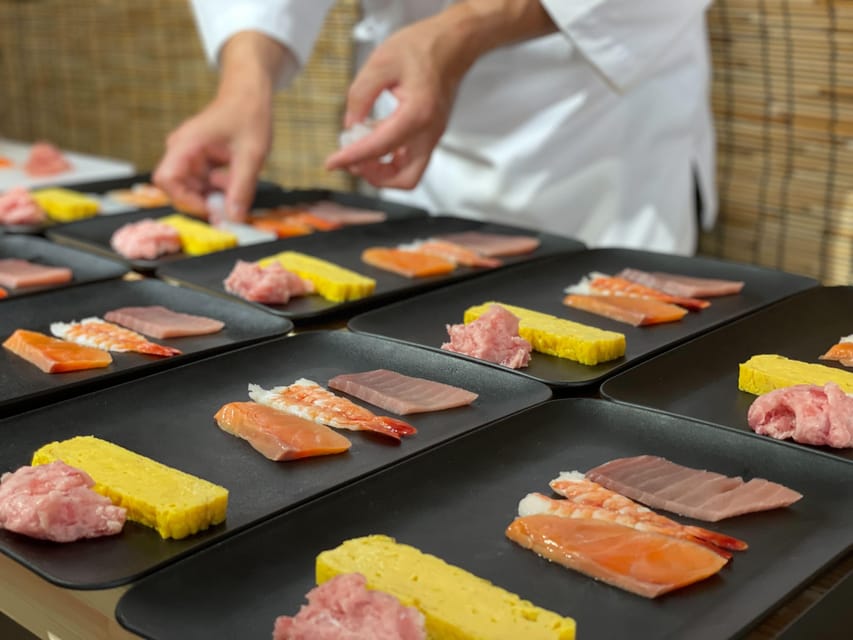
After making your sushi, you eat it. The menu includes your four nigiri and one maki, along with additional sushi made by the master.
That extra sushi is more than a bonus serving. Watch the chef’s hands. The difference between beginner technique and professional technique becomes clear in the speed, pressure, and shape of the finished piece. Freshly prepared wasabi adds another small lesson in flavor and balance.
You also receive traditional dashi soup and green tea. The soup gives the meal a warm, savory note, while the tea works as a natural match for the sushi. Extra food and drink are not included, so do not assume the class will replace a full lunch if you have a large appetite.
This eat-what-you-make format gives the class a satisfying finish. You are not carrying a boxed result home or watching someone else do all the work. You prepare the food, sit down, and taste the outcome while the techniques are still fresh in your mind.
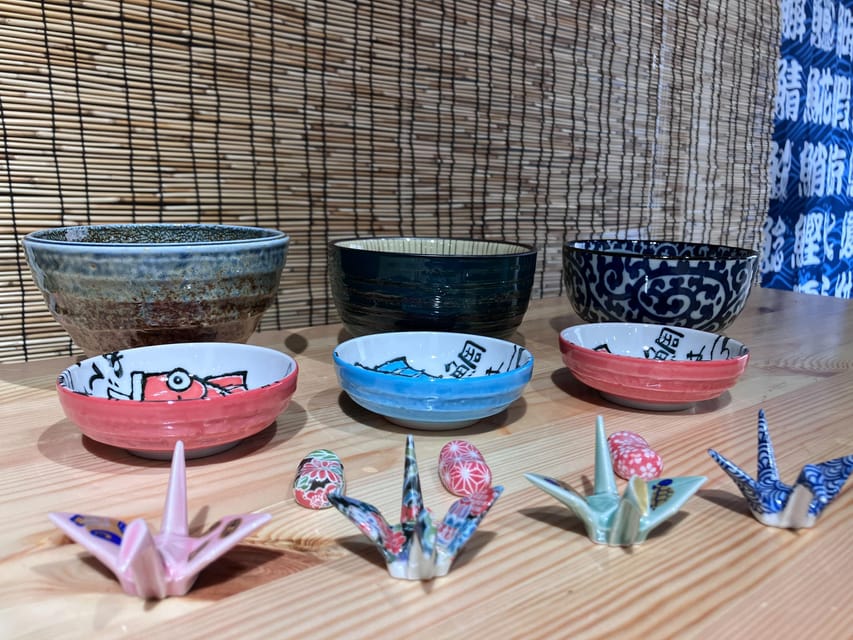
A hat is included as part of the workshop. Proper sushi utensils and tableware are also provided, with the aim of making the experience feel like a real lesson rather than a casual craft activity.
How long does the class take?
The advertised duration ranges from 90 minutes to four hours. That is a wide spread, so look closely at the option and starting time you choose.
The shorter format is mainly the sushi-making session. Longer choices may include a market walk or additional area guidance. Several sessions have been described as roughly an hour and a half for the introduction and sushi work, while other bookings included time around Tsukiji with a guide.
Do not schedule a train, restaurant reservation, or major attraction immediately afterward. The activity may run past its planned end, and the provider asks you to mention any firm appointment in advance. This is sensible advice for a hands-on class, where a late arrival or a slower group can affect the timing.
Morning bookings fit naturally with Tsukiji. You can explore the market area before or after, then continue to another central Tokyo sight. If you select a longer option, allow enough room for the market walk and the lesson rather than treating the four-hour maximum as a rough estimate.
What the guides add
The chef teaches the food. The English-speaking host makes the lesson usable for you.
That division works well. The chef can focus on preparation and technique, while the host explains Japanese terms, cultural points, and instructions in clear English. Hosts such as Yuko, AJ, Ike, and Tack have been singled out for patience, humor, and strong explanations.
A market guide can add another layer. You might learn about the types of fish sold in Tsukiji, other foods brought into the area, and nearby shrines. That is useful if you want more than a cooking class, but it belongs to the market-walk option rather than the basic lesson.
The cultural material also reaches beyond recipes. Sessions have included explanations of sushi traditions, how sushi is eaten, and a blessing before the meal. These details are modest, but they help you understand the food as part of Japanese daily life rather than as a dish copied for tourists.
Names and staff assignments can change. Book this for the format and location, not because a particular chef is guaranteed unless the reservation details say so.
Who will get the most from this experience?
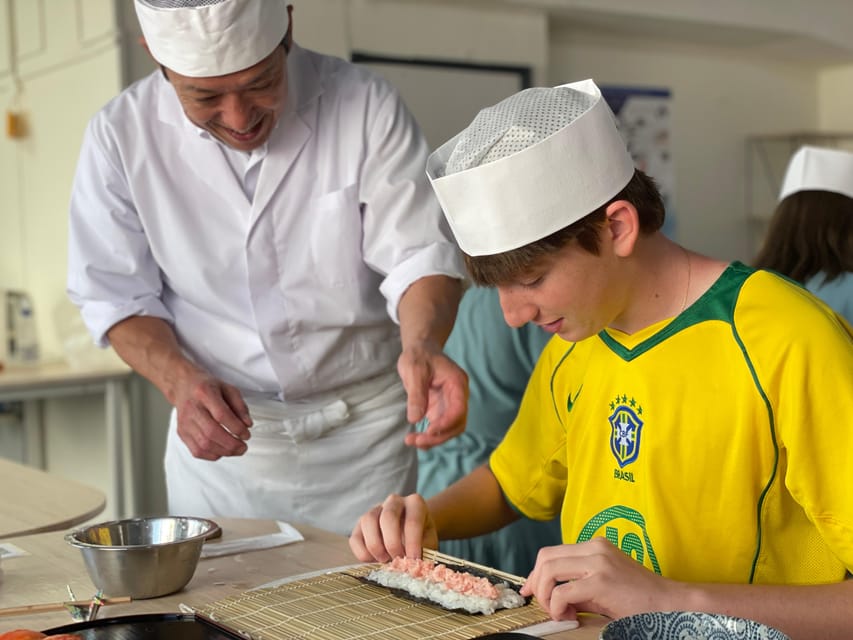
This is a strong choice for first-time sushi makers, families with older children, couples, solo visitors, and anyone who wants a meal with a practical activity attached. Children under four are not accepted. Several families found it suitable for children around six or seven and older, while one booking described a good fit for children over eight who can listen and stay focused.
It also suits people who want to understand sushi but do not want a highly technical culinary course. You learn basic nigiri and maki techniques, fish preparation, knives, ingredients, and table manners. You do not become a professional sushi chef in 90 minutes.
The class can work for a mixed group. You might be an enthusiastic cook, a complete beginner, or someone who simply likes eating sushi. The chef’s step-by-step help keeps the level approachable.
It is not suitable for wheelchair users or people with mobility impairments because of the stairs. Vegans and vegetarians should not book this class. Halal, kosher, and gluten-free needs generally cannot be accommodated, although the staff may try to help with specific allergies if you declare them at reservation time. There is no guarantee, so ask before paying.
Is $63 a fair price?
At $63 per person, the cost is reasonable if you value instruction, fresh ingredients, a market setting, the sushi you prepare, extra sushi from the chef, tea, soup, and an English-speaking host.
You are paying for more than a meal, but less than a serious professional cooking course. The real value is the combination of demonstration and practice. You see fish preparation, use proper tools, receive feedback, and eat the result. A market walk, if included in your selected option, makes the price easier to justify.
The value drops if you only want to eat excellent sushi. Tsukiji offers plenty of places to buy food without taking a class. Book this when you want to understand the work behind the meal and take home a few useful skills.
The reserve-now, pay-later option can help if your Tokyo schedule is still moving around. Free cancellation is available up to 24 hours before the activity for a full refund. Confirm the meeting point because it can vary by option.
Small details that make the class work
The strongest part of this activity is its balance. The chef demonstrates, you practice, and then you eat. None of those parts is left out.
The small-group feel also matters. You can ask about ingredients, sushi history, knife use, or the proper way to eat. The staff has also helped make the class comfortable for families and for people arriving late because of transport trouble, though you should still aim to arrive on time.
The setting adds character without requiring a long trip across Tokyo. You are already in Tsukiji, and the market can fill the rest of your morning. Just keep your schedule loose, especially for the longer options.
Should you book this Tsukiji sushi class?
Book it if you want a friendly, hands-on introduction to sushi in the middle of Tokyo’s famous fish-market district. The class gives you real instruction, fresh ingredients, traditional tools, a professional demonstration, and a meal you helped make.
Skip it if you have strict dietary restrictions, cannot manage three flights of stairs, or would rather spend your time simply eating at market counters. For everyone else, the $63 price is a fair trade for a clear lesson and a memorable way to connect Tsukiji with the food on your plate.
FAQ
Where does the sushi-making class take place?
The class takes place in a traditional Japanese-style building in the center of Tsukiji’s outer fish market area. The classroom is on the third floor and can only be reached by stairs.
How long does the experience last?
The available options range from 90 minutes to four hours. Check the specific option for its starting time and length, since longer choices may include additional market activities.
What sushi will I make?
You will make four different nigiri sushi and one maki sushi. The chef guides you through the steps and helps you as you work.
Is an English-speaking instructor provided?
Yes. An English-speaking host interprets and guides you throughout the class, alongside the professional sushi chef.
Is food included?
Yes. Your handmade sushi is included, along with additional sushi prepared by the chef, tea, and traditional dashi soup. Extra food and drinks are not included.
Can vegetarians or vegans join?
No. The experience is not suitable for vegans or vegetarians. Halal, kosher, and gluten-free requests are also not generally accommodated.
Can children participate?
Children under four years old cannot join. The class has been suitable for older children who can listen and pay attention, with several family bookings involving children around six or seven and older.
Can I cancel or pay later?
You can cancel up to 24 hours before the activity for a full refund. A reserve-now, pay-later option is also available, depending on the booking choice.
More Shopping Tours in Tokyo
- Tokyo Food Tour Taste Fresh Delights at Tsukiji Market
★ 5.0 · 429 reviews - Tokyo Tsukiji Fish Market Tour and Sushi Making Lesson
★ 5.0 · 390 reviews - Tsukiji Fish Market: Street Food & Culture Walking Tour
★ 4.8 · 259 reviews - Tokyo Washoku 4-hour Cooking Class: From Market to Table
★ 5.0 · 253 reviews
More Markets in Tokyo
- Tsukiji Fish Market Guided Tour and Sushi Making with Pro Chef
★ 5.0 · 775 reviews - Tokyo: Tsukiji Fish Market Food and Culture Walking Tour
★ 4.7 · 757 reviews - Tsukiji Fish Market: Street Food & Culture Walking Tour
★ 5.0 · 669 reviews - Tsukiji Fish Market Small-Group Food Walking Tour
★ 5.0 · 621 reviews
New on our Tokyo list
- From Tokyo: Mount Fuji & Hakone Full Day Private Tour★ 4.9 · 25 reviews
- Tokyo Spectacular View Day-Cruise in 90 Minutes★ 5.0 · 25 reviews
- Real Tokyo Runner Club : Daikoku Car Meet Night Tour with JDM Car★ 5.0 · 25 reviews
- 2.5 Hour-Guided Cycle Tour in the Central Tokyo★ 5.0 · 25 reviews
- Ramen Making from Scratch +Akihabara Tour –Cooking Class★ 5.0 · 25 reviews
- [Self-Drive] Tokyo & Daikoku Custom Car Driving Tour★ 4.9 · 25 reviews
- Tokyo: 2-Hour Night Bike Tour of the City’s Hidden Gems★ 4.9 · 25 reviews
- Samurai themed Entertainment show in Shinjuku★ 4.5 · 25 reviews
Tsukiji & Toyosu Market Tours, compared.

Tokyo Tsukiji Fish Market Food and Culture Walking Tour
Read our review →
Tokyo Sushi Making Class in Tsukiji with Professional Chef
Read our review →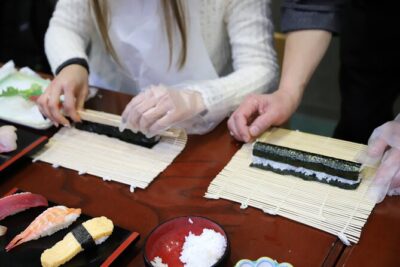
Tsukiji Fish Market Guided Tour and Sushi Making with Pro Chef
Read our review →Tsukiji Fish Market Food and Culture Walking Tour
Read our review →
Tsukiji Fish Market: Street Food & Culture Walking Tour
Read our review →
Tsukiji Fish Market Small-Group Food Walking Tour
Read our review →Browse the lists this tour appears in