
Reviewed · KIMONO EXPERIENCES
Let’s make kimono !(Kimono is a gift for you
The unusual part here is that you do not simply rent a kimono for an hour. You choose a vintage garment, adjust it to your shape, and take it home. The friendly staff, including English-speaking instructor Oto Ha, guide you through simple cutting, folding, taping, and ironing techniques.
I like the personal fitting and the chance to keep the finished kimono. I also like the small setting in an older residential part of Koto City, where the experience feels more like visiting a local home than entering a large costume shop. The main thing to consider is that this is an upcycling workshop, not a full lesson in traditional kimono construction, and many prettier options cost extra.
In This Review
- Key points at a glance
- Choosing a vintage kimono in Kiba
- What you actually make during the 90 minutes
- Learning to wear the outfit
- Men’s and children’s kimono options
- Photo time and the kimono you keep
- The home-studio setting and group size
- What the experience teaches, and what it does not
- Price, upgrades, and overall value
- Who should book this Tokyo activity
- Practical details before you go
- Should you book the kimono workshop?
- FAQ
- Where does the kimono experience take place?
- How long does the workshop last?
- What is included in the price?
- Are extra charges possible?
- Can men join the experience?
- Can children participate?
- Are sandals and tabi included?
- How many people can join one session?
- Can I cancel or change my booking?
Key points at a glance
- You choose a vintage kimono: Basic garments are included, with upgrades generally costing ¥2,000 to ¥6,000.
- You learn an easier way to wear it: The staff show you how to adjust and put on the garment without mastering formal dressing.
- You take the kimono home: The finished piece becomes a wearable souvenir rather than a rental memory.
- Men and children can join: Men may add a haori, while children have separate fitting arrangements.
- Photos are part of the experience: Staff take pictures in your completed outfit.
- The group stays small: The maximum is five people, which allows for direct help.
Choosing a vintage kimono in Kiba
The experience begins at a home studio at 6-chōme-8-6 Kiba, Koto City. The address is in a residential area rather than one of Tokyo’s obvious sightseeing districts, so allow time to find the entrance and check your phone carefully as you approach. The setting can feel slightly uncertain at first, especially if you expect a shopfront, but the meeting point is correct.
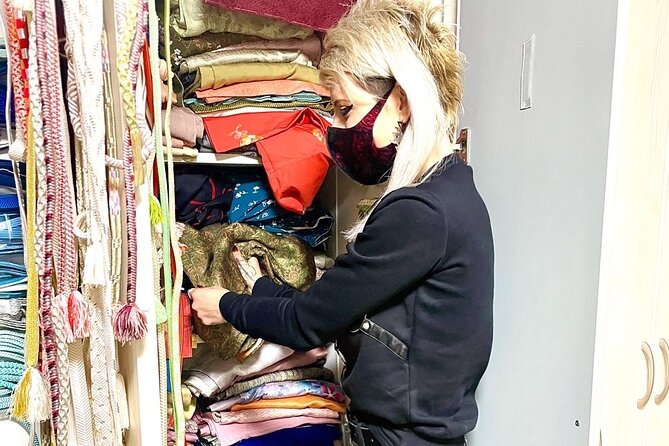
Inside, you choose from preowned and vintage kimonos in different colors, prints, fabrics, and levels of decoration. That choice is one of the best parts of the session. Instead of being handed a standard outfit, you can look for something that suits your taste, height, and body shape.
The basic price is $43.11 per person. It includes the kimono and the main obi accessories, but not every kimono on the racks. More elaborate garments usually require an additional ¥2,000 to ¥6,000. This is not an unreasonable upgrade range, but you should ask about the price before settling on a fabric.
A few people have paid more for a complete, fancier set, including the kimono, collar, obi, and related pieces. That can push the total well beyond the advertised starting price. I recommend treating the base fare as an entry price for a basic vintage option, not as a guarantee that every beautiful garment is included.
More kimono fittings and strolls:
- Tokyo: Matcha and Kimono Experience
★ 4.7 · 219 reviews - Tokyo: Asakusa Kimono Dressing and Matcha Experience
★ 4.9 · 173 reviews - Asakusa: Kimono Tea Ceremony with Matcha and Sweet
★ 4.9 · 153 reviews
What you actually make during the 90 minutes
The name suggests that you will construct a kimono from the first stitch onward. That is not quite what happens. You select an existing kimono and alter it so it becomes easier to wear. In some cases, the garment is cut or divided into a jacket and skirt-like lower piece, creating a practical modern version rather than a formally constructed kimono.
You may hem the waist, fold fabric, cut where needed, and use tape or an iron to help secure the shape. The work is simple enough for most people who can cut, fold, and iron. If you are unsure, the staff step in and help you through the process.
This approach has a clear benefit: you leave with a garment you can put on more easily. Traditional kimono dressing can be complicated, and formal fitting requires several layers, careful wrapping, and skilled assistance. Here, you learn a method that makes the clothing more usable for visitors who want to wear it again.
It also creates the experience’s main limitation. If you want a detailed history lesson, professional sewing instruction, or a traditional kimono-making class, this is not the right match. The focus is practical alteration, fitting, styling, and enjoyment.
Learning to wear the outfit
After you choose and adjust the garment, the staff show you how to wear it. For women, the process includes selecting a kimono, customizing it to your size, and learning how the garment and obi work together.
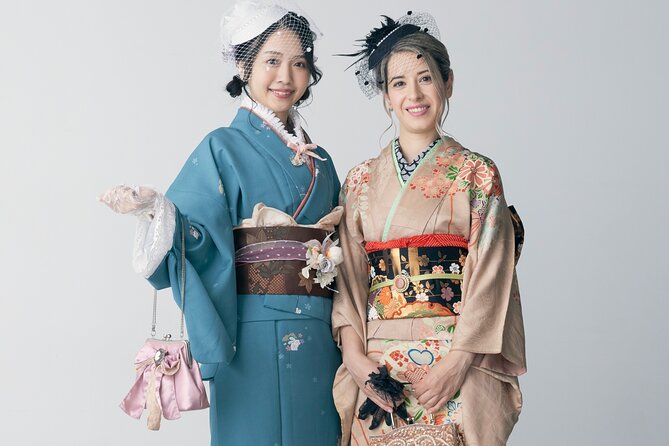
The included accessories are important. The package covers an obi, plus an obiage, obijime, and obi pillow. These pieces help create the finished look and give you a better sense of how the outfit is assembled.
Japanese sandals and tabi socks are not included. If you want a complete traditional look for photos, you need to arrange those separately or use your own footwear. The supplied information does not promise a full hair or makeup service, so plan on arriving ready for pictures in your chosen outfit.
The staff also offer practical advice on styling. If you are tall or larger than the average Japanese body type, this can be especially useful. The garment is adjusted to your measurements, and the workshop can show you techniques for making a vintage kimono more workable for your shape.
That flexibility is valuable. Standard rental shops often work from fixed sizes and short dressing appointments. Here, the fitting process is part of the activity, so the final result can feel more personal.
Men’s and children’s kimono options
Men choose a kimono, and they can add a haori jacket and kimono set for an additional ¥2,000. Men also receive a distinctive personal touch: the staff print their name in Kanji and let them choose the font color before ironing it onto the kimono.
Boys can receive a similar Japanese name print on the collar. This gives children a small souvenir detail that feels made for them rather than pulled from a costume rack.
Girls follow a different arrangement from the women’s kimono program. Some children’s kimonos do not need size adjustments, so the material can be worn without cutting. That means the child’s session may not follow the exact same process as an adult’s.
Families should keep this difference in mind. The experience can work well for parents and children, but everyone may not be doing identical steps at the same time. Staff help with fitting and dressing, and the small group size makes it easier to give children attention.
The activity also suits a mother and daughter, friends, or a multigenerational group. One older participant in her late 70s had no problem with the session, though you should still consider your own comfort if sitting or working at a low level is difficult.
A few more Tokyo bookings worth comparing
- Mt Fuji and Hakone 1-Day Bus Tour Return by Bullet Train
★ 5.0 · 26,383 reviews - 1-Day Tokyo Bus Tour
★ 5.0 · 14,250 reviews - Tokyo: TOKYO SKYTREE® Admission ticket
★ 4.5 · 11,192 reviews - Tokyo: teamLab Planets TOKYO Digital Art Museum Entry Ticket
★ 4.6 · 9,779 reviews
Photo time and the kimono you keep
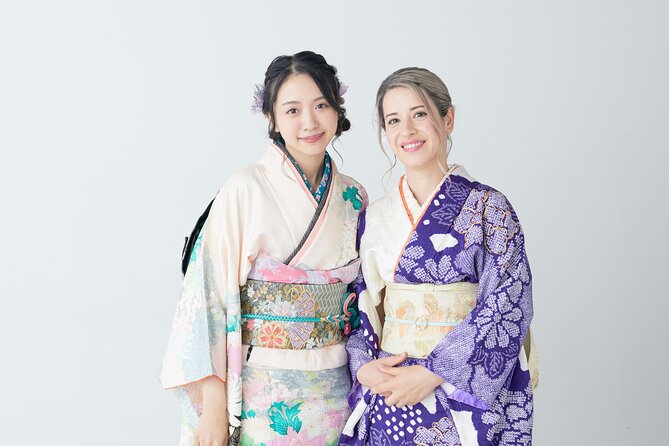
Once the garment is adjusted and dressed, you have a photo session. Staff take pictures of you in the finished outfit, giving you a record of the activity even if your phone battery is low.
The photos matter because the completed garment is meant to go home with you. You are not just wearing a rented costume for a few minutes. You are creating a souvenir that can be worn separately or together, depending on how it was altered.
One useful feature is the practical nature of the final piece. The workshop teaches you how to manipulate the garment so you can wear it more quickly on your own. That makes it more useful than a fragile keepsake that stays in a suitcase.
Still, inspect the fabric before choosing. These are vintage kimonos, and some may have stains or signs of age. For many people, that wear is part of the charm. If you want spotless fabric, ask to see several choices and check the sleeves, collar, and lower hem in good light.
The home-studio setting and group size
The maximum group size is five people. That is small enough for hands-on help, especially when several participants need advice with cutting, fitting, or ironing.
The home setting gives the activity a personal feel. You are working with staff in an older district rather than moving through a polished chain rental shop. I like that connection to everyday Tokyo, but it also means you should not expect a formal museum-style presentation.
The atmosphere is friendly and relaxed. Staff help when you get stuck, answer questions, and assist with dressing. English support is available through the instructor, and clear communication is important because the fitting steps need to be understood.
Morning and afternoon sessions are offered. A 90-minute appointment is easy to place between sightseeing plans, but I would avoid scheduling it too tightly against a major timed attraction. Finding the home studio, choosing a garment, handling possible upgrades, and taking photos all work better when you are not watching the clock.
What the experience teaches, and what it does not
You learn useful basics about how a kimono is shaped, adjusted, and worn. You also get a sense of how obi accessories change the finished appearance. Questions about fabrics, styling, and the clothing tradition are welcome, and the staff can offer fashion advice.
The cultural information is less structured. There is no clear promise of a formal history talk or presentation about the origins and customs of kimono wear. If cultural background is important to you, prepare questions and ask them during the workshop.
That is not necessarily a flaw. Some people want to spend the full 90 minutes making and wearing something. Others expect a guided cultural lecture and may feel the activity is too focused on the craft. Think of it as a hands-on introduction with cultural conversation, not a history class.
The workshop has also received an Omotenashi Selection Gold Award, a Japanese recognition chosen by a panel of foreigners living in Japan. That gives you some useful context about the service’s international appeal, but the real test is simple: do you want to alter and wear a vintage kimono, or do you want to rent a formally dressed outfit?
Price, upgrades, and overall value
At $43.11, the experience offers more than a standard short-term rental because the kimono is yours to keep. The base price also includes the obi, obiage, obijime, and obi pillow, so you are not paying separately for every core dressing piece.
The value depends on your fabric choice. Basic kimonos are included, while more ornate options add roughly ¥2,000 to ¥6,000. An extra charge may also apply to a fancier obi or other accessories. Ask for the full cost before the garment is altered.
I consider the price fair if you want three things at once: a creative activity, help learning to wear kimono, and a souvenir you can use later. It is less attractive if you only want a brief photo in a traditional outfit and do not care about taking the garment home.
Japanese sandals and tabi are not included, which keeps the starting price lower but leaves your footwear incomplete. You can still enjoy the session without them, but anyone planning a carefully styled photo should budget for that separately.
Who should book this Tokyo activity
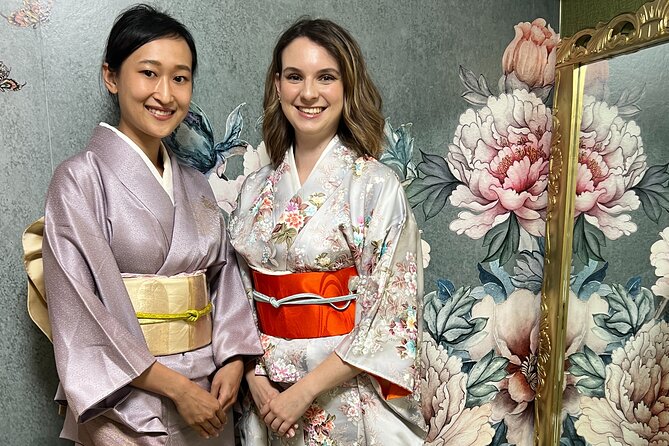
I would choose this workshop if you like making things, enjoy browsing textiles, or want an experience with a local feel. It is also a good choice for families, couples, teenagers, and visitors who have trouble finding standard rental sizes.
It suits larger and taller participants particularly well because the garment is customized. Children can join, and boys and girls have their own options. The five-person limit is helpful for families who want direct assistance.
I would hesitate if your main goal is formal kimono dressing with a detailed explanation of Japanese clothing history. I would also be cautious if you dislike cutting vintage fabric or want a perfectly spotless, museum-quality garment.
The title can create the wrong expectation. You are not sewing a traditional kimono from raw cloth. You are adapting a vintage kimono into an easier-to-wear piece, then learning how to style and wear it. Once you understand that, the activity makes much more sense.
Practical details before you go
Confirmation is provided when you book, and the experience ends back at the meeting point in Kiba. It is near public transportation, though the exact route is not provided here, so use the full address and allow extra time for the residential setting.
Most people can participate, and service animals are allowed. Morning and afternoon appointments give you some flexibility, but the activity requires good weather under its stated policy. If poor weather causes cancellation, you are offered another date or a full refund.
Your own cancellation policy is strict: the experience is non-refundable and cannot be changed for any reason after booking. Check your schedule carefully before paying.
Wear clothing that allows you to change or adjust comfortably. Since you may work with fabric, tape, and an iron, avoid bringing anything that makes movement difficult. Also bring your phone for photos, but do not rely on it alone if battery life is low because staff take pictures as part of the session.
Should you book the kimono workshop?
Book it if you want a hands-on souvenir, personal help with fitting, and a relaxed activity away from Tokyo’s busiest tourist streets. The staff are warm and supportive, the fabric choices are broad, and the final kimono can be worn again.
Skip it if you want a formal traditional dressing ceremony, a full history lecture, or a rental-only experience with no alterations. Also keep extra money available for ornate kimono, obi, or a men’s haori set.
For most visitors who understand the upcycling format, this is a memorable and reasonably priced way to meet local hosts, learn useful clothing techniques, and leave Tokyo with something genuinely personal.
FAQ
Where does the kimono experience take place?
It takes place at 6-chōme-8-6 Kiba, Koto City, Tokyo 135-0042, Japan. The activity ends back at the same meeting point.
How long does the workshop last?
The experience lasts approximately 1 hour and 30 minutes.
What is included in the price?
The price includes a kimono, obi, obiage, obijime, and obi pillow. The obi and related accessories are provided as free rentals and may also be available for purchase.
Are extra charges possible?
Yes. Upgraded women’s kimonos generally cost an additional ¥2,000 to ¥6,000. A men’s haori and kimono set costs an additional ¥2,000, and some obi or more ornate items may also cost extra.
Can men join the experience?
Yes. Men can choose a kimono, add a haori set for an extra charge, and have their name printed in Kanji with a choice of font color.
Can children participate?
Yes. Children’s kimono options are available for both girls and boys. Some children’s garments do not require size adjustment, and boys can have a Japanese name printed on the collar.
Are sandals and tabi included?
No. Japanese sandals and tabi are not included in the experience.
How many people can join one session?
The activity has a maximum of five participants.
Can I cancel or change my booking?
The experience is non-refundable and cannot be changed for any reason. If the provider cancels because of poor weather, you can choose another date or receive a full refund.
New on our Tokyo list
- From Tokyo: Mount Fuji & Hakone Full Day Private Tour★ 4.9 · 25 reviews
- Tokyo Spectacular View Day-Cruise in 90 Minutes★ 5.0 · 25 reviews
- Real Tokyo Runner Club : Daikoku Car Meet Night Tour with JDM Car★ 5.0 · 25 reviews
- 2.5 Hour-Guided Cycle Tour in the Central Tokyo★ 5.0 · 25 reviews
- Ramen Making from Scratch +Akihabara Tour –Cooking Class★ 5.0 · 25 reviews
- [Self-Drive] Tokyo & Daikoku Custom Car Driving Tour★ 4.9 · 25 reviews
- Tokyo: 2-Hour Night Bike Tour of the City’s Hidden Gems★ 4.9 · 25 reviews
- Samurai themed Entertainment show in Shinjuku★ 4.5 · 25 reviews
Kimono Experiences, compared.

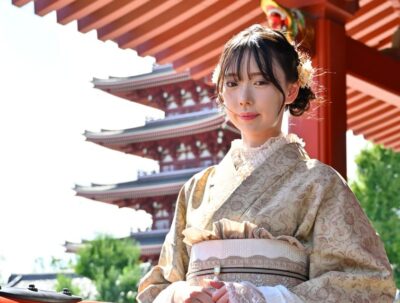
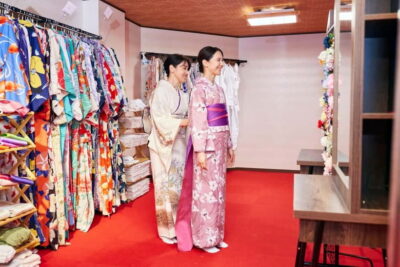
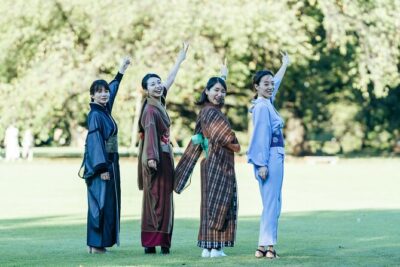
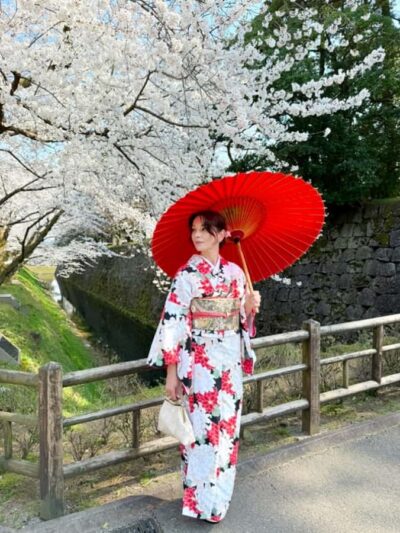
Tokyo Asakusa: Traditional Kimono Rental Experience at Wargo
Read our review →
Tokyo Asakusa: Miu Kimono Rental and Optional Photoshoot
Read our review →
Tokyo Authentic Kimono Rental in Asakusa with Photography Option
Read our review →
Kimono Rental inside Shinjuku Gyoen National Garden
Read our review →Browse the lists this tour appears in