
Reviewed · TEA CEREMONIES
Tokyo: Matcha and Kimono Experience
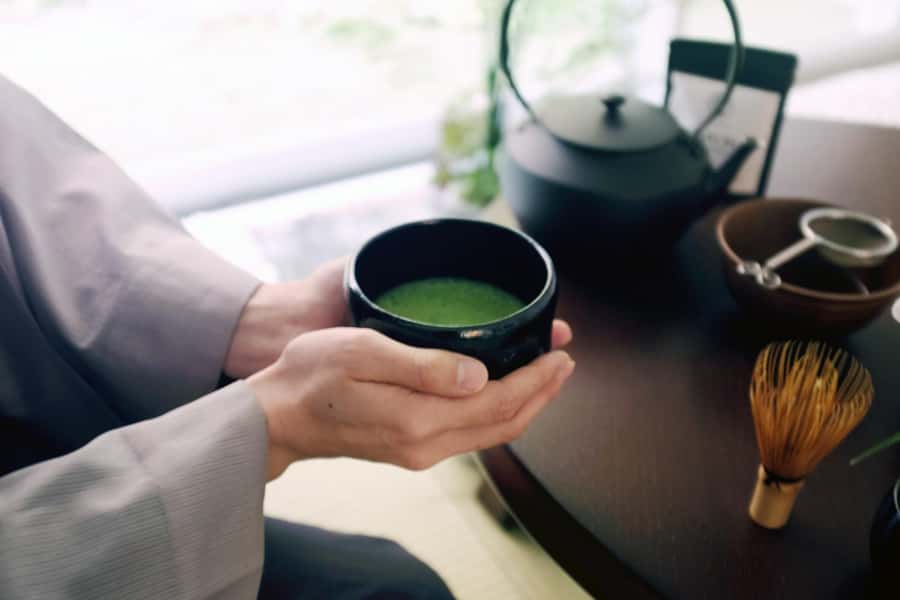
Tokyo’s matcha and kimono experience gives you more than a quick cup of green tea. You choose an easy-wear kimono, taste first-flush matcha from a large Japanese collection, and learn why tea preparation is tied to manners, attention, and hospitality.
I like the hands-on format, especially making your own bowl with traditional tools. I also like the chance to compare real matcha with imitation powder and to learn how Japanese tea differs from green, black, and Chinese teas. The main consideration is pacing: some participants have wished for more time making matcha and less time on kimono dressing.
In This Review
- Key points at a glance
- Starting near Yotsuya, not Shinjuku proper
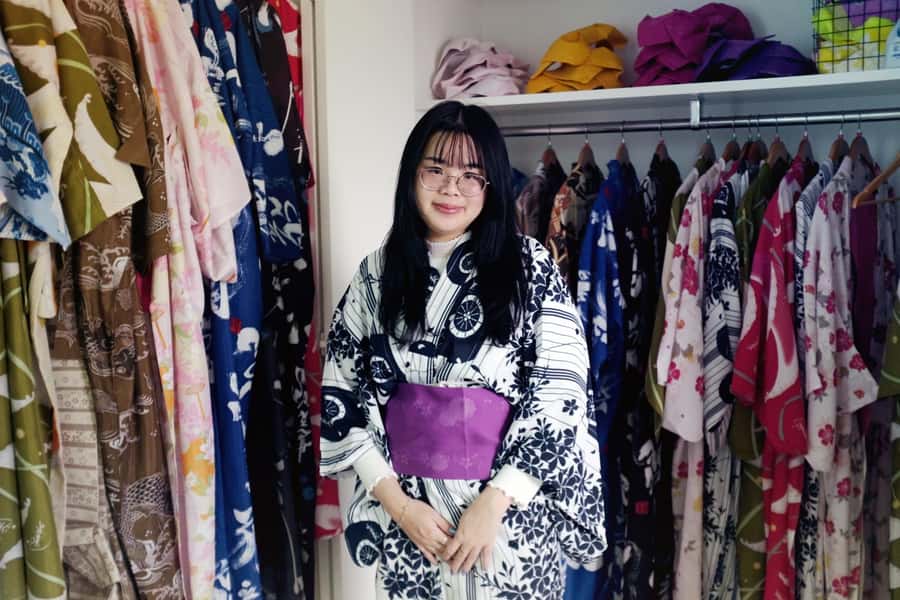
- Choosing an easy-wear kimono
- The tea lesson begins with more than matcha
- Tasting first-flush matcha from Japan
- Making your own bowl with traditional tools
- What makes the setting useful
- Is $57 a fair price?
- Who should book this experience
- Practical details before you go
- Should you book it?
- FAQ
- Where does the Tokyo matcha and kimono experience meet?
- How far is the meeting point from Yotsuya Station?
- Does the activity finish at the same place?
- Is the experience near Shinjuku?
- What languages are available?
- What should I bring?
- What happens if I forget socks?
- Can children join?
- What is included in the price?
- What happens if I arrive late?
Key points at a glance
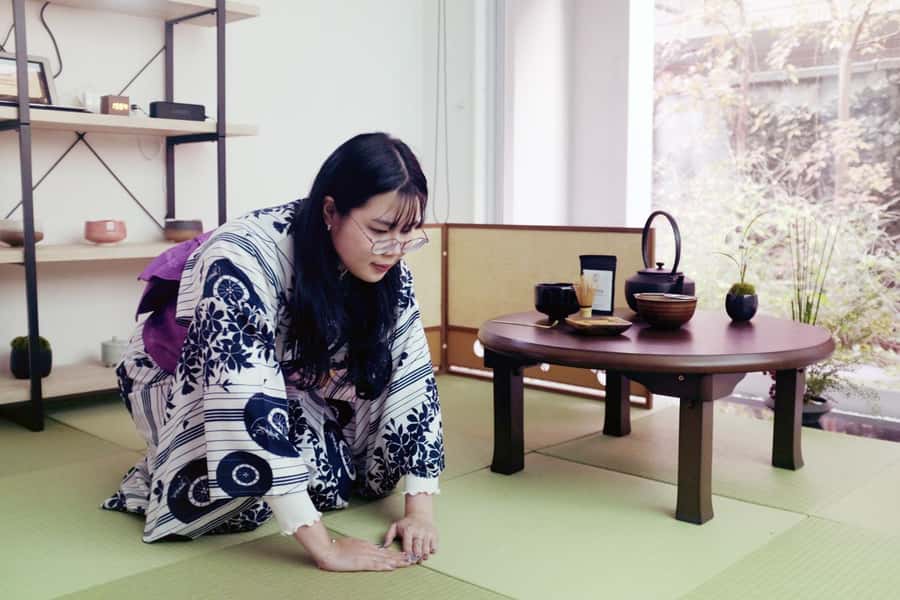
- First-flush matcha tasting: Sample premium tea selected from more than 100 matchas gathered from across Japan.
- Four cultural subjects in one visit: Learn about matcha, tea ceremony, teaism, and kimono.
- Easy-wear kimono: Put on a specially designed kimono without the lengthy dressing process used for formal kimono.
- Hands-on preparation: Practice four key points for making an attractive bowl of matcha at home.
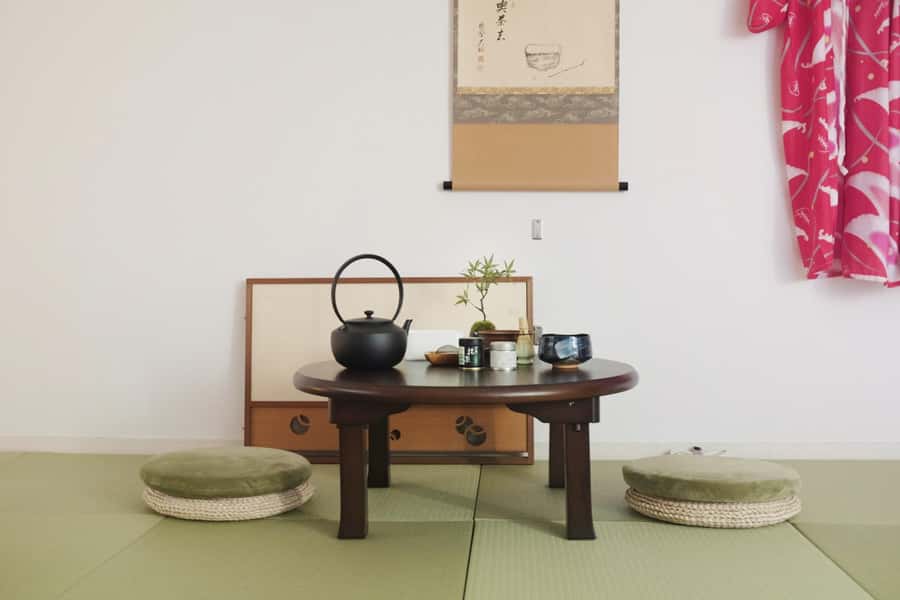
- Small, personal setting: The experience takes place in a decorated Japanese home-style tea room near Yotsuya.
- Strong teaching: Komei is warm, funny, and clear, with a presentation that gives useful context before you pick up the whisk.
Starting near Yotsuya, not Shinjuku proper
The meeting point is in front of the LUUP scooter stand next to the ACN Yotsuya Building. Look for the workshop sign. Yotsuya Station is about a six-minute walk away, making this easy to pair with time in central Tokyo.
The experience is advertised as being near Shinjuku, but the practical detail matters: you are meeting in the Yotsuya area, not at Shinjuku Station itself. Check the map before leaving your hotel, and allow extra time. The activity cancels a booking after 10 minutes of lateness, with no refund in that situation.
You return to the same place at the end. There is no separate transport to arrange, which keeps the outing simple.
More tea rooms worth booking:
- Matcha Making Class in Tokyo with Authentic Japanese Sweets Set
★ 5.0 · 744 reviews - Tokyo: Traditional Tea Ceremony with a Tea Master
★ 5.0 · 528 reviews - Tokyo: Matcha Making Experience with Mochi Sweets in Asakusa
★ 4.9 · 388 reviews
Choosing an easy-wear kimono
Before the tea lesson begins, you choose a kimono to wear during the experience. This is not the full formal dressing process, which can take around 30 minutes. The special easy-wear design lets you get into traditional clothing quickly and spend the rest of the visit learning and taking photographs.
That makes this a good choice if you want the visual pleasure of a kimono without committing to a full rental session. You get the sense of wearing the clothing and learn basic points about how it is worn, while keeping the focus on tea.
The kimono also gives the session a personal touch. You are not simply watching a demonstration from the side of the room. You take part in a cultural setting, and the clothing helps explain why posture, movement, and careful handling matter during tea ceremony.
Bring socks. You need them to protect the traditional flooring, and you may be asked to buy a pair at the workshop if you forget. Strong fragrances are not allowed, since scent can interfere with the tea. Alcohol, drugs, and loud noise are also prohibited.
The tea lesson begins with more than matcha
Komei, the host and tea instructor, leads the lesson in English and Japanese. His teaching style comes across as warm, conversational, and lightly humorous. The material is often presented with a structured visual lesson, so you are not left trying to follow a string of unfamiliar Japanese terms.
The first part sets matcha in a wider tea world. You learn about the differences among green tea, black tea, and Chinese tea, then move into the ideas of teaism and tea ceremony. These concepts help explain why a tea gathering pays attention to tools, gestures, order, and the way tea is served.
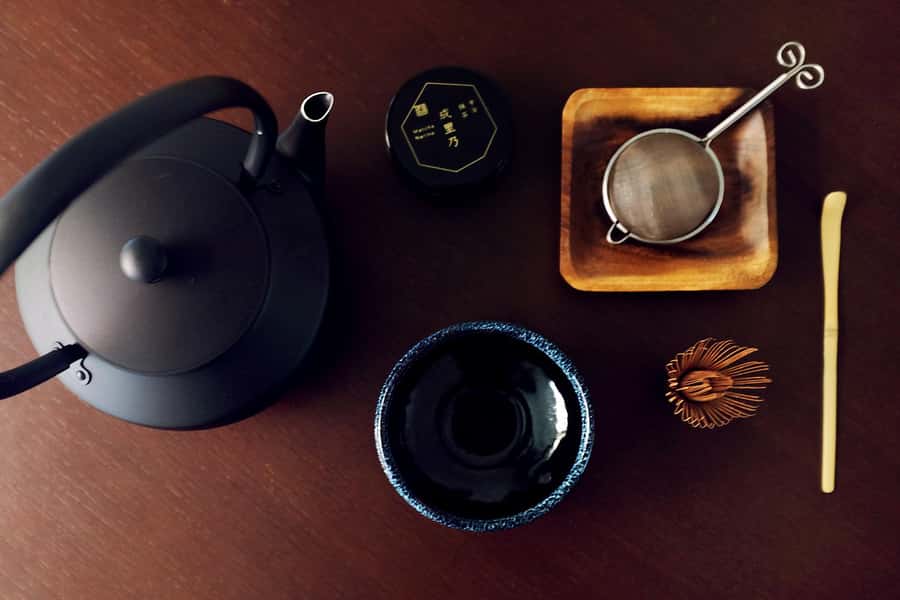
This background is useful because matcha can otherwise seem like a fashionable green drink with a whisk. Here, the powder is treated as part of a larger practice. You learn that the bowl, scoop, whisk, water, movements, and manners all have a role.
The lesson also covers Japanese and overseas matcha. That comparison is practical for anyone who has bought matcha abroad and found it bitter, flat, or hard to mix. You are shown how to use your eyes, nose, and tongue to compare teas, rather than judging them by color alone.
Tasting first-flush matcha from Japan
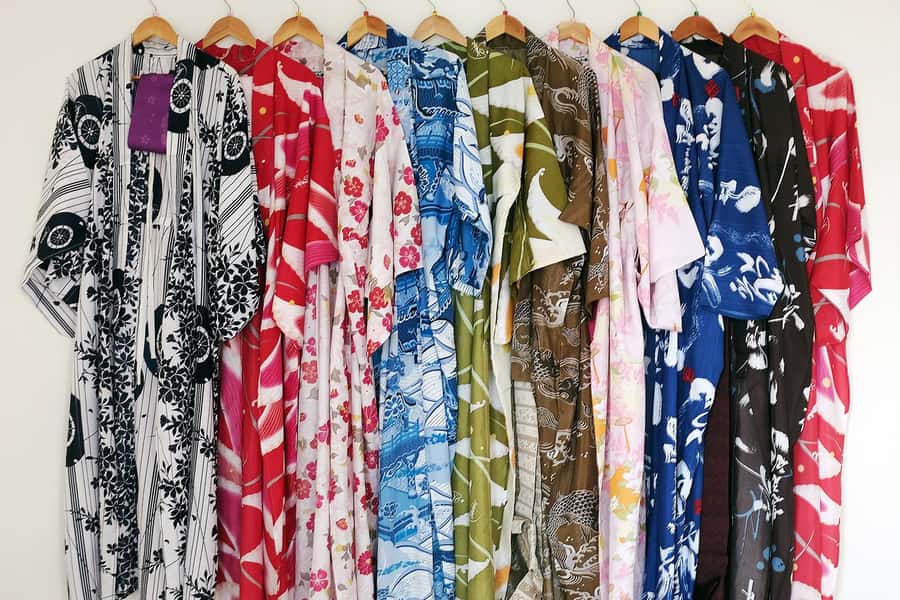
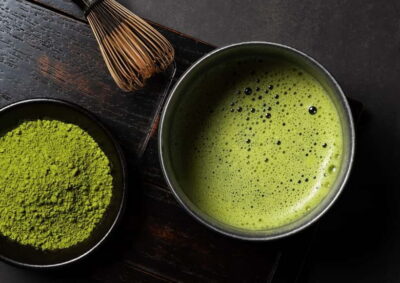
The experience includes an exclusive first-flush matcha selected from a collection of more than 100 matchas from around Japan. First flush refers to the early harvest, and the class presents it as the highest-quality selection.
The large collection is important because it turns tasting into a comparison exercise. You can consider which aroma, color, and flavor you prefer instead of treating matcha as one uniform product. The point is not simply to drink a premium bowl, but to start forming your own taste.
You also compare genuine matcha with imitation matcha. That lesson can be especially helpful if you plan to buy powder in Japan or take some home. The class gives you a practical basis for reading labels and noticing the difference between a carefully made bowl and a weak substitute.
The tea is served with Japanese traditional sweets. Their sweetness gives the tasting a useful contrast, since matcha can have a strong, grassy, or slightly bitter character. A welcome drink is included as well.
More kimono fittings and strolls:
- Let’s make kimono !(Kimono is a gift for you
★ 5.0 · 252 reviews - Tokyo: Asakusa Kimono Dressing and Matcha Experience
★ 4.9 · 173 reviews - Asakusa: Kimono Tea Ceremony with Matcha and Sweet
★ 4.9 · 153 reviews - Matcha Kimono Tea Ceremony in Tokyo
★ 5.0 · 104 reviews
Making your own bowl with traditional tools
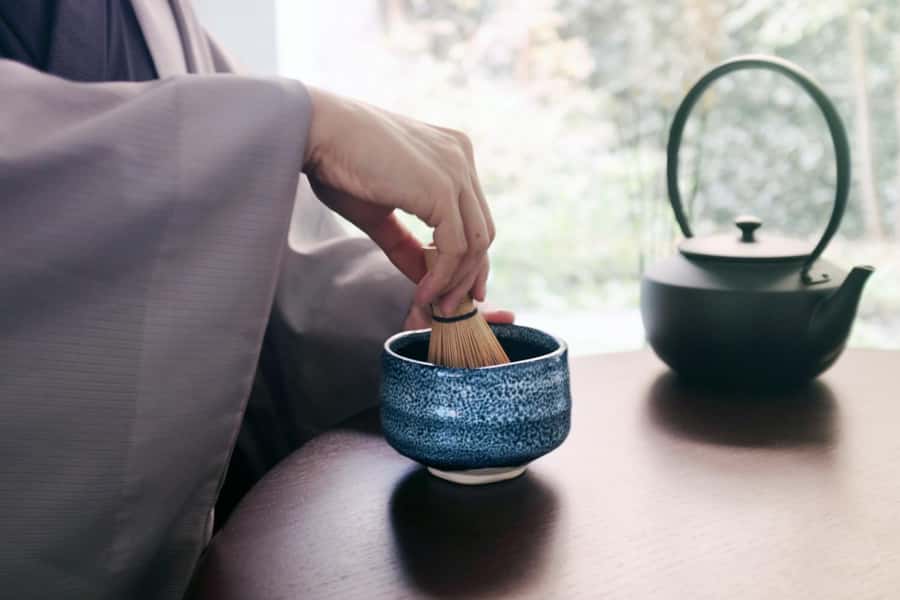
The hands-on section is the heart of the experience. After the explanation, you use rented tea ceremony tools and prepare your own bowl of matcha.
The class focuses on four key points for making a beautiful bowl at home. You learn the basic sequence, how to handle the tools, and how to create a smooth, presentable drink. You also learn the proper basic manner for drinking a bowl of matcha.
This is more useful than watching a professional make tea once. You get a chance to repeat the actions yourself and see how small details affect the result. The lesson is designed for beginners, so you do not need prior experience with tea ceremony.
A small practical caution: the class covers a lot. You have kimono, tea history, teaism, tea ceremony, tasting, etiquette, and preparation all in one activity. One participant felt the balance could shift toward more matcha practice and less time on dressing. If your main goal is to make several bowls and refine your technique, this may feel like an introduction rather than a full tea-school lesson.
What makes the setting useful
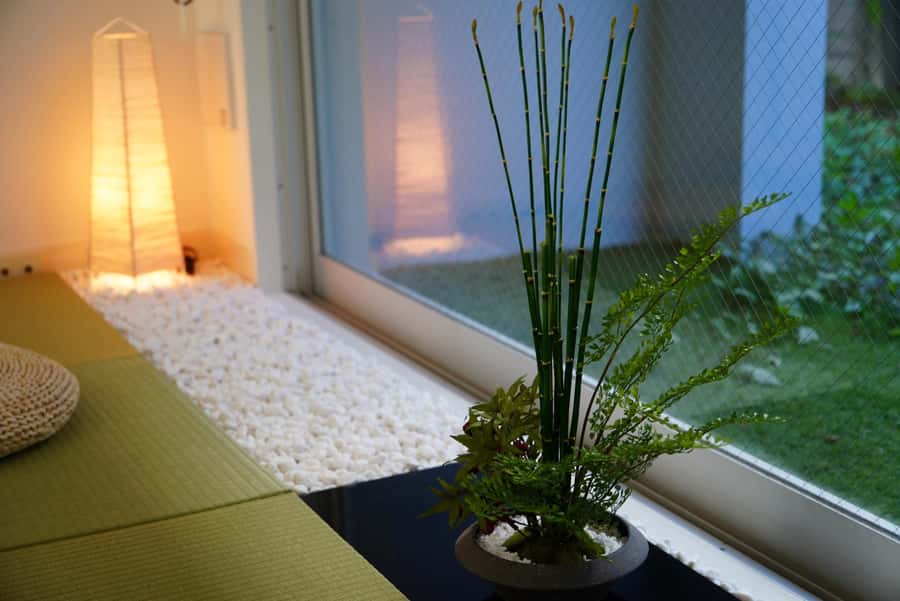
The experience takes place in a local Japanese flat with a decorated tea room. That setting gives the activity a more personal feel than a large commercial attraction. You can focus on the tools, the host, and the small details of the room without the noise of a major sightseeing site.
A small group can also make it easier to ask questions. One reported group had five people, though group size may vary by booking. The teaching style is described as personal, with time for questions and individual help.
Photography is part of the appeal, particularly once everyone is dressed in kimono. Komei has taken photographs for groups, and the clothing provides a clear visual memory of the experience. Still, this is not presented as a dedicated professional photo shoot, so book it for the cultural lesson first and the pictures second.
Is $57 a fair price?
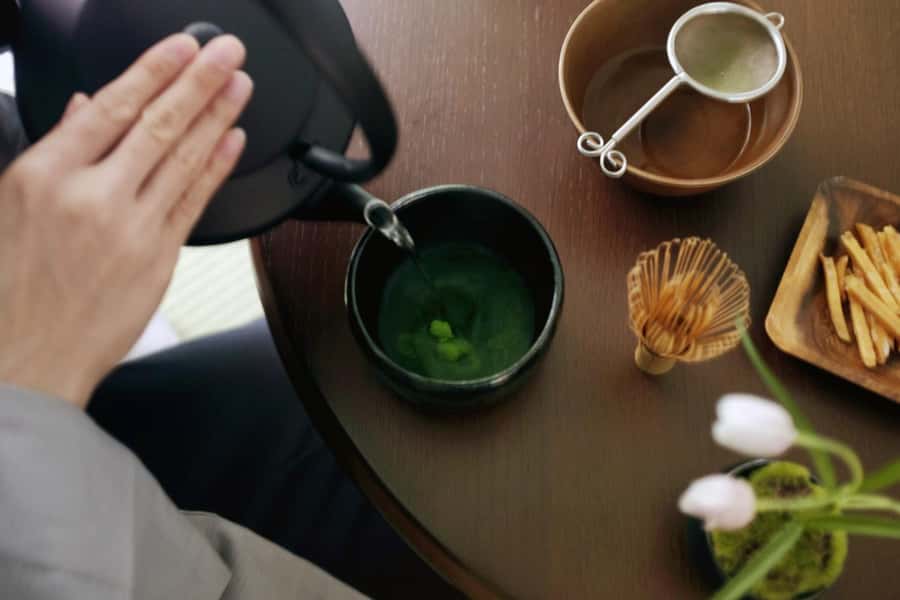
At $57 per person, this is not the cheapest way to taste matcha in Tokyo. A drink at a café costs far less. The price makes more sense when you count the included elements: kimono use, matcha tasting, sweets, a welcome drink, tea tools, instruction, and a cultural lecture.
You are paying for access to a host who explains what you are tasting and why the preparation matters. The kimono adds another layer that would normally require a separate rental or cultural activity. If you want a single outing that combines clothing, tea, etiquette, and history, the package offers solid value.
The value is lower if you only want a quiet tea ceremony with minimal explanation. This session is educational and hands-on. It is not simply a formal performance where you sit silently and watch every gesture. Likewise, dedicated matcha enthusiasts may want more time refining technique than this introductory format provides.
The 4.7 rating from 219 reviews points to a consistently strong experience, with praise centered on the instructor’s warmth, clear teaching, passion for matcha, and ability to make the subject easy to follow. Those are important strengths here because the quality of a tea lesson depends heavily on the person leading it.
Who should book this experience
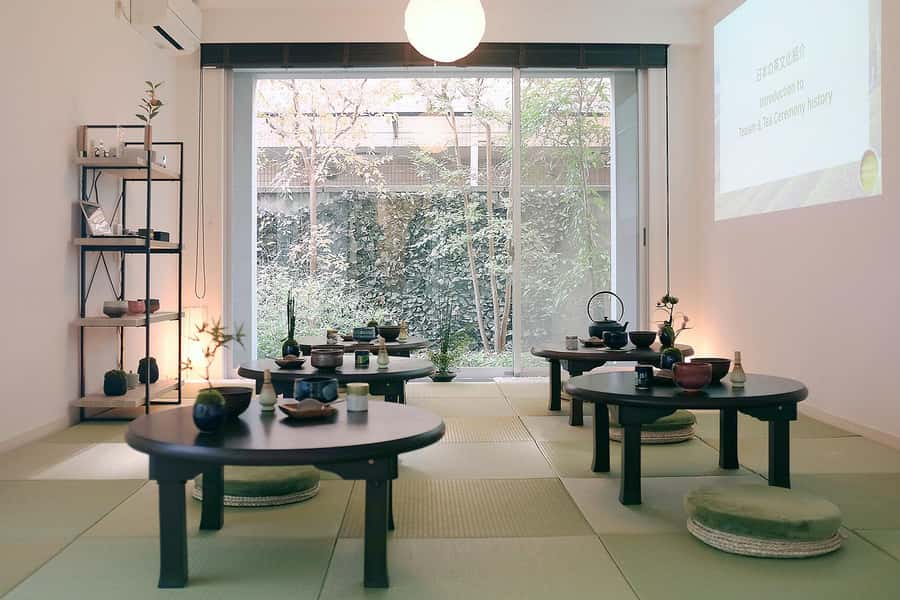
I would recommend it to first-time visitors who want a manageable introduction to Japanese culture. You get several connected subjects in one visit, and you leave with a better sense of how matcha fits into Japanese customs.
It also suits couples, friends, and families with older children. Children under five are not suitable for the activity. The setting requires quiet behavior, socks, and respect for traditional flooring, so it works best for people ready to listen and take part.
Matcha fans should find the tasting especially worthwhile. The chance to compare different teas and learn to spot genuine matcha adds more value than a standard ceremonial cup. If you already know how to whisk matcha, you may still enjoy the history and tea comparison, but do not expect an advanced professional course.
The activity is also a good rainy-day choice. It takes place indoors, returns to the meeting point, and does not require a long excursion across Tokyo. You can fit it into a day around Yotsuya and nearby Shinjuku.
Practical details before you go
The experience is offered in English and Japanese. Bring socks and avoid perfume or other strong scents. Arrive early, since being more than 10 minutes late results in automatic cancellation without a refund.
The listed price is $57 per person, and you can reserve now and pay later if that option is offered for your booking. Cancellation is free up to 24 hours in advance.
All listed essentials are included: the matcha activity, kimono use, tea lecture, matcha-making lesson, first-flush matcha, Japanese sweets, welcome drink, and tea ceremony tool rental. You do not need to bring tea equipment.
Should you book it?
Book this if you want an approachable, personal introduction to matcha and kimono, with enough history to give the rituals meaning. Komei’s friendly delivery is a major part of the appeal, and the combination of tasting, dressing, and making tea gives you plenty to do.
Skip it if you want a long, formal ceremony with little explanation or a session devoted almost entirely to advanced whisking technique. For most visitors, though, $57 buys a well-rounded cultural lesson rather than just a themed photo stop. Bring socks, arrive early, and expect to leave with a better eye for matcha and a new appreciation for the care behind a simple bowl of tea.
FAQ
Where does the Tokyo matcha and kimono experience meet?
The meeting point is in front of the LUUP scooter stand next to the ACN Yotsuya Building. The guide waits with a workshop sign.
How far is the meeting point from Yotsuya Station?
The meeting point is about a six-minute walk from Yotsuya Station.
Does the activity finish at the same place?
Yes. The activity ends back at the meeting point.
Is the experience near Shinjuku?
Yes. It takes place in the Yotsuya area, which is next to the Shinjuku area, rather than directly at Shinjuku Station.
What languages are available?
The experience is offered in English and Japanese.
What should I bring?
Bring your own socks to protect the traditional flooring.
What happens if I forget socks?
You are asked to buy socks at the workshop place if you arrive without them.
Can children join?
Children under five are not suitable for this activity.
What is included in the price?
The price includes the matcha experience, kimono use, tea lecture, matcha-making lesson, first-flush matcha, Japanese traditional sweets, a welcome drink, and rental of tea ceremony tools.
What happens if I arrive late?
Your booking is automatically canceled after 10 minutes of delay from the appointment time, and no refund is accepted in that case.
New on our Tokyo list
- From Tokyo: Mount Fuji & Hakone Full Day Private Tour★ 4.9 · 25 reviews
- Tokyo Spectacular View Day-Cruise in 90 Minutes★ 5.0 · 25 reviews
- 2.5 Hour-Guided Cycle Tour in the Central Tokyo★ 5.0 · 25 reviews
- Real Tokyo Runner Club : Daikoku Car Meet Night Tour with JDM Car★ 5.0 · 25 reviews
- Ramen Making from Scratch +Akihabara Tour –Cooking Class★ 5.0 · 25 reviews
- [Self-Drive] Tokyo & Daikoku Custom Car Driving Tour★ 4.9 · 25 reviews
- Tokyo: 2-Hour Night Bike Tour of the City’s Hidden Gems★ 4.9 · 25 reviews
- Samurai themed Entertainment show in Shinjuku★ 4.5 · 25 reviews
Tea Ceremonies, compared.
Matcha Making Class in Tokyo with Authentic Japanese Sweets Set
Read our review →
Matcha Making Experience with Mochi Sweets in Asakusa
Read our review →
Tea Ceremony Workshop in Tokyo by the Experienced Instrucor
Read our review →

Make Traditional Nerikiri Sweets & Matcha experience in Shibuya
Read our review →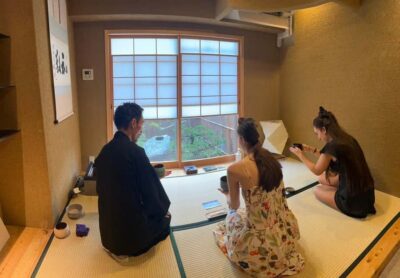
Tea Ceremony Experience in a Private Tea Room in Shibuya
Read our review →Browse the lists this tour appears in