
Reviewed · TEA CEREMONIES
Asakusa: Kimono Tea Ceremony with Matcha and Sweet
The best part of this Asakusa experience is that you do not simply watch a tea ceremony. You dress for the occasion, sit in a tatami tea room, and whisk your own matcha under English guidance. The kimono fitting and hair styling make the cultural lesson feel personal rather than like a quick stage show.
I like the wide choice of seasonal colors, prints, obis, and hair accessories. I also like the staff’s patient, warm approach, with hosts such as Mia, Wakana, Yoko, and Kyoko praised for clear explanations and a friendly manner. The main thing to consider is the seating: the ceremony takes place on tatami mats, so request a bamboo chair ahead of time if kneeling or sitting on the floor is difficult.
In This Review
- Key points to know before booking
- Choosing your kimono in Asakusa
- A calm tea room and four guiding ideas
- Making matcha instead of only watching
- Photo time after the ceremony
- What the 90 minutes feels like
- Is $66 a fair price?
- Comfort, etiquette, and practical limits
- Who will enjoy this experience most
- Should you book the Asakusa kimono tea ceremony?
- FAQ
- Where does the experience take place?
- How long does the kimono tea ceremony last?
- How much does the experience cost?
- Is English guidance provided?
- Is kimono rental included?
- Is hair styling included?
- What food and drink are included?
- Can children join the experience?
- Do I need to remove my shoes?
- Can I sit on a chair instead of the tatami floor?
- Can I cancel for a full refund?
- Can I reserve now and pay later?
Key points to know before booking
- Kimono fitting takes real time: Staff help you choose the kimono, obi, and accessories, then dress you professionally.
- Women with long hair receive styling: The finished look includes a matching hair arrangement and accessory.
- You make your own matcha: The tea master explains the tools and shows you how to whisk the tea.
- The ceremony teaches four Zen ideas: Wa, Kei, Sei, and Jaku mean harmony, respect, purity, and tranquility.
- Photos are part of the fun: Use a small garden and indoor photo settings, with staff able to help take pictures.
- The group may include 12 to 14 people: Some sessions can feel smaller, but numbers vary because people book through different sites.
Choosing your kimono in Asakusa
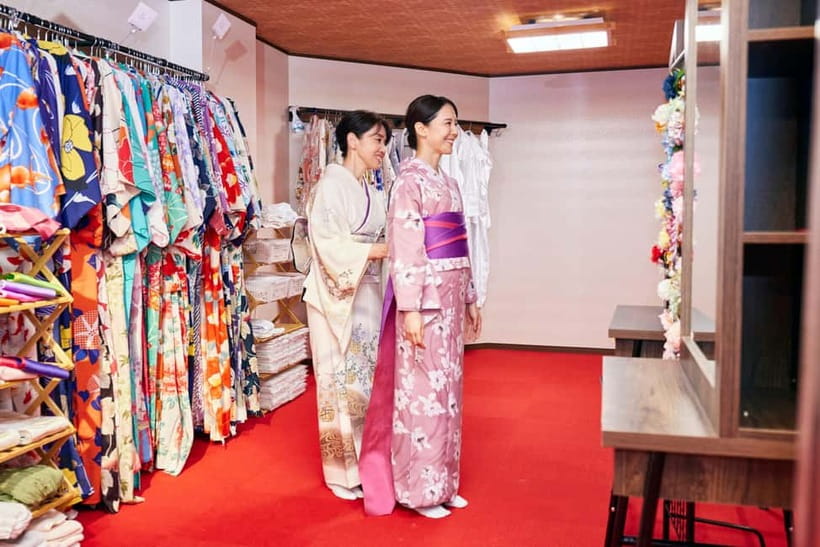
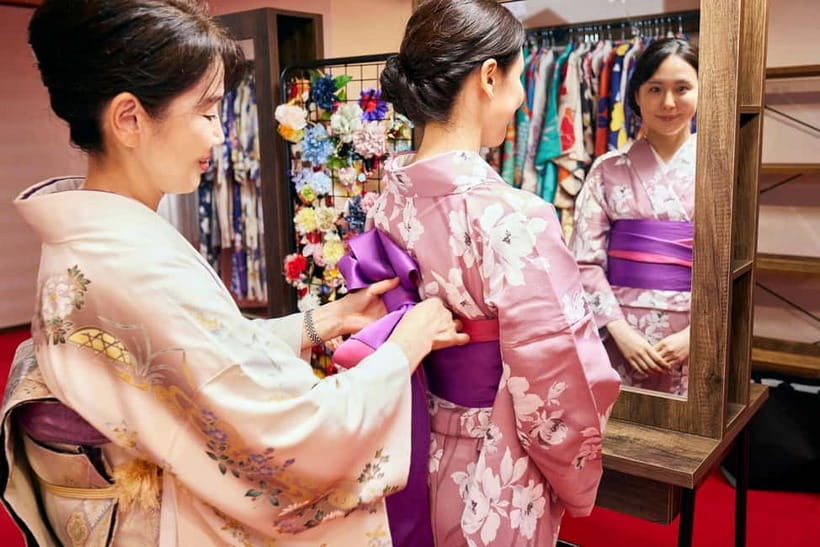
Your experience begins with the most photogenic part: choosing what to wear. You select from seasonal kimonos in different colors and prints, then match the outfit with an obi, hairpiece, and other accessories. Staff help you make the choices, which matters because the number of combinations can otherwise feel a little overwhelming.
I would not rush this stage. Think about the color you want in photographs, then let the dressing team guide the rest. One useful tip is to arrive with a general idea of which colors suit you. You do not need to know anything about kimono, but having a preference can make the selection easier.
The staff then dress you in the kimono. This is not simply putting on a loose robe and tying a sash. The outfit is arranged carefully, and the layers and obi are part of the look. The fitting is one reason the price feels more reasonable than a basic costume rental.
For women with long hair, hair styling is included. The team adds an arrangement and accessory to match the kimono. Short hair styling is not listed as an inclusion, so this benefit is specifically for women with long hair.
The dressing staff receive some of the warmest praise in the available feedback. Their work is described as quick, careful, and kind. That combination is useful when you are unfamiliar with the clothing and want to enjoy the process rather than worry about getting every detail right.
More tea rooms worth booking:
- Matcha Making Class in Tokyo with Authentic Japanese Sweets Set
★ 5.0 · 744 reviews - Tokyo: Traditional Tea Ceremony with a Tea Master
★ 5.0 · 528 reviews - Tokyo: Matcha Making Experience with Mochi Sweets in Asakusa
★ 4.9 · 388 reviews
A calm tea room and four guiding ideas
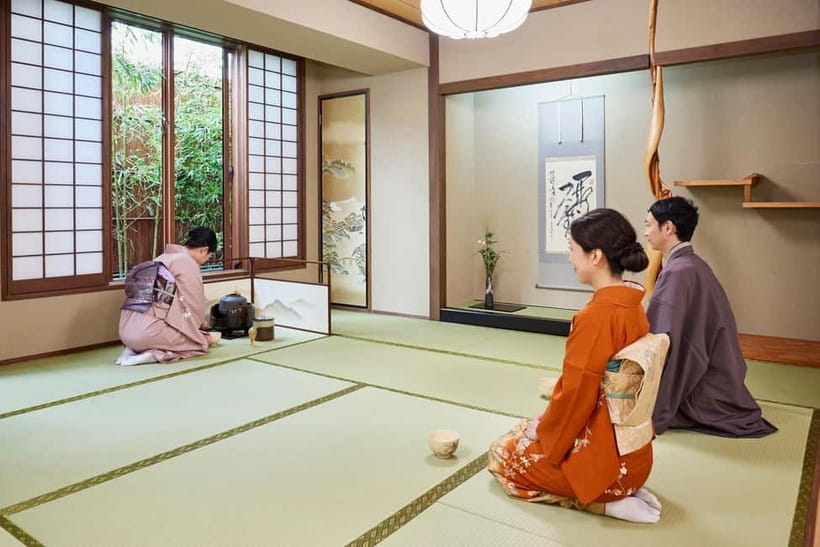
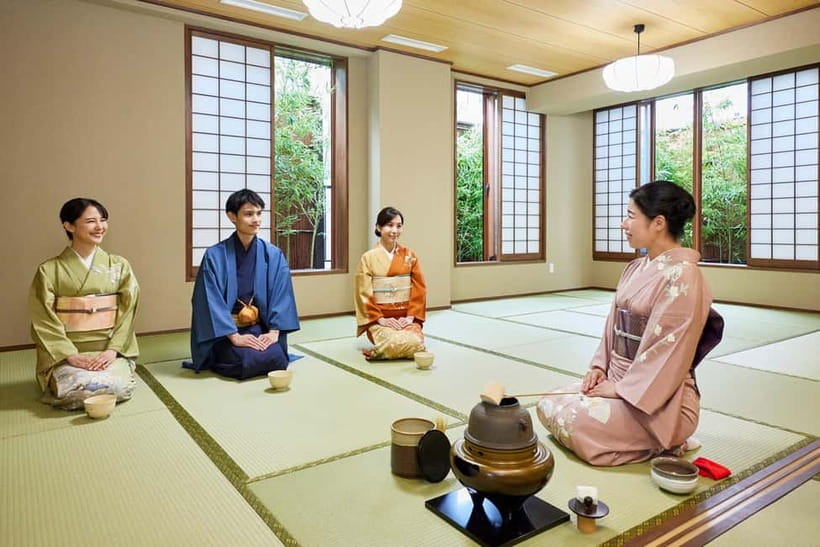
Once dressed, you enter a quiet tea room for the ceremony. The mood changes here. The fitting area is about color, clothing, and photographs, while the tea room asks you to slow down and pay attention.
The tea master introduces the principles of Wa, Kei, Sei, and Jaku. These mean harmony, respect, purity, and tranquility. They give you a simple way to understand the ceremony beyond its surface details.
You learn why each movement matters and how the host handles the tea tools and utensils. Some of these objects are cherished artifacts, so the demonstration also shows the care given to the equipment. You are not expected to arrive with prior knowledge of tea ceremony etiquette. The instructor provides the explanations in English throughout.
The quiet setting is a real part of the activity, not a minor detail. If you want a loud, fast-paced Tokyo attraction, this is not the right choice. If you enjoy watching careful hand movements and learning the meaning behind a ritual, the slower pace works well.
Hosts named in the feedback include Mia, Wakana, Yoko, and Kyoko. The strongest descriptions focus on clear teaching, patience, humor, and respectful explanations. English is the stated language, and some staff may also use Japanese when appropriate.
Making matcha instead of only watching
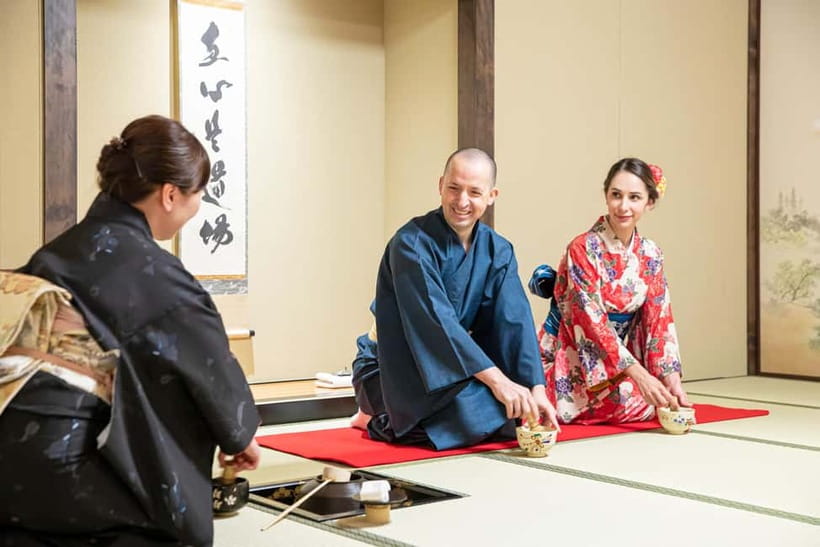
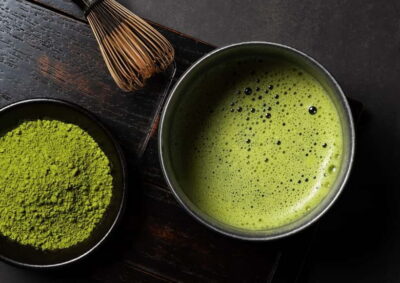
The ceremony includes a demonstration, but you also get a turn. After watching the host prepare the tea, you whisk your own bowl of matcha.
This hands-on step gives the activity more value than a simple cultural presentation. You handle the whisk, watch the powder turn into tea, and take part in a custom that has been practiced for centuries. Your bowl may not look exactly like the tea master’s, and that is part of the point. The aim is to learn the action and understand its place in the ceremony.
The matcha is paired with wagashi, traditional Japanese sweets shaped and colored to reflect the season. They add a small but important food element to the experience. The sweets are not a meal, so plan to eat elsewhere before or after if you need lunch or dinner.
The available information also notes that the wagashi served to one participant were vegan friendly. That does not guarantee every seasonal sweet will meet every dietary need, so you should confirm directly if you have an allergy or strict dietary requirement.
Photo time after the ceremony
After the tea portion, you have time to take pictures in the small garden and arranged indoor areas. Staff can help with photographs, which is especially useful if you are traveling alone or want a picture of two people together.
This is more than a quick snapshot in the changing area. The kimono, styled hair, and prepared settings give you a proper record of the experience. The staff have also been described as helpful with couple photographs, and solo participants have received assistance taking their own pictures.
If you are visiting with a partner, you may enjoy choosing outfits separately and seeing the finished result together. One especially memorable detail from the experience is the chance to reveal the completed look to each other after dressing.
Some participants have also been able to wear the kimono outside afterward for nearby sightseeing, sometimes for the rest of the day. Treat this as something to confirm before you book, since the core activity information guarantees kimono rental and dressing but does not clearly promise an all-day outing for every booking.
Weather matters here. In cold conditions, a walk outside in a kimono may not be comfortable, even if it is allowed. The indoor photo areas and small garden give you a useful backup.
More kimono fittings and strolls:
- Let’s make kimono !(Kimono is a gift for you
★ 5.0 · 252 reviews - Tokyo: Matcha and Kimono Experience
★ 4.7 · 219 reviews - Tokyo: Asakusa Kimono Dressing and Matcha Experience
★ 4.9 · 173 reviews - Matcha Kimono Tea Ceremony in Tokyo
★ 5.0 · 104 reviews
What the 90 minutes feels like
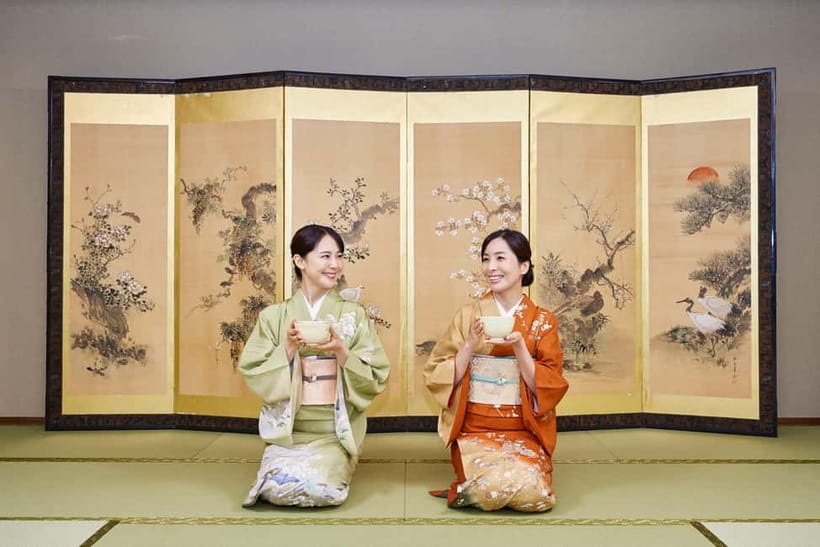
The full activity lasts about 90 minutes. That includes the kimono selection and dressing, hair styling where included, the tea ceremony, matcha preparation, sweets, and photographs.
The time is fairly full, so you should not expect a long sightseeing tour of Asakusa. The activity takes place at the venue, and transportation is not included. Set aside time to reach the location on your own and avoid arriving at the last minute, especially if you have a timed Tokyo itinerary afterward.
Group size can affect the mood. The session may include around 12 to 14 people because the operator accepts bookings through other sites. Some accounts describe a more intimate session with only two couples, but you should plan for a medium-sized group rather than assume a private ceremony.
A larger group may mean less individual attention during the tea demonstration, though the staff support appears to be strong. The smaller the group, the more personal the photo and question time may feel. This is an educational cultural activity, not a private tea lesson.
Is $66 a fair price?
At $66 per person, this sits above a simple kimono rental but includes several separate services: the kimono, professional dressing, long-hair styling for women, the tea ceremony, matcha preparation, wagashi, English guidance, and photo time.
I think the value is good if you want several connected experiences in one booking. A rental alone gives you the clothing, while this adds instruction and a traditional setting. The staff also handle the parts that can be awkward when you are dressing for the first time.
The value is less clear if you only want to walk around in a kimono and take your own pictures. In that case, check the exact rental period and confirm if you can leave the venue in the outfit. The stated activity is centered on the tea ceremony, not an all-day costume hire.
The flexible booking terms help. You can reserve now and pay later, and cancellation is free up to 24 hours before the activity for a full refund. That is useful when Tokyo plans depend on weather, energy, or a changing schedule.
Comfort, etiquette, and practical limits
You must remove your shoes. The ceremony uses tatami mats, and seating is on the floor. A bamboo chair is available upon advance request, so arrange this before arriving rather than waiting until the ceremony begins.
The tea ceremony is quiet and calm. You should be ready to listen, keep your movements measured, and respect the setting. It is not an activity for running children or anyone expecting a casual, noisy demonstration.
Children under seven are not permitted. Older children may appreciate the clothing and sweets, but the calm format may suit adults and older children best.
Transportation and a full meal are not included. You receive matcha and wagashi, but not lunch or dinner. Build the activity into a larger Asakusa day and leave room for food separately.
Who will enjoy this experience most
I would recommend this to you if you want a cultural activity that gives you something to do, not just something to see. The chance to choose a kimono, have your hair styled, make matcha, and take photographs gives the 90 minutes a clear rhythm.
It is particularly good for couples, solo visitors, and anyone marking a special occasion. A birthday participant received a special Polaroid photograph, though this should not be treated as a guaranteed inclusion. The photo help is also a real advantage for solo visitors.
It suits first-time visitors because the English instruction explains the ceremony from the beginning. It also works for people already interested in Japanese culture who want a closer look at tea etiquette and the ideas behind the ritual.
I would think twice if you dislike floor seating, do not enjoy quiet group activities, or want a full meal. You should also check the chair arrangement in advance if mobility is a concern.
Should you book the Asakusa kimono tea ceremony?
Book it if you want a polished introduction to Japanese dress and tea culture, with plenty of photographs and kind English-speaking support. The strongest features are the careful kimono fitting, hair styling, friendly hosts, and the fact that you prepare your own matcha rather than simply watch.
At $66, the package offers good value for a special cultural activity, especially for a couple or solo visitor who would otherwise pay separately for dressing, styling, and photos. Just remember the limits: it lasts 90 minutes, groups can reach 12 to 14 people, seating is normally on tatami, and the sweets are not a meal.
Request a bamboo chair in advance if needed, and confirm the exact kimono rental period if you hope to continue sightseeing in the outfit. If those details suit your plans, this is a thoughtful and memorable way to add a quiet traditional experience to a Tokyo visit.
FAQ
Where does the experience take place?
The experience takes place in Asakusa, Tokyo, on Honshu, Japan.
How long does the kimono tea ceremony last?
The full activity lasts approximately 90 minutes.
How much does the experience cost?
The listed price is $66 per person.
Is English guidance provided?
Yes. English guidance is provided throughout, and the instructor language is English.
Is kimono rental included?
Yes. Traditional kimono rental and professional dressing are included.
Is hair styling included?
Hair styling is included for women with long hair. A matching hair accessory may also be selected with the outfit.
What food and drink are included?
You prepare and drink matcha green tea and receive seasonal Japanese wagashi sweets. No other meal is included.
Can children join the experience?
Children under seven years old are not permitted to participate.
Do I need to remove my shoes?
Yes. Shoes are not allowed during the experience.
Can I sit on a chair instead of the tatami floor?
The usual seating is on tatami mats, but bamboo chairs are available if requested in advance.
Can I cancel for a full refund?
Yes. You can cancel up to 24 hours in advance for a full refund.
Can I reserve now and pay later?
Yes. The activity offers a reserve-now, pay-later option.
More Asakusa Visits
- Tokyo: Japanese Dance Cabaret Theater Asakusa-Kaguwa Ticket
★ 4.8 · 2,270 reviews - Tokyo: Meiji Shrine, Asakusa, Skytree Bus Tour and Cruise
★ 4.7 · 1,986 reviews - Tokyo: Roll and Authentic Sushi Making Class in Asakusa
★ 4.9 · 1,957 reviews - Tokyo: Asakusa Walking Tour with Sensoji Temple Visit
★ 4.8 · 1,583 reviews
New on our Tokyo list
- From Tokyo: Mount Fuji & Hakone Full Day Private Tour★ 4.9 · 25 reviews
- Tokyo Spectacular View Day-Cruise in 90 Minutes★ 5.0 · 25 reviews
- Real Tokyo Runner Club : Daikoku Car Meet Night Tour with JDM Car★ 5.0 · 25 reviews
- 2.5 Hour-Guided Cycle Tour in the Central Tokyo★ 5.0 · 25 reviews
- Ramen Making from Scratch +Akihabara Tour –Cooking Class★ 5.0 · 25 reviews
- [Self-Drive] Tokyo & Daikoku Custom Car Driving Tour★ 4.9 · 25 reviews
- Tokyo: 2-Hour Night Bike Tour of the City’s Hidden Gems★ 4.9 · 25 reviews
- Samurai themed Entertainment show in Shinjuku★ 4.5 · 25 reviews
Tea Ceremonies, compared.
Matcha Making Class in Tokyo with Authentic Japanese Sweets Set
Read our review →
Matcha Making Experience with Mochi Sweets in Asakusa
Read our review →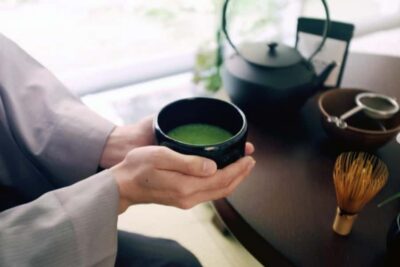
Tea Ceremony Workshop in Tokyo by the Experienced Instrucor
Read our review →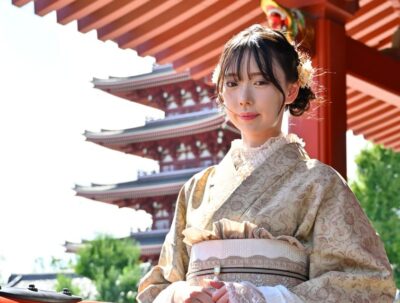

Make Traditional Nerikiri Sweets & Matcha experience in Shibuya
Read our review →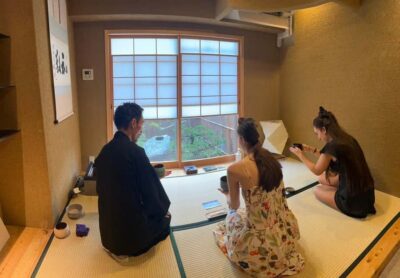
Tea Ceremony Experience in a Private Tea Room in Shibuya
Read our review →Browse the lists this tour appears in