
Reviewed · TEA CEREMONIES
Matcha Kimono Tea Ceremony in Tokyo
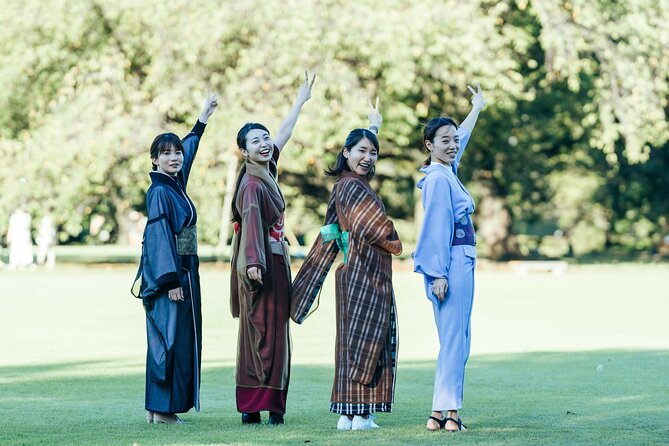
The best part of this Shinjuku workshop is that it treats the tea ceremony as something you can understand, not just watch. You’ll put on a specially designed kimono, learn why matcha differs from ordinary green tea, compare teas using your eyes, nose, and tongue, then prepare your own bowl with traditional tools. The session feels practical, not stiff or overly formal.
I like the easy-to-wear kimono, which avoids the long dressing process found at many traditional kimono experiences. I also like the chance to ask questions in a small group of no more than 10 people. The main drawback is its short 90-minute length: you’ll get a friendly introduction rather than a full, formal tea ceremony.
In This Review
- Key points at a glance
- A Short, Hands-On Introduction in Shinjuku
- Putting on the Easy Kimono
- Tasting Matcha With Your Eyes, Nose, and Tongue
- From Green Tea Basics to Teaism
- Whisking Your Own Bowl
- Why the Small Group Matters
- What the Price Includes at $59.46
- Timing, Arrival, and the One Strict Rule
- Who Will Get the Most From This Workshop
- Should You Book the Matcha Kimono Tea Ceremony?
- FAQ
- How long does the Matcha Kimono Tea Ceremony last?
- Where does the activity take place?
- What is included in the price?
- Do I need to bring tea ceremony tools?
- Do I need to bring socks?
- Is the activity suitable for children?
- How many people can join the workshop?
- Can I cancel for a refund?
Key points at a glance
- Compare first-flush matcha: Taste high-quality matcha selected from a collection of more than 100 Japanese teas.
- Wear a quick-change kimono: The casual kimono is designed to be put on without the usual 30-minute dressing process.
- Learn the ideas behind tea: The presentation covers Japanese, Chinese, green, and black teas, along with the philosophy of Teaism.
- Make your own bowl: You’ll use tea implements, learn basic drinking manners, and whisk matcha yourself.
- Keep the schedule light: The activity lasts about 1 hour 30 minutes and returns to its Shinjuku meeting point.
- Expect a small class: The maximum group size is 10, leaving room for questions and help with the kimono.
A Short, Hands-On Introduction in Shinjuku
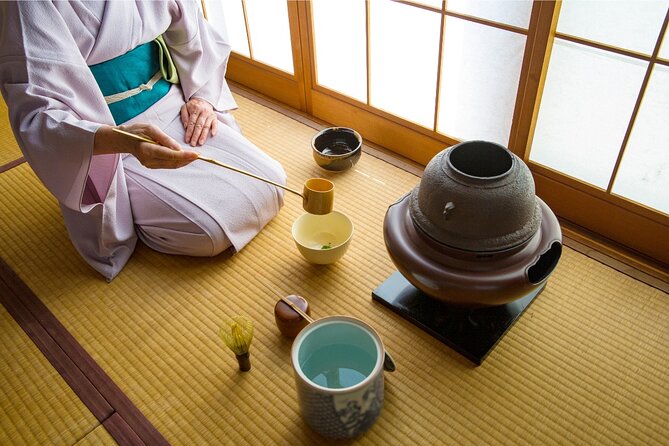
This is a compact cultural workshop for people who want more than a quick photo in a rental kimono. The focus is matcha, but the session also explains how tea fits into Japanese life and how the tea ceremony developed its own manners and principles.
The setting is in Shinjuku, at the meeting point listed as MPPG+HH, Shinjuku City, Tokyo. The activity begins and ends there, and the location is near public transportation. You’ll need to make your own way to the workshop because private transportation is not included.
At about 90 minutes, the experience fits neatly between sightseeing plans. You could schedule it before an afternoon in Shinjuku or place it into a busy Tokyo day without giving up half a morning. That short format is useful, but it also sets a clear limit. You will not receive the slow, highly ceremonial treatment of a long tea-school visit.
Instead, you get an accessible lesson with several things to do. You dress, listen, taste, whisk, drink, and ask questions. That variety keeps the workshop moving.
More tea rooms worth booking:
- Matcha Making Class in Tokyo with Authentic Japanese Sweets Set
★ 5.0 · 744 reviews - Tokyo: Traditional Tea Ceremony with a Tea Master
★ 5.0 · 528 reviews - Tokyo: Matcha Making Experience with Mochi Sweets in Asakusa
★ 4.9 · 388 reviews
Putting on the Easy Kimono
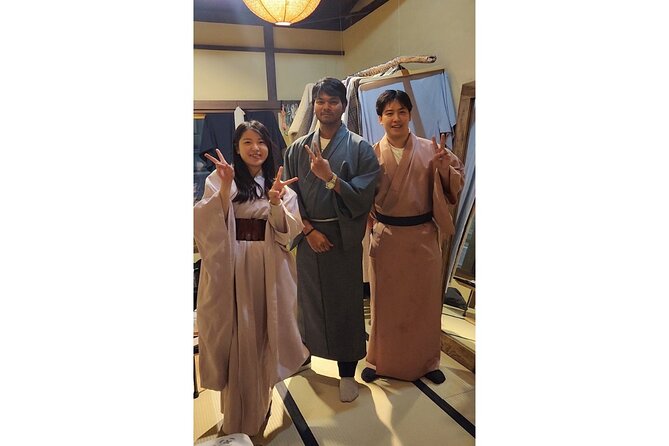
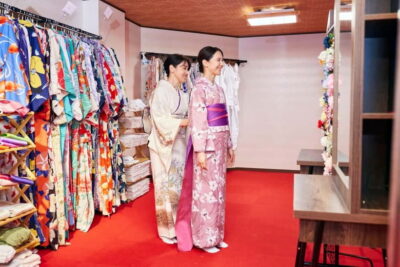
The kimono is one of the smartest details here. Traditional kimono dressing can take about 30 minutes and often involves several layers, ties, and careful adjustments. This experience uses a specially designed, comfortable kimono that is quicker to put on.
You’ll be helped into the outfit before the lecture begins. The aim is not to teach you the full art of kimono dressing. It is to let you look and feel the part without spending most of the session getting dressed.
That makes the activity a good fit for first-time visitors, families, and anyone working with a tight Tokyo schedule. It also lowers the pressure. You do not need prior knowledge, and you are not expected to handle an elaborate outfit on your own.
The kimono is casual rather than a full formal costume. That is worth keeping in mind if your main goal is a grand photographic session. Here, the clothing supports the cultural lesson instead of becoming the entire event.
Bring socks for the tatami room. This is required, and if you forget, you will be asked to buy them at the workshop. It is a small point, but one worth handling before you arrive.
Tasting Matcha With Your Eyes, Nose, and Tongue
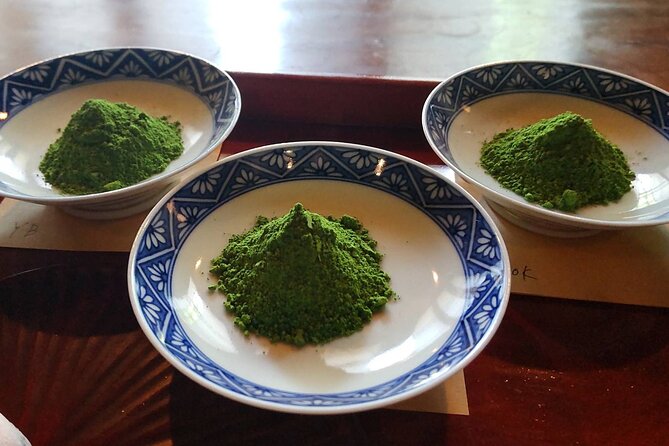
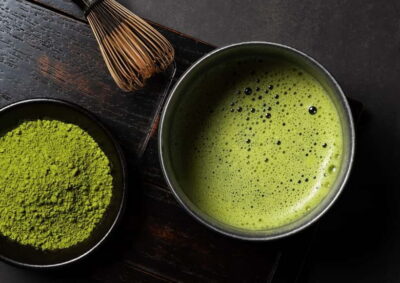
The tasting portion gives the workshop more substance than a simple demonstration. You’ll be introduced to first-flush matcha, described here as the highest-quality selection, and offered a chance to compare teas from a collection of more than 100 matchas gathered from around Japan.
You are encouraged to use your eyes, nose, and tongue to find a favorite. That approach is useful because matcha can seem like one broad category when you first encounter it. Color, scent, bitterness, sweetness, texture, and finish can vary, and tasting several options helps you notice those differences.
The experience also explains how Japanese matcha differs from matcha produced overseas. That comparison matters if you already drink matcha at home. You’ll have a clearer sense of why two powders labeled matcha can taste very different.
A decaf option and a Terror matcha option are available. The supplied details do not explain the exact profile or ingredients of the Terror option, so you should ask the host about it during the session. The same applies if you have caffeine concerns or dietary needs.
Japanese traditional snacks are included. They give you something small to eat alongside the tea and help place matcha within a broader food custom, rather than treating it as a standalone drink.
From Green Tea Basics to Teaism
The presentation covers several tea categories, including green, black, and Chinese teas. You’ll learn the basic differences between them before turning to matcha and the tea ceremony.
This part is especially useful if you have always thought of matcha simply as powdered green tea. Matcha is green tea, but the preparation, presentation, and way of drinking it give it a different role. The workshop connects the drink to tea manners and the philosophy known as Teaism.
You’ll also hear about the idea of tea ceremony itself. The lesson is not limited to instructions such as hold the bowl this way or whisk until the surface looks right. It explains why attention, respect, simplicity, and presence matter in the ceremony.
That wider context is one of the strongest reasons to book this activity. You can buy matcha in many places in Tokyo, but a short explanation of the customs around it gives the drink more meaning. Even if you never perform the ritual again, you’ll understand more when you see tea prepared in Japan.
The host is described as fluent in English and willing to answer questions. That matters in a subject with unfamiliar terms and etiquette. You can stop and ask about tea types, kimono, preparation, or manners instead of trying to guess what is happening.
More kimono fittings and strolls:
- Let’s make kimono !(Kimono is a gift for you
★ 5.0 · 252 reviews - Tokyo: Matcha and Kimono Experience
★ 4.7 · 219 reviews - Tokyo: Asakusa Kimono Dressing and Matcha Experience
★ 4.9 · 173 reviews - Asakusa: Kimono Tea Ceremony with Matcha and Sweet
★ 4.9 · 153 reviews
Whisking Your Own Bowl
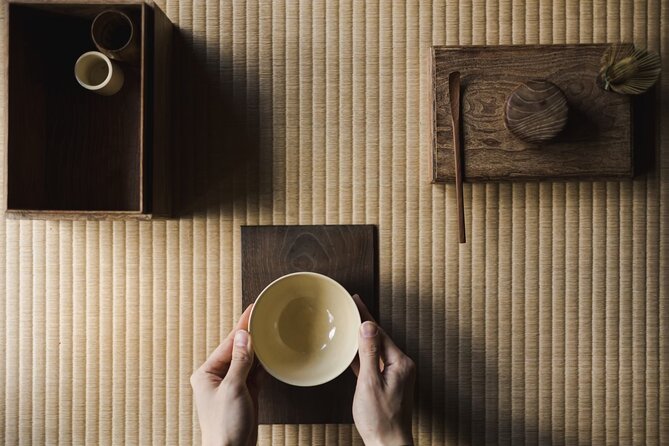
After the presentation, you’ll prepare a bowl of matcha yourself. The workshop supplies the tea ceremony tools, so you do not need to bring equipment or buy anything extra for the activity.
You’ll be shown how to use the tools and how to create a good bowl of matcha. Then you can drink what you made and learn the basic manners for drinking it properly.
This hands-on section is more memorable than simply watching the host perform. You get to feel the texture of the whisk, see how the tea changes as it is mixed, and discover that making a pleasant bowl takes more than stirring powder into water.
The instruction is aimed at beginners. You are not being tested, and the informal style makes it easier to try without worrying about mistakes. The host also takes photos, according to the experience details and direct feedback about the session, so you may leave with a record of the kimono and tea-making activity.
Do not expect a long, formal sequence with every movement performed at a ceremonial pace. The workshop teaches the basic process and manners in a friendly way. If you want an advanced tea-school lesson, this will feel introductory. If you want to understand the essentials and try them yourself, the format works well.
Why the Small Group Matters
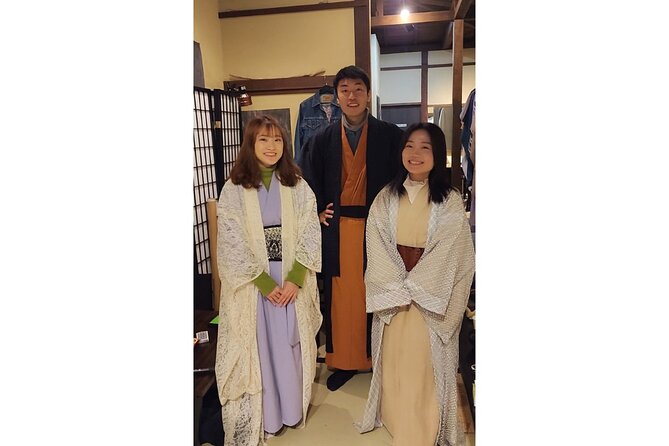
The group is limited to 10 people. That is a useful size for an activity involving clothing, tea tools, tasting, and questions.
A large class could turn the kimono fitting into a wait, make it hard to see the demonstration, or leave you hesitant to ask about unfamiliar customs. In this smaller setting, you have a better chance of getting personal help with the outfit and the whisking technique.
The format is also social without being a party. You sit through a presentation, taste tea, and prepare a bowl alongside the other participants. The experience information describes a warm and relaxed atmosphere, which suits people who want cultural contact without a solemn or intimidating ceremony.
The tradeoff is that the group may include people with different interests. A matcha enthusiast may want to spend more time tasting, while another person may care most about the kimono. The host has to balance those needs within 90 minutes. The chance to ask questions helps, but the session cannot cover every aspect of Japanese tea culture in detail.
What the Price Includes at $59.46
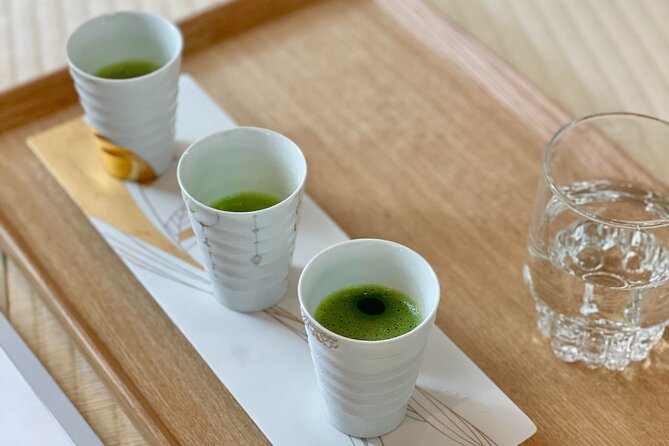
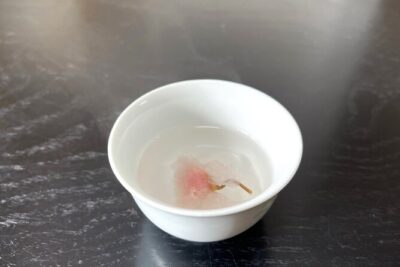
At $59.46 per person, the value comes from the combination of several short activities rather than from the tea alone. Your fee covers the easy-to-wear kimono rental, tea ceremony tools, high-quality matcha, Japanese snacks, and a welcome drink described as authentic Japanese tea or coffee.
You are also paying for instruction and help with the kimono. That makes the price easier to justify than a simple café tasting. The experience gives you a cultural explanation, a tasting lesson, and a practical demonstration in one compact visit.
I would judge the price favorably if you want a first introduction to Japanese tea culture and do not need a private class. The group size keeps the experience personal enough for most beginners, while the short duration protects your sightseeing time.
The value is less convincing if you only want to dress in a kimono for photographs, or if you already have advanced tea ceremony training. In those cases, much of the session will cover basics. You may also want to compare the cost with other kimono or tea activities in Tokyo if your priority is a more elaborate costume or a longer ritual.
All children attending are charged the full price. That is important for families planning their budget. Private transportation is not included, so you will also need to account for your route to Shinjuku.
Timing, Arrival, and the One Strict Rule
The activity starts at the designated Shinjuku meeting point and ends there. Since the experience lasts about 1 hour 30 minutes, plan your route carefully and arrive early.
The most important rule is punctuality. A reservation is automatically canceled after a 10-minute delay from the starting time, and no refund is provided in that situation. Tokyo’s train network is efficient, but stations can be large and confusing, so do not cut the timing close.
You receive booking confirmation at the time of reservation, and the meeting point is near public transportation. Use the confirmed details to allow time for the final walk to the venue.
The cancellation terms are fair if your plans remain flexible: you can cancel for a full refund up to 24 hours before the start time. Cancellations or changes made within 24 hours are not refunded or accepted. The activity also requires a minimum number of participants. If it is canceled because that minimum is not met, you will be offered another date or activity, or receive a full refund.
Who Will Get the Most From This Workshop
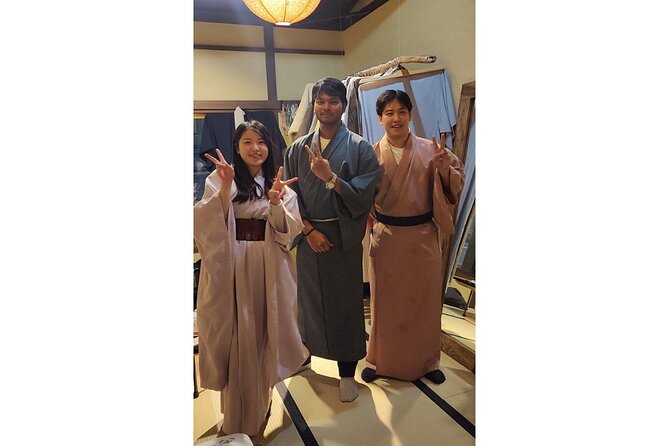
I would recommend this experience to first-time visitors who want a clear introduction to Japanese tea without committing to a half-day cultural program. It also suits matcha drinkers who want to understand what they are buying and drinking back home.
Families can benefit from the simple kimono design and hands-on format, though every child pays the full fee. Couples and friends will likely appreciate the photos, shared tasting, and chance to wear traditional clothing without a difficult dressing process.
The workshop is also a good choice for curious food and drink enthusiasts. The comparison of Japanese and overseas matcha, plus the tasting from a large collection, gives you something specific to think about after you leave.
I would be more cautious about booking if you expect a formal, highly traditional ceremony with elaborate kimono dressing and a long period of quiet observation. This is a teaching workshop, not a full tea-school performance. Its strength is clarity and participation.
Should You Book the Matcha Kimono Tea Ceremony?
Book it if you want a practical, friendly introduction to matcha and Japanese tea culture in a short block of time. The easy kimono, small group, English-friendly instruction, tea tasting, snacks, and hands-on whisking make the $59.46 price reasonable for a first experience.
Before booking, bring socks, check the meeting instructions, and plan to arrive well before the start time. Choose this workshop for learning and participation, not for a grand ceremonial production. If that matches your goal, it offers a pleasant way to add cultural depth to a busy Tokyo itinerary.
FAQ
How long does the Matcha Kimono Tea Ceremony last?
The experience lasts approximately 1 hour 30 minutes.
Where does the activity take place?
It takes place in Shinjuku City, Tokyo, at the meeting point listed as MPPG+HH. The activity ends back at the same meeting point.
What is included in the price?
The price includes Japanese traditional snacks, an easy-to-wear kimono rental, tea ceremony tools, high-quality matcha, and a Japanese welcome drink described as coffee and/or tea.
Do I need to bring tea ceremony tools?
No. Tea ceremony tools are provided for use during the workshop.
Do I need to bring socks?
Yes. You are required to wear socks in the tatami room. If you forget them, you will be asked to buy socks at the workshop.
Is the activity suitable for children?
Children can attend, but all children are charged the full price.
How many people can join the workshop?
The activity has a maximum of 10 participants.
Can I cancel for a refund?
You can cancel at least 24 hours before the start time for a full refund. Cancellations or changes made less than 24 hours before the start time are not accepted or refunded. Late arrival of more than 10 minutes results in automatic cancellation without a refund.
New on our Tokyo list
- From Tokyo: Mount Fuji & Hakone Full Day Private Tour★ 4.9 · 25 reviews
- Tokyo Spectacular View Day-Cruise in 90 Minutes★ 5.0 · 25 reviews
- Real Tokyo Runner Club : Daikoku Car Meet Night Tour with JDM Car★ 5.0 · 25 reviews
- 2.5 Hour-Guided Cycle Tour in the Central Tokyo★ 5.0 · 25 reviews
- Ramen Making from Scratch +Akihabara Tour –Cooking Class★ 5.0 · 25 reviews
- [Self-Drive] Tokyo & Daikoku Custom Car Driving Tour★ 4.9 · 25 reviews
- Tokyo: 2-Hour Night Bike Tour of the City’s Hidden Gems★ 4.9 · 25 reviews
- Tokyo: Mt. Fuji, Owakudani, Hakone Shrine, & Open-Air Museum★ 4.7 · 25 reviews
Tea Ceremonies, compared.

Matcha Making Class in Tokyo with Authentic Japanese Sweets Set
Read our review →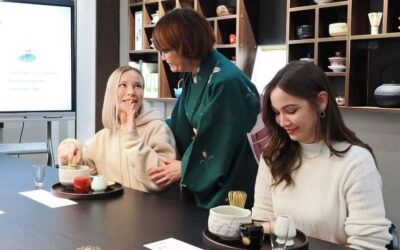
Matcha Making Experience with Mochi Sweets in Asakusa
Read our review →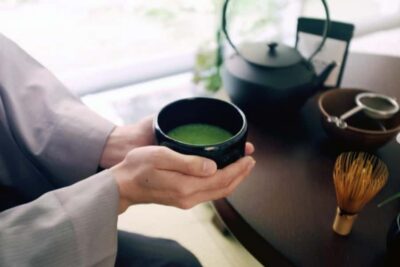
Tea Ceremony Workshop in Tokyo by the Experienced Instrucor
Read our review →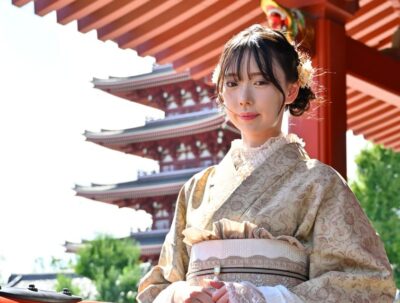

Make Traditional Nerikiri Sweets & Matcha experience in Shibuya
Read our review →Browse the lists this tour appears in