
Reviewed · TEA CEREMONIES
Tokyo: Asakusa Kimono Dressing and Matcha Experience
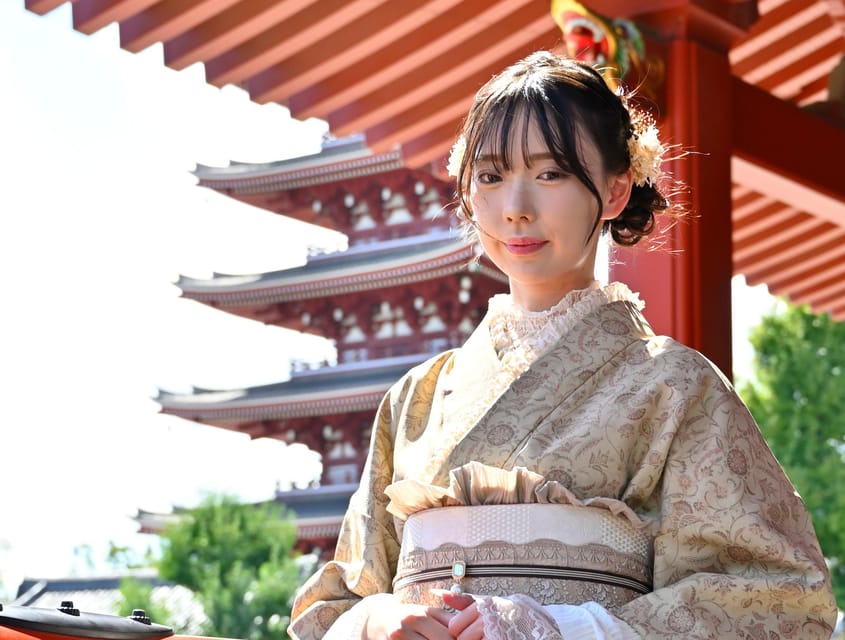
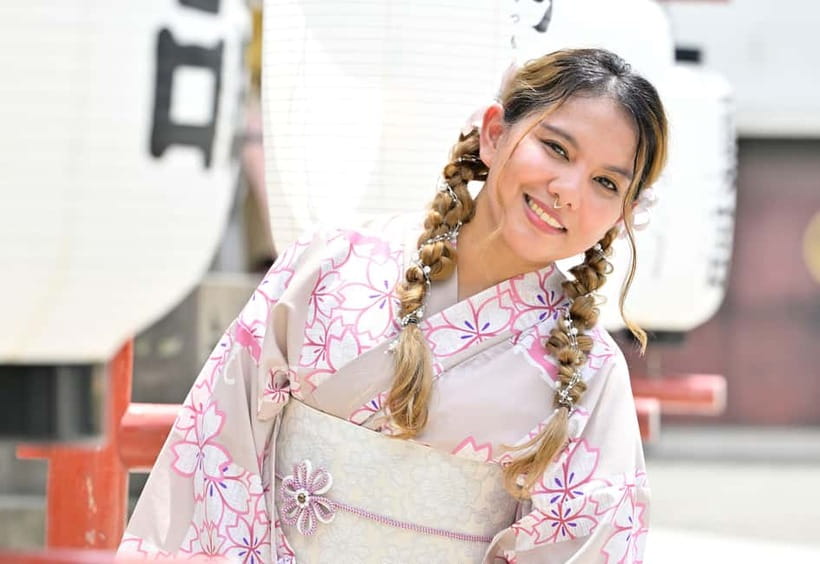
The best part of this Asakusa experience is that you do not simply put on a costume for a quick photograph. You choose your kimono, have your hair arranged, learn a little about matcha, then walk through one of Tokyo’s oldest districts dressed for the occasion. I especially like the large selection of kimono and yukata, plus the patient help with hair, accessories, shoes, and bags. I also like that you can keep the outfit for the rest of the day, rather than being rushed back to the shop.
The main thing to consider is comfort. Dressing takes 45 to 70 minutes, and several layers can feel warm, especially in summer. The included tea experience is a short lesson, not a full formal tea ceremony, and makeup is not provided. Still, at $56 per person, this is a strong value if you want more than a studio costume rental.
In This Review
- Key points to know before you book
- Why this Asakusa activity works so well
- Arriving at Kimono Rental Shop YUI
- Choosing between kimono and yukata
- Dressing, hairstyling, and the final details
- The 15-minute matcha lesson
- Walking around Sensoji in your kimono
- Is the photography add-on worth paying for?
- How the $56 price measures up
- Who should book this experience?
- Practical planning tips for a smoother visit
- Should you book the Asakusa kimono and matcha experience?
- FAQ
- Where is the kimono rental shop located?
- How long does the activity take?
- What time must I return the kimono?
- Is hairstyling included?
- Are children allowed to participate?
- Can wheelchair users take part?
- Is the matcha portion a full tea ceremony?
- Is a photo session included?
- Are premium kimono styles included in the $56 price?
- Can pregnant women participate?
Key points to know before you book
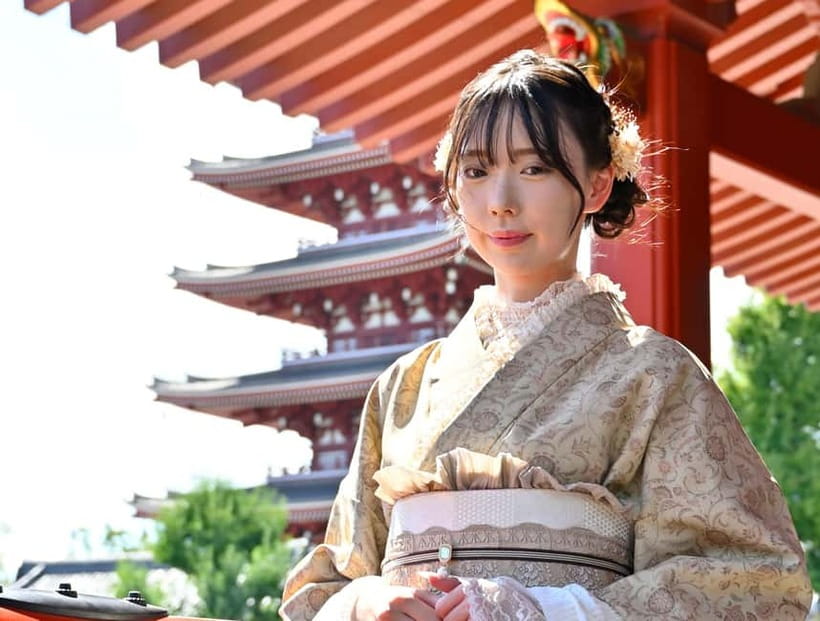
- Walk from the shop to Sensoji: Kimono Rental Shop YUI is about four minutes from Asakusa Station and two minutes from Kaminarimon Gate.
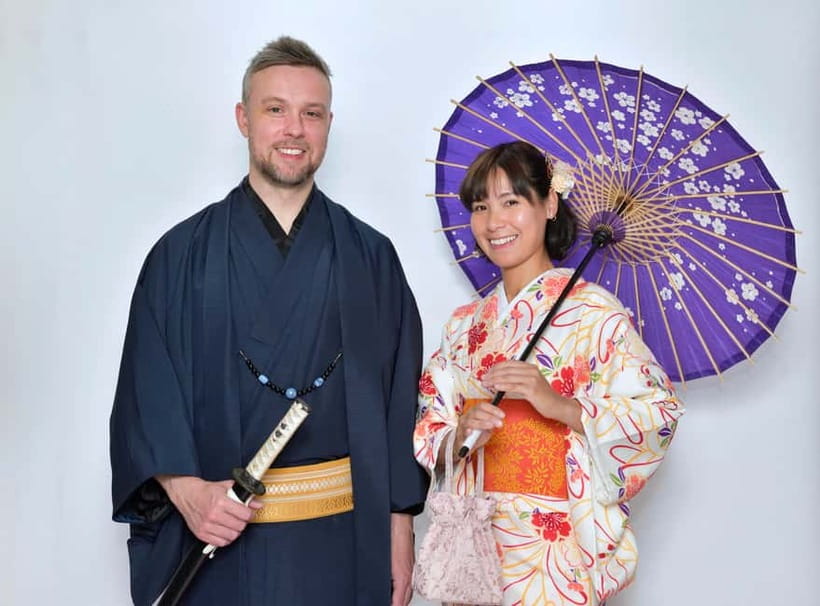
- Choose your own look: The selection includes light street-walking kimono, summer yukata, traditional silk kimono, children’s sizes, and options for plus-size visitors.
- Hair and finishing touches are included: Staff arrange a suitable hairstyle and provide accessories, geta sandals, and a traditional handbag.
- Learn matcha from Tsuyoshi Yoshi: The short lesson explains how to drink Japanese green tea in keeping with tea traditions and includes sweets.
- Keep the kimono until 17:30: After dressing, you are free to explore Asakusa at your own pace.
- Add a private photo session: A 60-minute photographer-led walk visits scenic spots around Sensoji Temple and the Sumida River.
Why this Asakusa activity works so well
Asakusa is one of the easiest places in Tokyo to connect a traditional Japanese experience with a full afternoon of sightseeing. Kaminarimon Gate and Sensoji Temple are close by, and the surrounding lanes give you more than one grand temple view. You can stroll, stop for photographs, and see how the kimono feels while moving through a real neighborhood.
I like the format because the dressing, tea lesson, and free time fit together naturally. You begin at the shop, get ready without rushing, and then take the experience outside. The kimono is not only for a staged backdrop. You have time to walk in it, pose for pictures, and enjoy Asakusa before returning it.
The activity receives a 4.9 rating from 173 reviews, and that high score makes sense when you look at what the staff actually do. Their kindness and patience are praised repeatedly, especially during the fitting and hairstyling. Tsuyoshi Yoshi speaks English and leads the matcha portion, while the women on the team help with dressing, hair, and accessories.
More tea rooms worth booking:
- Matcha Making Class in Tokyo with Authentic Japanese Sweets Set
★ 5.0 · 744 reviews - Tokyo: Traditional Tea Ceremony with a Tea Master
★ 5.0 · 528 reviews - Tokyo: Matcha Making Experience with Mochi Sweets in Asakusa
★ 4.9 · 388 reviews
Arriving at Kimono Rental Shop YUI
The shop is on the second floor, and you should take the building’s elevator. Its location is practical: about a four-minute walk from Asakusa Station and only two minutes from Kaminarimon Gate. That makes it easy to combine with Sensoji, the Sumida River area, or other Asakusa plans.
You will want to arrive with as little luggage as possible. Large luggage storage is available for an additional cost, but it is not included. If you are carrying a suitcase, check the storage arrangement before arriving so the fitting area stays comfortable.
The operation runs from 9:30 am to 5:30 pm. You must return the kimono by 17:30 unless you pay for next-day return service. That cutoff matters because the free walking portion can take up much of your afternoon, particularly if you add the photo session.
Choosing between kimono and yukata
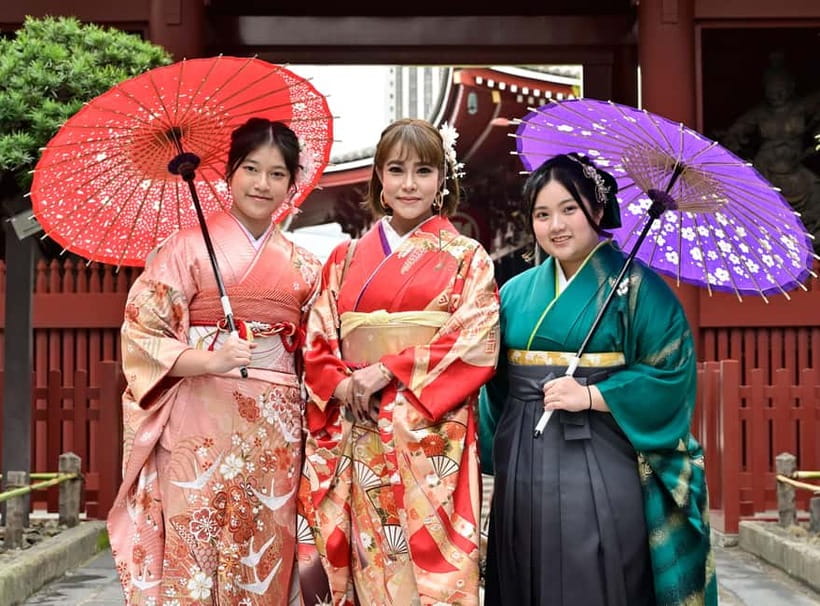
The choice of clothing is one of the strongest parts of the experience. You can select from a wide range of kimono and summer yukata, with styles for adults and children. Light kimono are suited to walking, while traditionally made silk kimono are available for more formal occasions at an extra cost.
A yukata is generally the easier choice for warm weather and casual sightseeing. A traditional kimono gives you a more formal look, but the extra layers and firm wrapping can make walking less relaxed. You will need to decide what matters more to you: comfort for a long afternoon or a more elaborate appearance for photographs.
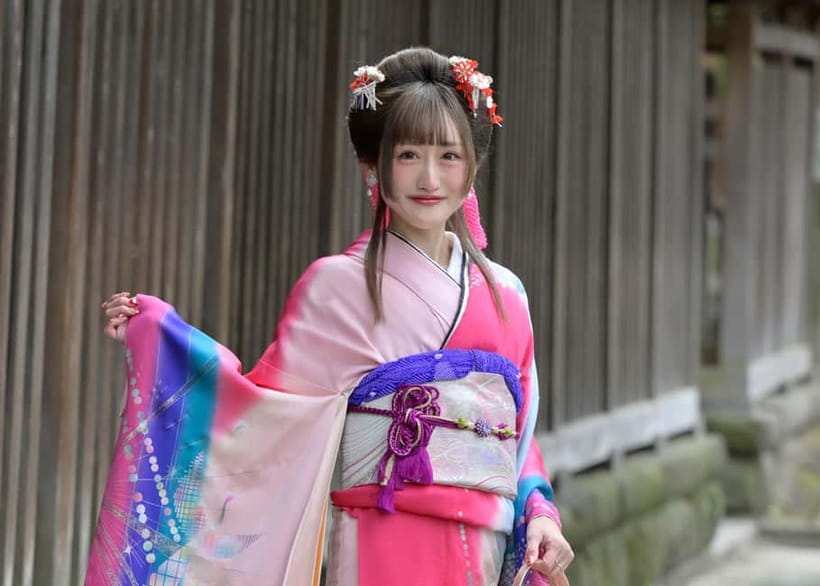
The shop also offers lace kimono, haori hakama, and furisode for an additional fee. Since the base price is $56, ask about upgrades if you have a particular garment in mind. The advertised price covers a kimono or yukata rental, but not every premium style.
The selection has worked well for a wide range of body types. One useful detail is that plus-size options are available, so you are not limited to a narrow selection. Families can also dress children, and the staff have shown patience with very young children, including a three-year-old.
Dressing, hairstyling, and the final details
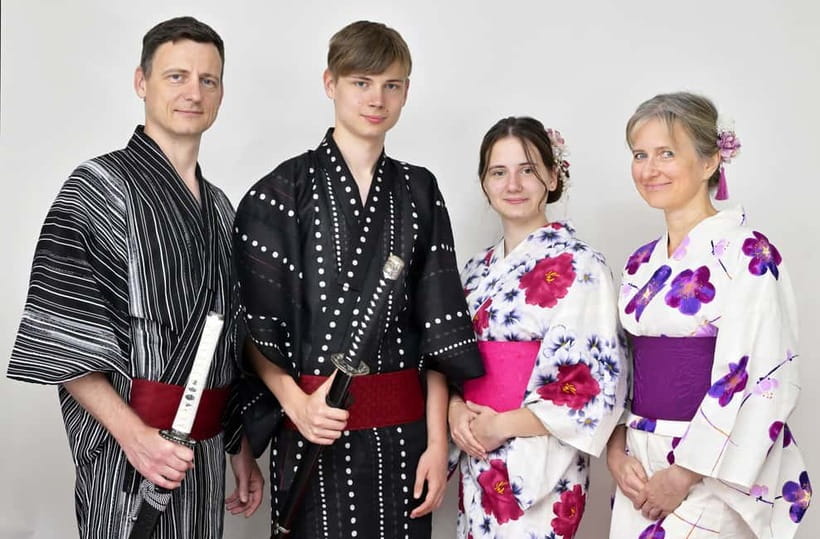
Allow 45 to 70 minutes for the full transformation. That includes selecting clothing, putting on the proper layers, tying the sash, arranging the garment, and styling your hair. This is not a rushed grab-and-go rental.
The staff help match your hairstyle and accessories to the outfit. Hair ornaments, traditional wooden geta sandals, and a handbag are included. Some of the most useful care comes in small details: staff check the layers, help with the fit, and offer advice when you are unsure which colors or accessories work together.
Makeup is not included, so plan to arrive ready if you want a finished look. You can use the included hair service to change your appearance, but the experience does not provide a full beauty makeover.
Hair texture does not need to be a reason to avoid the activity. The team has taken care with curly and afro-textured hair and made an effort to create attractive styles. That said, you may wish to explain your preferences clearly before styling begins.
The clothing is snug by design. It can feel restrictive when you first walk, and the layers may be hot in warm weather. Wear comfortable underclothes and shoes for the journey to the shop, then switch to the provided geta once dressed. Take shorter steps and watch uneven pavement around the temple grounds.
More kimono fittings and strolls:
- Let’s make kimono !(Kimono is a gift for you
★ 5.0 · 252 reviews - Tokyo: Matcha and Kimono Experience
★ 4.7 · 219 reviews - Asakusa: Kimono Tea Ceremony with Matcha and Sweet
★ 4.9 · 153 reviews - Matcha Kimono Tea Ceremony in Tokyo
★ 5.0 · 104 reviews
The 15-minute matcha lesson
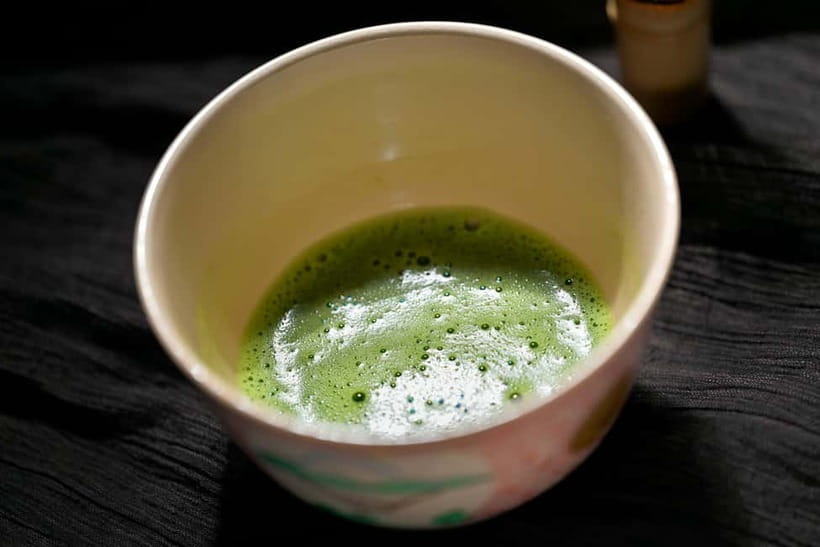
The matcha portion lasts about 15 minutes. Tsuyoshi Yoshi, who practices tea ceremony, explains the proper way to drink matcha according to Japanese tradition. You receive green tea and sweets, and you can ask questions in English.
This is best understood as a friendly introduction rather than a full tea ceremony. You learn the manners and meaning behind the drink, but the activity does not include a complete formal ceremony. That distinction matters if you are specifically seeking a long, highly structured tea-school performance.
I like this short format because it adds cultural context without taking over the afternoon. Matcha can taste bitter or grassy if you are not used to it, and the sweets help balance the flavor. The lesson also gives you something meaningful to remember besides the clothing and photographs.
The tea experience works well for first-time visitors. You do not need prior knowledge, and the instruction is practical. You learn how to handle the tea in the traditional manner instead of simply being handed a cup for a photograph.
Walking around Sensoji in your kimono
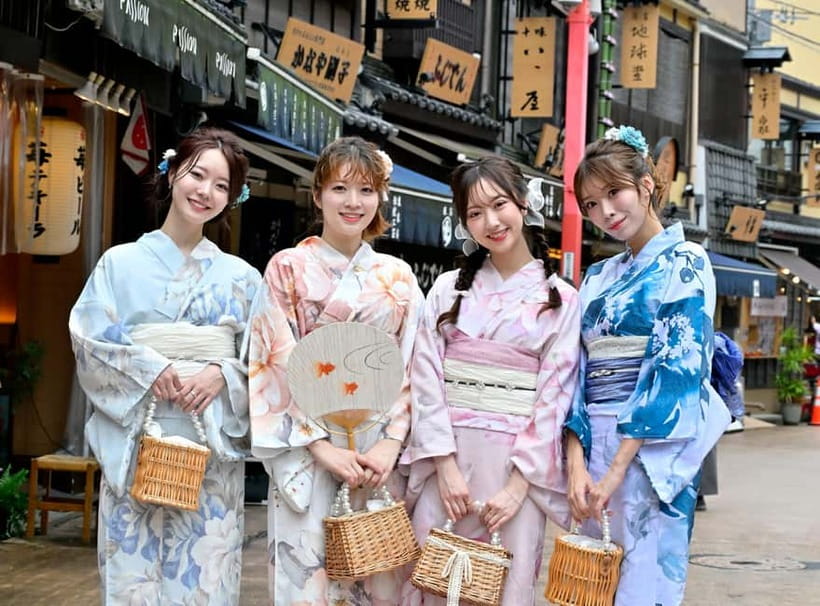
Once you are dressed, you can explore Asakusa until 17:30. The shop is close to Kaminarimon Gate, so the famous red lantern and Sensoji Temple are natural first stops. From there, use the nearby back streets for quieter photographs and a slower walk.
The freedom to explore is a real advantage. A short rental might give you only enough time for a few poses, while this arrangement lets you combine sightseeing with the dressing experience. You can walk with family, take pictures on your phone, and pause when the layers become tiring.
The Sensoji area is especially useful for photographs because it offers several settings close together: the temple approach, old-style streets, and views toward the Sumida River. You do not need a guide to find the main sights, though the staff can point you toward good places for pictures.
Be realistic about the pace. Geta sandals and a fitted kimono are not ideal for a long-distance Tokyo walking day. Keep your plans nearby, and avoid scheduling a packed itinerary across several neighborhoods. Rain is manageable, and the staff have lent umbrellas, but wet pavement and wooden sandals still call for care.
Is the photography add-on worth paying for?
The optional photo session lasts 60 minutes. A professional photographer accompanies you around Sensoji Temple and the Sumida River, suggests photogenic locations, and helps with poses. Edited photo data is sent for download within a week.
I would consider this add-on if you are traveling alone, celebrating a special occasion, or want photographs that look more polished than quick phone snapshots. Posing in formal clothing can feel awkward at first, and a photographer who gives direction makes the session easier.
It is also useful for families and couples who want everyone in the frame. The shop staff may help take casual phone pictures even without the add-on, but that is not the same as booking a dedicated 60-minute session.
The main limitation is that the photo add-on costs extra, and the exact price is not provided here. Confirm the current supplement before booking. If your budget is tight, the standard experience still lets you walk around and take your own pictures.
How the $56 price measures up
At $56 per person, the base price covers more than a basic garment rental. You receive the kimono or yukata, fitting assistance, hairstyling, hair accessories, geta, a handbag, matcha, and sweets. You also get several hours to use the outfit around Asakusa.
That is good value for anyone who wants a full cultural activity rather than a short photo stop. The free walking time is especially important. You are paying for the preparation, but you also get the chance to use the outfit in one of Tokyo’s most suitable districts.
The price becomes less predictable if you choose a premium silk kimono, lace kimono, haori hakama, or furisode. Large luggage storage and next-day return also cost extra. Add the photo session and your total rises again, so compare the final package price before making your choice.
For families, the value depends on how long children will tolerate the clothing. The staff are patient with young children, and children’s rentals are included in the offering, but a small child may not want to walk for hours in geta. Plan a shorter outing if needed.
Who should book this experience?
I would recommend it to first-time visitors who want a hands-on introduction to Japanese clothing and tea customs. It also suits couples, families, solo photographers, and anyone marking a birthday or special trip.
The activity is wheelchair accessible, and the elevator provides access to the second floor. You should still ask about your specific needs when booking, since the clothing is layered and fitted. Pregnant women should not book this activity, as it is listed as unsuitable for pregnancy.
It is also a good choice if you are unsure about dressing traditionally. Staff offer advice on colors, hairstyles, and accessories, and their gentle approach helps take the pressure off. English is available through the host or greeter, with Tsuyoshi Yoshi providing English explanations during the matcha lesson.
You may want to skip it if you dislike formal clothing, have a full day of long-distance walking planned, or expect a complete tea ceremony. You should also allow extra time beyond the advertised two-hour duration if you plan to enjoy the kimono outdoors until closing.
Practical planning tips for a smoother visit
- Book an early or midmorning start if you want the longest time in Asakusa before the 17:30 return.
- Wear comfortable clothing underneath the kimono, since the fitting includes several layers.
- Tell the staff your hair preferences before styling begins, especially if you have curly, textured, or long hair.
- Ask about upgrade prices before choosing silk, lace, furisode, or haori hakama.
- Keep your walking route local because geta and a tightly wrapped kimono are not built for a long Tokyo hike.
- Choose the photo option for guided posing and edited images, particularly if you are traveling alone.
- Leave large luggage elsewhere when possible, since storage costs extra.
- Return on time: The kimono must be back by 17:30 unless you arrange next-day return service.
Should you book the Asakusa kimono and matcha experience?
Book it if you want a friendly, flexible cultural activity with enough time to enjoy the outfit beyond the shop. The combination of choice, hairstyling, matcha instruction, and free time near Sensoji gives you a fuller experience than a standard costume photograph.
I especially value the care from Tsuyoshi Yoshi and the staff, the broad range of sizes and styles, and the chance to spend the rest of the day in Asakusa. Add the photography session if high-quality images matter to you. Skip the upgrade if you only want a simple yukata walk, and remember that the heat, layers, and 17:30 return time require a little planning.
FAQ
Where is the kimono rental shop located?
Kimono Rental Shop YUI is about a four-minute walk from Asakusa Station and two minutes from Kaminarimon Gate. Take the elevator to the second floor of the building.
How long does the activity take?
The listed duration is two hours, but dressing and hairstyling usually take 45 to 70 minutes. The matcha lesson takes about 15 minutes, and you can continue exploring in the kimono until 17:30.
What time must I return the kimono?
You must return the kimono or yukata no later than 17:30. Next-day return service is available for an additional cost.
Is hairstyling included?
Yes. Hairstyling and accessories are included, along with hair accessories, traditional wooden geta sandals, and a handbag. Makeup is not included.
Are children allowed to participate?
Yes. Kimono and yukata rentals are available for children and adults. The activity is suitable for children.
Can wheelchair users take part?
Yes. The activity is listed as wheelchair accessible, and the building has an elevator to the second floor.
Is the matcha portion a full tea ceremony?
No. It is a short matcha lesson lasting about 15 minutes. You learn how to drink matcha according to Japanese traditions and receive tea and sweets. A full tea ceremony is not included.
Is a photo session included?
A professional photo session is available as an add-on. It lasts 60 minutes around Sensoji Temple and the Sumida River, and edited photo data is sent within a week.
Are premium kimono styles included in the $56 price?
The base price includes a kimono or yukata rental, but lace kimono, silk kimono, haori hakama, and furisode cost extra.
Can pregnant women participate?
No. Pregnant women are listed as unsuitable for this activity.
More Asakusa Visits
- Tokyo: Japanese Dance Cabaret Theater Asakusa-Kaguwa Ticket
★ 4.8 · 2,270 reviews - Tokyo: Meiji Shrine, Asakusa, Skytree Bus Tour and Cruise
★ 4.7 · 1,986 reviews - Tokyo: Roll and Authentic Sushi Making Class in Asakusa
★ 4.9 · 1,957 reviews - Tokyo: Asakusa Walking Tour with Sensoji Temple Visit
★ 4.8 · 1,583 reviews
New on our Tokyo list
- From Tokyo: Mount Fuji & Hakone Full Day Private Tour★ 4.9 · 25 reviews
- Tokyo Spectacular View Day-Cruise in 90 Minutes★ 5.0 · 25 reviews
- Real Tokyo Runner Club : Daikoku Car Meet Night Tour with JDM Car★ 5.0 · 25 reviews
- 2.5 Hour-Guided Cycle Tour in the Central Tokyo★ 5.0 · 25 reviews
- Ramen Making from Scratch +Akihabara Tour –Cooking Class★ 5.0 · 25 reviews
- [Self-Drive] Tokyo & Daikoku Custom Car Driving Tour★ 4.9 · 25 reviews
- Tokyo: 2-Hour Night Bike Tour of the City’s Hidden Gems★ 4.9 · 25 reviews
- Tokyo: Mt. Fuji, Owakudani, Hakone Shrine, & Open-Air Museum★ 4.7 · 25 reviews
Tea Ceremonies, compared.
Matcha Making Class in Tokyo with Authentic Japanese Sweets Set
Read our review →
Matcha Making Experience with Mochi Sweets in Asakusa
Read our review →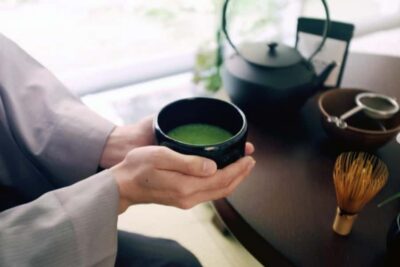
Tea Ceremony Workshop in Tokyo by the Experienced Instrucor
Read our review →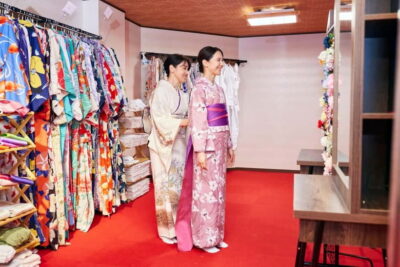

Make Traditional Nerikiri Sweets & Matcha experience in Shibuya
Read our review →
Tea Ceremony Experience in a Private Tea Room in Shibuya
Read our review →Browse the lists this tour appears in