Reviewed · MT FUJI AREA TOURS
Mt Fuji and Lake Kawaguchiko Bus Day Tour with English Guide
Mount Fuji gets the star billing here, but the real appeal is the range of viewpoints packed into one long day. You move from the famous Chureito Pagoda view to clear spring ponds, quiet Fuji-area streets, Lake Kawaguchi, and a Lawson store that has become an unlikely photo stop.
I like the easy, photo-focused route and the chance to see several very different sides of the Fuji region without arranging separate trains and buses. I also like the seasonal planning, especially lavender at Oishi Park in summer and red kochia plants or autumn leaves later in the year. The drawback is simple: this is a full 8 to 10 hours, and the day can feel rushed if traffic slows or you want more time at each stop.
In This Review
- Key points to know
- Why this Fuji day trip works
- Arakurayama Sengen Park and the 397-step climb
- Hikawa Clock Shop and the Stairway to Heaven Town
- Oshino Hakkai and Fuji snowmelt springs
- Lawson Kawaguchiko and the modern Fuji photo
- Oishi Park through the seasons
- What the English guide adds
- Timing, comfort, and the long day from Tokyo
- Who gets the best value from this tour
- Practical tips for making the day better
- Should you book this Mount Fuji tour?
- FAQ
- How long is the Mt Fuji and Lake Kawaguchiko tour?
- Where does the tour start?
- Which places does the tour visit?
- Is lunch included?
- Is the tour suitable for older people?
- What happens if the weather is poor?
Key points to know
- Chureito Pagoda requires 397 steps: Allow time and energy for the climb to the classic Fuji view.
- Five stops cover a lot of ground: You visit Arakurayama Sengen Park, Hikawa Clock Shop, Oshino Hakkai, Lawson Kawaguchiko, and Oishi Park.
- Season matters: Lavender, cherry blossoms, kochia, and autumn leaves can change the feel of the same route.
- English guidance adds context: Guides such as Wong and Kevin have been praised for their friendly service and explanations.
- Lunch is not included: Bring money for food and personal purchases.
- The price offers strong value: At $15 per person as listed, transport and guide service cover an ambitious day outside Tokyo.
Why this Fuji day trip works

The best reason to book this outing is efficiency. Mount Fuji is close enough to Tokyo to tempt independent day trips, yet the area around Lake Kawaguchi has several stops spread across different towns and roads. A direct tour removes much of the route planning.
You start at 8:00 am from Tokyo Station’s Marunouchi North Exit, Bus Stop No. 21. From there, an air-conditioned vehicle takes you toward the Fuji area. The day ends back at the same meeting point, with about 8 to 10 hours on the road and at the stops.
That schedule gives you a broad introduction rather than a slow, single-site visit. You get views, a shrine park, a traditional spring village, a small-town street, and a lakeside flower park. I would choose it for a first visit to the Fuji region, especially if your Tokyo stay is short.
The $15 price is unusually low for a full-day outing that includes transport and a driver-guide service fee. That makes it attractive for budget-conscious visitors. Still, treat the price as an entry point rather than a promise of a leisurely private car day. The published details describe a private activity for your group, while the experience is also presented as a bus day tour. Confirm the vehicle and group arrangement when booking if that distinction matters to you.
More Mt Fuji days from Tokyo:
- Mt Fuji and Hakone 1-Day Bus Tour Return by Bullet Train
★ 5.0 · 26,383 reviews - Mt Fuji & Hakone Cruise, Drum Show Bullet Train 1 Day from Tokyo
★ 4.0 · 7,413 reviews - Tokyo Mt Fuji 5th St & Hakone Cruise Bus Tour w/Bullet Train
★ 4.4 · 5,024 reviews
Arakurayama Sengen Park and the 397-step climb
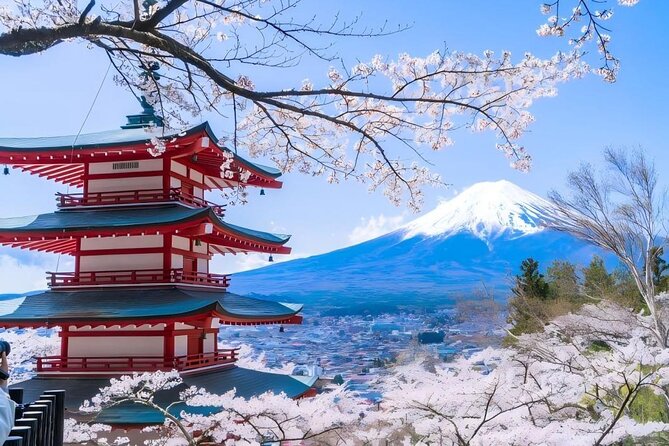
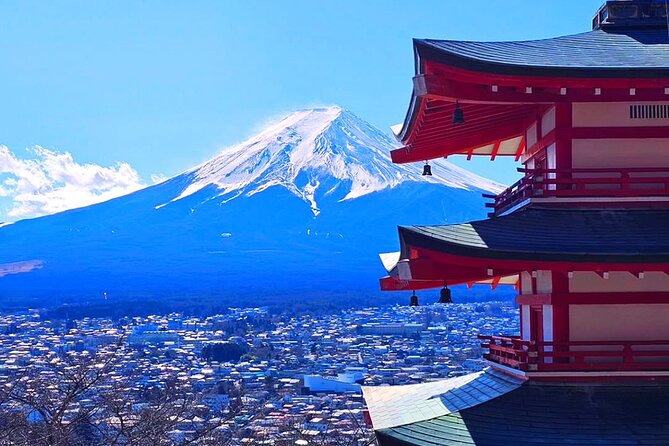
The first major stop is Arakurayama Sengen Park, one of the area’s most recognizable Fuji photo locations. Its winning combination is straightforward: Mount Fuji in the distance, Chureito Pagoda in the foreground, and a hillside setting that gives the image depth.
You have about 1 hour and 20 minutes here. The key point is the stairway. You climb 397 steps near the main shrine to reach the pagoda viewpoint. This is not a tiny photo pull-off, so wear shoes suited to stairs and allow time for a steady ascent.
The effort is part of the experience. At the top, the pagoda frames Mount Fuji in a way that has become closely linked with postcards and travel photos of Japan. On a clear day, the view can be superb. On a cloudy day, Fuji may be partly hidden, so expectations should stay flexible.
You can also use the stop to appreciate the shrine setting rather than treating it as a race to the viewpoint. With only 80 minutes, though, most of your time will go toward climbing, taking photographs, and returning to the vehicle.
Admission is free. The main cost is physical: the stairs and the time needed to manage them. Older visitors should take particular care. The tour information advises that people over 70 should be accompanied by a family member, which is sensible for this stop and for a long day on the road.
Hikawa Clock Shop and the Stairway to Heaven Town
The Hikawa Clock Shop stop lasts about 20 minutes. It is short, but it gives you a different kind of Fuji photograph.
This area is known for a street view sometimes called Stairway to Heaven Town. The road appears to lead upward toward Mount Fuji, creating a calm urban scene with the mountain at the far end. The charm comes from the contrast between ordinary local streets and the enormous peak beyond them.
Do not expect a long neighborhood walk. Twenty minutes is enough to get off the vehicle, frame the view, and take a few photographs. It is not enough for a detailed visit to local shops or a relaxed exploration of the town.
I like this stop because it breaks up the more formal park and nature views. It also reminds you that Mount Fuji is not just a remote wilderness subject. It is part of everyday life in the towns around its base.
Follow the guide’s instructions closely here. A street photo depends on standing in the right place, and a short stop leaves little room to wander. Keep the visit respectful and avoid blocking local roads or entrances while taking pictures.
Oshino Hakkai and Fuji snowmelt springs
Oshino Hakkai gives the day its clearest connection to water and geology. The site has eight springs formed by snowmelt from Mount Fuji filtering through the ground. The water collects in clear pools, creating reflections and small details that reward a slower look.
You have about 1 hour and 20 minutes here, matching the time at Arakurayama Sengen Park. That is useful because Oshino Hakkai needs more than a quick photograph. You can look at the springs, take in the village setting, and search for a view of Fuji when the mountain is visible.
The appeal is not only the mountain backdrop. The springs provide a close-up subject, with shimmering water and a sense of how the peak shapes the surrounding area. If clouds cover Fuji, Oshino Hakkai still offers something to see. That makes it a good balance to the more weather-dependent viewpoints.
The stop is also a natural place to think about lunch, since lunch is not included in the tour. The supplied details do not specify a restaurant, meal arrangement, or set lunch break, so you should plan to pay for food yourself and follow the guide’s timing.
As with the other stops, admission is listed as free. You should still budget for personal purchases and food. The tour includes the vehicle and driver-guide service fee, not everything you may want during the day.
A few more Tokyo bookings worth comparing
- 1-Day Tokyo Bus Tour
★ 5.0 · 14,250 reviews - Tokyo: TOKYO SKYTREE® Admission ticket
★ 4.5 · 11,192 reviews - Tokyo: teamLab Planets TOKYO Digital Art Museum Entry Ticket
★ 4.6 · 9,779 reviews - Tokyo: Sumo Show Experience with Chicken Hot Pot and a Photo
★ 4.8 · 6,678 reviews
Lawson Kawaguchiko and the modern Fuji photo
The Lawson Kawaguchiko Station stop lasts only 20 minutes, but it may be one of the most surprising parts of the route. This is a convenience store, not a temple or a grand natural viewpoint. Its appeal comes from the clean contrast between the blue Lawson facade and Mount Fuji behind it.
You may wonder why a convenience store appears on a Mount Fuji itinerary. The answer is visual variety. After shrines, springs, and park scenery, this stop shows the mountain against a familiar piece of modern Japan.
The location is near Kawaguchiko Station, and it has become popular with photographers. You should expect a quick stop aimed mainly at getting the composition rather than shopping or eating inside the store.
This is also a good reminder that the best travel photographs do not always come from official viewpoints. A convenience store, a quiet street, and a mountain can tell you plenty about the place. Keep the visit brief and considerate, especially since this is an active business rather than a purpose-built attraction.
Oishi Park through the seasons
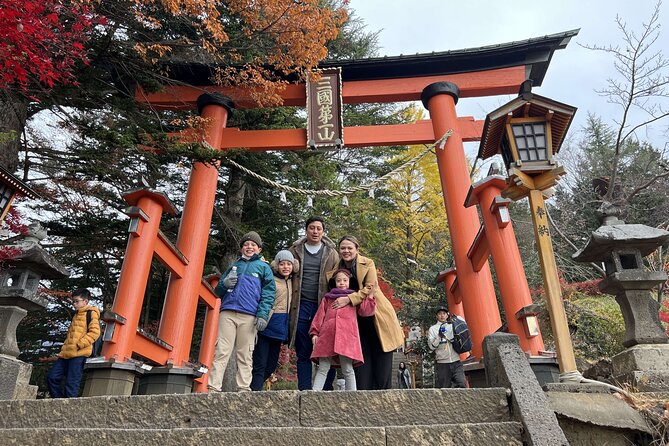
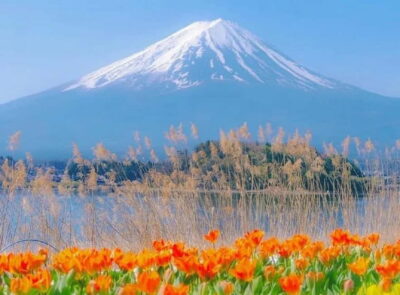
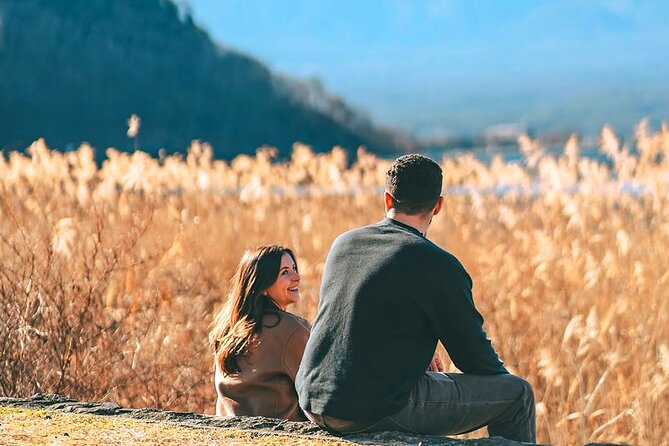
Oishi Park is the longest lakeside stop, with about one hour. It sits beside Lake Kawaguchi and is particularly important for seasonal color.
In summer, lavender fills the park with purple blooms and creates a strong foreground for Mount Fuji. In autumn, kochia plants turn red, giving the park a completely different look. The Lake Kawaguchi Cherry Blossom Festival adds another seasonal reason to visit, while the Maple Corridor is known for its red autumn display.
The exact appearance depends on the date of your tour. Flowering and autumn color do not follow a fixed calendar, so you should not book this route expecting one particular display unless your travel dates match the season. Even outside peak color, the park offers open views across Lake Kawaguchi toward Fuji.
The one-hour stop is long enough for a comfortable walk and photographs, but not for a detailed tour of every seasonal area. This is where a guide can help you use your time well. The tour promises direction to good viewing and photography points, and the guides named in the supplied feedback, Wong and Kevin, were praised for friendly service and useful explanations.
Oishi Park may be the most relaxed part of the day. After the stairs at Chureito and the quick Lawson stop, a lakeside park gives you room to slow down. If flowers and seasonal scenery matter to you, check the expected conditions before booking.
What the English guide adds
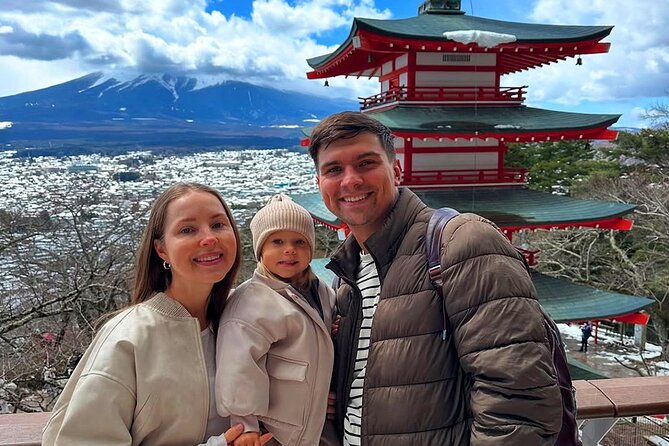
The guide is more than the person who points out the next stop. On a route with several short visits, clear instructions matter. You need to know where to meet, how long you have, and which view is worth the walk.
The tour provides an English-speaking guide and driver service. Guides named in the supplied comments include Wong and Kevin. The comments specifically praise their kindness, professionalism, and willingness to explain the places along the route. Since guide assignments can vary, you should not assume one of those two will lead your date, but their names indicate the service style you can expect.
The most useful guiding comes at stops where timing or positioning matters. At Arakurayama Sengen Park, the guide can help you understand the climb and the viewpoint. At Lawson and Hikawa Clock Shop, quick directions can save precious minutes. At Oishi Park, seasonal highlights may be easier to find with local route knowledge.
The tour is described as private, with only your group participating. At the same time, its title and transport description present it as a bus day tour. If personal space, vehicle type, or group size is important to you, ask QHTravel to confirm those details before payment.
Timing, comfort, and the long day from Tokyo
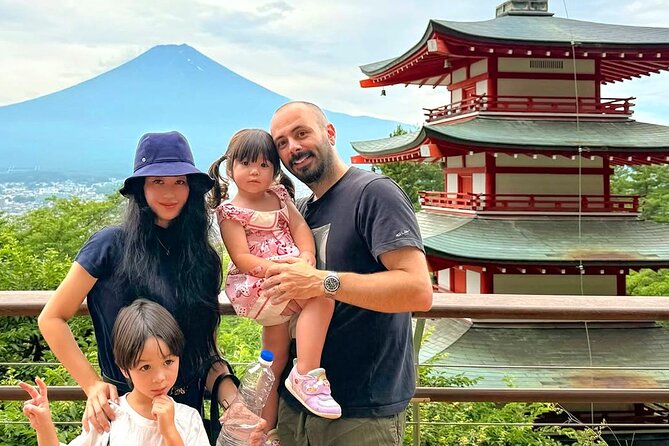
The 8:00 am start is practical. It gives you a full day for the Fuji area and leaves enough time to return to Tokyo. The trade-off is an early morning and a long schedule.
An air-conditioned vehicle is included, which matters because the route involves several road transfers. You are not left to piece together trains, local buses, and walking routes between the stops. That convenience is the main reason to choose this tour over an independent outing.
The day contains both active and easy sections. The 397-step climb is the hardest physical part listed. The other stops involve walking around parks, streets, springs, and a station-area store. Most people can participate, but the tour specifically advises that people over 70 should be accompanied by a family member.
Weather is crucial. Mount Fuji can disappear behind clouds, and the tour requires good weather. If poor conditions cancel the outing, you are offered another date or a full refund. You can also cancel for a full refund up to 24 hours before the start time. Changes or cancellations inside that 24-hour window are not accepted.
Who gets the best value from this tour
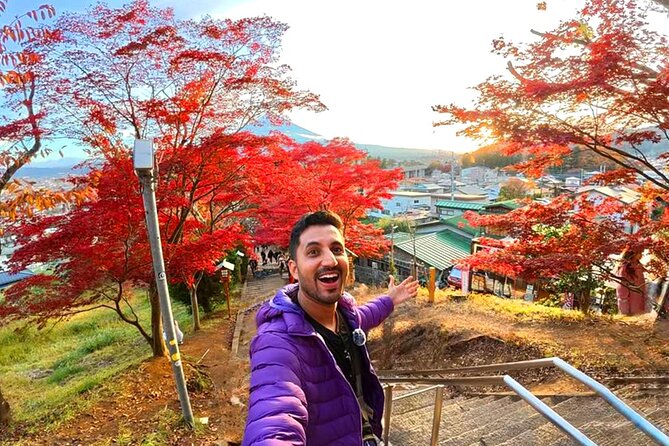
I would recommend this trip to someone who wants a broad Fuji introduction without managing the transport alone. It suits first-time visitors, photographers, couples, and anyone with limited time in Tokyo.
Couples may especially enjoy the variety. One supplied comment describes a couple who loved the trip and appreciated the driver’s professional service. The route gives you plenty of shared photo moments without requiring you to plan each stop.
It also suits budget-focused visitors. At $15 per person as listed, the inclusion of an air-conditioned vehicle and guide service makes the cost appealing. The low price works best if you are happy with a structured day and are prepared to pay separately for lunch and personal expenses.
I would hesitate if you want a quiet, unhurried day at Lake Kawaguchi. Five stops plus the Tokyo transfer mean the schedule is designed for coverage. I would also think twice if climbing nearly 400 stairs is difficult for you, or if your main goal is a long visit to one specific festival or park.
Practical tips for making the day better
- Wear comfortable shoes for the 397 steps at Chureito Pagoda.
- Bring money for lunch, drinks, and personal purchases because these are not included.
- Keep your phone or camera ready at the short Hikawa Clock Shop and Lawson stops.
- Check the season before booking if lavender, cherry blossoms, kochia, or autumn leaves are your main reason for going.
- Leave room in your schedule for weather uncertainty. A clear Fuji view cannot be guaranteed.
- Meet at Tokyo Station’s Marunouchi North Exit, Bus Stop No. 21, at 8:00 am.
- Keep the confirmation available on your phone. The booking uses a mobile ticket.
- Ask about the exact guide and vehicle arrangement if the private-tour description is important to you.
Should you book this Mount Fuji tour?
Book it if you want maximum Fuji variety for a very low listed price. You will see the classic pagoda view, a spring village, a local street, a modern convenience-store composition, and Lake Kawaguchi’s seasonal park in one day.
Skip it if you want a slow pace, a guaranteed festival display, or a long stay at one viewpoint. The best version of this trip comes when you accept the schedule, prepare for the stairs, bring lunch money, and choose a date with a good chance of clear weather.
FAQ
How long is the Mt Fuji and Lake Kawaguchiko tour?
The experience lasts approximately 8 to 10 hours, including the journey from Tokyo, the listed stops, and the return to the meeting point.
Where does the tour start?
It starts at Tokyo Station’s Marunouchi North Exit, Bus Stop No. 21, at 8:00 am.
Which places does the tour visit?
The route includes Arakurayama Sengen Park, Hikawa Clock Shop, Oshino Hakkai, Lawson Kawaguchiko Station, and Oishi Park.
Is lunch included?
No. Lunch and personal consumption expenses are not included, so you should bring money for food and drinks.
Is the tour suitable for older people?
Most people can participate, but anyone over 70 should be accompanied by a family member. The 397 steps at Chureito Pagoda are the main physical challenge listed.
What happens if the weather is poor?
The experience requires good weather. If it is canceled because of poor conditions, you will be offered a different date or a full refund. You can also cancel up to 24 hours before the start time for a full refund.
New on our Tokyo list
- Sumi-e Experience in a relaxing green tea shop in Tokyo★ 5.0 · 3 reviews
- Tokyo : Kamikaze Street Drift Ride★ 5.0 · 3 reviews
- Private Zen Meditation in English in Shinjuku, Tokyo★ 5.0 · 3 reviews
- Onsen Spa in Tokyo and Asakusa Bar Hopping with Local Guide★ 5.0 · 3 reviews
- Easy for everyone! Now you can play handmade mini shamisen and show off to everyone! Musical instruments, sweets and live music★ 5.0 · 3 reviews
- Tokyo: Private Tsukiji Street Food & Sake with Local Guide★ 5.0 · 3 reviews
- Mt Fuji Exploration Tour with Free Japanese Kusa Mochi from Tokyo★ 4.5 · 3 reviews
- Tokyo Tsukiji Fish Market Walking and Exploring Hidden Gems Tour★ 5.0 · 3 reviews
Mt Fuji Area Tours, compared.
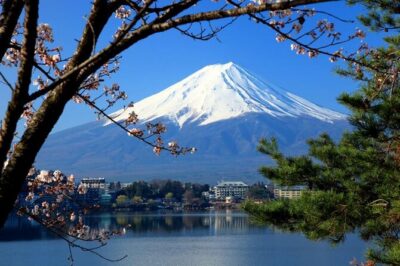
Mt Fuji and Hakone 1-Day Bus Tour Return by Bullet Train
Read our review →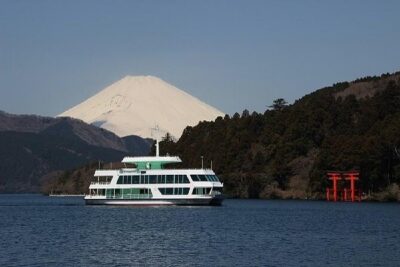
Mt Fuji & Hakone Cruise, Drum Show Bullet Train 1 Day from Tokyo
Read our review →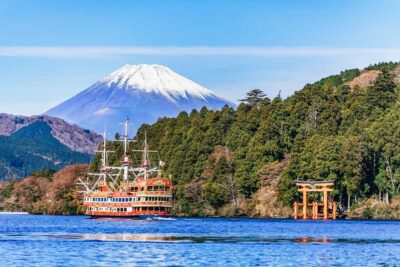
Tokyo Mt Fuji 5th St & Hakone Cruise Bus Tour w/Bullet Train
Read our review →
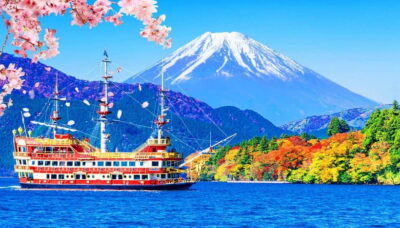
Mt. Fuji Tour, Hakone Ropeway, Owakudani, Lake Ashi
Read our review →
Mt.Fuji,Kawaguchiko Oishi Park,Arakurayama Sengen Park
Read our review →
Mt. Fuji 5th Station & Hakone Cruise 1-Day Bus Tour
Read our review →