
Reviewed · MT FUJI AREA TOURS
Muslim Friendly Mt. Fuji Tour with Halal Lunch and Prayer Time
Mt. Fuji is the star here, but the tour’s real strength is its careful planning for Muslim visitors. You’ll pair Fuji views and traditional Japan with a halal-certified lunch and scheduled prayer time, without having to hunt for a mosque or restaurant in a rural area.
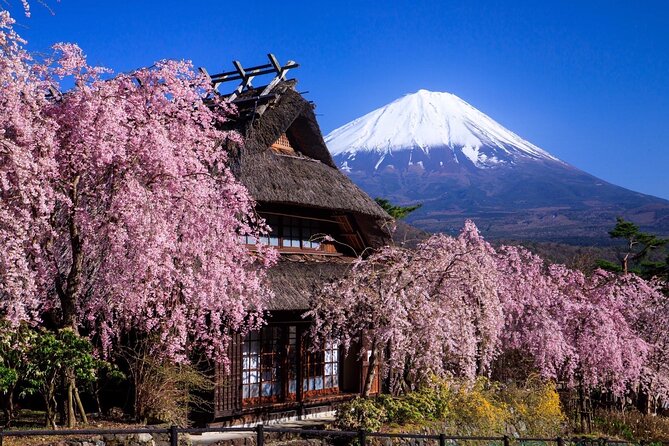
I like the calm visit to Saiko Iyashi no Sato Nenba, where thatched-roof houses line quiet paths beside a stream. I also like the practical comfort of a reserved, air-conditioned bus and an English-speaking guide, especially since the drive from Tokyo can take about two hours each way. The main drawback is weather: Fuji may be hidden, and there is no refund simply because the mountain refuses to appear.
In This Review
- Key points to know
- Why this tour works for Muslim visitors
- Starting from Takanawa Gateway Station at 7:20 am
- Fujiyama Twin Terrace and the search for a clear Fuji view
- The Itchiku Kubota Art Museum in the January to April season
- Fujikawaguchiko Masjid, prayer, and lunch by Lake Kawaguchi
- Saiko Iyashi no Sato Nenba and Japan’s old village style
- What the $137.94 price really includes
- Weather, seasonal changes, and the fine print that matters
- Who will get the most from this Fuji day trip
- Should you book this Muslim-friendly Mt. Fuji tour?
- FAQ
- Where does the tour start and finish?
- Is hotel pickup or drop-off included?
- Is lunch halal?
- Are prayer times included?
- Are prayer mats provided?
- Will the tour visit Fujiyama Twin Terrace all year?
- What happens if Mt. Fuji is covered by clouds?
- How far in advance can I cancel for a full refund?
Key points to know
- Prayer-friendly by design: Time is set aside at Fujikawaguchiko Masjid and Saiko Iyashi no Sato Nenba, with mats supplied at the mosque.
- Seasonal first stop: May through November brings Fujiyama Twin Terrace, while January through April features the Itchiku Kubota Art Museum.
- Halal lunch included: Expect a halal-certified chicken bento and water, but not specialty meals for allergies or gluten-free diets.
- Small group format: The bus holds a maximum of 25 people, giving the day a more personal feel than a large coach trip.
- Weather can change the plan: Fuji views are never guaranteed, and the Twin Terrace may be replaced by another attraction for safety or poor visibility.
- A long but efficient day: The 7:20 am departure and roughly 11.5-hour schedule make this a full-day commitment from Tokyo.
Why this tour works for Muslim visitors
Many Mt. Fuji day trips focus only on viewpoints and shopping stops. That can leave Muslim visitors spending valuable time checking ingredients, finding a prayer space, and working out transport in an area where services are spread out.
This tour removes much of that guesswork. You travel with an English-speaking national government licensed guide, eat a halal-certified bento, and receive two planned prayer opportunities. The arrangement is practical rather than flashy, which is exactly what you want on a long day outside Tokyo.
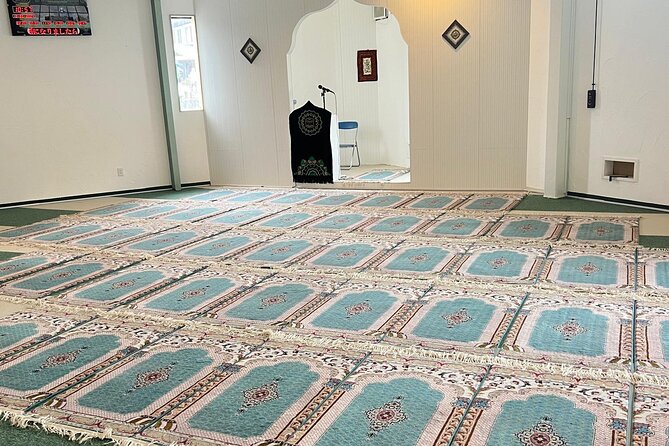
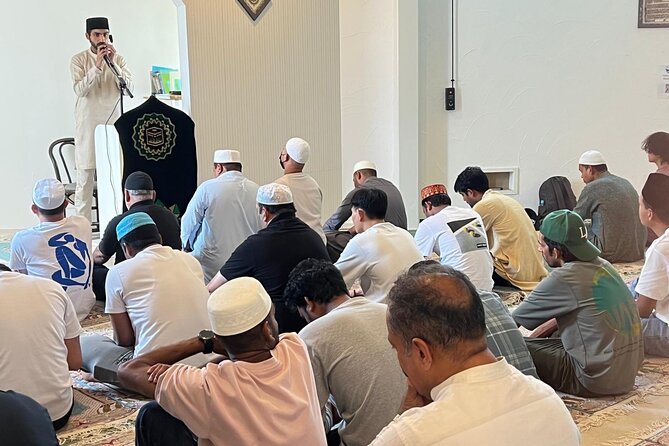
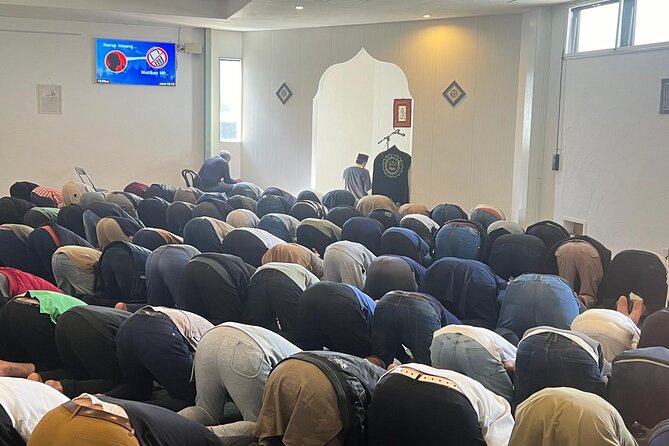
At Fujikawaguchiko Masjid, prayer mats and prayer wear are available. You’ll also have time for Dhuhr there. On Fridays, the mosque is the only mosque in the Lake Kawaguchi area and hosts Jumu’ah, making the stop especially useful for visitors who need Friday prayers.
A second prayer time is scheduled at Saiko Iyashi no Sato Nenba. Mats are not supplied at that stop, so bring your own. If you still need to pray Maghrib after returning to Tokyo, a prayer room is available at the tour’s arrival point. Tell the guide in advance so the timing can be handled sensibly.
More Mt Fuji days from Tokyo:
- Mt Fuji and Hakone 1-Day Bus Tour Return by Bullet Train
★ 5.0 · 26,383 reviews - Mt Fuji & Hakone Cruise, Drum Show Bullet Train 1 Day from Tokyo
★ 4.0 · 7,413 reviews - Tokyo Mt Fuji 5th St & Hakone Cruise Bus Tour w/Bullet Train
★ 4.4 · 5,024 reviews
Starting from Takanawa Gateway Station at 7:20 am
The day begins at Takanawa Gateway Station in Minato City. The tour returns to the same station, ending at Bus Stop 1 in the Transportation Square on the first floor.
You’ll want to arrive early. The day is long, and a late start can create problems on a schedule that already has a great deal of driving and several fixed stops. There is no hotel pickup or drop-off, so you need to make your own way to the station.
The air-conditioned round-trip bus is one of the tour’s best practical features. Mt. Fuji’s region is not a place where you want to juggle several local trains and buses while trying to protect prayer times. The bus also gives you a place to rest between stops.
There is no free Wi-Fi on board, and drinks other than the included water are not provided. Bring a filled bottle and any snacks you may need. The bus has a maximum group size of 25, which is considerably easier to manage than a huge sightseeing coach.
Road congestion can affect the schedule. The stated arrival times and stop lengths are estimates, so keep the evening flexible after the tour. The drive may feel long, but a guide such as Nao-san can make the journey more useful by sharing information about the Fuji area, its nature, and local culture.
Fujiyama Twin Terrace and the search for a clear Fuji view
From May through November, the seasonal opening stop is Fujiyama Twin Terrace. The viewpoint is designed for broad views of Mt. Fuji and the surrounding nature. You first transfer at Lily Bell Hutte to a shuttle bus that takes you toward the terrace.
The word viewpoint deserves a warning here. Fuji is a weather-dependent mountain. Clouds can cover the summit even on a pleasant day, and the tour continues regardless. You should book this for the overall Fuji region, not for a guaranteed postcard photograph.
That said, even a hidden Fuji does not make the stop worthless. Fresh mountain air, Lake Kawaguchi, and autumn colors can still make the hour worthwhile. The area offers a change from Tokyo’s hard surfaces and constant motion, and the open setting gives you a chance to enjoy the season itself.
There is also a safety-related change to understand. From May through November, concerns such as falling rocks on the forest path or poor visibility may lead the operator to replace Twin Terrace with another site. Possible alternatives include Fugaku Wind Cave, Narusawa Ice Cave, or the Itchiku Kubota Art Museum.
This flexibility is sensible, but it means your exact day may differ from the advertised seasonal outline. Wear athletic shoes because stairs and slippery sections are possible. In winter, temperatures can fall below freezing, so warm clothing is essential.
The Itchiku Kubota Art Museum in the January to April season
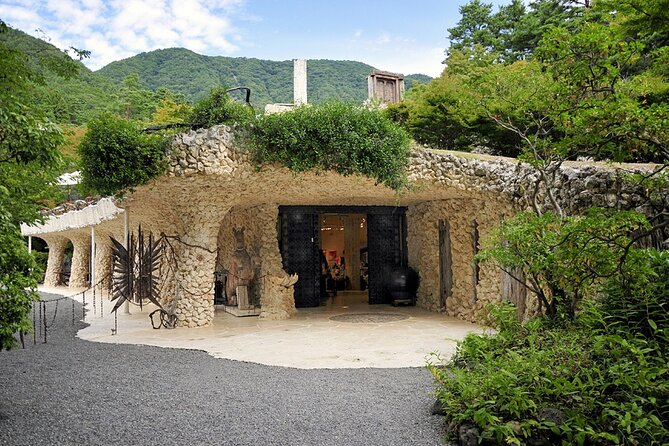
From January through April, the itinerary shifts to the Itchiku Kubota Art Museum. The museum overlooks Lake Kawaguchi and sits at the foot of Mt. Fuji, giving you a cultural stop rather than another outdoor viewpoint.
The museum is known for its textile art, and its setting is part of the appeal. You’ll be seeing a carefully presented Japanese art collection in a place with views toward the lake and mountain area. This adds variety to the day, especially during the colder months when outdoor stops can be less comfortable.
The tour visits the museum as long as it is open, even if the weather is poor. That makes this seasonal plan more dependable than an outdoor viewpoint. Still, Fuji itself may remain hidden, and the tour does not cancel or refund the booking for that reason.
If your priority is art and a more sheltered experience, January through April may suit you well. If your main goal is an elevated outdoor view, the May through November version is likely more appealing, provided you accept the chance of a substitute stop.
A few more Tokyo bookings worth comparing
- Tokyo: Mt.Fuji & Lake Kawaguchiko 1-Day Bus Tour w/Optional Lunch
★ 4.5 · 839 reviews - Tokyo: Sumo Experience and Chanko Nabe Lunch
★ 4.8 · 257 reviews - Tokyo: Tsukiji Fish Market Tour with 6 Stops & Seafood Lunch
★ 4.5 · 165 reviews - Tokyo: 1 Day Bus Tour with Meiji-Jingu,Odaiba,lunch&Skytree
★ 4.6 · 156 reviews
Fujikawaguchiko Masjid, prayer, and lunch by Lake Kawaguchi
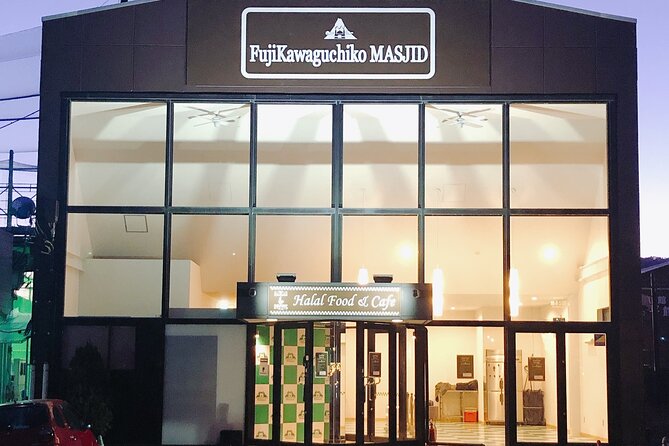
The mosque stop is the practical heart of the experience. Fujikawaguchiko Masjid is the only mosque in the Lake Kawaguchi area, so including it saves you from trying to locate a suitable prayer space during a rural sightseeing day.
You’ll have about 1 hour and 15 minutes for the mosque visit and lunch. Time is allocated for Dhuhr, with prayer mats and prayer wear available. On Fridays, the setting also supports Jumu’ah, which can be a major reason to choose this tour over a standard Fuji excursion.
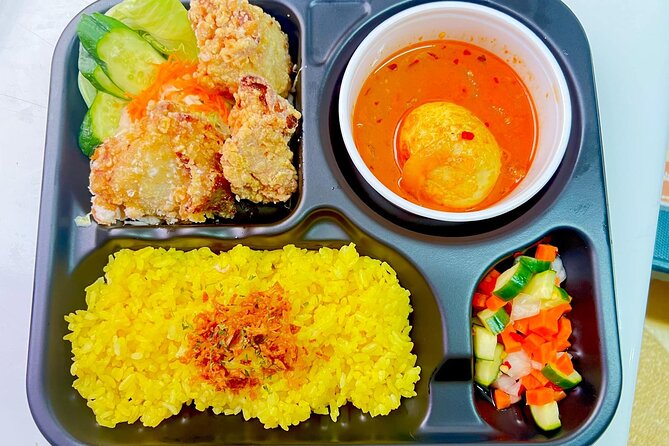
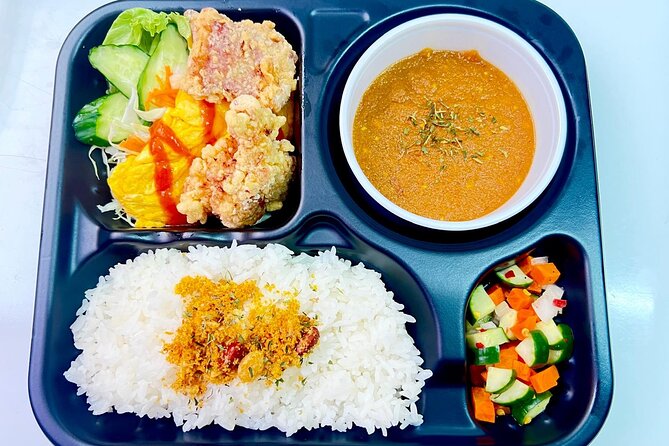
Lunch is a halal-certified bento box, served with water. The food is meant to be convenient and easy to manage on a busy schedule, rather than a long restaurant meal. A bento also fits the rhythm of a day when the bus must keep moving.
Do not expect a menu with several choices. Allergy-friendly and gluten-free meals are not available, so you should contact the operator before booking if you have dietary needs beyond halal certification. Drinks are not included apart from water, so carry anything else you want.
The lunch has earned especially warm praise for its chicken bento, with the food described as better than expected. That is a useful detail because halal meals outside major Japanese cities can sometimes be limited. Here, the meal is not an afterthought. It is built into the schedule and served in a way that respects the day’s religious needs.
The lake setting gives the break a pleasant change of pace. You are not rushing through a convenience store stop or eating something you had to bring from Tokyo. For many visitors, that simple certainty is worth a great deal.
Saiko Iyashi no Sato Nenba and Japan’s old village style
The final major stop is Saiko Iyashi no Sato Nenba, a traditional village with thatched-roof houses beside a stream. You’ll have about 1 hour and 30 minutes here, making it the longest sightseeing stop of the day.
This is a good place to slow down. You can stroll along quiet roads, listen to running water, and take photographs of seasonal scenery. The village presents a traditional image of Japan without the pressure of a city shopping district.
The thatched houses provide a strong contrast to the modern Tokyo departure point and the busy tourist infrastructure around some Fuji viewpoints. I like this stop because it gives the day texture. You are not only looking at a mountain from a distance; you are also seeing a preserved rural style of Japanese architecture and village life.
The second prayer time is scheduled here. Bring your own prayer mat because none are provided at Saiko Iyashi no Sato Nenba. The stop includes stairs and potentially slippery areas, so practical footwear matters more than fashionable footwear.
You should also keep your expectations realistic. This is a tranquil cultural visit, not a major theme park or a long hike. The pleasure comes from the setting, the traditional buildings, and the chance to move at an unhurried pace.
What the $137.94 price really includes
At $137.94 per person, this is not the cheapest way to see Mt. Fuji. The value comes from what has been arranged for you.
Your price includes the English-speaking guide, round-trip air-conditioned bus, admission fees for the listed stops, halal lunch, and water. It also covers the difficult practical work of building prayer time into an 11.5-hour trip outside Tokyo.
A self-planned day might cost less if you use ordinary public transport, pack your own food, and skip paid attractions. But that approach requires more planning, especially around the mosque, meal timing, and connections between Lake Kawaguchi-area sights. The tour is priced for convenience and religious accommodation as much as for transport.
I think the cost makes the most sense for a first visit to the Fuji area, for families, and for anyone who wants to spend the day sightseeing rather than managing logistics. It is less compelling if you already know the region well, have your own car, or prefer to choose every stop independently.
The group limit of 25 helps protect the value. You will not have unlimited time at each place, but the schedule should be easier to follow than a very large group excursion.
Weather, seasonal changes, and the fine print that matters
Mt. Fuji may not be visible in full, and the tour still runs. There is no refund for poor mountain visibility, so make that part of your decision before booking.
For May through November, Twin Terrace may be changed because of falling-rock concerns, bad weather, or a decision that the view will not be visible. The alternative may be Fugaku Wind Cave, Narusawa Ice Cave, or Itchiku Kubota Art Museum.
For January through April, the museum visit continues as long as the facility is open, including in poor weather. This makes the colder-season version more predictable, though the mountain view remains uncertain.
The tour requires at least two participants. If that minimum is not reached four days before departure, the date may be canceled. Confirmation is sent within 48 hours of booking, subject to availability.
Free cancellation is available up to 24 hours before the start time. After that point, the payment is not refunded, and changes made within 24 hours are not accepted. The cutoff follows local Tokyo time.
Who will get the most from this Fuji day trip
This tour is a strong match for Muslim visitors who want a simple, respectful way to see Mt. Fuji without sacrificing halal food or prayer time. It also suits people who prefer a guided day and do not want to manage rural Japanese transport.
Families can join, and most participants can take part. Children aged five and under may travel free, but they do not receive a bus seat or lunch unless booked at the child rate.
You should choose it if you value:
- A planned mosque visit and prayer schedule
- Halal lunch included in the price
- A guide who can explain the Fuji area in English
- A comfortable bus instead of several transport changes
- A mix of scenery, art, and traditional village architecture
You may want another option if you need gluten-free or allergy-specific food, want guaranteed Fuji views, dislike early starts, or prefer a slow itinerary with long time at one viewpoint. This is a carefully arranged group day, not a private custom tour.
Should you book this Muslim-friendly Mt. Fuji tour?
I would book it if your priority is a reliable Muslim-friendly structure around one of Japan’s most popular day trips. The mosque visit, halal bento, prayer times, English-speaking guide, and reserved bus solve real problems that are easy to underestimate when planning the Fuji area independently.
Book with the right expectations. Fuji can hide behind clouds, the drive is long, the schedule may change with traffic, and lunch is a set bento rather than a full restaurant meal. If those limits are acceptable, the combination of Lake Kawaguchi scenery, traditional village streets, seasonal art, and thoughtful prayer arrangements makes the $137.94 fare a fair price for a full day from Tokyo.
FAQ
Where does the tour start and finish?
The tour starts at Takanawa Gateway Station at 7:20 am and returns to the same station. It ends at Bus Stop 1 in the Transportation Square on the first floor.
Is hotel pickup or drop-off included?
No. You must make your own way to Takanawa Gateway Station at the beginning and end of the tour.
Is lunch halal?
Yes. A halal-certified bento box and water are included. The meal is not available in allergy-friendly or gluten-free versions.
Are prayer times included?
Yes. Two prayer times are scheduled, one at Fujikawaguchiko Masjid and one at Saiko Iyashi no Sato Nenba.
Are prayer mats provided?
Prayer mats and prayer wear are available at Fujikawaguchiko Masjid. Mats are not provided at Saiko Iyashi no Sato Nenba, so bring your own for the second prayer time.
Will the tour visit Fujiyama Twin Terrace all year?
No. May through November tours generally include Fujiyama Twin Terrace. January through April tours visit the Itchiku Kubota Art Museum instead.
What happens if Mt. Fuji is covered by clouds?
The tour continues even if Fuji is not fully visible. There is no refund because of poor visibility. In May through November, Twin Terrace may also be replaced by another attraction for safety or weather reasons.
How far in advance can I cancel for a full refund?
You can cancel at least 24 hours before the experience start time for a full refund. Cancellations and changes made less than 24 hours before departure are not accepted for a refund.
New on our Tokyo list
- Sumi-e Experience in a relaxing green tea shop in Tokyo★ 5.0 · 3 reviews
- Tokyo : Kamikaze Street Drift Ride★ 5.0 · 3 reviews
- Private Zen Meditation in English in Shinjuku, Tokyo★ 5.0 · 3 reviews
- Onsen Spa in Tokyo and Asakusa Bar Hopping with Local Guide★ 5.0 · 3 reviews
- Easy for everyone! Now you can play handmade mini shamisen and show off to everyone! Musical instruments, sweets and live music★ 5.0 · 3 reviews
- Tokyo: Private Tsukiji Street Food & Sake with Local Guide★ 5.0 · 3 reviews
- Mt Fuji Exploration Tour with Free Japanese Kusa Mochi from Tokyo★ 4.5 · 3 reviews
- Tokyo Tsukiji Fish Market Walking and Exploring Hidden Gems Tour★ 5.0 · 3 reviews
Mt Fuji Area Tours, compared.
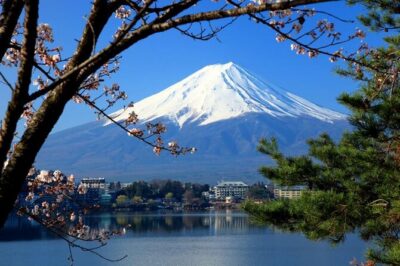
Mt Fuji and Hakone 1-Day Bus Tour Return by Bullet Train
Read our review →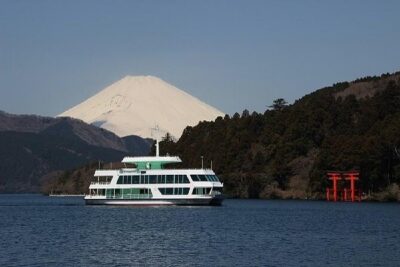
Mt Fuji & Hakone Cruise, Drum Show Bullet Train 1 Day from Tokyo
Read our review →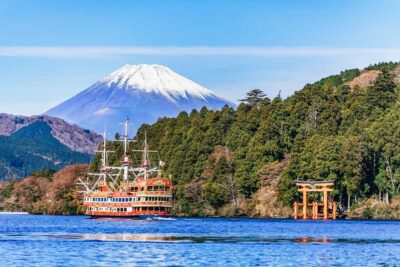
Tokyo Mt Fuji 5th St & Hakone Cruise Bus Tour w/Bullet Train
Read our review →
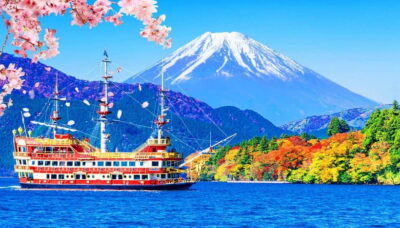
Mt. Fuji Tour, Hakone Ropeway, Owakudani, Lake Ashi
Read our review →
Mt.Fuji,Kawaguchiko Oishi Park,Arakurayama Sengen Park
Read our review →
Mt. Fuji 5th Station & Hakone Cruise 1-Day Bus Tour
Read our review →
Mt Fuji Top 5 Spots Day Tour: Arakurayama Park,Oshino Hakkai
Read our review →Browse the lists this tour appears in