
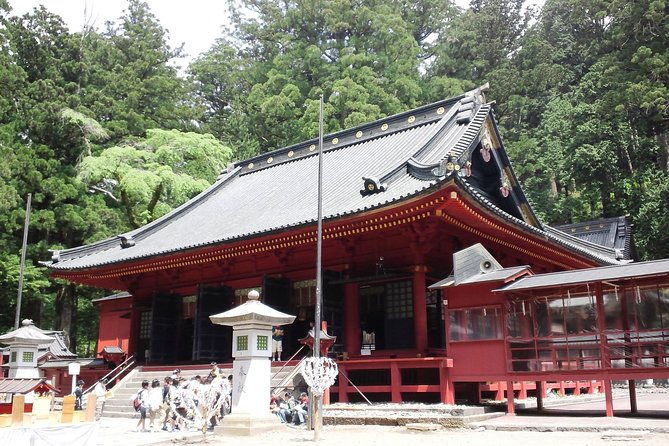
Reviewed · HISTORICAL TOURS
NIKKO PASS world heritage area
Nikko’s great advantage is that its famous shrines, forested hills, and mountain-town atmosphere are close enough for a practical trip from Tokyo. This two-day Tobu pass takes care of the basic rail and bus network, so you can spend less time sorting fares and more time seeing Toshogu, Rinnoji, and Futarasan.
I like the included round trip between Asakusa and Shimo-Imaichi, plus the local buses that reach the World Heritage area. I also like that the pass gives you two calendar days, not just one rushed day. The catch is simple: shrine and temple admission is extra, and the included local train can take about three hours, while a limited express train is faster but costs more.
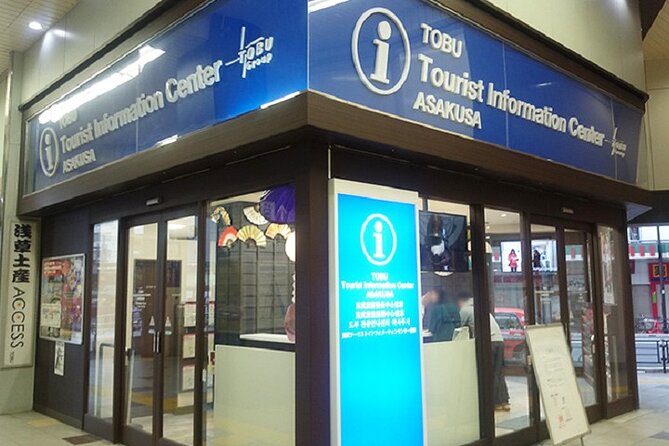
- Pick up in Asakusa: Collect the pass at the Tobu Tourist Information Center on the first floor of Tobu Railway’s Asakusa Station.
- Two calendar days: A pass starting April 1 is valid through April 2, not for 48 hours from the moment you first use it.
- Useful bus coverage: Ride the Tobu World Heritage Pilgrimage bus and buses as far as Rengeishi without paying each time.
- Local rail included: Travel between Shimo-Imaichi and Tobu-Nikko or Shin-Fujiwara on Tobu local trains.
- Foreign passport required: This product is only for visitors with a non-Japanese passport.
- Entry fees are separate: Your transport pass does not include admission to Nikko’s shrines and temples.
In This Review
- Why Nikko Works So Well as a Tokyo Side Trip
- Picking Up the Pass at Asakusa Station
- What the Included Train Ride Really Means
- Using Nikko’s Buses Instead of Walking Every Hill
- The World Heritage Shrines and Temples
- Making Sense of the Discounts
- One Day or Two Calendar Days?
- What the Trip Feels Like in Practice
- Who Should Buy the Nikko Pass?
- Should You Book It?
- FAQ
- Where do I pick up the NIKKO PASS?
- How long is the pass valid?
- Does the pass include the trip from Tokyo to Nikko?
- Are limited express trains included?
- Does the pass include shrine and temple admission?
- Which buses can I use?
- Who can buy this pass?
- Can I cancel for a refund?
Why Nikko Works So Well as a Tokyo Side Trip
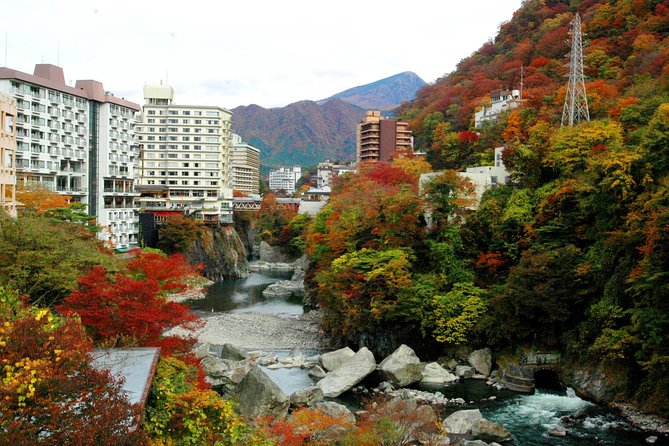
Nikko gives you a sharp change of pace from Tokyo. The trip moves from city streets to quieter towns and then toward a shrine district set among tall trees and steep hills. You can make the visit in one full day, but the two-day validity gives you breathing room for a slower look at the major sites.
The World Heritage area centers on the shrines and temples around Tobu-Nikko Station. The pass is designed for this zone, with rail access from Tokyo and bus service once you arrive. That combination matters because Nikko is not a place where every sight sits beside the station. Some roads rise uphill, and there are plenty of steps near the religious sites.
I would use the first day for the main shrine and temple complex, then save the second day for anything you missed, seasonal sights, or the route toward Kinugawa and Shin-Fujiwara if your plans call for it. The pass supports more than a quick photo stop, though you still need to check seasonal opening information before setting out.
Picking Up the Pass at Asakusa Station
Your trip begins at the Tobu Tourist Information Center Asakusa, located on the first floor of Tobu Railway’s Asakusa Station. This is a useful starting point because Asakusa is already one of Tokyo’s easiest sightseeing districts to reach, and Tobu’s trains leave directly from here.
Bring your valid non-Japanese passport. The pass is restricted to foreign tourists, and passport presentation is required on the day of the activity. Children age five and younger ride free when accompanied by a paying adult.
Give yourself enough time at the station to collect the pass and find the correct platform. You do not need a guide for the day, so once the pass is in hand, you are managing the schedule yourself. That independence is helpful, but it also means you should check Tobu train and bus timetables before leaving.
More Nikko day trips:
- Nikko: Kegon Falls, Lake Chuzenji & Toshogu Temple
★ 4.6 · 1,577 reviews - Tokyo: Nikko Toshogu Shrine and Kegon Waterfall Tour
★ 4.5 · 1,266 reviews - Nikko Full-Day Private Tour with Government-Licensed Guide
★ 5.0 · 259 reviews
What the Included Train Ride Really Means
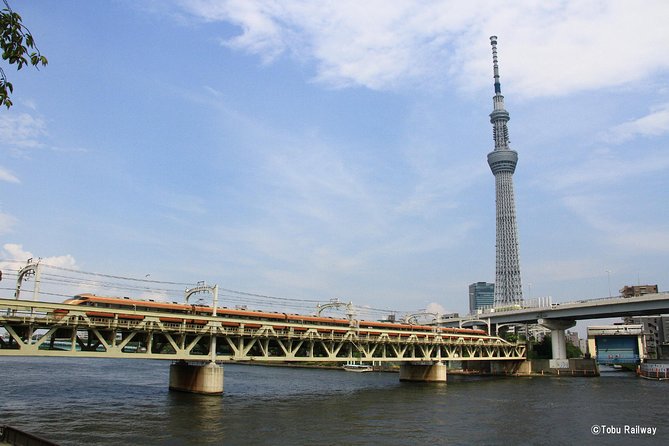
The pass includes a round trip on Tobu Railway between Asakusa and Shimo-Imaichi using local trains. It also covers unlimited Tobu local train rides between Shimo-Imaichi and Tobu-Nikko or Shin-Fujiwara during the two-day period.
This is the pass’s main value for a budget-minded visitor. You can travel from Tokyo to Nikko and back without buying separate standard-fare tickets, then use the same pass for the local Tobu connection. You also have the option of reaching Shin-Fujiwara, which is useful if your plans extend toward the Kinugawa area.
There is an important speed tradeoff. The included local train journey can take roughly three hours, according to the supplied trip details. A limited express can reduce the travel time, but the limited express fare is not included. JR train fees are also outside the pass.
I would choose the local train if saving money matters more than arriving quickly, or if you want a relaxed ride with no need to pay for an upgrade. If you have only one day and want the most time in Nikko, compare the extra limited express cost before booking. The pass remains useful even if you buy a separate express supplement, because the local buses and other Tobu rides still support the sightseeing day.
Using Nikko’s Buses Instead of Walking Every Hill
The included bus coverage may be the most practical part of the pass once you reach Nikko. You receive unlimited rides on the Tobu World Heritage Pilgrimage bus, along with unlimited Tobu bus rides as far as the Rengeishi stop.
That matters because the area around the station is not perfectly flat. The route toward the shrine and temple district includes uphill walking, steps, and distances that can feel longer after a rail journey. You can walk some sections, but the bus gives your legs a break and helps you reach the major area without turning the day into one long uphill march.
Bus schedules and routes change by season and service period, so check the Tobu bus information before you go. The pass does not guarantee that every attraction runs every day. Build a little flexibility into your plan, particularly outside the busiest travel months.
Do not treat the bus as a sightseeing tour with a guide. It is local transportation. You need to watch the stops and allow time for boarding, traffic, and the return trip to the station.
The World Heritage Shrines and Temples
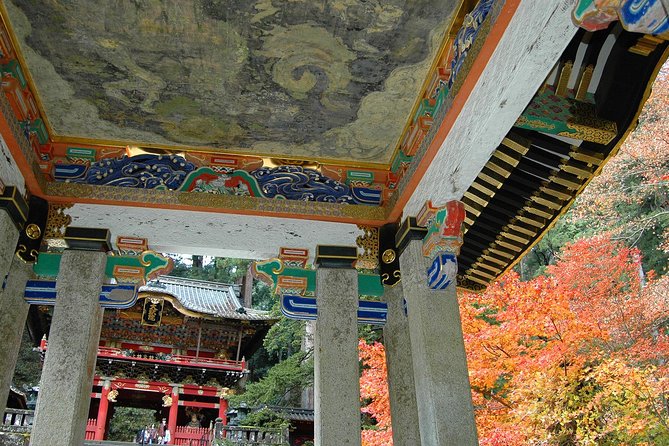
The pass gets you close to Nikko’s main cultural sights, but it does not pay the admission fees. That distinction is easy to miss when comparing the price, so set aside extra money for the shrines and temples you plan to enter.
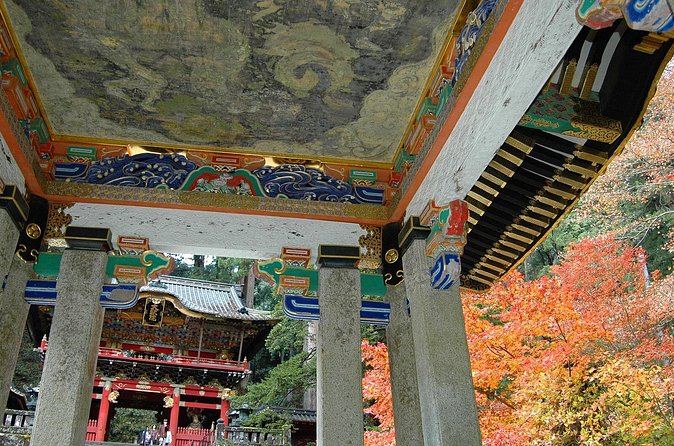
Toshogu is the best-known name in the district, while Rinnoji and Futarasan add different layers to the visit. The appeal is not just one building. You are moving through a group of religious sites, wooded paths, gates, carvings, and steep approaches. Even if you choose only a few interiors, the setting makes the trip worthwhile.
The walking can be demanding. Expect steps and slopes, and avoid packing the day so tightly that you have no time to pause. The buses reduce the distance between areas, but they do not remove the need for walking once you enter the shrine district.
I like the pass here because it lets you make a second bus trip or return to the station without worrying about small fares. I would not buy it solely for shrine admission savings, since admission is not included and discounts vary by season.
A few more Tokyo bookings worth comparing
- Tokyo: Imperial Palace and Shogun Historical Walking Tour
★ 5.0 · 2,251 reviews - Tokyo: Imperial Palace Japanese History Walking Tour
★ 4.9 · 987 reviews - Tokyo: Shinjuku Historical Walking Tour & Secret Backstreets
★ 5.0 · 530 reviews - Yanaka Walking Tour: Historic and Traditional District of Tokyo
★ 5.0 · 530 reviews
Making Sense of the Discounts
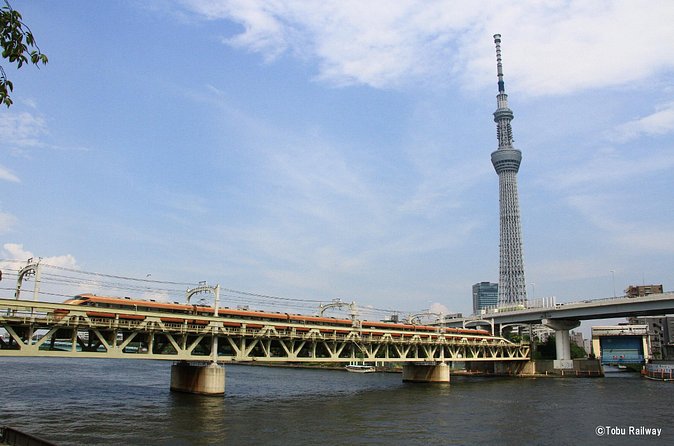
The NIKKO PASS includes discounts at selected local attractions, shops, and other purchases. The exact offers can change with the season, and discounts on entrance fees, transport fares, and purchases vary.
Think of these discounts as a bonus rather than the main reason to buy. They can improve the value if you already plan to visit a participating attraction or shop, but you should not assume that every entrance fee is reduced. Check the current terms before planning your budget around them.
At $21.41 per person, the pass is reasonably priced for someone using the included rail and buses in both directions. The value becomes less clear if you only make a one-way journey, use a limited express instead, or spend most of your time at one site. The more included transport you use, the easier it is to justify.
One Day or Two Calendar Days?
You can use the pass for a one-day Nikko visit, but the product gives you two consecutive calendar days. If your selected start date is April 1, it remains valid through April 2. It does not last for 48 hours from your first train or bus ride.
A one-day plan works best when you want the core World Heritage area and are willing to accept a long rail day. Start early, use the bus for the uphill sections, and keep your shrine list realistic.
Two days suit you better if you want to slow down, revisit a favorite site, include Shin-Fujiwara, or add the Kinugawa side of the route. You might also appreciate the second day if weather or seasonal operating hours disrupt your first plan.
The pass has no guide and no fixed sightseeing sequence. That is a plus for independent visitors, but you must do the planning yourself. Check train and bus routes on the Tobu Railway and Tobu bus websites before departure.
What the Trip Feels Like in Practice
The strongest part of this experience is its simplicity. You pick up one pass in Asakusa, take Tobu trains toward Nikko, then use local buses and trains around the destination. You are not joining a guided group or following a timed list of stops.
The main limitation is the pace of the included train. A three-hour local ride each way takes a large part of a day, so the pass works best for visitors who value low transport costs and flexibility. If your schedule is tight, price the limited express option separately rather than assuming it is included.
Nikko itself rewards patience. The shrine district has more uphill walking and steps than a casual city stroll, but the bus service helps. I would wear comfortable shoes, keep your day uncluttered, and allow time for both the sites and the ride back to Asakusa.
The pass also has a maximum group size of 30, though the actual experience is primarily self-guided. You are buying transport access, not a private escort or a narrated tour.
Who Should Buy the Nikko Pass?
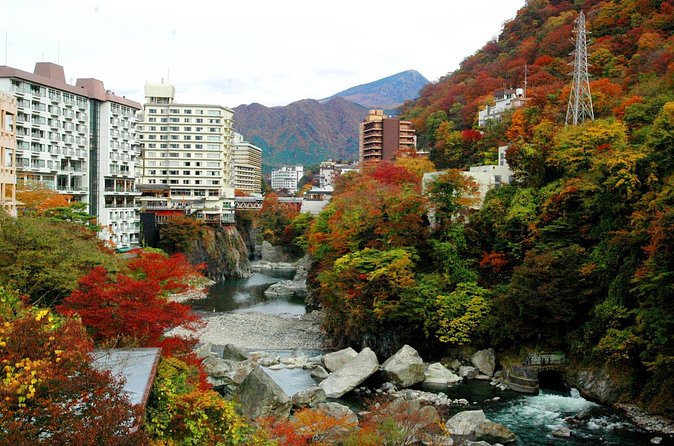
I would recommend it to an independent visitor staying in Tokyo who wants a straightforward way to reach Nikko and expects to use the local buses. It is especially useful if you want two days, plan to visit several World Heritage sites, or may travel beyond Tobu-Nikko toward Shin-Fujiwara.
It is less attractive if you want a fast day trip and will purchase a limited express ticket anyway, or if you already have another rail arrangement. It also does not make shrine visits free, so compare the total cost after adding entrance fees and any express supplements.
Book ahead if your dates are fixed, since the pass is commonly arranged about three weeks before the trip. You can cancel for a full refund up to 24 hours before the local start time, but changes or cancellations inside that window are not accepted.
Should You Book It?
Book the NIKKO PASS world heritage area if you want a low-cost, self-guided Nikko trip with rail and bus coverage in one product. Its best feature is not a luxury ride or a guided explanation. It is the freedom to move around the shrine district without counting every bus fare.
Skip it if speed is your top concern and you prefer a limited express from Tokyo, or if your visit will be too short to use the included transport. For many visitors, the best approach is to pair the pass with a separately purchased express option, then use the pass’s buses and local coverage once you reach Nikko.
FAQ
Where do I pick up the NIKKO PASS?
You pick it up at the Tobu Tourist Information Center Asakusa on the first floor of Tobu Railway’s Asakusa Station.
How long is the pass valid?
The pass is valid for two consecutive calendar days beginning on the date selected when booking. It is not valid for 48 hours from the time you first use it.
Does the pass include the trip from Tokyo to Nikko?
It includes a round trip between Asakusa and Shimo-Imaichi on Tobu Railway local trains, plus Tobu local train rides between Shimo-Imaichi and Tobu-Nikko or Shin-Fujiwara.
Are limited express trains included?
No. Limited express fees are not included, and you must pay separately if you choose that service. JR train fees are also excluded.
Does the pass include shrine and temple admission?
No. Admission to shrines and temples in the Nikko area is not included.
Which buses can I use?
The pass includes unlimited rides on the Tobu World Heritage Pilgrimage bus and unlimited Tobu bus rides as far as the Rengeishi stop.
Who can buy this pass?
The pass is available only to foreign tourists with a non-Japanese passport. You must present a valid non-Japanese passport on the activity date.
Can I cancel for a refund?
Yes. You can cancel at least 24 hours before the experience start time for a full refund. Cancellations and changes made less than 24 hours before the start time are not accepted.
New on our Tokyo list
- Sumi-e Experience in a relaxing green tea shop in Tokyo★ 5.0 · 3 reviews
- Tokyo : Kamikaze Street Drift Ride★ 5.0 · 3 reviews
- Private Zen Meditation in English in Shinjuku, Tokyo★ 5.0 · 3 reviews
- Onsen Spa in Tokyo and Asakusa Bar Hopping with Local Guide★ 5.0 · 3 reviews
- Easy for everyone! Now you can play handmade mini shamisen and show off to everyone! Musical instruments, sweets and live music★ 5.0 · 3 reviews
- Tokyo: Private Tsukiji Street Food & Sake with Local Guide★ 5.0 · 3 reviews
- Mt Fuji Exploration Tour with Free Japanese Kusa Mochi from Tokyo★ 4.5 · 3 reviews
- Tokyo Tsukiji Fish Market Walking and Exploring Hidden Gems Tour★ 5.0 · 3 reviews
Historical Tours, compared.

Imperial Palace and Shogun Historical Walking Tour
Read our review →
Yanaka Walking Tour: Historic and Traditional District of Tokyo
Read our review →
Shinjuku Historical Walking Tour & Secret Backstreets
Read our review →
Mt. Fuji Heritage Tour: Traditional Villages, Lakes & Shrine
Read our review →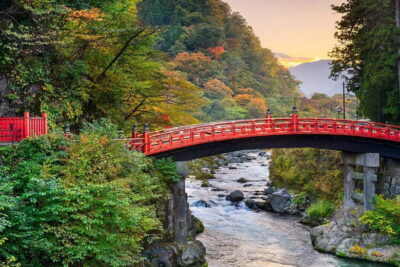
The Best of Izakaya in Shinjuku Food & Cultural Tour
Read our review →
Yanaka Historical Walking Tour in Tokyo’s Old Town
Read our review →Browse the lists this tour appears in