
Reviewed · HISTORICAL TOURS
Private Tour – History, Art and Nature at the Imperial Palace
Tokyo’s Imperial Palace area gives you an unusually broad introduction to the city. In about four and a half hours, you move from the red-brick grandeur of Tokyo Station to palace gardens, Edo Castle ruins, a modern art museum, and the leafy paths of Kitanomaru Park. It is a private tour, so your guide can adjust the pace and explain what you are seeing rather than march you from stop to stop.
I like the one-to-one attention, especially for a first visit when Tokyo’s history can feel like a pile of loose pieces. I also like the mix of art, imperial history, and open-air scenery. The main catch is that several stops require walking, and the palace grounds or planned route may change around holidays, bad weather, or closures.
In This Review
- Key points to know before booking
- Why this private Imperial Palace tour works well
- Starting beneath Tokyo Station’s red-brick facade
- Wadakura Fountain Park and the imperial setting
- The East Gardens and the remains of Edo Castle
- Modern Japanese art at the National Museum of Modern Art
- Lunch at Café 33 in Kitanomaru Park
- Kitanomaru Park’s open lawns and trees
- Chidorigafuchi and the finish near Hanzomon Station
- What the private format adds
- Walking, timing, weather, and extra costs
- Who should book this experience
- Should you book the Imperial Palace history, art, and nature tour?
- FAQ
- How long does the tour last?
- Where does the tour begin?
- Where does the tour end?
- Is this a private tour?
- What is included in the tour price?
- What extra costs should I expect?
- Is the National Museum of Modern Art admission included?
- What happens if the weather is bad or a site is closed?
Key points to know before booking
- Private guiding for your group: You receive your guide’s full attention, with no unrelated group to slow down or rush your visit.
- A strong first-day route: Tokyo Station, the Imperial Palace, Edo Castle ruins, a museum, two parks, and Chidorigafuchi cover many sides of central Tokyo.
- Seasonal garden appeal: The East Gardens and Kitanomaru Park change with the seasons, with cherry blossom timing adding special photo opportunities.
- Modern art is part of the deal: The National Museum of Modern Art, Tokyo is included in the route, but its admission fee is separate.
- Expect extra costs: Plan on about 1,500 yen per person for admission and lunch, in addition to the tour price.
- Useful end point: The tour finishes near Hanzomon Station, convenient for continuing around central Tokyo by subway.
Why this private Imperial Palace tour works well
At $90.60 per person, this is not the cheapest way to stroll around the Imperial Palace. You can visit many palace-area sights on your own for little or no admission cost. The value here comes from having a private guide connect the places, explain the setting, and change the plan around your interests.
That difference matters in Tokyo. Tokyo Station, the Imperial Palace, Edo Castle, and the surrounding parks sit close together, but they do not tell their story in a simple order. A guide can point out how the modern railway hub relates to the former castle town, then help you read the gardens and stonework with more purpose.
The private format also suits families, couples, and small groups with different energy levels. Some people want more time for photographs. Others prefer the museum or historical details. Several guides, including Yumi, Fumi, Sonoko, and Jinnosan, have been praised for patience, flexibility, and help with directions after the tour. Keiko was also singled out for combining detailed commentary with a pleasant lunch stop.
The tradeoff is pace. The listed stops add up to roughly three hours and 35 minutes, leaving time for walking between them and transitions. That is reasonable for the stated four-and-a-half-hour duration, but you should not expect a long, unhurried museum visit and a slow garden ramble at every stop.
A few more Tokyo bookings worth comparing
- Tokyo: Imperial Palace and Shogun Historical Walking Tour
★ 5.0 · 2,251 reviews - Tokyo: Imperial Palace Japanese History Walking Tour
★ 4.9 · 987 reviews - Yanaka Walking Tour: Historic and Traditional District of Tokyo
★ 5.0 · 530 reviews
Starting beneath Tokyo Station’s red-brick facade
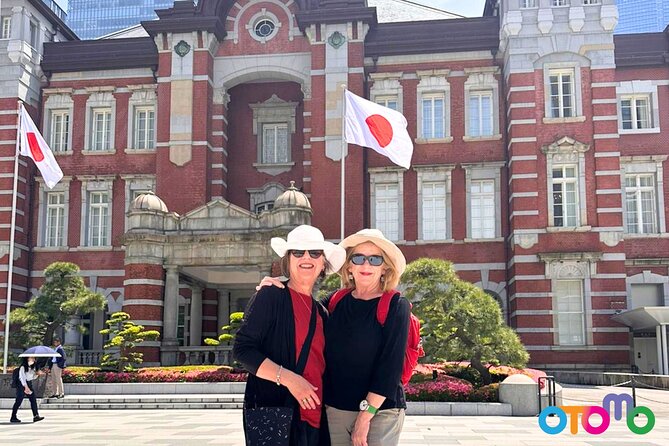
The meeting point is Tokyo Station Marunouchi Station Square, outside the station’s central exit. You begin with about 15 minutes to look at the station building from the front.
This is a smart opening. Tokyo Station is more than a place to catch a train. Its broad facade and central position give your guide a useful starting point for explaining modern Tokyo, the Marunouchi district, and the contrast between the city’s imperial center and its commercial core.
Give yourself enough time to find the correct exit. Tokyo Station is large, and arriving early will make the opening calmer. The first stop is free, but it is not just a meeting point. It helps you orient yourself before heading toward the palace grounds.
Wadakura Fountain Park and the imperial setting
Wadakura Fountain Park is inside the Imperial Palace grounds, with about 10 minutes set aside for the stop. The park was built to commemorate the marriage of the Emperor Emeritus and Empress Emerita, and it has since been associated with another imperial marriage as well.
This is a brief stop, so think of it as a visual introduction rather than a full garden visit. The water features offer a clean contrast to the old stone walls and wooded palace grounds nearby. Your guide can also provide context that you would likely miss while simply passing through.
The palace area is not one single attraction with every section open all the time. Access and routing can change, especially around holidays. One guest arrived to find the planned imperial garden closed, and the guide redirected the group to Meiji Shrine, where crowds made the substitute less appealing. Check the operating situation close to your tour date, and keep an open mind about changes.
The East Gardens and the remains of Edo Castle
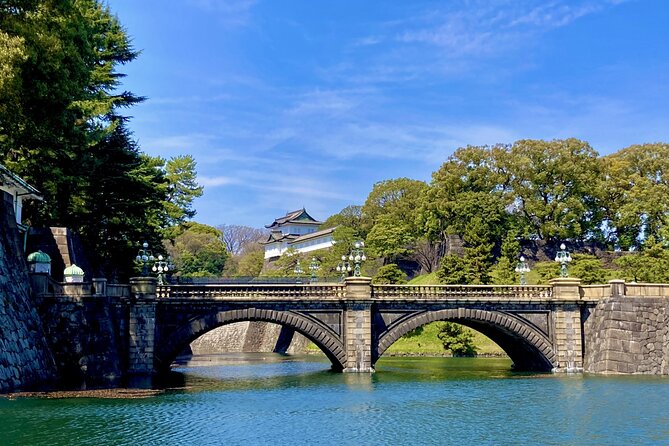
The East Gardens of the Imperial Palace receive about 30 minutes. This is one of the tour’s strongest sections because it combines seasonal planting with visible remains of the former Edo Castle.
The garden gives you a chance to see Tokyo at a slower pace. Trees and flowers change with the calendar, while foundations, walls, and castle remnants keep the focus on the site’s earlier role. You are not just looking at manicured greenery. You are walking through a place where the old political center of Japan once operated.
Thirty minutes is enough for an informative visit, but not enough to explore every path. If gardens are your main interest, tell your guide early. Sonoko reportedly found a way to include the West Garden for one participant who especially wanted to see it, and other guides have adjusted routes around personal interests. That flexibility is one of the clearest reasons to choose the private option.
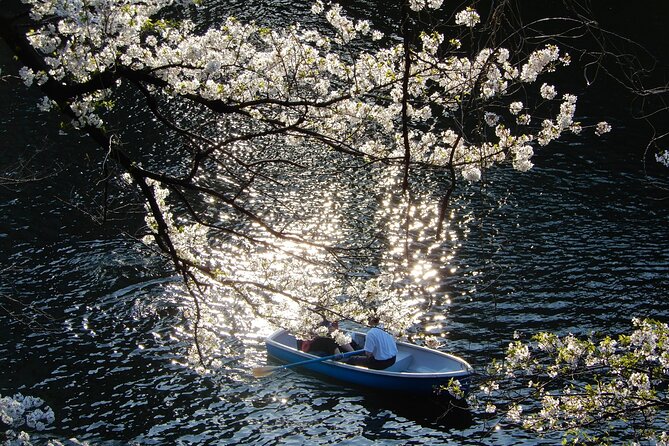
Cherry blossom season can also change the feel of the walk. One spring visit included special viewpoints selected by the guide for blossom photographs. Seasonal timing is never guaranteed, but the route has real appeal if your dates line up with flowering trees.
Same corner of Tokyo, a completely different plan:
- Mt Fuji and Hakone 1-Day Bus Tour Return by Bullet Train
★ 5.0 · 26,383 reviews - 1-Day Tokyo Bus Tour
★ 5.0 · 14,250 reviews - Tokyo: TOKYO SKYTREE® Admission ticket
★ 4.5 · 11,192 reviews - Tokyo: teamLab Planets TOKYO Digital Art Museum Entry Ticket
★ 4.6 · 9,779 reviews
Modern Japanese art at the National Museum of Modern Art
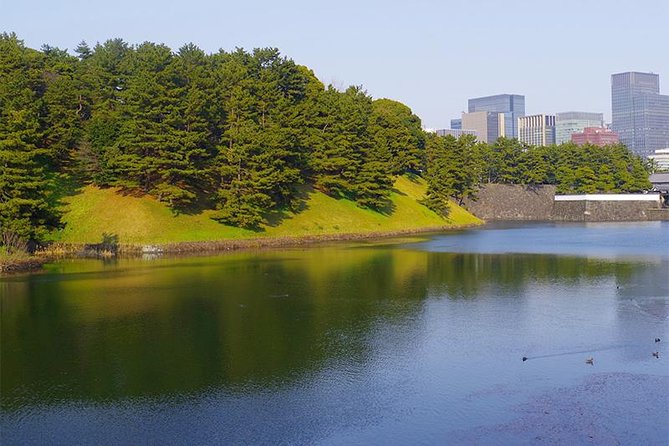
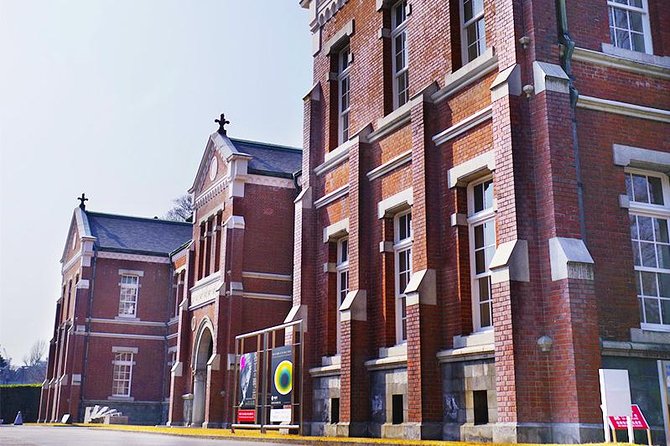
The National Museum of Modern Art, Tokyo is scheduled for about 40 minutes. It was Japan’s first national art museum, and the collection includes Japanese and overseas works from around the 20th century.
This stop adds substance to a route that could otherwise lean heavily toward gardens and imperial history. You get a look at how Japan’s artists responded to modern life, along with works by well-known artists. For visitors who enjoy painting and design, the museum may be the most memorable part of the day.
The 40-minute visit is fairly brisk. It gives you time to see selected works, but you will need to keep moving if you want to stay on schedule. Admission is not included in the base tour. The estimated admission cost is 500 yen per person, included in the suggested extra budget of 1,500 yen per person.
The museum may not suit every group equally. One participant felt the gardens were the stronger part and would have preferred to skip the museum. That is useful guidance, not a flaw in the museum itself. Tell your guide if you prefer history and nature over art, since a private route may allow some adjustment.
Lunch at Café 33 in Kitanomaru Park
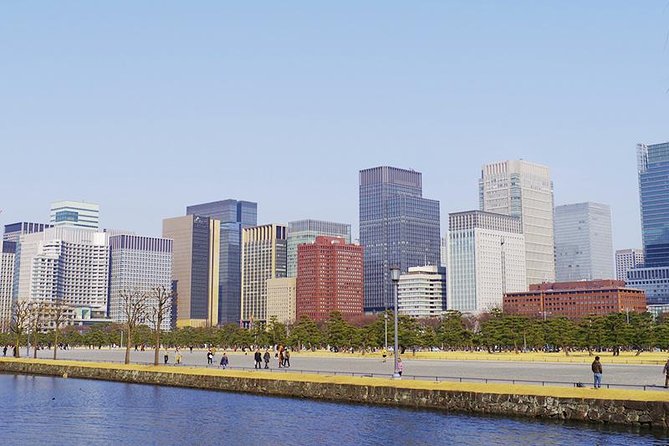
Café 33 is located in Kitanomaru Park, and about 40 minutes are allotted for a meal. The cafe uses fresh ingredients from the Tohoku region and Tokyo.
This pause gives the tour a needed break. Four and a half hours on foot can feel long, especially in warm or wet weather, so sitting down in the park is practical as well as pleasant. Keiko was praised for taking a group to a lovely lunch spot, and this cafe is the scheduled place for food on the route.
Meal costs are separate. The estimated cost is 1,000 yen per person, though your actual bill can vary with your order. If you have strict dietary needs, ask the operator before booking. The supplied information gives the cafe and ingredient focus, but it does not list specific menu choices or allergy arrangements.
The 40-minute stop is enough for a straightforward meal, not a long restaurant experience. If you would rather spend more time in the gardens or museum, ask about shortening the break.
Kitanomaru Park’s open lawns and trees
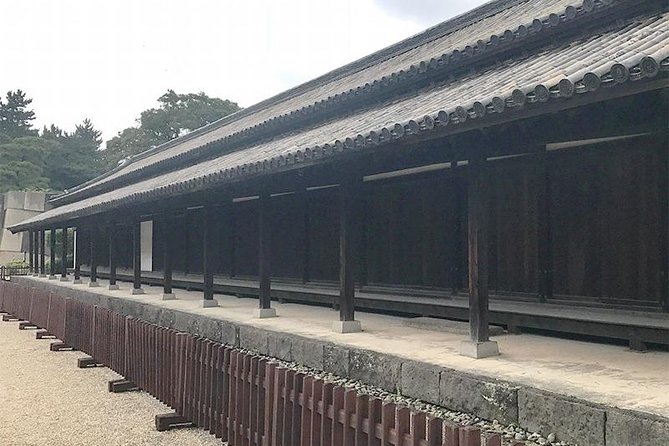
Kitanomaru Park follows the cafe, with about 20 minutes for walking and sightseeing. Its broad lawn and varied trees create a noticeable change from the formal palace spaces and dense streets around Tokyo Station.
I like this stop because it lets you see how central Tokyo keeps pockets of open space. The park is still tied to the Imperial Palace area, but it feels less ceremonial and more relaxed. The plants and trees around the lawn also create a different setting from the carefully arranged sections of the East Gardens.
Twenty minutes will give you a taste of the park rather than a full circuit. Use this time for photographs, a short rest, or questions about the area. The walking route may feel more enjoyable in spring or on a clear day, while heat and rain can make the exposed sections less comfortable.
Chidorigafuchi and the finish near Hanzomon Station
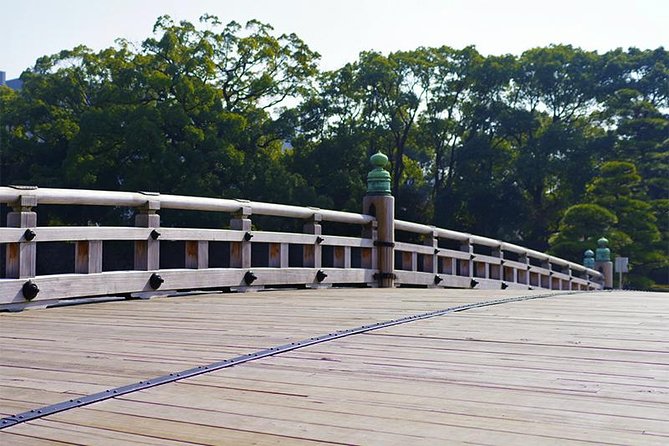
The final sightseeing stop is Chidorigafuchi, with about 20 minutes to take in the view and photograph the remaining natural area in central Tokyo. The tour then ends near Tokyo Metro Hanzomon Station.
Chidorigafuchi gives the day a scenic finish. After the station facade, palace remains, museum galleries, and formal gardens, you end beside a quieter stretch of greenery and water. It is a good place to pause before returning to Tokyo’s faster rhythm.
The finish is useful for planning the rest of your day. Hanzomon Station gives you a direct point for continuing by subway, though the tour does not include onward transportation. Fumi was praised for helping with directions after the tour, so do not hesitate to ask your guide for help finding your next destination before saying goodbye.
What the private format adds
A private tour is most valuable here because the route crosses several types of attraction. A fixed group tour might need to give every stop equal time, even when your interests are different. With your own guide, you can ask for more explanation at the castle ruins, linger over art, or focus on seasonal views.
The guides named in the supplied feedback received especially warm praise. Yumi was described as friendly, patient, and able to give a broad picture of imperial life. Jinnosan was praised for changing the tour during the day to match personal interests. Fumi helped with post-tour directions, while Sonoko made a special effort to include a desired palace garden. Keiko combined history, station commentary, museum guidance, and lunch suggestions.
These details point to the tour’s best feature: the human element. The quality of your day depends heavily on the individual guide, but the private setup gives that guide room to respond to you.
English ability was also praised in one experience, with clear explanations throughout the visit. Still, no private tour can guarantee that every guide will match your preferred level of detail or speaking speed. If that matters, include your needs when booking.
Walking, timing, weather, and extra costs
Wear comfortable shoes. The route includes several outdoor stops and enough walking that unsuitable footwear could take the fun out of the day. Most people can participate, but you should be prepared for a walking-focused experience rather than a vehicle tour.
The base price is $90.60 per person. Add the estimated 1,500 yen per person for museum admission and lunch. Transportation during the tour is listed as 0 yen in the estimate, but the general conditions say that transportation, admission, food, and drink costs at visited places are paid by you. Plan for those costs rather than assuming the tour price covers everything.
Bad weather may change the destinations and route. That can be a sensible choice, since much of the experience takes place outdoors. Holiday closures are another point to watch. The guide may redirect you, but a substitute destination may be more crowded or less aligned with your original plan.
Free cancellation is available if you cancel at least 24 hours before the local start time. Changes or cancellations inside that window are not accepted for a refund.
Who should book this experience
I would choose this tour for a first or second day in Tokyo, especially if you want a clear introduction without spending time piecing together a route. It suits visitors who enjoy a blend of history, gardens, art, and city views rather than a single-subject tour.
It is also a good fit for small families and couples who want to set their own pace. The private guide can answer questions, adjust the route when possible, and help with practical directions after the tour.
I would hesitate if you want a long museum visit, dislike walking, or need every palace area to be guaranteed open. The schedule is broad, and some stops are short. Visitors focused mainly on art may prefer more time at the museum, while serious garden fans may want a dedicated garden tour.
Should you book the Imperial Palace history, art, and nature tour?
Book it if you value personal guiding and want several central Tokyo highlights tied together in one half-day. The strongest reasons are the private format, the mix of old castle remains and modern art, and the guide’s ability to shape the day around your interests.
Skip it if you prefer to explore independently and keep costs low. Many outdoor stops are free, and the extra museum and meal costs make the total higher than a self-guided walk.
For most first-time visitors, this is a useful orientation tour with enough variety to keep the day moving. Tell your guide what matters most, wear good shoes, and check holiday access before you go. That preparation gives you the best chance of turning a flexible route into a very personal introduction to Tokyo.
FAQ
How long does the tour last?
The tour lasts approximately 4 hours and 30 minutes.
Where does the tour begin?
It begins at Tokyo Station Marunouchi Station Square, at 1 Chome-9 Marunouchi, Chiyoda City, Tokyo 100-0005. The meeting point is by the central exit.
Where does the tour end?
The tour ends near Tokyo Metro Hanzomon Station at 1-chōme-6 Kōjimachi, Chiyoda City, Tokyo 102-0083.
Is this a private tour?
Yes. Only your group participates in the private activity.
What is included in the tour price?
A tour guide, the private tour, and the necessary expenses for the guide during the tour are included.
What extra costs should I expect?
The estimated extra cost is 1,500 yen per person. This includes about 500 yen for admission and 1,000 yen for a meal. Food, admission, and other costs at visited places are paid by you.
Is the National Museum of Modern Art admission included?
No. Admission to the National Museum of Modern Art, Tokyo is not included in the tour price.
What happens if the weather is bad or a site is closed?
The destinations and route may change if the weather is bad. Palace access can also be affected by holidays or closures, so the guide may arrange a different route.
New on our Tokyo list
- Made from flour in 30min! Ramen-noodle Making Experience!★ 4.8 · 24 reviews
- Private tour Tokyo – The Harmony of Modernity and Tradition★ 5.0 · 24 reviews
- Customizable Private Tokyo Trip with an English Speaking Driver★ 5.0 · 24 reviews
- Mt. Fuji Private Chartered Tour with Nature and Wasabi Farm★ 5.0 · 24 reviews
- 1- Day Private Tour to Nikko Tochigi With English Speaking Driver★ 5.0 · 24 reviews
- Tokyo VIP private nightlife tour with a local insider★ 5.0 · 24 reviews
- [1 Group Only] Explore Tokyo Ginza Food Tour for Family★ 5.0 · 24 reviews
- 1.5 Hour VIP Sumo Event in Tokyo★ 4.5 · 24 reviews
Historical Tours, compared.

Imperial Palace and Shogun Historical Walking Tour
Read our review →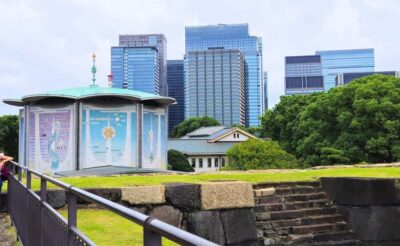
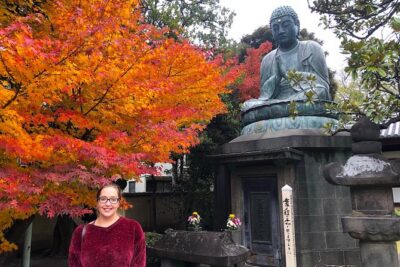
Yanaka Walking Tour: Historic and Traditional District of Tokyo
Read our review →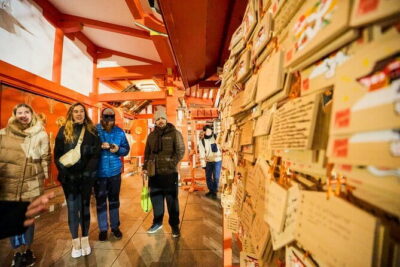
Shinjuku Historical Walking Tour & Secret Backstreets
Read our review →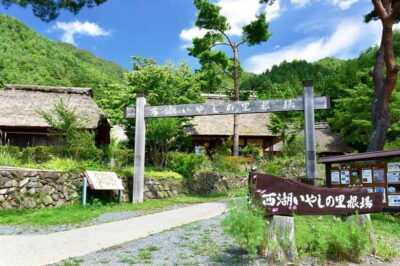
Mt. Fuji Heritage Tour: Traditional Villages, Lakes & Shrine
Read our review →
The Best of Izakaya in Shinjuku Food & Cultural Tour
Read our review →
Yanaka Historical Walking Tour in Tokyo’s Old Town
Read our review →Browse the lists this tour appears in