Reviewed · GUIDED
Tokyo 4hr Private Tour with Government-Licensed Guide
Tokyo is too large to understand in four hours, but this private tour gives you a smart way to tackle a small, useful slice of it. You choose two or three places from a long menu, then walk and ride public transport with a licensed English-speaking guide. I like the freedom to focus on temples, gardens, food, fashion, or modern Tokyo instead of following a fixed route. I also like the practical help with trains, Suica cards, station routes, and ticket machines.
The catch is simple: you cannot see the whole list in half a day. Transport, admission fees, food, and personal costs are extra, and the tour does not include a private vehicle. English ability can vary by guide, so clear communication matters when you book.
In This Review
- Tokyo in Four Hours: The Details That Matter
- Why This Private Format Works in Tokyo
- Start With the Old Tokyo of Asakusa
- Imperial Palace Grounds Without Palace Access
- Meiji Jingu and the Calm of Yoyogi
- Shibuya Crossing, Hachiko, and Harajuku Style
- Tsukiji for Food and Small Bites
- Tokyo’s Gardens: Shinjuku Gyoen, Koishikawa, Hama Rikyu, and Rikugien
- Akihabara, Odaiba, and Tokyo’s Modern Side
- Quieter Neighborhoods and Special-Interest Stops
- Walking, Trains, and the Real Pace
- Who Should Book This Tokyo Tour?
- Should You Book It?
- FAQ
- How long is the Tokyo private tour?
- How many sights can I choose?
- Is transportation included?
- Can I enter the Imperial Palace?
- Are admission fees included?
- Is the tour private?
Tokyo in Four Hours: The Details That Matter
- Choose two or three sights: Your guide builds the route around your interests rather than trying to cram every famous address into one morning or afternoon.
- Meet on foot: Pickup means meeting your guide at an agreed point within the designated Tokyo area, not a hotel transfer by car.
- Use the city like a local: Guides can show you how to handle Tokyo’s rail and subway systems, including the practical business of Suica cards and station changes.
- Pick your Tokyo: Combine old Asakusa with Shibuya, gardens with food, or shrines with youth fashion, as long as the route fits the four-hour limit.
- Private means personal: Only your own party joins the activity, making it easier to set the pace for children, older adults, or fast walkers.
- Budget for extras: Train fares, garden and museum admissions, Tokyo Tower access, lunch, snacks, and other personal expenses are not included.
Why This Private Format Works in Tokyo
Tokyo rewards independent exploring, but it can also eat up time. A single station may have several exits, a short-looking route may involve long corridors, and the distance between two famous districts can be greater than a map suggests. A private guide helps turn four hours into an actual plan.
The greatest benefit is not simply seeing a landmark. It is learning how the city fits together. Guides have helped visitors find subway routes, reload Suica cards, locate ATMs, and work out onward travel to Kyoto and Osaka. That kind of help can be worth more than another quick photo stop.
You can also set the pace. One guide, Julie, adjusted routes for older participants and found ways to avoid long stairways. Michio adapted a walk for a family with a four-year-old. At the other end of the scale, another guide kept up with fast walkers. Tell the guide your limits before the tour starts.
The price is $109.43 per person. For one person or a couple, that is a fair fee if you want private instruction and a tailored route. For a larger party, group discounts may improve the value. You still pay your own train fares and admission costs, so compare the total with a standard group tour before booking.
A few more Tokyo bookings worth comparing
- Mt Fuji and Hakone 1-Day Bus Tour Return by Bullet Train
★ 5.0 · 26,383 reviews - 1-Day Tokyo Bus Tour
★ 5.0 · 14,250 reviews - Tokyo: TOKYO SKYTREE® Admission ticket
★ 4.5 · 11,192 reviews
Start With the Old Tokyo of Asakusa
Asakusa is the strongest choice for a first look at traditional Tokyo. This old downtown district preserves an atmosphere that feels different from the glass towers and giant stations elsewhere in the city.
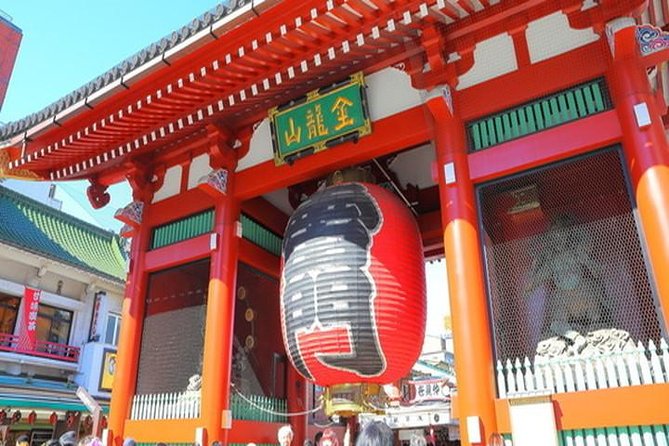
Senso-ji is the main draw. The approach leads toward Kaminarimon Gate and the colorful temple precinct, where you can learn how to behave at a Buddhist temple and hear the story of the two fishermen linked to the temple’s founding. Admission to the temple is free.
Asakusa also pairs well with Tsukiji. The two areas offer different kinds of old Tokyo: Asakusa gives you religion, architecture, and local tradition, while Tsukiji gives you food stalls and a lively market atmosphere. You might buy a snack or two, but food is your responsibility.
The drawback is distance. Asakusa is not a natural pairing with every other choice in four hours. Combining it with Shibuya or Odaiba can leave little time for explanation, eating, or simply looking around. If Senso-ji matters most to you, build the tour around Asakusa rather than treating it as a quick add-on.
Imperial Palace Grounds Without Palace Access
The Imperial Palace occupies the former site of Edo Castle, with moats, huge stone walls, and broad public grounds. It offers a useful introduction to Tokyo’s political past and to the scale of the old castle city.
Be clear about the access included. You do not enter the inside of the Imperial Palace. The experience focuses on exterior views and, depending on your route and guide, the surrounding grounds or East Garden area. The East Garden is a good choice if you want open space, castle remains, and a slower historical stop.
This sight combines well with Meiji Jingu and Shibuya. One four-hour route covered the Imperial Palace East Garden, Meiji Jingu, and Shibuya Crossing. That is a sensible modern-and-traditional blend, though it leaves no room for Asakusa.
I would choose the palace grounds for a first visit if you enjoy history and big city planning. I would skip it if your priority is food, shopping, or inside access to royal buildings.
Meiji Jingu and the Calm of Yoyogi
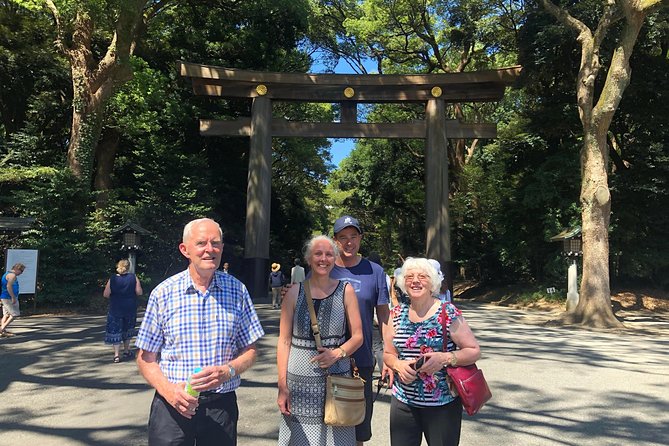
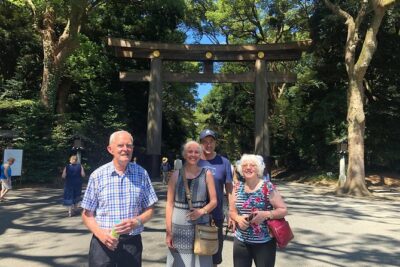
Meiji Jingu sits beside Harajuku Station, yet its wooded approach feels far removed from the surrounding streets. The shrine is dedicated to Emperor Meiji and Empress Shoken, and it gives your guide a natural place to explain Shinto customs, offerings, purification, and the difference between Shinto and Buddhism.
Allow real time here. The suggested visit can run about an hour, unlike some of the short photo stops elsewhere. You may also see traditional ceremonies or seasonal displays, although these are not guaranteed.
Yoyogi Park is nearby and makes a good companion stop. Its lawns, ponds, and wooded paths offer a break from station crowds and city streets. The park is free and can suit families or anyone who needs a slower half-hour.
This is one of the easiest areas to combine with Takeshita Street and Shibuya. You can move from shrine grounds to youth fashion and then to one of the world’s busiest pedestrian crossings. The contrast is the point.
Same corner of Tokyo, a completely different plan:
- Tokyo: teamLab Planets TOKYO Digital Art Museum Entry Ticket
★ 4.6 · 9,779 reviews - Mt Fuji & Hakone Cruise, Drum Show Bullet Train 1 Day from Tokyo
★ 4.0 · 7,413 reviews - Tokyo: Sumo Show Experience with Chicken Hot Pot and a Photo
★ 4.8 · 6,678 reviews - Tokyo: Shinjuku Food Tour (13 Dishes at 4 Local Eateries)
★ 5.0 · 6,603 reviews
Shibuya Crossing, Hachiko, and Harajuku Style
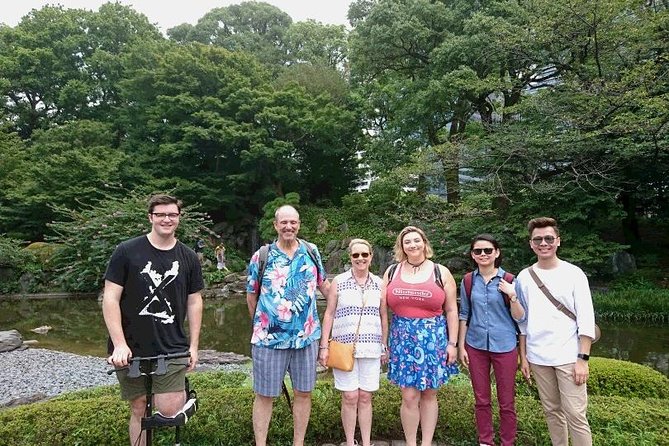
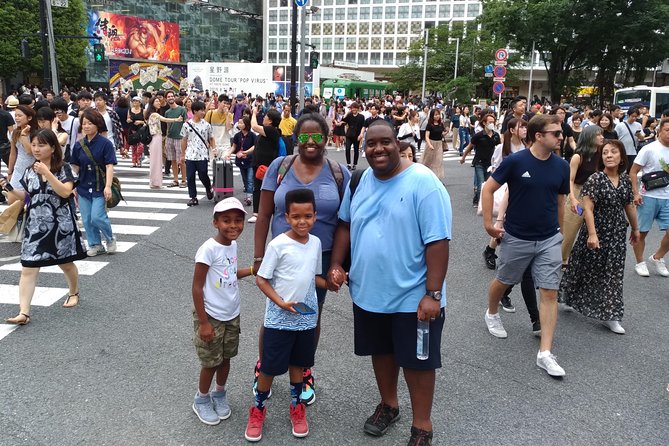
Shibuya Crossing is Tokyo’s great city spectacle. When the signals change, people move across the intersection from several directions at once. Your guide can take you to a useful viewing point and explain the story of Hachiko, the loyal dog memorialized by his statue nearby.
Do not expect a long historical visit here. Shibuya is about scale, movement, and modern city life. It is a strong choice for a first afternoon in Tokyo, especially if you want photographs and a quick lesson in navigating one of the city’s major districts.
Takeshita Street in Harajuku offers a different mood. The street is known for youth fashion and teenage culture, though Harajuku also includes older and more traditional elements nearby. A 30-minute stop works for a look and perhaps a snack, but it is not enough for a serious shopping session.
I like pairing Meiji Jingu with Takeshita Street because the change from shrine forest to fashion street happens quickly. Add Shibuya only if your group is comfortable moving at a brisk pace.
Tsukiji for Food and Small Bites
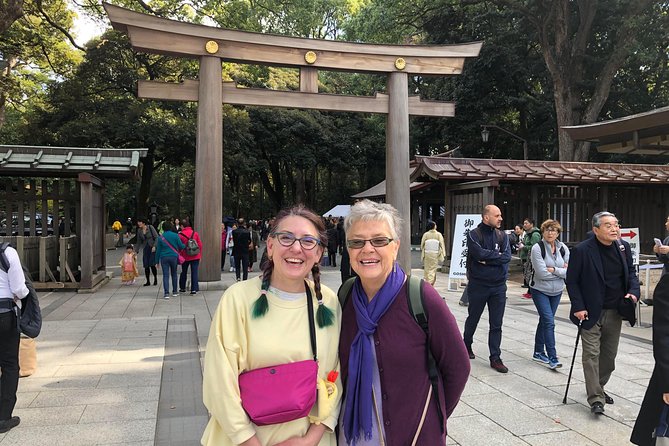
Tsukiji is the old fish-market area, now best known for its outer-market food stalls and specialty shops. It is a practical stop if you want to taste something rather than only look at buildings.
The market is free to enter, but your food is not. Guides can point out local specialties and help you make sense of the choices. One guide included sushi and sake during a route through the area, while another helped a group sample food from the stalls. That is the sort of personal touch that can make a short visit more useful.
Keep your expectations in check. Four hours is not enough for a long market breakfast, several tastings, and distant sightseeing. If food is your main goal, pair Tsukiji with nearby Hama Rikyu Gardens or the Imperial Palace area instead of crossing the city.
Tokyo’s Gardens: Shinjuku Gyoen, Koishikawa, Hama Rikyu, and Rikugien
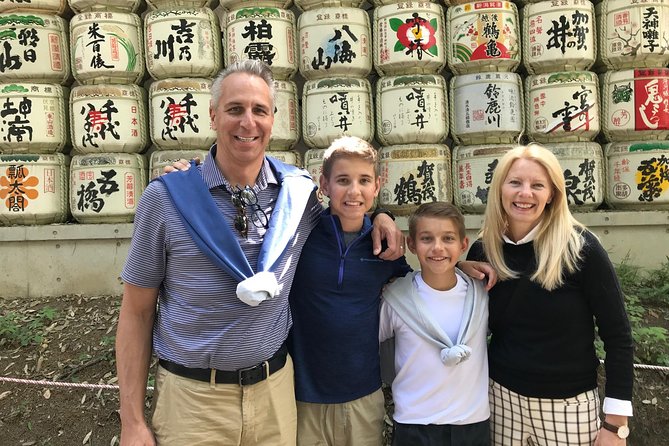
Tokyo has several excellent gardens, and this tour lets you choose one if you want quiet paths and formal Japanese design.
Shinjuku Gyoen National Garden is the most convenient pairing with Shinjuku, Harajuku, or Shibuya. It has broad lawns, winding paths, and a peaceful feel close to Shinjuku Station. Admission is not included, so check the entry cost when planning your budget.
Koishikawa Korakuen is one of the city’s oldest Japanese gardens. It was created during the Edo period for the Mito branch of the ruling Tokugawa family. The garden rewards slower walking and close attention to its ponds, bridges, and borrowed views. Admission is extra.
Hama Rikyu sits beside Tokyo Bay and includes seawater ponds that change with the tide, plus a teahouse. It is a good choice if you want gardens with a coastal setting and the option of matcha. Entrance is not included.
Rikugien is another major Japanese garden, created around 1700 for the fifth Tokugawa shogun. Its name refers to six poetic themes, and the garden is best suited to someone who would rather stroll than race between landmarks.
Do not try to visit several gardens in one four-hour booking. Choose one, then give it enough time to feel restful rather than treating it as a checklist stop.
Akihabara, Odaiba, and Tokyo’s Modern Side
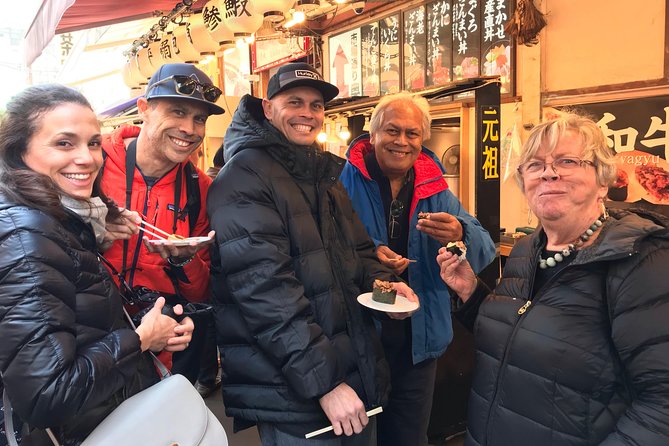
Akihabara is the obvious choice for electronics, anime, and game culture. It gives you a view of Tokyo that temples and gardens cannot provide. The district is free to walk around, but shopping costs whatever you decide to spend.
Odaiba is a shopping and entertainment district on a man-made island in Tokyo Bay. It takes more planning to reach than central districts, so I would make it the main focus of the tour rather than combine it with Asakusa or Shibuya.
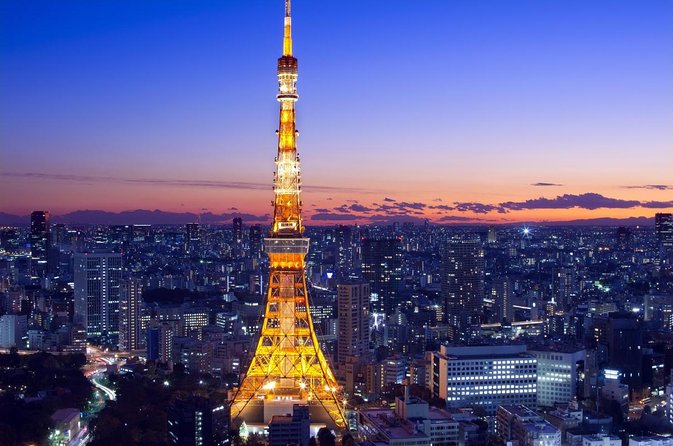
Tokyo Tower offers city views from the main deck, but the top deck is not included. Admission is extra. The tower works best for someone who wants a clear visual sense of Tokyo’s size, though the visit can use a large share of a four-hour route.
Golden Gai, in Shinjuku, is known for its tiny drinking and eating establishments and postwar origins. It is most relevant if your interests lean toward nightlife and local urban culture. A daytime visit may not show the area at its best.
Quieter Neighborhoods and Special-Interest Stops
Nezu and nearby Yanaka retain parts of old downtown Tokyo, including older houses and neighborhood shrines. A local guide can point out buildings that survived wars and natural disasters, along with places where residents honor ancestors. This is a fine choice if you want ordinary neighborhood life rather than headline sights.
Shibamata, on Tokyo’s eastern edge near the Edogawa River, also preserves an old-fashioned feel. It is farther from central Tokyo, so the route needs to be built around it.
Gotokuji Temple is a short stop connected with the maneki-neko, the lucky cat figurine. It is free and distinctive, but its location makes it less practical as an addition to a packed central Tokyo itinerary.
The Tokyo National Museum is the right choice for visitors who want art and artifacts. It is Japan’s oldest and largest national museum, but admission is extra and four hours is far too short to see it properly alongside several other districts.
Walking, Trains, and the Real Pace
This is a walking tour with public transport, not a vehicle tour. Pickup is on foot within the designated Tokyo area, and transport fees are not included. Wear comfortable shoes and expect station corridors, crossings, and changes between above-ground sights.
Your guide can show you how to use the metro and trains, which is one of the best long-term benefits of the experience. Guides have assisted with different combinations of JR passes, Suica cards, and visitors who had not yet arranged transit payment. That help can save time for the rest of your trip.
The pace depends on your choices. Two nearby areas can feel relaxed. Three distant areas may feel rushed. Tell the guide if you need regular sitting breaks, shorter walks, or extra time for food and photographs.
Guide quality is not perfectly uniform. Many guides, including Yusuke, Katsu, Michio, Ken, Naoko, Nori, and Hideki, are described as friendly, prepared, and clear. A small number of comments point to English that was difficult to understand. Since the guide is central to the value, contact the operator promptly if you have special communication needs.
Who Should Book This Tokyo Tour?
I would recommend it to first-time visitors with only a few days in Tokyo, families that need a flexible pace, couples who want a private introduction, and anyone uneasy about the rail system. It is also useful at the start of a Japan trip, since a guide can help you understand transport before you head to Kyoto or Osaka.
It is less suitable if you want a full-day sightseeing marathon, a private car, extensive museum time, or guaranteed entry inside the Imperial Palace. Independent visitors who already know Tokyo may get better value from a food-focused or neighborhood-specific experience.
The free cancellation policy allows cancellation at least 24 hours before the start time for a full refund. Changes made less than 24 hours before the start are not accepted, and date changes made earlier can still depend on guide availability.
Should You Book It?
Book this tour if you want a private Tokyo orientation, not a box-ticking tour of every famous sight. The best plan is to select two nearby themes: Asakusa and Tsukiji for tradition and food, or Meiji Jingu, Harajuku, and Shibuya for a strong first look at old and new Tokyo.
At $109.43 per person, the value comes from the guide’s time, route planning, cultural explanation, and train help. Keep extra money ready for fares, gardens, museum tickets, tower access, and food. Choose your priorities before meeting the guide, and four hours can give you both memorable sights and skills you will use for the rest of your stay.
FAQ
How long is the Tokyo private tour?
The tour lasts approximately four hours.
How many sights can I choose?
The tour includes a customized itinerary covering two or three sites from the available choices.
Is transportation included?
No. The tour uses walking and public transportation, but transportation fees are not included. A private vehicle is also not provided.
Can I enter the Imperial Palace?
No. The tour does not include access inside the Imperial Palace. It focuses on the former castle site, surrounding grounds, and listed public areas.
Are admission fees included?
Only guide entry fees for sights listed in the tour information are covered. Your own entrance fees for places such as Shinjuku Gyoen, Koishikawa Korakuen, Hama Rikyu Gardens, Rikugien, Tokyo National Museum, and Tokyo Tower are not included.
Is the tour private?
Yes. Only your own group participates, and the tour is led by a licensed local English-speaking guide.
New on our Tokyo list
- From Tokyo: Mount Fuji & Hakone Full Day Private Tour★ 4.9 · 25 reviews
- Tokyo Spectacular View Day-Cruise in 90 Minutes★ 5.0 · 25 reviews
- 2.5 Hour-Guided Cycle Tour in the Central Tokyo★ 5.0 · 25 reviews
- Real Tokyo Runner Club : Daikoku Car Meet Night Tour with JDM Car★ 5.0 · 25 reviews
- Ramen Making from Scratch +Akihabara Tour –Cooking Class★ 5.0 · 25 reviews
- [Self-Drive] Tokyo & Daikoku Custom Car Driving Tour★ 4.9 · 25 reviews
- Tokyo: 2-Hour Night Bike Tour of the City’s Hidden Gems★ 4.9 · 25 reviews
- Samurai themed Entertainment show in Shinjuku★ 4.5 · 25 reviews
Guided, compared.
Tokyo 6hr Private Tour with Government-Licensed Guide
Read our review →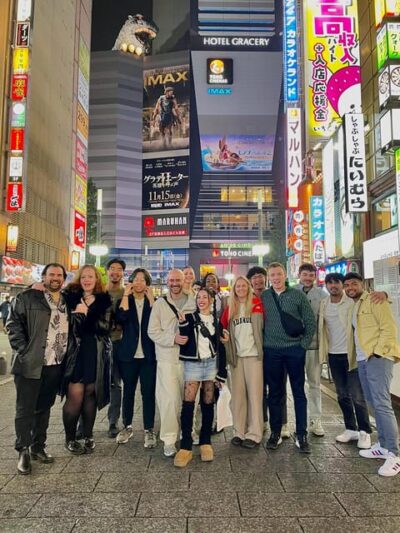
Shinjuku Local Bar and Izakaya Guided Walking Tour
Read our review →
Private City Highlights Tour with Local Guide
Read our review →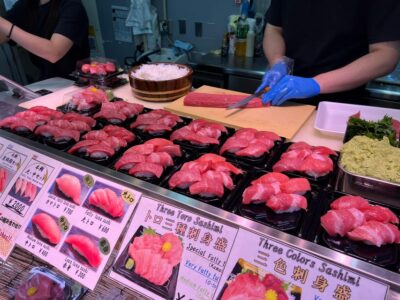
Samurai Ninja Museum Guided tour and Experience
Read our review →
Tsukiji Fish Market Guided Tour and Sushi Making with Pro Chef
Read our review →