
Reviewed · TOKYO FOOD TOURS
Tokyo: Best of Shibuya Food Tour
Shibuya is not just the Scramble Crossing and a wall of neon. This three-hour food walk takes you into small restaurants, narrow lanes, standing counters, and the food halls beneath department stores. I like the way it shows you the everyday side of one of Tokyo’s most famous districts, and I like that the food comes with stories about Japanese customs and regional cooking. The main consideration is price: at $170 per person, you are paying for guidance, access, and a full meal rather than simply buying snacks.
The small group is capped at 10, and guides such as Alex, Jane, Maya, and Saika have earned praise for their warmth, humor, photos, and ability to explain unfamiliar dishes. You need to arrive precisely at the Hachiko wall mural, not the crowded statue, since the guide waits only five minutes and cannot call or give directions once the walk begins.
In This Review
- Key points at a glance
- Five stops that turn Shibuya into a dinner table
- Sushi, izakaya plates, and the rhythm of small restaurants
- Okonomiyaki brings regional cooking into focus
- Ramen, street food, and dishes you might skip alone
- Dessert and the Shibuya depachika finish
- Why the guide makes the difference
- Is $170 a fair price for three hours?
- Timing, meeting point, and useful preparation
- Who should book this Shibuya food tour?
- Should you book it?
- FAQ
- How long does the Tokyo Best of Shibuya Food Tour last?
- How many food stops are included?
- What food might be served?
- Are drinks included?
- Is dessert included?
- What language is the tour offered in?
- How large is the group?
- Where is the meeting point?
- How late will the guide wait?
- What should I bring?
Key points at a glance
- Five food stops in three hours: Expect a broad sampling of Japanese food rather than one long restaurant meal.
- Backstreet Shibuya: The route moves beyond the famous crossing into small eateries and less obvious corners.
- Regional dishes and local customs: Food comes with explanations about where dishes fit into Japanese culture.
- A department-store food hall finish: The final stop includes dessert and a tour of a Shibuya depachika.
- Two drinks included: Additional food and drinks are possible, but you pay for them yourself.
- A genuinely small group: With no more than 10 participants, it is easier to ask questions and keep up in crowded streets.
Five stops that turn Shibuya into a dinner table
The tour begins in front of the colorful Hachiko wall mural outside Shibuya Station. This is an important detail. The meeting point is at the Hachiko exit, with the large intersection behind you and the mural at your back as you face the crossing. Do not wait at the statue. The statue is the better-known meeting spot, but it is also much harder to find a guide there.
From the station, you head into the food streets around Shibuya. The setting changes quickly. One minute you are among huge signs and streams of people, and the next you may be looking into a compact restaurant or walking through a narrow lane. That shift is one of the best reasons to book a food walk here. You get a sense of how Tokyo’s grand public spaces connect with tiny, highly focused places to eat.
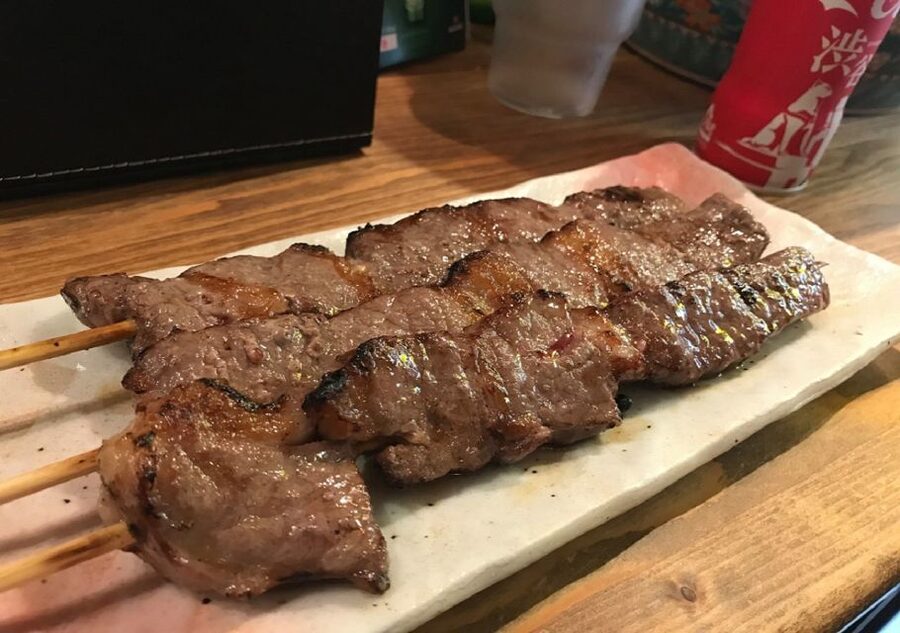
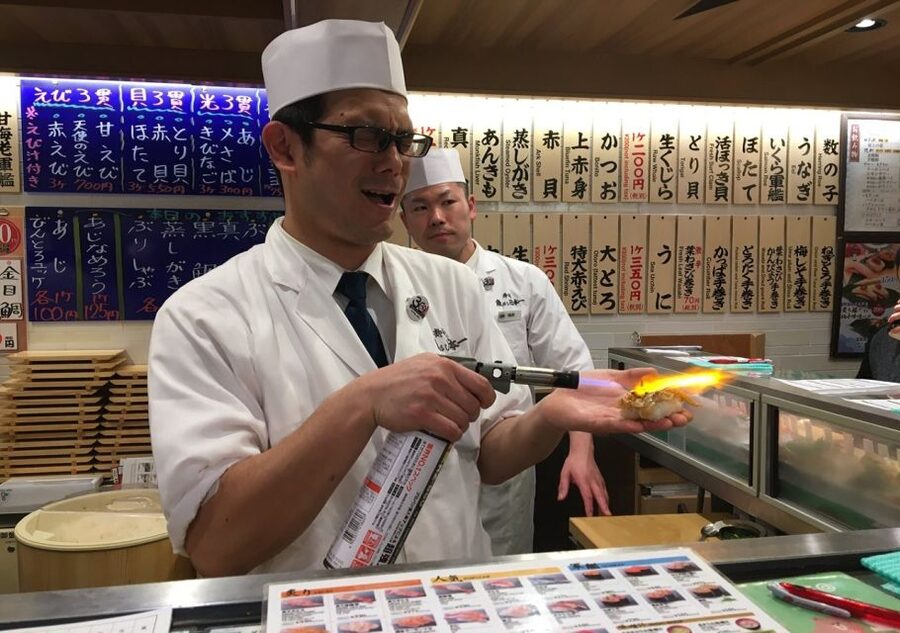
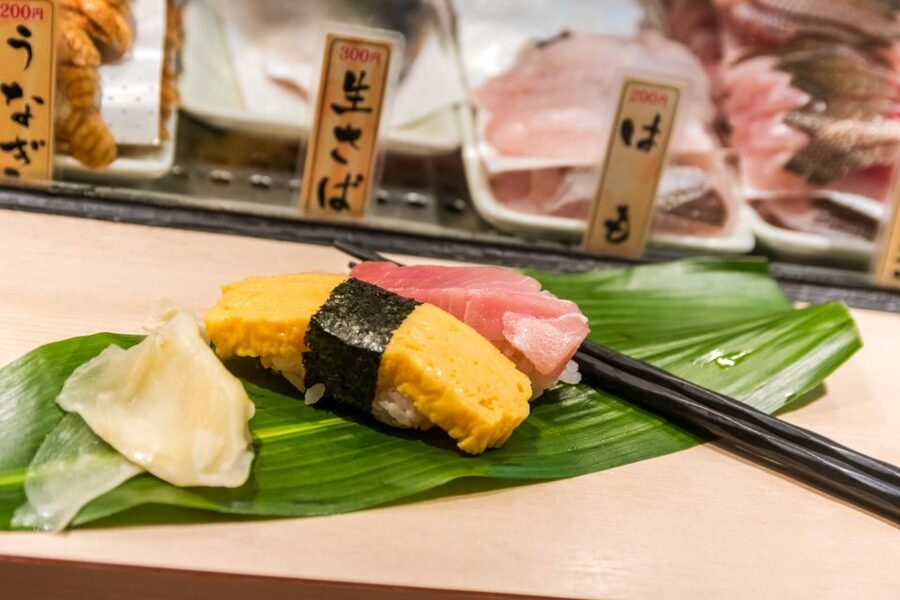
The exact menu can change, but the stops have included sushi, an izakaya, okonomiyaki, ramen, and a traditional dessert. One outing included a standing sushi restaurant, followed by an izakaya, an okonomiyaki restaurant, a ramen stop, and a local dessert. Other food combinations have included takoyaki, Kobe beef, and regional versions of okonomiyaki.
That range matters. You are not simply eating five versions of the same dish. You may move from raw fish to grilled or pan-cooked food, noodles, small shared plates, and sweets. The format gives you a quick tour of Japanese eating habits, from casual standing counters to places where the cooking itself becomes part of the experience.
More Tokyo food crawls:
- Tokyo: Shinjuku Food Tour (13 Dishes at 4 Local Eateries)
★ 5.0 · 6,603 reviews - Tokyo: Shinjuku Food Tour (15 Dishes and 4 Eateries)
★ 4.9 · 2,033 reviews - Best of Shinjuku: Izakaya Food Tour (4 Stops, 14+ Tastings)
★ 5.0 · 1,863 reviews
Sushi, izakaya plates, and the rhythm of small restaurants
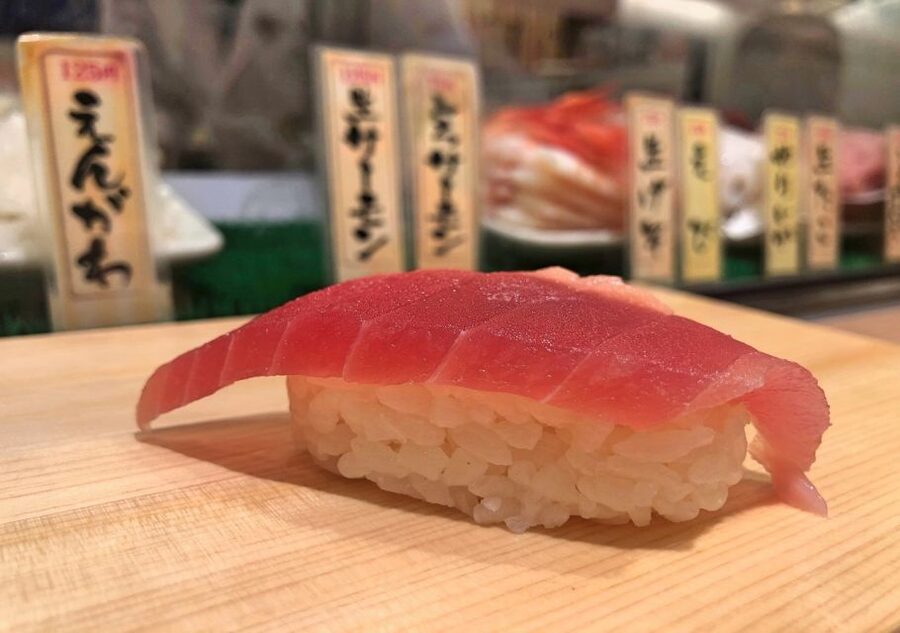
The sushi stop can be a highlight, especially if you are still finding your feet with Japanese food. A guide can explain what you are eating and help you approach a restaurant that might feel difficult to enter alone. One participant described a standing restaurant as the best sushi of the trip, which also tells you something practical: do not expect every stop to have a chair.
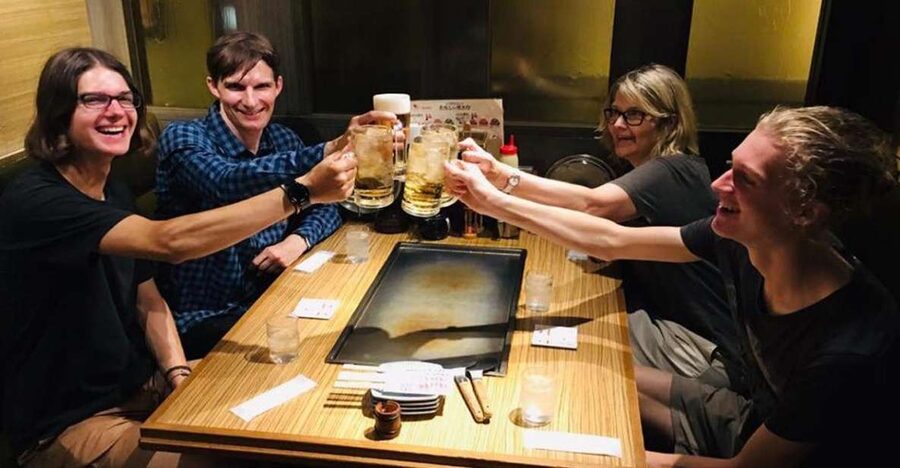
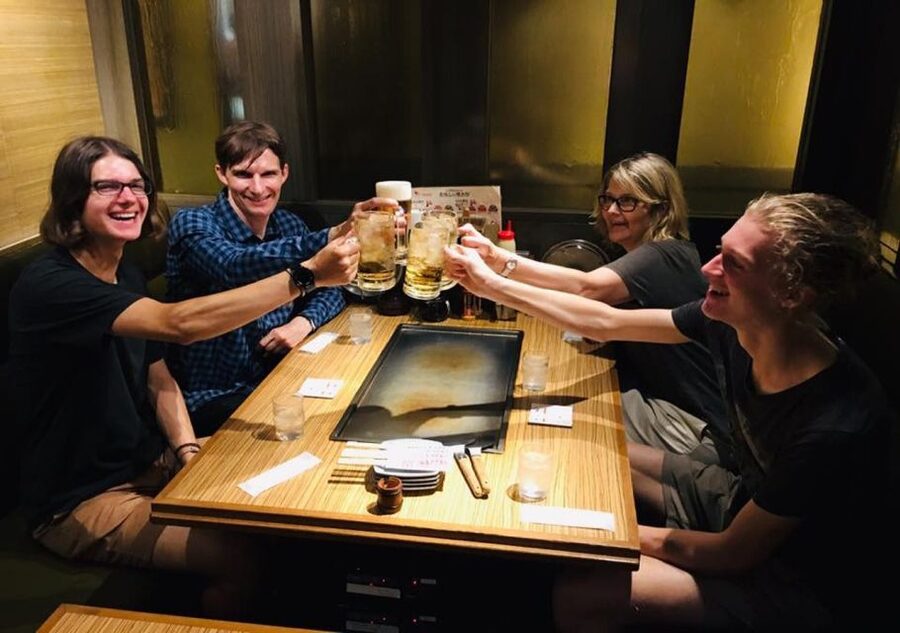
The izakaya stop adds another part of Japanese food culture. Izakaya restaurants are built around small dishes, drinks, and conversation, so this is often where you learn how different foods work together. Two drinks are included in the tour price, and they help make the meal feel like an evening out rather than a string of tastings.
Still, the standing and walking deserve attention. A past group found that only one of the food stops had seating, and the three-hour schedule involved plenty of time on foot. That may be fine for most adults, but it can be tiring for young children or anyone who needs regular rests. If you have mobility concerns, ask the operator for current details before booking.
The food portions also appear to be generous. I would arrive hungry, but not so hungry that you rush the early stops. One person found the portions so filling that smaller samples would have been useful. This is a meal, not a light nibble between sightseeing stops.
Okonomiyaki brings regional cooking into focus
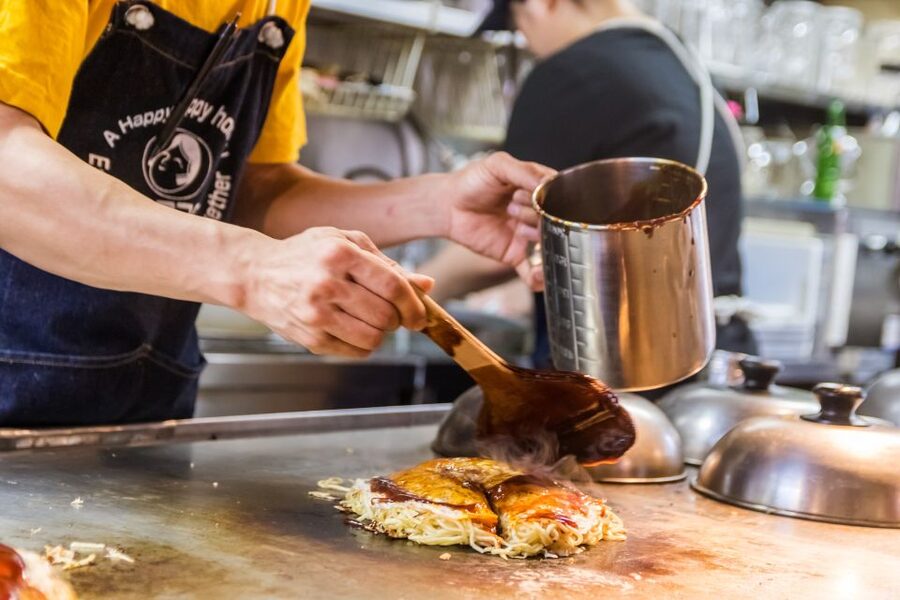
Okonomiyaki is one of the most useful dishes on this tour because it opens a window onto regional cooking. The savory pancake can vary by area, and one stop has featured regional versions of the dish. That gives the guide something concrete to explain, rather than offering only broad facts about Japan.
For you, the appeal is both flavor and participation. The dish is familiar enough to be approachable, but different enough to show how Japanese cooking changes from place to place. It is also a good counterpoint to sushi. After something delicate and cool, you get a warmer, heartier dish with a very different texture.
The experience is not designed as a formal cooking class, so do not book it expecting a hands-on lesson. The value comes from tasting the food in a local setting while your guide explains what makes it distinctive. If you are unsure about ingredients or have dietary restrictions, tell the operator in advance. One group received helpful adjustments so everyone could try the food, but no specific dietary guarantee is provided.
Ramen, street food, and dishes you might skip alone
A ramen stop brings a dependable bowl of comfort to the middle or later part of the walk. It also shows the strength of having a guide in an area where restaurants can be busy, small, and difficult to judge from the outside. You avoid spending part of your evening guessing where to go, how the ordering works, or what a sign means.
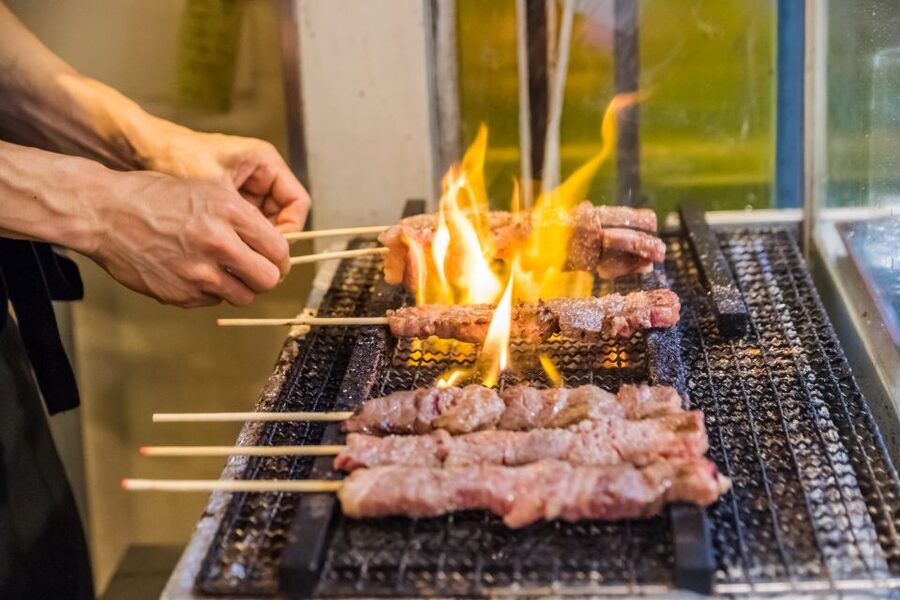
The tour has also included takoyaki and Kobe beef on some occasions. These examples show why the menu should be viewed as a sample of Japanese food rather than a fixed promise. Restaurants and dishes may change, but the basic idea remains: five stops, several styles of food, and a guide who explains what you are tasting.
I particularly like this format for a first night in Tokyo. You can ask where to eat later in the trip, collect ideas for other cities, and learn a few useful Japanese phrases. Several guides have also offered practical food recommendations beyond the tour. That advice can be worth more than a list of famous restaurants because it is tied to your own tastes and questions.
The drawback is that the tour may not satisfy someone looking for a single refined meal. You are moving between places, and some stops may be quick or informal. If you prefer a quiet restaurant with a carefully paced tasting menu, spend the $170 on dinner instead. If you want variety and local context, the movement is the point.
More Shibuya plans:
- Official Street Go-Kart in Shibuya
★ 5.0 · 3,435 reviews - Tokyo: Street Kart Experience in Shibuya
★ 4.9 · 1,484 reviews - Shibuya Meltdown Nightlife Tour: All-You-Can-Drink Bar Hopping
★ 5.0 · 1,058 reviews - Shibuya Official Street Go-Kart in Shibuya Annex
★ 5.0 · 972 reviews
Dessert and the Shibuya depachika finish
The final stop is dessert in a Shibuya depachika, the food hall found in the basement of a department store. This is a smart ending. Instead of finishing in another small restaurant, you get a look at one of Tokyo’s polished food-shopping spaces, where presentation and gift buying matter as much as eating on the spot.
The dessert itself may be a handmade traditional sweet or another local specialty, depending on the current route. The important part is the contrast. After backstreets and compact eateries, the depachika shows a more orderly, highly presented side of Japanese food culture.
I would pay attention to the guide’s explanations here. A department-store food hall can look like a maze of attractive packages if you do not know what you are seeing. The tour helps turn that final stop into cultural sightseeing, and you may leave with ideas for edible gifts or treats to look for elsewhere in Japan. The provided details do not specify shopping time or purchases, so plan to pay separately if you want anything beyond the included dessert.
Why the guide makes the difference
The route itself is useful, but the guide is what can make this experience feel personal. Alex has been praised for being fun, informative, and generous with recommendations. Jane has been described as friendly and attentive at small independent restaurants. Maya has guided groups through strong food choices while adding history and local facts.
Saika received particular praise for taking photos throughout the walk, explaining Japanese habits, speaking clear English, and spending extra time with a very small group. Other named guides include Serena, Shion, Kumie, Michie, Sakura, Ryan, RJ, Ramona, Tomomi, and Akira. You cannot assume you will receive a particular guide, but the range of positive comments suggests that the company has several strong English-speaking hosts.
The guide also helps with the social side of eating. A small restaurant can feel intimidating when you do not know the customs, and Tokyo’s busy streets can be confusing near the station. A good host keeps the group moving, explains what is happening, and answers the questions that come up between bites.
Past outings have worked well for families, including children aged six, eight, nine, ten, eleven, and twelve. The food is adventurous, so children need to be willing to try unfamiliar dishes. The walking and standing are the bigger issue. In cold weather, one guide handed out hand warmers and adjusted the pace so children could warm up indoors, but you should still dress for the conditions.
Is $170 a fair price for three hours?
The price is high if you compare it with the cost of buying a bowl of ramen or a few snacks on your own. It becomes easier to justify when you count the variety of food, two drinks, dessert, a local English-speaking guide, restaurant coordination, and the time saved choosing places.
You are also paying for access to small spots that you might not find by wandering around Shibuya. The food alone will not make every diner feel the tour is worth $170, especially if you are already comfortable ordering in Japan. The cultural explanations, route planning, and confidence in unfamiliar restaurants are the real value.
The small group helps. A maximum of 10 people is more manageable than a large city walk, and it gives you a better chance to ask questions. One older experience had a group of 12 and felt crowded in some restaurants, so the current smaller limit is worth noting. Group size can still affect the mood, but this is not designed as a giant bus-style outing.
I would book it early in a Tokyo visit if you want help understanding Japanese food. That lets you use the recommendations for the rest of your stay. If you are already an experienced Japan diner and know Shibuya well, you may get more value from choosing your own restaurants.
Timing, meeting point, and useful preparation
The tour lasts three hours, with starting times based on availability. Hotel pick-up is not included, though it can be arranged for an extra charge. Transportation costs, extra drinks, extra food, and gratuity are also separate.
Wear comfortable shoes. You will walk through crowded streets and may stand at some stops. Bring your passport, and note that a copy of passport information is required for every participant aged 10 and over.
Arrive early at the Hachiko wall mural. The five-minute grace period is firm, and the guide cannot provide directions or call after the group has left. In a district as crowded as Shibuya, this is not a minor warning. Build in time to find the station exit, orient yourself, and reach the mural without a last-second dash.
Free cancellation is available up to 24 hours before the start for a full refund. You can also reserve now and pay later, which is useful if your Tokyo schedule is still shifting.
Who should book this Shibuya food tour?
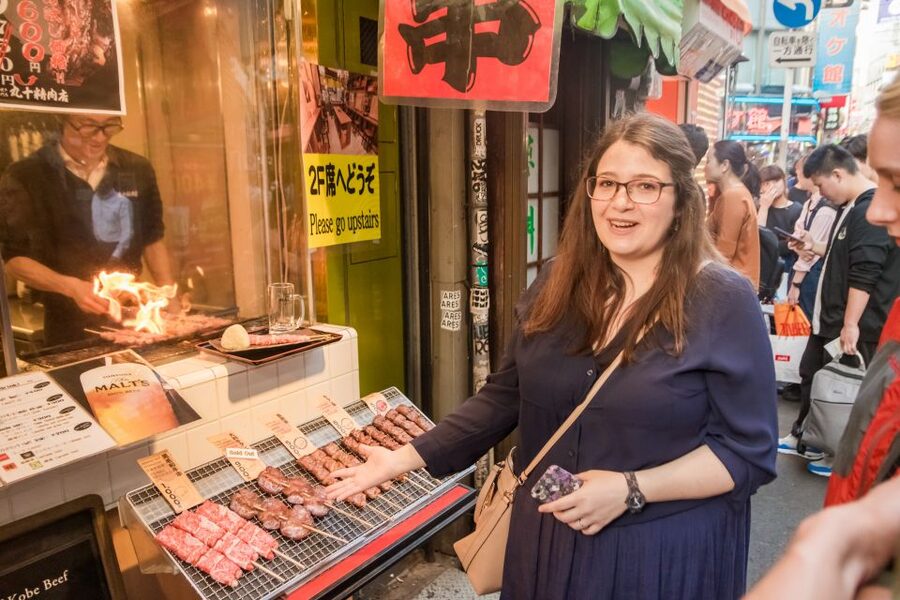
I would recommend it to first-time Tokyo visitors who want a friendly introduction to Japanese food without spending hours researching restaurants. It is also a good fit for couples, families with adventurous children, and anyone who likes learning the story behind a dish.
The tour suits curious eaters more than picky eaters. You may encounter raw fish, grilled foods, noodles, regional specialties, and traditional sweets. Dietary needs may be accommodated, but you should raise them before the tour rather than relying on changes at the table.
I would think twice if you dislike walking, need guaranteed seating, want a quiet meal, or are mainly looking for large portions of one favorite dish. The food is generous, and some people may find the full sequence a little too much. At 4.7 out of 5 from 119 ratings, the experience has a strong record, but the occasional four-star assessment points to a fair truth: it is a very good way to get oriented, not necessarily the most thrilling food event in Tokyo for seasoned Japan diners.
Should you book it?
Book this tour if you want Shibuya explained through food, especially early in your Japan trip. The mix of sushi, izakaya dishes, okonomiyaki, ramen, dessert, drinks, backstreets, and a depachika gives you a useful introduction in three hours.
Skip it if $170 feels too steep for a guided meal or if you would rather spend the evening choosing restaurants at your own pace. For most first-time visitors, I think the guide, variety, and access to small eateries make the cost reasonable, provided you arrive hungry and ready to walk.
FAQ
How long does the Tokyo Best of Shibuya Food Tour last?
The tour lasts three hours.
How many food stops are included?
The experience includes five food stops.
What food might be served?
Possible dishes include sushi, izakaya food, okonomiyaki, ramen, takoyaki, Kobe beef, regional specialties, and traditional desserts. The exact selection can vary.
Are drinks included?
Two drinks are included. Additional drinks and food can be purchased at your own expense.
Is dessert included?
Yes. Dessert is included, and the tour ends with dessert and a visit to a Shibuya depachika.
What language is the tour offered in?
The tour is offered in English with a live English-speaking guide.
How large is the group?
The small group is limited to 10 participants.
Where is the meeting point?
Meet in front of the Hachiko wall mural outside Shibuya Station at the Hachiko exit. Do not meet at the Hachiko statue.
How late will the guide wait?
The guide can wait only an additional five minutes after the scheduled start time. Once the tour leaves, the guide cannot provide directions or be contacted by phone.
What should I bring?
Bring your passport and wear comfortable shoes. A copy of passport information is required for all participants aged 10 and over.
New on our Tokyo list
- From Tokyo: Mount Fuji & Hakone Full Day Private Tour★ 4.9 · 25 reviews
- Tokyo Spectacular View Day-Cruise in 90 Minutes★ 5.0 · 25 reviews
- Real Tokyo Runner Club : Daikoku Car Meet Night Tour with JDM Car★ 5.0 · 25 reviews
- 2.5 Hour-Guided Cycle Tour in the Central Tokyo★ 5.0 · 25 reviews
- [Self-Drive] Tokyo & Daikoku Custom Car Driving Tour★ 4.9 · 25 reviews
- Tokyo: 2-Hour Night Bike Tour of the City’s Hidden Gems★ 4.9 · 25 reviews
- Ramen Making from Scratch +Akihabara Tour –Cooking Class★ 5.0 · 25 reviews
- Samurai themed Entertainment show in Shinjuku★ 4.5 · 25 reviews
Tokyo Food Tours, compared.
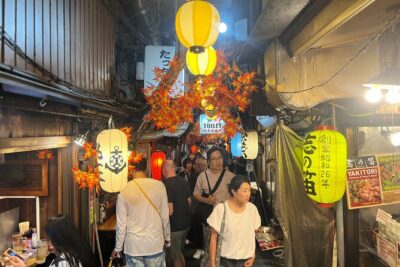
Shinjuku Food Tour (13 Dishes at 4 Local Eateries)
Read our review →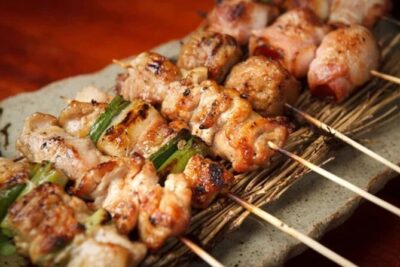
Shinjuku Food Tour (15 Dishes and 4 Eateries)
Read our review →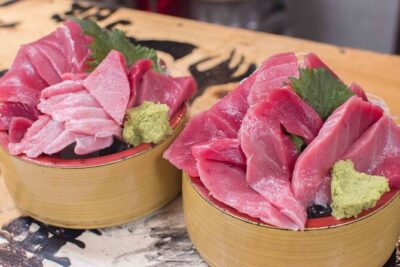
Best of Shinjuku: Izakaya Food Tour (4 Stops, 14+ Tastings)
Read our review →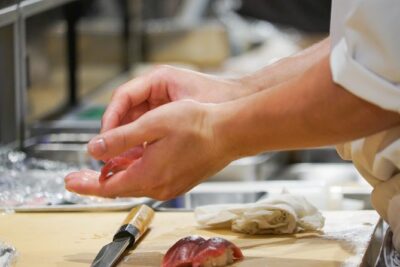
Tokyo Night Foodie Tour in Shinjuku – Seasonal Sushi, Wagyu Beef
Read our review →
Eat and Drink Like a Local: Tokyo Ueno Food Tour-Taverns&Ramen
Read our review →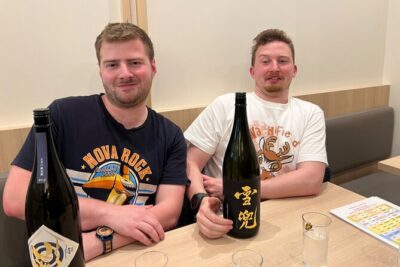
Tsukiji Fish Market: Street Food & Culture Walking Tour
Read our review →Shinjuku Food Tour – 15 Dishes, 3 Drinks, 4 Eateries
Read our review →Browse the lists this tour appears in