
Reviewed · HISTORICAL TOURS
Tokyo: Imperial Palace, Edo Castle and Historical Tour
Tokyo’s Imperial Palace East Gardens give you something rare in central Tokyo: ancient castle walls and moats beside quiet gardens, all within reach of the modern city. This 90-minute walk traces Edo Castle, once the seat of the Tokugawa shoguns, then connects that past to Japan’s imperial era.
I like the tour’s small price of $22 and its clear route through the most meaningful surviving sites. I also like the emphasis on explanation rather than simple photo stops. Guides such as Tony, Jim, and Bell have been praised for clear speaking, thoughtful answers, humor, and making sure everyone can follow along.
The main consideration is time. Ninety minutes lets you see the key areas, but it is not enough for a slow, museum-style study of every gate, stone wall, and garden corner. If you want to linger for photographs, you may need to return on your own.
In This Review
- Key points to know before booking
- Why Edo Castle matters in modern Tokyo
- Meeting near Wadakura Fountain Park
- The first Imperial Palace stop and a useful overview
- Entering the East Gardens through castle defenses
- Ninomaru Garden brings a quieter side of Edo
- Sakurada-mon Gate closes the historical loop
- What the guides add to the experience
- Is $22 good value for 90 minutes?
- Who will get the most from this walk?
- Practical tips for a smoother visit
- Should you book the Imperial Palace East Gardens tour?
- FAQ
- Where does the tour meet?
- How long does the tour last?
- What language is the tour offered in?
- Is admission to the Imperial Palace East Garden included?
- Is the tour wheelchair accessible?
- Can I cancel for a refund?
Key points to know before booking
- Edo Castle’s stone foundation: Stand where the great castle keep once rose and picture the power of the Tokugawa shogunate.
- Ninomaru Garden: Enjoy ponds, seasonal flowers, and carefully arranged scenery after the heavier castle remains.
- Original samurai-era defenses: Walk beside old moats, gates, and massive stonework that give the history real scale.
- Three useful stops: The route includes the Imperial Palace area, East Gardens, and Sakurada-mon Gate.
- English guidance: Guides including Tony, Jim, and Bell have been noted for clear explanations and friendly group interaction.
- Flexible booking: You can cancel up to 24 hours before departure for a full refund, and reserve now while paying later.
Why Edo Castle matters in modern Tokyo
The Imperial Palace can feel hard to understand from the outside. You see broad streets, formal grounds, and guarded entrances, but the story reaches much further back than the present imperial family.
This walk helps you read the site as Edo Castle, the great fortress that controlled Japan during the Tokugawa shogunate. From the early 1600s until the 19th century, the Tokugawa rulers governed from here. Edo, the old name for Tokyo, grew around the castle and became the center of political power.
That setting gives the tour real value. You are not simply walking through a pleasant park. You are following the remains of the place where shoguns received feudal lords, managed a strict social order, and shaped the country’s long period of internal stability.
The castle itself is largely gone, but the surviving stone walls, moats, gates, and foundations do important work. They show the size and strength of the former stronghold better than a small display case could. You can see how carefully the defenses were planned and how much labor went into fitting huge stones together.
Your guide also places the site within the change from shogun rule to imperial rule. That shift transformed Japan in the 19th century, and the palace grounds help connect that political change to the city you see today.
A few more Tokyo bookings worth comparing
- Tokyo: Imperial Palace and Shogun Historical Walking Tour
★ 5.0 · 2,251 reviews - Tokyo: Imperial Palace Japanese History Walking Tour
★ 4.9 · 987 reviews - Tokyo: Shinjuku Historical Walking Tour & Secret Backstreets
★ 5.0 · 530 reviews
Meeting near Wadakura Fountain Park
The tour begins at the Starbucks Coffee near Kokyo Gaien Wadakura Fountain Park. This is close to the Imperial Palace East Gardens and provides a simple landmark for the meeting point.
Your exact meeting instructions are provided after booking, but the general location is near Otemon Gate. Plan to arrive with enough time to find the café and orient yourself before the walk begins. The palace district is broad, with large open roads and several gates, so rushing from the wrong side can cost you time.
Starting near Wadakura Fountain Park also places you in a pleasant part of the palace district from the outset. You can use the surrounding open space to get your bearings before entering the historic grounds.
The meeting point is practical rather than atmospheric. It is a recognizable café, not a grand ceremonial entrance, so keep your booking details available and check the exact instructions before setting out.
The first Imperial Palace stop and a useful overview
The first formal stop is the Tokyo Imperial Palace area, with about 15 minutes for a guided explanation and photographs. This portion gives you the broad setting before the walk turns toward the East Gardens.
You will hear about the Imperial Family and the palace’s place in Japan today. That context matters because the grounds combine two different chapters of national history. Edo Castle represents shogunal authority, while the Imperial Palace represents the continuation of the imperial institution.
Do not expect an interior palace visit here. The experience is an outdoor historical walk, and the focus is on visible grounds, gates, walls, gardens, and foundations. That makes it a good choice if you want a direct introduction without committing to a long palace visit.
The first stop also helps you understand the scale of the site. Tokyo’s city center can feel packed and fast, yet the palace grounds occupy a broad area with open space and carefully maintained gardens. The contrast is one of the pleasures of the route.
Entering the East Gardens through castle defenses
The main section lasts about 45 minutes in the Imperial Palace East Gardens. This is where the tour earns its price.
The East Gardens preserve parts of the former Edo Castle compound. As you walk through the grounds, the guide points out old gates, moats, stone walls, and other remains from the samurai era. These are not isolated ruins placed in a display. They form part of the actual route, so you can understand how one defensive feature related to another.
The gates are especially useful for making the past feel concrete. A description of castle protocol can seem abstract until you stand at an entrance designed to control movement and status. Your guide can explain how the castle’s spaces reflected the strict order of shogunal Japan.
The stone walls are another highlight. Their size gives you a better sense of the castle’s former strength than a written timeline alone. Look closely at the different shapes and patterns in the masonry. The guide’s explanation turns what could look like a pile of old stones into evidence of planning, engineering, and political power.
The tour also brings up the castle keep foundation. The keep itself no longer rises above Tokyo, but the base remains a powerful viewing point. Standing there, you can imagine the central structure that once dominated the castle compound and symbolized the authority of the shoguns.
This part suits history fans, but you do not need prior knowledge to enjoy it. A good guide can explain the Tokugawa shogunate in plain terms and connect it to the transition toward imperial government. Jim, one of the guides who has led this experience, has been noted for linking Japanese history to modern life with a relaxed sense of humor. That approach helps keep the subject from becoming a list of dates and rulers.
Same corner of Tokyo, a completely different plan:
- Mt Fuji and Hakone 1-Day Bus Tour Return by Bullet Train
★ 5.0 · 26,383 reviews - 1-Day Tokyo Bus Tour
★ 5.0 · 14,250 reviews - Tokyo: TOKYO SKYTREE® Admission ticket
★ 4.5 · 11,192 reviews - Tokyo: teamLab Planets TOKYO Digital Art Museum Entry Ticket
★ 4.6 · 9,779 reviews
Ninomaru Garden brings a quieter side of Edo
After the fortress remains, Ninomaru Garden changes the mood. Ponds, seasonal flowers, and carefully arranged plantings show another side of the Edo period, one concerned with refinement, balance, and controlled beauty.
I like this contrast. The castle walls speak of defense and authority, while the garden shows how elite culture valued calm scenery and deliberate design. The two belong to the same world, and seeing them together gives you a fuller picture of Edo Japan.
The garden is also the best place to slow down for a moment. You can take photographs, listen to the explanation, and notice how water, trees, paths, and plants shape the view. Seasonal conditions will affect what you see, so the garden’s appearance can vary during the year.
Still, keep your expectations measured. This is part of a guided route, not a long garden visit with time for quiet contemplation at every pond. If garden design is your main interest, you may want to return after the tour and explore at your own pace, if opening conditions allow.
Sakurada-mon Gate closes the historical loop
The route continues to Sakurada-mon Gate, with about 20 minutes for guided sightseeing and photographs. This is one of the most important surviving gateways associated with the old castle grounds.
The gate helps you understand the defensive character of Edo Castle in a way that a garden path cannot. Its scale and position make the entrance feel purposeful. Your guide can explain its role while placing it within the wider story of samurai government and the later shift to imperial rule.
This final stop also gives the tour a strong ending. You begin near the present-day palace district, move through the East Gardens and castle remains, then finish at a major historic gate. The sequence moves from broad context to detailed evidence and back to a clearly recognizable piece of the old fortress.
Sakurada-mon Gate is also a good photo stop, but photography should not replace the explanation. Look for the relationship between the gate, moat, stonework, and surrounding open space. Those elements show that the castle was a working defensive complex, not simply a residence.
What the guides add to the experience
The guide makes a major difference on this walk. Without one, you can see impressive stones and attractive gardens, but you may miss why they matter.
Tony has been praised for speaking clearly and loudly, an important strength for anyone who has difficulty hearing. He also answered questions and kept the tone friendly and enjoyable. That detail is useful because outdoor walking tours can be hard to follow when a guide speaks softly or turns away from the group.
Jim brings a broad historical view and a light touch. His explanations connect the old castle to Japan today, while his humor keeps the walk from feeling stiff. Bell has also been noted for engaging the group and making sure people felt included.
These individual strengths point to what you should expect from the format: a live English guide who explains the site as you move. The pace will depend partly on the guide and the group, but the tour is designed to be informative without becoming a formal lecture.
If you have a specific interest, such as castle construction, the Tokugawa shogunate, imperial history, or garden design, ask questions along the way. The guides are described as happy to answer them, and questions can make the difference between a general introduction and a more personal history lesson.
Is $22 good value for 90 minutes?
At $22 per person, this is a reasonable price for a guided introduction to one of Tokyo’s most important historic sites. Admission to the East Gardens is included, along with the English walking tour and explanations about the Imperial Family.
The value comes from interpretation. You can enter a garden and look at old walls for free or at low cost, but it takes context to understand what you are seeing. Here, the guide connects the moats, gates, foundation, garden, and political changes into one story.
The tour is not a full-day experience, and it does not include an interior palace visit. You are paying for a focused walk, not a large attraction package. That is good news if you have limited time or want to keep your Tokyo schedule flexible.
The 90-minute length works well beside other central Tokyo plans. You can spend a morning or afternoon learning the palace district, then continue elsewhere. Just remember that the description also allows roughly 1.5 to 2 hours, so leave some breathing room if the group pauses for questions or photographs.
Who will get the most from this walk?
I would choose this tour for a first visit to Tokyo if you want historical context without spending half a day in a museum. It suits couples, solo visitors, families with an interest in history, and anyone curious about how the shogunal and imperial eras connect.
It is also a good fit for people who prefer a guide to explain what they are seeing. The grounds are attractive on their own, but the castle remains become much more meaningful once you understand their purpose.
People with hearing concerns may appreciate the emphasis on clear, loud speaking from Tony. The activity is listed as wheelchair accessible, which is useful information when planning, though you should still share any specific mobility needs when booking so the guide can help with the route.
You may want a different plan if your main goal is a long, unhurried garden visit, a palace interior tour, or a detailed study of architecture. This walk gives you a well-chosen overview, not unlimited time at each site.
Practical tips for a smoother visit
Wear comfortable shoes. The experience lasts about 90 minutes and takes place outdoors across a historic site, so you will get more from the explanations if you are not distracted by sore feet.
Bring water and dress for the weather. The East Gardens and palace district include open areas, and the tour is not built around indoor shelter.
Arrive early at the Starbucks near Wadakura Fountain Park. The meeting location is close to Otemon Gate, but the palace area is large enough that a few extra minutes can prevent a stressful start.
Keep your booking information handy. Full meeting details arrive after booking, and the exact instructions matter more than simply knowing the general palace area.
If your schedule is uncertain, cancellation is free up to 24 hours before the tour for a full refund. You can also reserve now and pay later, which makes this a useful activity to place early in a Tokyo plan without locking in every detail immediately.
Should you book the Imperial Palace East Gardens tour?
Book it if you want a short, affordable walk that turns Tokyo’s palace grounds into a clear story about Edo Castle, the Tokugawa shogunate, samurai defenses, gardens, and imperial rule.
The strongest reasons are the authentic stone remains, the original gates and moats, the peaceful Ninomaru Garden, and the quality of live English explanation. Guides such as Tony, Jim, and Bell bring different strengths, but clear communication and group inclusion are central to the experience.
Skip it if you want to enter palace buildings or spend hours wandering without a schedule. For most visitors with 90 minutes to spare, though, this is a sensible way to meet Tokyo’s past before returning to its modern streets.
FAQ
Where does the tour meet?
The meeting point is in front of the Starbucks Coffee near Kokyo Gaien Wadakura Fountain Park, very close to the Imperial Palace East Gardens. Full meeting details are provided after booking.
How long does the tour last?
The stated tour duration is approximately 90 minutes. The activity information also notes an overall range of about 1.5 to 2 hours, so allow a little extra time for questions and photographs.
What language is the tour offered in?
The tour is conducted in English with a live tour guide.
Is admission to the Imperial Palace East Garden included?
Yes. Admission to the Imperial Palace East Garden is included with the historical walking tour.
Is the tour wheelchair accessible?
Yes. The activity is listed as wheelchair accessible.
Can I cancel for a refund?
Yes. You can cancel up to 24 hours in advance for a full refund. You can also reserve now and pay later.
New on our Tokyo list
- Sumi-e Experience in a relaxing green tea shop in Tokyo★ 5.0 · 3 reviews
- Tokyo : Kamikaze Street Drift Ride★ 5.0 · 3 reviews
- Private Zen Meditation in English in Shinjuku, Tokyo★ 5.0 · 3 reviews
- Onsen Spa in Tokyo and Asakusa Bar Hopping with Local Guide★ 5.0 · 3 reviews
- Easy for everyone! Now you can play handmade mini shamisen and show off to everyone! Musical instruments, sweets and live music★ 5.0 · 3 reviews
- Tokyo: Private Tsukiji Street Food & Sake with Local Guide★ 5.0 · 3 reviews
- Mt Fuji Exploration Tour with Free Japanese Kusa Mochi from Tokyo★ 4.5 · 3 reviews
- Tokyo Tsukiji Fish Market Walking and Exploring Hidden Gems Tour★ 5.0 · 3 reviews
Historical Tours, compared.

Imperial Palace and Shogun Historical Walking Tour
Read our review →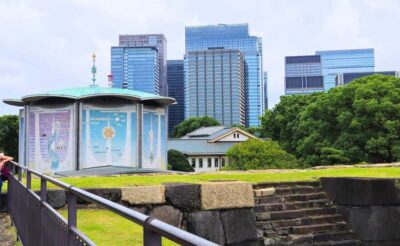
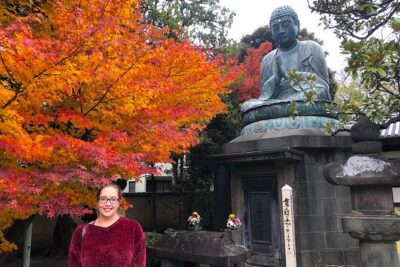
Yanaka Walking Tour: Historic and Traditional District of Tokyo
Read our review →
Shinjuku Historical Walking Tour & Secret Backstreets
Read our review →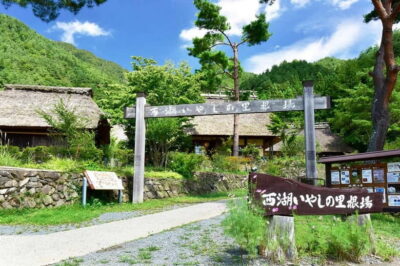
Mt. Fuji Heritage Tour: Traditional Villages, Lakes & Shrine
Read our review →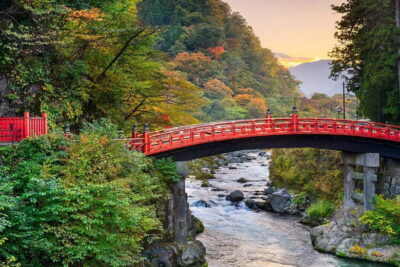

The Best of Izakaya in Shinjuku Food & Cultural Tour
Read our review →
Yanaka Historical Walking Tour in Tokyo’s Old Town
Read our review →Browse the lists this tour appears in